
Table of Contents
ToggleDid you know Argentina is one of the largest countries in the world, covering about 1.07 million square miles (2.78 million km²)? It’s a land of contrasts — from the Andes mountains to the Pampas — and planning a trip here means balancing long travel distances with unforgettable experiences.
Creating the perfect argentina itinerary requires knowing the country’s diverse regions and realistic travel times. Whether you plan a few days in Buenos Aires, a short trip to Iguazú, or a longer journey through Patagonia, this guide helps you match days, travel hours, and places to your travel style.
Key Takeaways
- See the top argentina destinations and how many days to spend in each.
- Understand realistic travel times and booking priorities across this large country.
- Get practical tips for experiencing Argentine culture, food, and wine responsibly.
- Plan around regional climates and weather risks instead of relying on blanket seasonal advice.
- Find alternatives and off-the-beaten-path places if your schedule or booking windows are tight.
Jump to the one-week, two-week, or custom itinerary sections below to build a trip that fits your time, budget, and interests.
Discovering Argentina: South America's Diverse Gem
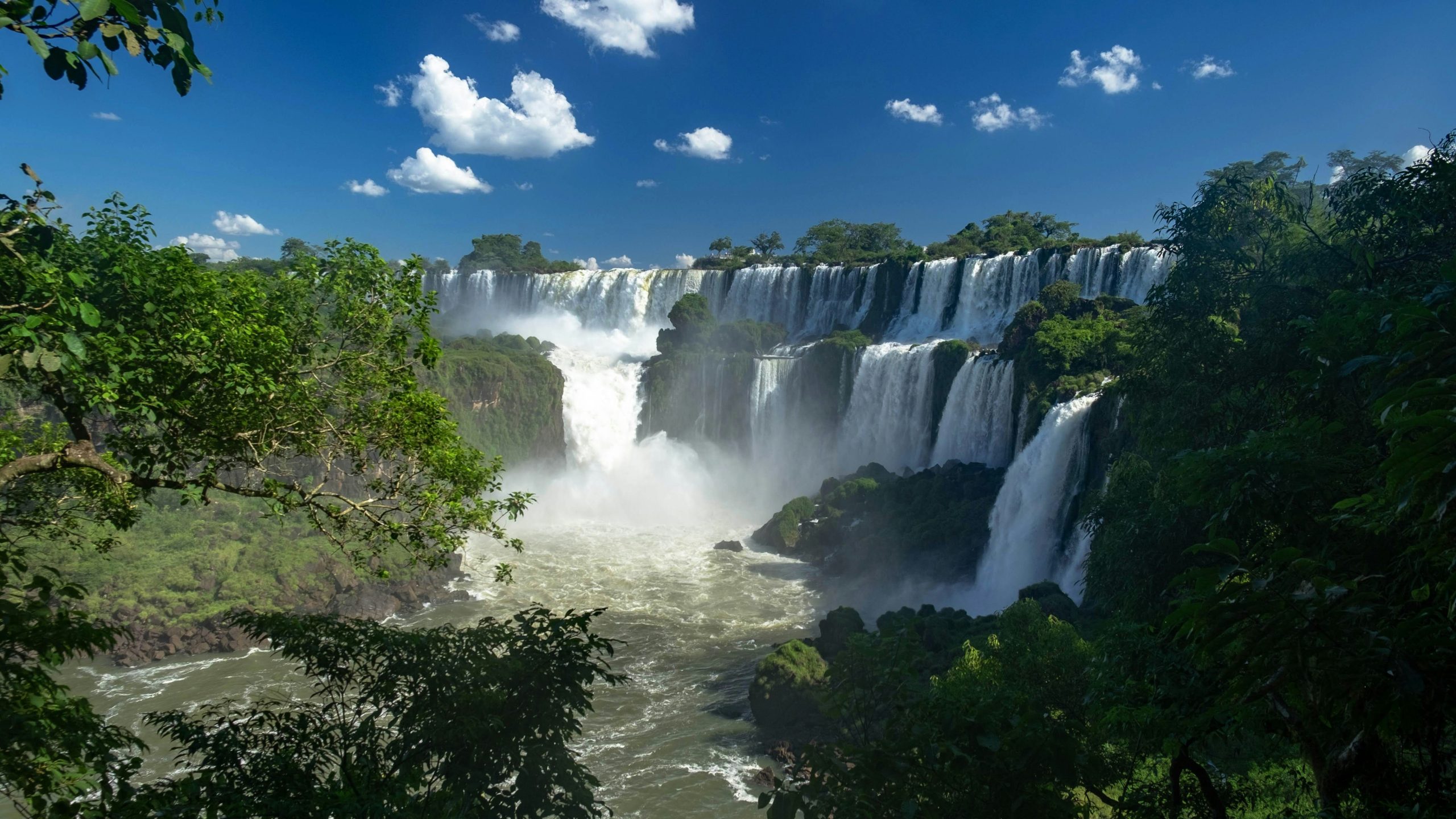
Argentina stands out in South America for its dramatic variety of landscapes, rich cultural life, and warm people. It hosts Iguazú, one of the world’s largest waterfall systems by number of falls and flow in places, and Aconcagua, the highest peak in the Americas at 6,961 meters (22,838 ft).
Geography and Regional Diversity
Argentina’s geography ranges from subtropical wetlands in the north to windswept glaciers in the far south. Regions — the humid Pampas, the Andean mountains, arid Patagonian plateaus, and the jungle around Iguazú — each offer different activities and travel considerations, so plan your route around the areas you most want to see.
The Andes run along Argentina’s western edge and are the place for high-altitude trekking, mountaineering, and scenic drives. To the east, the Pampas and rolling hills are ideal for driving, horseback riding, and tasting local life in small towns.
Cultural Heritage and Influences
Argentina’s culture blends indigenous traditions with Spanish, Italian, and other European influences. That mix appears in city architecture, music, festivals, and cuisine across the country.
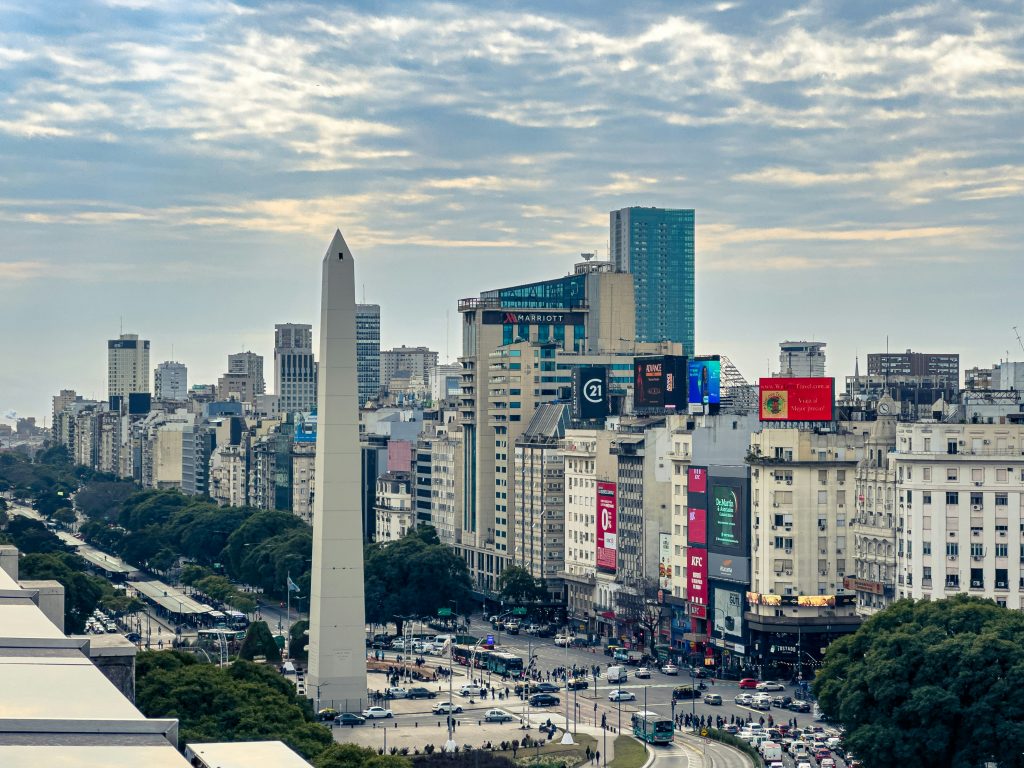
Buenos Aires is the cultural heart: a city of wide avenues, European-style buildings, and thriving arts scenes. Neighborhoods such as La Boca and San Telmo showcase street art, markets, and the asado (barbecue) culture that defines much of Argentine social life.
Why Argentina Should Be Your Next Destination
Whether you prefer city breaks, wine-country relaxation, or wild mountain landscapes, Argentina has a place for you. Expect great food, world-class wine, varied outdoor activities, and welcoming local people.
Quick micro-itineraries to consider: a short “city + wine” trip (Buenos Aires + Mendoza over 5–7 days) or a “Patagonia fly-in” plan focusing on El Calafate and El Chaltén for hiking (allow at least 5–7 days to cover travel time). Use the one-week, two-week, and custom itinerary sections below to pick the best way to organize your time and places.
Best Time to Visit Argentina
Argentina spans many climate zones from subtropical north to subpolar south, so the best time to visit depends on where you plan to go. Whether you want a few days in Buenos Aires, hiking time in Patagonia, or wine-harvest experiences in Mendoza, match your timing to the region rather than assuming one season fits all.
Seasonal Considerations
Argentina can be visited year-round, but each season brings trade-offs:
- Spring (Sept–Nov): Excellent for buenos aires city breaks (mild weather, fewer crowds) and for shoulder-season travel in many regions.
- Summer / Austral summer (Nov–Mar): Warmer across the country and high season for Patagonia hiking — but summer in southern Patagonia often brings extremely strong winds (December–February can have gusts exceeding 100 km/h) that occasionally cancel hikes and boat trips. Always check local forecasts and allow flexible days for outdoor activities.
- Autumn (Mar–May): A great time for Mendoza (harvest in March) and pleasant weather in Buenos Aires; colors and cooler temps make outdoor exploring comfortable.
- Winter (Jun–Aug): Ski season in the Andes, but operations vary: some resorts (e.g., Las Leñas) can close or have limited runs in low-snow years; Cerro Castor is located in Ushuaia (Tierra del Fuego), far from Mendoza, so pick skiing destinations carefully and verify current conditions before booking.
Regional Climate Variations
Quick region-by-region notes to help choose timing:
- Patagonia: Short summers with long daylight but highly changeable weather and strong winds; plan extra days to absorb delays and bring warm, layered clothing (temperatures can drop below freezing at altitude even in summer).
- Mendoza & Cuyo: Hot, dry summers and cool winters — harvest (vendimia) peaks in March; wineries often require advance booking during harvest.
- Iguazú / North: Subtropical — hot and humid in summer with a higher chance of rain and mosquito-borne illnesses (check dengue advisories); shoulder seasons can be more comfortable.
- Pampas / Buenos Aires: Temperate with hot summers and cool winters — spring and autumn are ideal for city walking and restaurants.
Festival and Event Calendar
Timing your trip around local events can add value, but confirm dates (they sometimes shift):
- Buenos Aires Tango Festival: Usually in August — great for performances and milongas.
- Mendoza Fiesta de la Vendimia (Wine Harvest): Typically in March — a major regional event; wineries are busiest and require early reservations.
- Carnaval: February or March depending on the city — lively parades and regional traditions.
If you have limited time: choose dates that minimize weather risk for your top priority (e.g., Patagonia hiking — aim for shoulder summer months and add buffer days; Iguazú — choose shoulder season to avoid peak humidity). This guide’s one-week and two-week itineraries (below) show how to align days to regions and travel time.
Getting to and Around Argentina
Argentina is a very large country with varied landscapes, so understanding the best way to get between destinations is essential for a smooth trip. Whether your plan focuses on a city break, a nature park, or a long overland road trip, choose transport that matches your time and priorities.
International Flights and Entry Points
Most international travelers arrive in Buenos Aires. The main international gateway is Ministro Pistarini International Airport (EZE) in Ezeiza; Jorge Newbery Airfield (AEP) handles many regional flights to nearby countries and domestic hops. Major carriers serving Argentina include Aerolíneas Argentinas, LATAM, and American Airlines, but frequencies and routes change seasonally—always check current schedules before booking.
If you’re heading straight to Patagonia or the north, consider flying into a regional airport (e.g., El Calafate – FTE, Ushuaia – USH, or Iguazú – IGR) to save long overland transfers. Plan extra transfer time: factor in 2–4 hours for airport procedures and transfers when calculating total travel hours.
Domestic Transportation Options
Domestic flights are the fastest way to cover Argentina’s long distances, but many regional routes have limited service. For example, direct flights between El Calafate and Ushuaia are often seasonal and may operate only 3–4 times per week; prices can be several times higher than major domestic routes, so book early. Typical flight times: Buenos Aires → Iguazú ~2.5–3 hours; Buenos Aires → Mendoza ~1.5–2 hours; Buenos Aires → El Calafate ~3 hours (plus transfer time).
Long-distance buses remain a reliable, comfortable, and often cost-effective alternative. Operators like Andesmar and CATA run extensive overnight and daytime services connecting cities and towns; note that buses can take many hours (e.g., Buenos Aires–Mendoza ~14–18 hours by bus). Buses are ideal for night travel between major hubs if you have the time.
Car rentals give the most flexibility for exploring rural areas, scenic drives, and wine-country roads, but driving distances are long and fuel plus tolls add up. For certain mountain or gravel roads, a 4×4 may be required; check local rental policies and insurance rules, especially for crossing provincial borders.
Car Rental vs. Public Transport
Which is better depends on your itinerary:
- Cities and short stays: Use public transport, taxis, or ride-hailing in cities—it’s cheaper and parking can be difficult.
- Regional exploration: Rent a car for Mendoza, the wine routes, or the Lake District where driving gives flexibility.
- Long-distance hops: Fly for time efficiency (book early for limited routes); take buses for overnight, budget-friendly travel.
Booking & Practical Checklist
- Book domestic flights and key long-distance buses several weeks (or months for peak season) in advance.
- Check airline baggage rules: many domestic flights enforce strict weight limits (often around 15 kg for checked bags) and charge for extras—verify with carriers before you pack.
- Allow realistic transfer time: add 2–4 hours for connections and ground transfers when planning day-to-day itineraries.
- Compare total travel hours for each route (flight time + transfers vs. bus overnight) to choose the best way to spend your days.
Essential Planning Tips for Your Argentina Itinerary
A successful argentina itinerary starts with a realistic pre-departure plan. Below are the up-to-date practical checks and warnings you need before you book flights, hotels, or tours.
Visa Requirements and Documentation
Visa rules vary by nationality and change regularly — always verify with your nearest Argentine embassy or consulate before booking. Important points to confirm for many visitors:
- Passport validity: most nationalities must have at least six months’ validity beyond the planned departure date.
- Proof of onward travel and sufficient funds: immigration officers have been requiring onward tickets and evidence of funds in some cases — carry printed copies of bookings and bank statements.
- Reciprocity fees & appointments: while some reciprocity fees were removed for certain countries in past years, rules may differ by nationality; check embassy guidance and payment portals.
- Cross-border visits (e.g., Brazilian side of Iguazú): some neighboring-country entry processes (such as Brazil) may require advance visa appointments or e-visa steps that take several weeks — factor this into your plans if you intend to visit both sides.
Currency and Money Matters
Argentina’s economy experiences rapid inflation and strict foreign-exchange controls. Understand the landscape before relying on cash or cards:
- Local currency: the Argentine peso (ARS) is the official currency; prices can change quickly due to high inflation — carry a buffer in your budget.
- Official vs. informal exchange: an informal “blue dollar” parallel market exists and offers different rates than official exchange; using informal exchangers carries legal and safety risks — use official exchange houses (casas de cambio) or bank channels where possible.
- Card payments & surcharges: many businesses accept cards but may add surcharges or offer discounts for cash; international card transactions can experience additional taxes and unfavorable conversion rates — compare totals before you pay.
- Carry some USD or stable foreign currency for emergencies, but be aware of limits on exchanging large amounts and local regulations.
Practical Financial Tips
- Plan for price volatility: published prices can become outdated quickly; confirm costs close to booking time.
- Bring multiple payment methods: a mix of cash (ARS & USD), debit/credit cards, and a travel card is prudent.
- Notify your bank of travel dates to avoid card blocks and learn your card’s foreign transaction fees ahead of time.
Language Considerations
Spanish is the official language. In major tourist hubs like buenos aires, you’ll find English spoken in hotels and some tours, but learning basic Spanish phrases or using an offline translator app will significantly improve your trip, especially in smaller towns.
Health and Safety Precautions
Health and safety are straightforward if you prepare ahead:
- Vaccinations & health advice: check CDC or your country’s foreign travel advice for recommended vaccinations. Northern Argentina can have dengue outbreaks — bring insect repellent and follow local health advisories.
- Personal safety: Argentina is generally safe for tourists, but petty crime (pickpocketing, bag snatching) occurs in busy areas. Use hotel safes for valuables, avoid displaying expensive items, and prefer metered taxis or ride-hailing at night.
- Travel insurance: buy comprehensive travel insurance that covers medical evacuation and weather-related cancellations (important for Patagonia hiking or boat trips that can be canceled by wind or storms).
Pre-Booking Checklist
- Confirm visa and entry rules for your nationality; print or save embassy pages/screenshots showing requirements.
- Book domestic flights and key bus legs early — popular routes and limited regional flights sell out fast.
- Reserve Mendoza winery visits and Patagonia activities well in advance during high season (harvest and peak summer); wineries often require 2–3 months’ notice for tastings and tours during harvest.
- Plan for domestic baggage rules (many domestic flights have strict weight limits around 15 kg for checked bags); pack accordingly.
With these points checked off, your trip planning will be far more resilient to Argentina’s fast-changing prices, busy booking windows, and region-specific entry or health requirements — all crucial for a smooth and enjoyable argentina itinerary.
Buenos Aires: The Vibrant Capital
Buenos Aires is the energetic heart of Argentina — a sprawling city where European-style avenues meet lively neighbourhood markets and a thriving food and arts scene. Plan at least 1–3 days here depending on your interests: one full day covers highlights, two days lets you explore neighborhoods and museums, and three days gives time for a day trip or a relaxed food-and-wine pace.
Neighborhoods Worth Exploring
Recoleta — for architecture and history: elegant boulevards, cafés, and the famous Recoleta Cemetery (allow 1–2 hours). San Telmo — for antiques and tango vibes: cobbled streets, weekend markets, and milongas. Palermo — for nightlife, restaurants, and shops: sprawling parks, design stores, and a lively dining scene.
Other useful bases include Montserrat (historic center) and Belgrano (quieter, residential). Choose a hotel near the neighbourhood that matches your itinerary: Palermo for nightlife and restaurants, Recoleta for museums and a quieter night, and Puerto Madero for waterfront hotels and easy taxi access.
Cultural Highlights and Museums
A one- or two-day city itinerary should include at least one major museum: the National Museum of Fine Arts for Argentine art and MALBA (Museo de Arte Latinoamericano de Buenos Aires) for modern Latin American work. History fans should visit the Museo Histórico Nacional. Many museums are walkable within central neighborhoods; plan 2–4 hours per museum depending on interest.
Tango Experiences
Experiencing tango is essential in buenos aires: choose between an evening show at a polished tango house or a more authentic milonga where locals dance. For a balanced night, book a milonga lesson (1 hour) followed by dinner and a milonga visit; prices vary widely—expect a range depending on venue and inclusions, and remember inflation can affect package costs quickly.
Day Trips from Buenos Aires
Colonia del Sacramento (Uruguay): a popular 1-day escape reachable by ferry — reserve 3–4 hours for the town and allow roughly 3–6 hours round-trip transit depending on ferry schedules and border processing. Tigre: an easy half-day to full-day trip to explore the river delta and markets. Reserva Natural Otamendi and nearby estancias offer nature escapes and estancia-style asados for a half- or full-day trip.
Practical timing tip: if you only have one day, focus on two neighborhoods plus one museum or an evening tango show; for two days, add a day trip or extra dining and shopping time. Use the city as a relaxed home base while you build the rest of your argentina itinerary.
Iguazu Falls: Nature's Spectacular Wonder
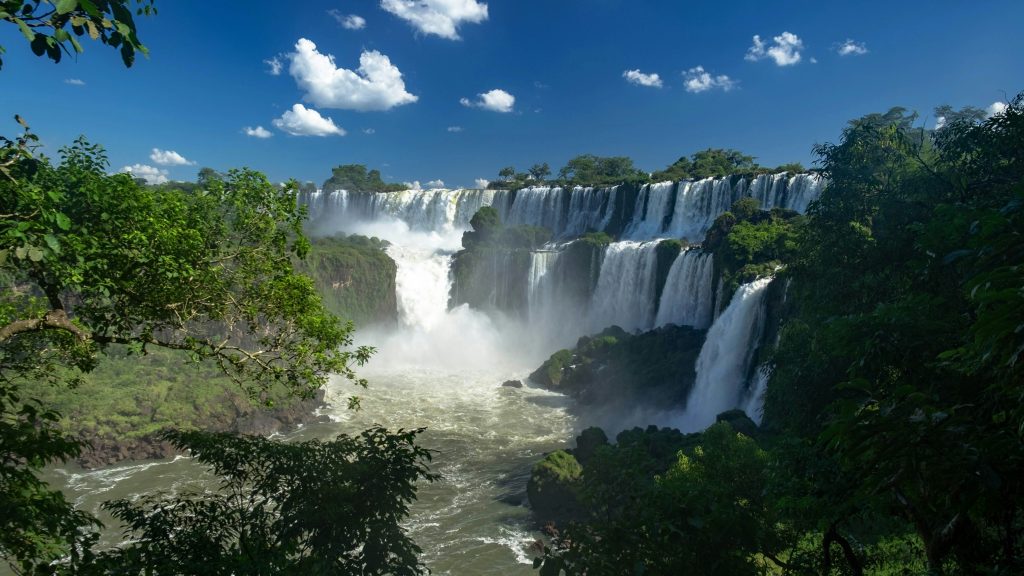
Iguazú Falls is one of the world’s largest and most impressive waterfall systems, straddling the Argentina–Brazil border and surrounded by subtropical rainforest. Visiting the falls is a highlight on many argentina itinerary plans, but practical planning (timing, visas, and tours) makes a big difference in how much you can see in the time you have.
Argentine vs. Brazilian Side
Each side of the falls offers a distinct perspective: the Argentine side provides extensive walkable circuits and close-up views (including the famous Devil’s Throat), while the Brazilian side delivers sweeping panoramas that are excellent for photography. If you can visit both sides, you’ll get the most complete experience — but note that visiting the Brazilian side may require advance entry steps depending on your nationality (see checklist below).
Best Viewing Points
On the Argentine side, plan to cover the Upper Circuit, Lower Circuit, and the boardwalk to the Devil’s Throat; these can be done in a full day if you start early. On the Brazilian side, the main viewpoint loop takes only a few hours and is perfect for panoramic shots, especially near sunset. Boat tours that go under the falls depart from the Argentine side — they are thrilling but seasonal and weather-dependent.
Wildlife and Nature Experiences
The rainforest around the falls is rich in wildlife — toucans, coatis, monkeys, and a variety of butterflies are common. Iguazú National Park (Argentina) and Iguaçu National Park (Brazil) both protect this biodiversity; guided walks and birding tours are available and add context about conservation efforts and local ecology.
How Many Days to Spend
Practical timing guidance:
- Standard visit: 1 day for the Argentine side (full circuits + Devil’s Throat) and 1 day for the Brazilian side if you plan to cross the border — one day per side is sufficient for most travelers.
- If you want extras: add a half- or full day for a boat tour, longer wildlife excursions, or to relax at your hotel.
- Tip: If you cannot secure Brazilian entry (see visa note), prioritize the Argentine side — it offers the most time-consuming viewpoints and activities.
How to Plan Your Visit (Checklist)
- Check entry requirements for Brazil and Argentina for your nationality well in advance — some nationalities now need Brazilian visa appointments or e-visa steps that can take several weeks; factor this into your itinerary.
- Buy park entrance tickets and official boat-tour reservations in advance during high season to avoid sell-outs.
- Start early to avoid crowds and heat; wear sturdy, non-slip shoes and bring rain protection (the spray from the falls and tropical showers are common).
- Allow time for border control if you plan to visit both sides — factor in passport checks and potential queues.
- Consider booking a guided tour for efficient routing, wildlife spotting, and insider information about viewpoints and conservation.
With realistic planning — one day per side for most travelers, plus optional time for a boat tour or wildlife excursions — you can enjoy Iguazú’s power and beauty without overcommitting travel days on your argentina itinerary.
Mendoza: Wine Country and Andean Adventures
Mendoza sits at the eastern foothills of the Andes and is Argentina’s premier wine region, best known for Malbec. It pairs world-class wine experiences with mountain scenery and outdoor options — ideal for travelers who want a mix of tasting rooms, scenic drives, and active days in the mountains.
Wine Tours and Tastings
Mendoza’s wine routes are a highlight for many itineraries, but booking practices have changed: during harvest and high season (February–April) many bodegas require reservations 2–3 months in advance and have limited or no walk-in tastings. Plan ahead for popular wineries and consider private or guided tours if you want guaranteed access.
Notable wineries include Catena Zapata, Bodega Norton, and Achaval Ferrer — each offers different experiences from tasting flights to multi-course lunches. If wineries are fully booked, look for wine bars in Mendoza city or smaller family-run bodegas that may offer tastings with shorter lead times.
Outdoor Activities and Mountain Excursions
Mendoza is more than wine. The nearby Andes provide opportunities for hiking, mountain biking, and scenic drives. Aconcagua Provincial Park is a major draw for hikers aiming to reach base camps or enjoy mountain viewpoints; allow a full day for organized excursions.
For snow sports, Las Leñas is the closest large ski resort to Mendoza — note that ski operations vary year to year and some seasons have limited runs due to low snowfall. Cerro Castor is actually in Ushuaia (Tierra del Fuego), far from Mendoza, so it is not a practical ski option from Mendoza — choose ski destinations based on current conditions and geographic reality.
Culinary Experiences
Mendoza’s food scene complements its wine: from parrillas and casual asados to high-end restaurants offering wine-paired tasting menus. Local dishes highlight regional ingredients; pair Malbec or a local varietal with empanadas, grilled meats, or mountain trout depending on the setting.
Best Vineyards to Visit
Recommended vineyards to consider (book early in high season):
- Catena Zapata — known for high-altitude vineyards and historic innovations in Argentine winemaking.
- Bodega Norton — a large estate with a range of tours and tasting options.
- Achaval Ferrer — boutique producer celebrated for concentrated Malbecs and small-lot tastings.
Sample Day in Mendoza
Suggested one-day plan: morning vineyard tour and tasting at a booked bodega, lunch at a winery restaurant, afternoon bike ride through the wine country or short hike in nearby foothills, and dinner in town sampling regional cuisine. If you’re driving, rent a car for flexibility, but consider a driver or guided tour when tasting.
Practical tips: reserve winery visits well in advance during harvest; check hotel availability early (hotels fill fast around major events); and plan travel time from Buenos Aires by flight (about 1.5–2 hours) plus transfers when building your argentina itinerary.
Patagonia: Wilderness at the End of the World
Patagonia is a vast, sparsely populated region at South America’s southern tip, shared by Argentina and Chile. It contains some of the world’s most dramatic mountain ranges, glaciers, lakes, and windswept plains — an area where travel distances are long and logistics matter as much as the scenery.
El Calafate and Perito Moreno Glacier
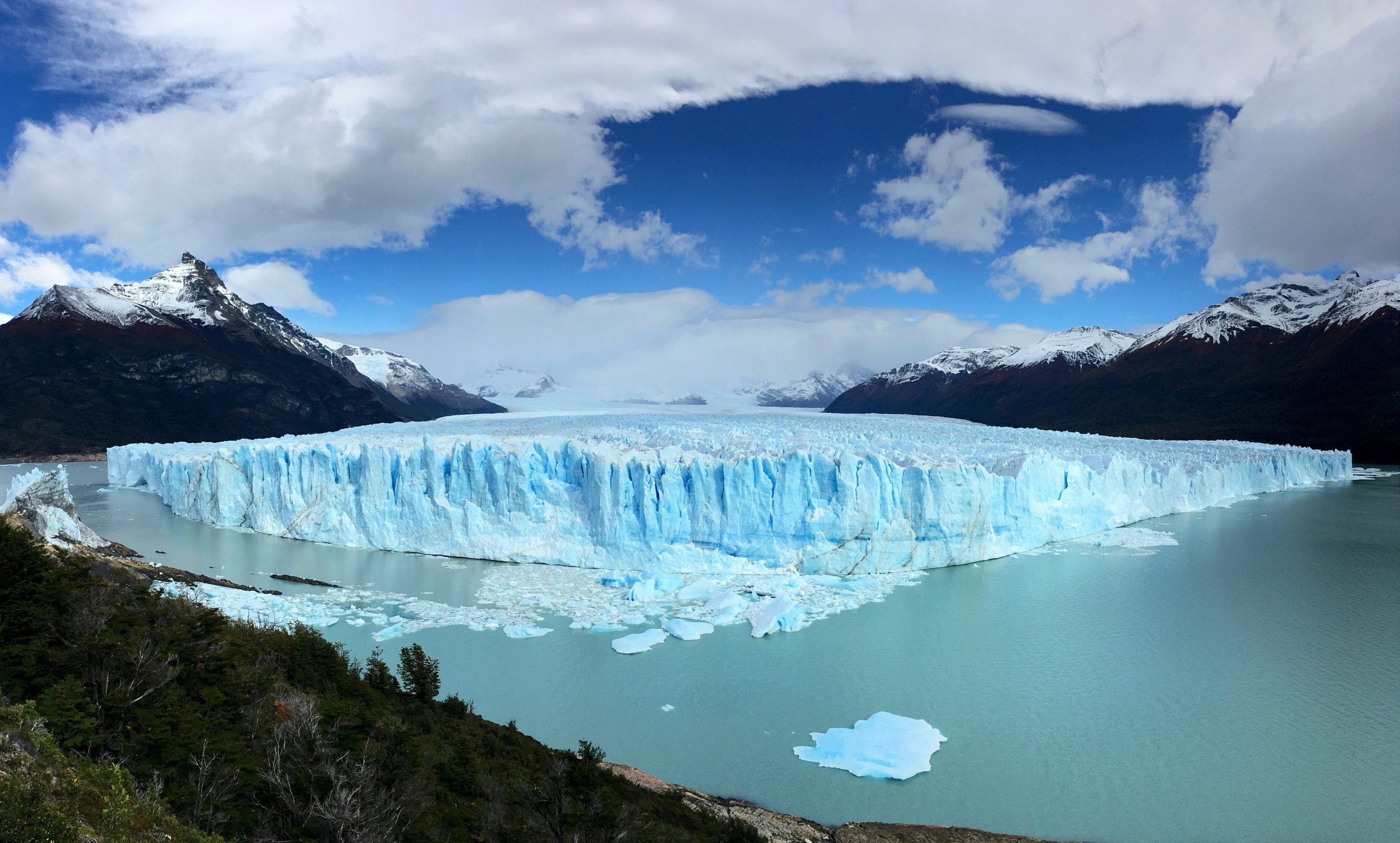
El Calafate is the main town serving the southern Argentine lakes region and the gateway to the Perito Moreno glacier. Perito Moreno is notable among Patagonian glaciers for its relatively stable/advancing behavior compared with many retreating ice masses — it remains one of the easiest large glaciers to view from close boardwalks.
From El Calafate you can watch massive ice calvings from viewing platforms, take a boat trip for a water-level perspective, or join a guided glacier walk (seasonal, requires advance booking). Allow at least one full day in El Calafate to experience Perito Moreno properly; many travelers spend 2–3 days in town to include boat tours and nearby walks.
El Chaltén and Hiking Paradise
El Chaltén is a compact mountain town and Argentina’s hiking capital, set at the base of Mount Fitz Roy. It offers a network of trails from short viewpoints to strenuous multi-hour hikes. Classic day hikes include Laguna de los Tres and Laguna Torre; plan 2–3 days in El Chaltén to enjoy the main trails without rushing.
Trail conditions change quickly: bring layers, windproof gear, and solid hiking boots. Summer offers long daylight hours but unpredictable weather and strong winds are common, so always allow extra time in your itinerary for weather delays.
Ushuaia and Tierra del Fuego
Ushuaia, commonly called the “End of the World,” is the southernmost town and the gateway to Tierra del Fuego National Park. The area offers coastal hikes, boat trips to see sea lions and penguin colonies, and access to cruise departures for Antarctic-bound ships. Skiing is available in the Ushuaia area (Cerro Castor), but remember Cerro Castor is in Tierra del Fuego and not near El Calafate or Mendoza — these towns are separated by thousands of kilometers.
Patagonia Logistics: distances, flights, and booking
Patagonia requires realistic planning:
- Long distances: El Calafate, El Chaltén, and Ushuaia are separated by very large distances (often 1,000+ km). Overland transfers can be long; expect multi-hour to multi-day travel between zones.
- Limited flights: Many regional routes are seasonal with low frequencies. For example, direct flights between El Calafate and Ushuaia typically operate only a few times per week in season; fares can be substantially higher than major domestic routes (sometimes 300–400% more). Book domestic flights 6–8+ weeks in advance for peak periods.
- Bus options: Buses connect many Patagonian towns and are a budget-friendly alternative, but journeys are long. Overnight buses are common; compare total travel hours (bus vs. flight + transfer) when planning.
- Car/drive: Renting a car gives flexibility for regional exploration (e.g., routes around El Calafate or the Lake District), but distances and gravel roads mean driving can be slow. For some routes, a 4×4 is recommended.
Safety & Preparedness
Patagonia’s conditions demand respect:
- Expect high winds — summer gusts can exceed 100 km/h in exposed areas, disrupting hikes and boat tours; build buffer days for outdoor activities.
- Temperatures can drop below freezing at altitude even in summer; pack warm layers and waterproof outerwear.
- Arrange guided treks for more technical hikes and confirm trail conditions and park notices before setting out.
Wildlife Encounters
Patagonia supports unique fauna — guanacos, ñandúes, huemules (Andean deer), and pumas (rarely seen). Coastal zones and islands host marine life and bird colonies. National parks and guided tours increase the chance of sightings while minimizing disturbance to wildlife.
Suggested Mini-Itineraries (realistic time & travel)
- El Calafate + El Chaltén (best for hiking): 5–7 days total — fly into El Calafate (1–2 days for Perito Moreno), transfer to El Chaltén (2–3 days for key hikes). Allow travel day and buffer for weather.
- Ushuaia & Tierra del Fuego (coast, wildlife, short cruises): 3–4 days — fly into Ushuaia for park walks, boat trips, and wildlife viewing.
- Extended Patagonia circuit: 8–12 days — combine El Calafate, El Chaltén, and Ushuaia only if you book flights well in advance and accept several travel days; expect higher flight costs and limited weekly frequencies.
In sum, Patagonia rewards travelers with incredible landscapes, but realistic planning — early flight bookings, added buffer days for weather, and proper gear — is essential to turn those remote towns and glaciers into a successful and safe chapter of your argentina itinerary.
Northern Argentina: Salta and Jujuy Provinces
Northern Argentina — particularly the provinces of Salta and Jujuy — is a compact area of dramatic color, indigenous culture, and scenic roads that contrasts sharply with the lakes and glaciers of the south. This region is ideal for photographers, cultural travelers, and road-trip enthusiasts who want a different side of the country.
Colorful Landscapes and Salt Flats
The landscapes here are famously vivid: red rock canyons, multi-hued mountains, and high-altitude salt flats. Salinas Grandes is a huge salt plain that creates an almost surreal photographic backdrop; most visitors access it via guided tours from nearby towns (Jujuy or Purmamarca) or on 4×4 excursions. Allow 3–5 hours for a typical Salinas Grandes visit including travel time from a base town.
Indigenous Culture and History
Salta and Jujuy keep strong indigenous traditions — markets, crafts, and local festivals reflect centuries-old customs. Base yourself in towns like Salta (the provincial capital) or Purmamarca to visit artisan markets, small community-run museums, and cultural centers. Respect local customs, ask before photographing people, and consider hiring local guides to deepen your understanding of traditions and history.
Road Trip Routes and Highlights
Driving through the north is one of the best ways to see the region, but plan realistically for road conditions and seasonal access:
- Cuesta del Lipán: A dramatic high-altitude road with sweeping views — best driven during the dry season; allow 1–2 hours for the key viewpoints (longer if stopping for photos).
- Quebrada de Humahuaca: A UNESCO World Heritage area famous for its geological bands and cultural towns such as Tilcara and Humahuaca — plan at least 1–2 days to explore its villages and viewpoints.
- Salinas Grandes & Purmamarca: Combine a morning at the salt flats with an afternoon in the colorful Cerro de los Siete Colores (Hill of Seven Colors) at Purmamarca.
Practical Tips & Safety
- Base towns: Use Salta as a regional hub for services and flights; Purmamarca and Tilcara make good smaller bases for exploring the Quebrada.
- Driving & road conditions: Some highland roads require a 4×4 or cautious driving in wet months; check local advice and avoid unpaved routes after heavy rain.
- Health: Northern provinces can have mosquito-borne disease outbreaks (e.g., dengue) — check current health advisories before travel and bring insect repellent.
- Guided tours: For remote areas and salt-flat access, local guided tours are safer and often include transport and local insights.
Suggested Short Itinerary (4–7 days)
- Day 1: Arrive in Salta — explore the town, museums, and local mercados.
- Day 2: Day trip to Cafayate (optional wine region) or explore surrounding valleys.
- Day 3: Transfer toward the Quebrada de Humahuaca; overnight in Purmamarca or Tilcara.
- Day 4: Visit Salinas Grandes and Cerro de los Siete Colores; return to Salta or continue north.
- If you have extra days, add guided cultural visits to indigenous communities, longer hikes, or scenic drives through highland routes.
Northern Argentina packs high value into short distances compared with the country’s southern expanses, but realistic driving times, seasonal road checks, and local health advisories will help you make the most of this colorful region on your argentina itinerary.
The Perfect Argentina Itinerary for One Week
A one-week trip can showcase Argentina well — but only if you pick a focused route. Because travel between regions eats time (flight + transfers or long bus overnight), choose one or two nearby areas rather than trying to hit distant hubs in seven days.
Realistic One-Week Options
Here are three practical 7-day itineraries with realistic travel hours and buffer time included.
- Option A — Buenos Aires + Mendoza (wine & city): Days 1–3 Buenos Aires (explore neighborhoods, museums, tango). Day 4 travel to Mendoza (flight BA→MDZ ~1.5–2 hours; allow 3–4 total travel hours door-to-door). Days 5–7 Mendoza (full-day winery tour, bike ride, half-day Aconcagua viewpoint). This option minimizes long flights and gives quality time in both places.
- Option B — Buenos Aires + Iguazú (city + falls): Days 1–3 Buenos Aires. Day 4 fly to Iguazú (flight BA→IGR ~2.5–3 hours; plan 3–5 hours with airport transfers). Day 5 Argentine side of the falls (full circuits + Devil’s Throat). Day 6 Brazilian side or optional boat/wildlife tour (if you have the necessary entry paperwork), Day 7 return to Buenos Aires or depart home. Note: one day per side is typically sufficient for most travelers.
- Option C — Mendoza or the Lake District (single-region focus): Spend all 7 days based in one region (Mendoza for relaxed wine-country pacing and mountain day trips; or Bariloche/Lake District for hiking and lakes). This avoids repeated flights and gives more active days.
Why the original “Buenos Aires → Iguazú → Mendoza in 7 days” is unrealistic
That itinerary (3 days BA, 1 day Iguazú, 3 days Mendoza) underestimates travel time and logistics. Flights and transfers between those hubs consume hours: you’ll typically lose most of the day moving between them. Bus operator Andesmar is a long-distance bus company — not an airline — so references to it as a flight option are incorrect. A Buenos Aires–Mendoza bus is ~14–18 hours, not compatible with tight day-by-day plans.
Transportation logistics & minimum time allowances
- BA → Iguazú: flight ~2.5–3 hours; allow 3–5 hours door-to-door (transfers, security).
- BA → Mendoza: flight ~1.5–2 hours; allow 2–4 hours door-to-door; bus ~14–18 hours overnight.
- El Calafate / Ushuaia / El Chaltén: regional flights are limited — many routes operate only a few times per week; expect higher fares and book early.
Pacing and travel-time checklist
- Add 2–4 hours for airport connections and transfers when calculating daily plans.
- Prefer single-region focus for 7-day trips to maximize sightseeing days and reduce travel hours.
- When using buses, compare total hours: overnight bus can save a hotel night but costs you day-time hours.
- Book domestic flights and key intercity buses well in advance, especially in high season.
Suggested accommodation & transport choices
Choose hotels located near the neighborhoods or transport hubs that match your plan (Palermo or Recoleta in buenos aires for easy daytime walking; central Mendoza town for winery access). If you plan winery tastings, consider booking a driver or guided tour rather than driving yourself after tastings.
Two-Week Argentina Itinerary: The Complete Experience
With two weeks you can realistically include one long-haul region plus a city or combine two more distant regions if you accept travel days. Two-week trips allow breathing room for weather delays, especially in Patagonia.
Regional Combinations That Work
Typical 14-day combinations:
- Buenos Aires + Mendoza + Bariloche/Lake District — fly BA→MDZ, MDZ→Bariloche (or return to BA and fly onwards). Good for wine, lakes, and food.
- Buenos Aires + Iguazú + El Calafate/El Chaltén (Patagonia) — requires extra flights and careful scheduling; expect long travel hours and higher flight costs.
- Buenos Aires + Salta & Jujuy (north) — ideal for culture, colorful landscapes, and shorter regional drives.
Pacing and Travel Times
Two weeks allows 2–5 days per major stop with travel days in between. Always calculate flight time + transfer time + check-in when estimating your usable sightseeing hours.
Off-the-Beaten-Path Additions
If you have flexibility, consider Colonia del Sacramento (Uruguay) as a 1-day hop by ferry from buenos aires, or add Tierra del Fuego near Ushuaia if you can allocate additional regional flight time. For each extra place, add at least one travel day.
Creating Your Custom Argentina Itinerary
Match destinations to your interests: wine lovers should prioritize Mendoza; hikers should allocate 5–8 days to Patagonia; culture and food fans should spend 3–5 days in buenos aires. Balance urban and natural attractions by alternating city days with nature days to avoid travel fatigue.
Sample specialized ideas
- Wine & Food (7 days): Buenos Aires (3 days) + Mendoza (4 days; winery tours, culinary experiences).
- Patagonia Focus (10+ days recommended): El Calafate (2–3 days) + El Chaltén (3–4 days) — add Ushuaia if you have more time and flights booked early.
- North & Culture (7–10 days): Salta & Jujuy road trip with Quebrada de Humahuaca and Salinas Grandes.
Use these realistic frameworks to build an itinerary that fits your available days and minimizes wasted travel hours — and if you want, I can turn one of these options into a detailed day-by-day plan with hotels, suggested tours, and timing notes for flights and buses.
Packing for Argentina's Diverse Climates
Argentina spans many climate zones, so smart packing depends on the region you’ll visit. Whether you’re doing city walks in buenos aires, sipping wine in Mendoza, or multi-day hiking in Patagonia, pack to match the activities and local travel constraints.
Essential Items Year-Round
- Comfortable walking shoes for city exploration and short hikes.
- Light waterproof jacket and a compact umbrella — sudden rain can happen even in summer.
- Sun protection: broad-brim hat, sunglasses, and high-SPF sunscreen.
- Insect repellent (especially for northern areas and jungle/river excursions).
- Basic first-aid kit, any prescription medications, and a photocopy/photo of your passport and travel documents.
Carry-on vs Checked Luggage (practical tip)
Domestic flights often enforce strict baggage rules (many carriers have checked-bag weight limits around 15 kg). To avoid problems:
- Pack critical cold-weather items and valuables in your carry-on (warm layers, rain shell, important meds, documents).
- Keep your checked bag under domestic limits where possible — check your specific airline’s allowance before travel.
- Consider using a lightweight daypack for hikes and day trips so you don’t need to unpack your main bag each day.
Region-Specific Pack Lists (quick templates)
Buenos Aires — city pack (1–3 days):
- Comfortable city shoes, lightweight jacket, smart-casual outfit for restaurants, small daypack, travel adaptor, copies of reservations.
Mendoza — wine-country pack (2–4 days):
- Comfortable shoes for winery visits, lightweight layers, sunscreen, a slightly dressier outfit for dinner, and a plan for a designated driver or booked driver/tour if sampling multiple wines.
Patagonia — trek pack (multi-day hiking):
- Warm base layers, insulating mid-layer (fleece/down), windproof/waterproof outer shell, waterproof pants, warm hat and gloves, sturdy hiking boots, gaiters if needed, crampons or microspikes if you plan glacier or icy walks, trekking poles, headlamp, emergency whistle, and a basic repair kit.
- Note: even in austral summer, temperatures can drop below freezing at altitude — pack accordingly and consider hiring a certified guide for technical hikes.
Hiking & Safety Essentials
- Always carry water, high-energy snacks, a map/GPS or offline maps, and layers for rapidly changing conditions.
- For multi-day hikes, bring a sleeping system rated for conditions or confirm rentals/arrangements with your outfitter.
- If attempting glacier walks or advanced routes, book guided trips with reputable operators and confirm required gear (helmet, crampons, harness) in advance.
Final Practical Notes
Pack flexibly: layers are your best strategy across Argentina’s varied areas. Because domestic baggage limits and flight connections are strict, plan luggage by region and prioritize versatile items in your carry-on. With the right gear and sensible packing, you’ll be ready for city streets, wine-country drives, and Patagonia hikes alike.
Argentine Cuisine and Cultural Experiences
Dive into Argentina’s lively food scene, where meals celebrate local ingredients, European influences, and strong regional traditions. From parrillas and empanadas to market stalls and wine tastings, food is a central way to connect with local people and culture on your trip.
Must-Try Dishes and Regional Specialties
Classic Argentine dishes to seek out:
- Asado: The country’s iconic barbecue—beef, pork, chorizo, and more cooked slowly over wood or charcoal at a parrilla or estancia.
- Empanadas: Savory filled pastries with regional variations (beef, ham & cheese, humita — a corn-based filling popular in the north).
- Choripán: A casual street-food favorite — grilled chorizo in a roll, often eaten with chimichurri.
- Regional specialties: The northwest favors humita and locro; Patagonia highlights freshwater fish and lamb; coastal towns serve seafood.
Steak, Wine, and Dining Customs
Argentina is renowned for its high-quality beef and Malbec wines. Dining is typically a leisurely social affair—dinners often start late (after 9pm) and can stretch for hours. Many restaurants will pair local wines with regional dishes; look for wine flights or ask servers for suggested pairings.
Be mindful of price volatility due to inflation — menu prices can change quickly, so check recent reviews or confirm prices when booking restaurants. Tipping is customary (around 10% where service is not included), and polite phrases like “Buen provecho!” are appreciated.
Food Markets, Cooking Classes, and Small Producers
Markets and classes are great ways to experience food culture:
- Markets: Buenos Aires markets (e.g., San Telmo on weekends) offer street food, local produce, and artisanal goods—plan 1–3 hours for a market visit depending on interest.
- Cooking classes: Half-day classes in buenos aires or Mendoza teach empanada-making, asado skills, or dulce de leche desserts—book in advance, especially during peak season.
- Small producers: In Mendoza, smaller bodegas and winery restaurants provide intimate tastings when larger wineries are fully booked; look for boutique producers and wine bars in town.
Cultural Festivals and Events
Timing your trip around a festival can add a memorable cultural layer to your visit:
- Fiesta de la Vendimia (Mendoza): The grape-harvest festival in March features parades, concerts, and wine events—book hotels and winery visits well ahead for this busy period.
- Festival Internacional de Tango (Buenos Aires): Usually in August with performances, competitions, and milongas across the city.
- Carnaval and regional fairs: Expect lively local celebrations in February–March in many provinces; check local calendars for exact dates.
Foodie Itineraries & Practical Tips
Sample mini food itinerary:
- Day 1 in Buenos Aires: market visit (morning), classic parrilla dinner (night).
- Day 2 in Mendoza: winery tasting and paired lunch, evening wine-bar hopping in town.
- Add a cooking class or estancia asado for a deeper rural food experience.
Practical advice: reserve popular restaurants and cooking classes in advance, consider a driver or guided tour for winery days, and pack a flexible budget to allow for changing prices. Trying local food and attending cultural events will enrich your argentina trip and give lasting memories of the country’s tastes and traditions.
Conclusion: Making the Most of Your Argentina Adventure
Argentina offers unforgettable contrasts — vibrant cities, world-class wine regions, subtropical waterfalls, and remote Patagonian wilderness. To make the most of your argentina itinerary, plan with realistic travel times, check region-specific requirements, and build in buffer days for weather or transport delays.
From the bustling streets of Buenos Aires to Iguazú’s power and Patagonia’s glaciers, the country has something for every kind of traveler. Use this guide’s itinerary options (one-week, two-week, and custom) to choose the right balance of cities, nature, and activities for your trip.
Three immediate next steps before you book: 1) check visa and entry rules for your nationality, 2) book any limited domestic flights and popular tours early, and 3) buy comprehensive travel insurance that covers weather-related cancellations and medical evacuation.
Alerts & Practical Risks to Note
- Currency & costs: Argentina has high inflation and foreign-exchange controls; prices and exchange rates can change rapidly. Be cautious with informal “blue dollar” exchanges and confirm card surcharges and taxes before paying.
- Visa & entry caveats: Some border visits (e.g., the Brazilian side of Iguazú) may require advance visa appointments or e-visas — check embassy guidance weeks ahead.
- Health & regional risks: Northern provinces can have dengue outbreaks at times — consult health advisories and bring insect repellent.
- Domestic travel limits: Many domestic flights enforce strict baggage limits (often ~15 kg); regional flights and Patagonian routes can be limited in frequency and expensive if booked late.
- Weather & activities: Patagonia experiences strong winds and rapidly changing conditions; ski operations in some resorts vary by season and snow conditions — plan buffer days.
FAQ
What is the best time to visit Argentina?
How do I get to Argentina?
What are the must-see destinations in Argentina?
How do I create a custom Argentina itinerary?
What are the best Argentina itineraries for a week or two weeks?
What should I pack for Argentina?
What are the visa requirements for Argentina?
How do I get around Argentina?
Ready to build your trip? Use the sample itineraries in this guide as a starting point, or contact a local operator to customize routes, book limited flights, and reserve activities that require advance notice. Safe travels — and enjoy planning your Argentina adventure.