

Table of Contents
ToggleCosta Rica is world-famous for its biodiversity and varied landscapes, from cloud forest to Pacific coastline. While many sources say “over 28% protected,” that figure mixes categories — national parks alone make up roughly 12% of the country, with the remainder in other protected areas such as wildlife refuges, biological reserves, and forest reserves (check SINAC / MINAE or the World Database on Protected Areas for the latest breakdown). That distinction matters when planning which sites require permits or have stricter rules.
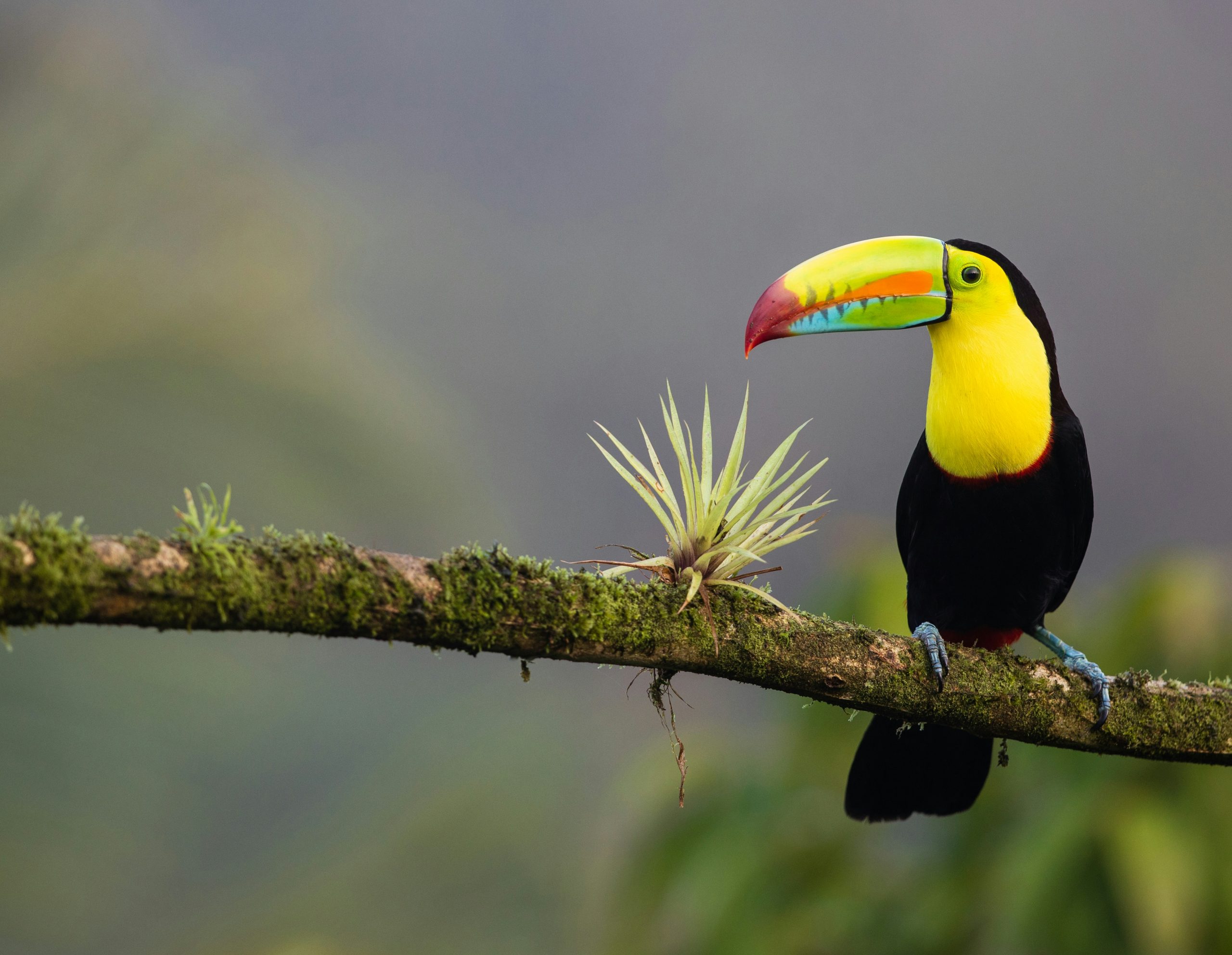
A week in Costa Rica can be transformative: explore cloud forest trails, walk hanging bridges in the treetops, and unwind on Pacific beaches with spectacular sunset views. You can sample Costa Rican coffee, spot wildlife like toucans and sloths, and visit thermal springs near volcanic areas — just note that conditions (visibility, road access, and weather) vary by season and region.
This guide lays out a practical, up-to-date 7-day itinerary and includes realistic tips on timing, costs, transportation, and safety so you can enjoy the highlights without surprises. It also flags important caveats — from when Arenal’s peak visibility is unlikely because of frequent cloud cover, to which days you may need advance park reservations or a 4WD vehicle.
Key Takeaways
- Discover the top destinations to visit in Costa Rica and how to prioritize them for a 7-day trip.
- Follow a practical, time-smart itinerary that balances adventure, wildlife viewing, and relaxation.
- Learn what to book in advance (park entries, timed slots, certain tours) and which activities require extra safety checks.
- Understand realistic costs and the extra fees to expect (for example, car insurance add-ons and peak-season rates).
- Find essential travel tips — from weather risks and insurance to health precautions — so your trip is memorable for the right reasons.
Best Time to Visit Costa Rica for Your Week-Long Adventure
To get the most from a seven-day costa rica trip, it helps to understand that seasonality is region-specific and has been shifting in recent years. Rain patterns and storm timing have become less predictable; the Instituto Meteorológico Nacional (IMN) shows trends toward earlier and sometimes heavier rains, and severe tropical storms that cause flooding and road closures are most likely between September and November on the Pacific coast. Keep a flexible schedule and refundable bookings for those months.
Dry Season vs. Rainy Season: What to Expect
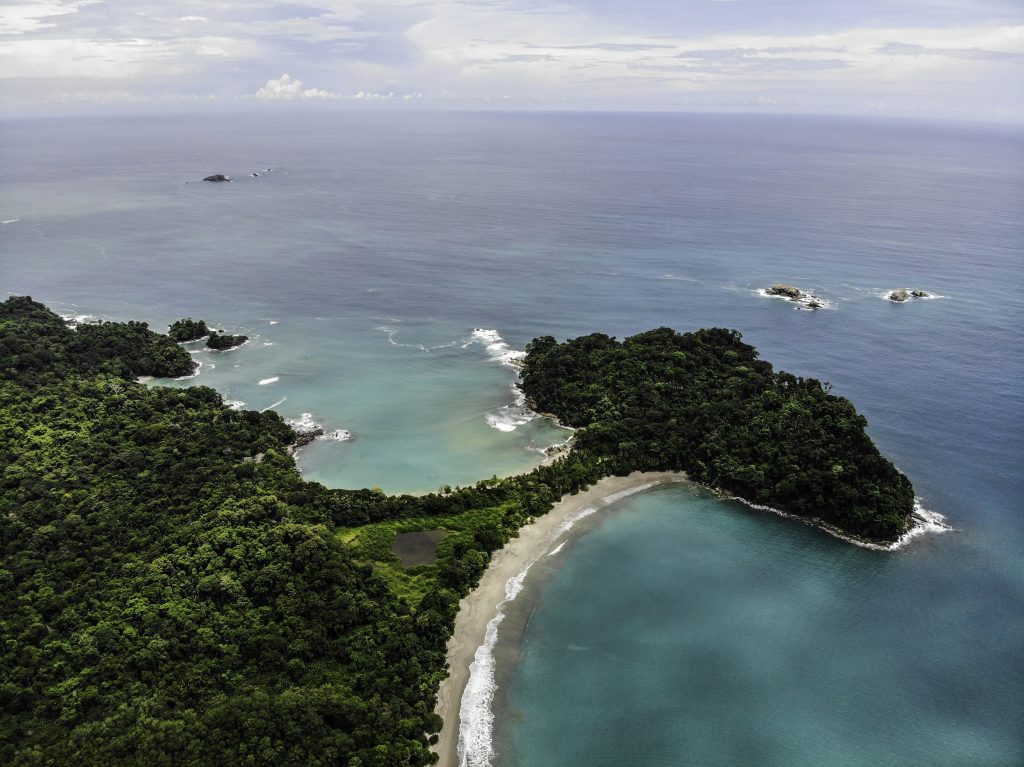
Traditional season labels still apply in broad strokes, but expect nuance by region. The commonly quoted “dry season” (often described as December to April) generally brings more reliable sunshine across many Pacific destinations and the Central Valley, making those months popular for beach days and hikes. However, because climate patterns have shifted, clear weather is not guaranteed — cloud forest and highland areas can still be misty.
The “rainy season” (roughly May through November) still produces the lush, green landscapes many travelers love, and you’ll often find lower rates and fewer crowds. That said, the rainy season now tends to include earlier heavy rains in some years and an increased risk of disruptive storms in September–November. If you plan to visit during these months, build buffer days into your itinerary and check weather and road-condition updates before departure.
For visitors who prioritize guaranteed beach time or outdoor adventures, aim for the classic dry-season months but accept higher prices and busier parks. For travelers who want lower costs and abundant greenery, choose shoulder or quieter rainy-season dates while accepting the weather tradeoffs and potential travel interruptions.
Peak Tourist Season Considerations
The busiest time for tourism remains the December–April window. Expect higher room rates, fuller tours, and more crowded national parks during these months. If your trip falls in that period, book hotels, domestic flights, and popular tours in advance — some park entries and guided experiences sell out well ahead of time.
If you travel in September–October to save money, understand that this is when you’ll most likely encounter travel-impacting storms; plan flexible logistics and a clear contingency plan for transport and activities.
Weather Patterns Across Different Regions — Quick Cheat Sheet
Costa Rica’s microclimates mean you might experience sunshine and heavy rain on the same day in different areas. Use these region-specific notes to tailor a 7-day itinerary:
- Pacific Coast (Guanacaste, Nicoya, Manuel Antonio): Best sun reliability tends to fall in the dry season, but September–November carries higher storm and flood risk — plan accordingly for beach days and boat tours.
- Central Valley and San José: More temperate year-round; dry-season afternoons are pleasant for city walking tours. Still, always check forecasts if you have domestic connections.
- Arenal / Northern Plains: Cool mornings and frequent cloud cover in the highlands, with Arenal often hidden by clouds 60–70% of the time — try early mornings for a better chance of views.
- Monteverde / Cloud Forest: Mist and fog are common year-round. Trails can become slippery and some rural routes may be impassable without 4WD during heavy rains.
- Caribbean Coast: Rain patterns differ: sometimes wetter in what’s normally dry-season months on the Pacific; it has its own micro-seasonality — confirm local forecasts.
Before you travel, check IMN forecasts and local road-condition pages for your planned destinations. If your itinerary includes highland drives (Arenal ↔ Monteverde) or remote roads, consider a 4WD vehicle and allow extra travel time.
Want to save this guide? Bookmark this page and check the IMN or SINAC pages for the latest advisories the week you travel — and keep a free day in your 7-day plan as an insurance buffer against weather-related delays.
Getting Around Costa Rica: Transportation Options
Costa rica offers several ways to travel between destinations during a 7-day trip — each with trade-offs in cost, time, and reliability. Understanding those trade-offs up front will help you build a practical itinerary that accounts for road quality, weather disruptions, and realistic travel times.
Renting a Car vs. Using Shuttles and Buses
Renting a car gives you flexibility and the ability to follow a bespoke itinerary, but it isn’t always the cheapest or simplest option. Expect mandatory insurance add-ons and local fees that commonly add $15–$25 per day (and sometimes more), which can raise the effective daily cost by 50–100% compared with the advertised base rate. If your route stays on well-maintained, paved roads (for example, many drives around the Central Valley or between San José and some Pacific destinations), a conventional rental can work well.
However, many highland and rural routes — notably transfers involving Monteverde, some Arenal roads, and remote coastal connectors — often require 4WD, particularly in the rainy season. GPS can be unreliable in mountain areas; maps and local guidance are essential. If your plan includes those routes, budget for a 4WD rental and double-check the total daily cost (base rate + mandatory insurance + taxes).
Shuttles and public buses are cost-effective alternatives. Shared shuttle services aimed at tourists offer door-to-door convenience without the hassle of driving unfamiliar roads and dealing with fees. Public buses are the least expensive option but can be slower and less comfortable for long intercity hops. For short hops or budget travelers, buses are a smart way to save money and experience local life.
Domestic Flights to Save Time
Domestic flights are the fastest way to cover long distances and can be a practical time-saver if you’re trying to hit distant spots in a single week. Small carriers connect key tourist hubs (San José, Tamarindo, Quepos/Manuel Antonio, and the northern Pacific and Caribbean regions). Note airline schedules and baggage rules change seasonally and sometimes at short notice — book early and confirm flight times the day before.
When to Choose Each Option (Quick Guidance)
- Rent a car: Your route is mostly on paved roads, you want full flexibility, and you factor in mandatory insurance and a 4WD for mountain sections.
- Take shared shuttles: You prefer door-to-door service without driving stress; good for standard A-to-B transfers on popular tourist routes.
- Use public buses: You’re on a tighter budget and have more time; best for slower travel and short hops.
- Book domestic flights: You’re short on time and crossing long distances (e.g., Nicoya Peninsula ↔ Central Valley) — but account for baggage fees and limited schedules.
Booking Transportation in Advance
Book domestic flights and popular shuttle routes early, especially during the December–April peak season. For car rentals, request a full-price quote that includes mandatory insurance and all taxes so you aren’t surprised at pickup. If your road plan includes highland transfers (Arenal ⇄ Monteverde) or travel during the rainy months, consider booking a 4WD and allow extra travel hours (routes that look like 3 hours on the map can easily take 4–5 hours under poor road or weather conditions).
Essential travel tools: download offline maps (Maps.me or a downloaded Google Maps area), carry a local SIM or an eSIM for navigation and road updates, and save contact numbers for shuttle companies and rental agencies. If you plan to rent a car, ask the company for a documented breakdown of insurance and ask whether river crossings or unpaved roads are permitted.
Choosing the right transport mix for your costa rica itinerary 7 days will save time and stress. If you want a recommendation for the best option on a specific route (for example, San José → Arenal → Monteverde → Manuel Antonio), tell me your dates and travel priorities and I’ll suggest a tailored plan with realistic time and cost estimates.
Where to Stay: Accommodation Recommendations for Each Destination
Costa rica offers a wide range of places to stay, from budget hostels to luxury resorts, and choosing the right lodging affects your trip timing, access to activities (hot springs, trails, boat tours), and weather contingencies. Below are practical recommendations organized by budget tier and by area, with notes on views, walkability, and booking strategy for peak and storm seasons.
San José and Central Valley Hotels
San José is a convenient start or end point for many itineraries. Choose a city-center hotel if you want easy access to museums, restaurants, and transfer options.
- Budget: Small guesthouses and downtown hostels — convenient for short stays and lower cost. Expect $40–$80 per night off-peak; book ahead during holidays.
- Midrange: Comfortable city hotels with breakfast and nearby dining (roughly $100–$200/night, higher during peak season). Look for properties with easy airport transfer options.
- Premium: Upscale hotels near Escazú or the Central Valley that offer more space and amenities; useful if you want a restful first/last night before flights (rates vary widely; expect $200+ during busy periods).
Arenal Volcano Area Lodging
Arenal/La Fortuna offers a wide selection depending on whether you prioritize hot springs, town access, or volcano views.
- Budget: Hostels and small guesthouses in La Fortuna town — convenient for restaurants and tours.
- Midrange: Family-run lodges and eco-hotels with shuttle access to attractions; typical nightly prices have risen and often range from $150–$250 in current market conditions.
- Premium: Resorts with private hot springs and extensive facilities — expect $200–$400+ per night during peak season.
Quick check: If you want easy access to hot springs and town nightlife, choose a La Fortuna property. If your priority is on-site thermal pools and resort amenities, pick a resort near the Arenal area but confirm road access after storms.
Monteverde Cloud Forest Accommodations
Monteverde caters to nature lovers and those who don’t mind cooler, misty conditions. Accommodation here varies from rustic cabinas to boutique lodges.
- Budget: Cabinas and hostels in Santa Elena town — a short walk to restaurants and craft shops.
- Midrange: Eco-lodges and small hotels that provide guided nature walks; expect $120–$220/night, but prices jump in high season.
- Premium: Higher-end lodges with views and included guided tours — book early for peak months and check cancellation policies for rainy-season disruptions.
Note: Many roads into Monteverde are rough; if you want the quietest lodges with forest views, budget extra for a 4WD transfer and confirm access after heavy rains.
Pacific Coast Beach Resorts and Hotels
The Pacific coast covers varied beach experiences — lively surf towns to secluded resort peninsulas. Choose based on whether you want surf, wildlife, or quiet beaches.
- Budget: Guesthouses and small inns in surf towns like Tamarindo — good value for surfers and social travelers.
- Midrange: Beachfront hotels and boutique resorts offering guided activities (wildlife tours, snorkeling) — current midrange nightly rates often run $150–$300 in popular areas.
- Premium: Luxury resorts (for example, well-known properties in Papagayo and other peninsulas) with top-tier amenities and private beaches — expect $300–$600+ per night in many peak windows.
Quick check: Manuel Antonio gives easy wildlife access (but requires timed park reservations—book early). Tamarindo is ideal for surf lessons and a lively scene. For quieter, high-end beach time, pick an established resort and confirm storm-season access to the property.
Booking strategy and price notes: mid-range prices have increased in recent years; peak-season nightly rates can be substantially higher. For travel during September–November, prefer refundable rates or flexible cancellation policies because heavy storms can disrupt access. Always confirm property status post-storm (some lodges may be temporarily inaccessible) and request a clear refund or rebooking policy if weather forces changes.
Final tip: when choosing lodging, think about what matters most for your itinerary — hot springs nearby, town walkability, volcano or ocean views — and prioritize that when comparing hotels. If you’d like, tell me your travel dates and budget and I’ll suggest specific properties and approximate nightly rates for each area.
Budgeting for Your Costa Rica 7 Day Trip
Planning a trip to costa rica is exciting, but updated budgeting is essential to avoid surprises. Prices have risen in recent years—especially in peak months—and several often-overlooked fees (mandatory car insurance, timed-entry park fees, internal flight baggage charges) can add significantly to your daily outlay. Below are realistic daily budgets, money-saving tactics, and a list of hidden costs to watch for.
Estimated Daily Costs (Realistic, Current Ranges)
Updated mid-range and comfort estimates reflect recent price trends and seasonal surges. Use these as baseline per-person estimates for a typical 7-day itinerary (lodging, food, local transport, and a couple of paid activities):
- Budget traveler: $60–$120 per day — hostels or basic guesthouses, public buses, cooking some meals or eating at sodas, and a limited number of paid tours.
- Mid-range traveler: $150–$300+ per day — comfortable hotels or eco-lodges, a mix of shuttles and short car rentals, guided tours (zip line, wildlife tours), and occasional dinners at midrange restaurants. Note that midrange nightly hotel rates often run $150–$300 in popular areas during much of the year.
- Comfort / luxury traveler: $300–$600+ per day — higher-end hotels or resorts, private transfers or domestic flights, multiple guided activities, and dining at premium restaurants.
Example breakdown for a mid-range day: hotel $150, meals $40–$60, activity/tour $50–$100, local transport/shuttle $20–$40 = ~$260/day (before any extra mandatory fees such as car insurance).
Hidden and Mandatory Costs to Budget For
These extras are commonly missed when travelers estimate costs from basic rates:
- Car rental extras: Mandatory local insurance and liability waivers typically add $15–$25+ per day (sometimes higher) to advertised base rates; 4WD rentals cost more. Always request a full, itemized quote that includes mandatory insurance, taxes, and any young-driver or underage fees.
- National park fees and timed-entry: Some parks (e.g., Manuel Antonio) have timed-entry and reservation systems with limited slots; private guided experiences may be required or sold out in advance, so budget for entry fees and book early.
- Internal flight fees: Small domestic carriers charge for baggage and sometimes have limited free allowance; expect $20–$50 per bag depending on carrier and route.
- Activity surcharges and equipment rental: Adventure activities (zip line, canopy tours, boat tours) often have additional costs for photos or equipment rentals; check what’s included.
- Storm-related rebooking costs: If your trip falls in high-storm months (September–November), budget a contingency of 10–25% for potential rebooking, forced hotel nights, or alternative transport if roads or ferries are disrupted.
Money-Saving Tips That Still Work
- Travel in lower-demand windows if you can tolerate the weather tradeoffs — some savings appear in September–October, but those months have higher storm risk.
- Use public buses for long intercity hops if you have time; they’re the cheapest option.
- Eat like a local at sodas and mercados — you’ll save money and get authentic costa rican food.
- Book refundable or flexible-rate accommodations if you travel during storm season so you can move plans without losing the full amount.
- Bundle tours through reputable local operators (they sometimes offer combination discounts) but always confirm what’s included and whether equipment/safety checks are part of the price.
Sample 7-Day Mid-Range Budget (Two Scenarios)
These sample totals are per person, based on typical mid-range choices and current pricing trends.
- With car rental (includes mandatory insurance & 4WD for some routes): Lodging $1,050 (7 nights @ $150), food & drinks $350, activities $350, car base+insurance/taxes $560 (7 days @ ~$80 effective), contingency/incidentals $200 = ≈ $2,510 total (~$360/day).
- Without car (shuttles + one domestic flight): Lodging $1,050, food & drinks $350, activities $350, shuttles & domestic flight $420, contingency $200 = ≈ $2,370 total (~$338/day).
These examples show how mandatory car-insurance fees and vehicle type can noticeably raise the effective daily cost compared to advertised base rates.
Final Tips and a Safety Net
When planning your costa rica itinerary 7 days, get full price quotes for hotels and transport that include taxes and mandatory fees, and set aside a 10–25% contingency for weather or booking changes. If you’d like, provide your travel dates and preferred comfort level and I’ll produce a tailored per-day budget and a linkable checklist of what to prepay vs. what to reserve on the spot.
Day 1: Arrival in San José and Exploring the Capital
Arriving in Costa Rica marks the start of a memorable week. San José is a practical gateway with museums, theaters, and lively neighborhoods — a good place to acclimate, pick up supplies, and do any last-minute bookings before heading into the countryside.
Getting from Juan Santamaría International Airport to Your Hotel
Juan Santamaría International Airport (SJO) sits in Alajuela roughly 20–25 kilometers from central san jose; travel time varies from 20–60 minutes depending on traffic. Typical options:
- Official airport taxi or private transfer: Use the authorized taxi booth inside the terminal or pre-book a private transfer for the simplest door-to-door experience. Expect higher cost but greater predictability, especially after a long flight.
- Shared shuttle: Door-to-door shuttles are comfortable and cost-effective if your arrival time fits scheduled departures; book in advance during peak season.
- Public bus: The cheapest option — but slower and less convenient with luggage.
Practical tips: Confirm your ride at the official booths inside the terminal (avoid unofficial offers in arrivals), have a small amount of colones for small purchases and taxi fares, and consider a local SIM or eSIM at the airport kiosk for maps and local calls. If you plan a same-day domestic flight or a long drive to Arenal, allow at least 3–4 hours between your international arrival and any onward connections to avoid missed transfers.
Top Things to Do in San José
San José packs cultural highlights into a compact city center and is ideal for an afternoon exploration if your arrival time permits. Consider this short, realistic afternoon plan:
- Arrive and check into your hotel (morning arrivals can drop bags even if check-in is later).
- Late morning / early afternoon: visit the Pre-Columbian Gold Museum to see impressive pre-Hispanic artifacts.
- Afternoon: stroll past the National Theatre (book a guided tour if available) and wander Barrio Escalante or Parque Central for coffee and a light meal.
Other options if you have more time: the National Museum for history exhibits, or Escazú for upscale dining and craft shops.
Where to Eat in the Capital
San José is great for sampling costa rican food and international fare. For traditional dishes try a local soda for casado or gallo pinto at breakfast. For a midrange sit-down experience, restaurants in Barrio Escalante and Silvestre (if open) offer higher-end Costa Rican cuisine. Always check current opening hours and reserve for dinner during peak season or holiday periods.
Adjusting to Costa Rica Time and Culture
Costa Rica operates on Central Standard Time (no daylight saving). Take it easy on your first day: hydrate, get some light exercise (a short walk in a park), and allow your body clock to settle. Embrace the local “Pura Vida” attitude — relaxed and friendly — while remaining vigilant about belongings in crowded areas.
Acclimatization checklist for Day 1: keep a printed and digital copy of your hotel address and pickup details, pick up a local SIM or eSIM, exchange a small amount of currency if needed, apply sunscreen and insect repellent as you head outdoors, and confirm any next-day transfers or tours. If you want, tell me your arrival time and I’ll suggest a tailored half-day plan with estimated times and reservation links for museums and restaurants.
Day 2: Journey to Arenal Volcano and La Fortuna
On day two of your costa rica itinerary 7 days, trade the city for Arenal and La Fortuna’s mix of outdoor activity and relaxation. This region is famous for its volcano, lake, and thermal springs — but expect variability in travel time and visibility depending on road conditions and weather.
Driving from San José to La Fortuna
The drive from San José to La Fortuna typically takes between 3.5 and 5 hours depending on traffic, route, and road quality. If you’re driving yourself, add a buffer of 30–90 minutes compared with map estimates for mountain roads or rainy-season conditions. Consider these options:
- Self-drive (rental car): Good for flexibility, but remember mandatory local insurance and fees can add $15–$25+ per day and many highland routes benefit from a 4WD. Ask your rental company whether unpaved roads and river fords are permitted.
- Shared shuttle: Comfortable, door-to-door, and removes the stress of mountain driving — book early during peak season.
- Private transfer: Faster and more direct (costlier), useful if you want to maximize afternoon activities in La Fortuna.
Visiting Arenal Volcano National Park
Arenal Volcano is one of Costa Rica’s best-known landmarks, but it’s important to be accurate: Arenal was highly active in the late 20th century but has been in a quieter, resting phase since roughly 2010 with no persistent lava flows. Park visits are still worthwhile for trails, lava fields from earlier eruptions, and wildlife, but “stunning clear views” of the volcano are often obscured — local observations suggest cloud cover hides Arenal much of the time (sometimes 60–70% of days), especially later in the day. Early mornings offer the best chance for visibility.
Trail options range from easy walks to more strenuous hikes; always check park notices for closures and guide recommendations. For safety, stick to marked trails and follow park ranger guidance.
Soaking in Natural Hot Springs
La Fortuna’s thermal activity powers a range of hot-spring experiences, from rustic natural pools to full-service resort spa complexes. When choosing where to soak:
- Decide if you want a natural-feel public spring or a private resort with amenities — both are available, but resort pools typically cost more and require advance booking during peak windows.
- Check pool temperatures and family safety notes (some pools are too hot for young children or pregnant travelers).
- Book hot springs massages or dinner packages in advance during busy periods to secure preferred times.
Alternative Plans for Low-Visibility Days
If clouds hide the volcano or heavy rain affects roads, consider these alternatives rather than forcing a long drive or disappointment:
- Birding and wildlife tours in lowland reserves — many species remain active in misty weather.
- Visit local ecological centers, butterfly gardens, or a chocolate/coffee farm tour for cultural insights.
- Relax at hot springs or a spa day — an excellent way to enjoy Arenal’s geothermal features regardless of volcano views.
Evening Activities in La Fortuna Town
La Fortuna has a lively evening scene with restaurants, cafes, and night wildlife tours. Guided nocturnal walks offer a chance to see frogs, insects, and other animals that don’t appear during the day. For dinner, sample casados or fresh seafood at local restaurants — book a table on busy nights.
Practical CTA: Pre-book your hot springs visit and any guided tours for the afternoon or evening, and check the national park’s official page for trail and access updates before you head out. If you’d like, tell me your expected arrival time and I’ll suggest a realistic afternoon schedule with estimated travel hours and bookings to prioritize.
Day 3: Adventure Activities Around Arenal
Day three is built for adventure around the Arenal area, with options for adrenaline seekers and nature lovers alike. Before booking anything, plan around safety, weather, and realistic expectations for visibility — and have a lower-impact backup plan if heavy rain or cloud cover limits activities.
Safety First (Read Before Booking)
Many adventure activities in Costa Rica are operated by small local companies with varying oversight. For high-risk activities (zip-line tours, Tarzan swings, canopy courses), always confirm operator credentials, ask to see maintenance records for harnesses and cables, verify that guides are certified, and confirm that the operator carries liability insurance and emergency procedures. Ask about participant-to-guide ratios and age/weight restrictions. If an operator can’t provide clear documentation, choose a different provider.
Zip Lining Through the Rainforest Canopy
Zip-line tours offer a thrilling way to see the canopy, but safety varies. Choose operators with well-maintained gear, a written safety briefing, and recent third-party reviews. Expect certified guides to brief you on harness checks, helmet use, and braking systems. For families, confirm minimum-age requirements before booking.
Hiking to La Fortuna Waterfall
The hike to La Fortuna Waterfall is a popular activity — it’s scenic but can be steep and slippery, especially after rain. Confirm the trail’s open status before you go, wear good hiking shoes, and take care with river crossings. Swimming near the waterfall can be refreshing but be mindful of currents and posted safety guidance.
Kayaking or Stand-Up Paddleboarding on Lake Arenal
Lake Arenal is excellent for kayaking and stand-up paddleboarding when conditions are calm. Wind can pick up in the afternoon, so morning sessions are generally safer and calmer for wildlife watching and views of the volcano. Rent from operators who provide life jackets, a safety briefing, and clear cancellation policies for high-wind days.
Wildlife Watching Opportunities
Arenal’s biodiversity makes it a great spot for wildlife tours. Guided birding walks, early-morning canopy surveys, and nocturnal wildlife tours increase your chances of seeing toucans, monkeys, sloths, and other species. Bring DEET-based insect repellent (see health guidance) and binoculars for the best experience.
Severe-Weather Contingencies and Lower-Risk Alternatives
If heavy rain, high winds, or road closures disrupt your planned activity, switch to lower-risk options such as a spa/hot springs visit, a coffee or chocolate farm tour, a visit to a butterfly garden, or a guided nature center walk. Always have a backup booking in mind for the afternoon or next day.
CTA: When booking, request written confirmation that the activity provider maintains equipment records and insurance; save the provider’s emergency contact and meeting instructions. If you want specific operator recommendations for safe zip-line tours, kayak rentals, or wildlife guides around Arenal, tell me your travel dates and I’ll suggest vetted options and realistic time slots.
Day 4: Transfer to Monteverde Cloud Forest
Day 4 of your costa rica itinerary 7 days takes you from Arenal toward the famous Monteverde cloud forest — a highlight for wildlife and canopy experiences. The journey is scenic but can be slow or challenging depending on route, vehicle, and recent weather, so plan accordingly.
The Scenic Route from Arenal to Monteverde
The transfer from Arenal to Monteverde frequently takes longer than map estimates: plan for roughly 3.5–4.5 hours under good conditions and allow extra time (and a better vehicle) if rain has recently fallen. Some rural sections are unpaved, steep, and poorly signposted; during the rainy season certain routes can become impassable without a 4WD. GPS and standard navigation apps sometimes fail in the highlands — carry offline maps (Maps.me), printed directions, and the phone number of your transfer operator.
Transfer options to consider:
- Private transfer / shuttle: The easiest option if you want door-to-door service and local drivers who know the roads. Shared tourist shuttles reduce cost but follow fixed schedules.
- Self-drive: Offers flexibility, but only choose this if you’ve rented a 4WD and are comfortable with rough roads and river crossings. Ask your rental company whether your insurance covers unpaved roads.
- Combination routes: Some travelers take a short drive plus a lake crossing or organized transfer that reduces mountain driving — ask operators about combo options for your dates.
Exploring Monteverde Cloud Forest Reserve
Monteverde’s cloud forest is a unique ecosystem layered in mist and home to many endemic species. Trails range from easy loops to longer, uneven hikes; bring a waterproof jacket and expect cooler, damp conditions. The reserve and nearby protected areas are excellent for birdwatching, including the elusive resplendent quetzal. Check the reserve’s current opening hours and any permit or timed-entry rules before you go.
Walking the Hanging Bridges
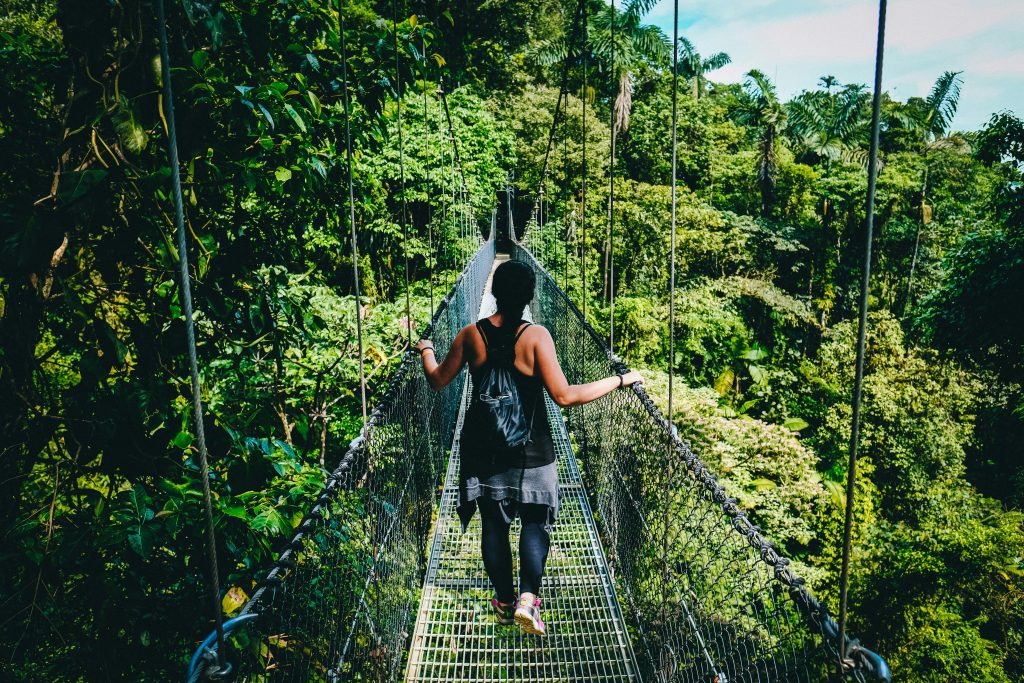
Walking the hanging bridges is one of the best ways to experience the forest canopy up close. Choose reputable operators that maintain their walkways and provide guided options if you want expert interpretation. Bridges can be slippery when wet, so wear good traction shoes and plan morning visits for calmer conditions and better wildlife activity.
Night Wildlife Tour Experience
Night tours led by experienced naturalists are highly recommended in Monteverde — they reveal frogs, nocturnal mammals, and insects that you won’t see during the day. Book a guided night walk with a vetted operator (ask for guide credentials and group size limits) and bring a headlamp with a red filter to avoid disturbing wildlife.
Contingency Plan and Practical Tips
- If the road is closed or conditions worsen, consider spending an extra night in La Fortuna or booking a later transfer — don’t push through dangerous roads.
- Confirm pickup times and exact meeting points with your transfer company the day before travel; save local road advisory contacts.
- Pack layers, waterproofs, and sturdy shoes — Monteverde is cooler and wetter than lowland areas.
CTA: Before you leave Arenal, check local road reports and your operator’s cancellation policy. If you’d like, tell me your travel date and I’ll recommend the safest, most time-efficient transfer option (private shuttle vs. 4WD rental vs. combo transfer) and give estimated hours and costs for that specific day.
Day 5: Monteverde Adventures and Wildlife Encounters
Day 5 in Monteverde is designed for immersion in cloud-forest biodiversity, local culture, and (if you want) high-adrenaline activities. Because Monteverde’s weather and access can be variable, balance your day with one booked highlight and one flexible option in case of rain or limited visibility.
Visiting the Butterfly Garden and Hummingbird Gallery
Start with the Butterfly Garden and Hummingbird Gallery for a gentle morning activity that’s weather-tolerant. These attractions let you observe Costa Rica’s delicate pollinators up close and are great for photographers and families. Guided visits often include interpretation on life cycles and conservation — a good, lower-risk way to experience Monteverde’s biodiversity.
Coffee and Chocolate Plantation Tours
Monteverde’s coffee and chocolate tours offer hands-on cultural experiences that work well in damp conditions. Learn about bean-to-cup processes, sample local products, and discover how sustainable farming supports costa rican communities. Smaller family-run farms often provide more in-depth tours — book ahead for limited-group tastings.
Optional Extreme Adventures: Tarzan Swing and Superman Zip Line
If you’re after thrills, Monteverde has zip-line courses and Tarzan-swing style attractions that let you soar through the canopy. Important safety notes before you book:
- Ask the operator for proof of equipment maintenance and the date of their last independent safety inspection.
- Confirm guide certification, participant-to-guide ratios, and written safety briefings.
- Check age, height, and weight limits in advance and whether the company carries liability insurance and emergency-response plans.
- Be aware that oversight varies; pick providers with strong recent reviews and clear documentation. If an operator can’t provide this, choose a different provider.
Because weather can close high-altitude adventure elements, pre-book a time slot early in the day (morning slots are less likely to be canceled for wind) and verify refund policies for weather closures.
Shopping for Local Crafts in Santa Elena
In the afternoon, wander Santa Elena for local crafts and souvenirs. You’ll find textiles, jewelry, coffee, and artisan goods that make meaningful gifts and support local artisans. Many shops are clustered near the main square — perfect for a relaxed stroll after a morning tour.
Low-Visibility and Rain Alternatives
If heavy mist or rain limits canopy views or closes adventure activities, switch to these lower-risk options:
- Extended coffee or chocolate workshops with hands-on components.
- Guided museum or community tours that focus on local culture and conservation.
- Indoor craft workshops or a visit to a conservation center that offers interpretive exhibits.
Practical tip: Monteverde has limited emergency-response options in remote spots — tell someone your planned route, carry a charged phone with a local SIM or eSIM, and bring warm, waterproof layers. If you want, I can recommend vetted tour operators for cloud forest walks, coffee tours, and safe zip-line providers for your specific dates.
Day 6: Beach Time on the Pacific Coast
Trade Monteverde’s misty cloud forest for the Pacific coast’s sun and surf — but plan this transfer carefully: coastal weather, road conditions, and park reservation rules all affect how much beach time you actually get. This day is about relaxing, sampling coastal cuisine, and (if you like) trying surfing or a sunset cruise.
Traveling from Monteverde to Manuel Antonio or Tamarindo
Transfer times vary widely depending on route and road quality. Expect roughly 4–6+ hours from Monteverde to Manuel Antonio and 4–6+ hours to Tamarindo in normal conditions; allow more time if roads are wet or you’re using non‑paved connectors. Options:
- Private transfer: Most comfortable and predictable; drivers familiar with mountain-to-coast routes and current road conditions.
- Shared shuttle: Cheaper and door-to-door on established timetables, but less flexible.
- Self-drive (4WD recommended): Gives freedom but requires careful driving and full-price quotes that include mandatory insurance and any 4WD premiums.
- Domestic flight + transfer: Time-saving for some routes (book early; baggage rules and schedules change seasonally).
Before departure, confirm pickup time and road updates with your operator; carry offline maps and the transfer company’s contact number in case you need to adjust pickup locations or times.
Beach Cheat Sheet: Manuel Antonio vs. Tamarindo
- Manuel Antonio (South Pacific): Famous for combining wildlife viewing with beaches inside a national park. Best for nature lovers who want short hikes, wildlife spotting, and calm swimming beaches — but note that the national park now uses timed-entry reservations and slots can sell out days in advance. Some trails (for example, sections affected by erosion) may be closed intermittently — check official park notices before you go.
- Tamarindo (Guanacaste / Nicoya Coast): Lively surf town with a strong beginner-surf scene, restaurants, and nightlife. Great for surf lessons, beach activities, and more social beach-time; expect busier beaches and more developed tourist infrastructure.
Relaxing on Costa Rica's Best Beaches
Both destinations offer beautiful beaches, but their atmospheres differ: Manuel Antonio gives rainforest-backdrop beaches with wildlife nearby; Tamarindo is a classic surf town with a party-friendly vibe. For wildlife-friendly beaches, stick to park rules (no feeding, keep distance) and follow local conservation guidance.
Surfing Lessons for Beginners
Tamarindo is one of the best places for beginner surf lessons thanks to consistent, forgiving waves. Lessons typically include board rental and an instructor; morning lessons are often calmer. Ask the surf school about group size, instructor certifications, and safety procedures before booking. For first-timers, plan for one lesson (2 hours) and allow extra time to practice on your own if you want to progress.
Sunset Catamaran Cruise
End your day with a sunset catamaran cruise for coastal views, wildlife spotting (dolphins are common), and a relaxed vibe. Sunset cruises vary in length and included amenities — some include snorkeling stops, drinks, and dinner. Book reputable operators in advance and confirm the exact pickup point (some depart from small docks that are tricky to find last minute).
Safety, Environment, and Practical Tips
- Manuel Antonio park reservations: book timed-entry slots in advance — they can sell out; if the park is full on your chosen day, consider nearby alternatives like Playa Biesanz or private reserves.
- Water safety: watch for rip currents and posted warnings; ask local lifeguards or tour operators about safe swimming zones.
- Respect wildlife: do not feed animals or approach nesting/foraging wildlife; keep a safe distance and follow park rules to minimize impact.
- Weather and access: during Sept–Nov storm months, expect a higher risk of travel disruptions — book refundable accommodations and have a contingency plan.
CTA: Want a recommended morning-to-evening plan for either Manuel Antonio or Tamarindo (including specific operators for surf lessons or catamaran cruises)? Tell me your preferred beach town and travel date and I’ll suggest vetted operators, booking links, and an estimated timeline for the day.
Day 7: Manuel Antonio National Park and Final Beach Day
Your final day in costa rica can be spent exploring Manuel Antonio National Park — a compact reserve known for accessible wildlife viewing and beautiful beaches — but plan ahead: the park now uses timed-entry reservations and can sell out, especially during peak season. Book your park slot in advance and have a backup plan if slots are unavailable on your preferred morning.
Early Morning Wildlife Spotting in Manuel Antonio
Plan to arrive at the park early (often at opening) for the best wildlife viewing and smaller crowds. Morning is prime time: monkeys, sloths, toucans, and many birds are active then. Bring binoculars, a camera with a zoom lens if you have one, and respectful distance — do not feed or approach animals.
Realistic timeline example: arrive at park gate 30 minutes before opening → walk the main trail for 1–2 hours of wildlife viewing → reach main beach by mid-morning for a swim or snorkel. If you’ve booked a guided wildlife walk, confirm your meeting point and guide contact the night before.
Hiking the Park Trails to Hidden Beaches
The park’s trail network leads to several small coves and viewpoints with excellent ocean vistas. Trails range from easy to moderate; however, some sections have been affected by erosion and maintenance work. Note that certain trails or viewpoints (for example, parts of Cathedral Point) may be closed indefinitely or seasonally for safety and restoration — always check the park’s official notices before you go.
If the main park trails are closed or the park is sold out, alternatives include nearby public beaches like Playa Biesanz or private reserves that offer similar beach-and-wildlife experiences for same-day visits.
Beach Activities and Water Sports
After your hike, relax on one of Manuel Antonio’s calm beaches. Swimming, snorkeling, paddleboarding, and kayaking are popular here when conditions permit. Observe posted safety signs and local lifeguard advice — currents can change and some coves are safer than others. If you want to snorkel or rent gear, book with a reputable operator that provides safety briefings and life jackets.
Preparing for Your Return Journey
Finish your trip with a relaxed departure plan: allow extra time to return to San José or the airport (traffic and road conditions vary). If you have a flight the same day, schedule your park visit early and plan your transfer time conservatively — allow at least 3–4 hours to return to San José for most afternoon flights, more during peak traffic or if roads are affected by weather.
Last-minute checklist: confirm your airport transfer or shuttle pickup time the evening before, pack a small day bag with essentials (water, sunscreen, insect repellent), and pick up any final souvenirs or local crafts in nearby Quepos or the park shop.
If the Park Is Sold Out — 3 Same-Day Alternatives
- Playa Biesanz: A nearby sheltered beach great for snorkeling and a relaxed swim; no timed-entry system and often less crowded.
- Rainmaker Conservation Project (nearby): A private reserve with well-maintained trails and suspension bridges — good for birding and forest walks.
- Local boat tour from Quepos: Short boat trips can combine wildlife watching (dolphins, seabirds) with coastal snorkeling or secluded beach visits.
CTA: If you’d like, tell me your departure flight time and I’ll create a tight-to-realistic final-day timeline (park slot, beach time, and transfer) or suggest the best same-day alternatives if Manuel Antonio is fully booked on your date.
Essential Costa Rica Travel Tips for Your Costa Rica Itinerary 7 Days
A week in costa rica is unforgettable—but good preparation makes the difference between a smooth trip and one marked by last-minute problems. Below are practical, up-to-date travel tips covering packing, health, safety, communications, and money so you can focus on the experience.
Packing List for One Week in Costa Rica (Practical + Technical)
Pack light but include items that cover variable weather and remote-area needs. Split your checklist into practical categories:
- Clothing & footwear: Lightweight breathable layers, quick-dry shirts, a warm fleece for highlands, waterproof jacket, and sturdy hiking shoes with good traction.
- Beach & swim: Swimwear, reef-safe sunscreen, water shoes for rocky beaches, and a lightweight towel.
- Technical items: Phone charger and adapter, power bank, offline maps (Maps.me or downloaded Google Maps area), a local SIM/eSIM or roaming data, and printed reservations/addresses (many rural places have spotty reception).
- Medical & insect protection: DEET-based insect repellent (20–30% DEET recommended in higher-risk areas), personal medications, a compact first-aid kit, anti-diarrheal medication, and electrolyte packets.
- Documents & safety: Copies of passport/insurance, emergency contact list, credit cards, and a small amount of colones for markets and taxis.
Health, Insect Risks, and Preventive Measures
Recent dengue outbreaks and mosquito-borne illnesses mean insect protection is more important than ever. Use a DEET-based repellent (20–30% for long protection), wear long sleeves in the early morning/evening, and sleep under mosquito nets in basic accommodations if necessary. Check CDC and WHO advice for up-to-date guidance on dengue and any malaria risk zones, and consult your doctor for recommended prophylaxis depending on your itinerary.
Travel Insurance: Mandatory and Recommended Coverage
Many tour operators and some national park activities now require proof of travel insurance that covers medical evacuation and activity-related incidents. At minimum, buy travel insurance that includes:
- Medical coverage sufficient for evacuation (check policy limits)
- Trip cancellation/interruption and weather-related rebooking (important during Sept–Nov storm season)
- Coverage for adventure activities you plan to do (zip lining, canopy tours, water sports)
Keep both digital and printed copies of your policy and emergency contact numbers. If a tour operator requires a specific insurer or certificate, confirm that before you book.
Safety, Scams, and Adventure Activities
Costa Rica is generally safe for visitors, but petty theft and occasional scams exist—use common-sense precautions (secure valuables, use hotel safes, avoid flashing expensive gear). For high-risk activities like zip lining, Tarzan swings, or canopy tours, demand proof of equipment maintenance, operator insurance, and guide training. Ask for participant limits and written safety briefings; if these aren’t available, choose a different operator.
Road Safety and Car-Related Advice
If you rent a car, request a fully itemized quote that includes mandatory local insurance and all taxes. Expect mandatory insurance fees to add roughly $15–$25+ per day (and higher for 4WDs). For routes that include Monteverde or remote mountain roads, choose a 4WD and confirm whether the rental insurance covers unpaved roads and river crossings. Carry offline maps and the rental company’s emergency number.
Money, Tipping, and Local Customs
The local currency is the Costa Rican colón, but USD is widely accepted in tourist areas. ATMs and credit cards are common in towns; carry colones for small purchases and rural stops. Tipping around 10% at restaurants is appreciated; for guides and drivers, $5–$10/day is common depending on the service.
Emergency Contacts and Last-Minute Prep
Before travel, save the following: your embassy contact, your insurer’s emergency number, local emergency services, and the numbers of your accommodation and tour operators. On travel days, check local weather (IMN) and road-condition updates; have a flexible buffer day in your 7-day plan for weather-related disruptions.
CTA: Want a printable checklist that includes DEET-strength recommendations, a shortlist of insurers accepted by local tour operators, and a one-page emergency-contact template? Tell me your travel dates and I’ll prepare a tailored PDF checklist for your costa rica itinerary 7 days.
Conclusion
Planning a week in costa rica can deliver an unforgettable mix of adventure, wildlife, and relaxation — provided you plan realistically. This 7-day itinerary highlights the country’s variety: a capital stop in San José, volcano and hot-spring time around Arenal, cloud-forest exploration in Monteverde, and a final beach day on the Pacific coast. It balances active days with downtime so you see the best of the country within a single week.
As you finalize plans, remember the practical realities this guide emphasizes: seasons and visibility can shift (Arenal is frequently cloud-covered and the rainy season now brings earlier heavy rains in some years), costs are higher than older guides suggest (mid-range budgets commonly run $150–$300+ per day), and certain experiences require advance arrangements (park timed-entry, hot-spring reservations, and some tours).
Before you go, do these four things: (1) check timed-entry and park reservation pages (Manuel Antonio and other popular parks) and book slots if required; (2) buy travel insurance that covers medical evacuation and storm-related trip changes; (3) get full written quotes for any rented car that include mandatory local insurance and 4WD premiums if needed; and (4) pack appropriate health protection (DEET-based repellent 20–30%) and a realistic weather contingency day in your schedule for Sept–Nov travel.
Ready to lock in dates? Download the printable 7-day checklist, reserve refundable hotel rates for storm season, and check national-park timed-entry availability now — and if you’d like, tell me your travel dates and budget and I’ll produce a tailored day-by-day plan with vetted operators and booking links so your trip time is as smooth as possible.
FAQ
What is the best time to visit Costa Rica?
How do I get around Costa Rica?
What are the must-see destinations in Costa Rica?
How much does a trip to Costa Rica cost?
Do I need travel insurance?
What should I pack for a week in Costa Rica?
Is Costa Rica safe for tourists?
How do I protect myself from insects and disease?
Are there drone restrictions in national parks?
Can I use credit cards and ATMs in Costa Rica?
How do I tip in Costa Rica?
