
Table of Contents
ToggleEgypt is a land full of ancient secrets and stunning views. It draws millions of tourists each year. The country’s tourism is shaped by the seasons.
July and August are very hot, which keeps some away. But, Egypt’s cool winters attract many. They enjoy the beaches, see the Pyramids, and take Nile cruises. Knowing the seasons is key to a great trip.
Key Takeaways
- Egypt’s tourism is seasonal, with peak visits during the mild winter months.
- The scorching summer heat can be a deterrent for some travelers.
- Understanding the weather is key to planning a comfortable trip.
- Egypt offers a rich historical and cultural experience beyond its weather.
- Travelers should consider the season when planning their Egypt itinerary.
Understanding Egypt's Climate and Seasons
Travelers need to know about Egypt’s climate, as it changes a lot in different places and times. The country’s varied landscapes lead to different climates. From the hot desert to the milder Mediterranean coast, each area has its own weather.
Egypt's Diverse Climate Zones
Egypt has many climate zones. Most of the country has a hot desert climate. It’s very dry and hot, even more so in summer.
The northern coast has a milder Mediterranean climate. Here, winters are cooler and summers are mild. The Sinai Peninsula has its own climate, thanks to its mountains. It’s cooler than the rest of Egypt.
Knowing these climate zones helps plan your trip. It’s key for choosing what to do and what to wear.
The Four Seasons in Egypt
Egypt has four main seasons. Winter (December to February) is mild, making it a favorite time for visitors. The south is even warmer.
Spring (March to May) is nice and cool, great for seeing sights and doing outdoor activities. Summer (June to August) is very hot, but it’s also when most tourists come. They enjoy Nile cruises and school breaks.
Autumn (September to November) is warm but not too hot. It’s perfect for visiting Egypt’s ancient sites without the summer heat.
Best Time to Travel to Egypt: An Overview
Egypt, a land of ancient mysteries, calls to travelers from all over. But when is the best time to visit? It depends on what you like: weather, crowds, or costs. Knowing the seasons helps plan your perfect Egypt trip.
Peak Season vs. Off-Peak Season
From December to February, Egypt’s peak tourist season brings mild weather. It’s great for outdoor adventures, but expect big crowds and high prices.
The off-peak season, in the summer, offers discounts on hotels and Nile cruises. But, the heat limits outdoor fun to early mornings and evenings.
Shoulder Seasons: The Sweet Spot
The shoulder seasons, spring (March to May) and autumn (September to November), are ideal. The weather is nice, and there are fewer people. It’s a great time to see Egypt’s sights without the rush.
As an Egypt vacation planner, these seasons offer a perfect mix. You get comfortable tours and good deals. Major sites aren’t too crowded, and you might find a great place to stay.
Visiting Egypt in Winter (December-February)
Egypt in winter is a treat for travelers. It has comfortable temperatures and clear skies perfect for sightseeing and adventure. The winter season, from December to February, is one of the best times to visit Egypt.
Weather Conditions and Temperatures
During winter, Egypt has mild and pleasant weather. It’s ideal for those wanting to escape harsher winter conditions. Daytime temperatures are warm, ranging from 20°C to 25°C (68°F to 77°F).
Nighttime temperatures can drop to around 10°C (50°F), mainly in the deserts. The clear skies and gentle breezes are perfect for outdoor activities. You can explore the Pyramids, take a felucca ride on the Nile, or enjoy a walk through historic districts.
Crowds and Tourism Levels
Winter is a peak tourist season in Egypt. It attracts visitors from colder climates. Popular sites like the Pyramids of Giza, Luxor Temple, and the Egyptian Museum are busier during this time.
But, with some planning, you can have a peaceful experience. Visit early in the morning or later in the evening to avoid the crowds.
Winter Activities and Experiences
There are many exciting activities to enjoy in Egypt during winter. You can explore ancient ruins or take a Nile cruise. The comfortable weather is perfect for a wide range of experiences.
Visitors can also enjoy festivals and events that happen during this season. These add to the vibrant cultural atmosphere. For adventure seekers, winter is great for desert safaris, hot air balloon rides over Luxor, or enjoying the beautiful scenery along the Nile River.
Exploring Egypt in Spring (March-May)
Spring in Egypt brings mild weather and fewer tourists. It’s a great time to see the country’s ancient sites. The landscapes are lush, and the weather is perfect for many activities.
Spring Weather Patterns
Egypt’s spring weather is mild, with temperatures from the mid-60s to mid-80s Fahrenheit (18-30°C). It’s sunny with little rain, perfect for exploring outside.
Temperatures rise as spring goes on. So, pack layers for cooler mornings and evenings.
Tourist Density and Pricing
Spring is a shoulder season in Egypt. The weather is nice, and there are fewer tourists. But, popular spots are not empty.
Prices for hotels and tourist services are lower in spring. Booking early can help you get the best deals.
Recommended Spring Activities
Spring is great for outdoor fun like Nile felucca rides and desert safaris. The weather is perfect for visiting historical sites without the summer heat.
It’s also a good time to see Egypt’s natural beauty. The blooming flora is perfect for photography and nature walks.
Summer Travel to Egypt (June-August)
Summer in Egypt can be very hot, but you can have a great time with the right planning. It’s important to be ready for the heat and enjoy what Egypt has to offer.
Dealing with Summer Heat
From June to August, Egypt’s summer is very hot, with temperatures over 40°C (104°F) in places like Cairo and Luxor. To stay cool, drink lots of water and avoid going outside when the sun is strongest, between 11 am and 3 pm.
Many places and tour operators plan their activities for early morning or late evening. This helps you see Egypt’s sites without the harsh sun.
Tourism Levels and Accommodation Rates
Summer is a low season for tourism in Egypt, which means hotels and resorts offer lower prices. This is a good chance to save money and see the country’s sights.
But, some places like Hurghada and Sharm El Sheikh by the Red Sea are always busy. They have great beaches and water sports.
Summer-Specific Attractions
Even with the heat, there’s a lot to do in Egypt in the summer. Museums like the Egyptian Museum in Cairo are cool and air-conditioned, perfect for escaping the heat.
Summer is also a great time for Egypt’s beaches and water sports like snorkeling or diving in the Red Sea. Some tours offer special packages for summer, like desert safaris or Nile rides, which are cooler in the day.
Fall Season in Egypt (September-November)
As summer fades, Egypt becomes a top autumn spot. It offers great weather and exciting experiences. This season is perfect for seeing Egypt’s history, enjoying the outdoors, and joining cultural events.
Autumn Weather and Conditions
The fall in Egypt brings mild and nice weather. Temperatures are between 20°C to 30°C (68°F to 86°F). This makes it a great time for sightseeing and outdoor fun.
Tourist Experience in Fall
Fall in Egypt means fewer tourists but a lively vibe. You can see famous sites without the crowds. Plus, you can join local festivals and feel the warm Egyptian welcome.
Fall Events and Activities
Fall in Egypt is full of cultural events and fun activities. There are festivals, historical shows, and local fairs. You can also go on Nile cruises, desert safaris, and explore ancient sites.
Regional Timing Guide: When to Visit Specific Destinations
Different parts of Egypt have the best times to visit, based on the weather and tourist seasons. Knowing these times can make your trip more fun and comfortable.
Cairo and Giza Pyramids
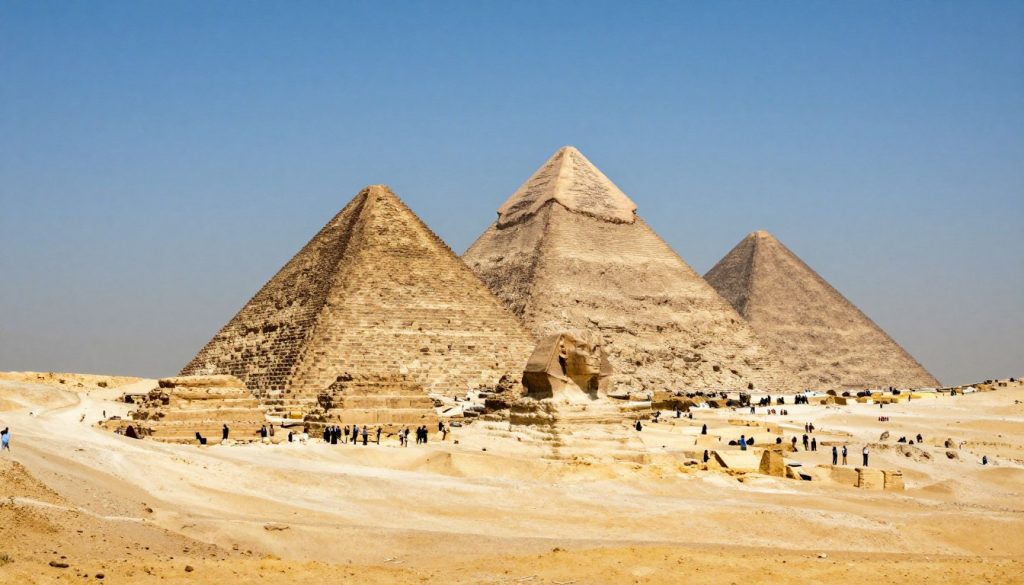
Cairo is a desert city with hot summers and mild winters. The best time to see Cairo and the Giza Pyramids is from December to February. The weather is cooler, perfect for exploring.
Visit the Pyramids early in the morning or late in the afternoon. This helps you avoid the sun and crowds.
Luxor and Valley of the Kings
Luxor is famous for its ancient sites. The best times to visit are from March to April or September to November. These periods have nice weather and fewer tourists than winter.
Go to the Valley of the Kings early in the morning or take a sunset tour. This way, you can avoid the heat and crowds.
Aswan and Abu Simbel
Aswan is lovely with its Nile views. It’s best to visit from December to February or during the shoulder season. These times are less crowded, making your visit more relaxed.
Abu Simbel is famous for its huge temples. Visit early in the morning to avoid the sun. Shoulder season visits also help you avoid the crowds.
Red Sea Resorts (Hurghada and Sharm El Sheikh)
The Red Sea resorts are great for water activities. Summer (June to August) is best for swimming and snorkeling, even though it’s hot.
For a better experience, visit during the shoulder season (April to May or September to October). The weather is nice, and there are fewer people.
Egyptian Festivals and Events Calendar
Egypt’s events calendar is full of experiences. It shows the country’s rich culture and history. From ancient celebrations to today’s gatherings, there’s something for everyone.
Religious Festivals and Holidays
Egypt is mostly Muslim. Islamic holidays and festivals are big parts of its culture. Ramadan, the holy month of fasting, is a major event.
During Ramadan evenings, or Iftar, people come together. They share meals and celebrate.
Sham el-Nessim is another key festival. It’s an ancient spring celebration. People enjoy picnics, outdoor fun, and traditional foods with family and friends.
Cultural and Historical Celebrations
Egypt’s cultural calendar is packed with history and heritage events. The Abu Simbel Sun Festival is a highlight. It happens twice a year, where the sun lights up the temple’s inner sanctum.
The Cairo International Film Festival is also a big deal. It shows Egyptian and international movies. It’s a chance for filmmakers to share their work and for audiences to see different films.
Modern Events and Conferences
Egypt also hosts modern events and conferences. The Cairo International Book Fair is one of the biggest in the world. It draws publishers, authors, and readers from everywhere.
The Red Sea International Film Festival is another big event. It’s a place for filmmakers to show their work in a beautiful setting.
These events make Egypt’s cultural scene lively. They give visitors a taste of Egypt’s heritage and modern vibe.
Budget Considerations: How Timing Affects Costs
Traveling to Egypt can cost a lot, and timing is key to saving money. Knowing when prices go up or down helps you budget better. Whether you want to spend a lot or save, timing is everything.
Price Fluctuations Throughout the Year
Egypt’s tourism has busy and quiet times, affecting travel costs. Prices go up in peak season, from December to February, because more people travel then.
In the off-peak season, usually summer, prices drop. This makes it cheaper to visit. But, remember, it can be very hot.
Finding the Best Deals on Accommodations
Accommodation prices in Egypt change with the seasons and where you are. To get the best deals, travel in the shoulder season. This is spring (March to May) and autumn (September to November).
These times are nice weather-wise and prices are lower than peak season. Booking early can also get you a better rate.
Flight Pricing Patterns
Flight prices to Egypt also go up in peak seasons. Use tools to compare flights and set alerts for deals. This can help you find the best prices.
Looking at different airports or routes can save money too. Being flexible with your travel dates and planning ahead can cut down on flight costs.
Weather-Related Travel Tips for Egypt
To enjoy your Egyptian trip, knowing the weather is key. Egypt’s weather changes a lot, from cool winters to very hot summers. Knowing how to pack and act can make your trip better.
Packing Recommendations by Season
Choosing the right clothes is important for comfort in Egypt. In winter (December to February), it gets cold at night, so bring warm clothes. For spring (March to May) and autumn (September to November), pack light clothes with a few warm ones for cooler times.
In summer (June to August), wear light, breathable clothes. Don’t forget sun protection like hats, sunglasses, and sunscreen.
Dealing with Extreme Temperatures
Egypt gets very hot in summer. To stay cool, drink lots of water and avoid the sun from 11 am to 3 pm. Wear clothes that protect you from the sun.
In colder months, wear layers to adjust to indoor and outdoor temperatures.
Sandstorms and Other Weather Phenomena
Sandstorms happen, mostly in spring. If you’re in one, stay inside, keep windows and doors shut, and don’t travel unless you must. Wearing a mask helps protect you from dust.
Knowing the weather helps you plan better. Whether you’re in Cairo or sailing the Nile, understanding the climate is essential for a great trip.
Avoiding Crowds: Best Times for Popular Attractions
To enjoy Egypt fully, knowing the best times to see its top spots is key. Egypt’s landmarks attract many tourists, but visiting when it’s busy can spoil the fun. Plan your day well to dodge the crowds and have a better time.
Pyramids and Sphinx Timing Strategy
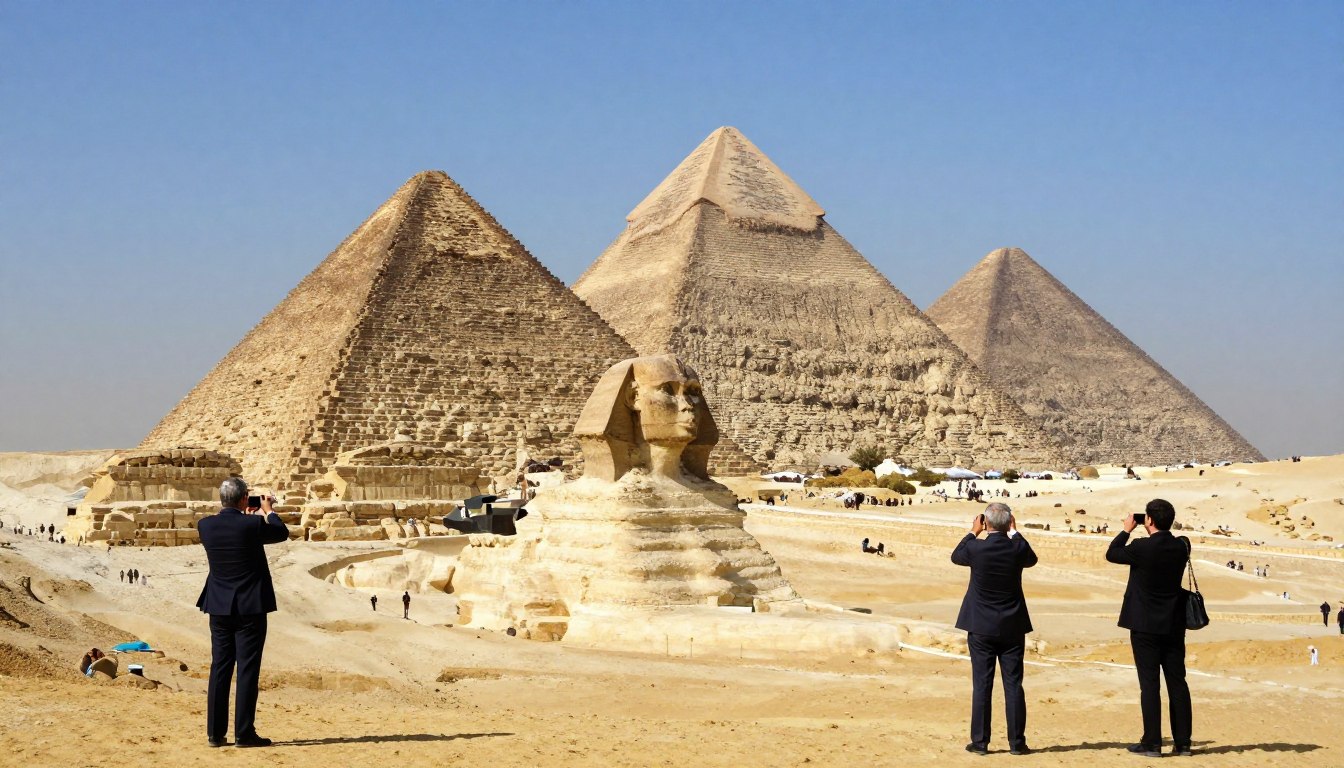
Seeing the Pyramids of Giza is a must for any Egypt trip. Go early in the morning or late in the evening to miss the crowds. These times are also great for photos because of the light.
Egyptian Museum and Khan el-Khalili
The Egyptian Museum in Cairo has the biggest collection of ancient Egyptian items. Visit late in the afternoon to skip the tourist rush. Khan el-Khalili, a historic bazaar, is also less busy in the evening when it’s lit up.
Luxor and Karnak Temples
Luxor and Karnak Temples are on the Nile’s east bank and are very impressive. Go there early in the morning or at sunset to avoid the crowds. The spring and autumn are the best times to see them because of the weather.
By planning your visits to these attractions wisely, you can make your Egypt trip better. Whether you’re seeing ancient ruins or exploring museums, avoiding the crowds makes everything more enjoyable.
Special Considerations for Nile Cruises
Going on a Nile cruise feels like traveling back in time. You’ll sail along the Nile, the heart of ancient Egypt. It’s a great way to see Egypt, but you need to plan well. Knowing the best times and what to watch out for helps pick the perfect cruise.
Optimal Seasons for Cruising
The best time for a Nile cruise is from October to February. The weather is mild and perfect for seeing sights. You’ll enjoy temperatures from the mid-60s to mid-70s Fahrenheit.
Summer, from June to August, is very hot, with temperatures over 100°F. It’s the low season, but you might find deals. Spring (March to May) and autumn (September to November) offer nice weather and fewer tourists.
Water Levels and Navigation Concerns
The Nile’s water levels are mostly steady, thanks to the Aswan Dam. But, levels can change with the seasons. The high water season, from November to February, makes navigation smoother.
Some Nile parts might be closed for construction or conservation. Your cruise company will update you and adjust plans.
Cruise Pricing Throughout the Year
Cruise prices change a lot throughout the year. Prices are highest in peak season, from December to February. Shoulder seasons (October to November and March to May) offer better prices and weather.
For budget travelers, off-peak seasons can save a lot. But, consider the heat and rain challenges.
Planning your Egypt trip with a Nile cruise is a great idea. It offers a unique view of Egypt’s history and culture. By picking the right time and knowing what to expect, your trip will be unforgettable.
Traveling During Ramadan and Other Religious Periods
Traveling to Egypt during Ramadan is a unique chance to see the country’s culture up close. This time is filled with spirituality, community, and tradition. It’s a great way to dive into local customs.
What to Expect During Ramadan
Egypt becomes a lively place of spiritual energy during Ramadan. The streets are filled with people fasting from dawn to dusk. At night, the streets buzz with iftar meals and taraweeh prayers.
The month is also filled with cultural events and festivities. These show off Egypt’s rich heritage. It’s a time when tradition and community come together, making visitors feel welcome.
Etiquette and Cultural Sensitivity
Respecting local customs is key when traveling during Ramadan. Dress modestly, avoid eating or drinking in public during fasting hours, and be mindful of others.
Following these simple rules can make your trip better. It shows respect for the culture. Learning basic Arabic phrases, like “Ramadan Mubarak,” is also a good idea.
Advantages and Disadvantages
Traveling during Ramadan has its good and bad sides. You can dive into the culture, find cheaper deals, and experience Egyptian hospitality.
But, some places might have shorter hours, and fasting can slow things down. Knowing this helps plan your trip better for a smooth experience.
In summary, visiting Egypt during Ramadan is rewarding. It offers a peek into the country’s spiritual and cultural side. Being informed and respectful makes for a memorable trip.
Conclusion: Planning Your Perfect Egyptian Adventure
Planning a trip to Egypt means thinking about several things. These include the time of year, weather, and events. With the right info, your trip can be both memorable and fun. The best time to visit Egypt depends on what you like to do.
Are you into ancient ruins, beach relaxation, or Nile cruises? Timing is key. Knowing Egypt’s climate and seasons helps plan your trip. Spring and autumn are great for sightseeing. Winter is better for those who like milder weather.
When planning your Egypt trip, use a regional timing guide. This helps you avoid crowds and save money. With this guide, you’re ready for an unforgettable Egyptian adventure.
FAQ
What is the best time to visit Egypt?
Is summer a good time to visit Egypt?
How does the timing of my trip affect costs?
What are the shoulder seasons in Egypt, and are they a good time to visit?
How can I avoid crowds at popular attractions in Egypt?
What should I pack for a trip to Egypt?
Are there any specific cultural or religious events I should be aware of when planning my trip to Egypt?
Can I take a Nile cruise during any time of the year?
How do I prepare for extreme temperatures in Egypt?
What are the best deals on accommodations and flights to Egypt?