
Table of Contents
ToggleGermany is a treasure trove of cultural heritage, vibrant cities, and breathtaking landscapes — and it remains a top draw for international travel. Recent figures show Germany recorded about 82.6 million international overnight stays in 2024 (see the German National Tourist Board for updates). With diverse geography from the Bavarian Alps to North Sea and Baltic coastlines, Germany offers a unique experience across four distinct seasons — and the best time to visit depends on what you want to do. For official, up-to-date visitor information, see Germany’s official tourism site.
Whether you’re a history buff, a foodie, or an adventure seeker, you’ll find something for every interest. Germany’s temperate climate gives each season its own charm, but note that climate extremes are becoming more common: heat waves now regularly push temperatures above 30°C (2024 saw record highs up to 38°C in some regions), and winters can include colder snaps in mountainous areas. These trends affect travel plans, booking windows, and what to pack.
Key Takeaways
- Germany is a year-round destination; the best time depends on activities (skiing, festivals, hiking, markets).
- Regional weather varies widely — north is maritime, south is continental/alpine — so plan by region.
- Recent changes to plan around: updated visitor numbers, transport shifts (e.g., Deutschlandticket impact), and higher event costs/booking lead times.
- Climate trends matter: heat waves and low-water summers can affect outdoor plans and river cruises.
- Book high-demand events and attractions (Oktoberfest tents, Neuschwanstein tours, major Christmas markets) well in advance.
Quick update: check the official festival and transport sites for the latest dates, ticketing rules and alerts before you book.
✈️ TripToGo Travel Deals
Get notified about great travel deals
Hand-picked flight, hotel and destination deals, straight to your inbox. No spam, unsubscribe anytime.
🎉 Thank you for subscribing!
You’re all set — the best travel deals are on their way.
Germany by Season at a Glance
The short answer in one table — then the full season-by-season and regional detail below.
| When | Typical temps | What you get |
|---|---|---|
| May–Jun | 14–24°C, long bright days | The sweet spot — beer gardens open, castles green, crowds still light before school holidays |
| Jul–Aug | 18–28°C, warmest, occasional heat | Peak season: festivals everywhere, but busiest and priciest; the Alps and coast fill up |
| Sep–mid-Oct | 10–20°C, crisp and golden | Oktoberfest + fall colour — the other great window; book Bavaria far ahead |
| Late Nov–23 Dec | −2–6°C, cold and festive | Christmas-market season — the reason many come; glorious after dark |
| Jan–Mar | −5–6°C, quiet, ski in the Alps | Cheapest city breaks and Alpine skiing; short days, many sights on winter hours |
Festivals, Two Climates and Closed Sundays: Key Facts
Two festivals should drive your dates, and they book out fastest of all. Oktoberfest runs roughly mid-September to the first Sunday of October (it is mostly in September, despite the name) — Munich and all of Bavaria need rooms reserved 60–90 days ahead. Christmas markets run late November to about December 23 (Nuremberg and Dresden are the classics) — then most close before the 25th, so a Christmas-Day arrival misses them.
“Germany” is really two climates: the Alps and Black Forest hold winter (and snow) far longer than the milder Rhine and northern plains. For castles and Alpine scenery aim late May–September; for city-and-museum trips, almost any month works — our Germany castles guide and things to do in Munich map the south.
Shoulder season is the quiet win: May and October give you summer’s daylight and open beer gardens without July’s crowds or prices — the single best value/weather trade in the German calendar. See our Europe trip cost guide for how the seasons move budgets.
Sundays close the shops — on purpose: almost all German stores shut on Sundays (Ladenschlussgesetz), though restaurants, museums and bakeries stay open. Plan grocery runs for Saturday. More festive timing in our European Christmas-markets guide. Official resource: German National Tourist Board.
Picked your season? Get Germany planned for it
Our partner Voyada’s AI vacation planner builds the trip for that window — Oktoberfest, Christmas markets or castle season — with flights, hotels and a real total cost, in about a minute, free.
Plan my vacation →Germany's Climate Overview
Germany has a generally temperate climate with four clear seasons, but regional differences and growing climate extremes mean conditions vary more now than in past decades. Each season offers different experiences for visitors, and understanding averages and recent trends helps you pick the best time to travel.
Four Distinct Seasons
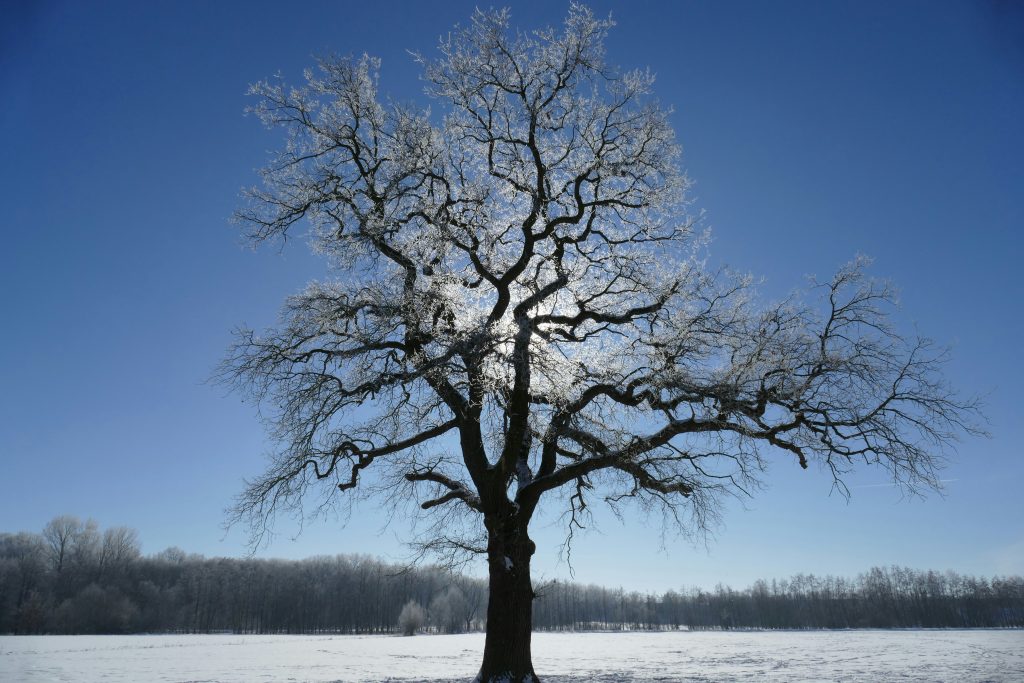
The year splits into spring (March–May), summer (June–August), autumn (September–November), and winter (December–February). Spring is typically mild and good for outdoor activities; summer brings the warmest weather and festival season; autumn offers cooler days and colorful foliage; and winter delivers colder conditions and the Christmas market season or alpine snow for skiing.
Note on summers and extremes: average summer highs often sit around 22–25°C (72–77°F), but heat waves are increasingly common and can push temperatures above 30°C — in 2024 some regions recorded highs near 38°C. Winters also show wider variability, with mountain areas regularly dipping below -10°C during cold snaps.
Regional Climate Variations
Weather in Germany depends a lot on region: the north (coastal and around Hamburg) is influenced by the sea and stays milder and windier; the south (Bavaria and the Alpine foothills) has a more continental or alpine climate with hotter summers and colder, snowier winters; the central and eastern areas show mixed conditions. Mountain ranges like the Alps and the Black Forest are noticeably cooler and wetter year-round.
When planning, choose dates by region — coastal trips favor late spring to early autumn, while alpine skiing needs reliable winter snow or high-altitude resorts.
How Weather Impacts Travel Experience
Weather affects what you can do and how you book: summer is best for outdoor festivals, lake swimming, and long daylight hours, but expect crowds and book early. Low river levels during hot, dry summers have disrupted Rhine and Moselle cruises in recent years, so check operators for water-level advisories. Winter brings Christmas markets and ski seasons, but some markets or smaller town events have reduced hours or been canceled due to energy and security concerns.
Practical tips: check regional forecasts (DWD — German Weather Service) before you travel, factor in possible heat waves or storm warnings, and allow flexibility for transport or activity changes caused by weather.
Understanding Germany's Travel Seasons
Planning a trip to Germany? Knowing the travel seasons and the differences between average conditions and recent extremes is key to picking the right dates. Each season offers distinct experiences, but timing within the season matters — especially because domestic demand, school holidays, and event weeks shift crowds and prices.
Peak Season (June-August)
Summer (June–August) is the busiest period and is usually the best time for outdoor festivals, lake visits, and long daylight hours. Average highs commonly sit around 22–25°C (72–77°F), but heat waves now frequently push temperatures above 30°C — 2024 produced regional peaks near 38°C. Expect the highest crowds and prices during peak weeks and around major events.
Timing tip: if you’re traveling with family, check the German state school-holiday calendar — holidays are staggered across states between June and August and heavily influence crowds. For theme parks like Europa-Park, plan for long queues (peak weeks can see 5–6 hour waits) and buy timed-entry or fast-track options where available.
Shoulder Seasons (April-May & September-October)
Shoulder seasons are often the best time visit Germany for a balance of pleasant weather and lower crowds. Spring brings blooms and milder days; early autumn offers harvest events and foliage. Average conditions are comfortable for sightseeing and outdoor activities, and many cultural events run in these months with fewer visitors than summer.
Timing tip: shoulder seasons are ideal for booking Rhine Valley cruises, vineyard visits, and city breaks — however, book ahead for popular weekends and festival dates (Oktoberfest and major trade fairs can create local spikes).
Off-Season (November-March)
The off-season includes late autumn into winter (November–March). It’s colder and darker, but it’s also when you’ll find lower accommodation rates and the festive Christmas market atmosphere in many cities. Note that some smaller-town markets have been reduced or canceled in recent years for energy or security reasons, and several large markets (e.g., Nuremberg) use timed-entry tickets during peak periods.
Timing tip: off-season is great for budget travelers or anyone seeking quieter cities, but check attraction opening hours and local event confirmations before you go — winter weather and staffing can shorten schedules.
Best Time to Visit Germany for Different Travelers
Germany works well for families, couples, solo travelers, and seniors—each group should pick timing that matches interests, budgets, and tolerance for crowds. Below are practical windows and booking tips for different traveler types.
Families with Children
For families, summer (June–August) is often the best time to visit because schools are on break and outdoor activities, water parks, and beaches are open. Note: German school holidays are staggered by state, so domestic crowds peak at different times between June and August—check the state school-holiday calendar when planning.
Timing tip: major family attractions and theme parks (e.g., Europa-Park) see very long queues during peak weeks (reports of 5–6 hour waits), so buy timed-entry or fast-track passes where available and book accommodation early.
- Top action item: check your destination state’s holiday dates and reserve theme-park tickets and family-friendly hotels well in advance.
Couples and Honeymooners
Shoulder seasons (April–May and September–October) are often the best time visit Germany for couples: the weather is pleasant, crowds are thinner than summer, and scenery—spring blooms or autumn colors—feels romantic. The Rhine Valley is a top pick for couples, with vineyard views, castles, and quieter cruises in shoulder months.
Timing tip: book Rhine Valley vineyard visits and small-ship cruises ahead—some operators limit capacity and offer fewer English-language tours.
- Top action item: reserve romantic restaurants, winery tours, and any small-ship river cruises at least several weeks in advance.
Solo Travelers and Backpackers
Solo travelers and backpackers benefit from visiting in shoulder seasons or off-season when prices are lower and cities are less crowded. Berlin, Munich, and other cities have rich cultural scenes year-round. Shoulder months give milder weather for walking and day trips.
Timing tip: use the off-season to score lower prices, but confirm attraction opening times and transportation schedules (some rural services are reduced in winter).
- Top action item: plan flexible itineraries, keep bookings cancellable, and join local walking tours to meet people safely.
Senior Travelers
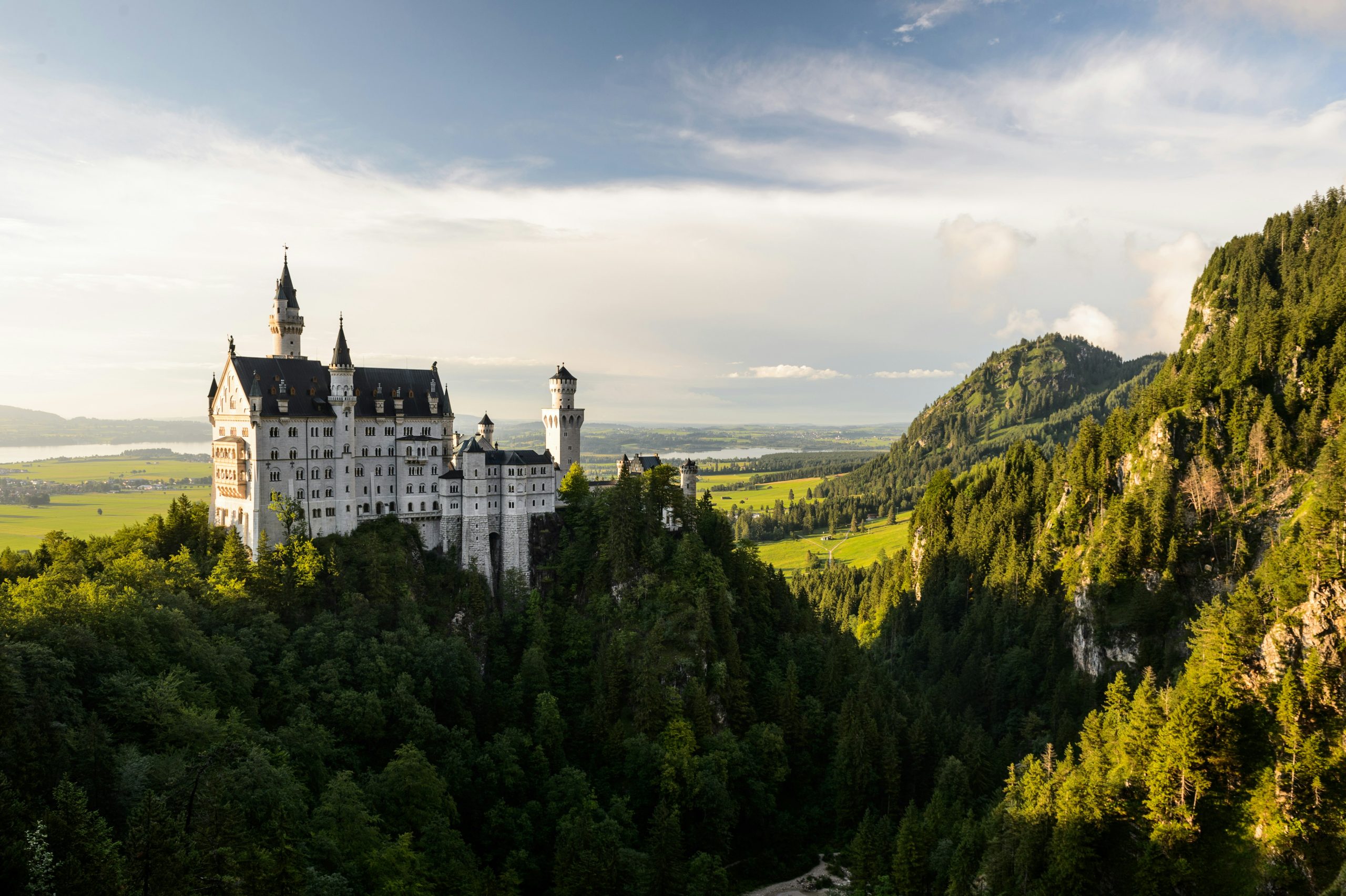
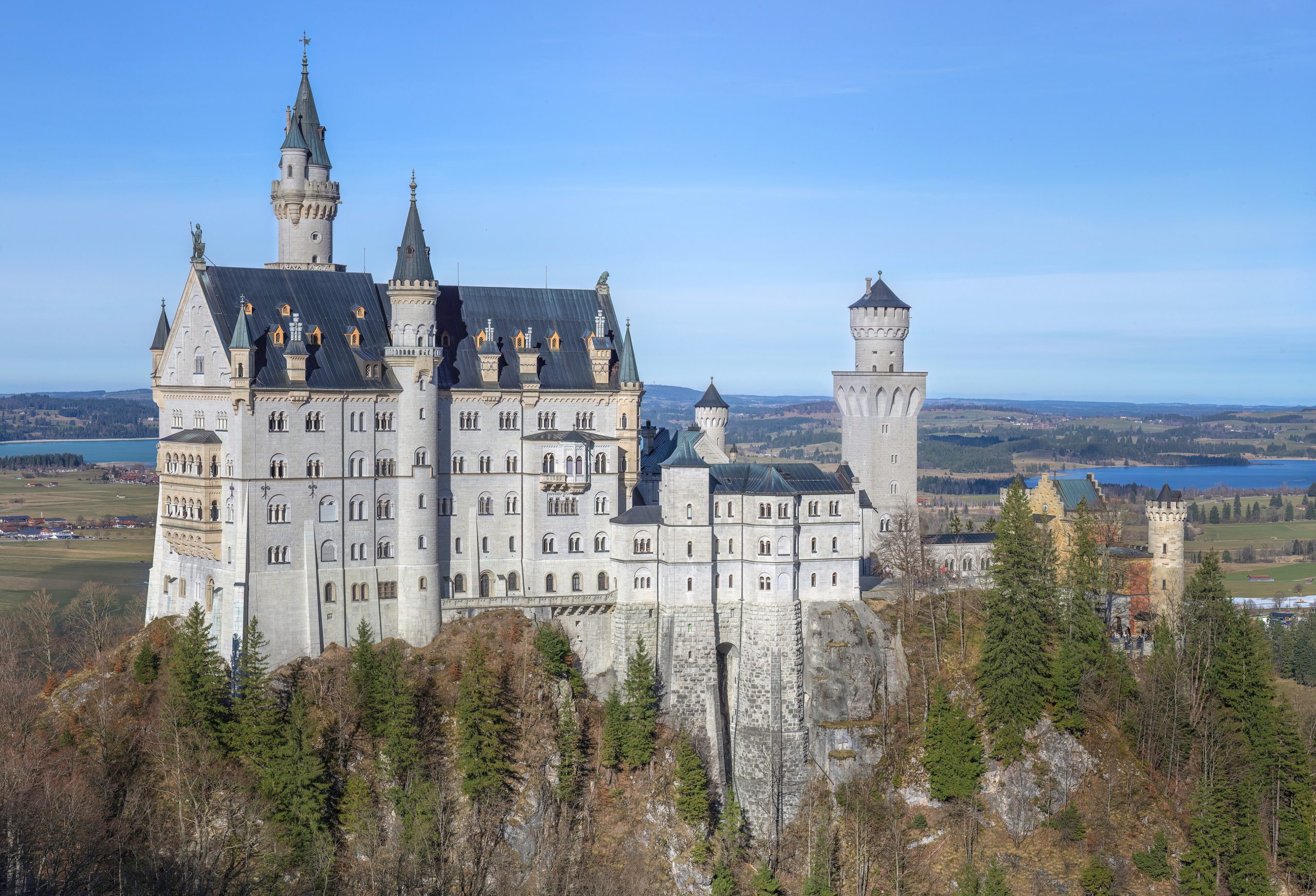
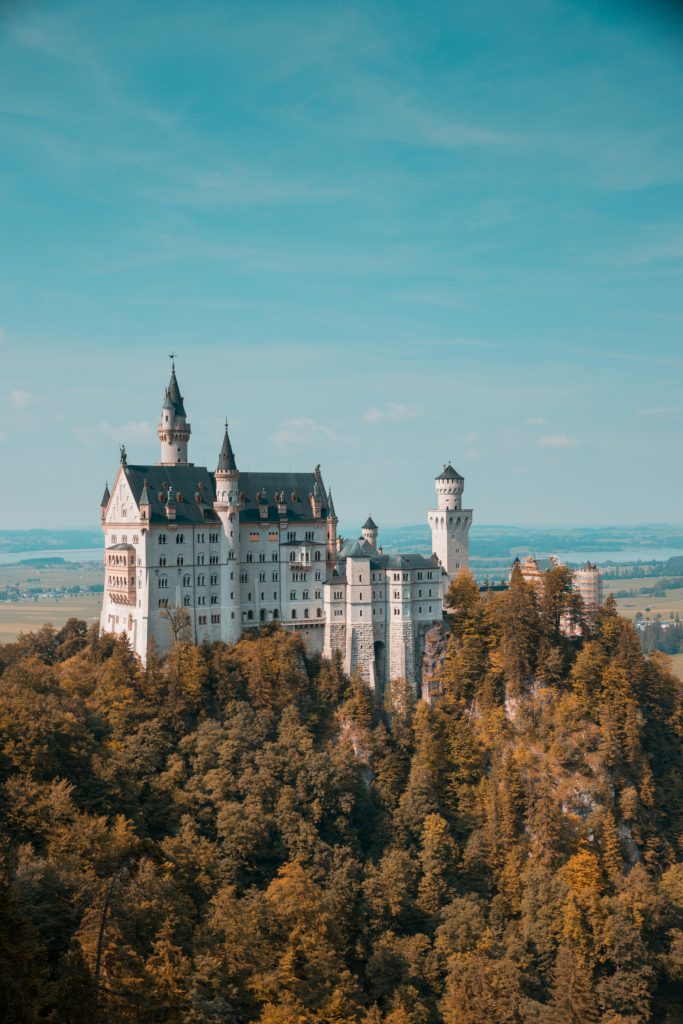
Seniors often prefer spring or autumn for milder weather and smaller crowds, which makes visiting museums, historic sites, and gentle excursions more enjoyable. If Neuschwanstein Castle is on the list, remember that advance reservations are mandatory and often sell out 3–4 months ahead; Marienbrücke (the famous viewpoint) can also have temporary access restrictions—check the official site before you go.
Timing tip: choose weekdays and shoulder-season dates to avoid school or festival crowds.
- Top action item: book guided tours and attraction tickets in advance, and look for accessible options if needed.
Summer in Germany: June to August
Summer is a lively time to visit Germany — long daylight hours, warm weather, and an active festival calendar draw both international visitors and many domestic travelers. If your trip focuses on outdoor activities, festivals, or lakeside relaxation, summer is often the best time to plan your visit — but be ready for crowds and occasional extreme heat.
Weather Conditions and Temperatures
Average summer highs across much of Germany typically fall in the 22–25°C (72–77°F) range, with nights cooler. However, extreme heat is increasingly common: heat waves now regularly push temperatures above 30°C, and some regions recorded highs near 38°C in 2024. Expect regional variation (coastal areas stay cooler; inland and southern valleys can be significantly hotter).
Timing tip: monitor forecasts before you travel and choose accommodations with cooling options if you’re sensitive to heat.
Popular Summer Activities and Festivals
Summer is prime season for open-air festivals, classical music events (the Wagner Festival in Bayreuth), and major contemporary festivals like Rock am Ring. Cities host outdoor concerts, beer gardens open up, and lakes and rivers are busy with swimming, sailing, and kayaking. The Black Forest and Bavarian foothills are popular for hiking and cycling.
Festival planning note: many large events and parks require advance tickets or timed entry during peak weeks — book early.
Pros and Cons of Summer Travel
Pros: long sunny days for outdoor activities, full cultural programming, and easy access to lakes and coastal areas. Cons: this is the busiest season, so expect higher prices, crowded attractions, and occasional transport disruptions due to infrastructure works or heavy demand.
Practical crowd and safety tips:
- Heat-wave precautions: carry sunscreen, a hat, refillable water bottle, and plan indoor or shaded breaks during the hottest hours.
- How to avoid crowds: visit popular sites early in the morning or later in the day, and reserve timed tickets for major attractions.
- Theme-park note: major parks can see very long queues during peak weeks (some reports of 5–6 hour waits) — prioritize fast-track options or off-peak days.
All in all, summer is a fantastic season for outdoor activities, festivals, and long days — just plan ahead for crowds and heat, and you’ll make the most of Germany’s vibrant summer scene.
Fall in Germany: September to November
Autumn (September–November) is one of the most scenic times to visit Germany: cooler air, changing leaves, harvest festivals, and a strong cultural calendar make it a favorite for many travelers. Early fall often offers mild, pleasant days ideal for sightseeing and outdoor activities, while late autumn turns cooler and can bring early frosts in some regions.
Autumn Weather Patterns
September commonly feels like late summer with daytime highs often near 18°C (64°F), but temperatures drop through October and November — average highs can fall to around 9°C (48°F) by November. Expect a mix of sunny and overcast days, and be prepared for sudden swings in temperature and occasional rain.
Timing tip: shoulder-season weeks in September and early October typically give the best balance of good weather and smaller crowds; pack layers for unpredictable conditions and check regional forecasts before you go.
Harvest Festivals and Cultural Events
Fall is festival season in many wine regions and smaller towns, including harvest and apple festivals and wine tastings across the Moselle and Rhine. Munich’s world-famous Oktoberfest is a major highlight of the season — the 2025 dates are Sept 20–Oct 5, 2025 (always confirm current-year dates). Historically the event draws millions of visitors, but exact attendance varies by year.
Oktoberfest planning note: for 2025 and recent years, expect increased security measures, higher on-site prices (beer prices around €14–15 per Maß have been reported), and strict reservation practices — evening tent entry often requires advance table reservations that sell out many months in advance.
Benefits of Visiting During Fall
Visiting in fall gives you pleasant weather for hiking and cycling, fewer crowds than high-summer weeks, and seasonal culinary events (wine festivals, harvest menus). For quieter vineyard tours and castle sightseeing, shoulder-season weekdays are often the best time visit.
Oktoberfest caveat: if you plan to attend, treat it like a major event — book accommodation and any required tent reservations early, budget for higher food and drink costs, and arrive prepared for intense crowds on peak days.
Winter in Germany: December to February
Winter in Germany can feel magical — with festive markets, seasonal food, and snowy alpine scenery — but recent years have introduced new caveats that travelers should know before booking. Expect a mix of cozy indoor culture and outdoor winter-sport opportunities, and plan for colder extremes and occasional service or schedule changes.
Cold Weather Expectations
Winter weather varies by region. Coastal and lowland areas are milder but damp; inland and southern alpine areas can be much colder. While older averages often cited 0°C in the north and −4°C in the south, winters now show wider variability and regular cold snaps that can drop temperatures to −10°C or lower in Bavaria and mountainous regions. Snow is common in the Alps and higher elevations but can be inconsistent at lower altitudes.
Practical note: higher energy costs in recent years have affected indoor heating and event hours in some places — factor this into accommodation choices and daily plans.
Christmas Markets and Winter Activities
Christmas markets remain a highlight, but the scene has changed: not every small town runs a market each year, some have shortened hours, and larger markets have introduced timed-entry tickets or visitor limits during peak times. For example, Nuremberg’s Christkindlesmarkt has used timed-entry ticketing at busy periods; always check official pages before you travel.
For winter sports fans, the Bavarian Alps (resorts like Garmisch-Partenkirchen and Oberstdorf) still offer excellent skiing and snowboarding at higher elevations, but snow reliability can vary season to season. Book lift passes, lessons, and equipment rentals in advance, and verify slope/lift status close to your travel dates.
Advantages and Challenges of Winter Travel
Advantages: fewer tourists in many cities (outside market weekends), festive atmospheres at major markets, and prime conditions at high-altitude ski resorts. Challenges: travel disruptions from storms or deep cold, shortened opening hours for some attractions, and the possibility that smaller markets or shows are canceled for energy/security reasons.
Winter planning checklist:
- Confirm Christmas market dates and ticketing (timed-entry) before booking.
- Book ski passes, lessons, and accommodations early for popular resorts; consider higher-altitude resorts for reliable snow.
- Pack for real winter conditions: insulated, waterproof boots, thermal layers, and a warm waterproof coat.
- Arrange travel insurance that covers weather-related disruptions and check local advisories for energy/security changes.
Spring in Germany: March to May
Spring (March–May) is a refreshing shoulder season in Germany: temperatures climb, landscapes bloom, and tourist numbers are generally lower than in summer. It’s an excellent window for outdoor activities, city sightseeing, and seasonal festivals—though early spring can still feel chilly in some regions.
Spring Climate and Blooming Landscapes
Typical spring temperatures range roughly from 8–18°C (46–64°F) depending on the month and region, but expect variability: late frosts can occur in March and high-elevation areas stay cooler. Rain is possible, so layers and a waterproof jacket are smart choices. Spring’s bloom season brings colorful parks and countryside—ideal for walking routes and garden visits.
Timing tip: late April–May often offers the most consistent mild weather for outdoor activities and fewer rain days than early March.
Spring Festivals and Traditions
Spring hosts a variety of local festivals and traditions. Easter dates change each year, and many towns hold “Oster” markets or fairs with crafts and regional treats. Regional flower festivals, maypole celebrations, and local spring fairs add lively local color in many towns.
Booking reminder: some popular spring events and routes (flower festivals, guided cycling tours) can draw local weekend crowds—book popular tours and accommodations a few weeks in advance, especially around state school-holiday periods.
Why Spring Might Be Your Ideal Time
Spring is a great season for travelers who want pleasant weather and fewer crowds than summer. It’s particularly good for cycling, hiking lowland trails, and visiting cities before high-season prices kick in. Note for allergy sufferers: pollen levels can be high in spring—bring medication if needed.
Top spring activities:
- Visit botanical gardens and city parks during bloom season.
- Cycle regional routes (e.g., Moselle, Rhine towpaths) in milder weather.
- Take scenic drives through budding countryside for quieter castle and vineyard visits.
Regional Guide: When to Visit Different Parts of Germany
Germany’s weather and experiences vary widely by region — from maritime coasts in the north to the high Alpine peaks in the south — so pick timing by where you want to go and what you want to do. Below are practical, scannable notes for each region with best months, main draws, and important booking caveats.
Northern Germany (Hamburg, Baltic Coast)
- Why go: long daylight hours and milder temperatures make summer ideal for coastal walks, water sports, and harbor events.
- Booking caveat: coastal weather can change quickly; pack layers and check ferry/boat schedules. Water temperatures stay cooler than inland lakes.
Southern Germany (Munich, Bavaria, Black Forest)
Best months: year-round, depending on activity — winter for alpine skiing, late spring–early autumn for hiking and beer gardens.
- Why go: Bavaria offers classic cultural attractions, the Black Forest’s hiking trails, and reliable high-altitude snow in winter (Bavarian Alps).
- Booking caveat: Neuschwanstein and other top sites require advance reservations (often sell out months ahead); alpine resorts and lift passes should be booked early for holiday periods.
Eastern Germany (Berlin, Dresden, Leipzig)
Best months: spring through autumn (April–October) for outdoor cafés and festivals; winter for museum-heavy city breaks (with fewer tourists).
- Why go: rich history, thriving cultural scenes, and year-round events in cities like Berlin; spring and summer bring outdoor concerts and street life.
- Booking caveat: cultural events and summer festivals can spike demand — book concert tickets and special exhibitions in advance.
Western Germany (Cologne, Rhine Valley, Frankfurt)
Best months: spring and autumn for sightseeing and vineyard visits; winter for Carnival in Cologne (February) and trade fairs in Frankfurt (dates vary by year).
- Why go: Rhine Valley’s castles and vineyards are particularly lovely in spring and fall; Cologne’s Carnival is a major early-year highlight.
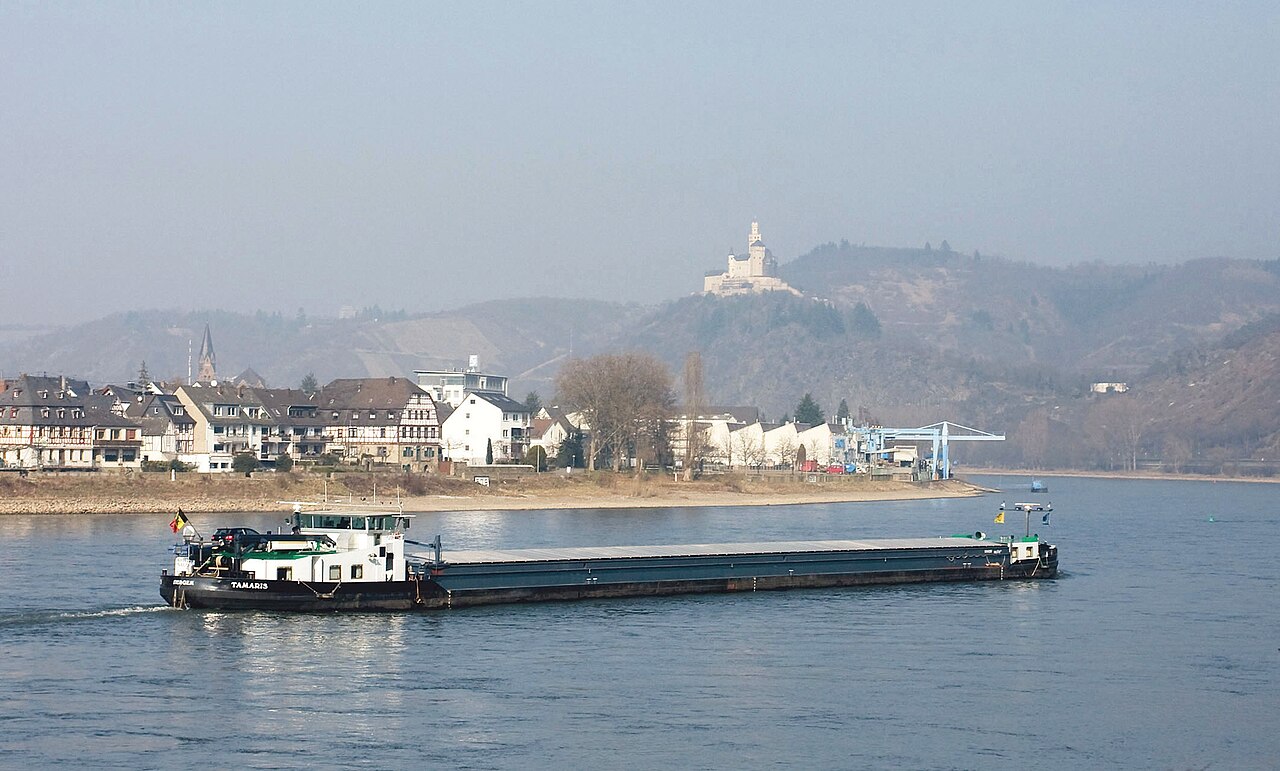
- Booking caveat: Rhine and Moselle river cruises have been disrupted during recent low-water summers — check cruise operators for water-level advisories and book vineyard tours ahead (some have limited English-language options).
- Note on business travel: Frankfurt trade-fair weeks cause local accommodation price spikes — plan early if your trip overlaps an event.
Regional tip: combine neighboring regions (for example, Rhine Valley + Frankfurt, or Munich + Bavarian Alps) to optimize weather and activities across a week-long trip. For detailed itineraries, check region-specific pages and local event calendars before you book.
Planning Around Major German Festivals
Timing your trip to coincide with Germany’s major festivals can make a visit unforgettable — but festivals also change demand, prices, and local rules. Below are the most important festival windows and practical planning guidance so you can enjoy events without unpleasant surprises.
Oktoberfest: When and How to Attend
Oktoberfest in Munich is the largest public festival in Germany and a major travel driver in late September/early October. For 2025 the dates are Sept 20–Oct 5, 2025 — always confirm the current year’s dates on the official site before booking. Recent years have seen stricter security controls, significantly higher on-site prices (14.80 to 15.90 euros per Mass in 2026), and a strong emphasis on reservations.
- Booking window: reserve accommodation and any tent table reservations as far in advance as possible — evening tables typically sell out 10–11 months ahead.
- Costs and expectations: expect higher local prices for food, drinks, and short-term rentals during the festival.
- Entry and security: tents may require reservations for evening entry; increased security checks are common — allow extra time for arrival.
- How to avoid the worst crowds: attend weekday sessions or daytime shifts, and arrive early if you want a walk-in spot.
Christmas Markets Season
Christmas markets remain a major winter attraction, but operations have shifted since the pandemic and due to rising energy/security concerns. Markets typically open in late November and run through Christmas Eve, but many smaller towns have reduced hours or canceled markets in some years; large markets may use timed-entry tickets during peak hours.
- Top markets: Nuremberg, Dresden, and Cologne are perennial favorites — note that Nuremberg’s Christkindlesmarkt has used timed-entry tickets for peak times.
- Booking and timing: visit markets on weekdays or early evenings midweek to avoid peak crowds; check official market pages for timed-ticket windows and opening-hour changes.
- Expectations: markets offer seasonal food (mulled wine, gingerbread, roasted chestnuts) and crafts — budget extra time for queues at popular stalls.
Carnival Season and Regional Celebrations
Carnival (Fasching/Karneval) culminates in February or March (timing varies with Lent). Cologne, Düsseldorf, and Mainz host the country’s largest Carnival parades and street parties.
- When to go: visit in February for Carnival, but book early — hotels in big Carnival cities fill fast.
- Crowd tips: arrive early for parades, consider official viewing stands if you want guaranteed seating, and expect noisy, high-energy street celebrations.
Music, Wine and Cultural Festivals
Germany hosts year-round cultural programming — classical festivals (Bayreuth Wagner Festival), contemporary music fests (Rock am Ring), regional wine festivals, and local cultural events. Wine festivals are common in late summer and early autumn in the Rhine and Moselle regions and are great complements to sightseeing.
- Wine festival note: vineyard tastings and small wine festivals may have limited English-language services and often require advance booking for guided tours.
- Practical tip: check event dates against your itinerary, book tickets early, and confirm cancellation policies.
Festival planning checklist: confirm 2025 dates on official festival pages, book accommodation and any required reservations well ahead, budget for higher local costs during big events, and sign up for event updates or tickets alerts where available.
Budget Considerations: How Seasons Affect Costs
When planning a trip to Germany, seasonality is one of the biggest cost drivers. Peak weeks and major events push accommodation, flights, and local services up, while shoulder and off-season travel can deliver significant savings.
Price Variations Throughout the Year
Peak season (June–August) and high-demand event windows typically have the highest prices: summer festival weeks, Oktoberfest in Munich, and major trade-fair weeks in cities like Frankfurt can raise hotel and short-term rental rates substantially. Expect local price spikes during these periods.
Shoulder seasons (April–May and September–October) usually offer better value: milder weather, fewer crowds, and lower nightly rates for hotels and tours. Off-season (November–March) is often the cheapest time overall, though note that some attractions or smaller-town markets may be reduced or closed.
Finding the Best Value for Money
Practical ways to save:
- Book early for known event windows (Oktoberfest, trade fairs, Carnival) to avoid premium last-minute rates.
- Use flexible date searches and price alerts for flights and hotels; shifting by a week can cut costs dramatically.
- Consider the Deutschlandticket (63 euros a month in 2026) for unlimited regional public transport if you are spending time outside long-distance routes; it can be a strong money-saver for multi-day regional travel.
- Travel midweek where possible to avoid weekend surcharges, especially during shoulder seasons.
Budget-Friendly Travel Periods & Cost Calendar
Here are the most expensive windows to watch and alternatives to consider:
- Peak summer (June–August): busiest and most expensive — try late spring or early autumn for similar weather and lower prices.
- Oktoberfest (late Sept–early Oct): high local prices and sold-out lodging — book months ahead or visit Munich outside festival dates.
- Frankfurt trade-fair weeks: expect local accommodation surges — plan around fair calendars if possible.
- Christmas market weekends (late Nov–Dec): popular markets cause weekend price spikes — visit midweek or choose smaller markets for lower costs.
Final tip: factor in recent trends — event-related price increases (for example higher beer and on-site costs at big festivals) and general inflationary pressures mean budgeting a bit more for food and incidentals than older guides suggest. Use price-alert tools, consult official event calendars, and lock in refundable bookings when possible to protect your trip budget.
Transportation and Accessibility by Season
Getting around Germany is generally straightforward thanks to an extensive network of trains, regional buses, trams, and well-maintained roads — but seasonal demand, policy changes, and reliability issues mean you should plan routes and timing carefully. Whether you fly, take the train, or drive, knowing how transport behaves by season will help you avoid delays and extra costs.
Flight Availability and Prices
Flight schedules and fares vary by season: expect the highest prices and earliest sellouts in summer and around major festivals or holiday weekends (Oktoberfest, Christmas markets). Booking early for event periods usually saves money; traveling in April–May or September–October often balances good weather with lower airfares.
Public Transportation Considerations
Germany’s regional public transport has been transformed by the Deutschlandticket (63 euros a month in 2026, up from 49 at launch), introduced in 2023 — it’s an excellent value for regional trains, trams, and buses but does not cover long-distance ICE/IC trains without a supplement. At the same time, long-distance train punctuality has been uneven: in 2024, on-time performance for long-distance services was around 64%, so build extra buffer time for connections, especially when catching flights or trains to international borders.
Seasonal notes: timetables can change for winter due to reduced rural services or for summer because of extra tourist routes; during major events or strikes, expect altered schedules. Always check Deutsche Bahn (DB) for real-time updates and regional operator pages for local buses and ferries.
Road Conditions and Driving Tips
Driving is a flexible way to reach smaller towns and scenic regions. Summer offers the easiest driving conditions, but expect more traffic and roadworks during peak months. Winter driving requires care — snow and ice are common in the Bavarian Alps and higher elevations, so use winter tires (required by law in wintry conditions) and carry warm layers and emergency supplies.
Practical tips:
- Allow extra travel time when connecting between long-distance trains and flights; consider overnight buffers for important departures.
- Use the Deutschlandticket for economical regional travel; purchase supplements when you need ICE/IC trains.
- Check DB and local transport apps for real-time delays and platform changes, and follow regional ferry operators for coastal schedules (coastal weather can disrupt services).
- When driving, monitor road-advisory services for winter warnings and check for autobahn construction notices in summer.
In short: transport in Germany is excellent for most trips, but factoring in seasonal timetable changes, the Deutschlandticket rules, and long-distance punctuality will help you plan a smoother visit.
What to Pack for Germany by Season
Packing smart for Germany means planning for variable weather and recent climate extremes. Bring layers and safety items for heat waves or winter storms, depending on the months you’ll be traveling.
Summer Packing Essentials
Summer (June–August) can be warm and sunny—but also subject to heat waves. In addition to light, breathable clothing, include sun-safety and heat-preparedness items:
- Sunscreen (high SPF), sunglasses, and a wide-brim hat.
- Lightweight, breathable clothing plus a light jacket for cooler evenings.
- Refillable water bottle and a small cooling towel or neck scarf for heat.
- Comfortable walking shoes and a pair of sandals for beaches or lakes.
- Portable charger, basic first-aid kit, and any prescription meds (heat can worsen some conditions).
Fall and Spring Necessities
Spring (March–May) and fall (September–November) are shoulder seasons with changeable weather—pack layers and rain protection so you can adapt to cool mornings, warm afternoons, and sudden showers.
- Base layers (T-shirts), mid-layers (sweaters), and a warm outer layer.
- Waterproof jacket or compact umbrella and comfortable, water-resistant walking shoes.
- Light scarf and a hat for breezy days; consider allergy meds if you’re sensitive to pollen in spring.
Winter Clothing Requirements
Winters (December–February) can be cold, especially in the Bavarian Alps and other high-altitude areas where temperatures sometimes fall to −10°C or lower. Pack to stay warm, dry, and safe outdoors.
- Insulated, waterproof winter coat; warm layers (wool or thermal base layers).
- Waterproof, insulated boots with good grip for snow and ice.
- Warm hat, scarf, gloves, and hand warmers for extremely cold days.
- Optional: compact crampons or traction aids if you’ll hike icy trails, and waterproof covers for bags.
What to Pack for Unpredictable Weather
Regardless of season, include a few universal items to handle unpredictable conditions:
- Lightweight rain cover or packable umbrella.
- Power bank and travel adaptor for long day trips.
- Copies of important documents and travel insurance that covers weather-related disruptions.
Packing checklist (quick): layers, waterproof outer layer, comfortable shoes, sun protection for summer, insulated boots and thermal layers for winter, refillable water bottle, and a small first-aid/medication kit. Preparing for extremes—heat or cold—will keep you safer and more comfortable during your trip.
Best Time for Outdoor Activities in Germany
Germany offers excellent outdoor activities year-round, but the ideal timing depends on the activity, the region, and recent weather trends. From lowland cycling routes to high-alpine treks, plan by season and check local conditions (trail statuses, river levels, lift operations) before you go.
Hiking and Nature Exploration
The best times for hiking are spring (April–May) and autumn (September–October): mild temperatures, fewer crowds, and vivid landscapes make these shoulder seasons ideal for activities like multi-day walks and nature exploration. Popular hiking areas include the Black Forest and the Bavarian Alps, but remember mountain microclimates can produce early snow or late thaw — always check trail reports and local visitor centers.
When to book: reserve guided hikes and hut stays several weeks in advance for peak shoulder-season weekends.
Water Activities and Lake Visits
Summer (June–August) is the prime season for swimming, kayaking, sailing, and other water activities because of warm weather and long days. Top spots include Lake Constance and Lake Starnberg; inland rivers and alpine waterways are popular for kayaking. Note: water temperatures can lag air temperatures, and some lakes remain cool early in summer.
Safety note: heat waves raise swimmer and sun-exposure risks; bring sun protection and drink plenty of water. Also be aware that low summer river levels in recent years have disrupted some Rhine and Moselle cruises — check operators for water-level advisories.
When to book: book river cruises and popular water-activity rentals early in summer, especially around holiday weeks.
Cycling and Outdoor Sports
Spring and autumn are top months for cycling: cooler air and scenic colors make long rides comfortable. Germany’s extensive bike-path network (including Moselle and Rhine towpaths) is ideal for multi-day cycling trips. Summer is fine for cycling too, but expect hotter conditions and more recreational riders on popular routes.
When to book: guided cycling tours and bike rentals should be reserved in advance for holiday weekends and shoulder-season peak days.
Alpine Adventures
For alpine activities, timing depends on whether you want winter sports or summer mountain recreation. Winter (December–February) is the season for skiing and snowboarding at high-altitude resorts like Garmisch-Partenkirchen and Oberstdorf — however, snow reliability varies, so check current snow reports. Summer opens the high trails for hiking and mountain biking when the snow has melted.
Safety tips: for winter, follow avalanche warnings and hire local guides for off-piste plans; for summer, be prepared for rapid weather changes at altitude and carry appropriate gear (layers, waterproofs, map/GPS).
Quick activity checklist:
- Hiking: best in spring/fall; check trail status and book huts/guides early.
- Water activities: best in summer; verify water temps, safety rules, and river cruise advisories.
- Cycling: spring/fall for comfortable rides; reserve bikes or tours for busy weekends.
- Alpine: winter for skiing (book passes/equipment), summer for high-mountain hiking and biking (check lift schedules).
In short, plan outdoor activities by season, confirm local conditions shortly before departure, and include safety gear appropriate to the activity and regional weather. That approach will help you enjoy Germany’s outdoors to the fullest.
Insider Tips for the Perfect German Vacation Timing
Choosing the right dates can make or break a Germany trip. Below are concise, actionable local tips that turn “good” timing into “perfect” timing—covering booking lead times, quieter alternatives, and region combos to optimize weather and crowds.
Local Insights on Timing
Book top-ticket attractions well ahead: Neuschwanstein Castle requires advance reservations and often sells out 3–4 months in peak season; check the official ticket page before you plan. If Marienbrücke (the classic viewpoint) is restricted, look for alternative viewpoints or guided tours that include safe access.
Local timing tip: visit major sights in the shoulder season (April–May or Sept–Oct) to avoid summer crowds while keeping pleasant weather.
Hidden Gems During Off-Peak Times
Off-peak travel (November–March) reveals quieter towns and different cultural textures, but don’t assume all seasonal events run as before—the pandemic and recent energy/security concerns have led some smaller towns to cancel or shorten markets. For authentic, low-crow experiences, target smaller UNESCO towns or regional nature reserves rather than only the top tourist hotspots.
Insider tip: for Christmas markets, check each market’s official page for timed-entry rules (e.g., Nuremberg has used timed tickets for peak periods) and prefer midweek visits if possible.
Combining Regions for Optimal Weather
Mix regions across your itinerary to improve weather odds and activities: for example, pair a northern coastal leg (cooler summer weather) with a few days in the south (Bavarian Alps) for alpine hiking or skiing depending on season. Week-long trips can comfortably combine a city (Berlin or Munich) with a nearby rural region for diversity.
Insider Checklist
- Book high-demand attractions (Neuschwanstein, major museum exhibitions) 2–4 months ahead in peak times.
- Check festival reservation rules and tent/table policies (Oktoberfest evenings sell out early).
- Consult regional event calendars and the state school-holiday schedule to avoid unexpectedly busy weeks.
- Confirm market opening hours and timed-entry requirements for Christmas markets before travel.
- Buy travel insurance that covers weather-related changes and allow buffer days for critical connections.
Follow these local tips and you’ll find better weather windows, fewer crowds, and a smoother trip—no matter which season you pick to visit Germany.
Before you go: turn your dates into a day-by-day plan. Our partner Voyada is a free travel itinerary generator that builds the Germany route with flights, hotels and a real total cost — in about a minute.
Create a travel itinerary →Germany's Festivals and Seasonal Highlights
Germany’s calendar is packed — from the world’s biggest beer festival to fairytale Christmas markets. A couple of dates are worth planning your trip around.
- Oktoberfest (mid-Sep to early Oct): despite the name it mostly runs in September in Munich — book accommodation months ahead as the city fills and prices soar.
- Christmas markets (late Nov–Dec): Nuremberg, Dresden and Cologne host the classics — the most atmospheric time to visit, if the coldest.
- Karneval / Fasching (Feb): the Rhineland (Cologne, Düsseldorf) erupts in pre-Lenten carnival — huge fun, but expect closures and crowds.
- Summer (Jun–Aug) is best for the Rhine, the Black Forest and beer gardens; autumn adds wine festivals along the Mosel and Rhine.
- Getting around: the ICE trains are fast and comfortable — book Sparpreis saver fares early, and validate regional tickets where required.
Germany: Month-by-Month Guide
A quick month-by-month reference for planning — at a glance, when to go and what each month brings.
| Month | Verdict | What to expect |
|---|---|---|
| January | Low | Cold; quiet; skiing in the Alps. |
| February | Low | Cold; Karneval/Fasching in the Rhineland. |
| March | Shoulder | Cool and warming; the shoulder begins. |
| April | Good | Mild and blooming; Easter. |
| May | Great | Warm and ideal; beer gardens and festivals. |
| June | Busy | Warm; long days; peak building. |
| July | Peak | Warm; the Rhine and Black Forest shine. |
| August | Peak | Warm; busy outdoors. |
| September | Great | Mild; Oktoberfest (from mid-Sep); wine festivals. |
| October | Good | Cool; the Oktoberfest tail; autumn colour. |
| November | Quiet | Cold and grey; Christmas markets open late-month. |
| December | Festive | Cold; Christmas markets everywhere. |
Frequently Asked Questions
When is the best time to visit Germany?
May to September has the warmest weather and festivals, with June–August the peak. September–October brings Oktoberfest and fall colour, and December is magical for Christmas markets.
How many days do you need in Germany?
Seven to 10 days covers highlights like Berlin, Munich and the Romantic Road; two weeks adds the Rhine, the Black Forest and Bavaria’s castles.
Is Germany expensive to visit?
Germany is moderately priced — cheaper than Scandinavia or Switzerland, similar to France. Good public transport and affordable food and beer help budgets.
Is Germany safe for tourists?
Germany is a very safe country to visit, with low violent crime and excellent emergency services. The realistic risks are pickpocketing at main stations, Christmas markets and big festivals, and cycle lanes in cities, where stepping into one is the most common way tourists come to harm. The emergency number 112 works everywhere and English is widely understood.
Is Germany safe for solo female travellers?
Yes, Germany is one of the easier European countries for solo women. Public transport runs late and reliably, hostels and hotels are well regulated, and eating or drinking alone is unremarkable. The usual advice covers most of it: keep an eye on your drink at Oktoberfest and other festivals, where alcohol-related incidents cluster, and use marked taxi ranks or apps late at night.
Is Germany safe for Black travellers?
Generally yes, and major cities such as Berlin, Hamburg, Frankfurt and Cologne are diverse and cosmopolitan. Racism has not disappeared: German and EU monitoring bodies continue to record racist incidents, and travellers report more staring or unfriendliness in some smaller eastern towns than in the big cities. Most visitors have no problems, but it is a fair reason to weight an itinerary towards larger cities.
Is Germany worth visiting in October?
Yes, and it is one of the best months. Oktoberfest runs into the first days of October, autumn colour peaks in the Black Forest and along the Rhine and Moselle, wine festivals continue, and the crowds of high summer have gone. Temperatures sit around 10°C to 18°C. Pack layers and a rain jacket, and book Bavaria far ahead if your dates overlap Oktoberfest.
Is Germany worth visiting in December?
December is why many people come. The Christmas markets run from around late November to 23 December in almost every city, with Nuremberg, Dresden and Cologne the most famous, and the atmosphere after dark genuinely justifies the cold. Note that most markets close before Christmas Day itself, so a trip between Christmas and New Year misses them entirely.
When exactly is Oktoberfest 2026?
Oktoberfest 2026 runs from 19 September to 4 October on the Theresienwiese in Munich, opening with the parade of landlords and brewers and the ceremonial tapping of the first keg at midday. Entry to the grounds is free, but tent tables need reserving months ahead, and rooms across Bavaria should be booked at least 60 to 90 days out.
When do the German Christmas markets open in 2026?
Most open in the last week of November and close on 23 or 24 December. Dresden’s Striezelmarkt opens on 26 November 2026 and Nuremberg’s Christkindlesmarkt on 27 November, both running to 24 December. A handful of cities keep some stalls going into early January, but if the markets are your reason for travelling, aim for the first three weeks of December.
Do you need a visa to visit Germany?
Not if you hold a British, Irish, American, Canadian, Australian or EU passport for a tourist stay. Non-EU visitors use the Schengen rule of 90 days in any 180-day period, counted across all Schengen countries combined rather than per country. South Africans and many other nationalities do need a Schengen visa. Since April 2026 first entries include biometric registration under the EU Entry/Exit System.
Do you need a visa to transit through a German airport?
Most nationalities do not, provided you stay airside and hold an onward ticket, but a specific list of countries requires an airport transit visa even without leaving the terminal. If you change terminals or your bags are not checked through, you may pass immigration and need a full Schengen visa instead. Check with the German mission for your nationality before booking a tight connection.
How much does a German Schengen visa cost and how long does it take?
The standard adult fee is 90 euros, up from 80 since June 2026, with 45 euros for children aged six to twelve and free entry for under-sixes. Visa centres add a service charge of roughly 30 to 50 euros on top. Processing is often around 15 calendar days but can stretch to 45, so apply as early as the rules allow.
What should you wear in Germany in summer?
Light clothes plus one layer, because German summers swing. Heat waves now regularly push past 30°C, but evenings and rain days can drop to the mid-teens. Bring comfortable shoes for cobbles, a compact rain jacket and swimwear for the lakes and outdoor pools. Beer gardens and restaurants are casual, although shorts are less common on adults than in the US.
What should you wear in Germany in September and October?
Layers: a t-shirt, a jumper or fleece and a waterproof outer will cover almost everything. Daytime temperatures usually land between 10°C and 20°C, with cold mornings and real rain likely. Add a scarf for October evenings. If you are going to Oktoberfest, the tents get hot inside and it is freezing outside, so wear something you can carry.
What should you wear in Germany in winter?
A properly insulated coat, waterproof boots with grip, gloves, a hat and a scarf. City temperatures hover around -5°C to 6°C and the Alps go colder. Christmas markets are entirely outdoors and you stand still in them, so warm socks and thermal layers matter more than they sound. Indoors is heated hard, so wear things you can strip off.
Do shops really close on Sundays in Germany?
Yes, almost all of them. Supermarkets, department stores and most shops shut on Sundays and public holidays under Germany’s shop-closing laws. The exceptions are bakeries for a few morning hours, petrol stations, shops inside major railway stations and airports, and restaurants, museums and attractions, which stay open. Buy groceries by Saturday afternoon and treat Sunday as a sightseeing day.
Do you need cash in Germany?
Carry some. Card acceptance has improved a lot, but Germany remains more cash-oriented than the UK or US, and bakeries, small cafes, market stalls, some bars and the occasional restaurant are still cash-only or set card minimums. Around 50 to 100 euros in your pocket covers most awkward moments. Many places take German debit cards but not foreign credit cards.
Is the Deutschlandticket worth it for tourists?
It can be, at 63 euros a month since January 2026. It covers all regional and local transport nationwide, including city trams, buses, the U-Bahn and regional trains, but not the fast ICE and IC intercity services. If you are in Germany for a couple of weeks and moving between cities on regional trains, it pays for itself; for a long-weekend city break, single tickets are simpler.
When is the best time to visit Neuschwanstein Castle?
Early morning on a weekday, in May, June, September or October. The castle is one of Germany’s busiest sights and interior visits are by timed guided tour only, so reserve your slot online in advance rather than turning up. Winter brings fewer people and snow on the towers, but the Marienbrücke viewing bridge often closes in ice and snow.
What is the cheapest time to visit Germany?
January to March, excluding the Alpine ski resorts. City hotel rates fall sharply once the Christmas markets close, flights are at their lowest, and museums and restaurants are easy to get into. November is the other quiet, cheap month, before the markets start. The trade-off is short daylight, cold and some attractions on reduced winter hours.
Conclusion: Making Your Decision on When to Visit Germany
Germany is a compelling country to visit any time of year—each season brings distinct experiences, from summer festivals and long daylight hours to autumn foliage and harvest events, winter markets and alpine sports, or spring blooms and quieter city breaks. The best time visit depends on your priorities: weather, crowds, costs, and the activities you want to do.
Keep in mind recent developments when you plan: updated visitor volumes, transport realities (including the Deutschlandticket for regional travel and long-distance train punctuality caveats), and event booking/cost changes (for example higher festival costs and earlier reservation windows).
Final checklist before you book
- Check official 2025 dates and ticketing rules for major events (Oktoberfest, Christmas markets) and book required reservations early.
- Verify transport options: use the Deutschlandticket for regional travel where suitable, and allow extra buffer time for long-distance connections.
- Consult your destination state’s school-holiday calendar to avoid unexpected crowds or choose those dates deliberately for family travel.
- Pack and prepare for extremes—heat-wave precautions in summer, waterproof/thermal gear for winter; plan for energy-related schedule changes at some events.
- Book must-see attractions (Neuschwanstein, river cruises, tent reservations) well in advance—many sell out months ahead.
If you follow these steps and pick dates around the activities you most want, you’ll find the best time for your trip and enjoy Germany to the fullest. For live updates (festival dates, transport advisories, and safety notices), check our Practical Updates page and sign up for alerts before you book.