
Table of Contents
ToggleThe Philippines is an island nation and tropical archipelago of 7,641 islands (about 2,000 are inhabited), with stunning beaches, vibrant cities, and deep cultural traditions. This guide explains the best time to visit the Philippines, how seasons vary by region, and practical trade-offs—weather, crowds, prices, and safety—to help you plan.
The country is tropical and humid year-round, but conditions vary widely between Luzon, the Visayas, Mindanao, and Palawan. December–February usually brings the coolest, driest weather in many popular destinations, but those months are also peak season—expect higher prices and large crowds. Quick answers: check current PAGASA forecasts, buy travel insurance that covers weather disruptions, and book early if traveling in peak weeks.
Key Takeaways
- December–February: generally the coolest and driest months for many islands, ideal for hiking and beach activities—yet expect peak crowds and higher prices.
- The Philippines (7,641 islands) offers hugely varied experiences depending on region and season—plan by destination, not just by month.
- Typhoon and monsoon risk extends beyond simple “wet season” labels—July–October is the highest typhoon risk window most years; always monitor forecasts.
- Off-peak travel can save money and reduce crowds, but services and some tours may be limited since foreign arrivals remain below pre-pandemic levels.
- Use this guide to match your priorities (beaches, diving, hiking, festivals) to the right time and place—then book with flexibility.
Understanding the Philippines' Climate
Planning a trip to the Philippines? Knowing the climate is essential. This tropical archipelago of 7,641 islands (about 2,000 inhabited) has hot, humid weather year-round, but conditions vary widely by region and elevation—so “best time” depends on where you go and what you want to do.
Tropical Climate Patterns
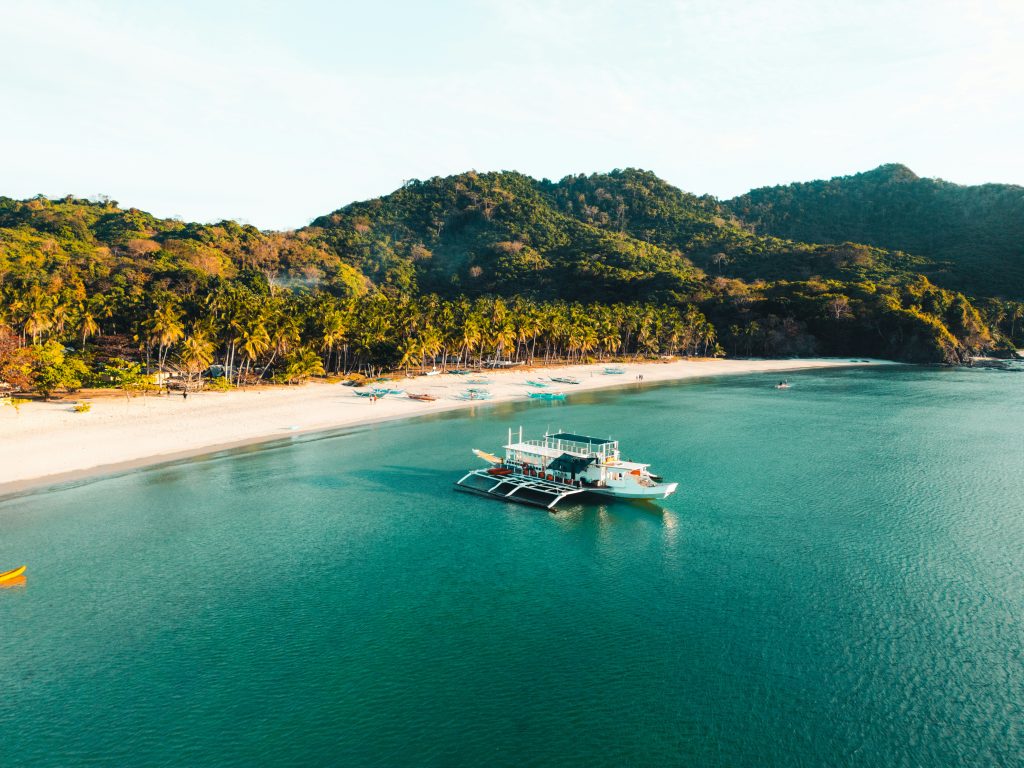
Generally, the Philippines has a tropical climate: warm seas, high humidity, and relatively small year-round temperature swings. Lowland daytime temperatures commonly range from about 25°C to 32°C (77°F to 90°F), with coastal breezes moderating heat in many beach towns. Higher-altitude places such as Baguio are noticeably cooler.
The Main Seasons (and how they matter)
Most guides use two broad seasons, but local timing differs across islands:
- Dry season (generally November to April): split into a cooler window (roughly November–February) and a hotter pre-monsoon period (March–May). This is when most visitors head to beaches and islands.
- Wet season (generally June to October): monsoon rainfall increases, with short to heavy showers and higher humidity. Landscapes are greener, waterfalls fuller, and some inland activities are at their best.
Important nuance: typhoon risk is concentrated in the mid-to-late year and most years the highest risk runs through July–October (some years into October), so always check up-to-date advisories before travel.
Regional Weather Variations
Weather is highly region-dependent:
- Luzon (including Manila and northern highlands): large variability—Manila is hot and humid; Baguio offers cooler mountain temperatures.
- Visayas (Cebu, Bohol, Boracay): generally best in the dry season for beaches and diving, though some Visayas areas are relatively sheltered from the worst typhoon tracks.
- Mindanao (Davao, Siargao, Zamboanga): southern islands often have more stable, year-round conditions; they still get monsoon-driven rain but are less frequently hit by strong typhoons.
- Palawan and Coron: typically clearest Nov–May for calm seas and diving visibility, but local weather can vary.
Quick mini-guide by activity: beach/diving—aim for Nov–Apr; hiking/cooler temps—Nov–Feb (higher elevations cooler); surfing—peak swells depend on the surf spot (e.g., Siargao’s big swells usually Sep–Nov). Before you travel, check the latest PAGASA forecasts and 14-day outlooks for your specific islands and buy flexible or refundable bookings during typhoon-prone months.
The Best Time to Visit Philippines: Overview
Choosing the best time to visit the Philippines depends on what you want from the trip—beaches, diving, hiking, festivals, or lower prices. The archipelago’s tropical seasons and regional microclimates mean the “best time” varies by island and activity; use this overview to match goals to months and destinations.
The Philippines is famous for its beaches, lively culture, and varied landscapes, but weather drives the practical choices: sea conditions for diving and island-hopping, cooler temperatures for trekking, and festival calendars for cultural visits.
Dry Season (November to April)
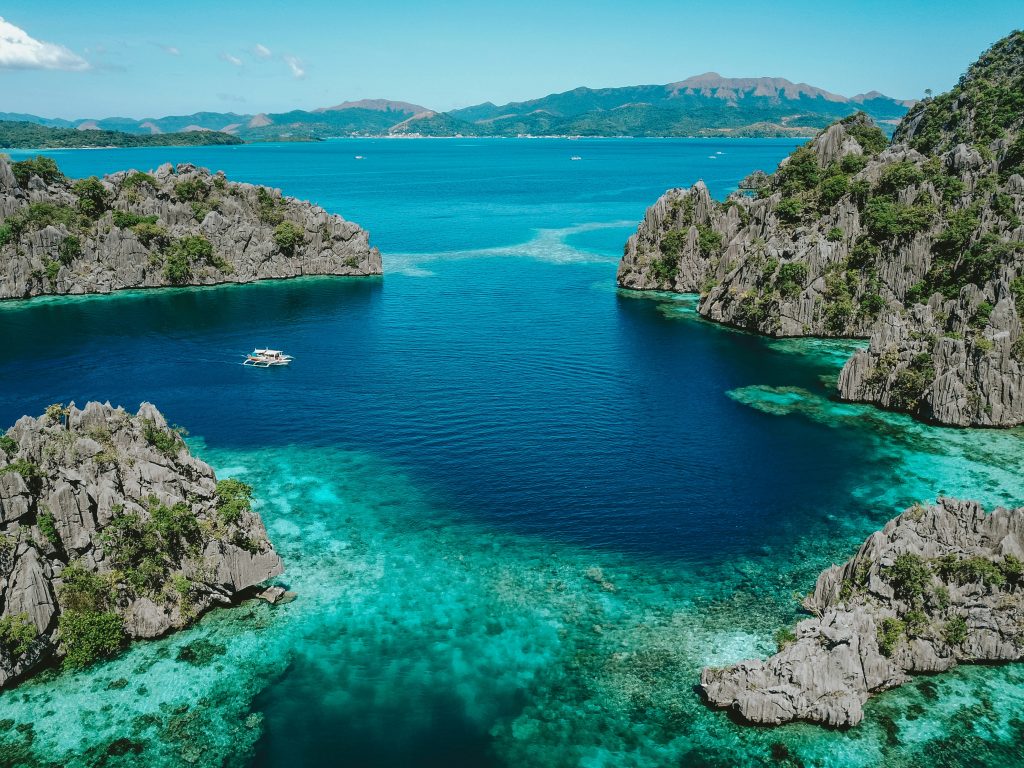
The dry season (generally November–April) is typically the best time for beach activities, clear seas, and outdoor adventures. Within that window, December–February tends to be the coolest and least humid, ideal for hiking and sightseeing.
Note the trade-offs: December–February is also peak travel time—2024–25 trends show much higher demand, big crowds in hotspots, and rising prices (Boracay often sees steep rate increases). If you need calm seas and maximum visibility for diving, aim for the core dry months but book well in advance.
Wet Season (May to October)
The wet season (roughly May–October) brings more showers and higher humidity. That said, the rain often comes as heavy but short downpours, and many inland landscapes become lush—waterfalls and rice terraces at their best. Prices and tourist numbers are typically lower, but services and inter-island schedules can be less reliable.
Important safety note: typhoon risk is concentrated in the mid-to-late year (most years July–October). Travelers should monitor forecasts, buy weather-friendly travel insurance, and keep plans flexible during these months.
Shoulder Months (May and November)
Shoulder months can be an excellent compromise. November is transitioning into dry season and often has good beach weather with fewer crowds than peak winter weeks. May sits on the edge of the wet season—some sunny days and early rains—making it a reasonable choice for lower prices and still-good conditions in select areas.
Quick decision guide: if your priority is beaches/diving—favor Nov–Apr; hiking/cooler temps—aim for Nov–Feb; budget and fewer crowds—consider May or the wet season but pick destinations that are less affected by typhoons or heavy monsoon downpours.
Peak Tourist Season in the Philippines
The Philippines sees its highest tourist traffic in the December–February window. Those months are generally cooler and drier across many popular islands, offering excellent conditions for beaches, island-hopping, and outdoor sightseeing—but they also bring the biggest crowds and sharpest price increases.
December to February Highlights
December kicks off a long festive period (Filipino Christmas celebrations are extensive), while January and February typically deliver the driest, coolest weather in lowland areas—average daytime temperatures often near 25°C in the coolest pockets—making these months ideal for hiking, sightseeing, and water activities with calmer seas.
Popular activities in peak months include island‑hopping, snorkeling, and diving around Palawan and many parts of the Visayas, plus cultural events and city sightseeing when humidity is lower.
Holiday Rush and Pricing
Expect strong demand: hotels, domestic flights, and tours sell out quickly during holiday weeks. In many beach hotspots—Boracay in particular—rates can roughly double during key holiday periods and festival weekends. If you plan to travel in this period, book as early as possible (3–6 months ahead for peak weeks) and consider weekday itineraries to save money.
Popular Destinations During Peak Season
Boracay, Cebu, and Palawan remain top choices in high season: Boracay for iconic white-sand beaches and nightlife, Cebu for cultural sites and diving, and Palawan for dramatic island scenery and clear waters.
Practical tips if you must travel in peak season: book refundable or changeable tickets, buy travel insurance that covers weather disruptions, arrive early in the day to avoid crowds at popular beaches, and consider less-touristed nearby islands as alternatives.
Benefits of Off-Peak Season Travel
Traveling to the Philippines outside peak months has clear advantages: lower prices, fewer crowds, and a better chance to experience local life. That said, be realistic—some services, flights, and tours may be reduced compared with pre-pandemic levels, so plan carefully.
Lower Prices and Better Deals
Off-peak travel usually means cheaper accommodation, lower tour rates, and more room to negotiate extras. Many operators run package deals or discounts during quieter months, and luxury properties sometimes offer upgrades to fill rooms. However, note that the Philippines’ tourism recovery has been uneven—foreign arrivals were still depressed in 2024—so availability of some premium services can vary by destination.
Fewer Crowds at Major Attractions
Visiting in the off-season makes popular sites feel more relaxed: beaches, heritage districts like Intramuros, and natural wonders such as the Chocolate Hills or Palawan’s Underground River see fewer tourists. If you value quieter photo ops and a slower pace, off-peak windows offer plenty of advantages.
Authentic Local Experiences
With fewer tourists around, you’ll often find more interaction with locals and a better chance to attend community events. Some festivals and local celebrations occur outside the December–February peak, giving you authentic cultural access—but always check exact dates and local advisories before you go.
Quick pros & cons: Pros—lower prices, fewer crowds, more local contact; Cons—reduced services, possible fewer flight options, and less frequent inter-island schedules. Pack accordingly, buy travel insurance that covers weather disruptions, and read recent traveler reviews to confirm that the specific tours you want are running.
Month-by-Month Guide to Philippines Weather
Understanding month-by-month patterns helps you pick the right time to visit. The Philippines’ tropical climate produces seasonal shifts that affect beach conditions, hiking temperatures, rainfall, and the risk of tropical storms—so match months to your priorities and build flexibility into your plans.
January to March: Perfect Beach Weather
January–March generally offers some of the best beach weather across many islands: dry, sunny days and cooler lows—average daytime temperatures often around 25°C in the coolest pockets—making it ideal for island hopping, snorkeling, and outdoor activities. Note: these months are high demand, so expect higher prices and crowded popular beaches.
April to June: Transition and Early Rains
April to June is a transitional period. April can still be relatively dry and hot, but May and June increasingly see afternoon showers and higher humidity as the wet season approaches. This shoulder window can be a good compromise for fewer crowds and lower prices, and festivals like Pahiyas (mid-May) add cultural highlights—just pack for the possibility of short heavy showers.
July to October: Typhoon and Monsoon Risk (Plan Carefully)
The mid-to-late year (roughly July–October) carries the higher risk for tropical storms and typhoons—most years the Philippines experiences 8–10 typhoons, and the active window often extends through October. Heavy rainfall and strong winds can disrupt ferries, flights, and tours; some areas receive frequent downpours while others mainly get scattered showers. If you travel in this period, buy travel insurance that covers weather cancellations, keep flexible bookings, and monitor PAGASA advisories.
November to December: Return to Drier Conditions and Festive Season
October into November marks the return toward the drier season. November typically brings more stable weather and is an excellent month to visit: good beach conditions and fewer crowds than peak December weeks. December becomes busy again with holiday travel—expect cooler, drier weather in many places but higher prices and crowded towns through the year-end holidays.
Practical tips: if you have limited days, pick your months by activity—beaches/diving: aim for Nov–Apr; hiking/cooler temps: Nov–Feb (higher elevations colder); surfing and seasonal swell windows vary by spot. Always check the 14-day forecast for your specific islands before departure and consider refundable bookings when traveling during the July–October storm window or during major holiday periods.
Regional Weather Guide: Where to Go When
Because the Philippines is a large, diverse island nation, the best time to visit depends on which islands and activities you pick. Below is a region-by-region guide with recommended months, pros/cons, and quick do/don’t notes to help plan your trip.
Luzon (Manila, Baguio, Batangas)
Best time to visit: November–February for cooler, drier conditions in the lowlands; year-round for higher-elevation escapes.
- Pros: Baguio and the Cordillera offer cooler temperatures and hiking opportunities in the dry months; Batangas is ideal for weekend beach trips and diving in November–April.
- Cons: Manila is hot and humid much of the year; heavy rains and occasional flooding can occur in the wet season.
- Do/Don’t: Do visit Baguio for cooler weather and mountain terraces in Nov–Feb. Don’t plan lowland outdoor hikes in heavy-rain months without checking forecasts.
Visayas (Cebu, Bohol, Boracay)
Best time to visit: November–April for beaches, diving, and clear seas; shoulder months (Nov and May) can work for fewer crowds.
- Pros: Excellent diving and island-hopping in Cebu and Bohol during the dry season; Chocolate Hills and inland attractions are best when accessible and not soggy.
- Cons: While some Visayas islands are more sheltered from typhoon tracks, they still experience monsoon rainfall—expect occasional showers in the wet season.
- Do/Don’t: Do book scuba and island tours early for high season. Don’t assume zero rain during the wet season—check local conditions and operator availability.
- Note: Boracay draws heavy tourist traffic during peak months; also be aware of seasonal algae blooms that have affected water clarity at times (notably Feb–Apr in some years).
Mindanao (Davao, Siargao, Zamboanga)
Best time to visit: Davao area—largely visitable year-round with some rainy periods; Siargao—best surfing swells typically Sep–Nov (but weather windows vary).
- Pros: Southern islands often have more stable weather and can be good year-round destinations; Siargao is world-class for surfers during its swell windows.
- Cons: Mindanao still experiences monsoon rainfall and localized storms; infrastructure and inter-island services can be less frequent off-peak.
- Do/Don’t: Do consider Davao for consistent year-round urban and nature experiences. Don’t expect uniform weather across Mindanao—check SW/NE monsoon impacts for your specific island.
Palawan and Coron
Best time to visit: November–May for calm seas and the best underwater visibility—ideal for island hopping and diving.
- Pros: Clear seas and calmer waters make these months top choices for diving, snorkeling, and picturesque boat tours.
- Cons: Palawan can still get rainy days; connectivity to remote spots may be limited in off-peak months.
- Do/Don’t: Do prioritize Palawan for diving and lagoons in the dry months. Don’t rely on perfect visibility during Feb–Apr in years when algae blooms affect water clarity.
Planning tip: combine nearby islands to hedge weather risk—for example, pair a Palawan week with a sheltered Visayas town (or Cebu) so you have alternate options if sea conditions change. Always check the specific island’s forecast, operator schedules, and recent traveler reports before booking inter-island transport. This regional approach helps you pick the right time to visit each island and makes the most of your days in the country.
Must-Visit Festivals and Cultural Events
The Philippines’ festivals are a vivid expression of local life, faith, and community—great reasons to time your trip around a celebration. Below are some of the biggest annual events, with practical tips on when to go, what to expect, and how to prepare.
Sinulog Festival (January)
When to go: Third Sunday of January (Sinulog 2025 was held on January 19).
Expect: Grand street parades, traditional and contemporary dances honoring the Sto. Niño, and large crowds in Cebu City.
Tips: In 2025 Sinulog returned to Cebu City center with new traffic routes and stricter public rules (including liquor-control measures in some zones). Book accommodation months in advance, plan logistics for road closures, and use official festival maps and transport advisories.
Ati-Atihan and Dinagyang (January)
When to go: January (dates shift year to year; Dinagyang typically lands on the fourth Sunday, Ati-Atihan is often scheduled in mid-to-late January).
Expect: High-energy street dancing, tribal-inspired costumes, and religious processions—very festive but crowded.
Tips: Secure hotels and transport early, arrive with a local SIM or clear pickup points, and follow local organizers’ safety announcements during the event.
Pahiyas Festival (May)
When to go: May 15 (Lucban, Quezon).
Expect: Colorful house decorations made of rice, produce, and local crafts celebrating harvest season—family-friendly and photo-rich.
Tips: Pahiyas draws domestic visitors—book guesthouses early and prepare for narrow streets and pedestrian-only zones on festival day.
Christmas Season Celebrations (December)
When to go: The Christmas season runs long in the Philippines (starting in September for many communities), with peak festivities in December.
Expect: Parols (lanterns), Simbang Gabi (dawn masses), holiday markets, and extended family celebrations—this is a culturally rich time to visit but hotel demand is high around Christmas and New Year.
Tips: If you want festive atmosphere with fewer crowds, visit earlier in the “ber” months (September–November). For December travel, book several months ahead and confirm transport schedules around holidays.
General festival advice: festivals are fantastic cultural experiences but come with crowds, route changes, and occasional local restrictions—always check official festival pages or city tourism sites for date confirmations, traffic advisories, and any new rules (e.g., liquor bans or security checkpoints). For January events especially, plan at least 3–6 months ahead to secure accommodations and local tours.
Top Tourist Attractions by Season
The Philippines offers seasonal highlights across its islands—choose timing based on what you want to see and do. Below are top picks that perform best in dry vs. wet months, plus practical tips on crowding, permits, and conditions to watch.
Dry Season Highlights
The dry season (generally November–April) is prime for beaches, clear water, and outdoor adventures. These months deliver calmer seas and better visibility for many coastal attractions.
Some top spots and tips:
- White Beach, Boracay — Top pick for beaches and nightlife in the dry season; expect heavy crowds in peak weeks. Note: seasonal algae blooms have affected water clarity in some years (notably Feb–Apr); check local advisories and recent photos before you book.
- Puerto Princesa Underground River, Palawan — A UNESCO World Heritage Site best visited in the dry months for calmer seas and steadier boat transfers; book permits and tours in advance as quotas and schedules can fill up.
- Cebu & surrounding islands — Great for diving and snorkeling in core dry months when visibility improves; Coron (northern Palawan) and Cebu diving calendars vary, so check operator reports for current visibility windows.
Wet Season Gems
The wet season brings lush landscapes, fuller waterfalls, and dramatic skies—great for inland photography, trekkers, and travelers seeking fewer crowds.
Notable wet-season attractions:
- Pagsanjan Falls, Laguna — Flows stronger in rainy months, offering dramatic boat rides (but check safety and river conditions—operators may suspend runs during storms).
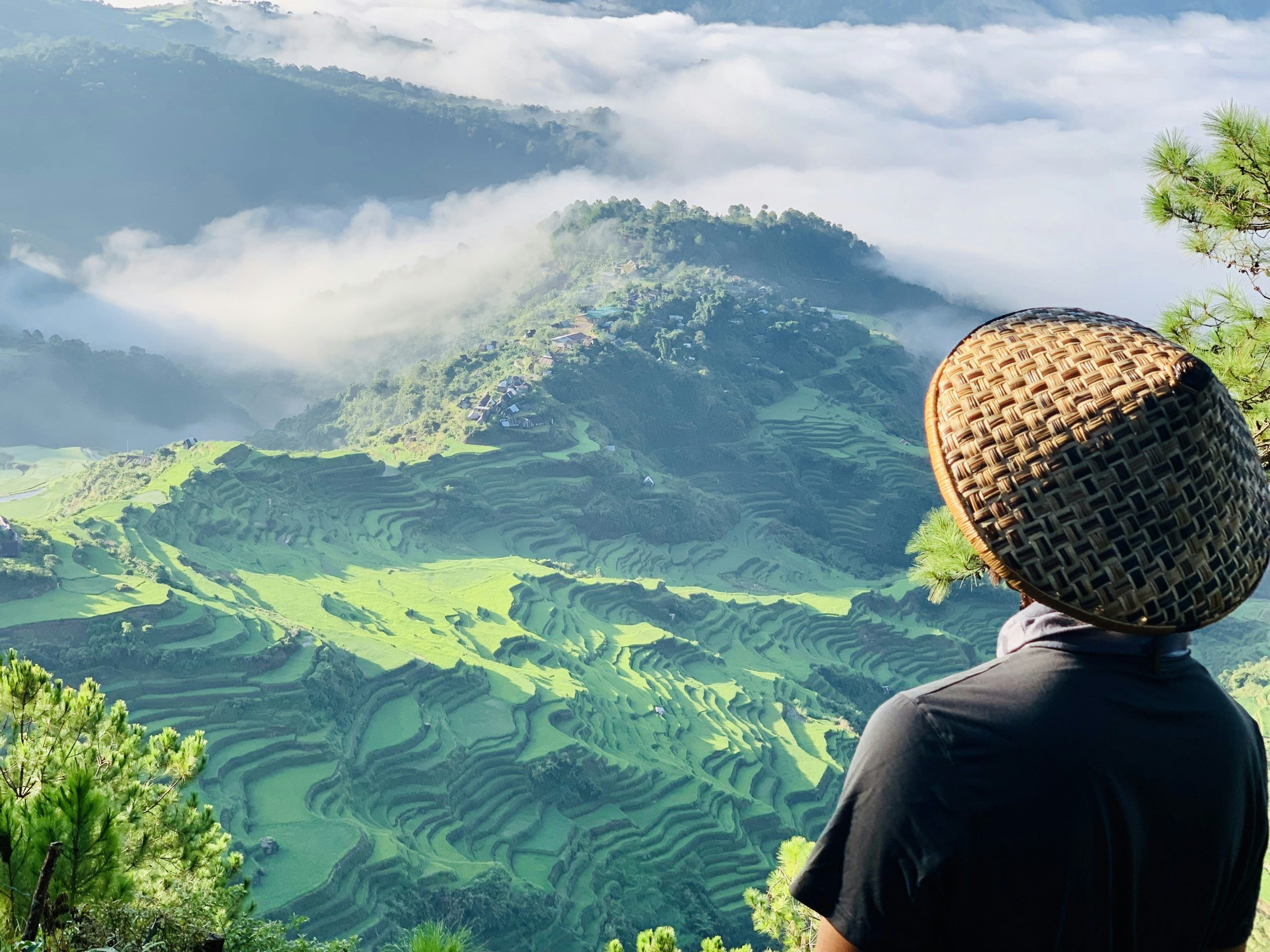
- Banaue rice terraces & Sagada — Rice terraces look their greenest after rains; trails can be muddy, so bring proper gear and check local trail conditions.
- Mayon Volcano, Bicol — Misty, dramatic views in the wet season can be photogenic—but visibility is variable and access may be limited during heavy rains.
Quick practical tips: book popular dry-season tours and permits well in advance; for wet-season visits, prioritize flexible bookings and local operator confirmations. For all top attractions, check current operator notices and weather forecasts the week before travel to avoid cancellations or safety risks.
Best Activities for Each Season
The Philippines has activities that suit every season—pick your priorities (beaches, diving, hiking, festivals) and match them to the right months for the best experience. Below are active recommendations, practical tips, and quick gear checklists for each season.
Dry Season Activities
Dry months (generally November–April) are prime for outdoor adventures: island-hopping, beach time, and diving when seas are calmer and visibility is usually better.
- Island-hopping & beaches: Visit Palawan, Boracay, and many Visayas islands for clearer seas and sun—ideal for swimming and snorkeling. Book island tours and boat transfers in advance for peak weeks.
- Diving & snorkeling: Cebu, Coron, and many Palawan sites shine in the dry season—visibility improves and sea conditions are more predictable. Always choose a certified dive operator and check recent visibility reports.
- Hiking & cooler escapes: November–February is best for hiking (Sagada, Baguio, Banaue terraces) when temperatures are milder—great for long treks and photography.
Activity tips: pack reef-safe sunscreen, a lightweight daypack, a dry bag for electronics, and expect higher prices and crowded beaches during the December–February peak.
Wet Season Activities
The wet season (roughly May–October) isn’t just rain—it’s a chance to see lush landscapes, fuller waterfalls, and fewer tourists. Plan for flexibility and focus on rain-friendly or inland activities.
- Nature & photography: Visit Banaue and Sagada after rains for vibrant terraces and dramatic skies—bring good hiking boots and quick-dry layers.
- Cave trekking & waterfalls: Water-based excursions like Pagsanjan (when open) are spectacular, but check safety advisories—operators will suspend runs during heavy storms.
- Urban & cultural experiences: Museums, food tours, and city life in Manila or Cebu are great rainy-day options with plenty of indoor things to do.
Practical wet-season tips: prioritize refundable bookings, carry a light rain jacket and waterproof phone case, and confirm tour/operator availability the day before your activity.
Quick Gear Checklist
- Beach/diving: reef-safe sunscreen, snorkel mask (optional), swimwear, rash guard
- Hiking/trekking: sturdy boots, layers, headlamp, first-aid kit
- Wet-season essentials: waterproof pack, quick-dry clothing, small umbrella
Conservation reminder: choose responsible tour operators, avoid touching coral, and use reef-friendly products. Book popular activities early in the dry season and verify current local conditions for diving and surf reports before you travel.
Practical Travel Tips for American Visitors
Before you head to the Philippines, a few practical checks will make your trip smoother. This short guide covers entry requirements, money, health, connectivity, and safety—plus quick checklists so you don’t forget essentials.
Visa and Entry Requirements
U.S. citizens may enter the Philippines visa-free for up to 30 days for tourism, but immigration commonly enforces two important requirements: your passport should be valid for at least six months beyond your planned departure date, and you must be able to show an onward or return ticket. If you plan to stay longer, work, or study, apply for the appropriate visa through the Philippine Embassy or consulate.
Quick must-haves before you fly: passport (6+ months validity), onward/return ticket, proof of accommodation and enough funds for your stay. Check the embassy site for the latest rules before your trip.
Currency and Payment Methods
The currency is the Philippine Peso (PHP). Credit cards are widely accepted in larger hotels, restaurants, and tourist towns, but cash is king in rural areas and many markets. ATMs are common in cities—be mindful of international withdrawal and conversion fees.
Tip: bring a small amount of cash on arrival, notify your bank of travel dates to avoid card blocks, and carry a backup card in case an ATM eats your primary one.
Health and Safety Considerations
The Philippines is generally safe for tourists, but normal precautions apply: watch your belongings in crowded places and avoid poorly lit, unfamiliar areas at night. Stay up to date on routine vaccines; the CDC also recommends considering Hepatitis A and typhoid vaccinations depending on your itinerary and activities. If you have special medical needs, confirm availability of care at your destination.
If you travel during typhoon season (generally July–October), purchase travel insurance that covers weather-related cancellations and medical evacuation. Keep medication in carry-on luggage and have digital and paper copies of prescriptions.
Communication and Internet Access
Staying connected is easy: prepaid local SIMs (Globe, Smart) are inexpensive and available at airports and city shops, offering good data coverage in urban and many tourist areas. Free Wi‑Fi is common in hotels, cafes, and malls but can be unreliable in remote islands.
Emergency contacts: dial 911 in the Philippines for emergency services; also save your country’s embassy/consulate contact. Having a local number speeds taxi bookings, operator coordination, and emergency calls.
Quick checklists
- Before you go: Passport (6+ months), onward ticket, travel insurance (covers typhoons), vaccination check, copies of documents.
- On arrival: Buy a local SIM or portable Wi‑Fi, withdraw some PHP, confirm transport to your first hotel.
- During your trip: Monitor weather advisories during July–October, keep flexible plans, and book tours in advance during peak months.
These practical steps will reduce stress and keep you prepared—especially if your trip falls near high‑risk weather windows or major festival dates when demand for tours and accommodations spikes.
Budget Considerations Throughout the Year
Seasonality affects your budget in the Philippines more than you might expect. Knowing when prices rise or fall helps you decide whether to prioritize weather, crowds, or cost.
Price Fluctuations in Accommodation
Accommodation rates move with the months: expect the highest prices during peak holiday weeks and the December–February window; shoulder months like November and May are often cheaper. In high-demand spots (Boracay is a good example), nightly rates at resorts and hotels can roughly double during peak weeks—plan and book early if you need specific dates.
Tip: look for refundable rates and midweek stays to reduce costs in popular islands.
Flight Costs by Season
Airfare to and within the country spikes around major holidays and festival weekends. Booking 2–3 months in advance for domestic legs (and farther ahead for international flights) usually gets the best deals—flexible travel dates can save significant money.
Activity and Tour Pricing Variations
Boat tours, diving trips, and island-hopping prices rise in the dry season when demand is highest. In the off-peak months you’ll find discounts, but be aware some operators reduce schedules or pause services when seas are rough.
Dining and Transportation Expenses
Dining at local eateries is inexpensive year-round; upscale restaurants and tourist-oriented services charge more, especially in peak months. Local transport (jeepneys, tricycles) remains cheap, but private transfers, car hires, and charter boats cost more during busy periods.
2024–25 Context & Practical Budget Planner
Tourism recovery has been uneven—2024 arrivals were still below pre-pandemic totals, and domestic travelers now account for a large share of spending. That affects availability: some premium services are fewer off-peak, while others offer deals to attract visitors.
Sample 7–10 day budget (per person, approximate):
- Budget (off-peak): $600–900 — hostels/guesthouses, local food, some ferries.
- Mid-range (shoulder): $1,000–1,700 — 3★ hotels, several tours, domestic flights.
- Comfort/luxury (peak): $2,000+ — 4–5★ resorts, private transfers, premium tours (expect substantially higher rates during holiday weeks).
Final tips: set price alerts for flights, book accommodations early for peak months, choose refundable options during the July–October storm window, and confirm operator availability before finalizing plans—this reduces the risk of unexpected costs and disrupted days on your trip.
Planning Your Tropical Vacation in the Philippines
The Philippines is a dream destination—7,641 islands (about 2,000 inhabited) offering beaches, festivals, and dramatic landscapes. To make the most of your time, plan around weather windows, booking lead times, and your priorities (diving, hiking, festivals, or relaxation).
Ideal Itineraries for Different Seasons
Best time visit by focus:
- Beaches & diving: Nov–Apr (dry season) — Palawan, Cebu, and many Visayas islands; book early for peak weeks.
- Hiking & cooler temps: Nov–Feb — mountain areas like Baguio, Banaue, and Sagada are pleasant for treks.
- Surfing: Siargao’s prime swells often arrive Sep–Nov; check local surf reports.
- Budget & fewer crowds: May or the wet season (May–Oct), choosing islands less affected by typhoons—expect lower prices but confirm operator availability.
Sample Itineraries
- 7–10 days (first-time, dry season): Manila 1–2 days → fly to Palawan (El Nido/Coron) 4–5 days for island-hopping and diving.
- 10–14 days (mix of beach & culture): Manila → Banaue/Sagada 2–3 days → Cebu/ Bohol 4–5 days (diving and Chocolate Hills) → Boracay day or two for beaches.
Combining Destinations & Practical Notes
Combine nearby islands to reduce travel time and hedge weather risk (e.g., pair Palawan with a Visayas hub like Cebu). If you plan Boracay in peak months, be aware of crowding and seasonal algae risk (Feb–Apr some years); consider quieter alternatives like Siquijor or Camiguin.
Recommended Stay Duration & Booking Tips
Recommended trip lengths: 7–10 days to see one or two regions; 2–3 weeks to explore multiple islands at a relaxed pace. Booking timing: reserve popular accommodations and festival-week travel 3–6 months ahead; aim for 2–3 months for domestic flights in non-peak months. For travel during July–October (storm window), prioritize refundable fares and flexible hotel policies.
Planning Checklist
- Passport (6+ months validity) and onward ticket
- Travel insurance that covers typhoons and medical evacuation
- Internal flight/ferry logistics (allow extra travel days)
- Local operator confirmation (last 48–72 hours)
- Pack: reef-safe sunscreen, lightweight rain jacket, sturdy shoes
These planning steps and sample itineraries will help you pick the best time and build a realistic, enjoyable trip—whether your priority is sun, surf, culture, or hiking in this diverse island country.
Conclusion: Making the Most of Your Philippines Adventure
Timing matters, but so do priorities. The Philippines—an archipelago of 7,641 islands (about 2,000 inhabited)—offers something in every season: the dry months are best for beaches and clear seas, while the wet months deliver lush landscapes and fewer tourists. Choose your time by activity (diving, hiking, festivals) and by how much flexibility you want in price and schedule.
If you only have 7–10 days: pick one region (e.g., Palawan or Cebu + Bohol) to avoid long internal transfers. For 2+ weeks, combine a mountain leg (Banaue/Sagada) with a beach/dive hub. Always build an extra travel day into island-to-island itineraries in case of weather delays.
Final quick checklist before you go: check the latest PAGASA forecasts, buy travel insurance that covers weather cancellations and medical evacuation, set price alerts and book peak-week accommodation 3–6 months ahead, and confirm local operator schedules 48–72 hours before excursions.
FAQ
What is the best time to visit the Philippines?
What are the peak tourist months in the Philippines?
Is it worth visiting the Philippines during the off-peak season?
How does the weather vary across different regions in the Philippines?
What are the must-visit festivals and cultural events in the Philippines?
What are the visa requirements for American visitors?
How do prices and availability vary by season?