

Table of Contents
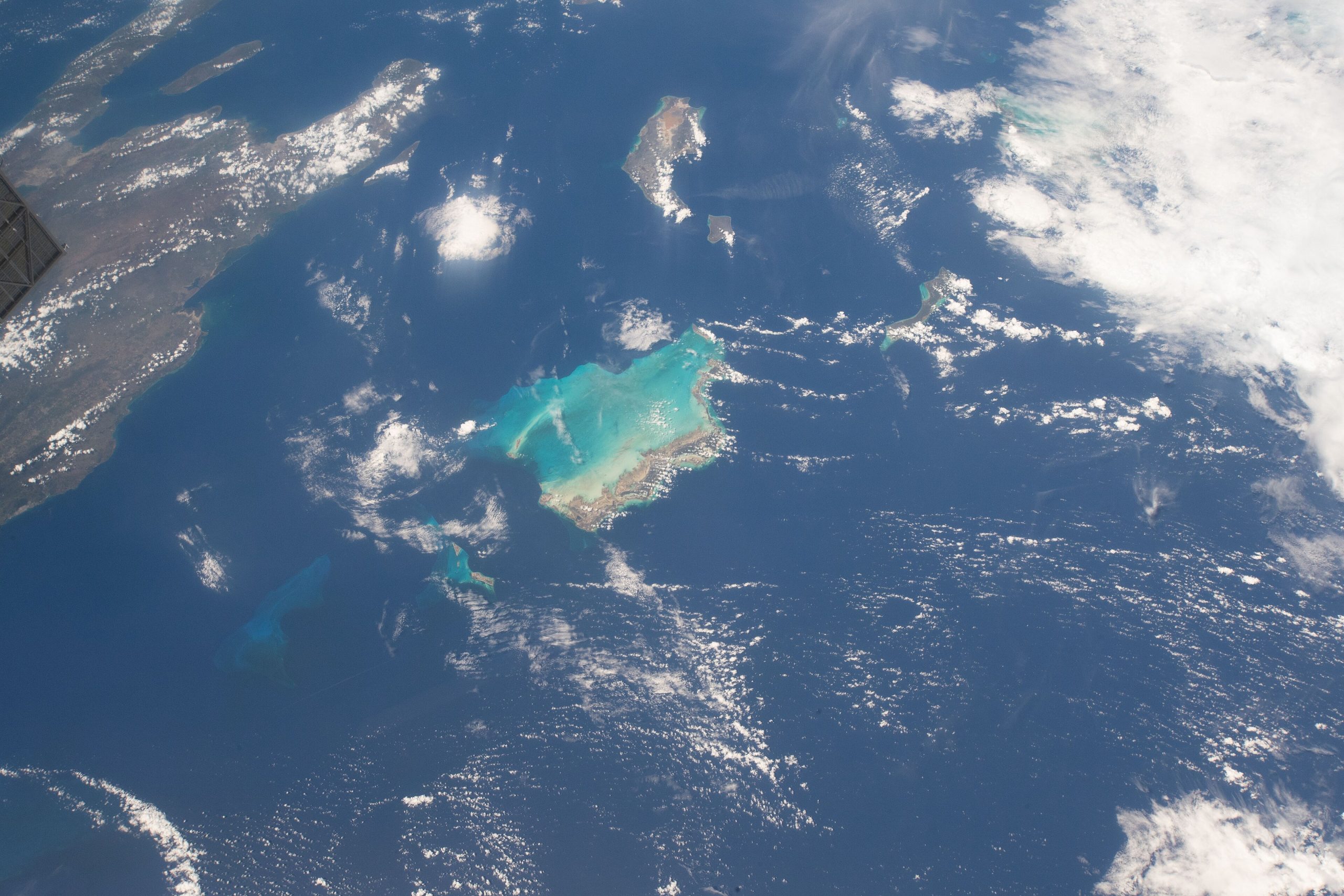
ToggleTurquoise water, powder-soft sand, swaying palms and that unmistakable island rhythm — the Caribbean is the beach holiday of dreams. But with more than 7,000 islands and cays, choosing where to go is the hard part. The best islands in the Caribbean each offer something different, from barefoot luxury to family fun, world-class diving and vibrant culture.
Should you pick the perfect beaches of Turks & Caicos, the dramatic peaks of St. Lucia, the family resorts of the Bahamas or the value of the Dominican Republic? This guide breaks down the top islands by what they do best, so you can match the destination to the holiday you actually want.
You’ll also find everything you need to plan the trip: the best time to visit, how to get there (and which islands need no passport for US travellers), and practical tips for choosing. Let’s find your perfect Caribbean island.
✈️ TripToGo Travel Deals
Get notified about great travel deals
Hand-picked flight, hotel and destination deals, straight to your inbox. No spam, unsubscribe anytime.
🎉 Thank you for subscribing!
You’re all set — the best travel deals are on their way.
Key Takeaways
- The Caribbean is dozens of islands — the key is matching the island to the holiday you want.
- Best beaches: Turks & Caicos (Grace Bay), Anguilla, Aruba.
- Romance: St. Lucia and St. Barts; families: the Bahamas and USVI; value: the Dominican Republic.
- Peak season is December–April; June–November is hurricane season (cheaper, with the ABC islands staying dry).
- For US travellers, Puerto Rico and the US Virgin Islands need no passport.
Best Caribbean Islands at a Glance
The best Caribbean islands, sorted by what each does best.
| Island | Best for | Vibe |
|---|---|---|
| Turks & Caicos | Beaches | Upscale & easy |
| St. Lucia | Romance & scenery | Lush & dramatic |
| The Bahamas | Families | Varied & close to the US |
| Jamaica | Culture & nightlife | Vibrant & lush |
| Barbados | All-rounder & food | Sophisticated, laid-back |
| Aruba | Reliable sun | Lively, outside hurricane belt |
| Dominican Republic | Value | Big resorts & variety |
| St. Barts | Luxury | Chic & French |
How to Choose Your Caribbean Island
With more than 7,000 islands and cays, the Caribbean isn’t one destination — it’s dozens, each with its own personality. Some are built for barefoot luxury and honeymoons, others for family resorts, world-class diving, lush hiking or lively nightlife. The secret to a perfect Caribbean trip is matching the island to the holiday you actually want.
This guide breaks down the best islands in the Caribbean by what they do best — from the powder-soft beaches of Turks & Caicos to the dramatic peaks of St. Lucia and the easygoing charm of Barbados. Whatever your style and budget, there’s an island with your name on it.
Planning a Caribbean island trip?
Our partner Voyada’s trip planning AI builds a day-by-day plan with flights, hotels and a real total cost for your dates — in about a minute, free.
Plan trip with AIThe Best Caribbean Islands for Beaches
Turks & Caicos
If your dream is the perfect beach, Turks & Caicos delivers — Grace Bay on Providenciales is regularly voted the best beach in the world, a three-mile ribbon of powder-white sand and impossibly turquoise, calm water. It’s upscale, easy and reef-fringed, ideal for swimming, snorkelling and doing very little.
Anguilla
Quiet, refined and blissfully undeveloped, Anguilla is all about its 33 dazzling beaches — think long stretches of soft white sand, calm water and beach-shack lobster. It’s a peaceful, upscale escape with no mega-resorts or casinos, favoured by those in the know.
Aruba
Reliably sunny and outside the hurricane belt, Aruba pairs long, palm-lined Eagle and Palm Beaches with a lively resort scene and a fun, welcoming vibe. Its dry, cactus-studded landscape and steady trade winds make it a great year-round, all-round choice.
The Best for Luxury & Romance
St. Lucia
The most dramatically beautiful island in the Caribbean, St. Lucia is defined by the twin volcanic Pitons rising straight from the sea. Luxury resorts, rainforest, waterfalls and a genuine sense of romance make it a honeymoon favourite — lush, sultry and spectacular.
St. Barts
The Caribbean’s chicest island, St. Barthélemy blends French sophistication with gorgeous beaches, designer boutiques and superb restaurants. It’s glamorous and pricey, drawing yachts and celebrities — but the beaches are open to all and the style is unmatched.
The Grenadines
For barefoot exclusivity, the small islands of the Grenadines — Mustique, Bequia and the Tobago Cays — offer some of the most pristine, uncrowded beaches and sailing anywhere, though the southern Grenadines are still rebuilding after Hurricane Beryl. This is the Caribbean at its most private and unspoiled.
The Best for Families
The Bahamas
Close to the US and endlessly varied, the Bahamas suit families brilliantly — from the mega-resorts and water parks of Nassau and Paradise Island to the swimming pigs of Exuma and the pink sand of Harbour Island. Calm, shallow water by day and easy flights seal the deal, though as with any Bahamian beach it is worth avoiding a swim at dusk or after dark.
The U.S. & British Virgin Islands
The USVI (St. Thomas, St. John, St. Croix) need no passport for US travellers and offer superb beaches like Trunk Bay plus the protected wilds of Virgin Islands National Park. The nearby BVI are a world-class sailing playground of calm, island-dotted waters.
The Best for Culture, Adventure & Nightlife
Jamaica
Big, lush and full of character, Jamaica pairs famous beaches (Negril’s Seven Mile Beach) with waterfalls, Blue Mountain hikes, reggae culture and legendary food and nightlife. Most of the island has reopened since Hurricane Melissa in 2025, but check your hotel is back in service before booking. It’s one of the most vibrant, soulful islands in the region.
Barbados
Sophisticated yet laid-back, Barbados mixes calm west-coast ‘Platinum Coast’ beaches with Atlantic surf on the east, a buzzing food and rum scene and warm British-Caribbean culture. Swimming is not recommended on many east-coast beaches, where currents run particularly strong and lifeguards and warning flags are often absent. It’s a superb all-rounder for couples and foodies alike.
The Dominican Republic
The Caribbean’s value champion, the DR offers huge all-inclusive resorts at Punta Cana, plus surprising variety — the whale-watching of Samaná, the surf of Cabarete and the colonial old town of Santo Domingo. Great beaches for less.
Curaçao & Grenada
Curaçao charms with its colourful Dutch-colonial capital, hidden coves and excellent diving, safely outside the hurricane belt. Lush Grenada, the ‘Spice Isle’, blends beautiful Grand Anse beach with rainforest, waterfalls and an authentic, unhurried feel.
Caribbean Islands at a Glance: Which Is Right for You?
- Best beaches: Turks & Caicos, Anguilla, Aruba.
- Luxury & romance: St. Lucia, St. Barts, the Grenadines.
- Families: the Bahamas, USVI, the Dominican Republic.
- Culture & nightlife: Jamaica, Barbados.
- Diving & nature: Curaçao, Grenada, the BVI (sailing).
- Value: the Dominican Republic, Jamaica.
- No passport (US travellers): Puerto Rico and the USVI.
Best Time to Visit the Caribbean
The peak Caribbean season runs from December to April — dry, sunny, warm and virtually perfect, which is exactly why it’s the busiest and priciest time, especially around the winter holidays. Book well ahead for these months.
The hurricane season runs June to November, peaking August–October, bringing higher humidity, more rain and a real (if often overstated) storm risk — along with much lower prices and thinner crowds. The shoulder months of May and late November are a sweet spot. Note that the ‘ABC islands’ (Aruba, Bonaire, Curaçao) sit outside the main hurricane belt and stay reliably dry and sunny year-round.
| Season | Months | Weather | Notes |
|---|---|---|---|
| Peak / dry | Dec–Apr | Sunny, warm, low humidity | Busiest & priciest; book early |
| Shoulder | May, late Nov | Warm, mostly dry | Best value sweet spot |
| Hurricane | Jun–Nov | Humid, storm risk | Cheapest; ABC islands stay dry |
How to Get There
Most Caribbean islands have international airports with direct flights from US, Canadian and European hubs, especially in winter. San Juan (Puerto Rico) and larger islands act as regional connection points for smaller ones. For US travellers, Puerto Rico and the US Virgin Islands need no passport, making them the easiest of all. Island-hopping usually means short flights or ferries between neighbours. Because flights, resorts and island choice all interlock, an AI trip planner can compare the options and build the trip for your dates in about a minute.
Practical Tips
A few tips for a smooth Caribbean trip: travel in the shoulder season for the best balance of weather and value; consider an all-inclusive if you want a fuss-free beach holiday, or a villa/boutique stay for more independence; and check whether your island drives on the left (many former British isles do). Pack reef-safe sunscreen — some islands ban the rest — and always respect local currents and dive-flag rules. Check your luggage for stray ammunition too: Turks & Caicos and several other islands prosecute possession, and US visitors have been jailed and fined. Give yourself at least 5–7 days to unwind into island time.
Related Guides
Frequently Asked Questions
Which Caribbean island is best?
There’s no single best — it depends on your trip. Turks & Caicos and Anguilla are best for beaches, St. Lucia for romance and scenery, the Bahamas for families, Jamaica for culture and nightlife, and the Dominican Republic for value. Match the island to the holiday you want.
Which Caribbean island has the best beaches?
Turks & Caicos is the top pick — Grace Bay is regularly voted the best beach in the world. Anguilla (33 beaches) and Aruba (Eagle and Palm Beaches) are also standouts for soft white sand and calm turquoise water.
What is the best Caribbean island for families?
The Bahamas (resorts, water parks and swimming pigs), the US Virgin Islands (no passport needed, generally calm beaches) and the Dominican Republic (all-inclusive resorts) are the best for families, thanks to calm water, easy flights and plenty to do, though it is worth checking the daily flag and any jellyfish or urchin warnings before children swim.
Which Caribbean islands don’t need a passport for US travelers?
Puerto Rico and the US Virgin Islands (St. Thomas, St. John, St. Croix) are US territories, so US citizens can visit with no passport, just like a domestic trip. All other Caribbean islands require a passport.
When is the best time to visit the Caribbean?
December to April is peak season — dry, sunny and warm, but busiest and priciest. May and late November are great-value shoulder months. June to November is hurricane season (cheaper, with storm risk), though the ABC islands (Aruba, Bonaire, Curaçao) stay dry year-round.
Which Caribbean island is best for a first trip?
Aruba, the Bahamas, Turks & Caicos and Barbados are all easy, welcoming first-timer islands with great beaches, direct flights, good infrastructure and plenty to do — and Puerto Rico or the USVI if you want to skip the passport.
How many islands are in the Caribbean, and how many can you actually visit?
The Caribbean is made up of more than 7,000 islands, islets, cays and reefs, though the vast majority are tiny, uninhabited or reachable only by private boat. In practice, most visitors choose from around 25-30 well-connected islands and archipelagos with regular flights, resorts and infrastructure, from major players like Jamaica and the Dominican Republic to smaller gems like St. Barts or Bonaire.
What is the Caribbean known for?
The Caribbean is best known for calm, warm turquoise water, white and pink sand beaches, and a laid-back island pace shaped by African, European, Indigenous and Indian influences. Beyond beaches, it is known for reef diving and snorkelling, rum, reggae and calypso music, spicy jerk cooking, and everything from all-inclusive resorts to quiet, undeveloped islands.
Which Caribbean islands are considered the safest?
Aruba consistently ranks as one of the Caribbean’s safest islands, with low crime and a Level 1, exercise normal precautions, US State Department rating. Other islands that rank well for safety include Saint Barthelemy, Anguilla, the Cayman Islands and Barbados. As with any destination, petty theft is the main risk rather than violent crime, so it is worth avoiding isolated areas after dark wherever you go.
Is the Caribbean expensive to visit?
It varies enormously by island. The Dominican Republic, Jamaica and Puerto Rico offer good value with plenty of affordable all-inclusive resorts, while St. Barts, the British Virgin Islands and the Cayman Islands sit at the very expensive end, geared toward a wealthier crowd. Flights, food and imported goods push up costs on every island, since so little is produced locally.
How much does a week in the Caribbean cost?
A week at a budget-to-midrange all-inclusive resort typically runs roughly $1,200-$2,500 per person including flights from the US, while a higher-end resort or a luxury island like St. Barts can easily run $4,000-$8,000 or more per person. Costs swing heavily with the season, with the December-to-April peak commanding the highest prices and the June-to-November low season offering the best deals.
What time zone are the Caribbean islands in?
Most Caribbean islands run on Atlantic Standard Time (UTC-4), an hour ahead of US Eastern time, and do not observe daylight saving, so the gap narrows to zero during the US summer. A few islands are exceptions: the Bahamas and Haiti follow US Eastern time with daylight saving, and Cuba also shifts its clocks seasonally, so it is worth double-checking the specific island you are visiting.
Do you need a visa to visit the Caribbean?
Most Caribbean islands do not require a visa for US, UK, Canadian or EU passport holders visiting for tourism, just a valid passport for a stay of up to 90 days. Cuba is the main exception, requiring a separate tourist card for all visitors, including Americans, arranged in advance or through the airline. Always check requirements for your specific nationality and island before booking, since rules do vary.
What should you wear in the Caribbean?
Lightweight, breathable clothing works best: swimwear and cover-ups by day, with a light layer for air-conditioned restaurants or breezy evenings. Many upscale resorts and restaurants expect smart-casual dress for dinner, so no swimwear or flip-flops at the table, and a few beach clubs on the French islands allow topless sunbathing, though this is not the norm everywhere, so it is worth checking local etiquette first.
How do you get around and between Caribbean islands?
On a single island, taxis, rental cars and resort shuttles cover most needs, since public transport is patchy outside the bigger islands. Between islands, small regional airlines connect the main hubs in under an hour, while ferries link close neighbours, such as the US and British Virgin Islands or the French and Dutch sides of St. Martin, at a fraction of the cost and time of flying.
What language do people speak in the Caribbean?
It depends entirely on the island’s colonial history. English is widely spoken across the former British and US territories, including Jamaica, the Bahamas, Barbados and the US Virgin Islands; Spanish dominates in the Dominican Republic, Cuba and Puerto Rico; French is spoken in Martinique and Guadeloupe; and Dutch is used in Aruba, Curacao and Bonaire, alongside widely spoken French or Dutch-based Creole languages.
What currency is used in the Caribbean, and can you pay in US dollars?
Currency varies by island: the Eastern Caribbean dollar covers many former British islands, the Jamaican dollar is used in Jamaica, the euro circulates on the French islands, and the US dollar itself is legal tender in Puerto Rico and the US Virgin Islands. US dollars are widely accepted alongside the local currency at resorts and tourist spots on most islands, though change usually comes back in local currency.
Can you legally use cannabis in the Caribbean?
Rules vary a lot by island, so check before you travel. Jamaica has decriminalised small amounts and allows licensed dispensaries, the US Virgin Islands is currently the only Caribbean jurisdiction with fully legal recreational sales to adults 21 and over, and most other islands still treat possession as a criminal offence. Public consumption is banned everywhere, even where cannabis is legal, and carrying it between islands, even two legal ones, is never allowed.
How many Caribbean islands can you realistically visit in one trip?
For most travellers, one or two islands per trip works best, since inter-island flights and ferries eat into holiday time and add cost. A multi-island itinerary of three or four islands is realistic over 10-14 days if they sit close together, such as the US and British Virgin Islands, but hopping between distant islands like Jamaica and Barbados in a single week usually means more time travelling than relaxing.
How do I choose which Caribbean island is right for me?
Start with what you actually want from the trip: powder-soft beaches point to Turks and Caicos or Anguilla, romance and scenery to St. Lucia or St. Barts, family resorts to the Bahamas or the US Virgin Islands, and value for money to the Dominican Republic or Jamaica. Budget, flight time, whether you want an all-inclusive resort or independent travel, and hurricane-season timing all narrow the choice further.
Final Thoughts: Choosing Your Caribbean Island
The beauty of the Caribbean is that there really is an island for everyone. Chase the perfect beach in Turks & Caicos or Anguilla, honeymoon beneath St. Lucia’s Pitons, bring the family to the Bahamas, soak up the culture of Jamaica or Barbados, or stretch your budget in the Dominican Republic. Decide what matters most — beaches, romance, family fun, adventure or value — visit in the December–April dry season if you can, and match the island to your dream. Do that, and your Caribbean escape will be everything you pictured.
Before you go: turn this guide into a day-by-day plan. Our partner Voyada is a free itinerary creator that builds the trip with flights, hotels and a real total cost for your dates — in about a minute.
Build a travel itinerary →