
Table of Contents
ToggleNeon-lit crossings and towering skyscrapers beside serene temples and tranquil gardens, the world’s best food scene and cutting-edge pop culture — Tokyo is a thrilling city of contrasts that has to be experienced to be believed. If you’re wondering about the best things to do in Tokyo, Japan’s electric capital offers a near-infinite mix of the ultramodern and the deeply traditional.
From the roar of Shibuya Crossing and the calm of the Meiji Shrine to eating your way through Michelin-starred restaurants and tiny ramen counters, exploring pop-culture Akihabara and taking a day trip to Mount Fuji, there’s far more here than a first visit can hold. This guide rounds up the best of it, for first-timers, foodies, culture lovers and pop-culture fans alike.
You’ll also find everything you need to plan the trip: the best time to visit, how to get there and navigate the trains, and where to stay. Let’s explore Tokyo.
✈️ TripToGo Travel Deals
Get notified about great travel deals
Hand-picked flight, hotel and destination deals, straight to your inbox. No spam, unsubscribe anytime.
🎉 Thank you for subscribing!
You’re all set — the best travel deals are on their way.
Key Takeaways
- Tokyo is a dazzling city of contrasts — hyper-modern and deeply traditional, vast yet impeccably orderly.
- Top things to do: Shibuya Crossing, Senso-ji temple, the Meiji Shrine, the food scene and Shinjuku.
- Spring (cherry blossoms) and autumn (foliage) are the best times; winter has clear Fuji views and fewer crowds.
- Tokyo’s train and subway network is superb — get a Suica/Pasmo IC card and you won’t need a car.
- It’s a huge, safe city — plan by neighbourhood, carry some cash, and don’t tip (it’s not customary).
Best Things to Do in Tokyo at a Glance
The best things to do in Tokyo at a glance.
| Thing to do | Type | Best for |
|---|---|---|
| Shibuya Crossing | Sightseeing | Everyone / first-timers |
| Senso-ji & Asakusa | History | Old Tokyo & culture |
| Meiji Shrine | Nature & calm | A peaceful escape |
| The food scene | Food | Foodies |
| Shinjuku & the towers | Nightlife & views | Night owls & panoramas |
| Akihabara & teamLab | Pop culture & art | Fans & families |
| Mount Fuji / Hakone | Day trip | Nature & scenery |
Why Tokyo Overwhelms (in the Best Way)
Tokyo is a city of dazzling contrasts — hyper-modern yet deeply traditional, impossibly vast yet astonishingly orderly. Neon-drenched crossings and towering skyscrapers sit beside serene temples, tranquil gardens and centuries-old rituals. Japan’s electric capital offers the world’s best food scene, cutting-edge pop culture, impeccable service and endless neighbourhoods to explore. It can feel overwhelming — and that’s exactly the thrill.
From the roar of Shibuya Crossing to the calm of an ancient shrine, there’s a near-infinite amount to do. This guide rounds up the best things to do in Tokyo, plus when to go and how to get around. Official resource: Go Tokyo.
Planning a Tokyo trip?
Our partner Voyada’s trip planning AI builds a day-by-day plan with flights, hotels and a real total cost for your dates — in about a minute, free.
Plan trip with AIThe Best Things to Do in Tokyo
Experience Shibuya Crossing
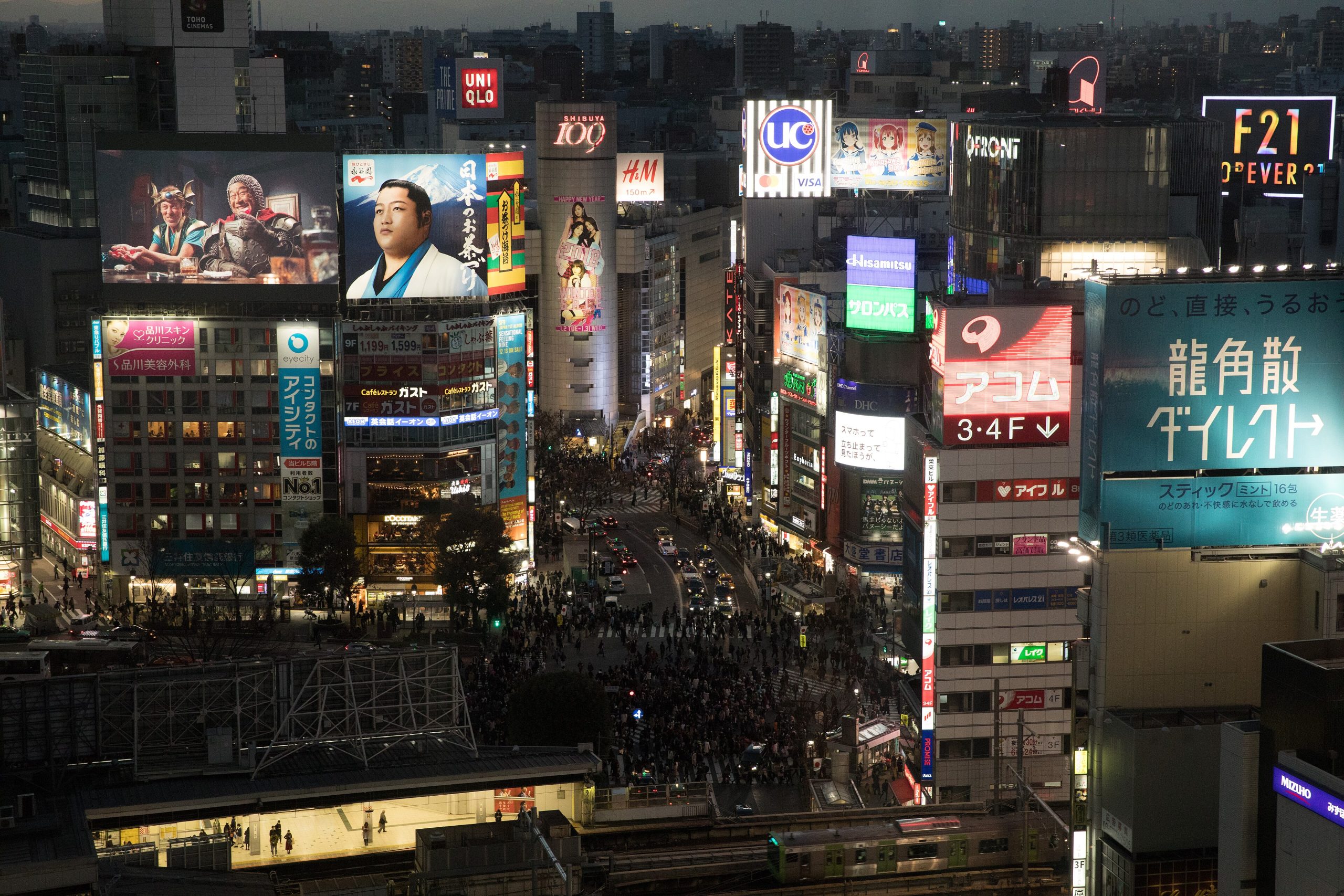
The world’s busiest pedestrian crossing, Shibuya Crossing is pure Tokyo — a mesmerising surge of thousands of people beneath giant neon screens. Watch the choreographed chaos from the Shibuya Sky observation deck or a nearby cafe, then dive into the surrounding shopping, dining and nightlife. Don’t miss the loyal Hachiko dog statue nearby.
Visit Senso-ji Temple in Asakusa
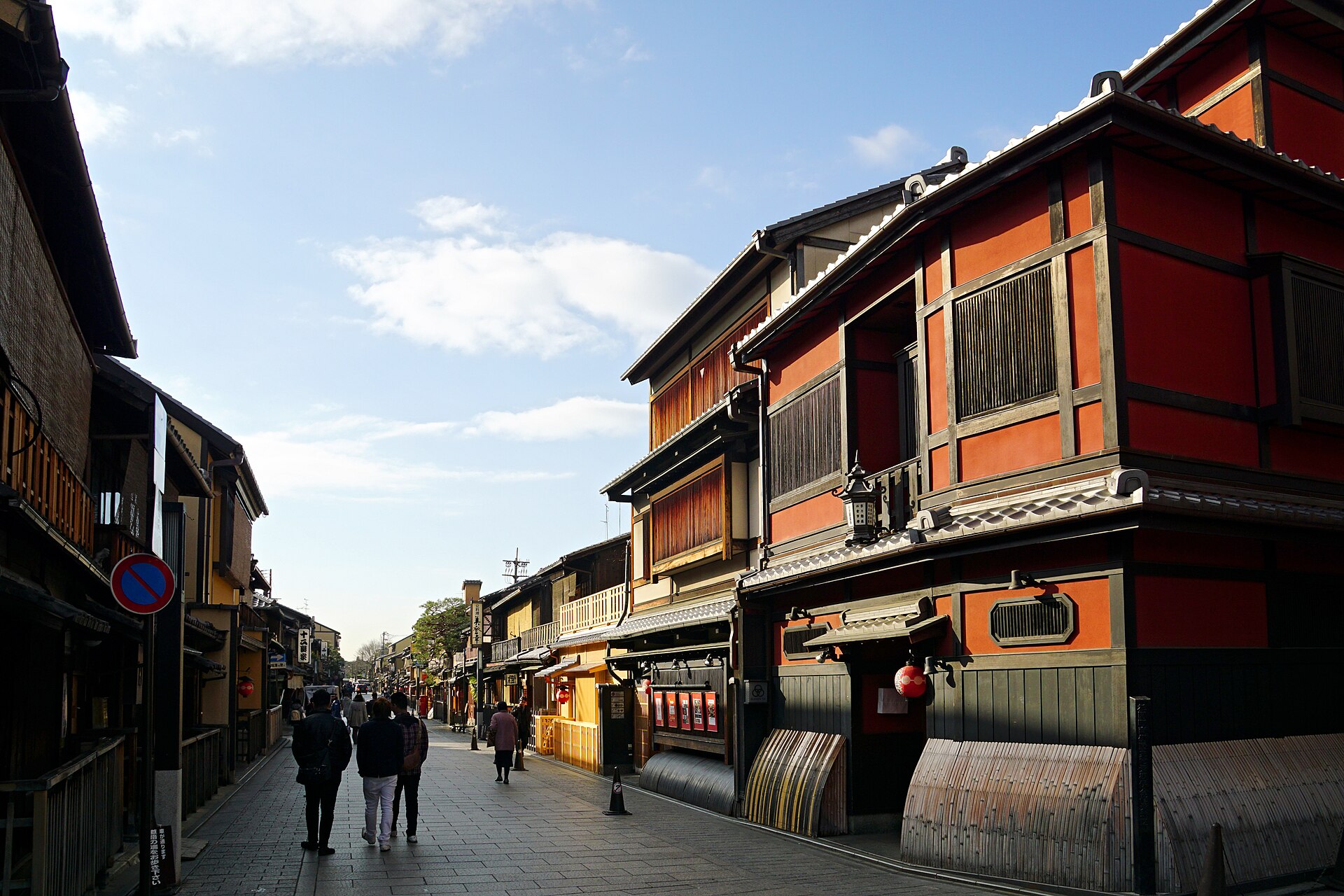
Tokyo’s oldest and most famous temple, Senso-ji in historic Asakusa, is approached through the great Kaminarimon (‘Thunder Gate’) and the bustling Nakamise shopping street. It’s the best place to feel old Tokyo — browse traditional snacks and crafts, and soak up the atmosphere of incense and prayer.
Find Calm at the Meiji Shrine
Steps from the fashion frenzy of Harajuku, the Meiji Shrine is a serene Shinto sanctuary set in a tranquil forest of 100,000 trees — a peaceful escape in the heart of the city. You may be lucky enough to glimpse a traditional wedding procession. Combine it with a walk down Harajuku’s colourful Takeshita Street.
Eat Your Way Around the City
Tokyo has more Michelin stars than any city on earth — but the magic is at every level. Slurp ramen at a tiny counter, watch sushi masters at the Toyosu (or outer Tsukiji) market, feast on tempura, yakitori and wagyu, and explore the atmospheric alleys of Omoide Yokocho and Golden Gai. Eating in Tokyo is a highlight in itself.
Take in the Views & the Lights of Shinjuku
Shinjuku is Tokyo at its most electric — neon-lit streets, the entertainment district of Kabukicho, tiny bars and skyscraper views (free from the Metropolitan Government Building observatory). For the ultimate panorama, ascend the Tokyo Skytree or Tokyo Tower, especially at dusk as the endless city lights flicker on.
Explore Pop Culture & teamLab
Dive into Tokyo’s pop-culture universe in Akihabara, the electric town of anime, manga and gaming, and youthful Harajuku. For something unforgettable, lose yourself in the immersive, jaw-dropping digital-art worlds of a teamLab museum — one of the most magical experiences in the city.
Take a Day Trip to Fuji, Hakone or Nikko
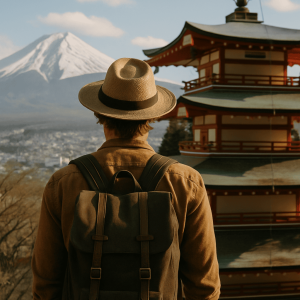
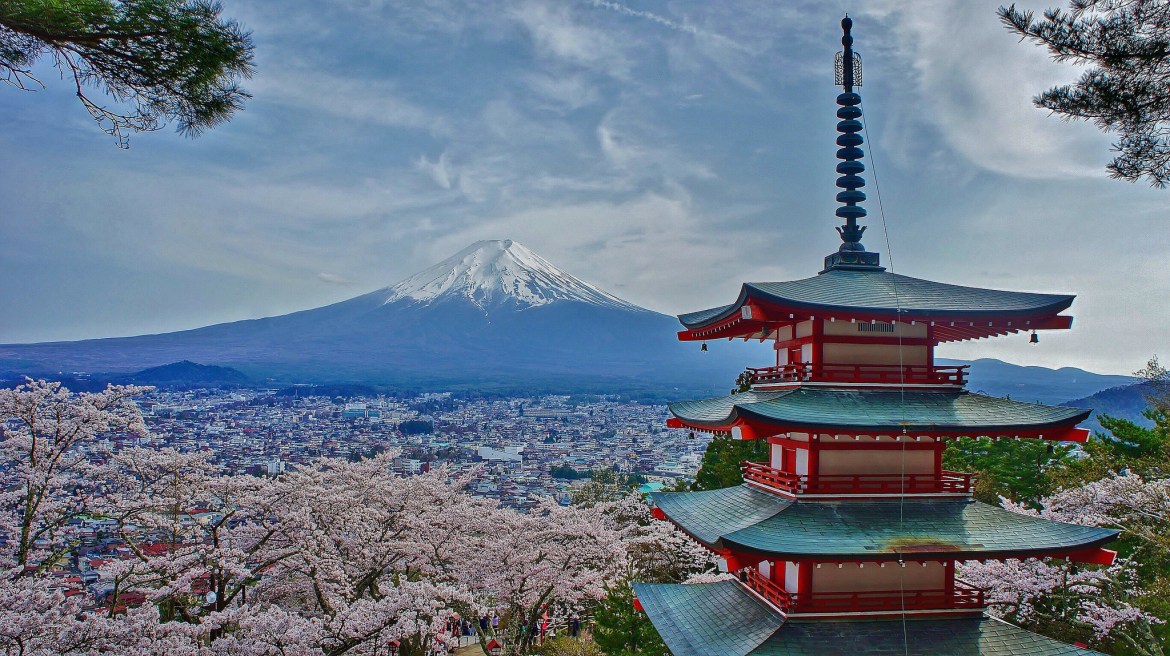
Tokyo is a superb base for day trips. See iconic Mount Fuji and soak in hot springs at Hakone, admire the ornate shrines and waterfalls of Nikko, or visit the great Buddha and temples of Kamakura by the sea — all easy on Japan’s superb trains.
Tokyo for Every Kind of Traveller
- First-timers: Shibuya Crossing, Senso-ji, Meiji Shrine, Shinjuku, a food tour.
- Foodies: ramen, sushi at Toyosu, izakaya alleys, Michelin dining.
- Culture & history: temples, shrines, gardens, traditional Asakusa.
- Pop-culture fans: Akihabara, Harajuku, teamLab, anime and gaming.
- Families: teamLab, Ueno Zoo, DisneySea, the Ghibli Museum (book ahead).
- Day-trippers: Mount Fuji, Hakone, Nikko, Kamakura.
Best Time to Visit Tokyo
Spring (late March to May) and autumn (October to November) are the best times to visit Tokyo — mild, comfortable weather and two of the year’s most beautiful spectacles: the famous cherry blossoms (late March–early April) and the vivid autumn foliage. These are the most popular (and busiest) seasons for good reason.
Summer (June to August) is hot and very humid, with a rainy season in June–July and the odd typhoon later — though it’s festival season and everything indoors is air-conditioned. Winter (December to February) is cold but crisp, dry and sunny, with the fewest crowds, festive illuminations and clear views of Mount Fuji. For blossoms or autumn colour, aim for spring or autumn; for clear skies and value, consider winter.
| Season | Months | Weather | Notes |
|---|---|---|---|
| Spring | late Mar–May | Mild, pleasant | Best; cherry blossoms (book far ahead) |
| Summer | Jun–Aug | Hot, humid, rainy | Festivals; rainy season in Jun–Jul |
| Autumn | Oct–Nov | Crisp, clear | Excellent; stunning foliage |
| Winter | Dec–Feb | Cold, dry, sunny | Fewest crowds; clear Fuji views |
How to Get There & Get Around
Tokyo has two main airports: Narita (NRT) and the more central Haneda (HND), both well connected to the city by train. Getting around, Tokyo’s train and subway network is a marvel — vast, punctual, clean and efficient (if initially daunting). Get a rechargeable Suica or Pasmo IC card (or use your phone) to tap on and off seamlessly, and consider a Japan Rail Pass if travelling further afield. You won’t need a car. Because Japan trips string together cities and day trips, an AI planner can line up the flights, rail and stays for your dates in about a minute.
Where to Stay
For first-timers, Shinjuku and Shibuya are central, exciting and superbly connected; Tokyo Station/Marunouchi and Ginza are convenient and upscale; and Asakusa offers traditional charm and better value. Tokyo has everything from capsule hotels and ryokan to luxury towers — choose your area by whether you want nightlife, convenience or old-Tokyo atmosphere, and book ahead for cherry-blossom season.
Practical Tips
A few tips: Tokyo is one of the safest, cleanest and most orderly cities in the world. Carry some cash (though cards and IC cards are increasingly accepted), as some smaller places are cash-only. Learn basic etiquette — be quiet on trains, don’t tip (it’s not customary), and follow queueing and shoe-removal customs. Pocket wi-fi or an eSIM helps with navigation. It’s a huge city, so plan by neighbourhood, and give yourself at least 4–5 days, plus a day trip or two.
Related Guides
Frequently Asked Questions
What is Tokyo best known for?
Tokyo is famous for its dazzling blend of ultramodern and traditional — neon districts like Shibuya and Shinjuku, ancient temples and shrines, the world’s best food scene (with more Michelin stars than any city), cutting-edge pop culture and technology, impeccable service and cleanliness, and iconic Mount Fuji nearby.
How many days do you need in Tokyo?
Four to five days is ideal — enough to explore the main neighbourhoods (Shibuya, Shinjuku, Asakusa, Harajuku), eat well, see the key temples and views, and add a day trip to Mount Fuji, Hakone or Nikko. Tokyo is huge, so more time is easily filled; it’s also a great base for exploring Japan.
What is the best time to visit Tokyo?
Spring (late March to May) and autumn (October to November) are best, with mild weather and either cherry blossoms or spectacular autumn foliage. Summer is hot and humid with a rainy season, while winter is cold but crisp, dry and sunny, with the fewest crowds and clear views of Mount Fuji.
How do you get around Tokyo?
By train and subway — Tokyo has one of the world’s best public transport networks: vast, punctual and clean. Get a rechargeable Suica or Pasmo IC card (or use your phone) to tap on and off seamlessly. It can seem daunting at first, but navigation apps make it easy, and you won’t need a car.
Is Tokyo expensive to visit?
Tokyo can be pricey, but it’s more affordable than many assume — you can eat superbly for little at ramen shops, conveyor-belt sushi and convenience stores, and there are excellent budget hotels and free sights (temples, shrines, observation decks). Costs rise with fine dining and cherry-blossom-season hotels.
What day trips can you take from Tokyo?
Great day trips include Mount Fuji and the hot springs of Hakone, the ornate shrines and waterfalls of Nikko, the seaside temples and great Buddha of Kamakura, and even Yokohama — all easily reached on Japan’s superb, punctual trains.
Is Tokyo safe?
Yes, Tokyo is consistently ranked among the safest big cities in the world, with very low rates of violent crime and pickpocketing far less common than in most European capitals. The main practical risks come from natural disasters like earthquakes rather than crime, and strict laws and strong policing keep even crowded nightlife districts feeling orderly.
Is Tokyo safe for solo female travellers?
Yes, Tokyo is widely considered one of the best cities in the world for solo female travel, thanks to low crime, reliable late-night public transport, and a culture where being out alone draws little attention. Some train operators run women-only carriages during rush hour to reduce groping incidents, which do occur occasionally on crowded trains, so it is worth knowing they exist.
Is Tokyo safe at night?
Yes, most of Tokyo remains safe to walk around late at night, and it is normal to see people, including women, walking or taking trains alone in the small hours. Nightlife districts like Kabukicho in Shinjuku have more touts and occasional aggressive bar-touting, so politely ignoring unsolicited invitations and avoiding unlicensed bars there is the main precaution worth taking.
Is Tokyo safe from earthquakes?
Tokyo sits in an active seismic zone and experiences small earthquakes regularly, most too minor to notice, but the city has some of the strictest earthquake-resistant building codes in the world. Hotels and public buildings post evacuation instructions, and a genuinely major quake is a real long-term risk, but day-to-day the city’s infrastructure is built specifically to handle frequent seismic activity safely.
Is Tokyo at risk from tsunamis?
Central Tokyo’s risk is relatively low compared with Japan’s more exposed Pacific coastline further north and east, since Tokyo Bay is partially sheltered. Coastal and low-lying areas near the bay could still see flooding from a major offshore earthquake, and the city has tsunami evacuation signage and warning systems in place, but a tsunami is not considered the primary hazard for most visitor areas.
Is Tokyo worth visiting?
Yes, Tokyo consistently ranks among the world’s most rewarding cities to visit, combining ultra-modern neighbourhoods, historic temples, some of the best food anywhere, and famously efficient public transport. It works equally well as a short city break or as the anchor for a longer Japan itinerary that includes Kyoto, Osaka or the countryside.
Is Tokyo worth visiting in winter?
Yes, winter (December to February) brings cold but usually dry, sunny days, clear mountain views, festive illuminations through December, and notably thinner crowds than spring or autumn. The main downside is the very busy, partly closed New Year period around January 1st to 3rd, when many shops, restaurants and attractions shut for the holiday.
Is Tokyo worth visiting in July?
Yes, though it is Tokyo’s hottest, muggiest month, with high humidity that catches many visitors off guard. Summer brings fireworks festivals, matsuri street festivals and a lively outdoor beer-garden scene, so it rewards visitors who pace their days around the heat, sightseeing early or late and retreating indoors during the midday humidity.
Is eating out expensive in Tokyo?
No, eating out in Tokyo is often cheaper than visitors expect. A bowl of ramen or a set lunch typically costs around 800-1,200 yen (roughly $5-$8), convenience store meals cost even less, and there is no tipping culture to add on top. High-end sushi and Michelin-starred restaurants exist too, but everyday dining is genuinely affordable by major-city standards.
Is shopping expensive in Tokyo?
It depends entirely on what you are buying. Department stores, designer boutiques and flagship electronics stores charge full retail prices similar to other major cities, while thrift stores, 100-yen shops and discount electronics districts like Akihabara offer real bargains. Tax-free shopping for tourists on larger purchases also helps offset the cost at many bigger stores.
Is Tokyo still one of the most expensive cities in the world?
No, not as much as its reputation suggests. A sustained weak yen has made Tokyo noticeably cheaper for visitors paying in dollars, euros or pounds, often 30-40% less than a comparable trip to New York or London, even though local cost-of-living surveys still show Tokyo as pricier than most of Japan. Hotels and dining out can still add up in peak season, but Tokyo has slipped well down the global most-expensive-cities rankings in recent years.
How many days do you need for Tokyo Disneyland and DisneySea?
Each park needs its own full day, since tickets are sold separately for one park at a time with no park-hopping option, so budget at least 2 days to see both properly. First-time visitors often rank DisneySea as the more unique park, with several exclusive, non-Disney-branded lands, so it is worth prioritising if you can only fit in one day.
How many days do you need for Tokyo, Kyoto and Osaka together?
Around 10-12 days works well for a first trip: roughly 4-5 days in Tokyo, 3-4 in Kyoto and 2-3 in Osaka, connected by fast, comfortable bullet trains. A shorter 7-day version is possible by trimming a day from each city, though it feels rushed, especially in temple-dense Kyoto.
How much do Tokyo Disneyland and DisneySea tickets cost?
A one-day, one-park ticket uses date-based variable pricing and typically runs roughly 7,900-12,400 yen (around $50-80) for an adult, depending on the day and season, with lower rates for children. Weekdays and off-peak dates are noticeably cheaper than weekends and Japanese holidays, and each park requires its own separate ticket.
How much are Tokyo Skytree tickets?
A standard ticket to the lower Tembo Deck (350m) costs around 1,800-2,100 yen booked online, while a combination ticket covering both the 350m deck and the higher 450m Tembo Galleria runs roughly 3,000-3,800 yen depending on the date. Booking online in advance is cheaper than paying at the counter and also secures a timed entry slot that skips the walk-up queue.
How much does the Tokyo subway cost?
A single ride costs a few hundred yen depending on distance, but the 24-hour Tokyo Subway Ticket for tourists, covering unlimited rides on all Tokyo Metro and Toei lines, costs around 1,000 yen for an adult, with 48- and 72-hour versions for longer stays. It runs on hours from first use rather than the calendar day, so a ticket activated in the afternoon stays valid until the same time the next day.
How much is the bullet train from Tokyo to Osaka?
A reserved seat on the fastest Nozomi Shinkansen costs around 14,000-15,000 yen (roughly $95-100) one-way for the two-and-a-half-hour journey. The slightly slower Hikari service costs a little less and is covered by the Japan Rail Pass, unlike the Nozomi, so pass holders typically use Hikari trains for this route instead.
How much does Tokyo Banana cost?
A box of Tokyo Banana, the city’s famous banana-shaped, custard-filled sponge cake souvenir, costs around 700 yen for a box of four, scaling up to roughly 2,100 yen for a box of twelve. It is sold at Tokyo Station, the airport and most major tourist spots, making it one of the easiest and cheapest souvenirs to pick up on the way home.
What is the Tokyo Marathon, and how much does it cost to enter?
The Tokyo Marathon is one of the World Marathon Majors, run through the city’s streets in early March each year. Entry for overseas runners costs around $230, with far more applicants than available spots, so places are usually allocated by lottery months in advance rather than on a first-come, first-served basis.
When is cherry blossom season in Tokyo?
Tokyo’s cherry blossoms typically reach full bloom in the last days of March into the first week of April, though the exact timing shifts by up to a week or so each year depending on winter temperatures. Flowering starts around a week to ten days before full bloom, so aiming for a visit centred on late March gives the best overall chance of catching the trees in flower.
Do you need a visa to visit Tokyo?
It depends on your passport. Citizens of the US, UK, Ireland, most of the EU, Canada and Australia can enter Japan visa-free for short tourist stays, typically up to 90 days, while South African citizens do need a visa, though a straightforward e-visa is available online for tourism. Always check the current rule for your specific nationality before booking, since the list of visa-exempt countries does change.
Final Thoughts: Planning Your Tokyo Trip
Tokyo is a city that rewards curiosity like nowhere else — endlessly deep, wonderfully strange and utterly unforgettable. Feel the pulse of Shibuya Crossing, find peace at the Meiji Shrine, eat the meal of your life at a tiny counter, gaze over the endless lights from a skyscraper and escape to Mount Fuji. Base yourself in Shinjuku or Asakusa, visit in spring for the blossoms or autumn for the colour, master the trains with an IC card, and plan by neighbourhood. Give it four or five days, and Japan’s astonishing capital will leave you already planning your return.
Before you go: turn this guide into a day-by-day plan. Our partner Voyada is a free itinerary creator that builds the trip with flights, hotels and a real total cost for your dates — in about a minute.
Build a travel itinerary →