

Table of Contents
ToggleAlbania is an emerging, fast-growing travel destination in Europe with diverse landscapes, deep history, and a lively culture. From the Albanian Alps to the Ionian coast, the country offers mountains, beaches, and ancient sites — but note that visitor numbers have surged in recent years (10+ million annual visitors), and major coastal towns can be very crowded in peak season. For official, up-to-date visitor information, see Albania’s official tourism site.
From the archaeological site of Butrint to the beaches of the Albanian Riviera, there are plenty of top places to visit in Albania for history lovers, nature seekers, and relaxation-focused travelers alike. Plan ahead for busy summer weeks, bring some cash for rural areas, and consider booking key hotels and activities early.
Key Takeaways
- Albania combines rich history and varied landscapes — great for a multi-day trip or a focused city break.
- Expect busy peak-season crowds on the coast; book accommodations and timed-entry attractions in advance.
- Carry cash for many rural towns, where a large share of small vendors and guesthouses still do not take cards.
- Balance coastal days with mountain or national park visits to avoid crowds and enjoy varied experiences.
- Use this guide as a practical itinerary and checklist — find when to go, how to get around, and what to reserve ahead to make the most of your visit.
✈️ TripToGo Travel Deals
Get notified about great travel deals
Hand-picked flight, hotel and destination deals, straight to your inbox. No spam, unsubscribe anytime.
🎉 Thank you for subscribing!
You’re all set — the best travel deals are on their way.
Discovering Albania: An Emerging Destination in the Balkans
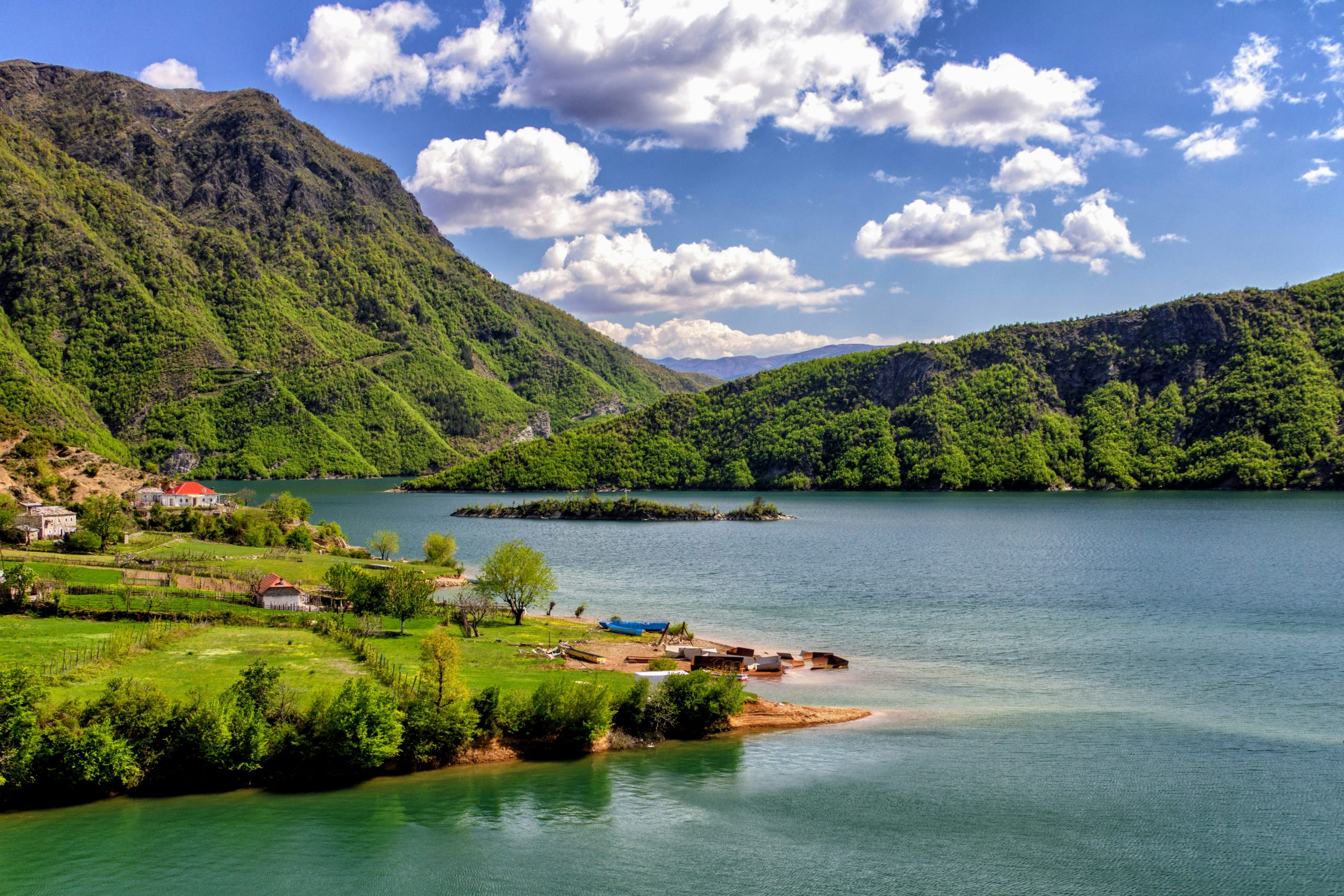
Albania is an increasingly popular country in Southeastern Europe, offering a wide mix of landscapes, layered history, and lively culture. From the rugged peaks of the Albanian Alps to the Ionian coast, the country has mountains, rivers, and beaches that appeal to nature lovers and history fans — but be aware that visitor numbers have risen sharply, and some popular places can be crowded in summer.
Albania's Unique Geography and Climate
Forest and pasture land covers 1,731,891 hectares, or 60.2% of Albania’s total area, with forests alone accounting for 1,146,723 hectares of that fund.
Albania’s geography is remarkably varied: the Accursed Mountains (Prokletije) and other ranges in the north provide high alpine terrain, while the western coast along the Albanian Riviera has Mediterranean beaches. The climate shifts from Mediterranean on the coast to more continental and alpine conditions inland and at higher elevations, creating a range of ecosystems from lush forests to limestone valleys.
This geographic variety makes Albania a great place for multi‑day trips that combine mountain hiking and coastal relaxation — but logistics matter: roads can be slow, some mountain routes are rugged, and services outside major towns are limited, so plan travel time accordingly.
Best Time to Visit Albania
August is Albania’s peak month for foreign arrivals: 2,429,532 entries by foreign citizens were recorded at its borders in August 2026, up 2.0% on August 2025.
When to visit depends on what you want to do. Recent visitor patterns and prices mean timing your trip is more important than ever:
- May and September — Often the best compromise for many travelers: warmer weather and beach access with reduced crowds compared with July–August. Note these months are noticeably quieter than July–August and accommodation typically costs less–50% of peak summer crowds and accommodation rates around 60–70% of July–August; busy towns such as Ksamil, Dhërmi, and Saranda can still be lively.
- July–August — Peak summer for beaches and coastal nightlife; expect the largest crowds and highest prices, especially on the Riviera.
- April and October — Wetter and more changeable: these shoulder months can bring significant rainfall and temperature swings that may disrupt long outdoor hikes or guarantee beach days; good for lower prices but pack for rain and flexible plans.
- November–March (winter) — Best for inland, low-season travel and winter sports in higher mountain areas; many coastal businesses scale back or close.
Practical tip: if your trip includes coastal stays, book accommodations and timed-entry attractions in advance for May, September, and especially July–August. Always have a plan B for wet days (museums, city food tours, or shorter drives), and allow extra travel time on mountain roads.
Planning this trip?
Our partner Voyada’s travel planner AI builds a day-by-day plan with flights, hotels and a real total cost for your dates — in about a minute, free.
Plan a trip for me →Best Places to Visit in Albania at a Glance
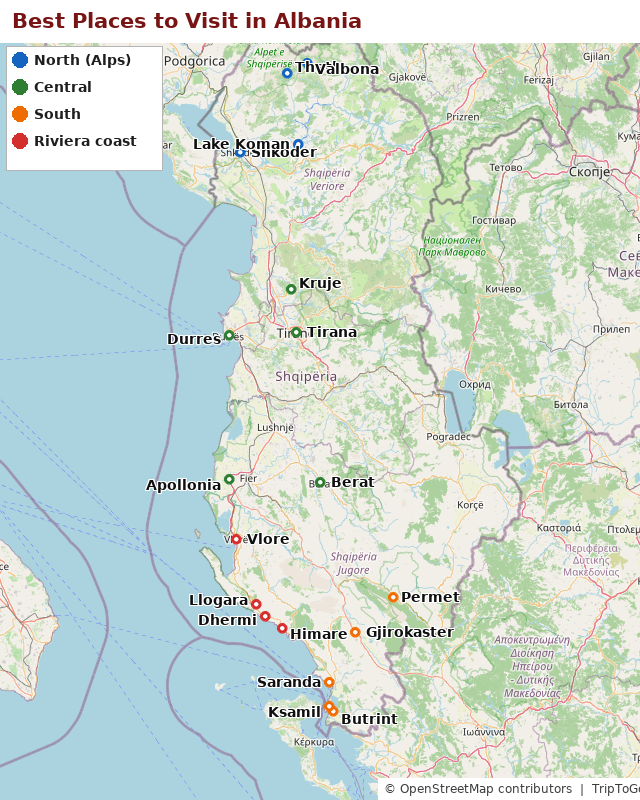
From the Ottoman towns and Riviera beaches of the south to the wild Alps of the north, here is every top destination in one sortable view — by region, what it is best for, and the nearest hub.
| Place | Region | Best for | Nearest hub |
|---|---|---|---|
| Tirana | Central | Capital, museums, cafe culture | Tirana (TIA) |
| Berat | Central | UNESCO old town, castle | Tirana (TIA) |
| Kruje | Central | Castle, Skanderbeg, old bazaar | Tirana (TIA) |
| Durres | Central coast | Beaches, Roman amphitheatre | Tirana (TIA) |
| Shkoder | North | Alps gateway, Rozafa, lake | Tirana (TIA) |
| Theth | North (Alps) | Hiking, Blue Eye, waterfalls | via Shkoder |
| Valbona | North (Alps) | Alpine valley, villages | via Shkoder / Koman |
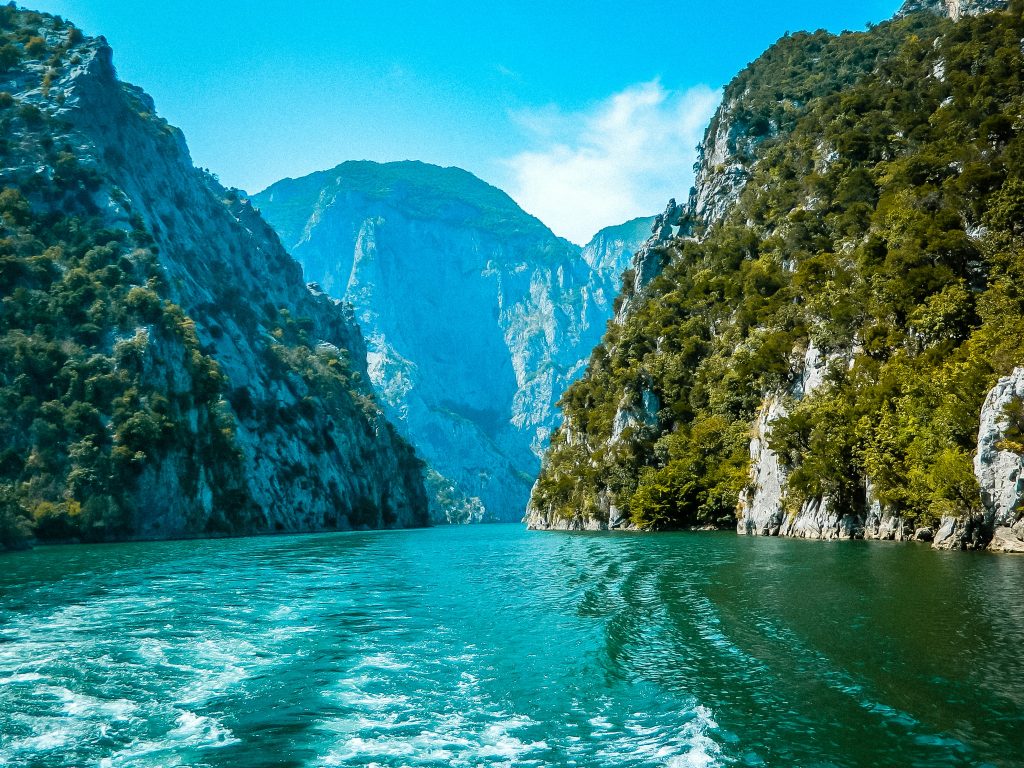
| Lake Koman | North | Scenic fjord-like ferry | via Shkoder |
| Gjirokaster | South | UNESCO stone city, fortress | Tirana / Saranda |
| Saranda | South coast | Riviera base, nightlife | via Corfu / Tirana |
| Ksamil | South coast | Sandy beaches, islets | via Saranda |
| Butrint | South | Ancient ruins (UNESCO), nature | via Saranda |
| Himare | Riviera | Beaches where mountains meet sea | via Vlore / Saranda |
| Dhermi | Riviera | Beaches, summer scene | via Vlore |
| Llogara Pass | Riviera | Paragliding, mountain views | via Vlore |
| Vlore | South coast | Riviera gateway, beaches | Tirana (TIA) |
| Permet | South | Thermal springs, Vjosa river | via Gjirokaster |
| Apollonia | South-Central | Ancient Greek ruins | via Fier |
Tap a column to sort. Official inspiration: Albania’s national tourism site.
Visiting Albania: Key Facts
When to go: May–June and September–October for warm weather and thinner crowds; July–August is busy on the coast, while the Albanian Alps are best June–September.
North vs South: the south pairs beaches with Ottoman towns (Berat, Gjirokaster, the Riviera and Butrint); the north is all about the Albanian Alps (Theth, Valbona and the Koman Lake ferry).
UNESCO sites: the historic centres of Berat and Gjirokaster and the ancient ruins of Butrint are all World Heritage Sites.
Getting around: renting a car gives the most freedom (especially in the south and the mountains); furgon minibuses link the towns, and the Koman Lake ferry is a journey in itself.
Value: Albania is one of Europe’s most affordable countries — the currency is the lek, and cash is still handy outside the cities. Plan with Albania’s official tourism site.
Tirana: Albania's Vibrant Capital
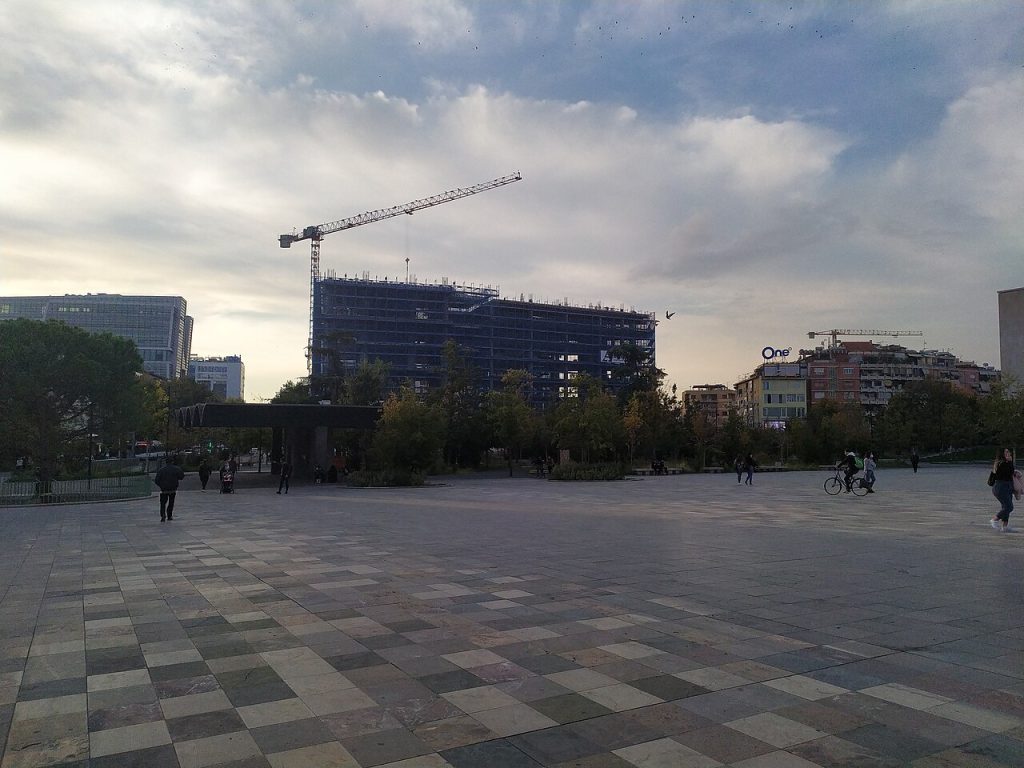
Tirana, the country’s bustling capital, mixes Ottoman, Italian, and Soviet-era influences with a modern, creative energy. It’s a compact city where museums, public squares, and a lively café scene make for an easy half‑day or multi‑day stay on your Albania trip.
Tirana’s compact center means most major places are walkable; taxis and rideshares fill gaps. If you plan to rent a car for day trips on rougher mountain roads, allow extra transit time and confirm parking at your hotel.
Skanderbeg Square and National History Museum
Skanderbeg Square is the civic heart of Tirana and a good starting point for exploring the capital’s museums and streets. The National History Museum provides a broad overview of Albania’s past, from Illyrian artifacts to 20th‑century exhibits.
Practical tips: Allow 1–2 hours for the museum; check opening hours and any timed tickets before you go. Combine the museum with a walking loop through the nearby streets and a stop at a local restaurant for traditional dishes.
Bunk'Art and Communist History
The Bunk’Art museums (Bunk’Art 1 in the city center and Bunk’Art 2 near the Tirana–Durrës road) offer immersive displays on Albania’s communist era and civil defense history, set inside converted Cold War bunkers.
Practical tips: During peak season Bunk’Art sites can require advance reservations and charge entrance fees (recently reported around 700–900 lek per site). Book ahead—especially July–August and festival weekends—and arrive early to avoid crowds.
Tirana's Trendy Café Culture
Tirana’s café culture is a major draw: neighborhoods like Blloku buzz with cafés, bars, and restaurants serving local and international fare. Café quality is high, but prices in central areas have risen to near Western European levels.
Practical tips: Expect an espresso in central Tirana to cost roughly 200–400 lek (€2–4). For a budget option, look for neighborhood cafés off the main squares; for dining, reserve tables on summer evenings when restaurants fill up with tourists.
The Albanian Riviera: Stunning Coastline with Seasonal Crowds
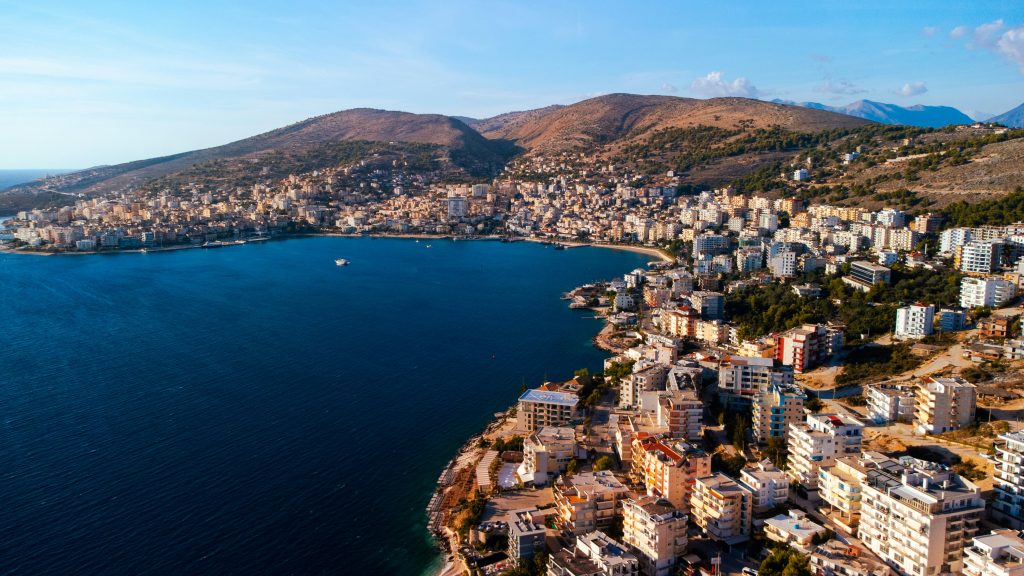
The Albanian Riviera offers dramatic coastal views where mountains drop to the Ionian Sea — a mix of scenic villages, sandy coves, and lively beach towns. These beaches and coastal places are beautiful, but many are now heavily visited in summer; plan carefully to avoid the busiest days and to pick spots that match your priorities (quiet bays vs. nightlife).
Ksamil and the Turquoise Waters
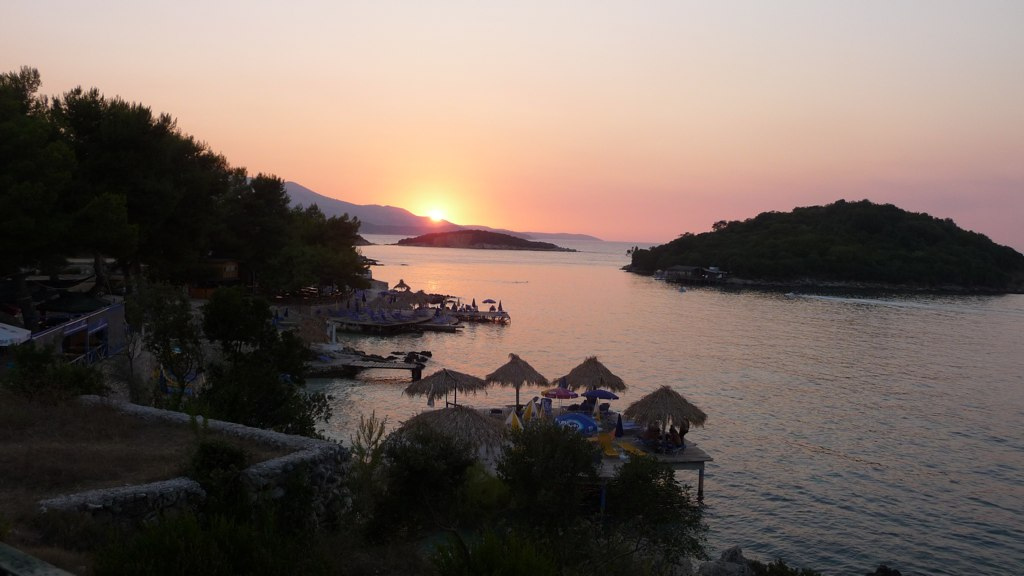
Ksamil is famous for its small islands and clear bays, a major draw for beachgoers. However, recent seasons have seen severe overtourism: beach capacity limits at times, occasional water‑quality issues and algal blooms after heavy use or runoff, and crowded piers in July–August.
Practical tips: Visit early morning or late afternoon to avoid peak crowds; check local water‑quality notices during hot months; book accommodation well in advance if you plan to stay on the islands.
Dhërmi Beach: The Crown Jewel — With Caveats
Dhërmi remains one of the most photographed stretches of coast, with dramatic mountain backdrops and popular beach bars and restaurants. Note that unregulated development near some coves has affected the coastal landscape and access in spots — visitors should manage expectations and respect local access rules.
Practical tips: Arrive before midday for a quieter experience, or choose smaller nearby coves if you want fewer people; support licensed beach operators and restaurants that follow local regulations.
Himarë: Where Mountains Meet the Sea
Himarë blends seaside vibes with traditional town life and nearby hiking opportunities. It’s a good base to explore both beaches and inland trails, but summer weekends draw many tourists, and parking/road congestion can be an issue.
Practical tips: Use early-morning or evening windows for best light and calmer beaches, and plan road travel times—coastal roads can be slow and congested in peak season.
What to expect in summer: high visitor numbers on the coast, restaurant and hotel prices at peak levels, and occasional environmental pressure on popular bays; alternatives include visiting at shoulder months (May, September — still busy in some towns) or choosing lesser‑known coves and inland river spots. Always carry cash for small beach kiosks and check local advisories for beach capacity and water quality before heading out.
Berat: The City of a Thousand Windows
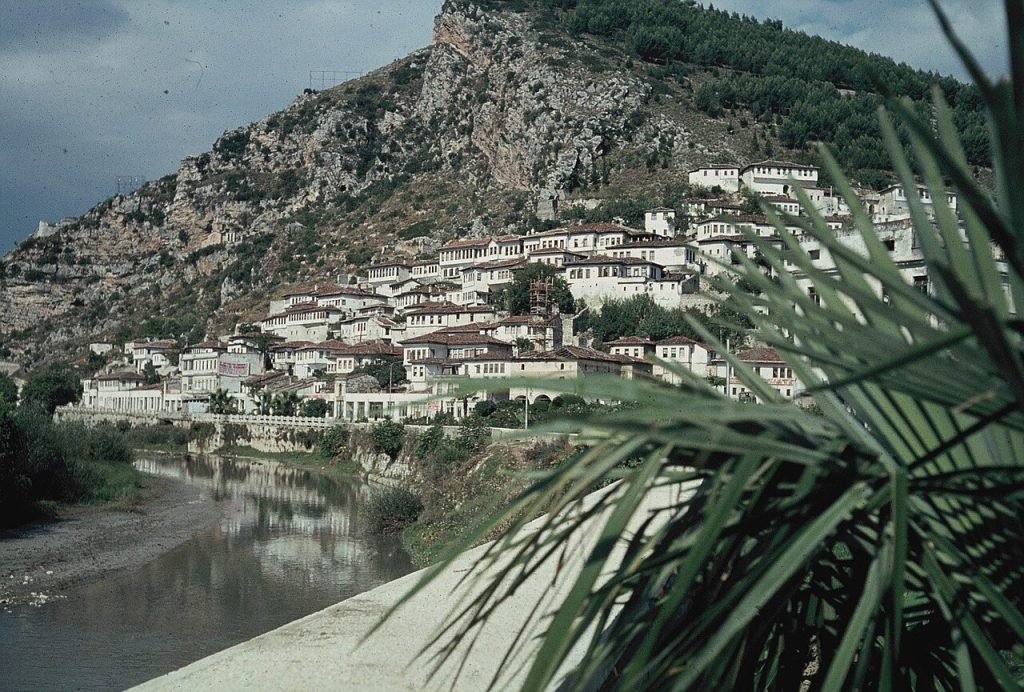
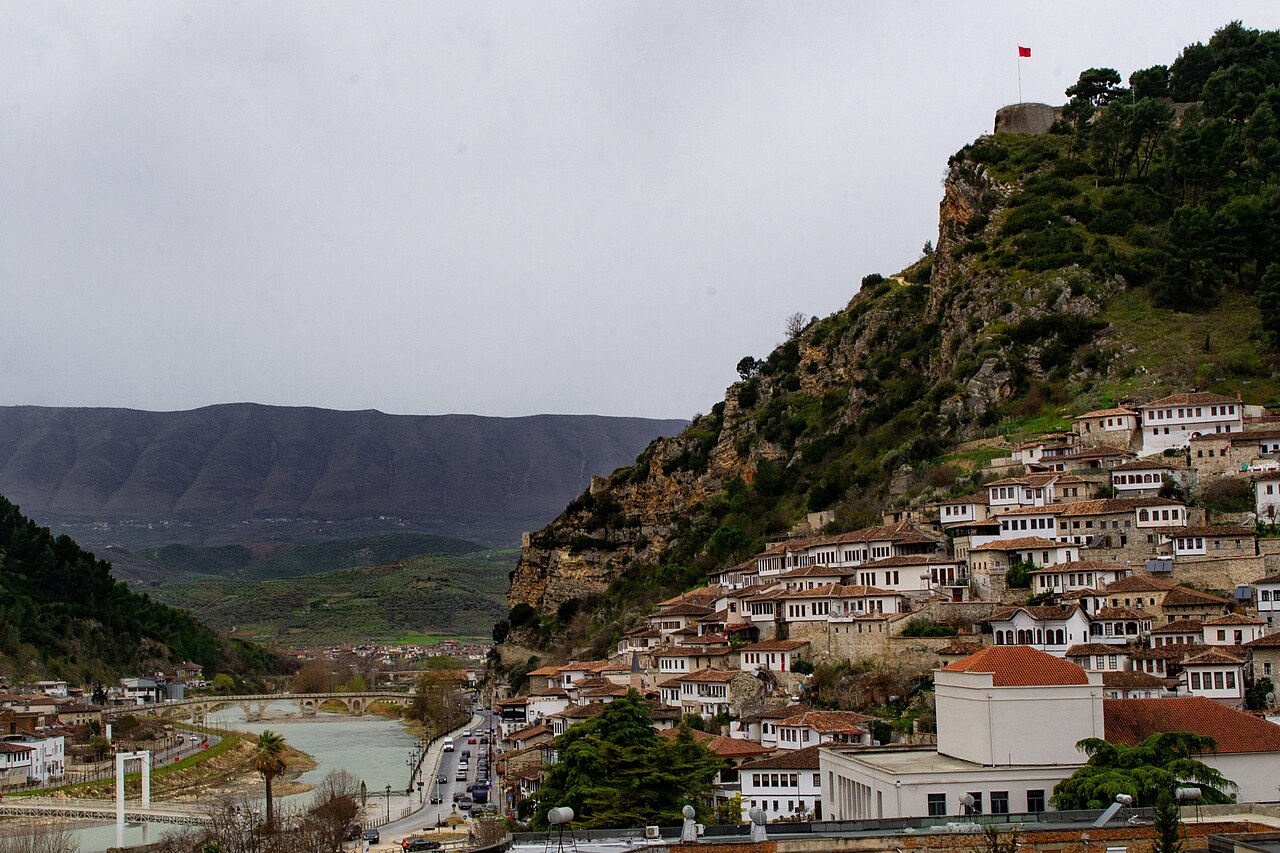
Berat’s nickname comes from its tiered Ottoman houses with rows of windows looking down the valley — a compelling blend of history and scenic views. It remains one of the most photographed towns in Albania, but expect a mix of preserved homes and commercialized guesthouses and shops in the historic quarters.
Exploring Berat Castle
Berat Castle crowns the hill above the Osum River and contains churches, towers, and panoramic viewpoints. The site dates back many centuries and combines layers of history visible in its walls and buildings.
Practical note: The castle currently charges an entrance fee (around 300 lek — check locally for the latest price). Paths inside the castle are uneven and steep in places; wear sturdy shoes and allow time for slow, careful walking.
Mangalem and Gorica Quarters
The Mangalem and Gorica quarters are the town’s most atmospheric neighborhoods: cobbled streets, whitewashed houses, and riverside views. Many traditional houses now operate as guesthouses, cafés, or shops, which adds convenience but changes the historic feel in parts.
How to visit: Plan 2–4 hours to see the castle and stroll both quarters. Expect steep climbs and limited accessibility for people with mobility issues; nearest parking and bus stops are at the town base, so allow a short uphill walk. Best viewpoints are along the castle walls and the bridge over the Osum River.
Gjirokastër: UNESCO World Heritage Stone City
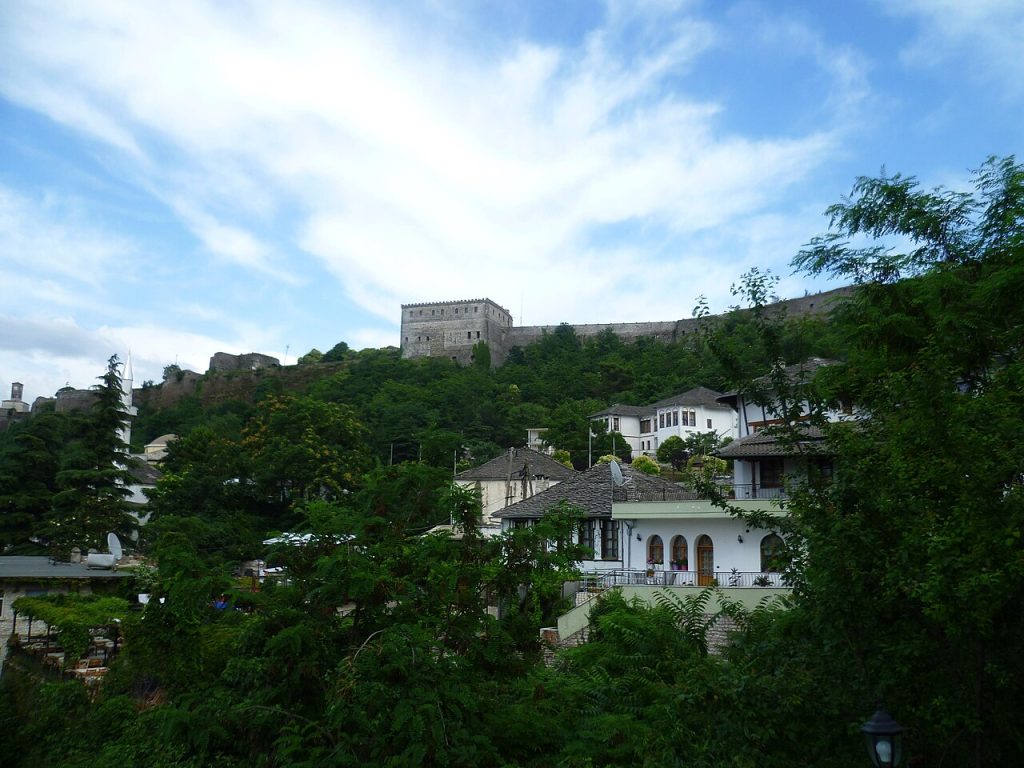
Gjirokastër, a UNESCO World Heritage site, is famed for its stone-built Ottoman houses and steep cobbled streets that feel like a walk through history. The city’s compact historic center makes it an ideal half‑day or full‑day stop on an Albania trip, but plan visits carefully in hot weather.
The nickname “Stone City” reflects the local architecture — stone houses with wooden balconies and slate roofs — preserved across the hillside and giving the town a distinctive silhouette.
Gjirokastër Fortress and Old Bazaar
The Gjirokastër Fortress dominates the skyline and offers wide views across the valley. The fortress has a long history and today houses exhibits and viewpoints overlooking the town.
Correction & practical note: the Old Bazaar is located in the historic center below the fortress, not inside the fortress walls. Stroll the bazaar area to find traditional shops and local artisans; combine this with a fortress visit for the best context of the town’s history.
Heat & timing: Gjirokastër can reach very high summer temperatures (often into the mid‑30s °C and occasionally higher). To avoid the heat, visit the bazaar and walk the streets early morning or late afternoon, and plan the fortress for sunrise or sunset for cooler conditions and better light.
Traditional Ottoman Houses
The town’s Ottoman-era houses are central to its charm and many have been restored as museums, guesthouses, or private homes. Walking through the streets reveals carved doors, stone terraces, and the layered history of the area.
Visitor tips: Wear comfortable shoes for uneven cobbles, carry water and sun protection in summer, and allow time to walk slowly — many highlights are best appreciated at a relaxed pace.
Shkodër: Gateway to the Albanian Alps
Shkodër sits at the crossroads where the lowlands meet the Albanian Alps, offering a mix of history, culture, and access to mountain scenery. The city works well as a base for lake excursions, castle visits, and day trips into nearby mountain villages.
Rozafa Castle and Its Legends
Rozafa Castle perches above Shkodër and is tied to the local legend of Rozafa, a woman said to have been immured in the walls to secure the fortress. The site offers short walks along battlements and excellent views across the city and surrounding plains.
Practical tips: Visit at sunrise or late afternoon for cooler temperatures and the best light for photos. Allow 1–2 hours to explore the castle and viewpoints; wear comfortable shoes for uneven surfaces.
Lake Shkodër: Natural Beauty
Lake Shkodër (Shkodra/Skadar) is one of the largest lakes in the region and a key spot for birdlife and freshwater habitats. Boat tours, birdwatching, and peaceful shoreline walks are popular ways to enjoy the lake.
Practical tips: Boat operators run tours from the town waterfront—confirm schedules in advance and check whether seasonal services are operating. If you plan fishing or a longer boat trip, verify permits and local guide availability.
Cycling Around Shkodër
Shkodër and its surroundings are good for cycling, with routes that pass lakeside, through villages, and toward foothill roads into the Albanian Alps. Cycling is a relaxed way to see rural life and meet local people.
Recommended day plan: For a half day, combine a morning at Rozafa Castle with a short lakeside walk and lunch in town; for a full day, rent a bike (confirm rental availability) and follow a circular route via lakeside roads and nearby villages. Note that road surfaces and traffic vary—choose routes to match your skill level and allow extra time for slower rural roads.
Theth National Park: Hiking Paradise

Theth National Park sits high in the Albanian Alps and is one of Albania’s premier hiking areas, with rugged mountains, green valleys, and remote mountain villages. It’s a spectacular spot for views and outdoor adventure, but many trails are challenging and require careful planning.
The Blue Eye of Theth
The spring often called the Blue Eye in Theth forms a clear, blue pool set in a wooded valley — a refreshing stop on short walks around the village. (Note: do not confuse this with the larger “Blue Eye” spring near Saranda/Syri i Kaltër.)
Practical tip: The Blue Eye is a short walk from Theth village; bring sturdy shoes and expect uneven terrain around the spring.
Grunas Waterfall
Grunas Waterfall is reached by a moderately steep trail and rewards hikers with a dramatic cascade into a green gorge. The path includes rocky sections and some steep steps.
Practical tip: Allow 1–2 hours round-trip depending on fitness and trail conditions; carry water, a rain layer, and snacks, and avoid the trail after heavy rain when it can be slippery.
Theth to Valbona Hike
The Theth–Valbona route is a classic alpine traverse with outstanding mountain views, but it is far more demanding than some guides imply. The crossing involves roughly 20 km of mountain trail with more than 1,000 meters of cumulative elevation gain and loss. While experienced trekkers may complete it in 6–8 hours, many inexperienced hikers commonly take 10–12 hours or more, and sections have been closed at times due to rockfalls or hazardous conditions.
Safety & planning checklist:
- Consider hiring a certified local guide — guides know current trail conditions, alternative routes, and emergency contacts.
- Plan for an overnight option (stay in Theth or Valbona) if you’re unsure of pace or weather.
- Carry sufficient water, high-energy food, waterproof layers, a map, and a charged phone; be prepared for rapid weather changes.
- Check local trail updates before you set out — authorities sometimes close sections after rockfall or bad weather.
For adventure seekers, Theth rewards effort with extraordinary mountain scenery and authentic village culture. But treat the area as high‑mountain terrain: allow extra time, respect local safety advice, and plan your day (or overnight) accordingly.
Valbona Valley National Park: Alpine Beauty with Practical Notes
Valbona Valley National Park lies in the heart of the Albanian Alps and is prized for its steep-sided valleys, dramatic mountain views, and traditional mountain villages. It’s an excellent place for hiking, village stays, and riverside scenery — but treat “untouched” as relative: visitor numbers have risen and local services are limited, so plan logistics carefully.
The Valbona River threads the valley, framing many of the best viewpoints and trails.
Valbona River and Valley Views
The river and valley offer outstanding views and a range of outdoor options. Note that water-based activities such as rafting or kayaking depend on seasonal flows — spring snowmelt gives the highest water levels, while drought years can limit or suspend such activities.
Practical tips: Check current water-level reports and tour-operator notices before booking rafting/kayaking; hire licensed guides for river activities and confirm equipment and insurance. For photography and hikes, aim for morning or late-afternoon light for the best valley views.
Traditional Mountain Villages
Valbona’s villages show traditional mountain life with stone houses, guesthouses, and simple mountain restaurants. Staying in a village is one of the best ways to experience local hospitality and regional food.
How to visit: Access involves mountain roads that can be slow and occasionally rough — allow extra travel time. There are limited medical and support services in the valley, so bring basic first-aid supplies and ensure you have travel insurance that covers remote areas. Consider a 2–3 day itinerary: arrive and settle in day one, do a moderate hike or village walk on day two, and reserve day three for a longer valley trek or a guided river activity (season permitting).
Valbona Valley National Park is a top place for hikers and nature lovers — prepare for variable conditions, book locally where possible, and respect local regulations to help preserve the area for future visitors.
Butrint National Park: Ancient Ruins and Biodiversity
Butrint National Park, a UNESCO World Heritage site near Saranda, combines an exceptional archaeological area with wetlands and coastal habitats — making it a top place for both history lovers and nature watchers. The site balances visitor access with conservation efforts, so follow on-site rules to protect the fragile environment.
Archaeological Site of Butrint
The archaeological site of Butrint contains layers of Greek, Roman, Byzantine, and Venetian remains: a theater, baptistery, city walls, and mosaics among the highlights. Guided tours provide important context that brings the ruins to life.
Practical tips: Plan a half‑day visit (2–4 hours). Check current opening hours and entrance fees before you go and consider a guided morning tour to avoid peak heat and crowds. Stay on marked paths, don’t climb on ruins, and follow local conservation signage.
Butrint's Natural Ecosystem
Beyond ruins, Butrint’s wetlands, lagoons, and woodlands support diverse birdlife and other wildlife. Boardwalks and marked trails help visitors see the ecosystem with minimal impact.
What to bring: Binoculars for birdwatching, water-resistant shoes for muddy paths, insect repellent in warmer months, and a waterproof layer for sudden weather changes. If you’re traveling from Saranda, plan transport ahead — guided transfers or local tours are common and convenient.
Butrint is best enjoyed with time and respect for both its archaeological value and its living landscape. Book guided visits during busy months and check conservation notices to make the most of this dual‑nature site.
Krujë: Albania's Historical Heartland
Krujë is a compact historic town north of Tirana that played a key role in Albania’s resistance to the Ottomans and remains a popular day‑trip destination. Its museums, castle, and bazaar convey centuries of history and living traditions — a good half‑day or full‑day stop on a Tirana‑based itinerary.
Krujë is closely linked to Skanderbeg, Albania’s national hero of the 15th century; visiting the town helps explain his importance in Albanian history.
Skanderbeg Museum and Castle
The Skanderbeg Museum, housed within Krujë Castle, presents artifacts and exhibits about Skanderbeg’s life and the region’s medieval history. The castle also provides panoramic views of the surrounding hills.
Practical tips: Allow 1–2 hours for the castle and museum. Check current opening hours and entrance fees before you go, and plan to arrive mid‑morning to avoid peak coach arrivals. Combine the visit with a walk along nearby viewpoints for the best photo opportunities.
Old Bazaar of Krujë
The Old Bazaar sits in the historic town center below the castle and offers traditional crafts, handwork, and souvenirs — a living market with roots stretching back centuries.
Insider tips: The bazaar is busiest late morning to mid‑afternoon; for a calmer experience, visit early or late in the day. Look for traditional handicrafts (filigree, wool goods, and woodwork) and try a local restaurant for grilled meats and regional specialties.
How to include Krujë on your trip: Krujë is an easy half‑day excursion from Tirana by car (about 30–45 minutes depending on traffic) or by bus. Consider combining it with a stop in Durrës for a full day: castle and bazaar in the morning, and the Roman amphitheater or coast in the afternoon.
Top Things to Do in Albania for Adventure Seekers
Albania offers excellent options for adventure travelers who want mountains, rivers, and sea in one trip. Many activities are seasonal and can be affected by weather or low water, so always check availability and book with licensed operators.
Rafting in Osumi Canyon
Osumi Canyon is a spectacular river canyon and the main white‑water rafting spot in Albania. Note: rafting is highly seasonal — the best window is typically spring (March–May) when snowmelt raises river levels; recent droughts have also reduced the reliable season in some years.
Checklist: book with a certified operator, confirm current river levels and safety equipment, and plan for half a day to a full day depending on the run. Don’t assume year‑round availability.
Paragliding Over Llogara Pass
Paragliding from Llogara Pass gives fantastic coastal and mountain views and is a top adventure for thrill-seekers — but safety varies widely between operators.
Safety first: Only fly with licensed, insured companies; ask about pilot credentials, equipment checks, and written safety policies. Avoid unlicensed operators and do not attempt tandem flights without checking reviews and certifications.
Diving in the Ionian Sea
The Ionian coast has diving spots ranging from shallow reefs to sea caves. Diving conditions depend on season and visibility, and operator standards vary.
Checklist: choose dive centers with modern equipment and certified instructors, check dive-site conditions and seasonal visibility, and ensure your insurance covers water activities. Book dives in advance during high season.
Practical tip: for any high-adrenaline activity, confirm guide/operator licensing, ask about insurance and emergency procedures, and reserve your spot well before busy weeks. These precautions will help you enjoy the best adventure experiences Albania has to offer.
Albanian Cuisine: A Culinary Journey
Albanian cuisine blends Mediterranean and Balkan influences, with fresh seafood on the coast, hearty mountain dishes inland, and lively markets and restaurants in towns. Eating well is one of the best things about a trip to Albania — but expect price variation between central Tirana (higher) and smaller towns or mountain guesthouses (more modest).
Must-Try Traditional Dishes
Sample local favorites: qofte (seasoned meatballs), byrek (filled filo pastry), ajvar (roasted red pepper relish), and tavë kosi (baked lamb or chicken with yogurt). For dessert, try baklava or trileçe (a three‑milk cake).
Where to try them: street stalls and markets are great for byrek and quick bites; family‑run restaurants and konaks (guesthouse restaurants) are best for home-style tavë kosi and mountain specialties.
Regional Food Specialties
The north emphasizes dairy, grilled meats, and hearty breads; the mountains feature cheeses and herb‑rich dishes like flija. The southern coast is the place for olive oil–forward cooking and fresh seafood — grilled fish, calamari, and seafood risottos are common on Riviera menus.
Price expectations: cafés and central restaurants in Tirana can charge espresso and small plates at rates comparable to Western Europe (expect about 200–400 lek / €2–4 for an espresso). In smaller towns and mountain villages, meals and coffees are significantly cheaper.
Suggested mini‑itineraries: For a one‑day food itinerary in Tirana, start with a market byrek breakfast, a walking food tour through central neighborhoods for snacks, and finish with dinner at a popular restaurant in Blloku. On the coast, plan a seafood dinner on the Riviera — book ahead in summer.
Tasting regional dishes is one of the most rewarding ways to meet local people and understand regional culture — ask hosts for recommendations, try market stalls for authentic bites, and sample both seaside and mountain specialties to get the full picture of Albanian cuisine.
Cultural Experiences and Festivals in Albania
Albania’s cultural scene is lively and varied — from intimate village music nights to large annual festivals — and offers many ways to connect with local people and traditions. If you time your trip for events, you can combine festivals with visits to nearby towns and sites for a richer experience.
Traditional Albanian Music and Dance
Traditional music and dance remain important in Albanian life. Regional folk styles (polyphonic singing in the south, instrumental music in the north) are still performed at weddings, village gatherings, and staged folklore evenings that tourists can attend.
What to expect: live performances include energetic dances and regional costumes; some events are free in public squares while others charge admission. Dress comfortably but respectfully, and arrive early for popular shows in summer.
Annual Festivals and Celebrations
Albania hosts festivals across the year — the warm months (June–September) see the most events and the largest crowds. Major draws include film, music, and folklore festivals that bring international artists and tourists, but schedules and formats can change, so check official listings before you travel.
Practical tips: Book accommodation well in advance for festival dates, buy tickets early for headline events, and plan nearby sightseeing (museums, historic neighborhoods, or natural sites) to fill rain days. Popular festivals often take place in city centers or historic areas, so you can pair a festival day with walking tours of adjacent streets and sites.
Attending a local festival or a folklore evening is one of the best things to do in Albania if you want to see authentic culture — it’s a direct way to experience music, dance, and community life while supporting local artists and traditions.
Practical Travel Tips for Visiting Albania
This section gives up-to-date, practical guidance for getting around, where to stay, and staying safe so your trip runs smoothly. Albania is a rewarding place to visit, but recent changes in tourism and local infrastructure mean planning matters more than ever.
Transportation Options Around Albania
Just 178 passengers used Albania’s railways in the fourth quarter of 2025, so trains are a marginal option; the 253 km network in use spans four lines, the longest 93 km.
All internal travel in Albania is by road—there is currently no operational domestic flight network. Major routes connect Tirana, Shkodër, Vlorë, and Saranda, but expect variable road quality and longer travel times than map distances suggest.
- By car: Renting a car gives flexibility for remote places and mountain roads; choose insurance that covers rural roads and check that your rental includes roadside assistance. Allow extra time for mountain drives and limited parking in busy coastal towns.
- By bus and furgon: Buses on major routes tend to be the safest public option; furgons (shared minivans) are cheaper and faster but are largely unregulated, often overcrowded, and have mixed safety records—use them cautiously and avoid overpacked rides.
- Private transfers: For convenience and reliability—especially on tight itineraries—book licensed private drivers or transfers in advance, particularly for long drives or airport pickups.
Timing tip: Road travel often takes longer than expected—plan extra travel time when building your itinerary and avoid underestimating transfer times between mountain and coastal destinations.
Accommodation Recommendations
Accommodation ranges from luxury hotels in Tirana and the Riviera to budget guesthouses and mountain huts. With rising visitor numbers, book early for peak weeks.
- Book ahead: Coastal towns and national-park lodgings fill quickly in May–September; reserve key nights as soon as your dates are fixed.
- Stay local: Family-run guesthouses (pensions) in towns or villages offer authentic experiences but may be cash-preferred and have limited facilities.
- Amenities & infrastructure: Outside major towns, expect basic services—occasional electricity or water outages can happen. Check cancellation policies and consider flexible bookings if you have a multi-day mountain itinerary.
Money, Cards & Cash
Albania’s currency is the lek, and cash or valuables worth €10,000 or more must be declared to customs on entry and exit, with fines starting at 20,000 lek for a first offense.
Card acceptance has improved in cities, but many small businesses, markets, and rural guesthouses remain cash-only. Plan to carry a mix of payment methods.
- Carry sufficient local currency — Albanian lek — for rural purchases; estimate that 30–40% of transactions outside major towns may be cash-only.
- ATMs are common in cities but can be sparse in remote valleys; withdraw enough before long mountain legs and expect possible ATM fees.
Safety, Scams & Local Customs
Albania is generally safe, but petty theft and tourist-targeted scams do occur in busy tourist areas like Tirana and the Riviera. Respect local customs to stay comfortable and welcomed.
- Common precautions: Keep valuables secure, be cautious with strangers offering unsolicited help, and avoid showing large sums of cash in public.
- Entry fees & donations: Some churches, mosques, and small heritage sites now charge modest entrance fees (often 200–500 lek); carry small change to avoid disputes.
- Scams: Watch for overcharging on taxis—use metered taxis or agree a fare in advance; beware of unofficial guides and unlicensed operators for adventure activities.
Health, Insurance & Infrastructure
Dial 127 for an ambulance in Albania; the UK Foreign Office describes accident and emergency facilities as very poor, particularly outside Tirana.
Medical facilities are concentrated in Tirana; outside the capital, clinics are limited and some mountain areas have no immediate emergency services.
- Buy travel insurance that covers emergency medical evacuation for remote trekking or adventure activities.
- Carry basic first-aid supplies, any prescription medicines, and copies of important documents (digital and paper).
- Be prepared for occasional electricity or water interruptions in rural accommodations; a portable power bank and small flashlight are useful.
Final practical checklist
Before you go, prepare a short printable checklist: essential contacts, SIM/data plans, enough cash in lek, reservations for key nights or tours, and confirmation of licensed operators for any adventure activities. These steps will help your trip to Albania be safer and more enjoyable.
Day Trips and Excursions from Major Albanian Cities
Albania’s cities make excellent bases for day trips: you can combine history, beaches, and nature on short excursions. Keep road times and seasonal crowds in mind—private transfers or early departures often make day trips much easier and more enjoyable.
From Tirana: Durrës and Krujë
Durrës (about 30–60 minutes from central Tirana by car, depending on traffic) is an easy coastal day trip with Roman remains and beachside cafés. Don’t miss the Roman amphitheater and the seaside promenade.
Sample half‑day itinerary (Tirana → Durrës): depart mid‑morning, visit the amphitheater and archaeological museum (1–2 hours), then lunch on the waterfront; return to Tirana by late afternoon. Bus and shared minivan services run frequently but can be crowded—consider a private transfer for more comfort.
Krujë (around 30–45 minutes by car) pairs naturally with Durrës for a full day: visit Krujë Castle and the Skanderbeg Museum in the morning, then the Old Bazaar for shopping and local food.
From Saranda: Butrint and the Blue Eye Spring
From Saranda, Butrint National Park (roughly a 20–30 minute drive) is a top archaeological site and nature reserve—plan a half‑day (2–4 hours) for the ruins and wetlands. The Blue Eye spring (Syri i Kaltër), further inland, is an intense blue pool popular with visitors; access and crowding vary by season.
Sample day trip (Saranda → Butrint → Blue Eye): leave early to beat crowds at Butrint, take a guided morning tour, then continue to the Blue Eye—arrive mid‑afternoon when day trips often converge. Note: Blue Eye can be very busy in summer and may have access limits, so check local advisories and consider booking a guided excursion.
Transport notes: Buses and furgons are economical for day trips but can be unpredictable and crowded; confirm schedules in advance and allow extra travel time on narrow coastal or mountain roads. For tight itineraries or comfort, prebook private transfers or join a reputable guided tour.
Whether you prefer beaches, ancient sites, or mountain springs, these day-trip options make it easy to add memorable places to your Albania itinerary without long overnight moves—just plan timing, transport, and bookings ahead for the smoothest experience.
Before you go: turn this guide into a day-by-day plan. Our partner Voyada is a free vacation planner that builds the trip with flights, hotels and a real total cost for your dates — in about a minute.
Build an itinerary →Albania Insider Tips
Albania is Europe’s value gem — a stunning coast and rugged mountains at a fraction of neighbouring prices.
- The Albanian Riviera (Ksamil, Dhërmi, Himarë) rivals Greece and Croatia for a fraction of the cost.
- Time it: June–September for the coast, May and October for quiet; the interior (Berat, Gjirokastër) works year-round.
- Get around by furgon minibus or rental car — roads are improving but mountain routes are slow.
- It’s very cheap, safe and warm-hearted — but largely cash-based outside the cities.
- Hike the Accursed Mountains (Theth to Valbona) for a highlight.
The Complete List: 14 Best Places in Albania
Albania packs beaches, mountains, Ottoman towns and Roman ruins into one small, affordable country. Here’s a fuller list to build a route around.
- Berat — the UNESCO ‘city of a thousand windows’, white Ottoman houses stacked up a hill.
- Gjirokastër — a UNESCO stone town crowned by a hilltop castle.
- Tirana — the colourful, buzzing capital of murals, cafes and communist history.
- Saranda — the Riviera’s lively hub and gateway to the coast.
- Ksamil — turquoise water and tiny islands near the Greek border.
- Himarë & Dhërmi — the Riviera’s best beaches, backed by mountains.
- The Blue Eye (Syri i Kaltër) — a mesmerising deep-blue natural spring.
- Butrint — extensive Greek and Roman ruins near Saranda (UNESCO).
- Shkodër — an ancient lakeside city and gateway to the Alps.
- Theth & Valbona — the Accursed Mountains and Albania’s finest trek.
- Krujë — a hilltop castle town with a historic bazaar.
- Llogara Pass — a dramatic mountain road that drops to the sea.
- Durrës — beaches and a Roman amphitheatre near Tirana.
- When & how: June–September for the coast, May and October for quiet; get around by furgon minibus or rental car — it’s cheap and safe, but largely cash-based.
Conclusion: Why Albania Should Be Your Next Travel Destination
Albania is a compelling place to visit — a country where layered history, dramatic landscapes, and warm hospitality come together across cities, mountains, and coastlines. From Tirana’s lively streets to the beaches and towns along the Riviera and the alpine valleys of Theth and Valbona, there are a lot of memorable things to do in Albania for every kind of trip.
That said, plan realistically: visitor numbers have risen sharply in recent years, and many popular beaches and towns are crowded during peak weeks. Infrastructure outside major cities can be basic, and some activities and sites are seasonal or require advance booking. Balancing coastal days with mountain or national park visits is a great way to spread crowds and see varied places.
Final practical reminders — top prep items before you go:
- Book key nights and timed activities early for summer travel (especially Riviera towns and popular museums).
- Carry sufficient local currency (many rural vendors are cash-only) and confirm card acceptance at hotels and restaurants.
- Check seasonality and safety for adventure activities (rafting, paragliding, long mountain hikes) and hire licensed operators or local guides when needed.
Use this guide to build a 7–10 day itinerary that mixes cities, national parks, and coastal time. With smart planning — allowing extra travel time by road, booking ahead, and preparing for variable conditions — Albania can deliver one of the most rewarding travel experiences in the region. Pack a flexible spirit, respect local rules and environments, and you’ll come away with unforgettable memories and a deeper appreciation of the people and places you visit.
FAQ
What is the best time to visit Albania?
What are the must-try traditional Albanian dishes?
What are the top adventure activities to do in Albania?
How do I get around Albania?
What are the top cultural experiences to have in Albania?
What are the best places to visit in Albania for nature lovers?
Are there any specific safety concerns when traveling in Albania?
Can I use credit cards and ATMs in Albania?
What are the best day trip options from Tirana and Saranda?
What are the top attractions to visit in Tirana?

Olivia Carter
Berat or Gjirokaster: which should I choose if I only have time for one?
Both are UNESCO listed and neither will disappoint, so let your route decide. Berat sits closer to Tirana and the central corridor, which makes it the easier short stop or overnight on the way south, and its tiered white houses give you the famous view with less climbing once you are down from the castle. Gjirokaster lies towards Saranda and Butrint, so it slots naturally into a Riviera trip, and it is the steeper, stonier town: a bigger fortress, a proper old bazaar and long cobbled slopes that ask more of your legs. Choose Berat for the photographs and an easy half day, Gjirokaster for atmosphere and a fuller day among museums and Ottoman houses.
When can you walk the Theth to Valbona crossing, and which direction is better?
This is high mountain terrain that is snowbound for much of the year. In a typical season the pass is walkable from roughly late June to early October, and snow can linger in the upper gully well into June; outside that window you are in winter conditions on exposed ground where walkers have died in falls. Both directions are waymarked and neither is easy. Leaving from Theth gives a longer, more gradual climb, while starting in Valbona front-loads the steep work. Set off early whichever way you go, carry water, food and a rain layer, and check conditions locally first, since the park authorities close sections after rockfall or storms. If the weather looks unsettled, take a certified local guide or wait a day.
Which Albanian Riviera town should I base myself in?
It depends mainly on whether you have a car. Saranda is the practical choice without one: it is the transport hub for the south, lively in the evening, and within easy reach of Butrint, the Blue Eye and Ksamil as day trips. Himare suits travellers who want a real town with beaches attached and sits on the main coastal road. Dhermi is the most beautiful stretch but also the most spread out, and its coves are awkward to reach without your own wheels. Ksamil is better visited early in the day than slept in, given how crowded its bays get in July and August. Wherever you choose, book summer nights well ahead and allow generously for slow coastal driving.
Are Albania's beaches safe for swimming?
Treat them as unsupervised water. Most stretches have no lifeguard on duty and no flag system, and although operators of managed beaches are required to provide guards, enforcement is uneven and drownings are reported every summer, children among them. The Ionian coast is usually calm and clear, but parts of the Adriatic coast have currents that catch swimmers out and often carry no warning signs at all. Swim where other people are swimming, keep children within arm’s reach, stay out after drinking or in rough water, and if a current pulls you out, swim across it rather than straight back to shore. It is also worth checking local water quality notices in the busiest bays during hot spells.
Is one week enough to see both the Riviera and the Albanian Alps?
It is tight. Everything moves by road, mountain routes are slow, and the north and the south sit at opposite ends of the country, so a seven-day trip covering both can lose two days to the drive alone. A better week picks a half: Tirana, Berat or Gjirokaster and the Riviera in the south, or Shkoder, the lake ferry, Theth and Valbona in the north. Around ten days makes the combination comfortable, and a fortnight lets you slow down rather than simply add stops. If a week is all you have and the mountains are the draw, fly in and out of Tirana, go straight north, and leave the coast for another trip.