Table of Contents
ToggleReykjavík packs an outsized range of experiences into a walkable capital: geothermal pools, world-class seafood, the Hallgrímskirkja church tower, and easy day-trip access to the Golden Circle. Most highlights are within a 10-minute walk of each other, making it an ideal base for a self-guided Iceland itinerary. For official, up-to-date visitor information, see Visit Iceland, the official tourism site.
Reykjavík mixes traditional Icelandic culture with modern life. It offers a wide range of Reykjavík attractions for everyone. You can explore the historic harbor or admire the beautiful architecture. There’s always something to do in Reykjavík.
This guide will show you the best of Reykjavík. You’ll discover its hidden spots and famous places.
Key Takeaways
- Discover Reykjavík’s unique cultural scene.
- Explore the city’s natural wonders.
- Experience the best of Icelandic cuisine.
- Visit popular attractions like the Hallgrímskirkja church.
- Enjoy the city’s vibrant nightlife.
Reykjavík at a Glance: The Essential Eight
The city’s highlights and the day trips it launches, each with the detail that makes it work — the full guide follows below.
| The experience | Where | The insider note |
|---|---|---|
| Hallgrímskirkja | City centre | The rocket-like church — ride the tower lift for the best rooftop view of the coloured houses |
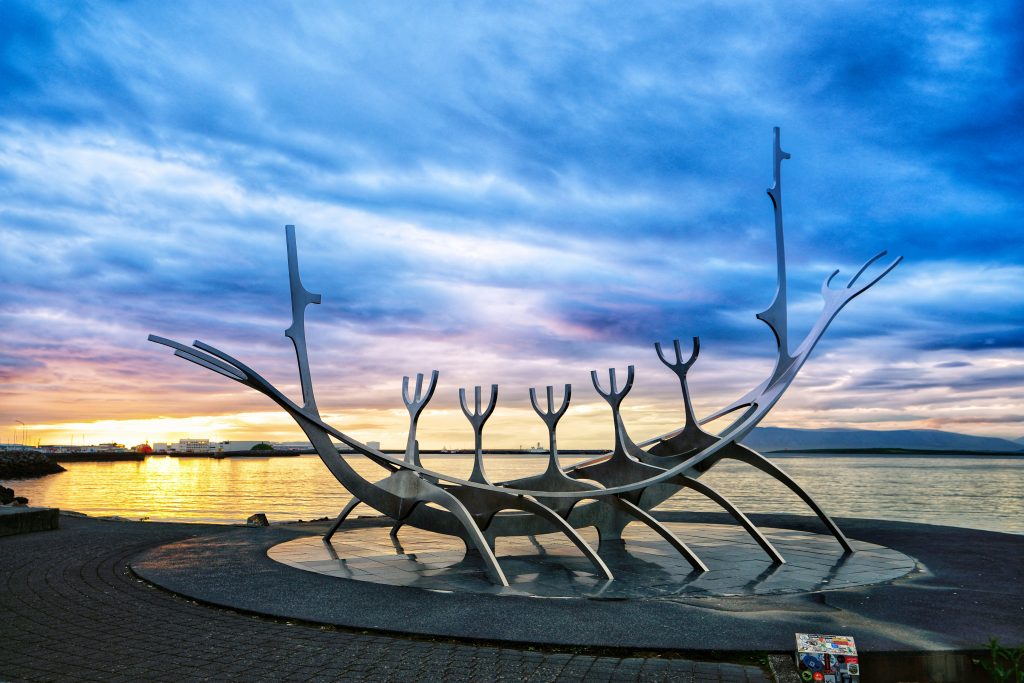
| Sun Voyager & the Old Harbour | Waterfront | Iconic steel sculpture at sunset; the harbour is the launch point for whale tours |
| Harpa Concert Hall | Waterfront | Glass honeycomb landmark — free to wander inside |
| Whale watching | From the Old Harbour | Minke and humpback whales; puffin trips run late May–Aug |
| A geothermal pool | All over the city | Local ritual — skip the pricey Blue Lagoon for a neighbourhood pool and hot-pot |
| Golden Circle day trip | ~1 h out | &Thorn;ingvellir, Geysir and Gullfoss — Iceland’s classic first-day loop |
| Northern lights (in season) | Sep–Apr | Chase dark skies just outside the city on clear nights |
| Reykjavík food walk | Downtown | Lamb, langoustine, skyr and the famous hot-dog stand |
✈️ TripToGo Travel Deals
Get notified about great travel deals
Hand-picked flight, hotel and destination deals, straight to your inbox. No spam, unsubscribe anytime.
🎉 Thank you for subscribing!
You’re all set — the best travel deals are on their way.
A Base for Day Trips, and the Pool Ritual: Key Facts
Reykjavík is a base, not a destination in itself — and that’s its strength. The compact, walkable centre covers in a day, then serves as the launchpad for the Golden Circle, the south coast, whale tours and (in winter) aurora hunts. Plan one city day and use the rest for day trips. Beyond the city, our guide on how to plan a trip to Iceland weighs trip length, route choice and whether to hire a car.
Do the pools like a local. Every neighbourhood has a geothermal swimming pool with hot-pots — cheaper, more authentic and far less crowded than the Blue Lagoon (which is nearer the airport than the city anyway). Shower rules are strict: wash thoroughly before entering.
Time it to the sky. Northern lights need darkness (September–April); the midnight sun and puffins belong to summer — full detail in our best time to visit Iceland guide, and budget with our Iceland travel cost guide (it’s an expensive city). Official resource: Visit Reykjavík.
Discovering Reykjavík: Iceland's Colorful Capital
Reykjavík, the heart of Iceland, is a city that blends history with modern charm. As you explore, you’ll find a mix of culture and contemporary vibes. This makes Reykjavík a top spot to visit.
Brief History of Reykjavík
Reykjavík’s story began around 874 AD with the Viking settlement. The name “Reykjavík” means “Smoky Bay” due to geothermal steam. Over time, it grew from a small village to a bustling trading center under Danish rule. Now, it’s Iceland’s lively capital, full of history and culture.
Best Time to Visit
Summer, from June to August, offers the midnight sun with up to 24 hours of daylight. The best time to visit Reykjavík depends on what you like. It’s great for outdoor fun and the city’s lively vibe.
If you want to see the Northern Lights, visit between September and April. Spring and autumn have mild weather and fewer crowds, perfect for a calm city tour.
Getting Around the City
Reykjavík is small and easy to walk around. For longer trips, the city has a good public transport system. You can also take taxis or ride-sharing services.
For more freedom, rent a car to see Reykjavík and its surroundings. Many spots are close by, making it simple to find the city’s hidden treasures.
Planning this trip?
Our partner Voyada’s travel planning AI builds a day-by-day plan with flights, hotels and a real total cost for your dates — in about a minute, free.
Plan a trip for me →Explore Reykjavík's Iconic Landmarks
Reykjavík is a city full of landmarks that show its rich history and creativity. These landmarks shape the city’s skyline and tell its cultural and architectural story.
Hallgrímskirkja Church
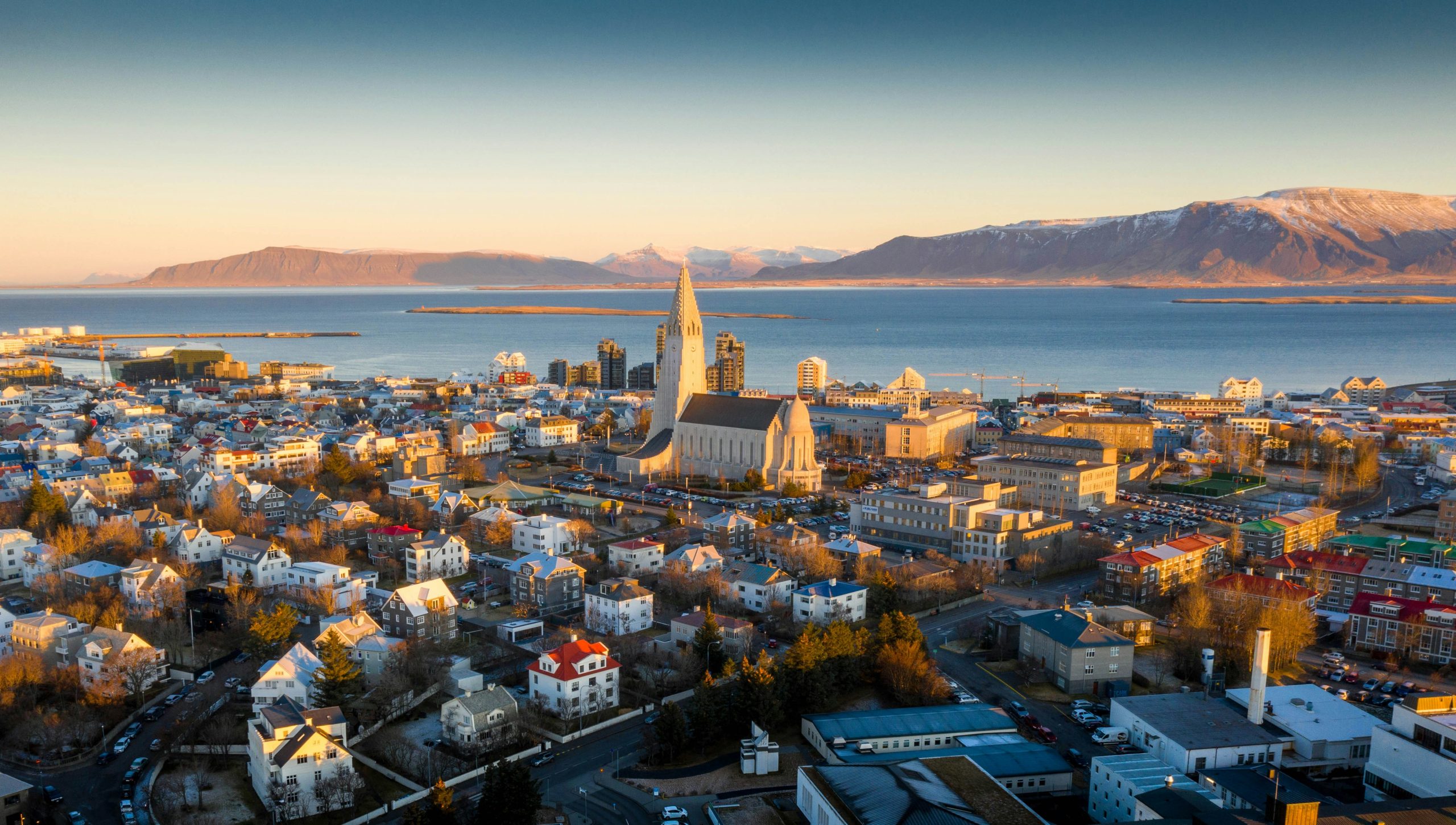
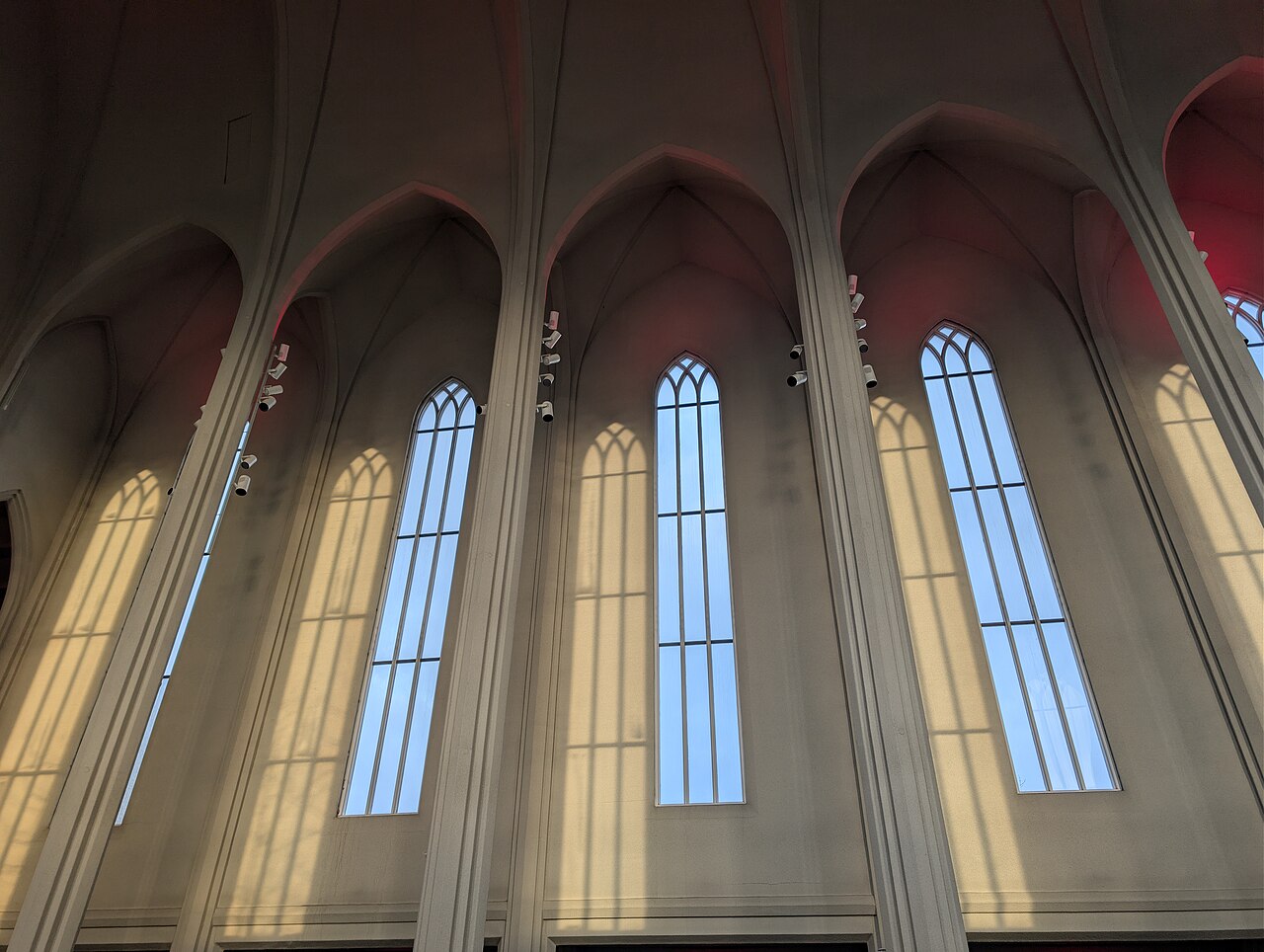
The Hallgrímskirkja Church is a standout landmark in Reykjavík. It’s a huge structure that stands out in the city’s skyline. Designed by Guðjón Samúelsson, it’s a modern architectural wonder.
Its design is inspired by Iceland’s natural beauty. Visitors can climb to the top for amazing views of the city.
Harpa Concert Hall
The Harpa Concert Hall is another iconic spot in Reykjavík. It’s known for its glass façade that changes colors with the light. This makes it a beautiful sight to see.
Harpa is more than a concert hall. It’s also a popular spot for tourists. Guided tours are available to learn about its design and history.
Sun Voyager Sculpture
The Sun Voyager sculpture is a famous piece of art by the waterfront. It’s often seen as a Viking ship, but its true meaning is open to interpretation. It symbolizes hope, freedom, and a connection to the sea.
Must-See Cultural Attractions in Reykjavík
Reykjavík’s cultural attractions offer a peek into Iceland’s rich history, art, and nature. They are essential for anyone visiting. These sites help you understand the city better and appreciate Icelandic culture more.
National Museum of Iceland
The National Museum of Iceland is a goldmine of Icelandic history. It covers the country’s past, from the Settlement Era to today. With artifacts, photos, and interactive displays, you can see how Icelandic society has changed.
In the heart of Reykjavík, the museum is easy to find. It gives a deep look into Iceland’s cultural roots.
Reykjavík Art Museum
The Reykjavík Art Museum is Iceland’s biggest art spot. It has a wide range of Icelandic art from the 19th century to now. Exhibitions feature both local and international artists.
With spots all over the city, the museum caters to all art lovers. You’ll find everything from modern installations to classic paintings.
Perlan Museum
Perlan Museum sits on a hill in Reykjavík. It’s a mix of natural history and Icelandic culture. Exhibitions cover Iceland’s natural wonders, like volcanoes and glaciers.
The museum’s glass dome offers stunning views of the city and its surroundings.
Settlement Exhibition
The Settlement Exhibition is an archaeological site. It shows Reykjavík’s Viking-age roots. You can see the remains of the first Viking settlement and learn about its people.
It’s a key spot for history fans and those curious about Reykjavík’s beginnings.
Experience Reykjavík's Vibrant Food Scene
Exploring Reykjavík’s food scene is like diving into Icelandic culture. The city’s food world is a blend of old flavors and new twists. It offers a special taste adventure for everyone.
Traditional Icelandic Cuisine
Icelandic food focuses on seafood, lamb, and dairy. It uses fresh, local ingredients, showing off the country’s natural wealth. You should try fermented shark and þorramatur, a meat selection, during winter.
Best Restaurants in Reykjavík
Reykjavík has many restaurants, from small family places to fancy spots. Dill is great for modern Icelandic dishes, and 101 is known for seafood. Café Loki offers dishes inspired by Icelandic stories.
Food Tours and Markets
Food tours and markets are the best way to see Reykjavík’s food scene. Reykjavík Food Tour takes you to top spots. Kolaportið Flea Market lets you try Icelandic snacks like dried fish and skyr.
Relax in Reykjavík's Thermal Pools and Spas
Unwind in the heart of Iceland’s capital, where geothermal wonders await. Reykjavík’s thermal pools and spas offer a relaxing soak in warm, mineral-rich waters. They are perfect for rejuvenating both body and mind.
Laugardalslaug Swimming Pool
Laugardalslaug is one of Iceland’s largest and most popular geothermal pools. It has hot pots, steam baths, and a sauna. Visitors can enjoy the warm waters and modern amenities.
Sky Lagoon
The Sky Lagoon offers a modern geothermal experience. It focuses on relaxation and luxury. Its unique design and stunning views make it a top spot for unwinding in style.
Local Hot Pots
Reykjavík has many local hot pots, each with its own unique experience. They are great for soaking away the day’s stresses. Surrounded by the city’s serene landscapes, they offer a peaceful escape.
Looking to relax, rejuvenate, or enjoy Reykjavík’s geothermal wonders? The city’s thermal pools and spas have something for everyone. With their rich history, cultural significance, and modern amenities, they are a key part of any Reykjavík sightseeing trip.
Shop at Reykjavík's Unique Stores and Markets
Reykjavík’s shopping scene is full of life, showing off the city’s diverse culture. You can find everything from traditional Icelandic souvenirs to the latest designs and vintage finds. Reykjavík has something for every shopper.
Laugavegur Shopping Street
Laugavegur is Reykjavík’s main shopping street. It’s filled with shops, boutiques, and souvenir stores. Here, you can find unique Icelandic gifts like handmade jewelry and local crafts.
The street is also lively, with many cafes and restaurants. It’s a great place to enjoy the atmosphere while shopping.
Kolaportið Flea Market
The Kolaportið Flea Market offers a relaxed shopping experience. It’s a bustling market with vintage clothing, antique items, and traditional Icelandic snacks. It’s perfect for finding unique souvenirs or experiencing local culture.
Icelandic Design Shops
Reykjavík is known for its innovative design scene. Shopping here lets you see this firsthand. Icelandic design shops sell stylish and functional products, from homeware to fashion.
These items make great souvenirs or gifts. They often show the country’s focus on sustainability and minimalism.
Exploring Reykjavík’s shopping scene is key to understanding the city’s culture and landmarks. By visiting Laugavegur, Kolaportið, and Icelandic Design Shops, you’ll see what makes Reykjavík special and unique.
Enjoy Reykjavík's Nightlife and Entertainment
Reykjavík’s after-dark culture is a must-see. The city buzzes with bars, live music, and tours for everyone. It’s a place where fun never stops.
Bar Scene and Craft Beer
Reykjavík is famous for its craft beer. Bars and breweries offer local and international beers. It’s a great place to find your new favorite beer.
Check out Reykjavík Brewing Company, Borgar Brewery, and Mikkeller & Friends. They serve amazing beers and show off Iceland’s brewing traditions.
Live Music Venues
Live music is a big part of Reykjavík’s nightlife. You can find everything from jazz clubs to big concert halls. There’s always live music to enjoy.
Harpa Concert Hall, Gaukurinn, and Reykjavík Jazz Club are top spots. They play all kinds of music, so you’re sure to find something you like.
Nighttime Tours
Reykjavík has unique nighttime tours. You can go on ghost tours, see the Northern Lights, or join a pub crawl. It’s a fun way to see the city.
These tours are memorable and give you a peek into Reykjavík’s history and culture. You can pick from many tour operators to find the perfect one for you.
Top Things to Do in Reykjavík for Nature Lovers
Reykjavík is a paradise for nature lovers. It offers everything from calm gardens to exciting whale watching tours. Its location on the Atlantic coast makes it perfect for exploring Iceland’s natural wonders.
Whale Watching Tours
Whale watching is a top choice for nature fans in Reykjavík. Tours start from the Old Harbor. Here, you can see minke and humpback whales and white-beaked dolphins in their home.
These tours are not just fun. They also help protect the whales and their habitats.
Reykjavík Botanical Gardens
The Reykjavík Botanical Gardens are a peaceful escape. With over 5,000 plant species, they offer a calm break from the city. It’s a perfect place for nature lovers and photographers.
Elliðaárdalur Valley
Elliðaárdalur Valley is a beautiful spot just outside the city. It’s great for hiking and exploring. The valley has trails for all, surrounded by stunning views and the Elliðaá river.
Bird Watching Opportunities
Reykjavík is also a bird watcher’s dream. The waters and coasts are full of birds like puffins, arctic terns, and guillemots. You can join guided tours or explore on your own.
Best Day Trips from Reykjavík
As soon as you arrive in Reykjavík, you’ll want to see more of Iceland. Luckily, Reykjavík is a great spot for day trips. These trips let you see the country’s amazing landscapes and culture.
The Golden Circle
The Golden Circle is a top day trip from Reykjavík. It takes you to Þingvellir National Park, Geysir, and Gullfoss. Þingvellir is a UNESCO site with a rich history and unique geology.
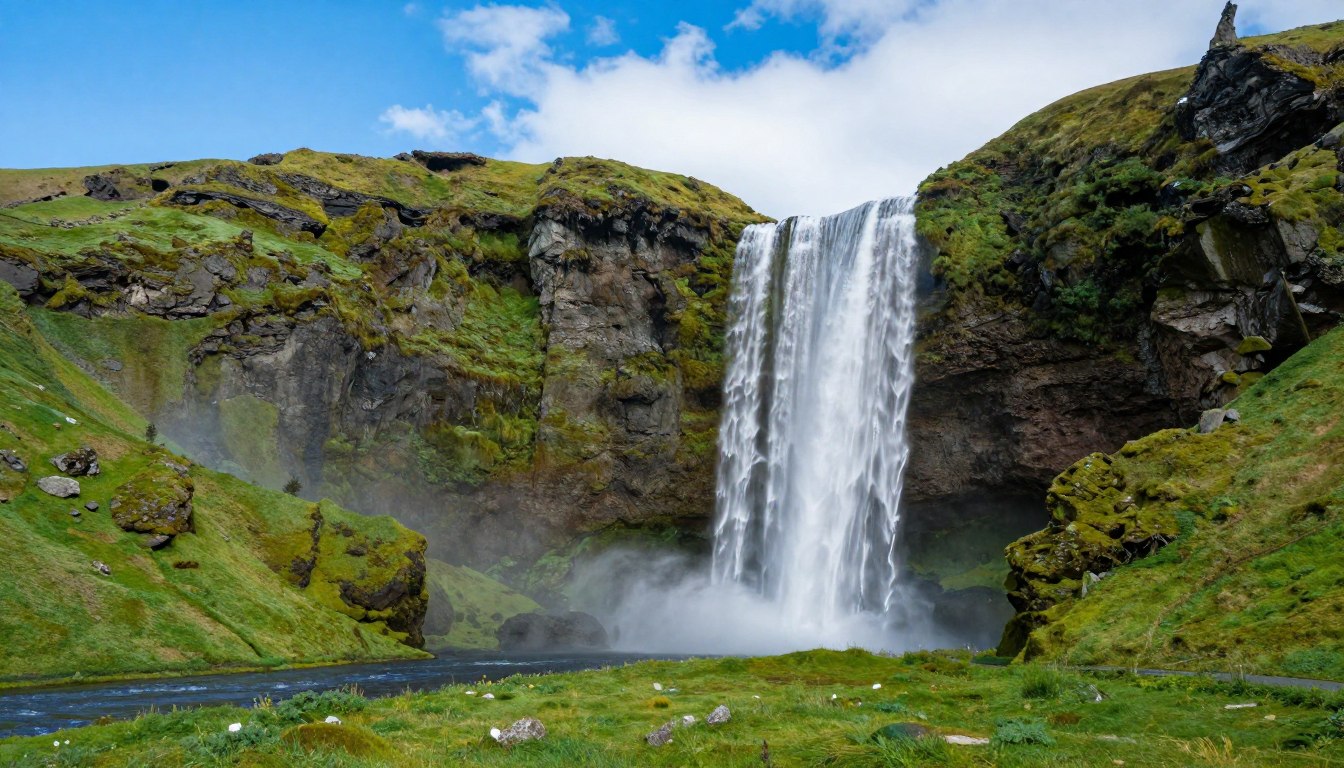
Geysir is where you can see Strokkur, a geyser that shoots up every few minutes. Gullfoss is a stunning waterfall that falls 32 meters into a canyon.
Blue Lagoon
A visit to the Blue Lagoon is a highlight, but check its status before you book — Reykjavík. It’s a geothermal spa in a lava field near Grindavík. The water is milky blue and full of silica and minerals.
There are saunas, steam rooms, and in-water massages here. It’s perfect for relaxing and rejuvenating.
South Coast Adventures
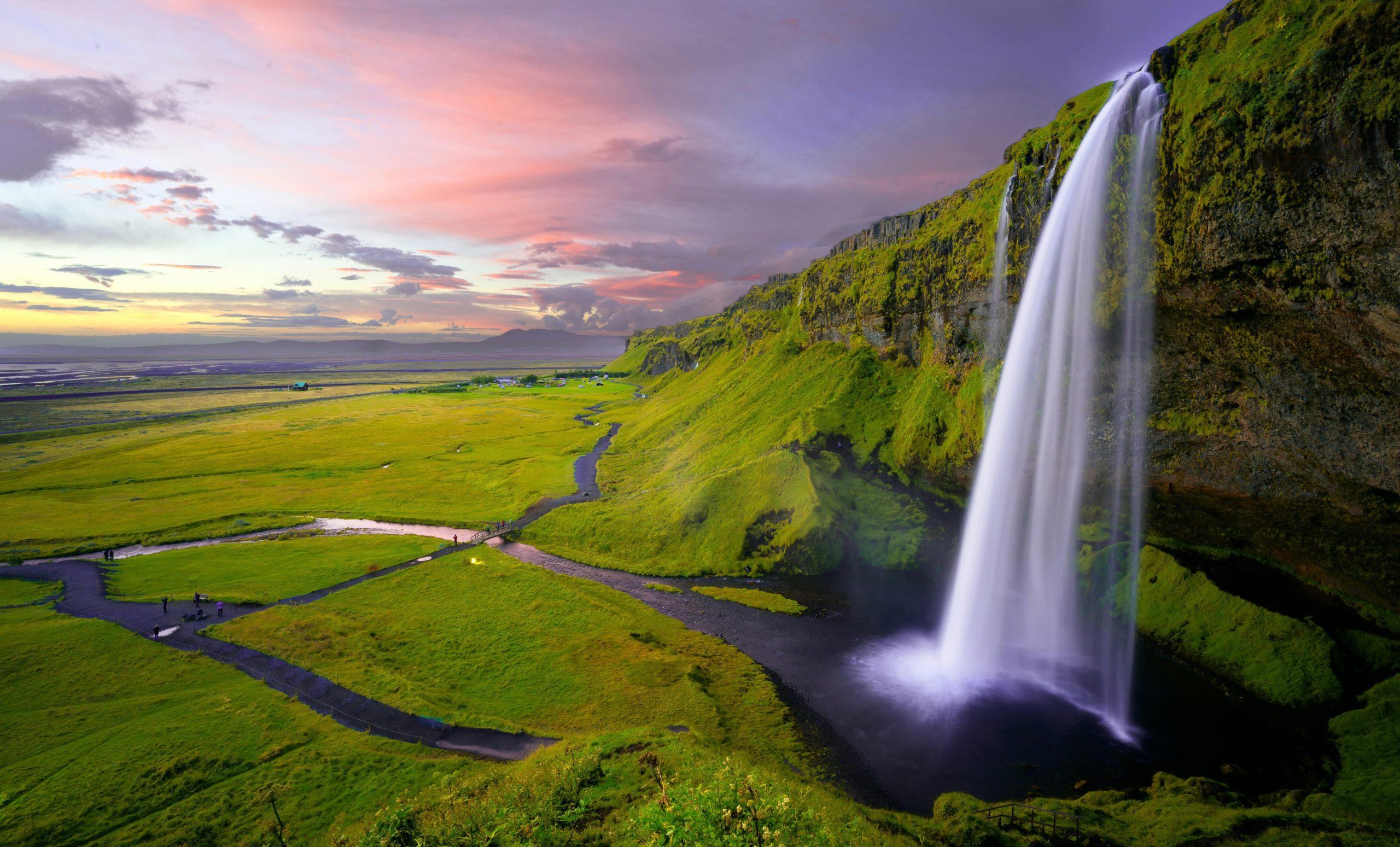
The South Coast is great for adventure seekers. This trip takes you through stunning landscapes. You’ll see black sand beaches, glaciers, and beautiful waterfalls, though at Reynisfjara, the black beach most South Coast trips stop at, sudden sneaker waves have killed visitors, so keep well back from the water and follow the warning light system.
You can explore glacial lagoons, go on a boat tour among icebergs, or just enjoy the views. It’s a day filled with natural wonders.
Reykjavík has day trips for history buffs, nature lovers, and those who just want to relax. With some planning, you can see the best of Iceland from the capital city.
Family-Friendly Things to Do in Reykjavík
Families visiting Reykjavík will find lots of fun things to do. The city is great for all ages, with attractions for every interest.
Reykjavík Family Park and Zoo
The Reykjavík Family Park and Zoo is a top spot for families. It has a zoo, playgrounds, and a petting zoo where kids can meet animals. There’s also a mini train and picnic areas, perfect for a family day.
Whales of Iceland Exhibition
The Whales of Iceland Exhibition is educational and fun. It shows life-size whale models and teaches about marine life in Iceland. It’s a great way for kids to learn about the ocean.
FlyOver Iceland
FlyOver Iceland gives a virtual tour of Iceland’s stunning views. It’s a thrilling adventure for all ages. It’s a great activity for families to enjoy together.
These activities in Reykjavík make it a great place for a family vacation. There’s something for everyone to enjoy.
Seasonal Things to Do in Reykjavík
Reykjavík changes with the seasons, bringing new adventures. You can enjoy outdoor fun, cultural spots, or the city’s unique vibe. There’s something for everyone, all year round.
Summer Activities and Midnight Sun
Summer in Reykjavík is magical, with the midnight sun lighting up the sky. It’s perfect for reykjavik sightseeing and outdoor fun. Hike Mount Esja, explore parks, or relax in geothermal pools.
The long days are great for seeing top things to see in reykjavik like the Harpa Concert Hall. Whale watching and puffin tours are also popular in the summer. Enjoy shopping on Laugavegur, visit the Botanical Gardens, or grab a coffee at an outdoor cafe.
Winter Adventures and Northern Lights
Winter turns Reykjavík into a winter wonderland. Seeing the Northern Lights is a big attraction. Take a guided tour or visit viewpoints for the best views.
Winter is also perfect for ice caving, glacier hiking, and snowmobiling. Stay indoors at museums and cultural spots. Relax in geothermal pools to warm up on cold days.
Festivals and Events Throughout the Year
Reykjavík has festivals and events all year. Summer’s Secret Lagoon swims and the Reykjavik Arts Festival are highlights. Winter brings the Reykjavík International Film Festival.
Spring and autumn have their own events, like the Reykjavík Arts Festival. These events add excitement to your visit. They let you dive into the city’s vibrant culture and community.
Budget-Friendly Things to Do in Reykjavík
Exploring Reykjavík on a budget is easier than you think. There are many free and low-cost activities to enjoy. The city’s culture, history, and natural beauty are open to everyone, no matter their budget.
Free Attractions and Activities
Reykjavík has many free attractions to explore. Start by walking through the city’s vibrant streets. You’ll see colorful buildings and quirky shops.
The city’s parks, like Laugardalur Park, are great for picnics or walks. They offer a peaceful escape from the city.
Many museums in Reykjavík offer free admission on certain days. For example, the National Museum of Iceland charges ISK 3,300 for adults, with free entry for under-18s. Look out for free walking tours too. They’re a great way to see the city’s hidden spots while learning about its history and culture.
Money-Saving Tips for Travelers
To save money in Reykjavík, know where to look. Consider staying in a hostel or renting an apartment through vacation rentals. It’s often cheaper than hotels.
For food, try the city’s food trucks or local bakeries. They offer tasty snacks at lower prices than expensive restaurants.
Reykjavík is easy to walk around, and many attractions are close by. If you need to go further, get a Reykjavík City Card. It gives discounts on public transport and free entry to many attractions.
Before you go: turn this guide into a day-by-day plan. Our partner Voyada is a free vacation planner that builds the trip with flights, hotels and a real total cost for your dates — in about a minute.
Build an itinerary →Reykjavik Insider Tips
Reykjavík is small, walkable and the perfect base for Iceland’s southwest — here’s how to make it count.
- See the compact core on foot: Hallgrímskirkja, Harpa, the old harbour and the Sun Voyager sculpture.
- Use it as a base for the Golden Circle, south coast and Blue Lagoon day trips.
- Seasonal add-ons: Northern Lights tours in winter and whale watching from the harbour.
- It’s expensive — hunt happy hours (the Appy Hour app), grab a famous hot dog, and drink the excellent tap water.
- Book the Blue Lagoon or Sky Lagoon ahead — take a refundable slot for the Blue Lagoon, which closes at short notice during Reykjanes eruptions — slots sell out.
Conclusion: Making the Most of Your Reykjavík Adventure
Reykjavík, Iceland’s capital, is a city full of culture, history, and natural beauty. It offers many experiences for all interests. You can see famous landmarks like Hallgrímskirkja Church and the Harpa Concert Hall.
The city also has a great food scene and thermal pools to relax in. There’s something for everyone here.
When planning your trip, think about all the things to do in Reykjavík. You can go whale watching, visit the National Museum of Iceland, or shop at Laugavegur. Reykjavík has adventure, cultural experiences, and a unique atmosphere for everyone.
Exploring Reykjavík lets you discover a city rich in history and natural wonders. So, explore the city’s neighborhoods, try new foods, and enjoy the activities available. Reykjavík is a mix of traditional Icelandic culture and modern vibrancy, promising an unforgettable adventure.
FAQ
What are the must-see attractions in Reykjavík?
What is the best time to visit Reykjavík?
How do I get around Reykjavík?
What are some popular activities for nature lovers in Reykjavík?
What are some family-friendly activities in Reykjavík?
What are some budget-friendly things to do in Reykjavík?
What are some popular day trips from Reykjavík?
What is the food scene like in Reykjavík?
What are some unique shopping experiences in Reykjavík?
What is the nightlife like in Reykjavík?

Olivia Carter
What is the easiest way to travel between Keflavik airport and the city?
The airport is about fifty kilometres south-west of the city, and the drive takes roughly three quarters of an hour. Scheduled airport coaches meet arriving flights and run to a central terminal, with onward minibus drop-offs at many accommodation addresses; this is what most visitors use and it costs far less than a taxi. Hiring a car at the airport makes sense if you intend to drive out of the city, though downtown parking is paid and limited. A slower public bus also runs. In winter allow extra time in both directions, as weather occasionally slows or closes the road.
Do I really have to shower naked before using a geothermal pool?
Yes, and it is taken seriously. Icelandic pools use very little chlorine, so the water stays clean because bathers wash properly first. You undress in the changing room, shower with soap and without a swimsuit, paying attention to the areas shown on the poster by the showers, then put your swimsuit on before heading out to the water. Staff will politely send you back if you skip it. Changing rooms are single-sex, locals think nothing of it, and some pools have a few private cubicles. Bring or hire a towel, and pack flip-flops if wet tiles bother you.
Can you see the northern lights from Reykjavik itself?
Sometimes. On a clear, dark night with decent activity the aurora is visible from the city, and a strong display will show over the rooftops, but street lighting washes out weaker ones. The usual fix is to head for the darker edges of town: the Grotta lighthouse out on the Seltjarnarnes peninsula is the classic spot, and the open ground around Perlan also works. The season runs roughly September to April, and the small hours are often best. Check the Icelandic Met Office aurora and cloud forecast before setting out, dress far warmer than feels necessary, and be prepared to wait.
Is it safe to drive out of Reykjavik in winter?
It can be, with preparation and a willingness to abandon the plan. Winter storms close roads at short notice, mountain and interior F-roads are shut for the season, and conditions can turn from clear to whiteout within an hour. Before every drive, check the road authority’s live conditions map and the official SafeTravel alerts run by the Icelandic search and rescue association, whose app also lets you leave a travel plan and receive warnings. Hire a vehicle on proper winter tyres, keep the tank topped up, never set off against a wind or storm warning, and treat a cancelled day as the right decision.
Do I need cash in Reykjavik, and is tipping expected?
You barely need cash at all. Cards are taken almost everywhere, including small cafes, buses and market stalls, and contactless is normal; bring a card whose PIN you know, because some unattended machines ask for it. Tell your bank you are travelling, and decline the offer to be charged in your home currency, which usually costs more than paying in kronur. Tipping is not part of the culture here: service is included and staff are paid properly, so nobody expects a percentage. Rounding up or leaving something small for exceptional service is appreciated but never required.