

Table of Contents
ToggleArgentina is a land full of vibrant culture and stunning landscapes. It invites travelers all year round. The country’s geography, from subtropical north to subpolar south, offers many experiences for different tastes and interests.
Looking to explore Buenos Aires’ lively streets, see the majestic Iguazú Falls, or hike in Patagonia? Argentina has it all. Knowing the country’s seasonal changes is key to enjoying your trip.
Key Takeaways
- Argentina’s diverse climate means that the best season to visit varies significantly across different regions.
- The country’s geography ranges from subtropical to subpolar, providing a wide range of experiences.
- Understanding the seasonal rhythms is essential for planning your trip.
- From bustling cities to natural wonders, Argentina has something for every traveler.
- Researching the best season for your desired activities is vital.
Understanding Argentina's Diverse Climate
Planning a trip to Argentina means knowing its complex climate. It changes from subtropical in the north to subpolar in the south. This makes Argentina a challenging but exciting place for travelers.
Argentina's Geographic Diversity
Argentina has a huge territory with different landscapes. You’ll find the Andes mountains, deserts, and coastal areas. This variety greatly affects the climate in each area.
In the north, the climate is subtropical. But in the south, it’s much colder, even in winter.
How Seasons Differ Across Regions
The seasons in Argentina change a lot from north to south. The north has a milder winter, while the south is colder, even harsh, in winter.
Knowing these differences is key to figuring out when to visit Argentina. It helps you plan your trip better.
In summer (December to February), the weather is warm everywhere. It’s great for beach lovers and city explorers. But, it’s also the busiest time for tourists.
The shoulder seasons (March to May and September to November) are better. The weather is nice, and there are fewer people. It’s perfect for a more relaxed trip during the argentina travel season.
To plan a successful trip to Argentina, you need to understand its climate. Whether you want to enjoy summer or see the Andes in winter, knowing when to visit Argentina is essential.
The Best Time to Travel to Argentina: Season Overview
Argentina’s climate varies greatly, affecting the best time to visit. Knowing the seasons is key for a memorable trip.
Peak Season (December-February)
The peak season brings warm weather, perfect for beach lovers and outdoor enthusiasts. It’s the busiest and priciest time, with spots like Mar del Plata packed.
Shoulder Seasons (March-May & September-November)
The shoulder seasons offer a calm vibe with nice weather. It’s great for city tours and outdoor fun without the crowds. Mendoza’s wine regions and cultural events are highlights during these times.
Off-Peak Season (June-August)
The off-peak season, winter in the Southern Hemisphere, is for those seeking deals and cooler weather. It’s ideal for skiing and unique winter experiences.
Argentina offers adventure, culture, or relaxation all year. Choose your season wisely for the best trip.
Summer in Argentina (December-February)
Argentina’s summer runs from December to February. It’s a time of cultural events, outdoor fun, and stunning views. The north gets very hot, while Patagonia stays mild.
Weather Expectations
In the north, places like Salta and Jujuy get very hot and humid. Temperatures often hit over 100°F (38°C). But in Patagonia, the weather is cooler, ideal for hiking and camping.
Buenos Aires has warm weather, with highs around 82°F (28°C). It’s perfect for city explorations and cultural events.
Popular Summer Destinations
Argentina’s summer spots are diverse. The Atlantic coast beaches, like Mar del Plata, are popular. Patagonia is great for outdoor adventures.
The north is hot but offers cultural experiences and Andes landscapes.
Pros and Cons of Summer Travel
Summer is peak tourist time in Argentina. There are many festivals and events. But, expect big crowds and higher prices.
The north’s heat can be tough. But Patagonia’s mild climate is a cool escape.
Summer Festivals and Events
Argentina’s summer is full of festivals. The Buenos Aires Summer Festival and Cosquín Rock music festival are highlights. Many regions also celebrate their culture.
Fall in Argentina (March-May)
Argentina’s fall, from March to May, brings comfortable weather and exciting cultural events. It’s a great time for those who like milder temperatures and fewer crowds. This season is perfect for exploring cities and nature.
Weather Patterns
Argentina’s fall sees temperatures cool down, more so in the south. In Buenos Aires, highs drop to about 73°F (23°C) by May. This makes the city great for walking and outdoor fun.
The wine regions, like Mendoza, have a dry and mild climate. It’s perfect for visiting vineyards.
In Patagonia, temperatures drop significantly. They range from 41°F to 59°F (5°C to 15°C). Travelers should pack layers for the southern parts.
Best Fall Destinations
Fall is a great time to see Argentina’s diverse regions. Buenos Aires is lovely, with its European architecture and lively culture. The city’s parks, like Palermo Woods, are beautiful in fall.
Mendoza is another top spot in fall. It’s perfect for wine tastings and tours, as the harvest is fresh.
Advantages of Traveling in Fall
Traveling to Argentina in fall means fewer crowds. This makes exploring easier and more enjoyable.
Fall also means lower prices for accommodations and services. It’s a good time for budget travelers or those looking to save.
Harvest Festivals and Cultural Events
Argentina’s fall is filled with cultural events and harvest festivals. The Fiesta de la Vendimia in Mendoza is a highlight. It celebrates the wine harvest with parades and tastings.
Buenos Aires has many cultural events in fall. There are music festivals, art shows, and theater. The city’s cultural calendar is full of activities celebrating Argentina’s heritage.
Winter in Argentina (June-August)
Argentina’s winter is full of adventure, from snowy Andes to mild north. It’s great for winter sports or cultural experiences. You’ll find something fun to do during these months.
Weather Across Regions
Argentina’s winter weather changes a lot by region. The south, like Patagonia, gets very cold, perfect for skiing. The north has milder winters, ideal for those avoiding harsh cold.
Ski Season in the Andes
The Argentine Andes are top for skiing in South America. Places like Cerro Catedral and Bariloche attract many. They offer great slopes and facilities for winter sports.
Benefits of Winter Travel
Winter in Argentina has its perks. Ski resorts are less busy, giving a peaceful skiing experience. It’s also a good time for cultural events and festivals, showing off Argentina’s heritage.
Winter Cultural Experiences
Winter in Argentina is more than skiing. It’s a chance to dive into culture. Buenos Aires hosts concerts, theater, and art. The cold is great for museums, food, and nightlife.
Spring in Argentina (September-Novovember)
Argentina becomes a paradise for travelers in spring. The weather is comfortable, and the natural beauty is breathtaking. It’s a great time to see the country’s diverse regions before the crowds arrive.
Climate Conditions
Spring in Argentina means mild temperatures, from 15°C to 25°C (59°F to 77°F). The weather is pleasant, with gentle breezes and lots of sunshine. But, you might see some rain, mainly in the north.
Recommended Destinations
Buenos Aires is a top spot in spring, with jacaranda trees blooming in November. The city turns purple. Patagonia is also great, with mild weather and fewer people. It’s perfect for hiking and outdoor fun.
Why Consider Spring Travel
Spring travel in Argentina has many perks. The weather is nice, and there are fewer people around. This makes for a more relaxed trip. Plus, spring festivals and events showcase Argentine culture.
Spring Festivals and Blooms
Spring is full of celebrations in Argentina. The Buenos Aires Spring Festival, for example, offers live music and cultural events. The blooming flowers, like jacaranda trees, make the landscapes beautiful. It’s a dream for photographers.
Regional Guide: When to Visit Buenos Aires
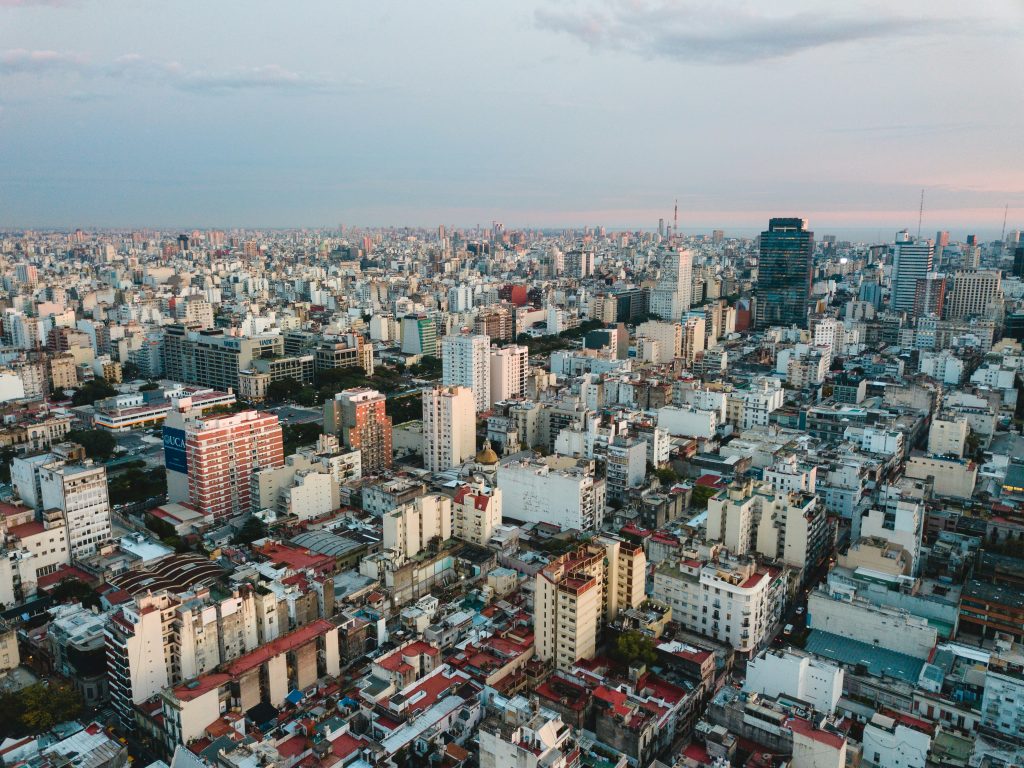
Buenos Aires, the vibrant capital of Argentina, is a year-round destination. It offers a unique blend of culture, history, and entertainment. The city’s diverse neighborhoods, rich cultural heritage, and dynamic events calendar make it attractive all year.
Seasonal Highlights in the Capital
Each season in Buenos Aires has its own charm. Summer (December to February) is hot and lively, with many outdoor events and festivals. Autumn (March to May) is mild and relaxed, perfect for exploring neighborhoods.
Winter (June to August) is cool but not cold, great for indoor activities like museums and theaters. Spring (September to November) is beautiful, with blooming jacaranda trees and renewed energy in the city.
Events and Festivals in Buenos Aires
Buenos Aires hosts many events and festivals all year. Summer is peak for outdoor festivals, like the famous Buenos Aires Carnival. In the fall, the city celebrates the Buenos Aires International Book Fair.
Winter brings the Buenos Aires Jazz Festival, attracting music lovers worldwide. Spring is the time for the Buenos Aires Fashion Week, showing the latest trends in Argentine fashion.
Neighborhood Exploration by Season
Exploring Buenos Aires’ neighborhoods is delightful, with each season bringing a new perspective. In summer, parks and outdoor spaces come alive. Autumn is ideal for strolling through Palermo and Recoleta, with mild weather and beautiful foliage.
Winter is great for cultural attractions, like museums and historical sites. Spring brings vibrancy to neighborhoods like La Boca and San Telmo, with street art and bustling markets.
Day Trips from Buenos Aires by Season
The area around Buenos Aires offers many day trip opportunities, varying by season. In summer, coastal towns like Colonia del Sacramento in Uruguay are popular escapes. Autumn is good for visiting the Pampas, with its rolling hills and rural landscapes.
Winter is ideal for visiting the Delta del Paraná, for boat tours and relaxation. Spring is perfect for exploring the countryside, with blooming wildflowers and greenery.
Best Times to Visit Patagonia
Patagonia is famous for its stunning mountains, glaciers, and rivers. It’s perfect for hiking, camping, and seeing wildlife. But, when is the best time to visit?
Patagonia is at the southern tip of South America. It’s known for its unique landscapes. The weather can change quickly, so planning your trip is key.
Optimal Seasons for Patagonian Adventures
The shoulder seasons, from September to November and March to May, are the best times to visit. The weather is mild, and there are fewer people around. It’s great for outdoor fun.
During these months, the weather is nice, between 40°F and 60°F. It’s perfect for exploring without harsh weather.
Weather Considerations for Patagonia
The weather in Patagonia can change fast. Be ready for rain, wind, or snow, even in warmer months.
Knowing the local weather is important. Spring winds can make hiking and camping challenging.
Hiking and Outdoor Activities Timing
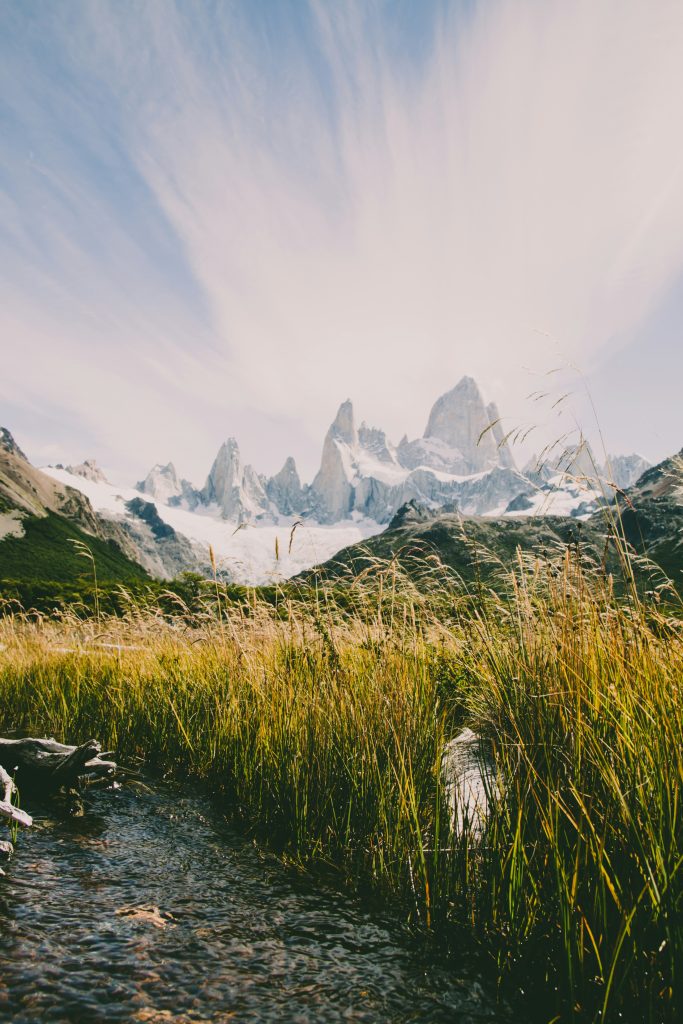
Hikers and outdoor lovers should visit during the shoulder seasons. It’s the best time for activities like hiking to Mount Fitz Roy or Torres del Paine.
These seasons offer good weather and fewer crowds. It makes for a safer and more enjoyable trip.
Wildlife Viewing Seasons
Patagonia has many animals, like guanacos and pumas. Spring (September to November) is the best time to see them.
The best times for wildlife spotting are early morning and late afternoon. That’s when animals are most active.
When to Experience Mendoza Wine Country
If you love wine, visiting Mendoza, Argentina, at the right time can make your trip better. Mendoza is known for its wine and offers a mix of wine, culture, and nature.
Wine Harvest Season
The wine harvest in Mendoza usually happens in March. This time is great for wine fans because of the grape harvest festivals. You can try grape stomping, wine tastings, and vineyard tours, making it a fun and unforgettable experience.
Year-Round Wine Tourism Options
Mendoza is a place you can visit all year for wine. You can taste wines, go on vineyard tours, and learn how wine is made. Wineries also offer special experiences like blending your own wine and enjoying meals with local wines.
Weather and Wine Tasting
Mendoza’s weather is nice all year, with warm summers and cool winters. Spring and autumn are the best times to visit vineyards because of the nice weather and beautiful views. Knowing the weather can help you plan your trip for the best wine tasting times.
Visiting Mendoza, whether during harvest season or another time, is always rewarding. You’ll find everything from lively harvest festivals to peaceful vineyards. Mendoza has something for everyone, no matter what you’re interested in.
Ideal Timing for Iguazu Falls
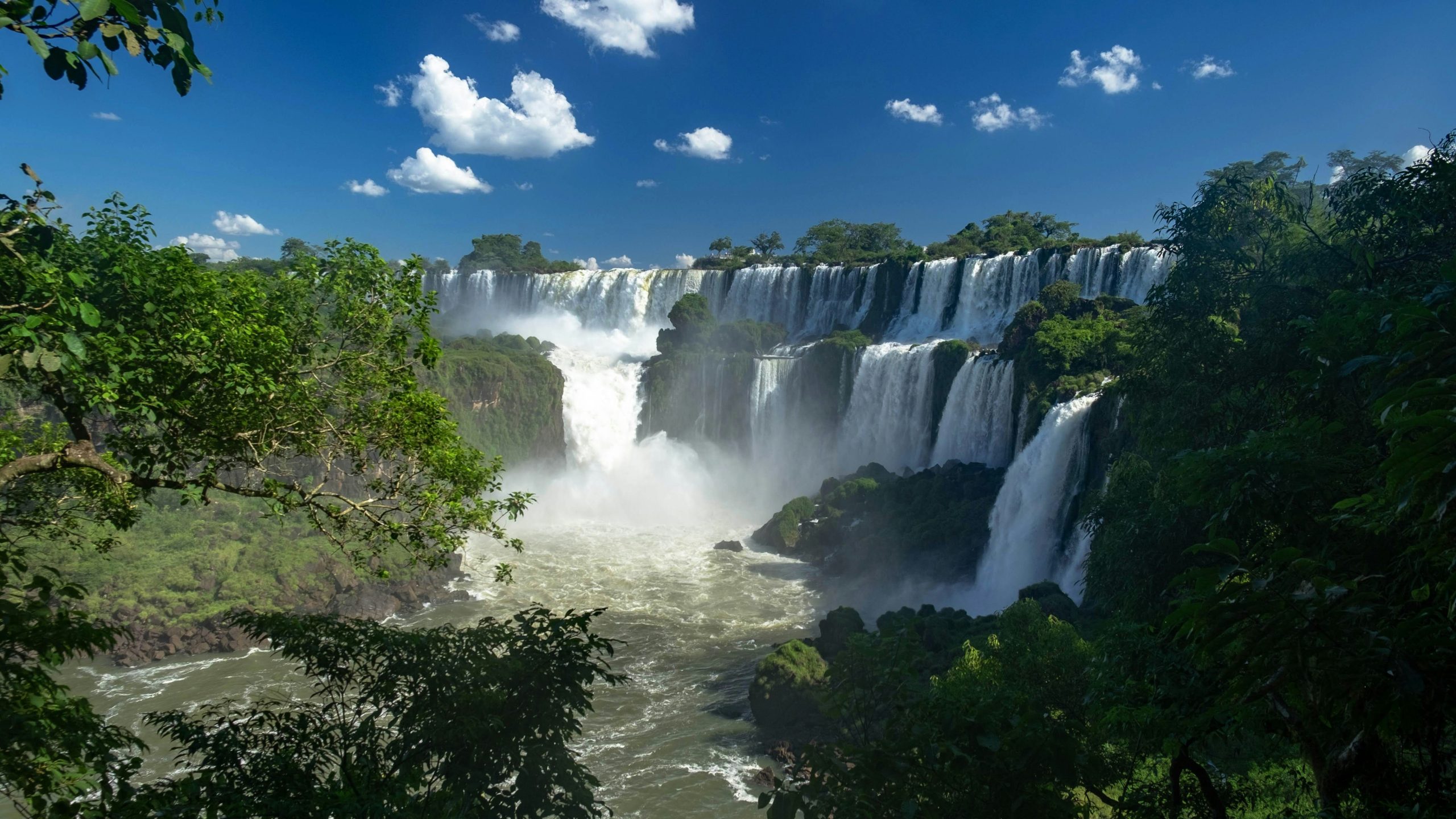
The best time to see Iguazu Falls depends on what you want. You can choose between a lush, vibrant scene or a calm experience. The water flow changes a lot with the seasons.
Water Flow Seasons
Summer (December to February) is the peak time for water flow. Heavy rains make the falls incredibly powerful. But, it’s also the busiest time with lots of visitors.
The shoulder seasons (March to May and September to November) are better. The water flow is good, and there are fewer people. It’s a more peaceful time to visit.
Avoiding Crowds at Iguazu
To avoid crowds, go during the shoulder seasons. The falls are less crowded, and the area is beautiful. Spring (March to May) has lush green landscapes, and fall (September to November) has mild weather and flowers.
Photography Considerations by Season
Photographers will find each season has its own charm. Summer’s powerful water flow creates stunning mist photos. Shoulder seasons offer softer light and fewer people for more intimate shots.
Knowing the seasons at Iguazu Falls helps plan your trip. Whether you want the energy of peak season or a calm shoulder season visit, Iguazu Falls is unforgettable.
Traveling to Northern Argentina: Best Times
The northern parts of Argentina, like Salta and Jujuy, are full of culture and beauty. They are perfect for those who love adventure. Here, you can see indigenous culture, colonial history, and amazing views, from the Andes to the desert.
Weather Patterns in Salta and Jujuy
Northern Argentina has a subtropical climate. It’s hot in summer and mild in winter. The best times to visit are spring (September to November) and fall (March to May). The weather is nice for hiking and seeing the area’s wonders.
Summer can be very hot, but winters are mild. This makes winter a good time to see the high places without cold.
Cultural Events in Northern Provinces
The cultural life in Northern Argentina is lively all year. The Fiesta de la Vendimia (Grape Harvest Festival) in Cafayate is a big event. It shows the region’s cultural spirit, even though it’s about wine.
The area also celebrates traditional music and dance. Festivals honor both indigenous and Spanish roots. Attending these events lets you dive into the local culture and feel the community’s spirit.
Desert Landscapes and Seasonal Considerations
The desert landscapes in Northern Argentina, like Salinas Grandes and Quebrada de Humahuaca, are stunning. They change a lot with the seasons. The dry season, in winter, is best for visiting because the weather is nicer and the areas are easier to get to.
But, spring is special too. It’s when the desert flowers bloom, making everything colorful and lively.
Argentina's Major Festivals and When to Experience Them
Argentina is known for its lively festivals. They offer a unique glimpse into the country’s culture and traditions. From vibrant cultural celebrations to thrilling sporting events, there’s always something happening in Argentina.
Annual Cultural Celebrations
Argentina’s cultural calendar is filled with exciting events. One of the most notable is the Carnaval, a colorful and energetic celebration before Lent. The Gualeguaychú Carnival in Entre Ríos Province is famous, attracting visitors from all over the world.
Another significant cultural event is the Feria de San Pedro Telmo in Buenos Aires. It happens every Sunday. This bustling fair offers antiques, vintage items, and street food, giving visitors a taste of the city’s vibrant culture.
Sporting Events Calendar
For sports enthusiasts, Argentina hosts several major events throughout the year. The Buenos Aires International Marathon is a highlight, attracting runners from around the globe. Argentina is also passionate about football (soccer), and attending a live match, like the Copa Libertadores, can be exhilarating.
Regional Festivals Worth Planning Around
Argentina’s diverse regions each have their unique festivals. In Mendoza, the wine harvest festival (Fiesta de la Vendimia) is a must-experience. It celebrates the grape harvest with wine tastings, concerts, and traditional food. In the northwest, the Feria de Tilcara showcases local handicrafts and music, giving a deep dive into the region’s cultural heritage.
Planning your trip around these festivals can greatly enhance your travel experience. It provides insights into Argentina’s culture and traditions. Be sure to check the dates and locations to make the most of your visit.
Budget Considerations: When Is Argentina Most Affordable
Traveling on a budget in Argentina means knowing when prices drop. The country’s tourism seasons greatly affect costs. The peak season is the priciest because more people travel.
Price Fluctuations by Season
The peak tourist season in Argentina is from December to February. This is when summer hits in the Southern Hemisphere. Prices for places to stay, flights, and tourist activities are highest during this time.
The shoulder seasons, from March to May and September to November, offer a better deal. The weather is mild, and prices are lower.
The off-peak season, from June to August, is Argentina’s winter. It’s cold, but it’s also the cheapest time to visit. You can find big discounts on places to stay and tourist services.
Value Seasons for American Travelers
The shoulder seasons are great for American travelers. Spring (September to November) and fall (March to May) have nice weather. You can enjoy places like Mendoza’s wine regions and Buenos Aires without breaking the bank.
Also, the currency exchange rates during these times are good for Americans. This makes your trip even more affordable.
Accommodation and Flight Price Trends
Accommodation prices in Argentina go up during peak season. Hotels and vacation rentals in popular spots cost more. But, in the shoulder and off-peak seasons, you can get better deals.
Flight prices also change with the seasons. Peak season prices go up because more people fly. Booking early and being flexible with your travel dates can help you save money.
Health and Safety: Seasonal Considerations
Planning a trip to Argentina? Knowing about seasonal health and safety is key for a great trip. Argentina’s climate and geography change a lot, leading to different health and safety issues. These depend on the time of year and where you go.
Weather-Related Health Concerns
Argentina’s climate changes a lot from north to south. Summer (December to February) brings heat and humidity, mainly in the northeast. Be ready for dehydration and heatstroke.
Winter (June to August) is cold, mainly in Patagonia and the Andes. Cold illnesses like hypothermia and frostbite are risks for outdoor activities like skiing or hiking.
Seasonal Safety Tips
Safety tips change with the seasons. Peak tourist season means crowded places, raising the chance of theft and pickpocketing. Keep an eye on your stuff, mainly in busy spots.
In winter, ski resorts need proper safety gear and following local rules to avoid accidents. Summer calls for sun protection like sunscreen, hats, and sunglasses to avoid sunburn and heat issues.
Travel Insurance Recommendations by Season
Travel insurance is vital all year. It should cover medical costs, trip cancellations, and evacuations. If you plan adventure sports, make sure your insurance covers them.
During peak season, think about insurance for trip delays or interruptions. Weather or other issues might affect your plans.
Packing Tips for Different Seasons in Argentina
To enjoy your trip to Argentina, pack right for the season and area you’ll visit. Argentina’s climate varies from subtropical in the north to subpolar in the south. This means you need to think carefully about what to bring.
Summer Essentials
Summer in Argentina (December to February) is hot, mainly in the center and north. Wear light, airy clothes, use sunscreen with high SPF, and carry a hat and sunglasses. For beach trips, remember your swimsuits and a light jacket.
Winter Necessities
Winter (June to August) in Argentina is cold, more so in Patagonia and the south. Bring warm, layered clothes, like a thick coat, gloves, and a hat. Thermal underwear is smart for chilly mornings and nights, even in cities.
Spring and Fall Versatile Items
Spring (September to November) and fall (March to May) in Argentina are mild and nice. These times are perfect for clothes that can be layered, like light sweaters, jeans, and comfy shoes. An umbrella or raincoat might be handy, as there can be rain.
Region-Specific Packing Advice
Argentina’s different areas have their own climates and weather. For the Andes, ski or hike, pack waterproof and warm clothes. For the north, it’s hot, so bring light, airy clothes. Knowing your destination’s needs helps you pack better.
Think about the season and places you’ll go to pack right for Argentina. This way, your trip will be fun and worry-free.
Conclusion: Planning Your Perfect Argentine Adventure
Argentina has a lot to offer, from lively cities to beautiful nature. To have a great trip, think about when is the best time to visit. This depends on what you like to do and see.
Looking for culture, outdoor fun, or tasty food? Knowing Argentina’s weather, festivals, and different areas is important. Picking the right time to go will help you have unforgettable experiences.
Travel tips for Argentina can guide you through its varied landscapes. Whether it’s the busy season or the quiet months, each time has its own charm. You can explore Argentina’s history and stunning views at your best.
FAQ
What is the best time to visit Argentina?
When is the peak tourist season in Argentina?
What are the shoulder seasons in Argentina?
Is Argentina a year-round destination?
What is the weather like in Patagonia?
When is the best time to visit Iguazu Falls?
What are the benefits of visiting Argentina during the off-peak season?
How does the climate vary across different regions of Argentina?
What are the must-experience festivals in Argentina?
How can I plan a budget-friendly trip to Argentina?
What health and safety considerations should I be aware of when traveling to Argentina?
What are the packing essentials for different seasons in Argentina?
