

Table of Contents
ToggleCanada’s vast landscapes and diverse climate zones make it a year-round destination. But, with over 37 million tourists visiting each year, timing your trip perfectly is key.
According to Canadian Train Vacations, the best time to explore Canada is between September and November. This guide will help you navigate the seasons. It ensures you plan your trip to make the most of your travel experience.
Canada’s vibrant cities and rich cultural heritage offer something for every traveler. Whether you’re into outdoor adventures or cultural experiences, knowing the best season to visit is essential. It makes your trip unforgettable.
Key Takeaways
- Canada is a vast country with diverse climate zones.
- The best season to visit Canada varies based on your preferences and activities.
- September to November is considered an ideal time to explore Canada.
- Understanding the seasonal variations is key for planning your trip.
- Canada offers a wide range of experiences, from outdoor adventures to cultural events.
Understanding Canada's Diverse Climate
Travelers need to understand Canada’s diverse climate to enjoy their trip. The country’s geography greatly influences its climate. Different regions have their own weather conditions.
Geographic Diversity and Its Impact on Weather
Canada’s landscapes vary from mountains to prairies and coastlines to tundra. This creates different climate zones. Weather conditions change a lot from one region to another.
This change means the best time to visit varies across Canada. Some places are better for certain activities at specific times.
The Six Climate Zones of Canada
Canada is split into six climate zones: Pacific Maritime, Cordilleran, Prairies, Boreal, Taiga, and Atlantic Maritime. Each zone has its own weather and temperature.
Knowing these zones helps travelers plan their visit. Whether it’s mountains, forests, or cities, they can prepare better.
Temperature Variations Across the Country
Temperature changes a lot in Canada, with colder winters in the north and warmer in the south. Summer brings high temperatures in the prairies but mild weather by the coast.
These temperature changes affect when tourists visit. Some like the summer heat, while others enjoy winter sports.
Seasonal Overview: What to Expect Year-Round
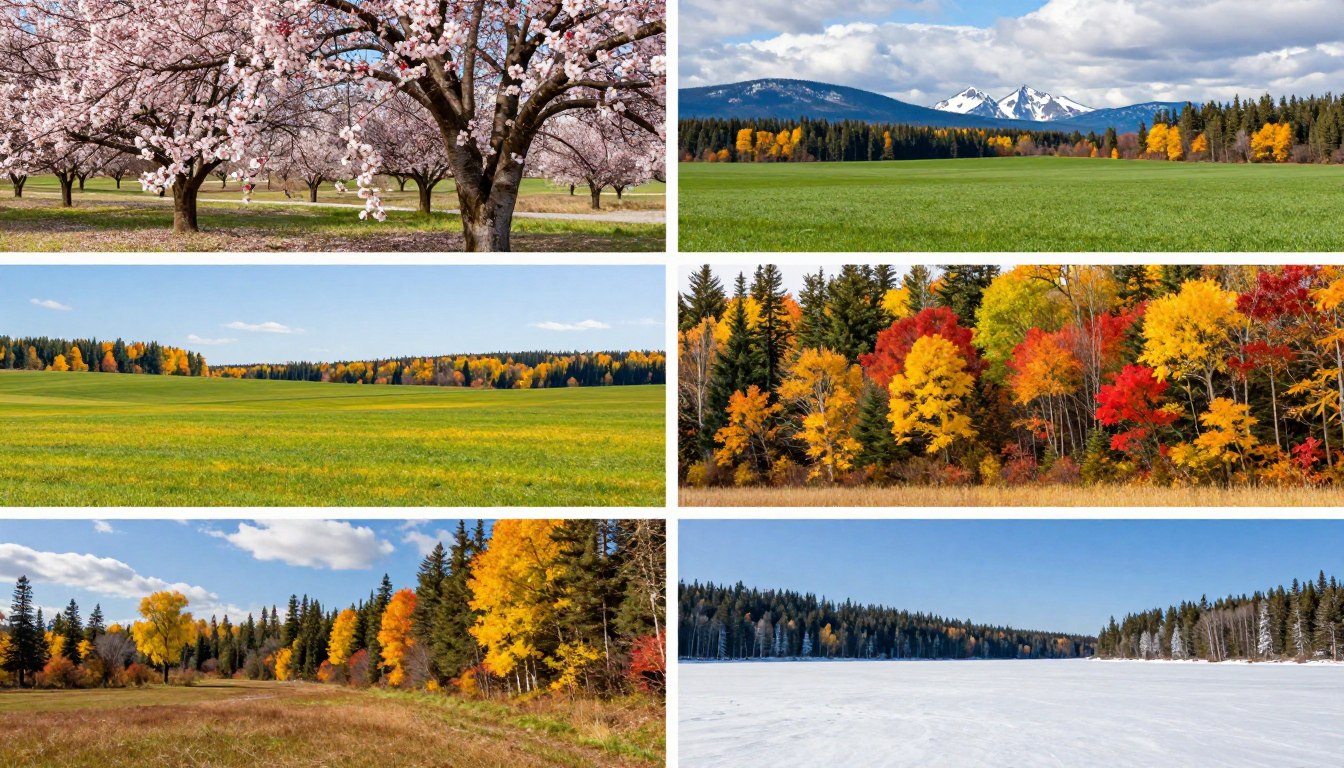
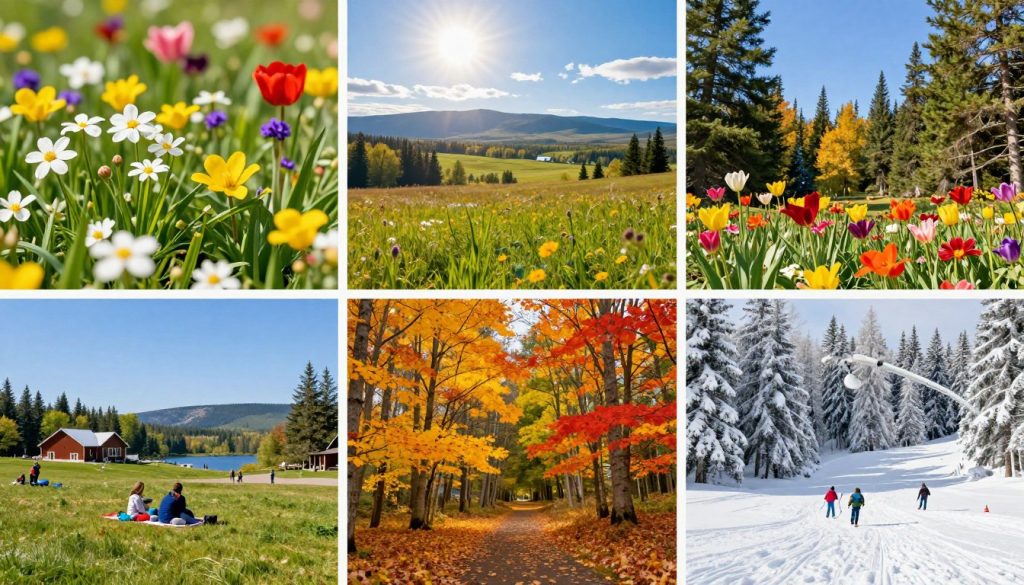
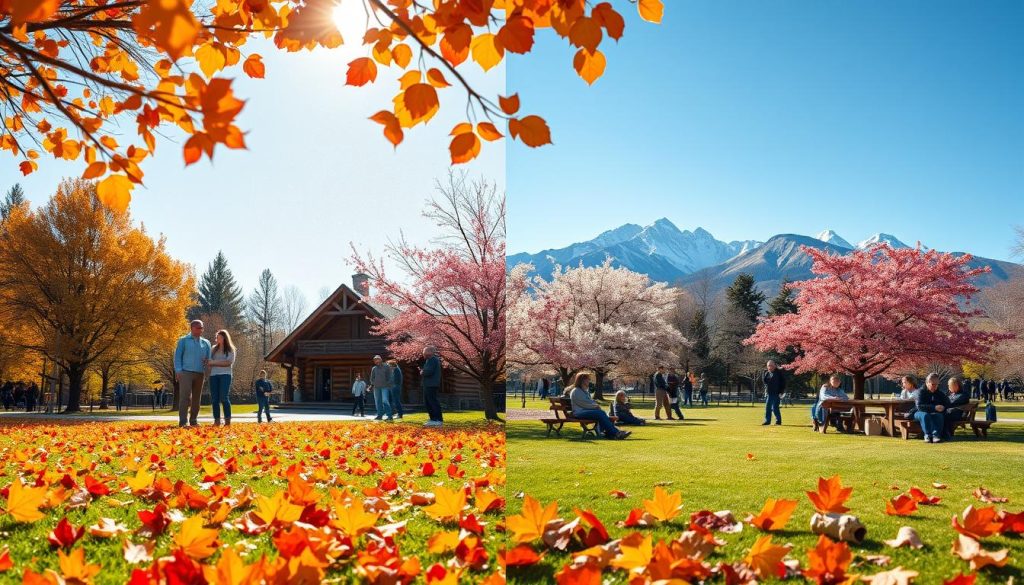
Canada’s climate varies greatly, making each season unique for travelers. You can find outdoor fun, cultural events, or a relaxing getaway. Knowing about seasonal changes helps plan your trip.
Canada’s vast geography and climate zones offer many experiences all year. From snowy mountains to lively city festivals, every season has its own charm.
Winter in Canada (December-February)
Winter in Canada is magical, with landscapes covered in snow. You can enjoy skiing, snowboarding, and ice skating. The Northern Lights are also visible, perfect for aurora viewing.
Spring in Canada (March-May)
Spring brings new life to Canada, with flowers and greenery blooming. It’s great for wildlife viewing, as many animals are active. Spring is also a good time to visit popular spots before they get crowded.
Summer in Canada (June-August)
Summer is Canada’s busiest season, with warm weather and long days. It’s perfect for hiking, camping, and water sports. Summer also hosts many festivals and cultural events, making it lively and exciting.
Fall in Canada (September-November)
Fall in Canada is stunning, with changing foliage creating beautiful landscapes. It’s ideal for hiking and enjoying the outdoors before winter. Many regions also celebrate harvest festivals and events during this time.
Best Time to Visit Canada for Ideal Weather
Planning your trip to Canada means knowing the weather. Canada’s huge size means different weather in each area and season.
Summer Sweet Spot: June to August
Summer is the best time to see Canada. The weather is warm and sunny. July and August are the busiest months, with temperatures from 77°F to 86°F (25°C to 30°C) everywhere.
Shoulder Seasons: May and September
May and September are great if you like cooler weather and fewer people. These months have nice temperatures and fewer tourists. They’re perfect for outdoor adventures.
Winter Wonderland: December to March
Winter sports fans should visit from December to March. This time is great for skiing and snowboarding, in places like the Canadian Rockies and Quebec.
Avoiding Extreme Weather Conditions
Canada’s weather can change quickly. Knowing this helps you plan and avoid bad weather. This makes your trip safer and more fun.
Regional Breakdown: When to Visit Each Province
Canada’s diverse regions offer a wide range of experiences. It’s important to plan your visit based on the best time for each province. Whether you’re looking for outdoor adventures, cultural experiences, or natural beauty, knowing the peak tourist seasons is key.
British Columbia and the West Coast
British Columbia is a year-round destination. The best time to visit depends on your preferences. For beachgoers and those who enjoy mild weather, September is ideal as summer crowds fade and temperatures stay pleasant.
For outdoor enthusiasts, summer (June to August) is perfect for hiking, camping, and water sports.
The Prairie Provinces (Alberta, Saskatchewan, Manitoba)
The Prairie Provinces face extreme weather, making summer (June to August) the peak tourist season. During these months, the weather is warm, and days are long. It’s ideal for exploring vast landscapes, attending festivals, and enjoying outdoor activities.
Ontario and Quebec
Ontario and Quebec offer a mix of urban and rural experiences. The peak tourist season is summer and fall. Summer (June to August) is perfect for city visits, lake activities, and countryside exploration.
Fall (September to October) is ideal for witnessing fall foliage, visiting wineries, and enjoying harvest festivals.
Atlantic Canada (New Brunswick, Nova Scotia, PEI, Newfoundland)
Atlantic Canada is known for its rugged coastline, scenic drives, and maritime culture. The best time to visit is summer and early fall (July to September). The weather is mild, and days are long.
This period is ideal for outdoor activities like hiking, kayaking, and whale watching. It’s also great for exploring local culture and history.
By understanding the best times to visit each province, you can tailor your Canada travel itinerary. This way, your trip will be truly unforgettable.
Peak Tourist Season in Canada
Canada’s peak tourist season is from June to August. It’s a time of high energy and endless fun. Popular spots across the country are alive with activity, giving visitors many things to do.
Summer Tourism Surge (July-August)
The summer, mainly July and August, is Canada’s busiest time for tourists. Many people visit the country’s famous national parks, beaches, and festivals.
Places like Banff National Park in Alberta, Niagara Falls in Ontario, and Quebec are top choices. Visitors can enjoy hiking, camping, and water sports. Or they can just take in the stunning views.
Winter Tourism Hotspots
Canada’s winter also attracts many visitors, to places like Whistler in British Columbia and Lake Louise in Alberta. These spots are perfect for skiing, snowboarding, and other winter sports.
The winter season, from December to March, is great for experiencing Canada’s holiday spirit. Many towns and cities have holiday markets and events.
How to Navigate the Crowds
Dealing with crowds in peak season can be tough. But, there are ways to enjoy your trip. Start by planning ahead, booking places to stay and attractions early.
Visit popular spots early in the morning or late in the evening to miss the crowds. Also, try visiting less known places for a more relaxed experience. This way, you can enjoy Canada’s beauty and culture without the rush.
Booking Accommodations During Peak Seasons
Booking a place to stay during peak seasons needs planning. It’s smart to book early, as spots fill up fast.
Look for deals that include accommodations, activities, and travel. Being flexible with your travel dates can also save money. Visiting during the shoulder season (May or September) might offer better prices.
Budget-Friendly Times to Visit Canada
Traveling to Canada can be affordable if you pick the right time. Knowing when to go can lower costs on flights, hotels, and fun activities. This makes your trip to Canada both fun and budget-friendly.
Off-Season Travel Benefits
Visiting Canada from November to April can save you money. Fewer tourists mean lower prices for places to stay and things to do. Plus, many spots offer special deals to draw in visitors during this time.
Shoulder Season Sweet Spots
May and September are great times to visit Canada on a budget. The weather is nice, and there are fewer people than in summer. This makes the shoulder season a good choice for those wanting to save money.
Flight and Accommodation Price Trends
Prices for flights and hotels in Canada change with the seasons. They’re usually higher in peak times (June to August and December to March) and lower off-season. Booking early and being flexible with your dates can help you find better deals.
Saving on Activities and Attractions
To save more, think about getting a city pass or finding free things to do. Many museums and historical sites offer free or discounted entry on certain days. Planning your trip around these deals can really help cut costs.
By planning your trip to Canada during the off-season or shoulder season, you can have a budget-friendly adventure. You won’t miss out on Canada’s amazing cities, natural beauty, or outdoor fun. Canada offers great experiences at prices that fit any budget.
Canadian Holidays and Festivals Worth Planning Around
Canada’s events calendar is full of winter carnivals and summer music festivals. These festivals offer a unique cultural experience. Knowing when and where they happen can make your trip better.
Winter Celebrations and Carnivals
Canada’s winter festivals are unforgettable. The Winterlude festival in Ottawa features ice sculptures and snow slides. Quebec City’s Winter Festival is famous for its ice hotel and snow-covered views.
Summer Music and Cultural Festivals
Summer in Canada brings many music festivals. Osheaga in Montreal and WayHome in Oro-Medonte are popular. These festivals offer a mix of local and international music for all fans.
Fall Harvest and Food Events
Canada’s fall festivals celebrate the harvest. The Niagara Region Fall Wine Festival and the Vancouver International Food Festival are highlights. They are great for foodies to try local produce and wines.
National Holidays and Their Impact on Travel
Canada’s national holidays, like Canada Day on July 1st, can affect travel plans. These holidays mean more people and higher prices. But they also let you see the country’s spirit and cultural celebrations.
Planning your trip around Canadian holidays and festivals adds cultural depth. Whether you love winter sports, music, food, or cultural events, there’s something for everyone.
Best Times for Outdoor Activities in Canada
Canada’s vast wilderness is perfect for outdoor lovers. Knowing the best times for activities can make your trip better. You’ll enjoy the country’s diverse landscapes and climates more.
Hiking and Camping Season (May-September)
May to September is the best time for hiking and camping. The weather is mild, and trails are clear. It’s great for exploring Canada’s national parks and wilderness.
Banff National Park in Alberta and Gros Morne National Park in Newfoundland are must-sees. Summer is busy, but May and September are less crowded.
Winter Sports Timeline (December-March)
Canada is perfect for winter sports from December to March. The Canadian Rockies have top ski resorts like Whistler Blackcomb and Lake Louise Ski Resort.
Winter offers consistent snow and well-groomed trails. It’s great for snowshoeing and ice climbing. Resorts also have festive events during the holidays.
Wildlife Viewing Opportunities
Canada has many wildlife species. The best time to see them varies by species and region. Spring and fall are usually the best times.
For example, whale migrations in British Columbia and Atlantic provinces are amazing. Algonquin National Park in Ontario is great for spotting moose, beavers, and black bears.
Water Activities and Beach Season (June-August)
Summer is the best time for water activities. Warm weather is perfect for swimming, kayaking, and paddleboarding. Wasaga Beach in Ontario and English Bay in British Columbia are popular.
The water warms up by late June. Long days mean more time for outdoor fun. Lakes and rivers are also great for fishing in summer.
When to See Canada's Natural Wonders
Canada’s natural wonders attract many travelers. Knowing when to visit can make your trip better. You might want to see the Northern Lights, enjoy fall foliage, or go whale watching. Knowing the best times for these experiences will improve your trip.
Northern Lights Viewing Season (September-April)
The Northern Lights, or Aurora Borealis, are a stunning sight in Canada’s sky. The best time to see them is from September to April. This is when the nights are dark enough to see the lights well.
Experts say the peak viewing season is around the equinoxes in March and September.
Fall Foliage Timeline (September-October)
Canada’s fall foliage is famous for its bright colors. The best time to see this is from late September to early October. This is when the foliage is at its peak.
The exact timing can vary by region and year. It depends on the weather.
Whale Watching Seasons (May-October)
Canada’s coast is great for whale watching. You can see different species from May to October. The waters are calm, and the whales are active.
Popular spots include British Columbia’s coast and the Bay of Fundy in New Brunswick.
Best Time for National Park Visits
Canada’s national parks are full of natural wonders. The best time to visit depends on what you want to do. For hiking and camping, summer (June to August) is best.
Winter sports fans will enjoy the parks from December to March. Spring (April to May) and fall (September to October) are great for wildlife and scenic drives.
Urban Exploration: Visiting Canadian Cities
Canada’s cities are full of cultural experiences, historical sites, and modern attractions. Each city has its own charm and Canadian hospitality. From coast to coast, there’s something for everyone.
Toronto and Montreal: Seasonal Highlights
Toronto and Montreal are Canada’s most lively cities. Toronto is great in summer with warm weather and outdoor events. Montreal shines in winter with festivals like the Fête des Lumières.
In spring, both cities buzz with festivals. Toronto’s Cherry Blossom Festival and Montreal’s Francofolies music festival are highlights. Autumn brings TIFF in Toronto and Just for Laughs in Montreal.
Vancouver and Victoria: Year-Round Appeal
Vancouver and Victoria are perfect all year. Vancouver offers outdoor fun like hiking and skiing. Victoria is known for its gardens and historic buildings.
Spring or fall is the best time to visit Vancouver. The weather is mild and there are many outdoor events. Summer is also great with warm weather and long days.
Calgary and Edmonton: Festival Seasons
Calgary and Edmonton are known for their festivals. Calgary’s Calgary Stampede in July is famous worldwide. Edmonton’s Edmonton Folk Music Festival happens in August.
July and August are the best months to visit. The weather is warm and festivals are in full swing. Both cities also offer winter sports like skiing and ice skating.
Quebec City and Ottawa: Historical Sites and Events
Quebec City and Ottawa are rich in history and culture. Quebec City has historic architecture like the Chateau Frontenac. Ottawa is home to national museums and landmarks like the Parliament Buildings.
Both cities have cultural events and historical reenactments all year. Quebec City’s Fête de la Nouvelle-France in August is popular. Ottawa celebrates Canada Day on July 1st.
Traveling to Canada with Children: Seasonal Considerations
Planning a trip to Canada with kids? The best time to go depends on what you like to do. Canada is great for families, with lots of fun activities for kids all year round.
Family-Friendly Seasons and Activities
Canada’s weather changes with the seasons, giving you different experiences each time. Summer is a favorite for families because it’s warm. It’s perfect for outdoor fun like hiking, camping, and beach trips.
In winter, Canada turns into a magical place for snow sports. You can ski, snowboard, and ice skate. Many resorts have special areas for kids, with lessons and fun activities.
School Holiday Alignment for American Families
Traveling from the U.S.? Make sure to check school holidays to plan your trip. Canada’s summer matches the U.S. break, making it busy for family vacations.
Winter and spring breaks are also good times to visit, depending on what you want to do.
Indoor Attractions for Inclement Weather
Canada has lots of indoor spots for rainy or cold days. Cities like Toronto, Vancouver, and Montreal have amazing museums, aquariums, and play centers for kids.
These places are a great way to explore Canada’s culture and fun while staying dry or warm.
Outdoor Family Adventures by Season
Every season in Canada offers something special for outdoor fun. Spring brings festivals and beautiful flowers. Summer is great for water sports and hiking.
Autumn is perfect for scenic drives and hiking, with its stunning leaves. Winter is ideal for snow sports, with many parks having family-friendly activities.
Weather Challenges and How to Prepare
Canada’s climate can be tough for travelers. But, with the right prep, you can handle its weather extremes. Knowing and getting ready for different weather will make your trip fun and worry-free.
Winter Travel Preparations and Safety
Winter in Canada is tough, mainly in the north. It’s key to wear warm clothes, like a thick coat, gloves, hats, and scarves. Make sure your car is ready for winter if you’re driving.
Some important winter safety tips are to have an emergency kit in your car. Also, check the weather often and know about hypothermia and frostbite risks.
Summer Heat and Humidity in Urban Areas
Canada’s cities get really hot and humid in summer. Drinking lots of water, wearing light clothes, and resting in cool spots can help.
Always look at the weather forecast before going out. And plan your outings for cooler times. Many cities have cool places during really hot days.
Rainfall and Storm Seasons by Region
Canada’s rain and storms change a lot by area. Knowing these patterns helps plan your trips and be ready for weather issues.
The west coast gets most rain in fall and winter. The prairies see more thunderstorms in summer. Always check local weather for the latest info.
Packing Tips for Each Season
Packing right for the season is vital for a comfy trip to Canada. In winter, wear layers. In summer, choose light, airy clothes.
For spring and fall, pack clothes for changing weather. Always bring a waterproof jacket and comfy shoes, no matter the season.
Month-by-Month Guide to Canada
Planning a trip to Canada? Knowing the climate month by month is essential. Canada’s climate changes a lot throughout the year. Whether you want winter sports, spring hikes, summer festivals, or fall colors, each month offers something special.
January to March: Winter Wonderland
Winter sports lovers will adore the first quarter of the year. January is perfect for skiing and snowboarding. World-class resorts like Whistler in British Columbia have great conditions.
February is the peak time for winter carnivals. Quebec City’s Winter Festival is one of the biggest and most famous. By March, the snow is great for dog sledding and ice climbing.
April to June: Spring Awakening
Spring brings blooming flowers and greenery to Canada. April is great for visiting cities like Vancouver and Toronto. The weather warms up, and outdoor festivals start.
May has mild temperatures, perfect for hiking in national parks like Banff and Jasper. June offers long days and nearly 24 hours of daylight in the far north. It’s ideal for outdoor adventures.
July to September: Summer Glory
Summer is the peak tourist season in Canada. Warm weather and outdoor activities abound. July is perfect for beach lovers, with beautiful sandy shores in places like Prince Edward Island and Lake Ontario.
August is great for music festivals, like the Osheaga festival in Montreal. September has warm weather and fewer crowds, making it ideal for hiking and exploring.
October to December: Fall Colors to Holiday Season
Autumn brings stunning fall foliage, peaking in October. Maple trees turn vibrant shades of red and orange.
November is quieter but offers pleasant weather for city breaks and cultural events. December is festive, with Christmas markets and lights making cities magical. It’s also great for winter sports as the snow falls.
Conclusion: Planning Your Perfect Canadian Adventure
Planning a trip to Canada means knowing the best times to go and what to do. Canada has different climates and areas, so there’s something for everyone all year. Whether you want good weather, outdoor fun, or cultural sights, picking the right time is key.
Canada’s seasons offer unique experiences. Summer is great from June to August, while winter is magical from December to March. The shoulder seasons, May and September, have nice weather and fewer people, perfect for a calm trip.
Think about the area you want to visit and the activities you like. This way, you can plan your Canadian adventure perfectly. So, start planning your trip today and enjoy all that Canada has to offer.