
Table of Contents
ToggleDid you know that over 800 historic timber-frame buildings stand perfectly preserved in this ancient coastal trading port? This UNESCO World Heritage site feels like a living museum frozen in time. It captures the heart of every traveler with its unique blend of history and charm. For official, up-to-date visitor information, see Vietnam’s official tourism site.
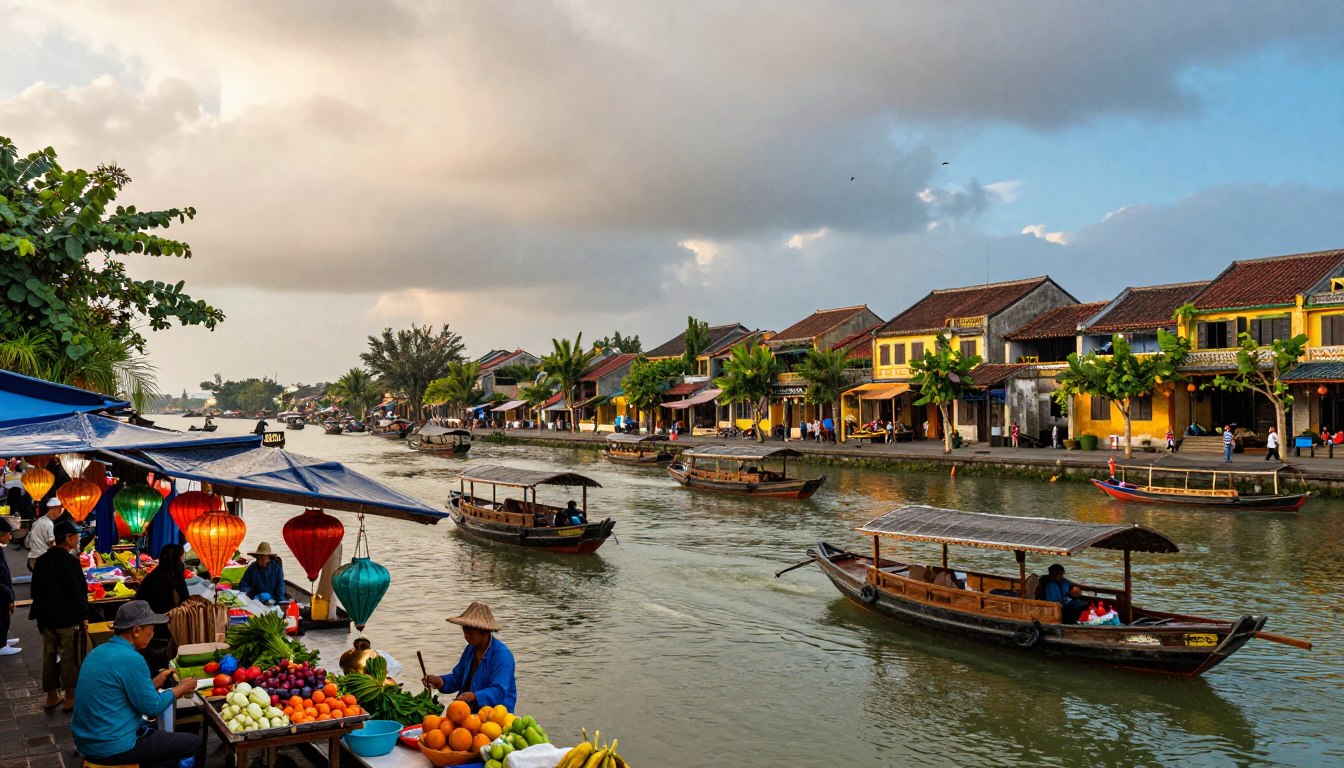
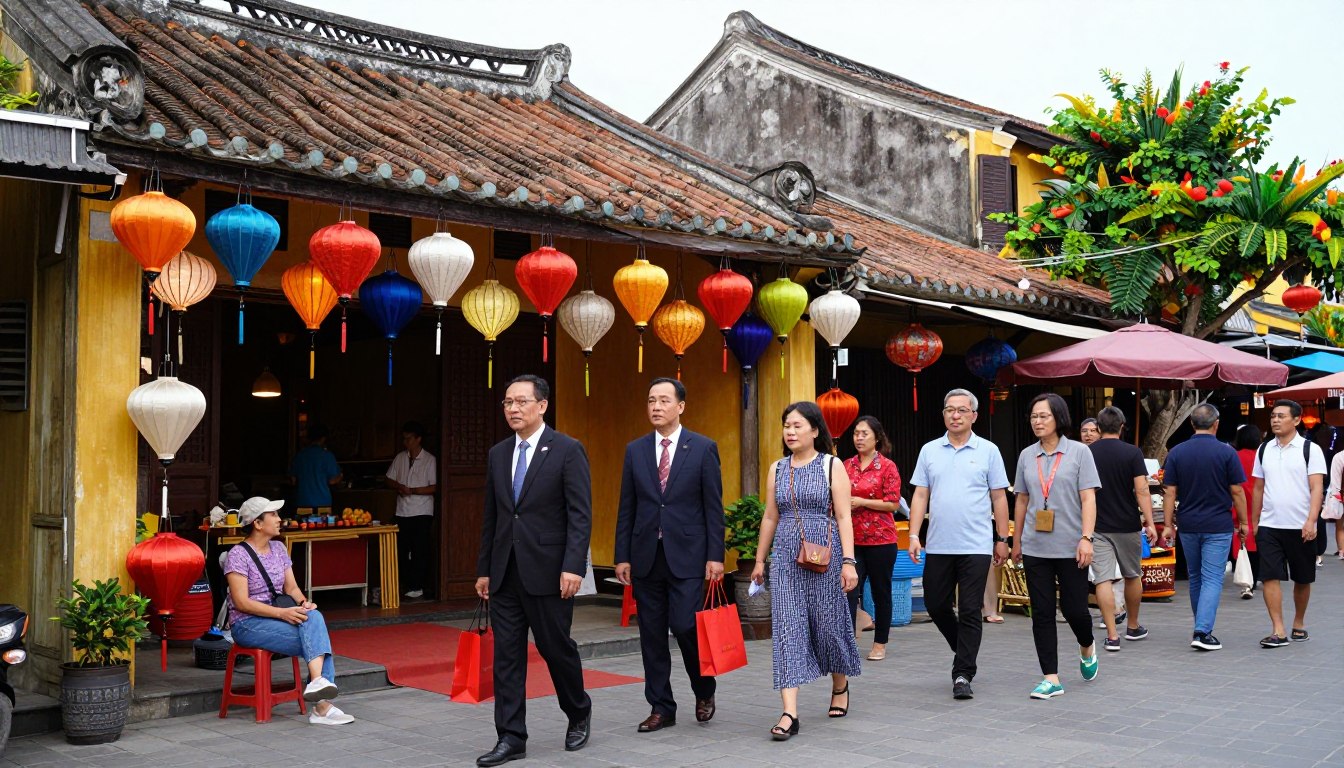
Imagine walking through roads filled with golden sunlight while pink bougainvillea trellises flutter in the warm wind. Colorful lanterns light up the evenings, creating a nostalgic atmosphere that makes you never want to leave. This city is simple yet idyllic, leaving guests with a lingering desire to return again and again.
Exploring this time-sleeped destination allows you to experience a rich culture and vibrant life. Every corner offers a new discovery, from ancient tea houses to busy riverside markets. Let’s dive into the absolute best experiences that this magical location has to offer for your next big adventure.
Key Takeaways
- Explore the ancient Old Town, a perfectly preserved UNESCO World Heritage site.
- Marvel at the iconic Japanese Covered Bridge and historic assembly halls.
- Experience the vibrant night market and its famous glowing lanterns.
- Savor local delicacies like Cao Lau and Banh Mi from street vendors.
- Relax on the sandy shores of nearby An Bang Beach.
- Take a traditional basket boat tour through the lush coconut forests.
✈️ TripToGo Travel Deals
Get notified about great travel deals
Hand-picked flight, hotel and destination deals, straight to your inbox. No spam, unsubscribe anytime.
🎉 Thank you for subscribing!
You’re all set — the best travel deals are on their way.
Hoi An at a Glance: The Essential Ten
The experiences that define Hoi An, each with the detail that makes it work — the full list of 40+ follows below.
| The experience | Where | The insider note |
|---|---|---|
| Ancient Town wander | UNESCO old town | The 120,000 VND heritage ticket funds preservation and covers five sights — keep the stub |
| Lantern release on the Thu Bon | Riverside, after dark | Biggest spectacle on the 14th day of each lunar month (Full Moon Festival) |
| Get clothes tailor-made | 300+ tailor shops in town | Order on day one — a proper suit takes two or three fittings over 24–48 hours |
| Cooking class + market tour | Tra Que / riverside schools | Hoi An’s signature experience; book morning classes for the market visit |
| An Bang Beach | 15 min by bicycle | The locals’ pick over Cua Dai, which suffers erosion |
| My Son Sanctuary | 1 hour southwest | Cham-era UNESCO ruins — go at sunrise, before the tour buses land at 9 a.m. |
| Cham Islands snorkeling | Speedboat offshore | Runs roughly March–September; boats stop in the rough-sea months |
| Cycle the rice paddies | Cam Thanh & Tra Que | Flat, quiet lanes — the best free morning in central Vietnam |
| Cao lau noodles | Old-town eateries | Only real in Hoi An — the noodles legendarily need local well water |
| Basket boat ride | Cam Thanh coconut village | Fun with kids; skip the loud ‘party’ boats for the quiet paddles |
Tickets, Tailors and Timing: Key Facts
The entrance-ticket confusion, settled: the Ancient Town’s 120,000 VND (~$5) heritage ticket is legitimate — it funds restoration and admits you to five of the historic houses, assembly halls and museums. It is checked at booth streets sporadically; keep the stub and it covers your stay.
Tailoring is a day-one decision: Hoi An is arguably the bespoke-clothing capital of the world, but a good result needs two or three fittings — walk in on your first afternoon, not your last. Pay a fair price over the cheapest quote; the fabric quality follows it.
Timing matters more here than most of Vietnam: February–August is the sweet spot. In October and November the Thu Bon River regularly floods the old town’s lowest streets — atmospheric in photos, soggy in practice — and the Cham Islands boats stop entirely in the rough-sea months.
Context for your route: Hoi An is the centrepiece of central Vietnam — and one of the reasons Vietnam wins the culture category in our Thailand vs Vietnam comparison. Official heritage background: UNESCO — Hoi An Ancient Town; national resources: Vietnam Tourism Board.
Slot Hoi An into a full Vietnam route
Our partner Voyada’s trip planning AI builds the whole trip around it — Hanoi to Ho Chi Minh City with flights, hotels, the Hoi An days and a real total cost — in about a minute, free.
Plan my trip for me →Why Hoi An Should Be on Your Vietnam Travel List
Hoi An, a charming coastal town in Vietnam, is a must-visit destination. It seamlessly blends history, culture, and natural beauty. This ancient town is famous for its well-preserved architecture, vibrant cultural heritage, and stunning landscapes. It’s an ideal spot for travelers looking for an authentic Vietnamese experience.
Hoi An’s historical significance is evident in its ancient streets, traditional wooden houses, and iconic landmarks. The town’s cultural fabric is rich with traditional festivals, local cuisine, and artisanal crafts. These offer visitors a deep insight into Vietnam’s heritage.
The natural beauty surrounding Hoi An is equally captivating. It boasts pristine beaches, lush countryside, and the Thu Bon River flowing gently through the town. Whether you’re interested in history, culture, or simply relaxing in a beautiful setting, Hoi An has something for everyone.
As you explore Hoi An, you’ll discover its charm lies not just in its individual attractions. It’s in the overall ambiance of the town. The blend of ancient and modern, traditional and contemporary, creates a unique and captivating atmosphere. This makes Hoi An a standout destination in Vietnam.
Explore Hoi An Ancient Town's Historic Landmarks
Uncover the essence of Hoi An’s heritage by exploring its ancient town. As you stroll through cobblestone alleys, you’ll feel transported back to the 15th through 19th centuries. This was when Hoi An was a thriving trading port.
The ancient town is a treasure trove of historical landmarks. These are must-visit spots for any traveler. Highlights include the Japanese Covered Bridge, Tan Ky Old House, Phuc Kien Assembly Hall, and Quan Cong Temple. Each offers a unique glimpse into the town’s fascinating history.
1. Walk Across the Japanese Covered Bridge
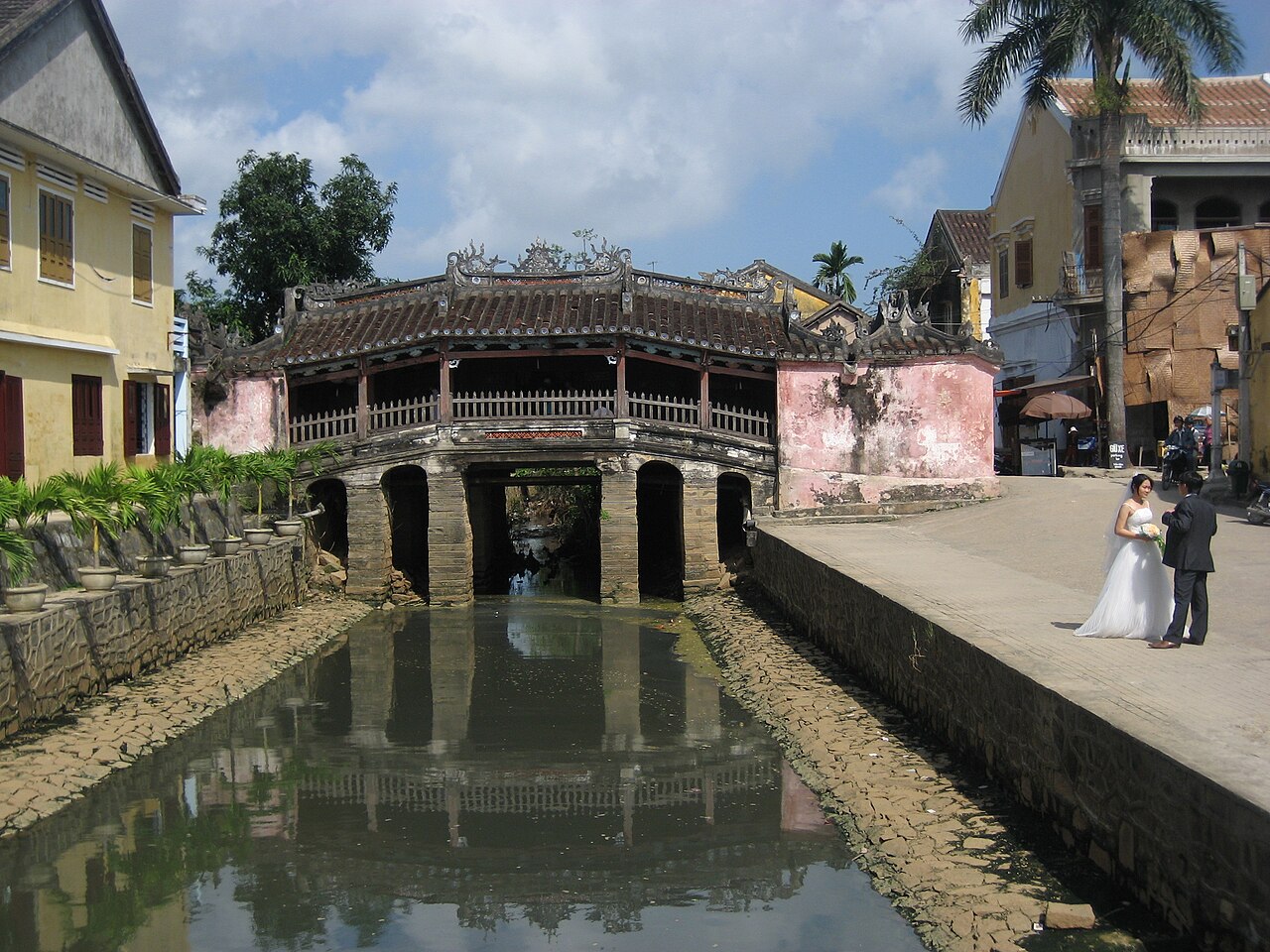
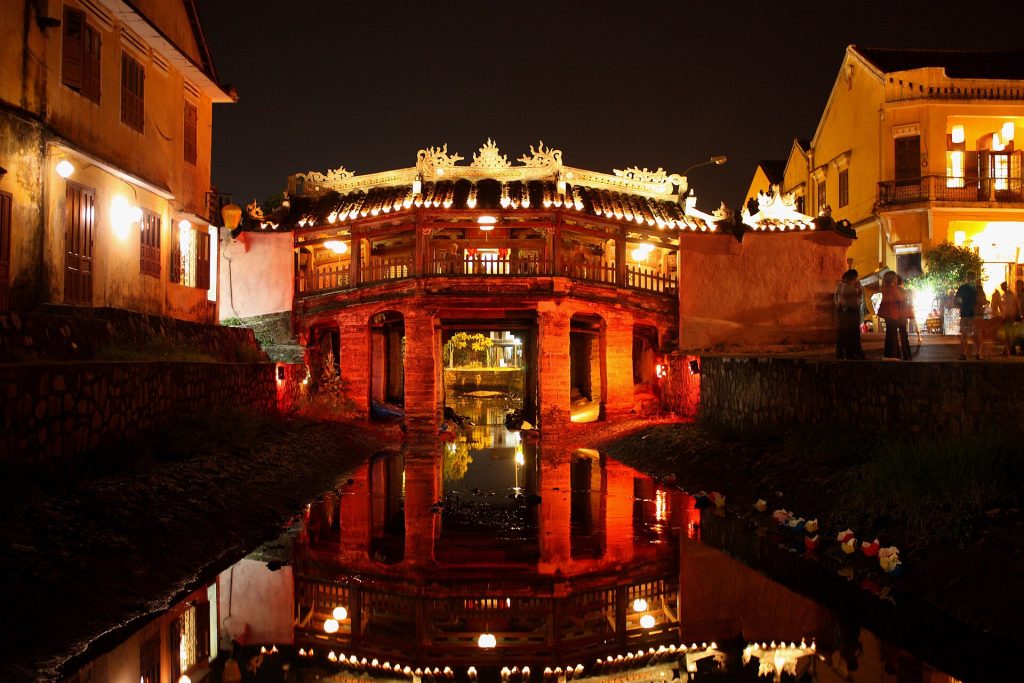
The Japanese Covered Bridge, also known as Chua Cau, is an iconic symbol of Hoi An. Built in the 1590s and restored again in 2024, it beautifully combines Japanese and Vietnamese architectural styles. Walking across, you’re enveloped in a tranquil atmosphere, perfect for photography.
2. Visit Tan Ky Old House
Tan Ky Old House is a remarkable example of Hoi An’s traditional architecture. Dating back 200 years, it has been meticulously preserved. It offers a glimpse into the lives of local merchant families who once called it home. The house is adorned with exquisite carvings and decorations, highlighting Hoi An’s rich cultural heritage.
3. Explore Phuc Kien Assembly Hall
Phuc Kien Assembly Hall is a stunning example of Chinese architecture in Hoi An. Constructed in the 17th century, it honors the goddess of the sea, Thien Hau. The temple’s historical ties to China are evident in its intricately carved and colorful decorations, making it a must-see attraction.
4. Discover Quan Cong Temple
Quan Cong Temple is a revered site in Hoi An, dedicated to the Chinese general Quan Cong. Known for his loyalty and righteousness, the temple is famous for its stunning architecture and beautiful gardens. It offers a peaceful retreat from the bustling streets of the ancient town.
Exploring these historic landmarks is essential for any Hoi An ancient town itinerary. Each site provides a unique perspective on the town’s rich history and cultural significance. This makes Hoi An a captivating destination for travelers.
Immerse Yourself in Hoi An's Cultural Experiences
Step into the heart of Hoi An and discover a world of cultural richness. Hoi An is more than a destination; it’s an immersive cultural experience. It envelops you in ancient traditions, vibrant arts, and warm hospitality.
Take a Lantern Making Workshop
Hoi An’s lanterns light up the town and the Thu Bon River, creating a mesmerizing spectacle. By participating in a lantern making workshop, you can learn this art. Local artisans will guide you, from selecting materials to assembling the final product.
This hands-on experience lets you create your own lantern. It also gives you insight into the craftsmanship passed down through generations.
Join a Vietnamese Cooking Class
Hoi An is famous for its culinary delights. Cooking classes offer a day-long culinary journey. You’ll visit a local market, cycle through rice paddies, and cook traditional dishes.
You’ll learn about local ingredients and cooking techniques. Some classes include rice-paper making and water-buffalo riding, making it a unique culinary adventure.
Learn Traditional Crafts at Handicraft Villages
Outside Hoi An, several handicraft villages offer traditional crafts. From pottery to weaving, these villages showcase traditional skills. Visiting these villages supports local artisans and lets you learn a new skill or craft.
You can spend the day learning, creating, and taking home your handmade souvenirs.
Watch a Traditional Music Performance
Music is a key part of Vietnamese culture, and Hoi An has its own unique traditions. Attending a traditional music performance is a great way to experience local culture. The performances feature traditional instruments and dances, giving a captivating insight into the region’s heritage.
It’s an evening of entertainment that will leave you with lasting memories of Hoi An’s cultural vibrancy.
Beach Activities and Coastal Adventures
The beaches around Hoi An offer a wide range of experiences, from peaceful escapes to thrilling adventures. Whether you’re after relaxation, fun, or something new, Hoi An’s coastline has it all.
Relax at An Bang Beach
An Bang Beach is a hidden gem in Vietnam. It’s more serene than Cua Dai, providing a peaceful escape from Hoi An’s ancient town. With its pristine sands and clear waters, it’s ideal for those seeking relaxation and rejuvenation, though as with any open beach here it is worth checking conditions locally before swimming, since there are no lifeguard towers.
Spend the Day at Cua Dai Beach
Cua Dai Beach has lost much of its sand to erosion and is now partly walled with sandbags, so check what is open before planning a beach day there. You can swim, sunbathe, play beach volleyball, or try water sports, making it a destination for everyone.
Try Water Sports and Beach Activities
For the adventurous, Hoi An offers many water sports and beach activities. Surfing, kayaking, paddleboarding, or a leisurely boat ride along the coast are all options. These activities provide an adrenaline rush and a unique view of Hoi An’s stunning coastline.
Watch Sunset at Hidden Beach
Hidden Beach, as its name implies, is secluded and less crowded than Cua Dai and An Bang. It’s the ideal spot for sunset viewing, with its picturesque views and tranquil atmosphere. Watching the sunset here, with a refreshing cocktail in hand, is an unforgettable experience.
When planning your Hoi An Vietnam itinerary, include these beach activities and coastal adventures. They will make your trip unforgettable.
Savor Hoi An's Culinary Delights
Hoi An’s culinary scene is a treasure trove of flavors, waiting to be explored. The city’s gastronomic delights reflect its rich cultural heritage. A blend of local ingredients, traditional cooking methods, and international influences define its cuisine.
As you wander through the ancient town, the aroma of local dishes wafts through the air. It tempts your taste buds and beckons you to try the local specialties.
16. Try Cao Lau Noodles
Cao Lau noodles are a signature Hoi An dish, made from local ingredients and cooked with care. The noodles are chewy and flavorful. They’re served with slices of pork, herbs, and a savory broth. You can find Cao Lau noodles at local eateries throughout the town.
17. Taste Banh Mi at Banh Mi Phuong
Banh Mi Phuong is a renowned bakery in Hoi An, serving some of the best Banh Mi in town. The sandwich is a perfect blend of pickled vegetables, grilled pork, and creamy mayonnaise. It’s all sandwiched between a crispy baguette. It’s a must-try when visiting Hoi An.
18. Sample White Rose Dumplings
White Rose dumplings are a delicate and delicious treat, made from thin dough wrappers filled with shrimp and herbs. Steamed to perfection, they’re served with a sweet and savory dipping sauce. You can find White Rose dumplings at local restaurants and street food stalls.
19. Join a Street Food Tour
Joining a street food tour is an excellent way to explore Hoi An’s culinary scene. Guided tours will take you to local eateries, street food stalls, and hidden gems. There, you can sample a variety of dishes and learn about the local culture.
With its rich culinary heritage and diverse dining options, Hoi An is a food lover’s paradise. Whether you’re trying Cao Lau noodles, tasting Banh Mi, or sampling White Rose dumplings, you’re sure to have a memorable culinary experience.
Shop at Hoi An's Markets and Boutiques
Hoi An’s shopping scene is a treasure trove waiting to be explored. The town offers a diverse range of shopping experiences. It caters to all tastes and preferences, making it a shopper’s paradise.
Browse Hoi An Central Market
The Hoi An Central Market is a must-visit destination for any shopper. It’s a hub for local goods, including fresh produce, street food, and handicrafts. Visitors can find everything from souvenirs to local specialties like Cao Lau noodles and White Rose dumplings.
Explore the Night Market
Hoi An’s Night Market is a great place to experience the town’s vibrant nightlife. The market offers a wide range of goods, including clothing, accessories, and souvenirs. It’s also a great spot to try local street food and drinks.
Shop for Souvenirs on Tran Phu Street
Tran Phu Street is lined with shops and boutiques selling a variety of souvenirs. From traditional Vietnamese clothing to handmade crafts, visitors can find unique gifts and mementos to take back home.
Visit Local Art Galleries
Hoi An is home to a number of art galleries. These showcase local and international art. Visitors can discover unique pieces by local artists, ranging from paintings to sculptures.
Whether you’re looking for traditional souvenirs or modern art, Hoi An’s shopping scene has something for everyone. With its rich cultural heritage and vibrant markets, Hoi An is a shopper’s dream destination.
Experience the Magic of Hoi An After Dark
As night descends, Hoi An reveals a unique allure. Its ancient charm, steeped in history and culture, transforms into a lively nightlife hub. Visitors from all corners of the globe are drawn to this enchanting scene.
The evening hours bring a variety of captivating experiences. From tranquil boat rides on the Thu Bon River to wandering the Ancient Town’s lit streets. The night’s magic grows, with lanterns casting a soft glow and traditional tunes resonating through the air.
26. Release Lanterns on Thu Bon River
Releasing lanterns on the Thu Bon River is a quintessential Hoi An experience. As your lantern drifts away, it carries your hopes and dreams. This tranquil activity offers a perfect escape, allowing you to connect with the river’s serene ambiance.
27. Stroll Through the Illuminated Ancient Town
Embark on a leisurely walk through the Ancient Town’s illuminated streets. The soft lights accentuate the town’s ancient beauty, creating a captivating atmosphere. It’s ideal for photography and exploring the town’s charm.
28. Enjoy Rooftop Bars and River Views
Hoi An’s rooftop bars are perfect for experiencing the town’s nightlife. Here, you can enjoy a cocktail while taking in the Thu Bon River’s views. Witness the sunset and the town’s lights come to life.
29. Attend the Full Moon Lantern Festival
Visiting Hoi An during a full moon is a must. The Full Moon Lantern Festival is a highlight, with lantern-making, traditional performances, and a river display. It’s a celebration of Hoi An’s cultural heritage, an experience you won’t forget.
Outdoor Adventures and Active Experiences
Hoi An’s historic charm is just the beginning. The countryside around it is a treasure trove of outdoor adventures. With lush rice paddies, serene rivers, and stunning landscapes, it’s a haven for those seeking natural beauty and cultural immersion.
Cycle Through the Rice Paddies
Cycling through Hoi An’s rice paddies is a quintessential experience. The gentle breeze, vibrant green fields, and traditional villages create a delightful day out. Rent a bicycle and explore at your own pace, stopping to try traditional farming practices in local villages.
Kayak on Thu Bon River
Kayaking on Thu Bon River offers a serene way to enjoy Hoi An’s natural beauty. Paddling along, you’ll see glimpses of rural life and the surrounding landscapes. It’s a perfect way to unwind and connect with nature.
Take a Sunrise Bike Tour
Experiencing Hoi An at sunrise is magical. A guided bike tour at dawn reveals the town and its surroundings in a new light. The cooler morning air makes cycling more comfortable, and the scenery is breathtaking.
Go Stand-Up Paddleboarding
For those seeking adventure, stand-up paddleboarding on Hoi An’s calm waters is exciting. It offers a unique perspective on the town and its surroundings. Plus, it’s a great way to stay active while on vacation.
Day Trips from Hoi An
Hoi An is more than a destination; it’s a gateway to Vietnam’s incredible attractions. The surrounding areas offer a wealth of exciting experiences for day trips. Whether you’re into history, nature, or exploring new landscapes, there’s something for everyone.
Visit the Ancient Ruins of My Son Sanctuary
A short drive from Hoi An, My Son Sanctuary awaits. This UNESCO World Heritage Site is a significant archaeological site in Vietnam. It offers a glimpse into the Cham civilization’s history and culture.
Visitors can marvel at the site’s intricately carved temples and historical significance. It’s a testament to Vietnam’s rich cultural heritage and diverse historical landscapes. Guided tours provide insights into the ruins’ history and significance.
Explore the Marble Mountains
The Marble Mountains are a short drive from Hoi An. This cluster of marble and limestone hills represents the five elements: metal, water, fire, wood, and earth. Visitors can explore caves, pagodas, and enjoy stunning views from the top.
The area is also famous for its marble craftsmanship. Local artisans create beautiful sculptures and ornaments. The Marble Mountains offer a unique blend of natural beauty and cultural significance, making them a must-visit on any Hoi An day trip itinerary.
Take a Trip to Cham Islands
The Cham Islands are perfect for a leisurely day trip. This marine protected area boasts crystal-clear waters, vibrant coral reefs, and diverse marine life. Visitors can enjoy snorkeling, diving, or simply relaxing on the beach.
The Cham Islands also offer a glimpse into the local fishing culture. There are opportunities to visit traditional villages and learn about the local way of life.
Discover Ba Na Hills and Golden Bridge
Ba Na Hills is a French colonial hill station known for its breathtaking views and stunning landscapes. It’s home to the famous Golden Bridge. Visitors can enjoy hiking, exploring the old town, and experiencing the unique architecture of the area.
The Golden Bridge is a must-see, with its surreal and picturesque views. Ba Na Hills is ideal for those looking to escape the coastal heat and explore a different side of Vietnam.
Unique Photography Spots in Hoi An
Hoi An, with its rich history and cultural heritage, offers a plethora of unique photography opportunities. The ancient town is a treasure trove of captivating scenes. From its vibrant streets and historic landmarks to its serene natural surroundings, it’s a photographer’s dream.
Here are some of the top photography spots to explore in Hoi An:
Capture the Colorful Lantern Streets
The streets of Hoi An are adorned with colorful lanterns, adding a magical touch to the town’s already charming atmosphere. Walking through these lantern-lit streets, even more so in the evening, offers endless opportunities for capturing stunning photographs.
Photograph the Riverside at Golden Hour
The Thu Bon River runs through the heart of Hoi An, providing breathtaking views, best seen during the golden hour. The soft light of dawn or dusk casts a warm glow on the river and its surroundings. This makes it an ideal time for photography.
Visit the Yellow Wall and Art Installations
Hoi An is home to numerous art installations and murals, including the famous Yellow Wall. These vibrant and eclectic artworks provide a unique backdrop for photographs. They are a great way to capture the town’s creative spirit.
Explore the Vegetable Village for Rural Scenes
Just outside the ancient town, the Vegetable Village offers a glimpse into rural Vietnamese life. The lush green fields, traditional farming practices, and rustic landscapes make for compelling photography subjects.
Whether you’re a professional photographer or an enthusiast, Hoi An’s diverse landscapes and cultural heritage ensure ample opportunities to capture memorable photographs.
Wellness and Relaxation Activities
Hoi An is more than ancient streets and tasty food; it’s a sanctuary for those seeking peace and calm. After exploring the town, you can refresh your mind and body with various wellness activities. Hoi An offers a range of options to help you unwind.
Book a Traditional Vietnamese Massage
A traditional Vietnamese massage is ideal for unwinding. Skilled therapists employ techniques like acupressure, herbal compresses, and gentle stretching. This helps ease muscle tension and boosts circulation. Many spas in Hoi An use natural ingredients and traditional methods for a genuine experience.
Picture yourself on a cozy massage table, surrounded by calming music and the scent of essential oils. A skilled therapist will work out the tension in your muscles. This experience will leave you feeling calm and revitalized.
Practice Yoga by the Beach
For those who enjoy active relaxation, yoga by the beach is perfect. Hoi An’s stunning beaches, like An Bang Beach, provide a peaceful setting for yoga. Many yoga studios and instructors offer beach classes, allowing you to connect with nature while improving your flexibility and balance.
Visit a Herbal Spa
Hoi An boasts numerous herbal spas, each using natural ingredients for various treatments. From herbal baths to facials and body wraps, these spas offer a serene environment for relaxation and rejuvenation. The use of local herbs and natural products ensures a unique and authentic experience.
Visiting a herbal spa in Hoi An is more than just relaxation; it’s a chance to immerse yourself in local culture and traditions. Many spas are located in beautifully restored ancient houses, adding to the charm and ambiance of your visit.
Off-the-Beaten-Path Experiences
Hoi An’s true essence lies in its hidden gems, perfect for those seeking unique experiences beyond the usual tourist spots. While the ancient town is a must-see, the surrounding areas offer a wealth of authentic charm. These lesser-known destinations showcase the real beauty of Vietnamese culture.
Visit Tra Que Vegetable Village
Tra Que is a standout destination in Hoi An, known for its serene landscapes. It’s a peaceful escape from the city’s chaos. Here, you can stroll through vegetable fields, learn about traditional farming, and savor fresh produce.
Walking through Tra Que, you’ll meet local farmers and learn about their lives. This experience offers a rare glimpse into rural Vietnamese culture. It’s also a chance to relax in a natural setting.
Explore Cam Thanh Coconut Village
Cam Thanh Coconut Village is a hidden gem near Hoi An, famous for its coconut products and basket weaving. Visitors can take a boat trip through the groves, learning about production and making their own baskets.
The village’s serene coconut groves and local artisans make for a memorable visit. It’s a chance to appreciate traditional crafts that have been passed down for generations.
Take a Basket Boat Ride
A basket boat ride is an exhilarating way to explore Hoi An’s waterways. These traditional boats offer a unique view of the local environment. As you glide through calm waters, you’ll see lush greenery and tranquility.
This experience is both fun and insightful, showing the local fishing communities’ traditional ways of life. It’s a chance to see Hoi An from a different perspective and enjoy its natural beauty.
Discover Thanh Ha Pottery Village
Thanh Ha Pottery Village showcases the region’s rich cultural heritage. For centuries, villagers have crafted pottery using traditional techniques. Visitors can explore the village, see pottery-making, and even try making their own ceramics.
The village offers a fascinating look at a traditional craft that has remained unchanged. It’s a chance to appreciate the skill and artistry of local potters and take home a unique souvenir.
Planning Your Hoi An Itinerary
Hoi An is a treasure trove of cultural, culinary, and natural wonders. It’s essential to plan your visit carefully. With over 40 attractions and activities, a well-structured itinerary is key to experiencing the best of Hoi An.
When planning your trip, start with the must-see attractions in Hoi An Ancient Town. Walk across the Japanese Covered Bridge, visit Tan Ky Old House, and explore Phuc Kien Assembly Hall. These historic landmarks offer a glimpse into Hoi An’s rich cultural heritage.
For a 3-day itinerary, allocate your days wisely. Day one can be spent exploring the ancient town. Include a lantern-making workshop and a stroll along the Thu Bon River. On day two, consider a day trip to My Son Sanctuary or the Marble Mountains. Day three can be reserved for relaxing at An Bang Beach or trying water sports.
Remember to leave room for spontaneity in your itinerary. Hoi An’s charm often lies in its unexpected discoveries. You might stumble upon a local festival or enjoy a street food snack from a vendor.
To make the most of your trip, consider the timing of your visit. Hoi An is beautiful during the full moon when the town is lit up with lanterns. Planning your trip around these events can enhance your experience.
Before you go: turn this guide into a day-by-day plan. Our partner Voyada is a free trip itinerary maker that builds the route with flights, hotels and a real total cost for your dates — in about a minute.
Make an itinerary →Making the Most of Hoi An
Hoi An packs a lot into a small, walkable town — two or three days done right is plenty.
- Plan 2–3 days: Old Town lanterns, tailoring, An Bang beach, a cooking class and a cycle through the paddies.
- Explore the Old Town early or late — midday is hot and crowded.
- Order tailoring early so there’s time for fittings before you leave.
- Day-trip to the My Son ruins or the Marble Mountains and Da Nang.
- Aim for the full-moon lantern festival if your dates allow — it’s the town at its most magical.
Hoi An: Alternative Plans & Where to Stay
Two or three days is right for Hoi An. Here’s how to adapt it and where to base yourself.
- 2 days: the Old Town, tailoring and a cooking class.
- 3 days: add An Bang beach and a My Son ruins day trip.
- Where to stay: near the lantern-lit Old Town (walkable) or by An Bang beach (quieter, with pool resorts).
- Combine nearby: Da Nang is 40 minutes away, and Hue lies over the scenic Hai Van Pass.
- Time it for the monthly full-moon lantern festival.
Frequently Asked Questions
What are the best things to do in Hoi An?
Wander the lantern-lit Ancient Town (UNESCO-listed), have clothes tailored, cycle to the rice paddies and An Bang Beach, take a cooking class, and release a lantern on the Thu Bon River at night.
How many days do you need in Hoi An?
Two to three days is ideal to enjoy the Old Town, the beach, tailoring and the food without rushing.
When is the best time to visit Hoi An?
February to July is driest and sunniest; October–November brings the highest rain and flood risk. Evenings during the monthly full-moon lantern festival are magical.
Is Hoi An safe for tourists?
Hoi An is one of the safest places in Vietnam for visitors, with very little crime beyond occasional bag snatching and overcharging. The real hazards are traffic, the unfenced riverbank at night, open water at An Bang and Cua Dai with no lifeguards on duty, and food hygiene at the least busy stalls. Wear a helmet if you rent a bicycle or scooter, and check that your travel insurance actually covers scooters before you ride one.
Is Hoi An safe at night?
Yes. The Ancient Town is closed to most traffic in the evenings, brightly lit by lanterns and busy with families until late. The part worth thinking about is the walk back to An Bang or the outskirts along unlit roads, so use a ride app or a taxi. Keep bags on the inside shoulder in the night market crush and watch your step on the riverbank.
Is Hoi An safe for solo female travellers?
Yes, and it is a popular base for solo travellers who want to slow down. Guesthouse owners tend to be genuinely helpful, the town is small enough to learn in a day, and cooking classes and bike tours make meeting people easy. The usual precautions apply around late-night scooter rides and drinks, and stick to licensed taxis or apps after dark.
Does Hoi An flood, and when?
Yes, most years. The Ancient Town sits low on the Thu Bon river and typically floods at some point between September and November, with October and November the peak. Bach Dang street goes under first, and the lanes nearest the river can become navigable by boat for a few days. The town is built for it, and water usually recedes within a week.
Is Hoi An worth visiting in November or December?
December is a good bet; November is a gamble. November still falls inside the flood and typhoon window, with grey skies and heavy rain likely. By December the rain eases, temperatures settle around a pleasant 22°C to 26°C and prices sit below the February to May peak. Neither month is beach weather, so plan around the town, tailors and food rather than An Bang.
Is Hoi An worth visiting in the rain?
Yes, more than most destinations. Hoi An’s core appeal is indoors or covered: tailoring fittings, cooking classes, coffee houses, museums, assembly halls and the lantern-lit streets, which look better wet. Bring a poncho rather than an umbrella, because that is what everyone else uses on a bicycle. Only serious flooding actually shuts things down.
Is Hoi An expensive?
Hoi An is cheap by Western standards but has become one of the pricier stops in Vietnam. Street food stays around 30,000 to 60,000 VND a dish, while riverside restaurants and boutique hotels charge several times what equivalent places do elsewhere in the country. Tailoring, spa treatments and the tourist-facing bars are where budgets quietly disappear.
Is Hoi An more expensive than Hanoi or Da Nang?
Yes, modestly. Hoi An’s compact tourist centre supports higher prices than Da Nang next door, where locals still set the market, and its boutique hotels and restaurants tend to cost more than Hanoi equivalents. Staying a few minutes out towards An Bang or the rice paddies cuts room rates substantially while leaving you a short cycle from the Ancient Town.
How much is a beer in Hoi An?
A local draught or a bottle of Bia Larue costs roughly 15,000 to 30,000 VND, under a dollar, at a street-side spot or a local eatery. Riverside bars aimed at visitors charge nearer 50,000 to 80,000, and craft beer runs higher again. Happy hours are common along the river and in An Bang, often from late afternoon into early evening.
How far is Hoi An from Da Nang?
About 30km, or a 40 to 45 minute drive, and Da Nang International Airport is the nearest airport. A taxi typically costs around 300,000 to 450,000 VND, a ride-hailing car a little less, and the yellow public bus roughly 30,000 VND if you have time to spare. Many hotels run their own shuttles, so ask when you book.
How far is Hoi An from Hue?
Around 120 to 130km, or three to four hours by road, depending on whether you take the tunnel or the far prettier Hai Van Pass over the mountains. Plenty of drivers offer the trip as a half-day transfer with stops at Lang Co beach and the Marble Mountains, which is a much better use of the time than a straight transfer.
How far is Hoi An from Hanoi and Ho Chi Minh City?
Both are far enough that you should fly. Hanoi is roughly 760km north and Ho Chi Minh City about 900km south, each around 1 hour 15 to 1 hour 30 in the air to Da Nang, plus the 40-minute transfer. The train is scenic but takes 15 to 19 hours, and the sleeper bus takes longer still.
How far is Hoi An from the Golden Bridge at Ba Na Hills?
About 40km, or an hour and a quarter each way by car, so it works as a long day trip. Go early: the cable car queues build fast, the site fills with tour groups by late morning, and the ridge is often clouded in by afternoon. Cable-car tickets are the main cost and are usually cheaper arranged in advance than at the gate.
How much is a lantern boat ride in Hoi An?
Around 170,000 VND for a boat carrying one to three people, and near 220,000 for four or five, for a ride of roughly 20 minutes on the Thu Bon. Floating lanterns are sold separately by vendors on the bank at about 5,000 to 10,000 VND each. Agree the price and the duration before you step in, and expect to haggle a little.
How much are tickets to the Hoi An Memories Show?
Expect to pay roughly 350,000 VND for the cheapest seats, around 500,000 for the elevated central block and 700,000 to 900,000 for VIP. The higher tiers are worth it, because the show is staged wide and low seats miss much of the choreography. Surcharges apply on major holiday dates, and the venue is a short walk from the Ancient Town.
How much is the Hoi An Ancient Town ticket?
The heritage ticket costs 120,000 VND, about 5 US dollars, and it is valid for the day you buy it. It funds conservation and admits you to five of the 22 ticketed heritage buildings, including the old houses, assembly halls and museums. Walking the streets, crossing the bridges, shopping, eating and seeing the lanterns at night all cost nothing.
Should you stay in Hoi An or Da Nang?
Hoi An if you want the heritage town, the tailors and the lanterns; Da Nang if you want a long city beach, big-hotel comfort and easier flight connections. They are 40 minutes apart, so plenty of people do both. For a first trip, most travellers give Hoi An the bulk of the nights and Da Nang one or two at the end.
Is Hoi An good with kids?
Very. The Ancient Town is flat and largely traffic-free in the evenings, the basket boat rides among the coconut palms at Cam Thanh are a hit, An Bang beach has gentle water outside the rough months, and cooking classes and lantern-making workshops take children happily. Two to three days is usually the right length before boredom sets in.
Do you need a visa for Vietnam?
It depends on your passport. British, French, German, Italian, Spanish, Danish, Swedish, Norwegian, Finnish, Japanese and South Korean citizens get 45 days visa-free, along with a further group of European countries added in 2025. Americans, Canadians and Australians need the e-visa, which allows up to 90 days, single or multiple entry, for around 25 to 50 US dollars. Apply only through the official government portal.
Can you drink the tap water in Hoi An?
No. Stick to bottled or filtered water throughout Vietnam. Most hotels and guesthouses provide free bottles or a filtered dispenser, and many cafes in Hoi An will refill a reusable bottle cheaply or free. Ice in established restaurants is factory-made and generally fine, but be more cautious with drinks from the least busy street carts.
Conclusion
Hoi An is a treasure trove of experiences, from its ancient yellow walls and teal green door frames to its rich cuisine and traditional craft villages. As you plan your trip, consider these Hoi An travel tips to make the most of your visit.
Timing is everything; visit during the dry season for the best experience. Getting around is easy on foot or by bike, allowing you to soak in the local culture. Be sure to explore the ancient town’s historic landmarks, indulge in the local culinary delights, and enjoy the serene beaches.
With its unique blend of cultural heritage and natural beauty, Hoi An is a destination that promises an unforgettable experience. Whether you’re looking to relax, explore, or simply soak in the atmosphere, Hoi An has something for every kind of traveler.