
Table of Contents
ToggleDid you know that over 20 million travelers visit the Adriatic coast each year? Yet, many are surprised by how much they saved. Planning a trip can be daunting, but knowing your budget can change everything. You don’t need a lot of money to enjoy the beautiful Mediterranean shores. For official, up-to-date visitor information, see Croatia’s official tourism site.
This guide offers a clear look at real-world costs to help you manage your funds. We focus on the numbers that matter for your adventure. By balancing popular spots with smart daily habits, you can keep your wallet happy while exploring historic cities.
Whether you prefer backpacking through hidden gems or enjoying mid-range comfort, this overview sets the stage for success. Let’s dive into the practical details of your vacation budget. This way, you can focus on making memories instead of worrying about hidden fees.
Key Takeaways
- Daily spending varies significantly based on your travel style and season.
- Visiting during the shoulder season helps reduce accommodation costs by nearly thirty percent.
- Public transportation and local markets offer the best value for budget-conscious explorers.
- Dining at konobas provides authentic meals at a fraction of the price of tourist-heavy restaurants.
- Advance booking for ferries and popular attractions secures better rates and saves time.
✈️ TripToGo Travel Deals
Get notified about great travel deals
Hand-picked flight, hotel and destination deals, straight to your inbox. No spam, unsubscribe anytime.
🎉 Thank you for subscribing!
You’re all set — the best travel deals are on their way.
The Reality of Pricing: Is Croatia Expensive?
Planning a trip to Croatia? You’re probably wondering: is Croatia expensive? The truth is, it’s not a straightforward answer. It largely depends on your travel style and the places you choose to visit.
Croatia has become very popular, yet it’s a great value compared to many Western European capitals. You can find both luxury and budget-friendly options. It’s all about knowing where to look.
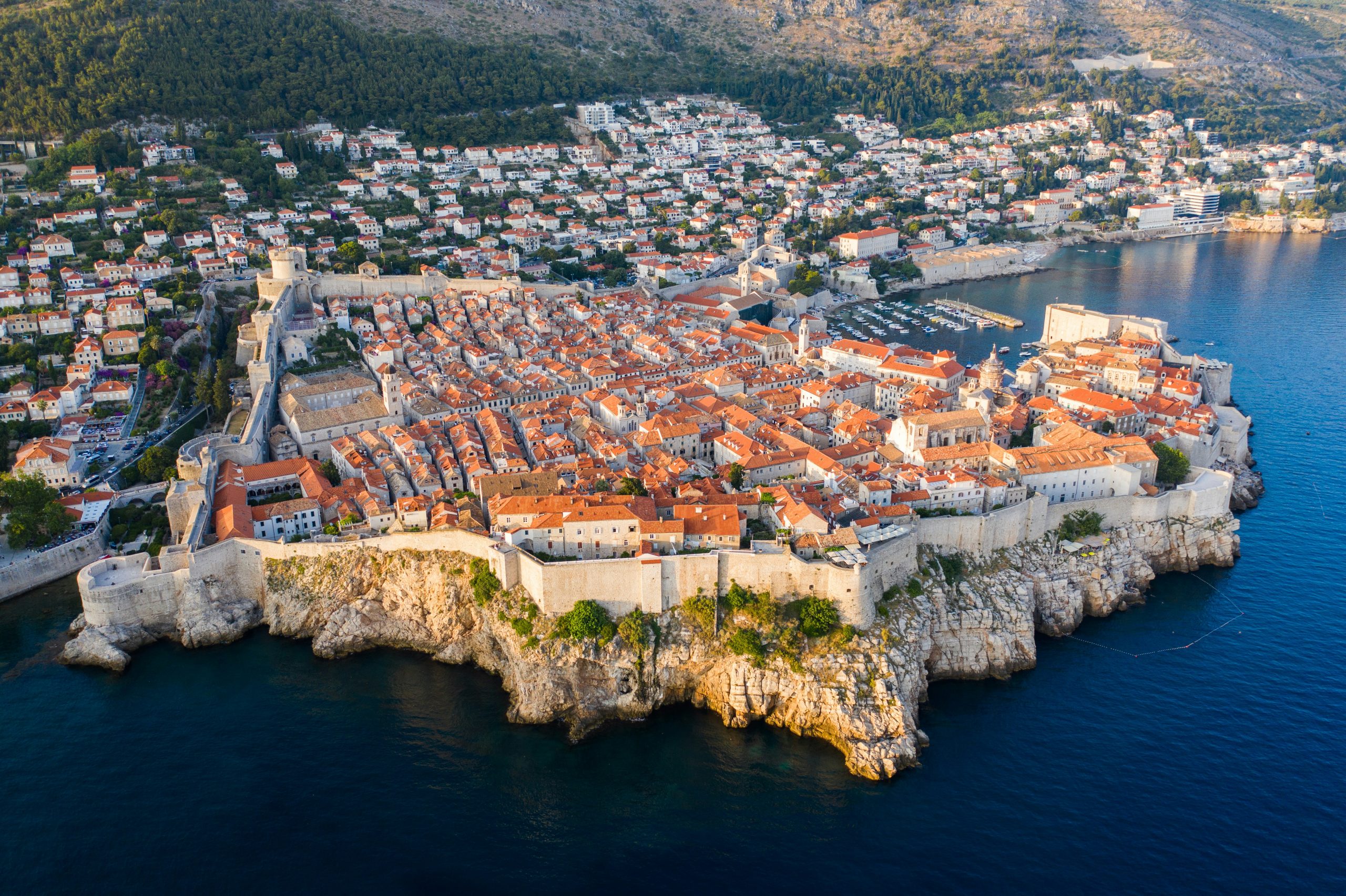
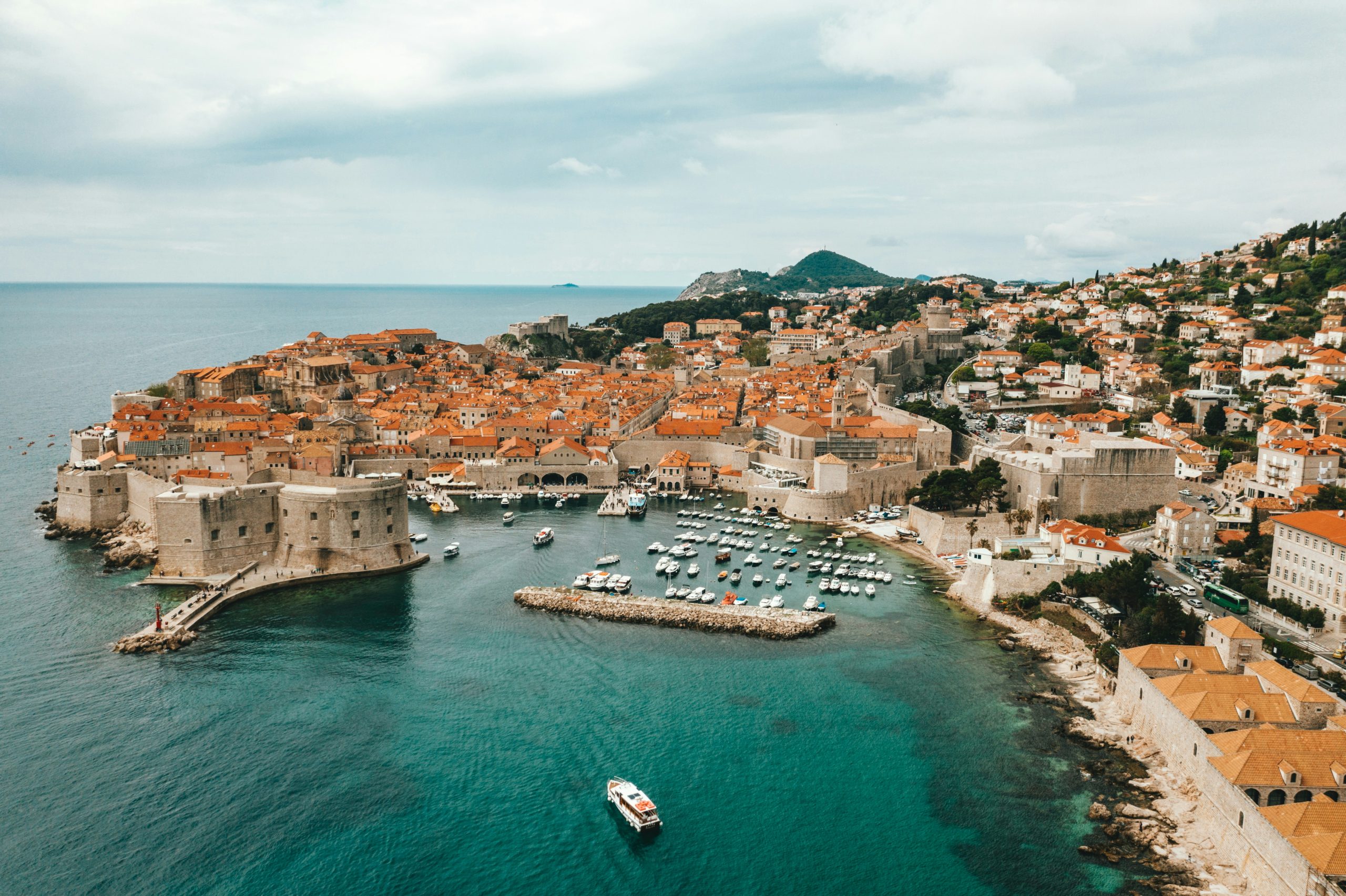
Places like Dubrovnik are pricey due to their popularity. But, just a few miles away or inland, you’ll find more affordable options. This reveals a different side of Croatia.
Understanding Croatia’s local economy is key to setting realistic expectations. Researching your destinations will help you see that asking if Croatia is expensive is a smart starting point.
Remember, you control your spending. With some smart planning, you can enjoy the Adriatic coast without overspending.
Seasonal Price Fluctuations and Best Months to Visit
Unlocking affordable luxury on the Croatian coast requires understanding its seasonal rhythm. By planning your trip strategically, you can greatly reduce your total travel expenses. A bit of planning ensures your wallet remains happy while exploring.
High Season Peak Pricing
July and August are the peak tourist months. Prices in Croatia skyrocket due to high demand for accommodations and ferry services. Coastal cities become crowded and significantly more expensive.
Traveling in this period means paying premium rates for everything. Booking well in advance is key to finding any deals. The heat and costs make this the most challenging time for budget-conscious travelers.
Shoulder Season Value Benefits
The shoulder season, including May, June, and September, is ideal for most visitors. The weather is warm enough for swimming, and the crowds are thinner. Prices in Croatia drop noticeably compared to the mid-summer rush.
September is a favorite among seasoned travelers. The Adriatic Sea remains warm, and accommodation rates are more affordable. This period offers the best value without sacrificing quality.
Off-Season Savings and Limitations
Traveling from October to April offers the lowest costs of the year. You can find incredible bargains on luxury apartments. But, there are trade-offs to consider.
Many coastal businesses, restaurants, and ferry lines operate on a limited schedule or close in winter. While expenses are lowest, fewer activities are available. It’s better for city sightseeing in Zagreb or Split, but less ideal for beach vacations.
How Much Does Croatia Cost? Prices by Area
Croatia’s cost depends heavily on where you go. Here is a sortable breakdown by region — from the bargain interior to pricey Dubrovnik — plus daily budgets by travel style.
| Area | Mid-range €/day | Best for | Price level |
|---|---|---|---|
| Inland Slavonia / rural | €50–70 | Wine country, villages, lakes | Cheapest |
| Zagreb (capital) | €60–90 | City life, museums, day trips | Low-mid |
| Zadar | €70–100 | Sunsets, old town, value coast | Mid |
| Plitvice / Krka area | €70–100 | National parks, waterfalls | Mid |
| Istria (Rovinj, Pula) | €75–110 | Food, hilltowns, Roman ruins | Mid |
| Sibenik | €75–105 | Quieter coast, fortresses | Mid |
| Split | €80–120 | Coast, Diocletian’s Palace, ferry hub | Mid-high |
| Hvar | €100–160 | Nightlife, beaches, glamour | High |
| Dubrovnik | €110–180 | Old Town, iconic walls | Highest |
Per person, per day (food, lodging, local transport, sights), mid-range. Approximate 2026 ranges; for relative European costs see Eurostat price levels.
Get Croatia priced for your dates
Tell our partner Voyada’s trip plan AI your dates and it builds the full Croatia trip for that window — flights, hotels and a real total cost — in about a minute, free.
Plan a trip for me→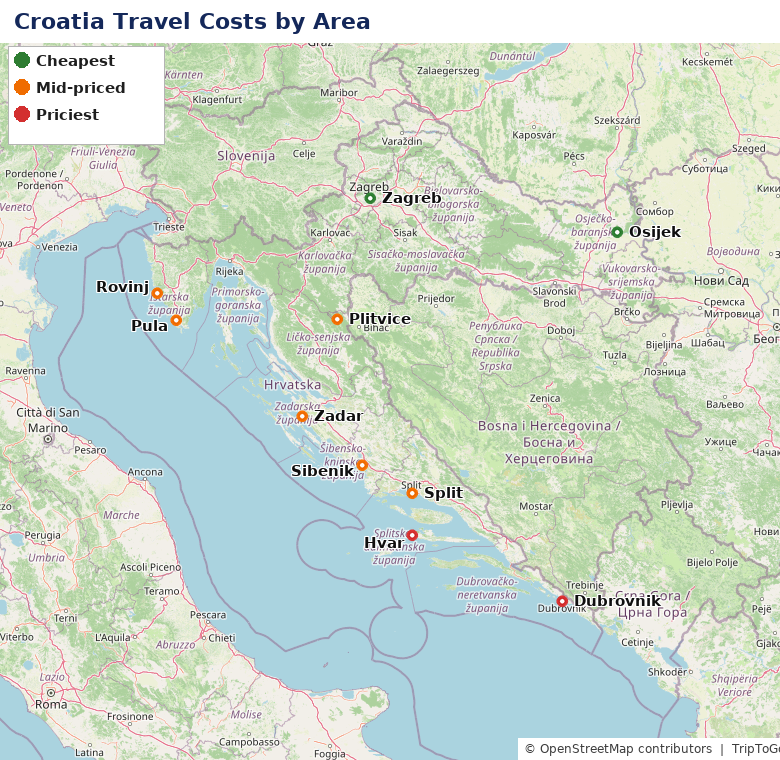
Croatia Daily Budget by Travel Style
| Travel style | Daily budget (per person) | What it covers |
|---|---|---|
| Backpacker | €40–60 | Hostel bed, buses, self-catering and konoba meals |
| Mid-range | €80–140 | Private apartment, restaurant meals, ferries, the odd tour |
| Luxury | €200+ | Hotels, fine dining, private boat trips and transfers |
Is Croatia Expensive? Key Facts
Is Croatia expensive? It is mid-priced for Europe — the average traveler spends about €100–150 a day, but that swings from €40–60 budget to €200+ luxury.
Cheapest: inland Slavonia, Zagreb and smaller coastal towns. Most expensive: Dubrovnik (on par with Venice or Santorini), followed by Hvar.
Cheaper than Italy? Generally yes — outside Dubrovnik, coastal Croatia is moderately priced and the interior is a genuine bargain.
Currency: Croatia adopted the euro in January 2023, so eurozone visitors skip currency exchange. Once ETIAS launches (no confirmed start date yet), visa-exempt travellers will need a €20 ETIAS authorization (Croatia is in the Schengen Area).
Cheapest time: the shoulder months (May–June and September); July–August bring peak coastal prices. Plan with Croatia’s official tourism site.
Daily Budget Breakdown for Different Travel Styles
Creating a realistic budget for a Croatia trip requires understanding your personal travel habits. Your daily spending choices define your overall experience. They help you manage the cost of living in croatia while exploring.
By breaking down your expenses into specific tiers, you can align your finances with your goals. This approach ensures you enjoy your vacation without unexpected financial stress.
Backpacker and Hostel Budgeting
If you’re traveling on a shoestring, you can keep your daily costs low. Hostels are plentiful in major cities, providing a great way to meet fellow travelers while saving money.
Sticking to a tight budget for a Croatia trip involves using local grocery stores and enjoying street food. Public buses are your best friend for getting between towns without breaking the bank.
Mid-Range Comfort Expectations
Travelers seeking a balance of comfort and value often choose private apartment rentals or boutique guesthouses. This style offers more privacy and the convenience of a kitchen to prepare meals.
You’ll have enough room in your budget to enjoy daily restaurant meals and occasional guided tours. Renting a car for a few days can provide extra freedom to explore hidden coastal gems at your own pace.
Luxury Travel Considerations
For those who prefer high-end experiences, Croatia offers world-class resorts and exclusive villas. You can expect to pay a premium for waterfront views and personalized concierge services.
Luxury travelers often opt for private boat charters and fine dining experiences in historic city centers. While the cost of living in croatia is generally moderate, these premium choices allow for a truly pampered and seamless Mediterranean escape.
Accommodation Costs Across the Adriatic Coast
Your choice of accommodation greatly influences your daily expenses and overall experience in Croatia. Finding a balance between comfort and cost is key to a stress-free trip. By understanding the local market, you can find quality lodging without breaking the bank.
Private Apartment Rentals
Private apartments are the most sought-after option in Croatia. Staying in a residential area just outside the historic city walls can save you a lot of money. These rentals offer a genuine local experience while keeping costs low.
Platforms like vacation rental sites are great for comparing prices in real-time. Always check for recent reviews to ensure the quality matches the photos. Booking early in the busy summer months can help secure lower rates.
Hotel and Resort Pricing Trends
For those who prefer hotels, the coast offers a variety of choices. Boutique hotels in major cities come with a higher price tag due to their prime locations and personalized service. They’re ideal if you want to be close to attractions.
Resorts provide a different experience, often with all-inclusive packages that simplify your budget. While pricier, they include amenities like pools and private beach access. Comparing these costs to dining out can help determine if a resort is worth it for your travel style.
Camping and Glamping Alternatives
Camping is a budget-friendly option for nature lovers. Croatia has many well-maintained campsites with stunning Adriatic Sea views at a lower cost than hotels. You can choose from basic tent pitches to more comfortable mobile homes.
Glamping is another trend for those seeking luxury outdoors. These sites offer unique, high-end tents that combine comfort with adventure. It’s a great choice for enjoying coastal scenery while keeping expenses in check.
Transportation Expenses and Getting Around Efficiently
Planning your transportation is key to managing your Croatia travel expenses. The country offers various ways to explore, but the right choice depends on your plans and budget. It’s all about finding the best fit for your itinerary.
Car Rental Costs and Fuel Prices
Renting a car gives you the freedom to discover hidden coastal spots at your own pace. Daily rates vary from $40 to $100, influenced by the season and vehicle type.
Fuel in Croatia is pricier than in the United States. Remember to budget for tolls on major highways to avoid unexpected costs during your trip.
Public Bus Network Reliability
The public bus network is a stress-free, affordable option. Companies like FlixBus and Arriva offer frequent connections between cities and towns.
Ticket prices are reasonable, ranging from $10 to $30 for longer trips. This reliable service helps you keep your travel expenses in check while enjoying the Adriatic’s scenic views.
Domestic Flight and Train Options
Domestic flights connect major hubs like Zagreb, Split, and Dubrovnik, mainly through Croatia Airlines. These flights are quicker but often more expensive than ground transport.
The train network in Croatia is limited, mainly serving northern regions. While trains are comfortable and affordable, they’re not the fastest way to reach the coast.
Most travelers find that buses and occasional ferries are the most efficient for island hopping. Always book your tickets early to get the best rates and avoid price hikes.
Dining Out Versus Grocery Shopping Strategies
Mastering dining in Croatia requires knowing where to spend and save. The local food scene is incredible, but prices vary greatly. By balancing high-end dining with smart grocery shopping, you can enjoy the Mediterranean diet without breaking the bank.
Local Market Shopping Tips
Visiting local green markets, or “pijaca,” is a great way to save. These markets offer fresh produce, local cheeses, and cured meats at lower prices than supermarkets. They’re perfect for making simple, tasty picnics for your adventures.
Shopping early in the morning ensures the best selection. Talking to vendors can reveal regional specialties you’d miss in stores. This approach supports the local economy while keeping your food budget in check.
Restaurant Pricing and Tipping Culture
For dining out, seek authentic “konobas” or taverns. These family-run places offer better value and traditional dishes. Prices are often more transparent and fair compared to touristy spots.
Tipping is appreciated but not required like in the U.S. A 5% to 10% tip for excellent service is generous. Always check your receipt for a service charge before adding extra.
Street Food and Quick Bites
Croatia’s culture of quick, affordable bites is fantastic for those on the go. Local bakeries, or “pekara,” are ideal for budget-friendly meals. A fresh slice of burek, a savory pastry, costs just a few euros.
Street food stalls offer grilled sausages or seafood snacks for a light lunch. These quick bites are a favorite among locals and travelers, helping you manage your food spending while exploring.
Hidden Costs and Tourist Taxes to Anticipate
While Croatia’s cost of living is generally affordable, certain fees can catch you off guard. Major expenses like flights and hotels often overshadow the smaller, mandatory charges that quickly add up. Anticipating these extra costs helps keep your budget transparent and stress-free.
Mandatory Tourist Registration Fees
Every visitor in commercial accommodation must pay a mandatory tourist tax, known as the “boravišna pristojba.” This fee is usually included in your nightly rate, but it’s wise to check your invoice. It supports local infrastructure and tourism services across the country.
The fee varies by season and region. Peak summer months see a higher daily tax than the off-season. Always confirm your host has registered you, as this is a legal requirement for all international guests.
Parking Fees in Historic Centers
Renting a car? Be ready for high parking costs in popular coastal cities. Historic centers have limited space, and parking garages are pricey in summer. Some areas charge extra for parking near old town walls.
Save money by parking in public lots outside the city gates. Hotels may offer private parking for an extra daily fee. Always check local signage to avoid fines or having your vehicle towed.
Beach and Attraction Surcharges
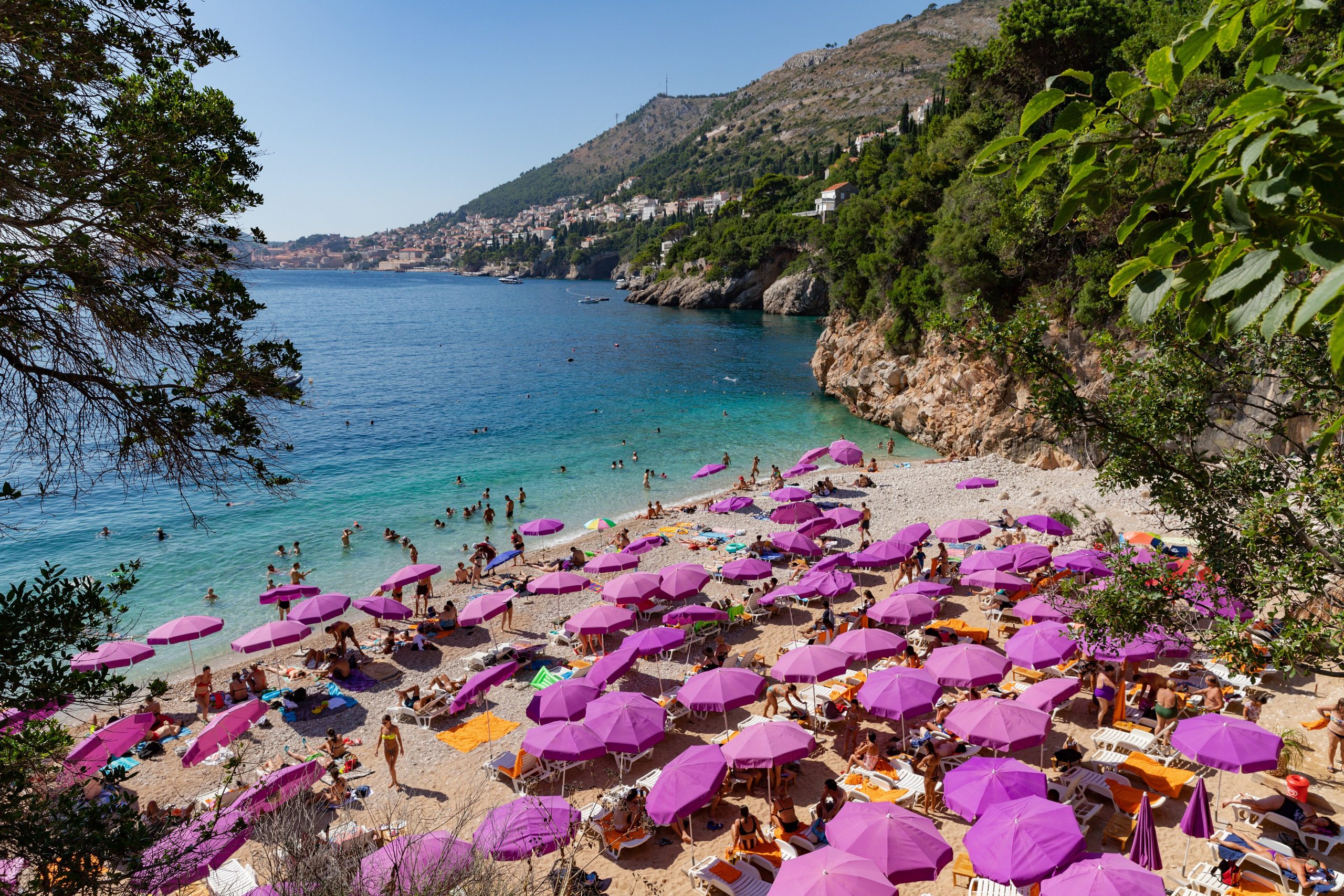
While most beaches are public, you might face hidden costs for amenities. Renting sun loungers and umbrellas at popular spots can increase your daily spending. Private beach clubs may charge an entry fee for access to their facilities.
Some historical sites and national parks have surcharges for guided tours or special exhibitions. Researching these costs beforehand helps maintain a realistic budget for your trip. Planning for these small extras ensures your vacation stays enjoyable and within budget.
Affordable Regions and Cities for Budget Travelers
Some of Croatia’s most affordable spots lie off the beaten path. The southern coast may get all the attention, but hidden gems abound nearby. By exploring these areas, you can immerse yourself in local culture without breaking the bank.
Inland Slavonia and Rural Escapes
For a true Croatian experience, head to Slavonia. This region is often missed by tourists, keeping costs for food, wine, and lodging low. You’ll find cozy guesthouses and farm-to-table meals at a fraction of coastal resort prices.
Rural Slavonia offers a serene getaway with vineyards and fortresses to explore. It’s perfect for those who prefer nature and history over beach crowds. The warm local hospitality will make your budget go further than you think.
Northern Adriatic Coastal Gems
The northern Adriatic, including Istria and the Kvarner Gulf, offers beauty and affordability. While some towns are popular, many coastal villages remain budget-friendly. Here, you can enjoy Mediterranean views and fresh seafood without the high prices of southern resorts.
Visiting these areas lets you enjoy the Adriatic’s clear waters while keeping your budget in check. Local apartments offer great value for families or solo travelers. It’s a smart way to experience coastal living without the hefty price tag.
Smaller Towns vs Major Hubs
Choosing your base is key to saving money. Major tourist spots inflate prices for everything. Staying in smaller towns inland or along the coast can save you a lot on daily expenses.
Smaller towns offer a more laid-back vibe and a chance to meet locals. Prices at grocery stores, cafes, and markets are geared towards residents, not tourists. Choosing these spots is a smart way to find affordable Croatia while accessing popular attractions.
Expensive Hotspots to Approach with Caution
Identifying the most expensive cities in Croatia is essential for budget-conscious travelers. While the country offers great value, some iconic spots come with a hefty price tag. These can surprise even the most prepared visitors.
Knowing where costs are highest helps you plan your visit. This way, you can enjoy these areas without making them your main base. It’s a smart strategy to keep your expenses in check.
Dubrovnik Old Town Premium
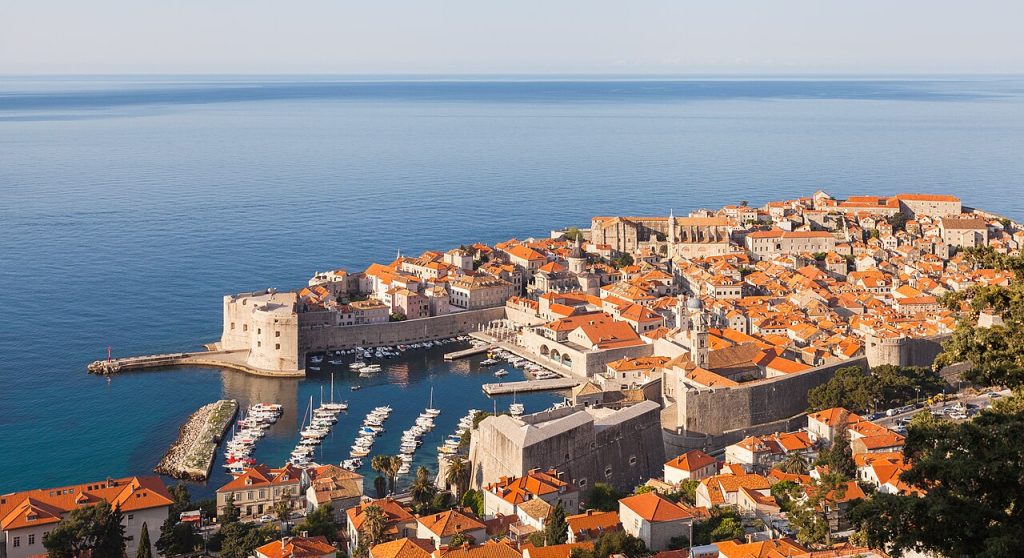
Dubrovnik, the Adriatic’s gem, comes with a price. Staying within the historic city walls is more expensive than the suburbs. This is a significant cost factor for travelers.
Eating in the Old Town can quickly drain your budget. Cover up before you enter the walls, too — walking the Old Town in swimwear or shirtless carries a fine of around €150. Seek out smaller, hidden gems in side alleys for better value. This approach can help you enjoy Dubrovnik without financial strain.
Hvar Town Nightlife Costs
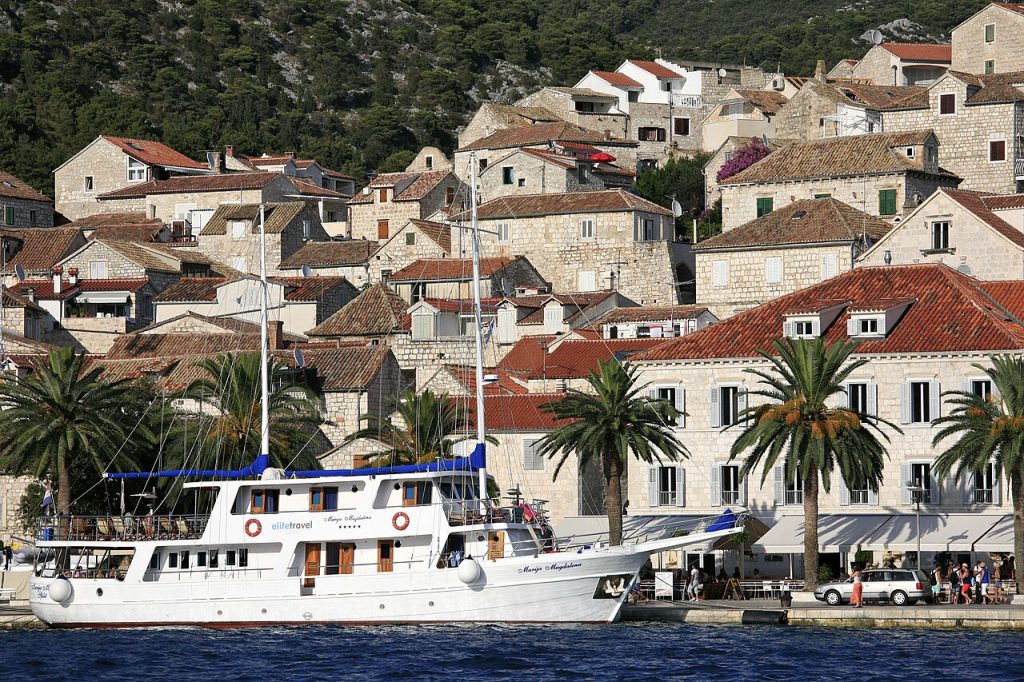
Hvar Town’s nightlife is legendary but pricey. The scene is top-notch, but costs can add up fast, mainly in summer. Be mindful of cover charges and cocktail prices.
Set a budget for nightlife to avoid overspending. A sunset drink at a local bar can be just as fulfilling as a night at a pricey club. This way, you can enjoy Hvar’s nightlife without breaking the bank.
Split Waterfront Dining Traps
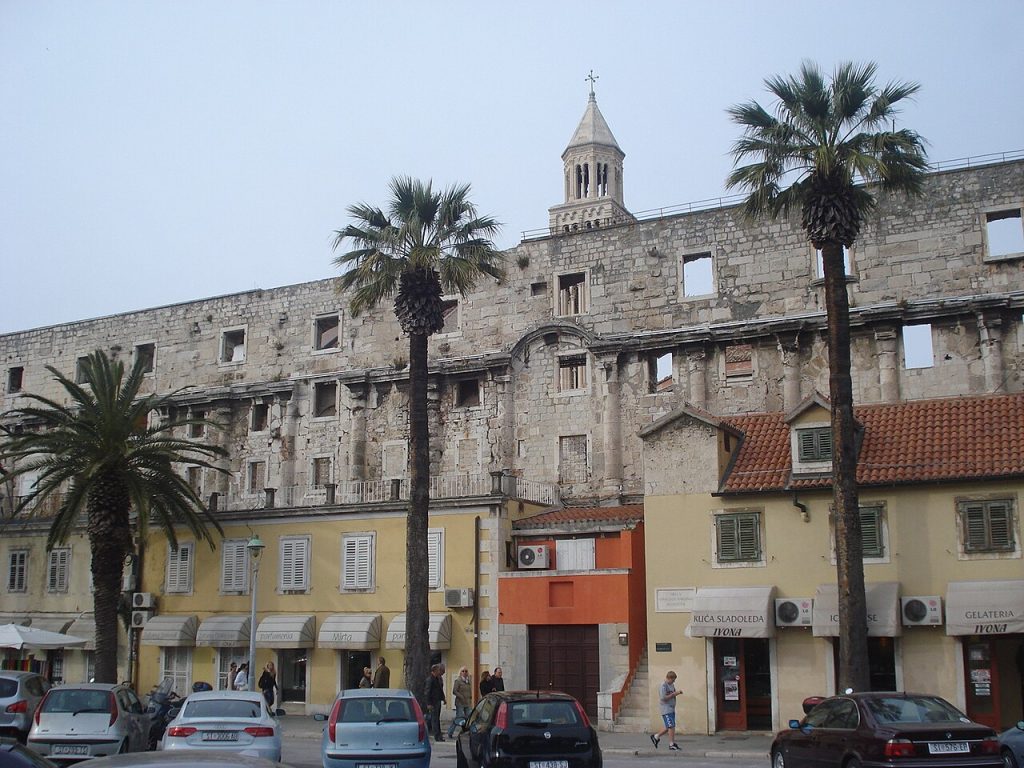
The Riva waterfront in Split is stunning but also home to touristy dining spots. Restaurants along the promenade often charge high prices for food that may not be worth it. This can be a trap for unsuspecting diners.
To save money, explore the Diocletian’s Palace maze a few blocks inland. Here, you’ll find authentic konobas serving delicious meals at a fraction of the cost found in tourist areas. It’s a smart way to enjoy Split’s culinary scene without overspending.
Activity Costs and Entrance Fees for National Parks
Exploring Croatia’s natural wonders is a highlight of any trip, but knowing the costs involved helps keep your plans on track. When you are building your croatia vacation budget, it is essential to account for the entrance fees that grant access to the country’s most stunning landscapes.
Plitvice Lakes and Krka Pricing
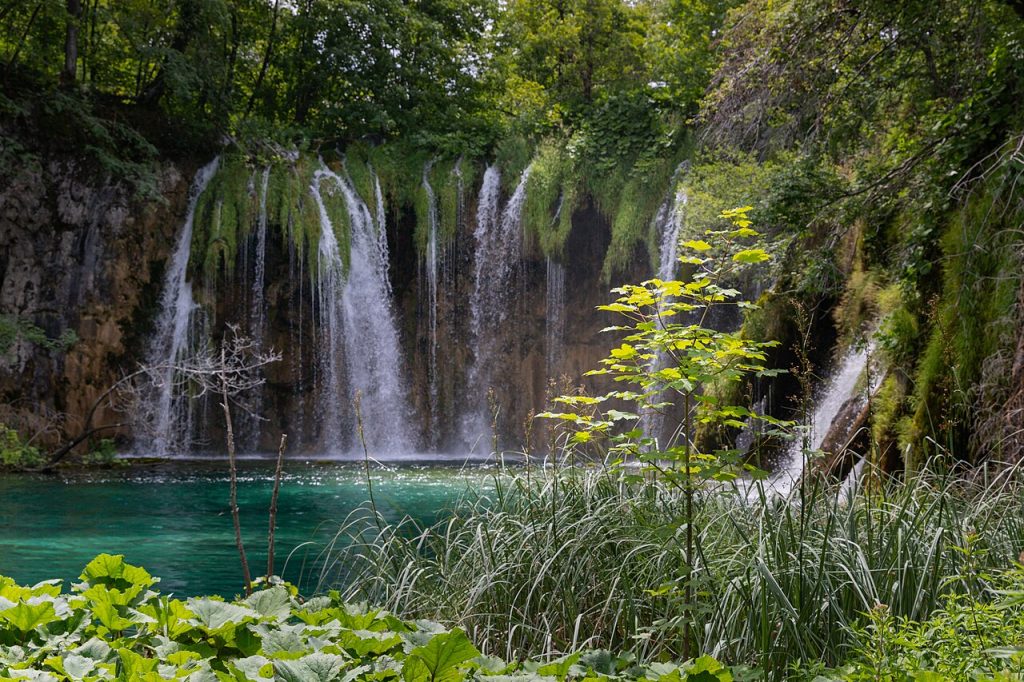
Plitvice Lakes and Krka National Park are the crown jewels of the Adriatic, but they come with dynamic pricing. During the peak summer months, ticket prices rise significantly compared to the shoulder season.
To save money, always book your tickets online in advance. This strategy not only secures your entry during busy times but often provides a slight discount compared to buying at the gate.
Historical Site Entry Fees
Beyond nature, Croatia is home to incredible history that requires an admission fee. Iconic spots like the Dubrovnik City Walls or the Pula Arena are must-see attractions, though they can be pricey.
Consider purchasing a city pass if you plan to visit multiple museums or sites in one location. These passes often bundle entrance fees, helping you maintain a balanced croatia vacation budget while seeing more of the local heritage.
Water Sports and Boat Excursion Costs
The Adriatic Sea invites you to get active, whether through sea kayaking, snorkeling, or guided boat tours. Prices for these excursions vary based on the duration and the level of service provided.
Group tours are generally more affordable than private charters, making them a great choice for travelers watching their spending. Always compare prices from different vendors at the local harbor to ensure you are getting the best value for your croatia vacation budget.
Ferry Travel and Island Hopping Logistics
Island hopping in the Adriatic is a highlight, but planning is key. The cost of travel can be high, not just in cities like Dubrovnik. Knowing the ferry network can save you time and money.
Catamaran vs Car Ferry Pricing
Choosing between catamarans and car ferries is your main decision. Catamarans are fast, but they’re more expensive. They’re ideal for those without cars who want to make the most of their island time.
Car ferries, mainly run by Jadrolinija, are slower but cheaper for foot passengers. If you’re renting a car, these are your only choice. But, expect to pay extra for your vehicle. Always compare prices to stay within your budget.
Booking Strategies for Peak Summer
In summer, ferries can book up quickly. Booking online through official sites is the best way to secure your spot. This strategy helps you avoid the stress of visiting expensive cities like Split during peak times.
Traveling without a car gives you more flexibility for last-minute bookings. Yet, routes like Split to Hvar should be booked early. Keep an eye on your email for schedule changes due to weather.
Distance and Travel Time Estimates
Geography affects your travel costs and time. Shorter trips are cheaper and faster than long ones. Use online planners to estimate your travel time before planning your itinerary.
Plan your island visits to be close together to save on travel time. Spending four hours on a ferry daily can cut into your vacation. Efficient planning lets you enjoy the views without overspending on transport.
Money-Saving Tips for Your Croatian Vacation
Stretching your budget for a trip to Croatia is achievable with the right local insights. Small adjustments in daily habits can result in significant savings over a two-week period. By opting for local alternatives, you can enjoy quality experiences without breaking the bank.
Leveraging Local Transit Passes
Traveling along the coast becomes more affordable with regional transit passes over private taxis. Many cities offer multi-day passes for local buses and sometimes harbor ferries. These passes are ideal for keeping travel expenses low while exploring historic centers.
Booking Accommodations in Advance
Booking your stay well in advance is a key money-saving strategy. Prices for private apartments and guesthouses tend to rise as summer approaches. Early booking allows you to secure better rates and a broader selection of properties that meet your needs.
Avoiding Tourist-Centric Dining Areas
Dining in the heart of a busy tourist square can be pricey. Seek out small, family-run taverns known as “konobas” a few streets from main attractions. These places offer authentic local dishes at a lower cost than high-traffic areas.
Carrying a reusable water bottle is another simple way to reduce daily expenses. Tap water in most areas is safe and refreshing. These tips aim to help you enjoy a fantastic vacation while keeping your budget in check.
Comparing Croatia to Other European Destinations
Ever wondered how Croatia’s holiday costs compare to other European favorites? Understanding the financial landscape of the Adriatic is essential for a worry-free trip. By examining Croatia’s prices against its neighbors and Western counterparts, you can craft a more effective travel budget.
Croatia vs Western Europe Prices
Comparing Croatia to Western European giants like France, Switzerland, or Italy reveals a notable difference. Despite rising costs due to its increasing popularity, Croatia’s prices are generally lower. You can find top-notch dining and accommodations at a fraction of the cost seen in Paris or Rome.
Croatia vs Balkan Neighbors
Croatia is pricier than its Balkan neighbors, such as Bosnia and Herzegovina or Montenegro. This disparity mainly stems from Croatia’s superior tourism infrastructure and EU membership. Yet, this higher cost often means better roads, reliable public transport, and a broader range of services for visitors.
Value for Money Assessment
In the end, Croatia offers great value. It may not be the cheapest in the Balkans, but its unique history, nature, and coastal beauty make it worth the expense. To find affordable options in Croatia, explore inland areas or visit during the shoulder season. By choosing the right time and place, you can enjoy a premium experience without overspending. There are numerous affordable spots in Croatia that provide a genuine experience without straining your budget.
Managing Currency and Payment Methods
Entering a new country’s financial scene can seem overwhelming. Yet, managing your money in Croatia is quite simple. The shift in the cost of living in Croatia is notable. Understanding local payment habits can save you from unnecessary fees.
Using the Euro Effectively
Croatia’s adoption of the Euro makes travel easier for many. Carrying a mix of cash and cards is the best way to manage daily expenses.
Keep small Euro denominations for local markets or small cafes. Even as digital payments grow, cash is preferred by many small vendors.
ATM Withdrawal Best Practices
For extra cash, use ATMs at reputable bank branches. Steer clear of standalone machines in tourist areas, as they often charge high fees.
Always choose to be charged in Euros, not your home currency. This avoids poor exchange rates on your transaction.
Keep an eye on your bank statements to monitor spending. If you spot unexpected charges, contact your bank right away to fix the issue.
Credit Card Acceptance Rates
Visa and Mastercard are widely accepted in hotels, supermarkets, and big restaurants. You’ll rarely face issues with plastic in cities or tourist spots.
But, smaller taverns or remote island shops might only take cash. It’s smart to carry enough cash for meals or ferry tickets, just in case.
By using cards and cash wisely, you can manage your budget well. This way, you can enjoy your trip without worrying about money.
Before you go: turn this guide into a day-by-day plan. Our partner Voyada is a free personalized trip planner that builds the route with flights, hotels and a real total cost for your dates — in about a minute.
Build an itinerary →How to Visit Croatia on a Budget
Croatia rewards a few local habits that quietly cut the bill — especially if you avoid the peak-summer coast.
- Rent apartments (sobe/apartmani) over hotels — they’re cheaper, common, and often come with a sea view and a kitchen.
- Eat at a konoba (family tavern) inland or a street back from the harbour, where a grilled-fish or peka dinner costs a fraction of the waterfront.
- Use public ferries (Jadrolinija) between islands instead of pricey excursion boats — same views, far less money.
- Dodge the August coast: shift to May–June or September, or base inland (Zagreb, Plitvice) where prices don’t spike 30% in high summer.
- Small costs to expect: a modest nightly tourist tax, paid parking in old towns, and card acceptance that’s good but not universal — carry some euros.
Croatia Cost Breakdown
A per-person, per-day breakdown by style (excluding international flights). The coast in July–August pushes everything toward the top of each range.
| Category | Budget | Mid-range | Luxury |
|---|---|---|---|
| Accommodation | €30–60 (apartment) | €80–150 | €250+ |
| Food | €15–25 | €35–60 | €100+ |
| Transport (ferries/bus) | €10–20 | €25–50 | €90+ |
| Activities | €0–15 | €25–50 | €100+ |
| Daily total | €40–70 | €80–150 | €500+ |
Frequently Asked Questions
Is Croatia expensive to visit?
Croatia is mid-priced — cheaper than Western Europe but no longer a bargain, especially on the coast in summer. Expect €80–150 a day; Dubrovnik and Hvar are priciest, inland and Zagreb the cheapest.
What is the cheapest time to visit Croatia?
The shoulder seasons (May–June and September–October) and the off-season have far lower prices than July–August, when coastal costs can jump around 30%.
How much does a week in Croatia cost?
A mid-range traveller spends roughly €600–1,000 for a week excluding flights — more on the coast in peak summer or with lots of island tours.
How much does a two-week trip to Croatia cost?
Budget roughly 1,100 to 2,000 euros per person for two weeks at a mid-range level, excluding international flights. That assumes private apartments, restaurant meals, ferries and a few paid sights. Backpackers using hostels, buses and self-catering can manage on around 600 to 850 euros. Two weeks in July or August on the southern coast pushes you towards the top of every range. Splitting your time between the coast and inland brings the daily average down.
Why is Dubrovnik so expensive?
Dubrovnik packs enormous demand into a small walled Old Town, so accommodation, restaurants and parking all carry a premium. Mid-range visitors spend around 110 to 180 euros a day there, the highest in the country, and cruise arrivals add to the pressure in summer. Staying in Lapad, Gruz or a village along the coast cuts the nightly rate sharply while leaving you a short bus ride from the walls. Eat a few streets back from the promenade.
Is eating out in Croatia expensive?
Croatian restaurant prices are moderate, but location changes everything. A grilled fish or peka dinner on the Dubrovnik or Split waterfront can cost several times the same meal at a family-run konoba a few streets inland. Mid-range travellers spend roughly 35 to 60 euros a day on food. Bakeries, known as pekara, sell burek and pastries for a couple of euros, and the green markets are the cheapest way to assemble a picnic lunch.
What currency does Croatia use?
Croatia uses the euro, adopted in January 2023 when it replaced the kuna. Visitors from other eurozone countries no longer need to change money, and prices are quoted in euros everywhere. Withdraw cash at machines attached to proper bank branches rather than the standalone ATMs in tourist areas, which charge steep fees. Always decline the offer to be billed in your home currency and choose euros, as the machine’s own conversion rate is poor.
Do you need cash in Croatia, or is a card enough?
Cards cover most of your spending. Visa and Mastercard are accepted at hotels, supermarkets, larger restaurants and ferry offices across the country. Carry some euros anyway, because small konobas, island shops, market stalls, some parking machines and a few local bus routes still take cash only. Around 100 euros in small notes is usually enough for a week, topped up from a bank ATM as you go rather than at the airport.
What is the tourist tax in Croatia?
Every guest in commercial accommodation pays a nightly tourist tax, the boravisna pristojba. It is a small per-person charge that varies by season and municipality, higher in peak summer on the coast than inland or off-season. Most hosts fold it into the nightly rate, so check your invoice to make sure you are not paying it twice. Your host is legally required to register you as a guest, so keep your passport handy at check-in.
Is island hopping in Croatia expensive?
Public ferries keep it affordable. Jadrolinija car ferries are the cheapest option for foot passengers and cost far less than the excursion boats sold at the harbour, though they are slower. Fast catamarans save time and charge a premium, and taking a car on board adds a significant extra fare. Book popular summer routes such as Split to Hvar online in advance. Grouping nearby islands together saves both money and hours at sea.
How much does it cost to rent a car in Croatia?
Expect roughly 40 to 100 US dollars a day, depending on the season and the size of the car, with midsummer at the top of that range. Fuel costs more than in the United States, and motorway tolls add up on long drives. Parking is the hidden expense, as garages inside historic centres such as Split and Dubrovnik are pricey in summer. Park in the public lots outside the old town gates and walk in.
Which parts of Croatia are cheapest to visit?
Inland Slavonia is the best value in the country, with guesthouses, wine and farm meals well below coastal rates, followed by Zagreb at around 60 to 90 euros a day. On the coast, Zadar and the smaller towns of the Kvarner Gulf and northern Istria cost noticeably less than Split, Hvar or Dubrovnik. Basing yourself in a village a short drive from a headline sight is the simplest way to cut your daily spend.
Do you have to pay to enter Plitvice Lakes and Krka?
Yes, both national parks charge admission and both use seasonal pricing. Tickets cost the most in July and August, drop through the shoulder months and are cheapest from November to March. Book online in advance rather than at the gate, as entry slots at Plitvice are capped in summer and sell out. The internal boat and shuttle train at Plitvice are included in the standard ticket, so the entry fee is the main cost. Note that swimming under Krka’s Skradinski Buk falls has been banned since 2021; you can still swim at Roski Slap in summer.
Do you tip in Croatia?
Tipping is appreciated but not obligatory, and nothing like the American norm. Around 5 to 10 per cent for good service in a restaurant is generous, and simply rounding up the bill is normal for a coffee or a casual lunch. Check the receipt first, as some tourist-area restaurants already add a service charge. Taxi drivers and bar staff do not expect a tip. Cash is more welcome than adding it to a card payment.
How many days do you need in Croatia?
Seven days covers Split, one or two islands and Dubrovnik at a comfortable pace, or Zagreb, Plitvice and Istria if you prefer the north. Ten to fourteen days lets you combine both halves of the country without long daily transfers. Allow most of a day for each ferry crossing you add, and remember that Zagreb to Dubrovnik is a long haul by road. Fewer bases and longer stays keep both costs and travel time down.
Conclusion
Croatia is a breathtaking destination that caters to your unique travel style. You have the ability to craft your journey based on your preferences and priorities.
Before embarking, many ponder if Croatia is pricey. The truth is, you can control your expenses by opting for local experiences over tourist hotspots. With careful planning, you can revel in the Adriatic’s splendor without breaking the bank.
Creating a thoughtful budget for your Croatian trip empowers you to uncover hidden treasures and lively coastal towns. Booking your lodging in advance is key to securing the best prices for your travel dates. This strategy not only saves your budget but also guarantees a cozy retreat after each day’s exploration.
Now, it’s time to start planning your itinerary. Utilize the advice provided to design a trip that aligns with your financial aspirations. Your extraordinary journey through this enchanting nation awaits.