
Table of Contents
ToggleDid you know a third of foreign visitors to Italy never leave Rome, Venice, Milan or Florence? While Rome and Venice are breathtaking, they barely scratch the surface of what Italy has to offer. For official, up-to-date visitor information, see Italy’s UNESCO World Heritage listings.
Italy boasts 20 distinct regions, many of which are untouched by most visitors. By venturing off the beaten path, you embark on a more spontaneous and enriching journey.
The true essence of Italy lies in these quiet spots where local culture flourishes. By seeking out these hidden gems, you trade long lines for real connections and authentic experiences. It’s time to go beyond the postcards and uncover Italy’s true soul.
Key Takeaways
- Most travelers only visit a small percentage of the country, leaving vast areas untouched.
- Italy consists of 20 unique regions, each with its own traditions and landscapes.
- Avoiding major tourist hubs leads to a more authentic and spontaneous travel experience.
- Prioritizing local culture over famous landmarks creates deeper, more meaningful memories.
- Exploring lesser-known areas supports local economies and preserves regional heritage.
✈️ TripToGo Travel Deals
Get notified about great travel deals
Hand-picked flight, hotel and destination deals, straight to your inbox. No spam, unsubscribe anytime.
🎉 Thank you for subscribing!
You’re all set — the best travel deals are on their way.
Why You Should Explore Lesser-Known Italian Destinations
Exploring lesser-known Italian destinations offers a transformative travel experience. Iconic cities, while charming, are often crowded and have long lines. This can dampen your spirit. By venturing off the beaten path, you can wander at your own pace.
Choosing to go off the beaten path in Italy opens doors to genuine connections with locals. These interactions offer a glimpse into regional lifestyles, hidden from most tourists. People are more willing to share their stories and traditions without the rush of mass tourism.
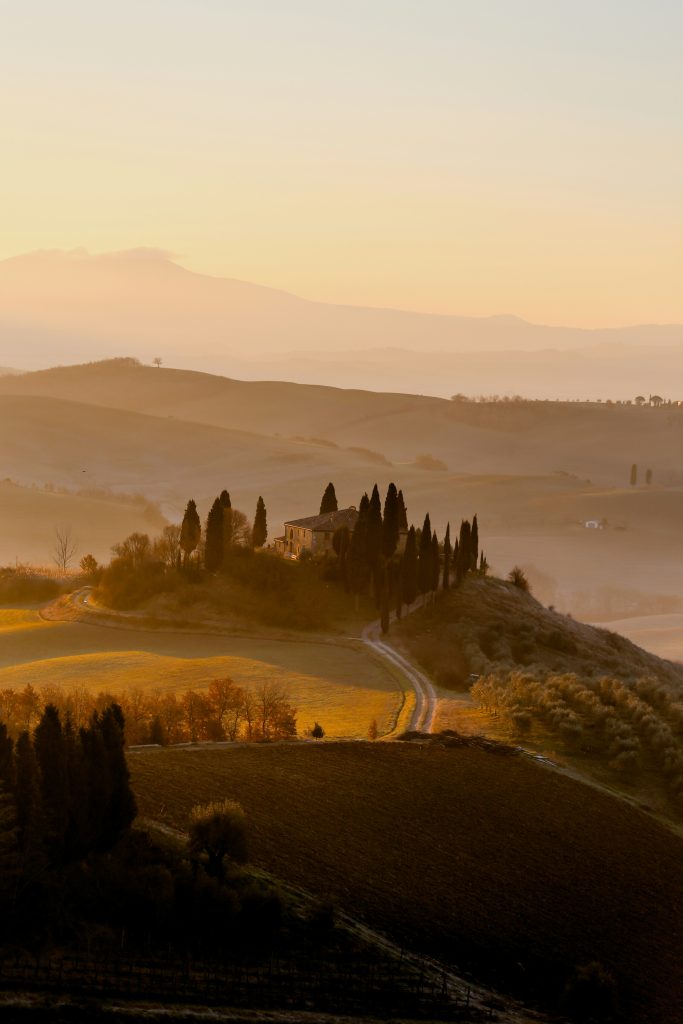
Supporting smaller towns promotes sustainable travel. Your visit benefits rural communities, which value your presence. This approach helps preserve the unique heritage of these destinations for future generations.
Imagine enjoying a glass of local wine in a quiet, sun-drenched square, away from tour groups. Discovering these hidden gems leads to authentic dining experiences with recipes passed down for centuries. An off the beaten path Italy adventure is more than seeing new places; it’s feeling the country’s true heartbeat.
Planning Your Trip: Best Months and Logistics
Timing is everything when exploring lesser-known Italian destinations. For the best weather and fewer crowds, aim for the shoulder seasons. April and May, or September and October, offer mild temperatures and authentic charm.
These months let you wander cobblestone streets and scenic landscapes without the summer heat. Local life feels more genuine without the tourist swarms. It’s the perfect time for those seeking peace and quiet.
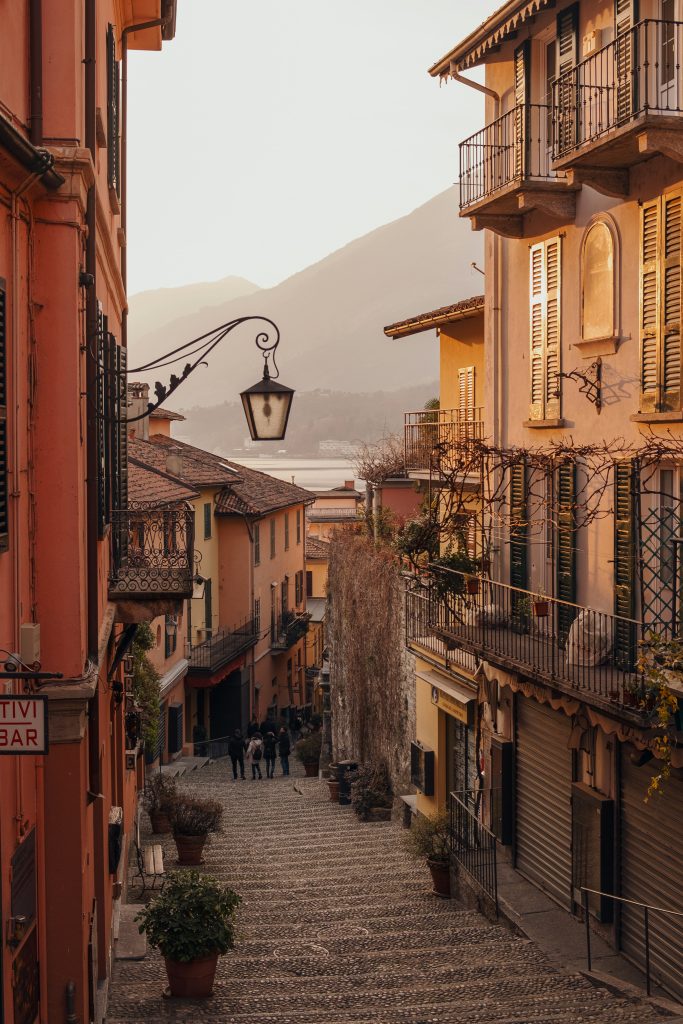
Regional trains are your ally for reaching smaller towns. They’re reliable and scenic, avoiding the stress of driving on narrow roads. While rental cars offer flexibility, trains save on fuel and parking in historic centers.
Managing your budget is simpler with advance travel planning. Booking regional tickets early keeps costs low and ensures a smooth journey. Careful planning unlocks the most rewarding experiences in these hidden gems.
Hidden Gems in Italy at a Glance
Here is every hidden gem in this guide — plus a few more off-radar spots — in one sortable view by region, what it is best for, and the nearest airport or hub, so you can plan a route off the tourist trail.
| Hidden gem | Region | Best for | Nearest hub |
|---|---|---|---|
| Matera | Basilicata | Cave dwellings (UNESCO) | Bari (BRI) |
| Alberobello & Itria Valley | Puglia | Trulli houses (UNESCO) | Bari (BRI) |
| Gargano Peninsula | Puglia | Cliffs, forests, beaches | Bari (BRI) |
| Tremiti Islands | Puglia (Adriatic) | Untouched island beaches | Foggia + ferry |
| Castelmezzano & Pietrapertosa | Basilicata | Lucanian Dolomites, zip-line | Bari (BRI) |
| Monte Conero | Le Marche | Dramatic Adriatic cliffs | Ancona (AOI) |
| Urbino | Le Marche | Renaissance city (UNESCO) | Ancona (AOI) |
| Sibillini Mountains | Le Marche / Umbria | Wildflower plateaus, hiking | Perugia (PEG) |
| Spello | Umbria | Flower-draped medieval town | Perugia (PEG) |
| Orvieto | Umbria | Hilltop cathedral, caves | Rome (FCO) |
| Gubbio | Umbria | Medieval hill town | Perugia (PEG) |
| Appian Way & Catacombs | Lazio (Rome) | Ancient road, catacombs | Rome (FCO) |
| Trastevere | Lazio (Rome) | Hidden gardens, nightlife | Rome (FCO) |
| Oltrarno | Tuscany (Florence) | Artisan workshops | Florence (FLR) |
| San Miniato al Monte | Tuscany (Florence) | Sunset views over Florence | Florence (FLR) |
| Cannaregio | Veneto (Venice) | Local Venice, no crowds | Venice (VCE) |
| Torcello | Veneto (Venice) | Ancient lagoon island | Venice (VCE) |
| Mantua | Lombardy | Art, lakes, Renaissance | Verona (VRN) |
| Chiavenna | Lombardy | River town, crotti dining | Milan (MXP) |
| Val di Funes | South Tyrol | Dolomite scenery | Verona (VRN) |
| Julian Alps & Lake Fusine | Friuli | Alpine lakes | Trieste (TRS) |
| Trieste | Friuli | Border culture, grand cafes | Trieste (TRS) |
| Pantelleria | Sicily | Volcanic island, thermal springs | Pantelleria (PNL) |
| Noto | Sicily | Baroque town (UNESCO) | Catania (CTA) |
Tap a column to sort. UNESCO sites per the UNESCO World Heritage list for Italy.
String the hidden gems into one route
Our partner Voyada’s travel planning AI turns your off-the-beaten-path Italy picks into a realistic route with flights, hotels and a real total cost — in about a minute, free.
Plan an itinerary→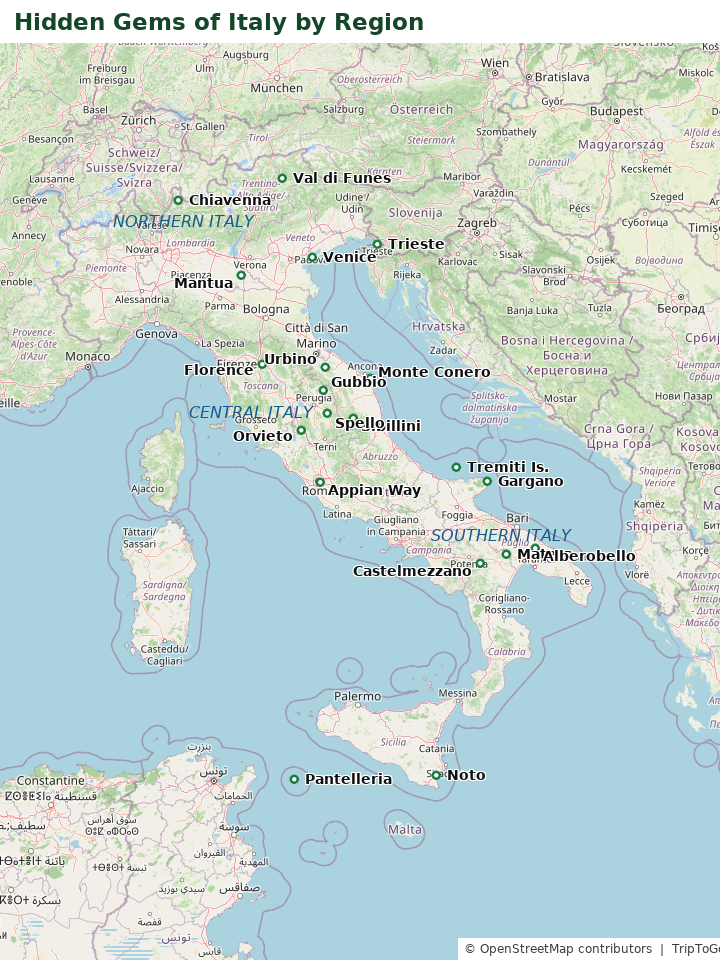
Off-the-Beaten-Path Italy: Key Facts
When to go: late spring (May–June) and early autumn (September–October) bring mild weather and few crowds; the Sibillini plateaus bloom with wildflowers in early summer.
Getting around: rent a car for the rural south, the hill towns and the Dolomites; fast trains link the big cities for the urban gems.
UNESCO hidden gems: Matera, the trulli of Alberobello, Renaissance Urbino and Sicily’s Noto are all World Heritage Sites — Italy has more (61) than any other country.
Best-value regions: the south (Basilicata, Puglia, Calabria) and inland Umbria and Le Marche cost far less than Tuscany, Venice or the Amalfi Coast.
Hidden Gems in Italy: The Undiscovered South
The southern regions of Italy, away from the north’s bustling squares, unveil a world of untouched beauty and ancient customs. Here, travelers are encouraged to adopt a slower pace, one that resonates with both timelessness and genuine authenticity. For those seeking to veer off the beaten path, the southern provinces offer a sanctuary from the usual tourist hotspots.
Exploring the Gargano Peninsula
The Gargano Peninsula, often referred to as the Italian boot’s spur, extends into the Adriatic Sea. It boasts a rugged coastline, hidden sea caves, and dense forests, providing a respite from city life. This area is a gem for nature enthusiasts and those who prefer peaceful coastal strolls.
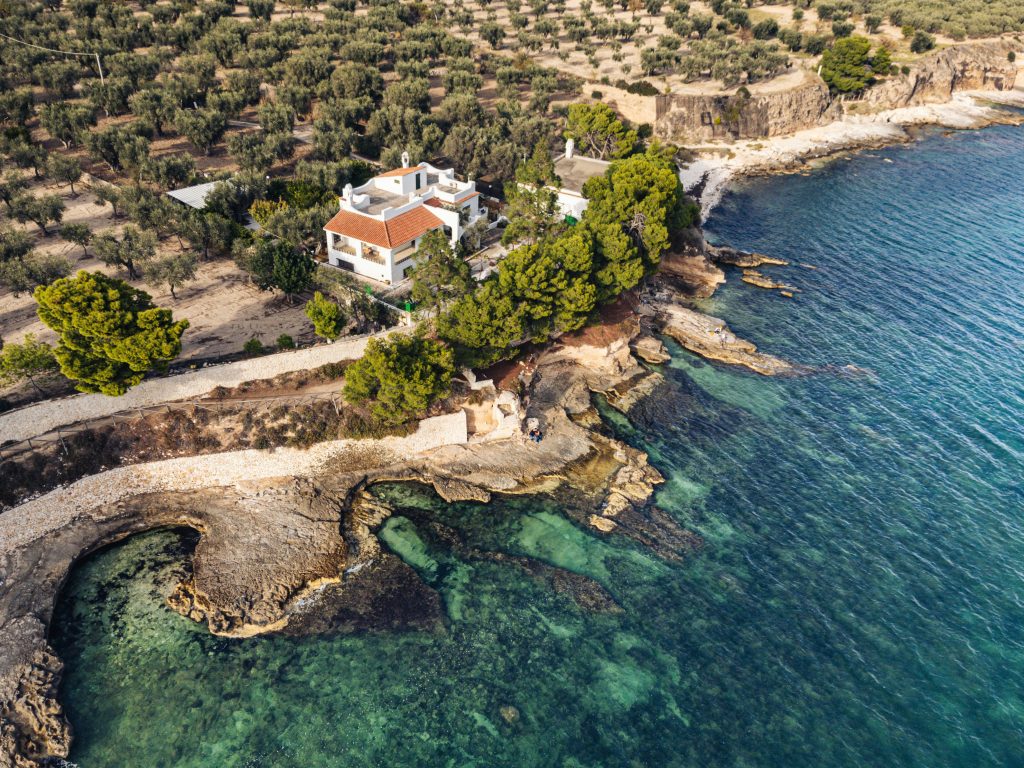
Days can be spent navigating limestone cliffs or lounging on untouched beaches. The scenery here is unparalleled, creating a tranquil setting for your next journey. It’s an essential stop for anyone looking to connect deeply with the Mediterranean’s beauty.
The Trulli Houses of the Itria Valley
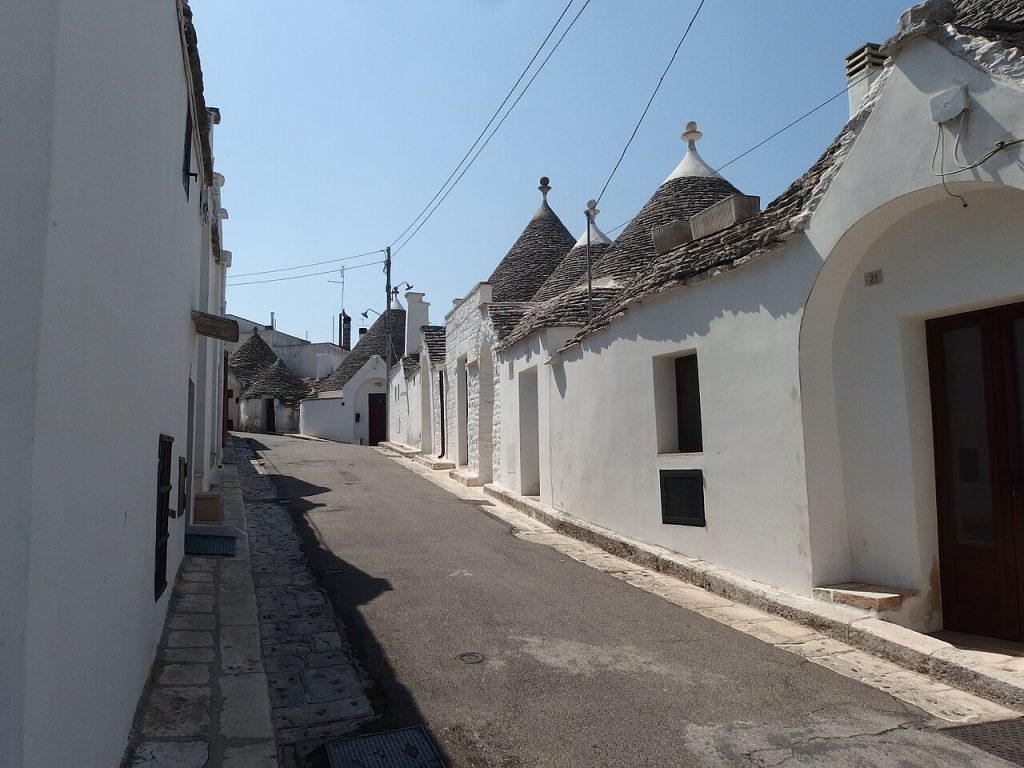
Inland, the Itria Valley presents a unique architectural marvel, unparalleled globally. It’s home to the Trulli houses, traditional limestone structures with distinctive conical roofs. These buildings offer a captivating look into historical construction methods, preserved for centuries.
Strolling through Alberobello’s streets feels like entering a fairy tale. The Trulli houses, with their unique designs, reflect the ingenuity of past builders. This valley is a treasure trove for travelers, blending history with visual splendor.
Polignano a Mare: Puglia’s Cliff-Edge Drama
White houses teeter on limestone cliffs above an impossibly turquoise cove — the one from every Puglia postcard. Come for a swim at Lama Monachile, stay for sunset from Terrazza Santo Stefano, and book dinner in the Grotta Palazzese sea cave if the occasion justifies it. Half an hour by regional train from Bari, yet somehow still under most travelers’ radar.
Locorotondo: The Prettiest Circle in the Itria Valley
Alberobello gets the buses; Locorotondo, ten minutes away, gets it right. A perfect ring of whitewashed lanes crowned with pointed cummerse roofs, wine bars pouring the local Verdeca, and evening passeggiata unbothered by crowds. Base here for the whole trulli country and thank yourself nightly.
Lecce: The Florence of the South
Puglia’s baroque capital carves honey-colored limestone into exuberant facades — and hardly anyone north of Rome seems to know. Santa Croce’s riotous front, a sunken Roman amphitheater in the main square, and pasticciotto custard tarts for breakfast. Use it as the gateway to Salento’s beaches at Otranto and Gallipoli.
Tropea, Calabria: The South’s Best-Kept Beach Town
A cliff-stacked old town gazing at the Aeolian Islands, sand the color of prosecco, and red onions so famous they’re a protected crop. Tropea is what Positano was before the world arrived — and dinner here still costs half the Amalfi price. September, when the water is warmest and Italians have gone home, is the moment.
The Mystical Landscapes of Basilicata
Basilicata, nestled in Italy’s southern corner, boasts a rugged beauty that eludes many. It’s a prime example of Italy’s hidden gems, rewarding those who stray from the beaten path. Here, ancient history meets dramatic mountains, creating a landscape that seems almost divine.
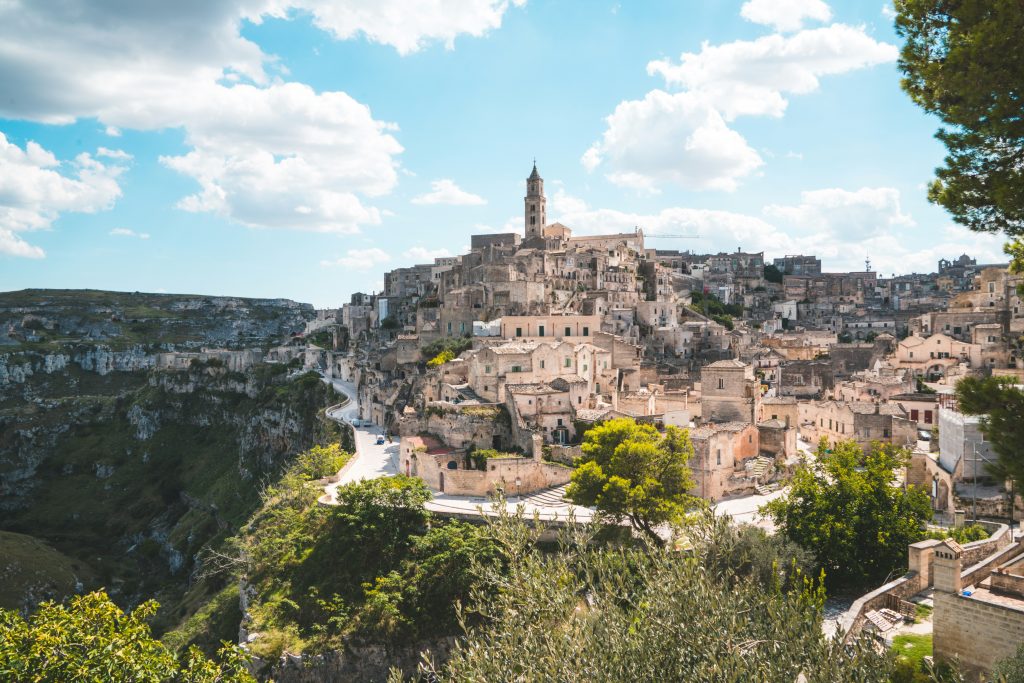
The Ancient Cave Dwellings of Matera
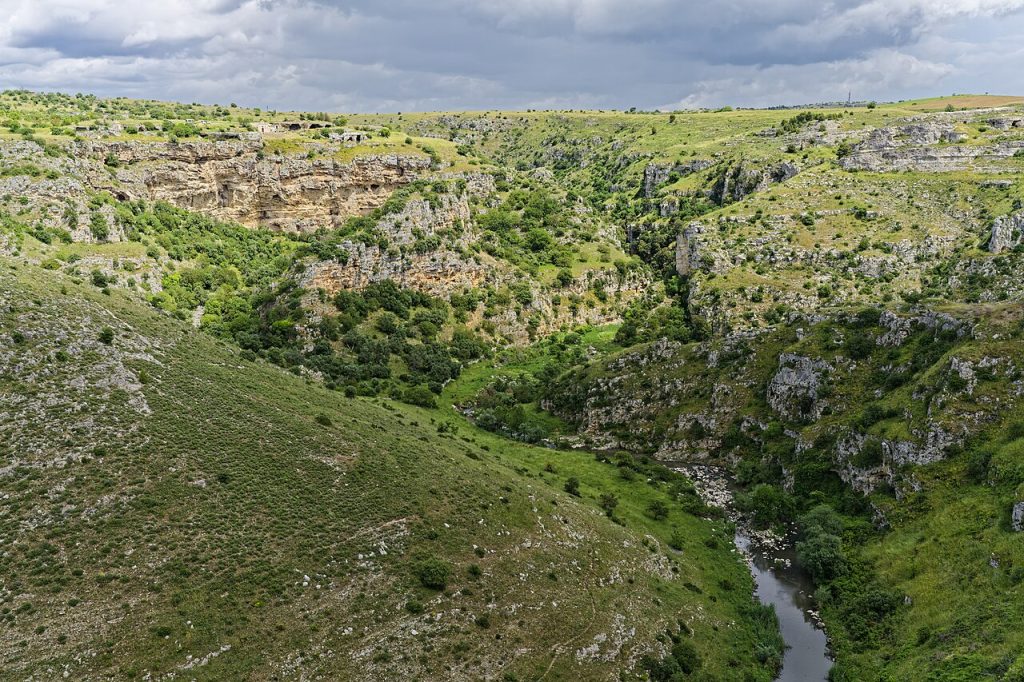
Matera is a living testament to human endurance, one of the world’s longest inhabited settlements. Its Sassi, ancient cave dwellings carved into limestone cliffs, are a marvel. These structures, once symbols of poverty, now stand as a unique cultural site, frozen in time.
Exploring Matera’s stone alleys is akin to wandering through a museum. The city’s hidden churches and dwellings reveal a civilization’s story spanning millennia. It’s a must-see for those seeking a profound connection to history.
Hiking the Lucanian Dolomites
The Lucanian Dolomites offer a thrilling contrast to Matera’s ancient cities. These peaks provide awe-inspiring views and a chance to experience the region’s untamed beauty. It’s a top choice for outdoor enthusiasts seeking adventure.
Trails here suit all skill levels, leading through forests and past dramatic rocks. Whether you’re an avid hiker or prefer a scenic stroll, the mountain air and quiet are invigorating. Don’t forget your camera, as the views from the peaks are unforgettable.
Coastal Escapes in the Le Marche Region
Exploring Italy’s hidden gems often leads to the enchanting Le Marche region. This area perfectly blends rugged coastlines with deep historical roots. It’s a must-visit for those seeking authentic Italian experiences away from the crowds.
The Dramatic Cliffs of Monte Conero
The Le Marche coastline is marked by the awe-inspiring Monte Conero cliffs. These cliffs dramatically rise from the Adriatic Sea, providing a stunning backdrop for your travels. The area boasts numerous trails ideal for coastal walks, with views that leave a lasting impression.
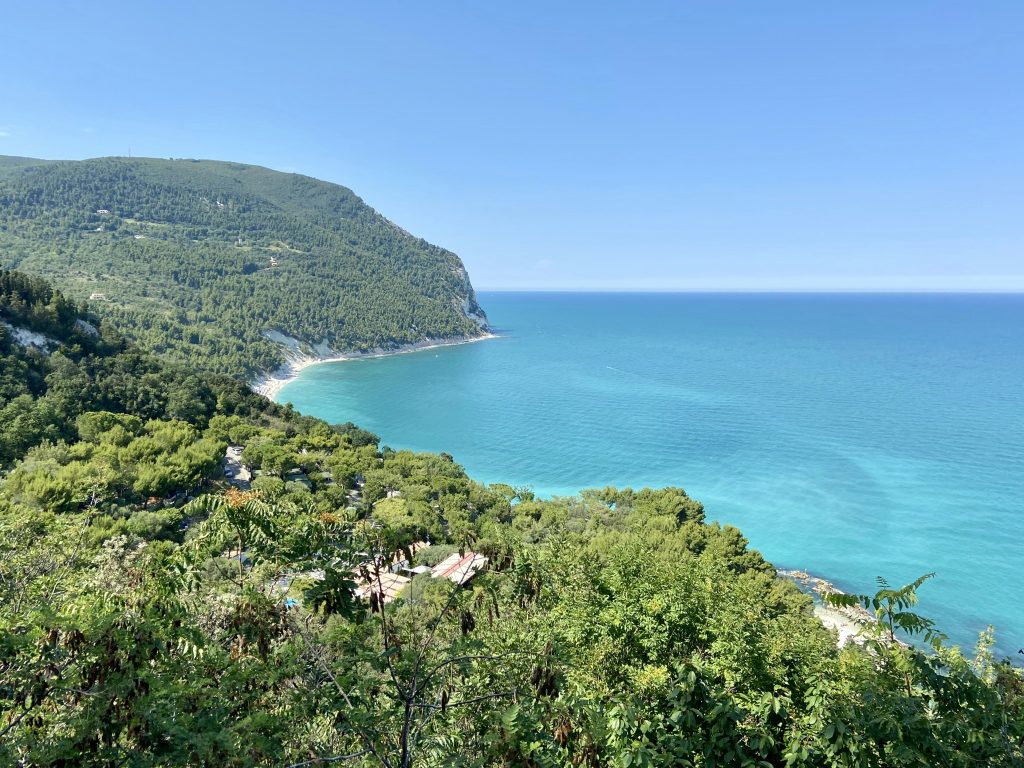
Whether you’re a seasoned hiker or seeking a scenic spot to unwind, the area offers a unique natural connection. The untouched beaches beneath the cliffs offer a serene retreat from the tourist throngs. Rock falls from the Conero cliffs can close them, though: the park authority lists standing orders barring the Due Sorelle beach and sections of the paths down to the shore, so check what is open. It’s clear why Le Marche is a true hidden treasure in Italy.
Renaissance Charm in Urbino
Inland, Urbino showcases the region’s rich cultural heritage. As a UNESCO World Heritage site, it’s renowned for its Renaissance architecture and artistic legacy. Walking its narrow, winding streets feels like a journey back to a creative golden age.
Urbino’s grand palaces and historic squares rival the grandeur of famous cities. It offers a sophisticated cultural experience that remains intimate and accessible. It’s the ideal destination to wrap up your exploration of this remarkable region.
Ascoli Piceno: Travertine Squares and Fried Olives
Le Marche’s southern star is built almost entirely of glowing travertine, with Piazza del Popolo ranking among Italy’s most beautiful squares that nobody photographs. Order the olive all’ascolana (stuffed, fried, invented here) and an anisetta at century-old Caffè Meletti, and watch a town that tourism forgot get on with being gorgeous.
Abruzzo and Molise: Italy’s Wild Heart
One region over from Rome, the crowds simply stop. Abruzzo is half national park — wolves and bears included — and its neighbor Molise is Italy’s least-visited region, a running national joke (“Molise doesn’t exist”) that works entirely in your favor.
Santo Stefano di Sessanio: The Village That Came Back
A near-abandoned medieval hamlet on the Gran Sasso plateau, revived as Italy’s most famous albergo diffuso — the village itself is the hotel, rooms scattered through restored stone houses. Wood smoke, lentil stew, and the eerie beauty of Rocca Calascio’s ruined castle a hike away.
Scanno: The Photographers’ Hill Town
Cartier-Bresson shot Scanno; so should you. Lanes of stone houses spill down toward a heart-shaped lake, and older women still occasionally wear traditional dress not for anyone’s camera. The drive in through the Sagittario Gorge is worth the trip alone.
Sulmona: Confetti and Mountain Grandeur
Ovid’s hometown sits ringed by peaks, threaded by a medieval aqueduct, and perfumed by confetti — the sugared almonds every Italian wedding throws, invented here. A working, handsome mountain town where the evening passeggiata is entirely local.
Agnone, Molise: The Bell-Makers’ Town
The Marinelli foundry has cast church bells here for a thousand years — the world’s oldest bell foundry still ringing — and you can tour it. Around it: a proud, silent hill town, sheep-track tratturi hiking, and caciocavallo cheese aged in caves. Molise exists, and it’s wonderful.
Medieval Hill Towns of Umbria
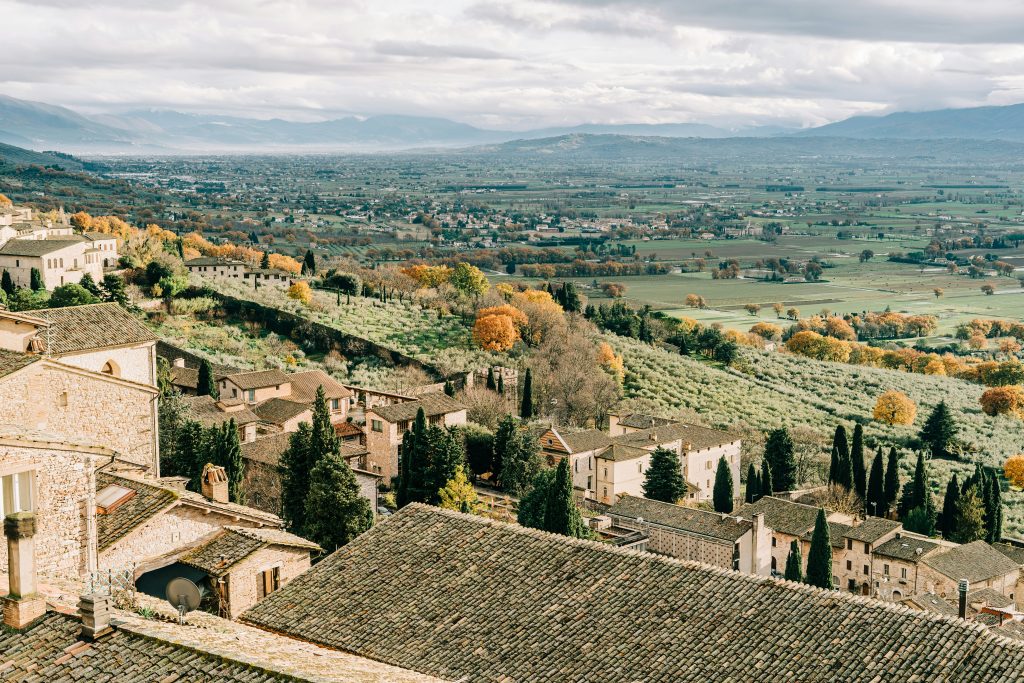
Exploring Italy’s hidden treasures means venturing into the medieval hill towns of Umbria. Known as the green heart of Italy, this area provides a serene retreat from the chaos of tourist spots. Here, you can savor a slower travel pace, strolling through ancient streets filled with centuries of history.
The Artistic Heritage of Spello
Spello stands out as a true treasure, captivating all who wander its narrow paths. Renowned for its well-preserved medieval walls, the town’s history is palpable. Every turn uncovers stunning frescoes and colorful floral displays adorning the stone houses.
Views from the Heights of Orvieto
Orvieto, perched atop a volcanic cliff, offers breathtaking views. The town appears to hover above the valley, providing visitors with panoramic vistas that are unforgettable. It’s a standout among Italy’s hidden treasures, blending history with natural splendor.
Exploring these elevated streets lets you connect with the area’s authentic spirit. Whether admiring the architecture or enjoying the quiet, these towns offer a unique glimpse into Italian life. Don’t forget your camera, as the views from these heights are unparalleled.
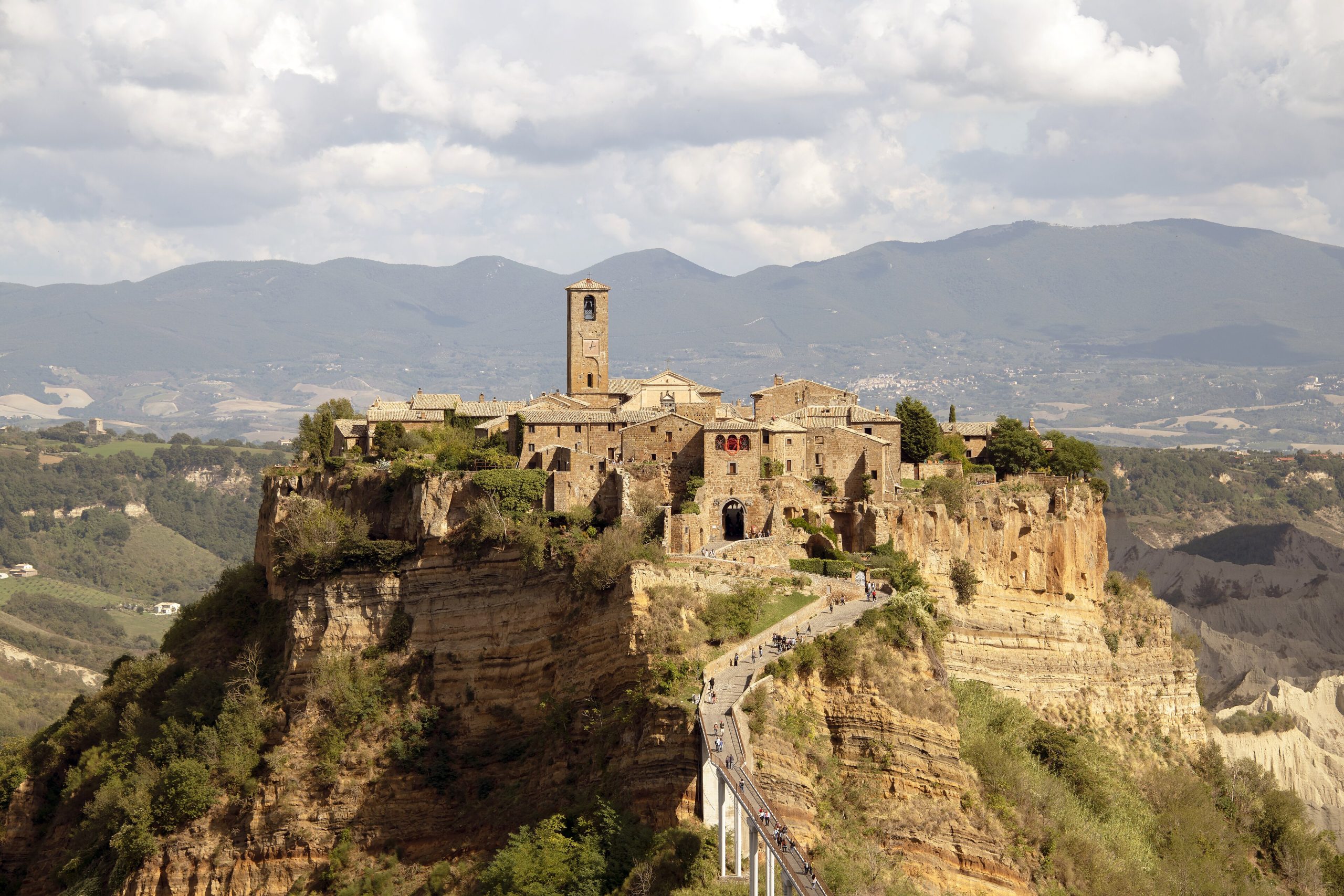
Civita di Bagnoregio: The Dying City
A crumbling tufa pinnacle connected to the world by a single footbridge, Civita is perhaps Italy’s most startling sight — a village of perhaps a dozen winter residents slowly being eaten by erosion. Cross at golden hour after the day-trippers leave — there is a small toll of a few euros to walk the bridge, eat bruschetta by the fire at Osteria al Forno di Agnese, and see it before geology wins. Pairs perfectly with Orvieto, twenty minutes away.
The Tufa Towns of Southern Tuscany
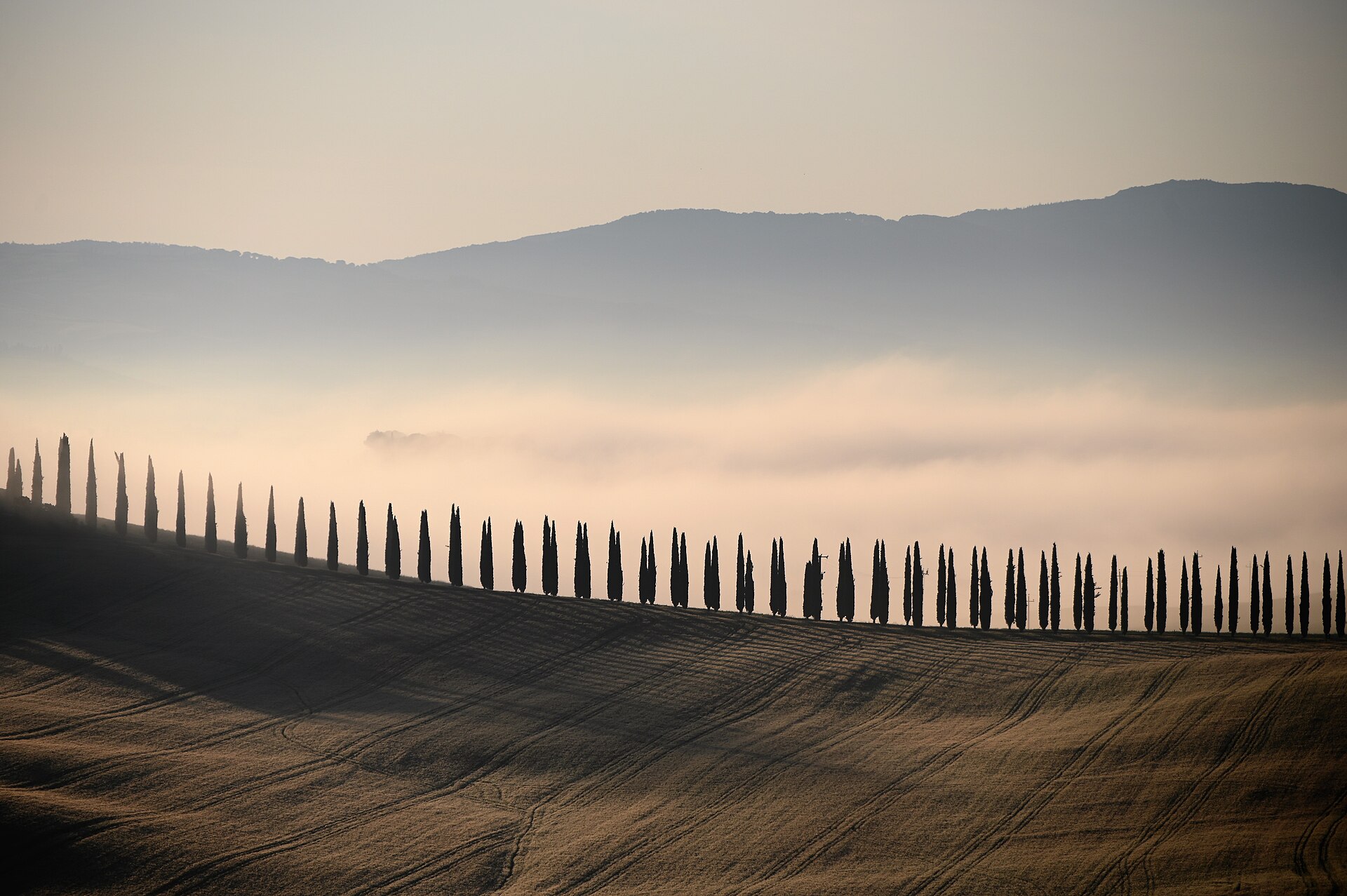
Tuscany’s deep south — the Maremma borderlands — swaps cypress-postcard country for something stranger: towns carved from and perched on cliffs of volcanic tufa, with Etruscan cave roads sliced twenty meters deep into the rock.
Pitigliano: The Little Jerusalem
From the viewpoint on the Manciano road, Pitigliano seems to grow out of its cliff — houses and tufa fused into one golden mass. Inside: a centuries-old Jewish quarter with its synagogue and bakery, cellars burrowed into rock, and the local Bianco di Pitigliano in every osteria.
Sorano and the Vie Cave
Pitigliano’s quieter sibling teeters above the Lente gorge, all mossy stairways and half-abandoned lanes. Between the two towns run the vie cave — sunken Etruscan roads carved into the tufa, cool and green and genuinely mysterious to walk.
Bagni San Filippo: The Free White Whirlpool
A ten-minute forest walk ends at the Balena Bianca — a whale-sized cascade of white calcium formations with hot thermal water pooling beneath. It’s Saturnia’s famous terraces without the tour buses, and it costs nothing. Go early morning, midweek.
Secret Spots in Rome Beyond the Colosseum
Many travelers stick to the main sites, yet Rome’s true magic lies in its quiet corners. While iconic landmarks are awe-inspiring, authentic experiences await off the beaten path. These hidden gems in Rome offer a fresh perspective on the city’s history and local charm.
The Appian Way and Ancient Catacombs
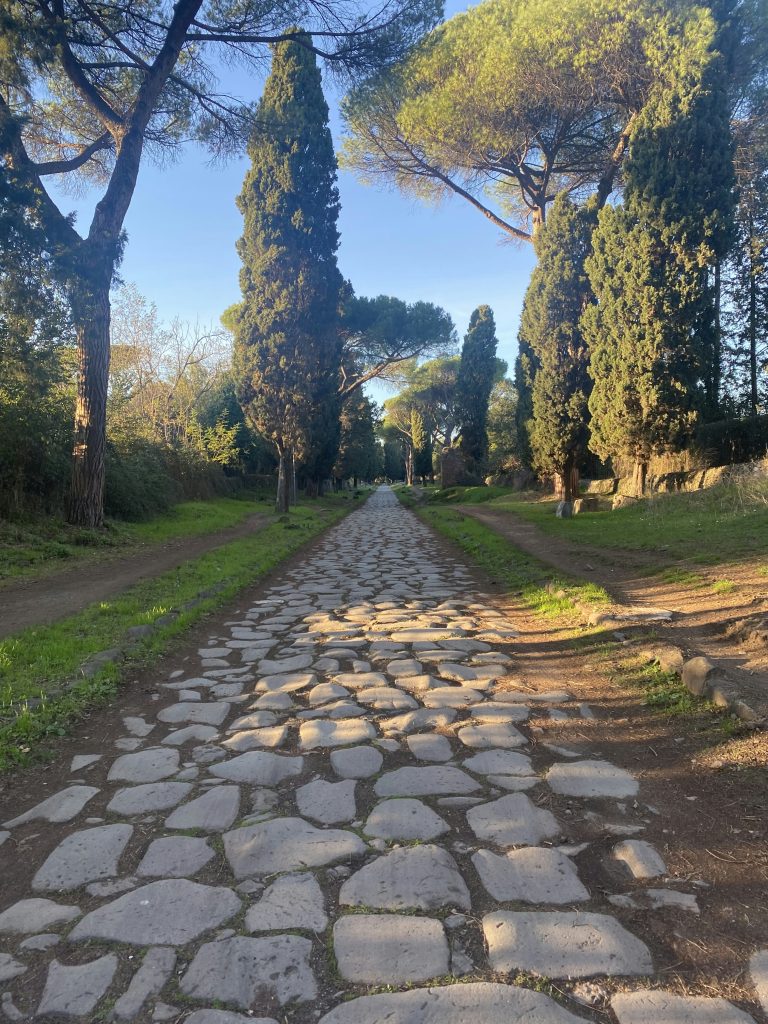
For a respite from city noise, explore the Appian Way. This historic road offers a tranquil journey through time, away from the Colosseum’s crowds. Walking or cycling along ancient basalt stones, you’re surrounded by ruins and towering cypress trees.
The area boasts fascinating underground catacombs, revealing early Christian history. It’s a rewarding secret spot in Italy for those who enjoy quiet exploration. You’ll feel transported to a different era.
The Hidden Gardens of Trastevere
Trastevere is known for its vibrant nightlife, but it also has serene retreats. Behind heavy wooden doors and ivy-covered walls, beautiful private gardens await. These spots offer a quiet sanctuary for a moment of peace.
Exploring these green spaces reveals a more intimate side of neighborhood life. Discovering these hidden gems in Rome makes your trip personal and unique. It’s a great way to balance the city’s excitement with relaxation.
Rome is full of surprises for those willing to look beyond guidebooks. Whether walking ancient roads or relaxing in a secret garden, you’ll see why these spots are cherished by those who find them.
Quiet Corners and Hidden Gems in Florence
Beyond Florence’s bustling piazzas lies a quieter, more authentic side of the city. While the major galleries attract huge crowds, the city’s true essence often resides in its less-frequented streets. Exploring these hidden gems allows for a deeper connection with local culture.
The Oltrarno Artisan Workshops
Across the Arno River lies the Oltrarno district, a neighborhood that embodies traditional craftsmanship. Its narrow lanes invite exploration, revealing small workshops where artisans have honed their skills for centuries.
Here, you’ll find artisans from various trades, including leather workers, bookbinders, goldsmiths, and woodcarvers. Witnessing their work offers a rare insight into the commitment needed to preserve these ancient crafts in today’s world.
San Miniato al Monte at Sunset
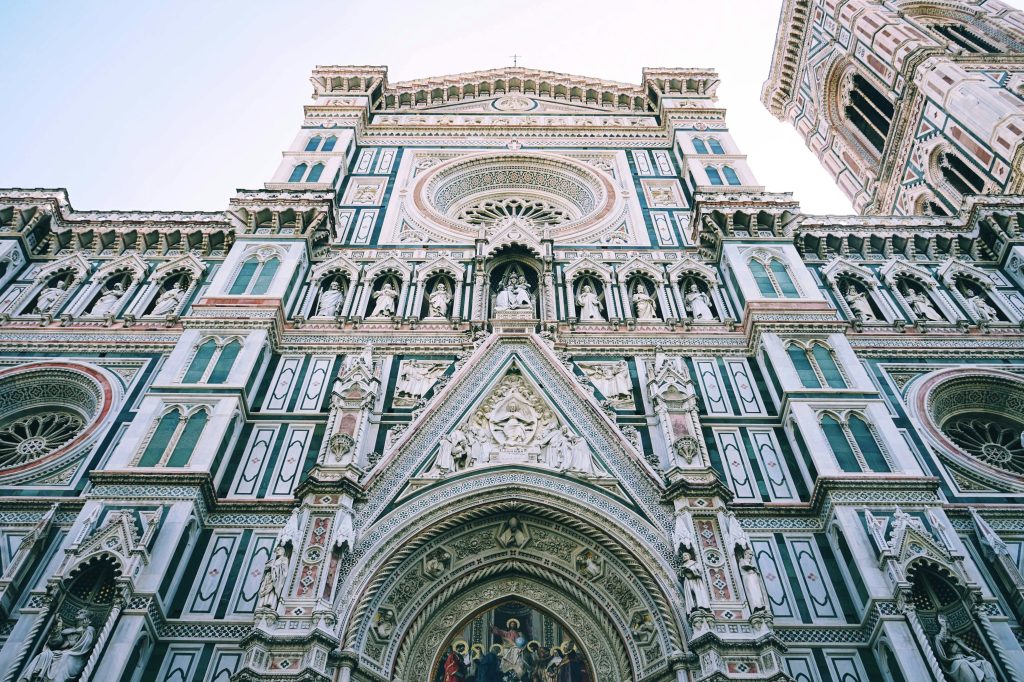
As dusk approaches, head up the hill to the Basilica of San Miniato al Monte. This Romanesque church boasts a panoramic view of the city skyline, unmatched by more famous spots.
This viewpoint, unlike crowded tourist areas, remains a serene retreat. It’s a prime spot for capturing the perfect sunset photo, away from the city’s hustle and bustle.
Venice Without the Crowds: Authentic Neighborhoods
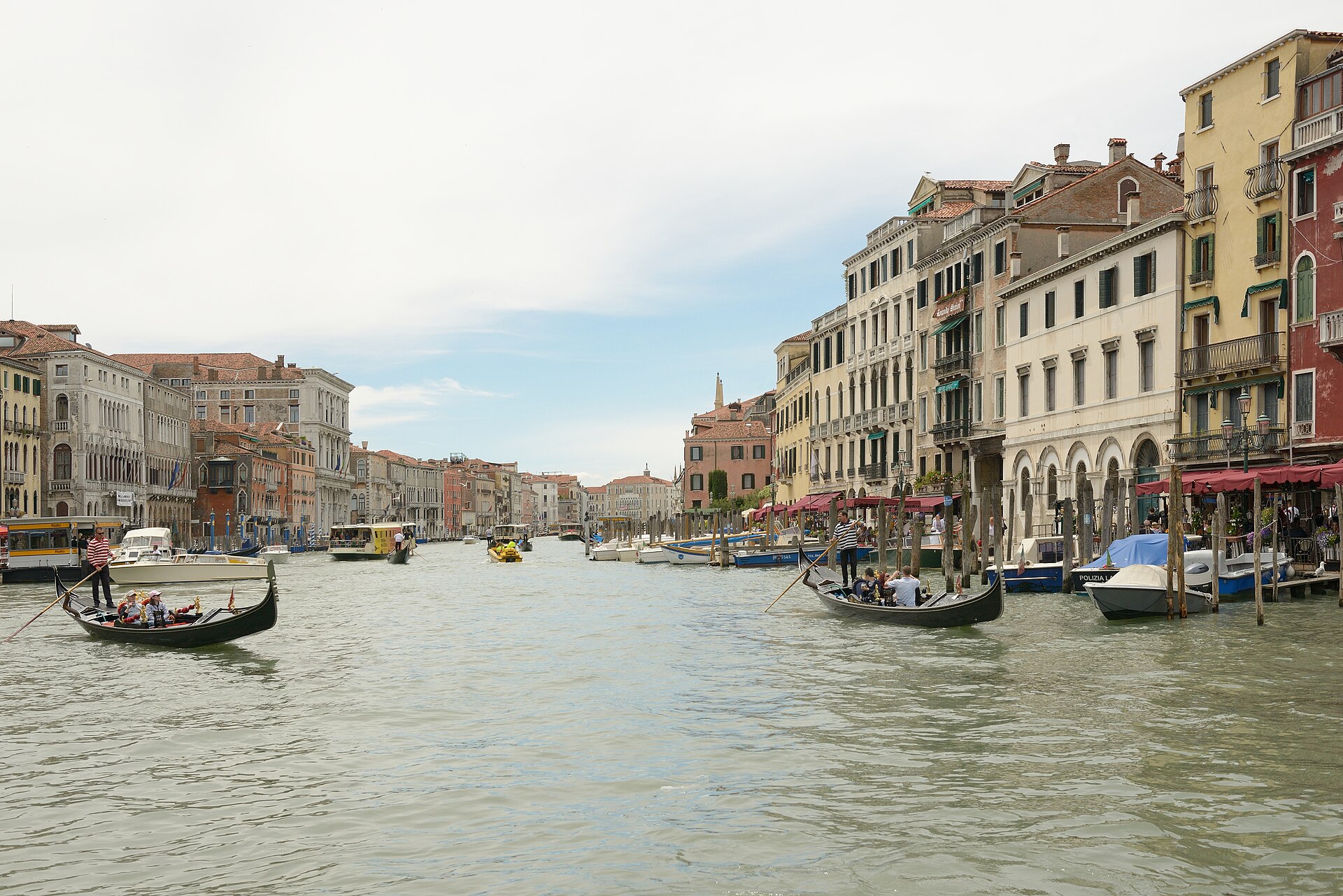
Exploring Venice’s hidden gems requires curiosity and a willingness to venture beyond the main squares. These areas, though beautiful, often conceal the city’s true essence. By venturing into quieter districts, you can forge a deeper connection with the local culture.
The Local Vibe of Cannaregio
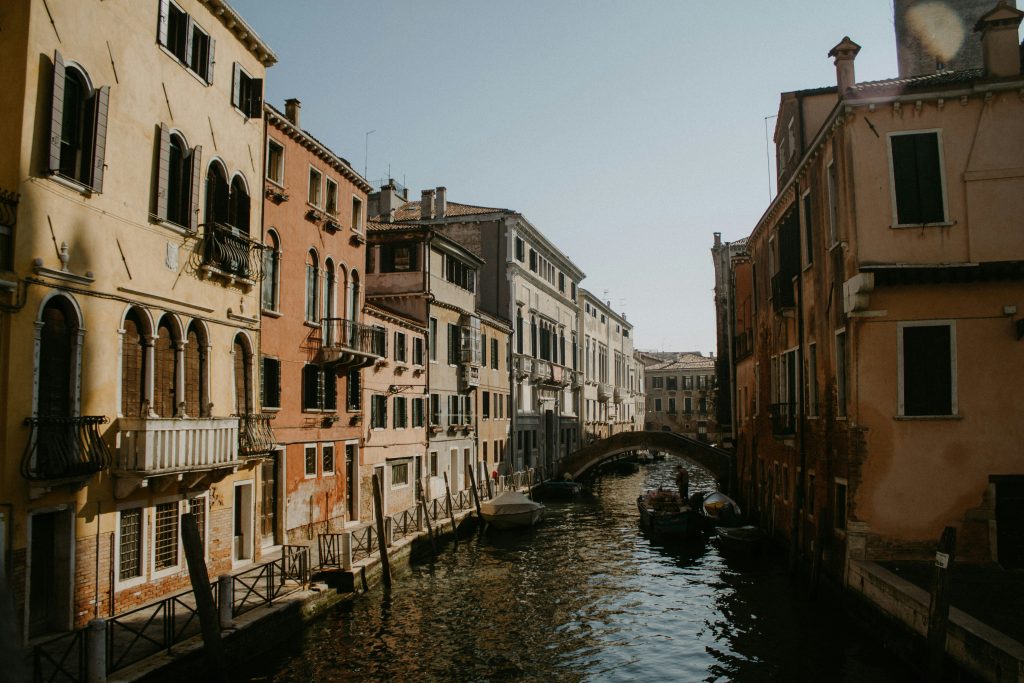
Cannaregio offers a respite from the dense tourist crowds near St. Mark’s Square. It serves as the residential heart, where locals live their daily lives along wide canals. Here, you’ll find charming bakeries, small artisan shops, and quiet squares that stand apart from typical tourist paths.
Strolling through these streets reveals the authentic Venetian way of life. It’s ideal for sitting at a local cafe and observing the world pass by without the hustle of heavy foot traffic. Take your time to explore the smaller bridges and hidden courtyards that make this neighborhood unique.
Exploring the Island of Torcello
For those seeking true silence, a visit to the island of Torcello is a must. This serene spot in the Venetian lagoon offers a glimpse into the past. It’s renowned for its ancient cathedral and a peaceful atmosphere untouched by modern tourism.
Torcello is a treasure trove for history enthusiasts. You can stroll through grassy paths and marvel at the Byzantine mosaics that have endured for centuries. It offers a rare moment of tranquility amidst the bustling lagoon environment.
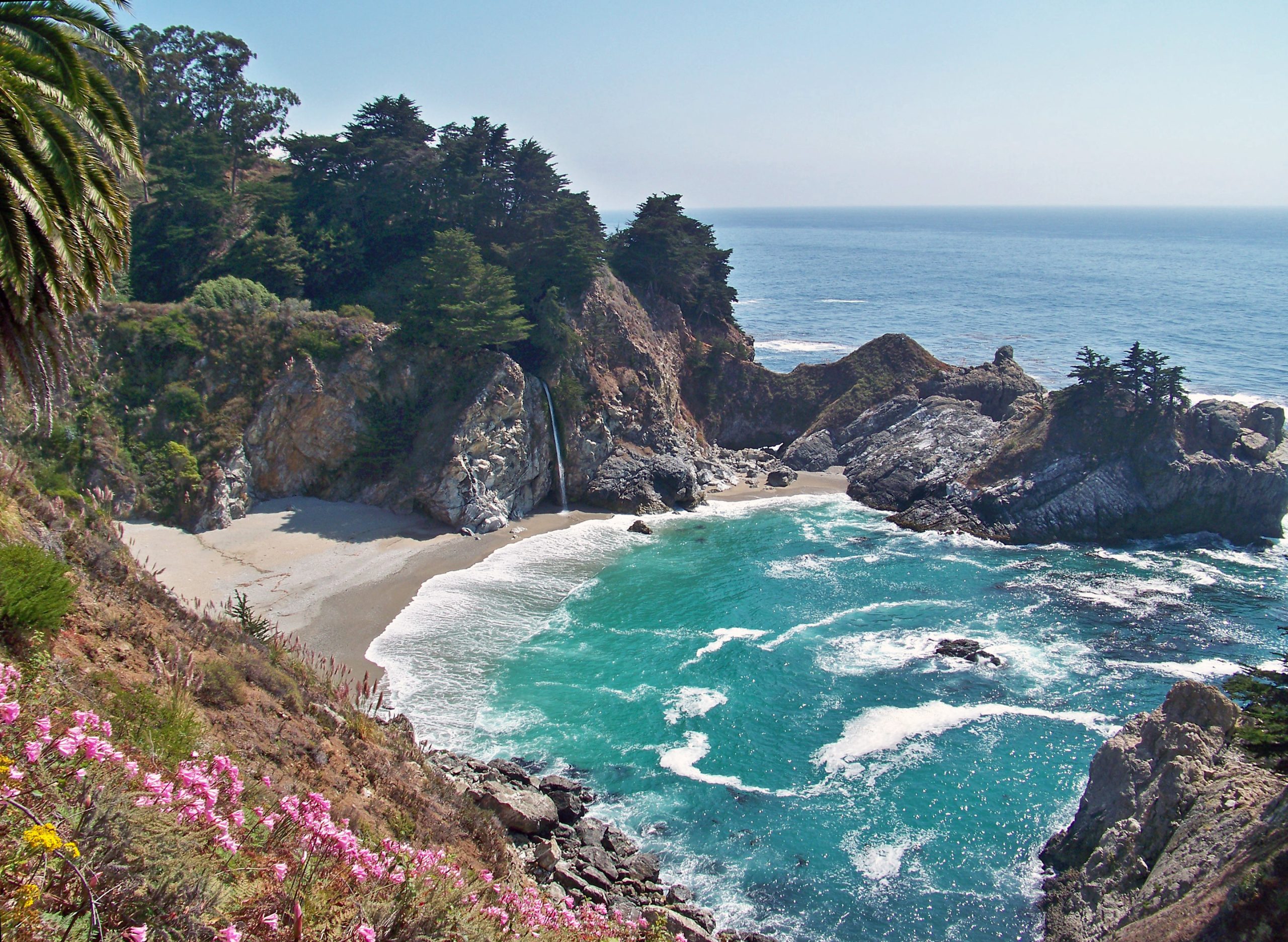
Liguria Beyond Cinque Terre
The Cinque Terre now caps trail access and absorbs cruise crowds; the same coastline, one bay over, carries on beautifully without the queue.
Camogli: The Fishing Village That Kept Its Fishermen
Tall painted houses crowd a working harbor where the morning catch still sets the lunch menu. Camogli is fifteen minutes from Genoa and a world from the Cinque Terre crush — focaccia col formaggio warm from Revello’s, swimming off the pebble beach, ferries puttering to San Fruttuoso.
San Fruttuoso: The Abbey You Can Only Boat or Hike To
A thousand-year-old Benedictine abbey on a cove with no road — arrive by ferry from Camogli or a cliff path from Portofino’s headland. Swim above the submerged Christ of the Abyss statue, lunch on anchovies at a beach shack, and catch the last boat out reluctantly.
Tellaro and Lerici: The Gulf of Poets
East of the Cinque Terre, the coast Byron and Shelley actually loved stays strangely quiet. Lerici pairs a castle with a proper beach town; tiny Tellaro stacks pink and ochre houses over rocks where an octopus, legend insists, once rang the church bells. Sunset here embarrasses more famous coastlines.
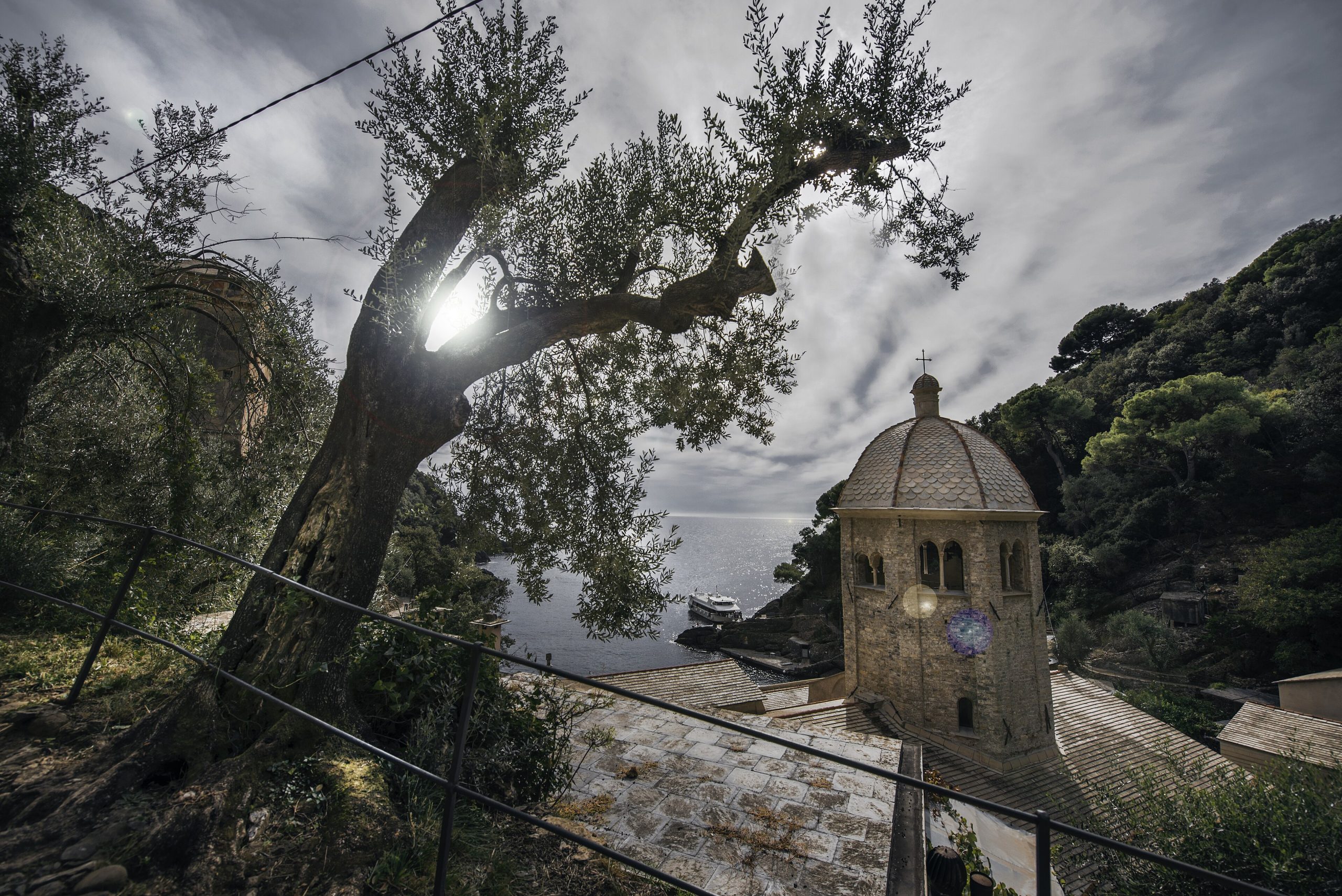
The Northern Lakes Nobody Visits
Como has the paparazzi; these have the peace — at half the price and a tenth of the boat traffic.
Orta San Giulio: The Most Romantic Lake Town in Italy
Little Lake Orta keeps Italy’s dreamiest square — Piazza Motta, open on one side to the water and the island of San Giulio, where a basilica full of frescoes floats offshore. Nietzsche fell in love here (it went badly; you’ll do better). Ninety minutes from Milan, absurdly overlooked.
Monte Isola: The Mountain in the Lake
Europe’s largest lake island rises from Lake Iseo, car-free but for locals’ scooters. Rent a bike, loop the shoreline villages, eat cured sardines with Franciacorta — Italy’s best sparkling wine, made on the shore opposite — and wonder where everyone is.
Varenna: Como’s Quiet Side
If it must be Como, cross the water. Varenna gets Bellagio’s views without Bellagio’s cruise-day crowds: a wisteria-draped lovers’ walk along the water, Villa Monastero’s gardens, and ferry connections that make it the smarter base for the whole mid-lake.
Quiet Cities of Lombardy and the Veneto
Between Milan and Venice runs a chain of small, splendid cities that international tourism inexplicably skips.
Mantua: The Renaissance Court Time Forgot
Wrapped on three sides by lakes, Mantua (Mantova) preserves the Gonzaga dynasty’s palaces almost intact — the Palazzo Ducale’s frescoed Camera degli Sposi and the giant-slaying rooms of Palazzo Te. Eat tortelli di zucca where they were invented. UNESCO-listed, utterly uncrowded.
Bergamo: The Walled City Above the Plain
A funicular hoists you from the modern lower town to Città Alta, a Venetian-walled hilltop of cobbles, campaniles and pastry shops selling polenta-shaped sweets. Ryanair lands practically next door, yet the evening crowd on Via Gombito is still overwhelmingly Bergamasco.
Bassano del Grappa: Alpini Bridge and a Glass of Its Namesake
Palladio designed the covered wooden bridge; the Alpini rebuilt it after the wars it kept losing. Drink a grappa at Nardini’s 1779 distillery at one end, look up the Brenta valley to the Alps, and add Asolo — Browning’s “city of a hundred horizons” — twenty minutes east.
Alpine Wonders in the Friuli-Venezia Giulia Region
In the northeastern corner of Italy, Friuli-Venezia Giulia offers a breathtaking escape from the typical tourist trail. This region serves as a stunning bridge between the Mediterranean and the heart of Central Europe. It is a perfect destination for those who want to experience a side of Italy that feels both geographically and culturally distinct.
The Julian Alps and Lake Fusine
The Julian Alps provide a dramatic backdrop for any outdoor enthusiast looking for adventure. These jagged peaks offer some of the most spectacular hiking trails in the country. You will find that the air is crisp and the scenery remains largely untouched by mass tourism.
Nestled at the base of these mountains, the glacial waters of Lake Fusine create a mirror-like effect that is truly mesmerizing. Walking around these serene lakes allows you to disconnect from the noise of modern life. It is a quiet sanctuary where nature takes center stage.
The Border Culture of Trieste
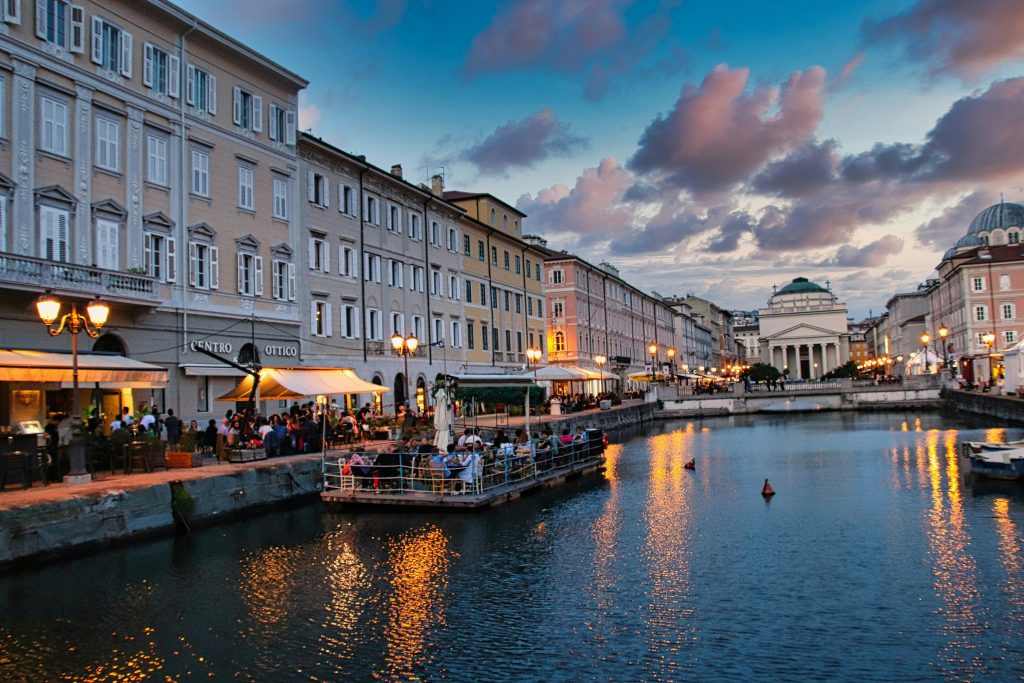
Trieste stands out as a fascinating city where Italian, Slavic, and Germanic cultures converge. This unique blend creates a regional identity that you will not find anywhere else in the country. You can see this influence clearly in the grand architecture and the diverse local traditions.
The food scene in Trieste is equally impressive, with a delicious mix of flavors from across the border. Exploring the city streets feels like traveling through different eras and cultures at once. It is an essential stop for any traveler who appreciates history, coffee culture, and a truly cosmopolitan atmosphere.
Island Life Away from the Tourist Trail
Hidden gems in Italy await beyond the crowded mainland ports, promising rugged beauty and quiet shores. While many flock to famous coastal resorts, venturing into the Mediterranean reveals a different Italy. Remote islands offer a peaceful escape, perfect for those seeking to trade busy streets for the sea’s sound.
The Volcanic Beauty of Pantelleria
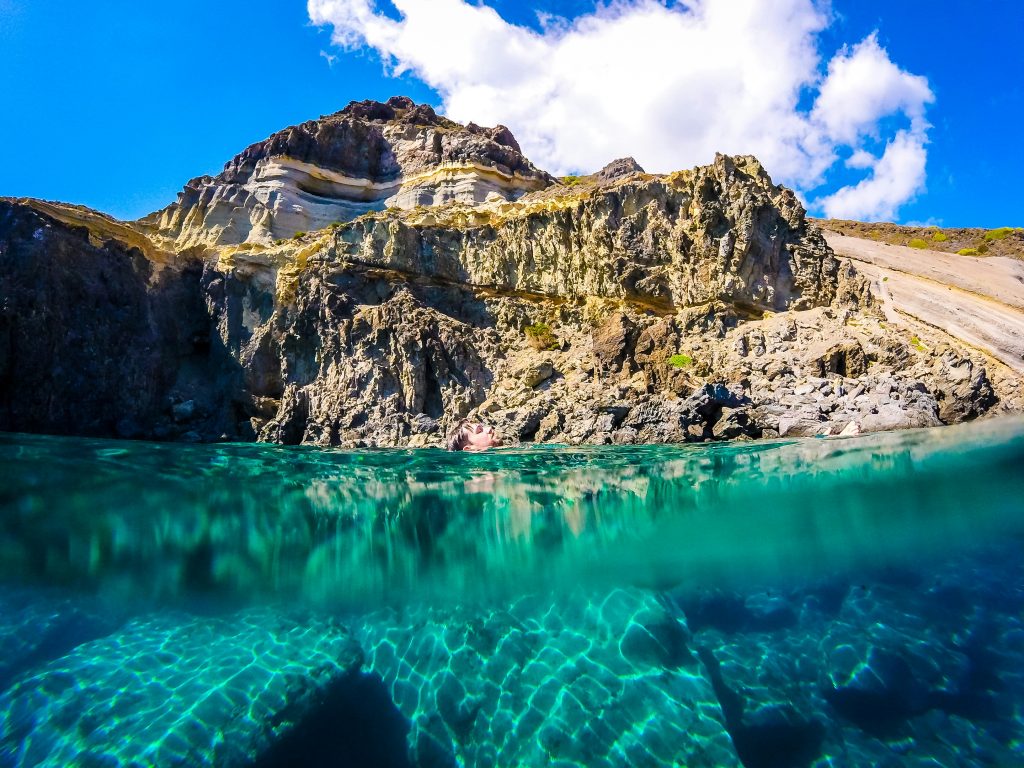
Pantelleria is a unique destination, marked by its dramatic volcanic landscapes. This rugged island offers natural hot springs and a landscape unlike any other in the Mediterranean. The iconic “dammuso” stone houses, built to withstand the island’s winds, are a must-see.
Exploring Pantelleria is like entering a wild, untouched world. It’s a hidden gem in Italy for those who value raw nature over polished tourist spots. Spend your days hiking through volcanic craters or soaking in thermal pools nestled in the hills.
The Untouched Beaches of the Tremiti Islands
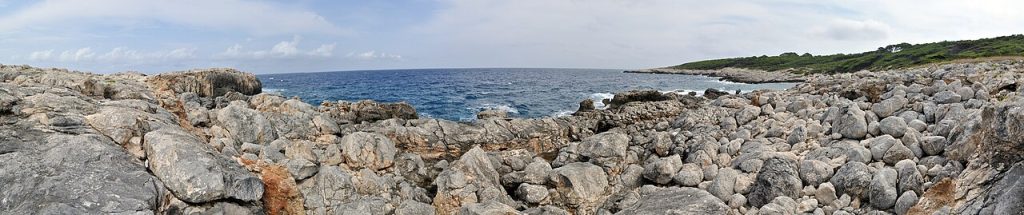
The Tremiti Islands are ideal for those who love crystal-clear waters and quiet coves. This small archipelago remains untouched by mass tourism, providing a serene setting for a relaxing getaway. You can spend hours swimming in the turquoise sea or simply enjoying the silence of the rocky coastline.
These islands offer a rare chance to experience the Mediterranean as it was decades ago. As you explore these hidden gems in Italy, you’ll find that the best travel experiences often lie far from the main tourist trail. Pack your snorkel gear and prepare for a truly authentic island adventure.
Procida: The Bay of Naples Without the Fuss
Capri’s tiny, un-famous neighbor was Italy’s Capital of Culture in 2022 and remains defiantly itself: lemon groves, peeling pastel harbors at Corricella, and ferries full of Neapolitans rather than influencers. Forty minutes from Naples; entirely another century.
Sicily’s Baroque Southeast (and a Secret Island)
After the 1693 earthquake leveled southeastern Sicily, its towns rebuilt in one gorgeous baroque breath — a UNESCO-listed ensemble the tour circuit still mostly misses on its dash between Taormina and Palermo.
Modica: Chocolate and a Hundred Staircases
A baroque city poured into a canyon, crowned by San Giorgio’s wedding-cake facade — and home to grainy, Aztec-method chocolate made here since the Spanish brought cacao. The counter at Bonajuto (1880) is mandatory.
Ragusa Ibla: The Double City
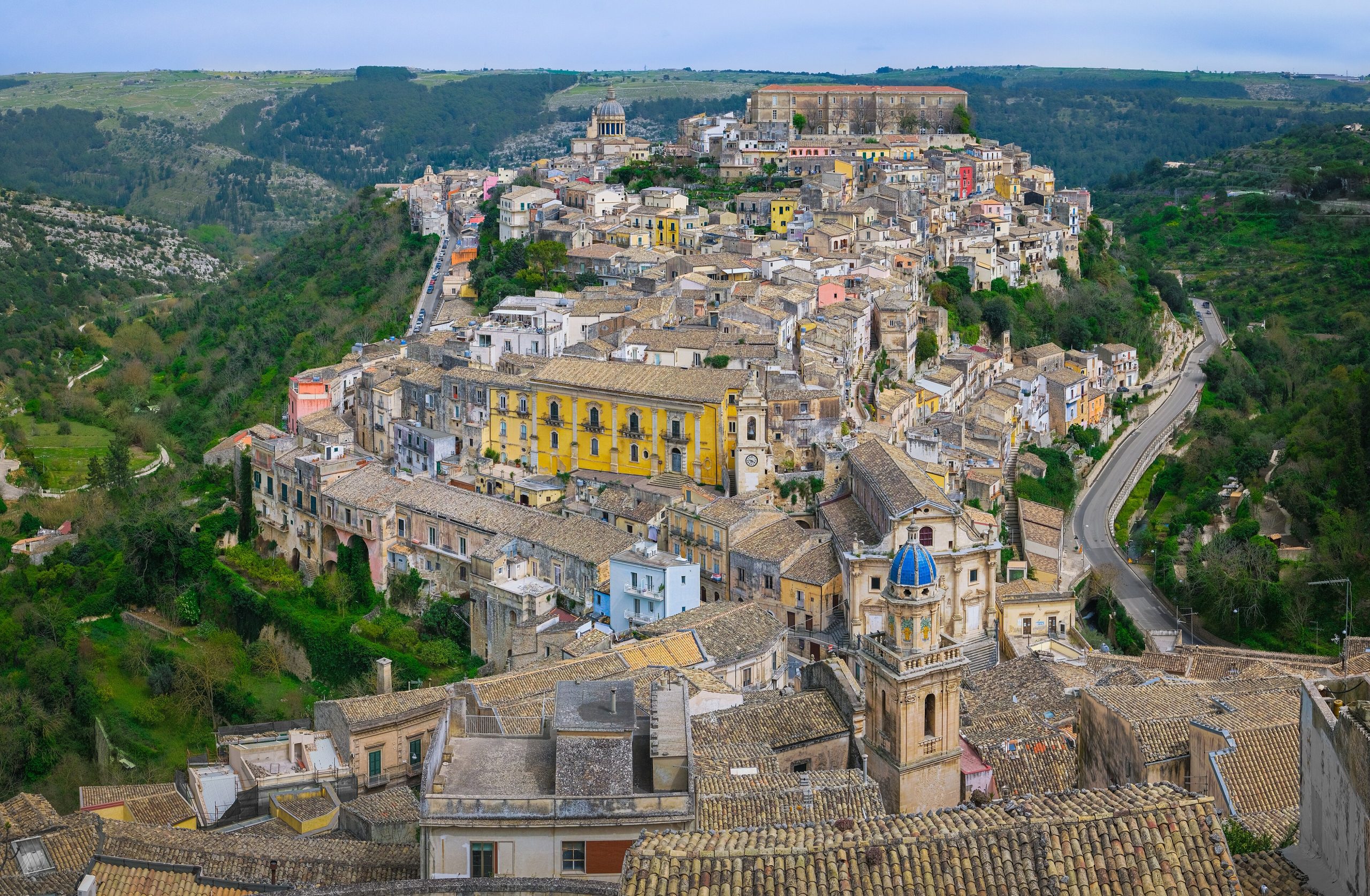
Ragusa splits in two: a modern upper town and, across a saddle of stairs, Ibla — a tangle of grey-gold baroque that glows at dusk like stage lighting. Montalbano fans will recognize every corner. Aperitivo in the Giardino Ibleo as the swifts scream overhead: perfect Italy.
Scicli: The Set-Piece Nobody Sees
The smallest and least-visited of the Val di Noto trio, Scicli hides palazzi with grinning balcony grotesques and a cave quarter climbing the canyon wall. Twenty minutes from beaches at Sampieri. If you want baroque Sicily to yourself, it’s here.
Favignana: The Butterfly Island
Off Trapani, Favignana’s old tufa quarries have become sunken gardens and its coves — Cala Rossa, Bue Marino — glow an unreal blue. Rent a bike (the island is nearly flat), chase swimming spots all day, and eat tuna where the mattanza fleet once sailed.
Sardinia Beyond the Costa Smeralda
Skip the billionaire marinas: Sardinia’s real spell is cast in its painted towns and wild northern archipelago, at family-holiday prices.
Bosa: The Rainbow River Town
Candy-colored houses climb from the Temo River to a Malaspina castle, with flamingos in the estuary and one of Sardinia’s prettiest coast roads (to Alghero) out the back. Malvasia di Bosa, the local amber wine, seals it.
Castelsardo: Basket-Weavers on a Sea Cliff
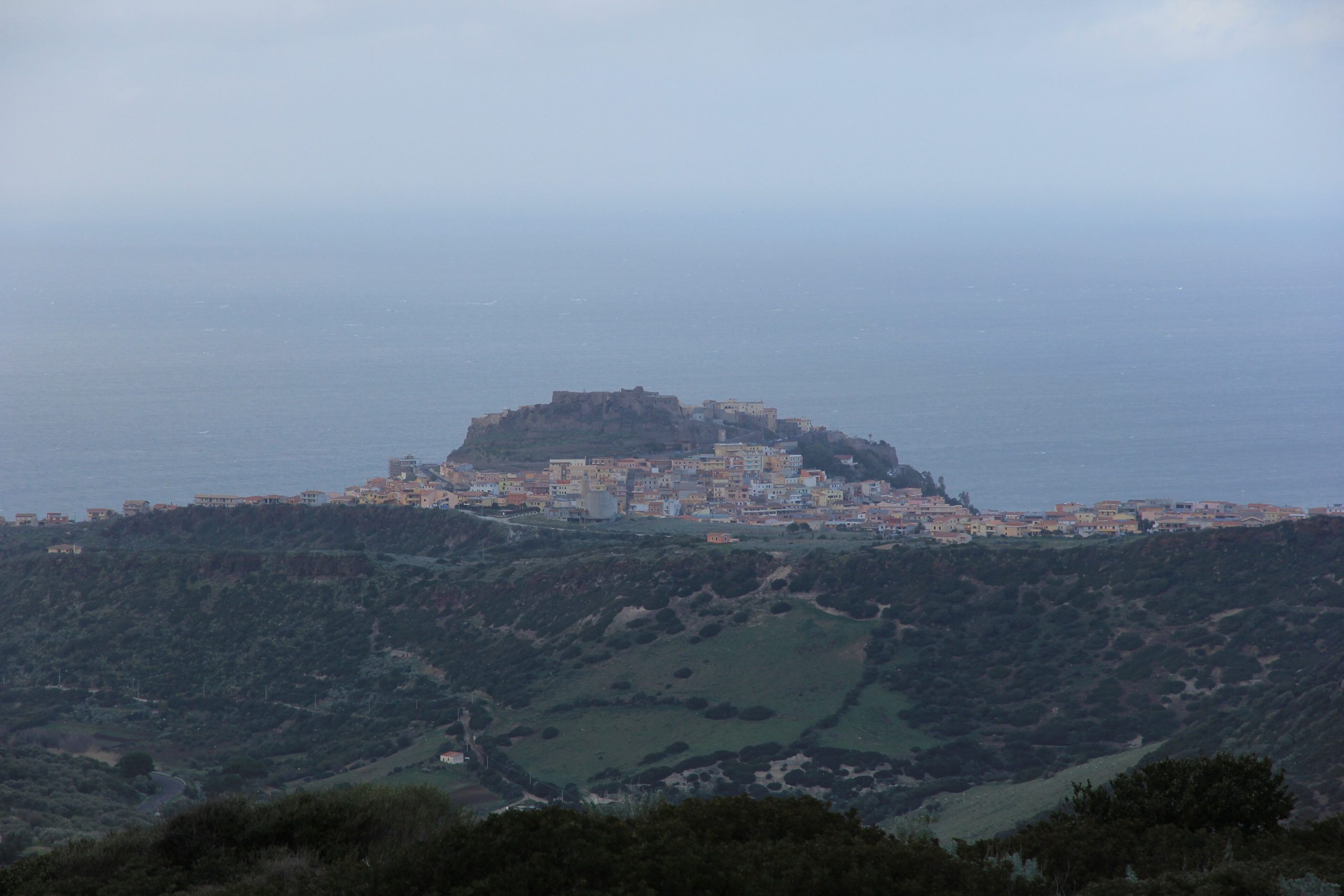
A Genoese fortress town stacked above the Gulf of Asinara, where women still weave dwarf-palm baskets in doorways of the old quarter. Climb to the castle museum, then swim below the walls at Lu Bagnu.
La Maddalena: The Archipelago of Pink Sand
A ferry from Palau opens seven granite islands of Caribbean-clear water — hire a small boat (no license needed) and find your own cove off Spargi — Budelli’s pink beach is a no-landing reserve, admired from 70 m offshore only. Garibaldi chose neighboring Caprera to retire on; one afternoon here explains why.
48 hidden gems is a lot of map pins
Tell Voyada which ones caught your eye and its ai trip planner threads them into a drivable route — hotels, trains and real prices included. Free, in about a minute.
Build my Italy route →Budgeting for Your Off-the-Beaten-Path Adventure
Exploring Italy’s off the beaten path is surprisingly affordable, away from major tourist spots. Cities like Rome or Venice are pricey, but rural areas are more budget-friendly. Here, you can enjoy a more relaxed experience without breaking the bank.
Choosing to explore lesser-known provinces stretches your travel budget. Your daily expenses go further here than in bustling cities. This allows you to enjoy more without overspending.
Managing Daily Costs in Rural Regions
Staying in local agriturismos instead of hotels is a smart money-saving move. These farm stays offer genuine hospitality and delicious meals at lower costs than tourist areas.
Eating in small villages also helps keep costs down. You get to taste authentic regional cuisine. Traveling during the shoulder seasons, like May or September, avoids peak prices and offers great weather.
Transportation Savings and Rental Strategies
Planning your transportation is key to budgeting. Regional trains are great for connecting towns, but might miss secluded spots.
Renting a car is often the best option for exploring rural areas. It gives you the freedom to travel at your own pace. This avoids expensive transfers or limited bus schedules.
Booking your rental car early can save you a lot. Mix train travel for long distances with a rental car for local trips. This approach keeps your Italy adventure affordable.
Essential Travel Tips for Navigating Rural Italy
Exploring rural Italy demands patience and a grasp of local customs. By choosing to venture off the beaten path, you embrace a slower, more genuine way of life. This slower pace is key to a fulfilling journey.
Mastering Regional Train and Bus Networks
Regional trains and buses are the lifeblood of rural travel. They connect you to the most enchanting, hidden villages. Yet, schedules are less frequent than in big cities. Always verify the latest schedules at stations or through apps before you leave.
Planning ahead for your connections can prevent long waits in small towns. For those venturing off the beaten path, carrying a printed route is wise. It keeps you on track, even when digital signals disappear in the countryside.
Cultural Etiquette in Small Italian Villages
Small Italian communities hold onto traditions for generations. Showing respect for these customs enriches your visit. A simple “buongiorno” or “buonasera” when entering a shop is greatly valued.
Learning basic Italian phrases deepens your connection with locals. Dress modestly when visiting churches or historic sites to respect the culture. By doing so, your journey through off the beaten path Italy becomes a warm, welcoming experience.
Before you go: turn this guide into a day-by-day plan. Our partner Voyada is a free vacation planner that builds the route with flights, hotels and a real total cost for your dates — in about a minute.
Create a travel itinerary →Pair a Classic With a Secret: Route Combinations That Work
You don’t have to choose between the Italy everyone flies in for and the Italy in this guide — the smartest itineraries do both. Each pairing below bolts a hidden gem onto a classic base with minimal logistics:
| Classic base | Add the secret | How |
|---|---|---|
| Rome | Civita di Bagnoregio + Orvieto | 1–2 nights; train to Orvieto, taxi or bus onward |
| Rome | Sperlonga-style coast? Go south: Gaeta & the Appian sights | Regional train, 90 min |
| Florence | Pitigliano & the tufa towns | Rental car, 2 hrs; overnight in Sorano |
| Venice | Bassano del Grappa + Asolo | 1 hr by train/car; day trip or overnight |
| Milan / Lake Como | Orta San Giulio or Monte Isola | 90 min; swap a Como day |
| Naples / Amalfi | Procida + the Cilento coast | Ferry 40 min; Cilento by car onward |
| Bari (Puglia arrival) | Polignano, Locorotondo, Lecce | Regional trains down the coast |
| Palermo or Catania | The Val di Noto trio | Rental car, base in Modica or Scicli 2–3 nights |
The pattern: fly into the famous airport, give the icon its two days, then hand the rest of the week to the version of Italy that still feels like a discovery.
Getting Off Italy's Beaten Path
Italy’s famous spots are famous for good reason, but the country’s quieter corners deliver the same magic without the crowds.
- Swap the obvious: trade Cinque Terre for the quieter Ligurian coast, Amalfi for Puglia or the Cilento, and Rome for a few days in Bologna or Lecce.
- Head south: Puglia, Matera (Basilicata) and Calabria are cheaper, less touristy and superb for food.
- Rent a car for the hill towns of Umbria and Le Marche, where trains don’t reach.
- Time it right: even famous regions feel ‘hidden’ in the spring and autumn shoulders.
- Learn a little Italian — off-path towns speak less English, and locals warm quickly to the effort.
The Complete List: 45+ Italian Hidden Gems
Beyond Rome, Florence and Venice, Italy is full of extraordinary lesser-known places. Here’s a fuller list to venture off the beaten path.
- Matera (Basilicata) — ancient cave dwellings (the sassi); a UNESCO site and former Capital of Culture.
- Castelmezzano & Pietrapertosa (Basilicata) — twin cliff villages linked by a zip-wire ‘Flight of the Angel’.
- Lecce (Puglia) — the ‘Florence of the South’, all Baroque limestone.
- Alberobello & Locorotondo (Puglia) — conical trulli houses and whitewashed hill towns.
- Mantua (Lombardy) — a lake-ringed Renaissance city of palaces.
- Modena (Emilia-Romagna) — balsamic vinegar, Ferrari and Osteria Francescana.
- Bergamo (Lombardy) — a beautiful walled upper town near Milan.
- Orvieto & Civita di Bagnoregio (Umbria/Lazio) — a cliff-top cathedral town and the ‘dying city’ on its pinnacle.
- Chiusa & Glorenza (South Tyrol) — alpine medieval towns near the Austrian border.
- Procida (Bay of Naples) — a pastel fishing island, quieter than Capri.
- Ostuni (Puglia) — the dazzling ‘White City’ above the Adriatic.
- Ascoli Piceno (Le Marche) — a travertine gem with one of Italy’s loveliest squares.
- Trieste (Friuli) — a grand, coffee-loving port with a Central-European soul.
- Urbino (Le Marche) — a perfect Renaissance hill town and UNESCO site.
- How to explore: rent a car for the hill towns and the south, go in shoulder season, and learn a little Italian — off-path towns speak less English.
Here’s the full roster — every gem in this guide in one sortable glance:
| Region | Hidden gem | Known for |
|---|---|---|
| Puglia | Gargano Peninsula | Forest-backed beaches, Vieste |
| Puglia | Itria Valley trulli | Cone-roofed countryside |
| Puglia | Polignano a Mare | Cliff-edge cove town |
| Puglia | Locorotondo | Whitewashed wine town |
| Puglia | Lecce | Southern baroque capital |
| Puglia | Tremiti Islands | Untouched marine reserve |
| Basilicata | Matera | Ancient cave city |
| Basilicata | Castelmezzano & the Lucanian Dolomites | Cliff villages, Angel’s Flight zipline |
| Calabria | Tropea | The south’s best beach town |
| Campania | Procida | Pastel harbors, no crowds |
| Le Marche | Monte Conero | Adriatic cliffs and coves |
| Le Marche | Urbino | Renaissance time capsule |
| Le Marche | Ascoli Piceno | Travertine squares, fried olives |
| Abruzzo | Santo Stefano di Sessanio | Albergo-diffuso village |
| Abruzzo | Scanno | Lake and lanes photographers love |
| Abruzzo | Sulmona | Confetti town ringed by peaks |
| Molise | Agnone | Thousand-year bell foundry |
| Umbria | Spello | Flower-boxed medieval lanes |
| Umbria | Orvieto | Cliff-top cathedral city |
| Lazio | Civita di Bagnoregio | The dying city on its pinnacle |
| Lazio/Rome | Appian Way & catacombs | Ancient Rome without queues |
| Lazio/Rome | Trastevere’s hidden gardens | Local Rome |
| Tuscany | Pitigliano | Tufa-carved Little Jerusalem |
| Tuscany | Sorano & the vie cave | Sunken Etruscan roads |
| Tuscany | Bagni San Filippo | Free thermal cascades |
| Tuscany/Florence | Oltrarno & San Miniato | Artisan Florence at sunset |
| Liguria | Camogli | Working fishing harbor |
| Liguria | San Fruttuoso | Boat-only abbey cove |
| Liguria | Tellaro & Lerici | The Gulf of Poets |
| Piedmont | Orta San Giulio | Italy’s most romantic lake square |
| Lombardy | Monte Isola (Lake Iseo) | Car-free island, Franciacorta |
| Lombardy | Varenna (Lake Como) | Como’s quiet shore |
| Lombardy | Bergamo Città Alta | Walled hilltop city |
| Lombardy | Mantua | Gonzaga palaces, pumpkin tortelli |
| Veneto | Bassano del Grappa & Asolo | Palladian bridge, grappa |
| Veneto/Venice | Cannaregio & Torcello | Venice as it was |
| Friuli | Julian Alps & Lake Fusine | Mirror lakes, empty trails |
| Friuli | Trieste | Habsburg cafe culture |
| Sicily | Modica | Baroque canyon + Aztec chocolate |
| Sicily | Ragusa Ibla | Dusk-lit baroque tangle |
| Sicily | Scicli | The set-piece nobody sees |
| Sicily | Favignana | Quarry gardens, blue coves |
| Sicily | Pantelleria | Volcanic spa island near Africa |
| Sardinia | Bosa | Rainbow river town |
| Sardinia | Castelsardo | Cliff fortress, basket weavers |
| Sardinia | La Maddalena archipelago | Pink-sand island boating |
Pick three gems and go
Voyada turns any picks from this list into a day-by-day itinerary with flights, hotels and one total price — the easiest way to actually plan off-the-beaten-path Italy.
Plan my hidden Italy →Conclusion
Italy is a treasure trove of hidden gems, waiting for those who seek a genuine connection with its land. By venturing off the beaten path, you uncover authentic culture and receive heartfelt hospitality from locals.
Unspoiled landscapes await your exploration, untouched by the crowds. Each village and hillside has its own tale, ready to be discovered. These experiences etch unforgettable memories into your heart.
Begin planning your journey by selecting a region to explore next. Whether it’s the dramatic coastlines or the serene medieval towns, your next adventure is just around the corner.
Travel with an open mind and patience. Italy’s true essence lies in the overlooked spots. Venture off the well-trodden path and see where it takes you.
FAQ
What are the best hidden gems in Italy for travelers wanting to avoid crowds?
How can I find undiscovered places in Italy that offer world-class history and food?
Are there any secret spots in Italy located within major cities like Rome?
What are the most authentic hidden gems in Florence for art lovers?
Can I find hidden gems in Venice that feel quiet and local?
Why is it beneficial to go off the beaten path in Italy?
What are some of the top hidden treasures in Italy's southern regions?
What is the most reliable way to navigate rural Italy?
When is the best time to visit off the beaten path Italy to ensure the best experience?
Is it expensive to explore Italy’s more remote regions?

Olivia Carter
How many days do I need to combine Italy's famous cities with its hidden gems?
Around ten days to two weeks is the comfortable range for one classic base plus two or three quieter places; a week works if you pick a single region and resist adding a second. The pattern that fails is a gem a day, because rural connections are slow and the pleasure is in lingering. Give the headline city two or three nights, then move to one nearby secret for a couple of nights, and finish with a base you can day-trip from. If you only have a long weekend, treat the quiet districts and satellite towns around a big city as your off-path fix.
Do I need an International Driving Permit in Italy, and what are ZTL zones?
Visitors from outside the EU are generally required to carry an International Driving Permit alongside their home licence, and hire desks and police can ask for it, so obtain one before you fly. ZTL stands for zona a traffico limitato, the restricted zone covering most historic centres. Cameras photograph every plate that enters during controlled hours, and fines arrive months later, often with an administrative charge added by the hire company. Park outside the walls and walk in. If your accommodation sits inside a zone, give the property your registration number in advance and ask it to register the car with the local authority.
Will I manage without Italian in small villages?
Usually, but with more effort than in Rome or Florence. English is far less common in rural Abruzzo, Molise, Basilicata and inland Sicily, particularly among older residents, and menus, bus timetables and ticket machines are often Italian only. Learn the greetings, numbers and a few food words, keep an offline translation app for the moments that matter, and write down times and prices rather than relying on hearing them. People are generally patient, and will fetch whoever in the village does speak some English. Arrange anything complicated, such as a guided visit or a taxi transfer, by email or through the provider’s own site, where you have time to read.
Why is everything closed when I arrive in a small Italian town?
Two rhythms catch visitors out. Many small-town shops, and some churches and museums, close for riposo in the early afternoon and reopen later on, so the hours either side of lunch are for eating or walking, not errands. Separately, most state museums and archaeological sites take one closing day a week, commonly Monday, and seaside and island places can shut large parts of themselves outside the warm months. Plan sightseeing for the morning, ask your host for the local timings, and check each site’s own page for the current week. A village in deep low season may have one bar open and nothing else.
Do I need cash in rural Italy, or is a card enough?
Carry both. Card acceptance is now the legal norm and works in most hotels, restaurants and petrol stations, but rural reality lags: village trattorias, market stalls, small museums, parking machines, mountain refuges and some farm stays still prefer or insist on cash, and a few agriturismos ask for the final settlement that way. Draw euros from a machine attached to a bank branch rather than a standalone currency kiosk, keep small notes for coffees and tickets, and tell your bank you are travelling. Ask when you reserve a room or a table whether cards are taken, because the answer varies from one village to the next.