

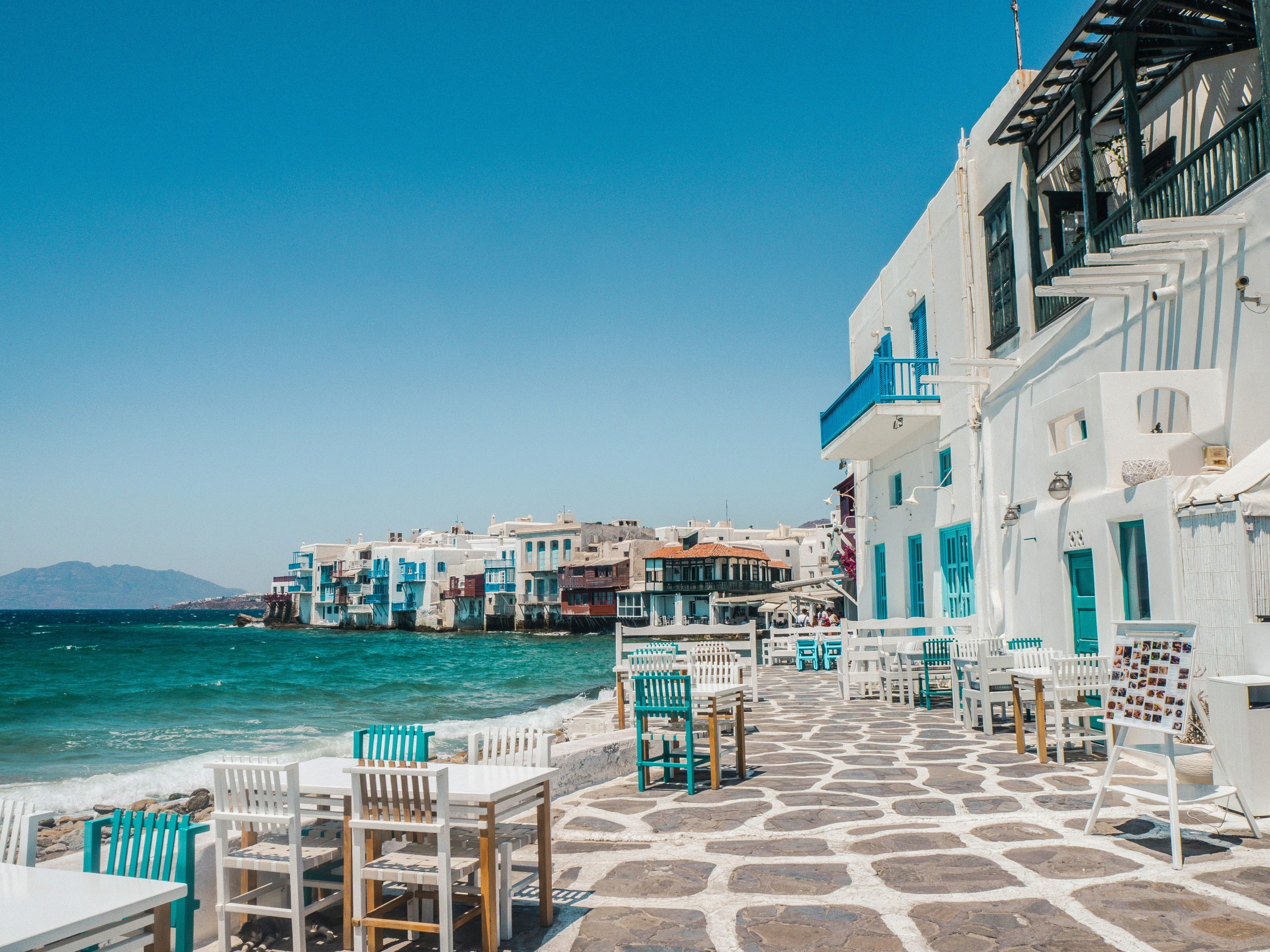
Table of Contents
ToggleGreece is renowned for its history, cuisine, and dramatic landscapes. In 2025 the country recorded about 37.98 million international visitors and ranked among Europe’s top destinations with roughly 156 million overnight stays — numbers that explain why timing your trip matters. Greece comprises thousands of islands and islets (commonly cited as around 6,000 with roughly 200 inhabited), plus a varied mainland of ancient ruins and mountains, so choosing the right time of year shapes what you’ll experience.
For most travelers the best time to visit Greece is now shifting toward the shoulder seasons — spring (April–June) and autumn (September–October) — because they balance warm weather, fewer crowds, and more reliable island services. The traditional May–October window still covers the main tourism season, but July–August concentrates heavy crowds and higher prices: recent data shows July and August account for nearly one-third of all tourist nights.
Whether your goal is to relax on beaches, explore Athens’ archaeological sites, or enjoy lively nightlife, picking the right time improves your experience. Check current travel advisories, ferry schedules and local event calendars, and consider booking shoulder-season dates early to get the best value and avoid peak crowds.
Key Takeaways
- Shoulder seasons (April–June and September–October) are increasingly the best times to visit Greece for fewer crowds and pleasant weather.
- The wider May–October season covers most outdoor activities and festivals, but July–August is busiest and most expensive.
- Greece recorded roughly 37.98M international visitors in 2025 and remains a top European destination — plan early for popular islands.
- Island and mainland experiences differ widely: research ferry schedules and hotel openings for your chosen destinations.
- Use this guide to match season, weather, and activities to your travel goals and budget.
Greece as a Travel Destination: An Overview
Greece is an exceptionally varied travel destination—rich in history, food, and landscapes. Between the mainland and the thousands of islands, the country offers everything from sun-drenched beaches to snow-capped mountains, so how and when you visit will shape your experience.
Geography and Climate Zones of Greece
Greece’s long coastline and island chains sit primarily in a Mediterranean climate: hot, dry summers and mild, wetter winters along the coasts and islands. Inland and high-altitude areas (the Pindus range, northern Greece) have temperate to alpine conditions with colder winters and regular snowfall. For example, Crete and much of the Dodecanese remain relatively mild in winter, while mountain areas see snow and skiing opportunities.
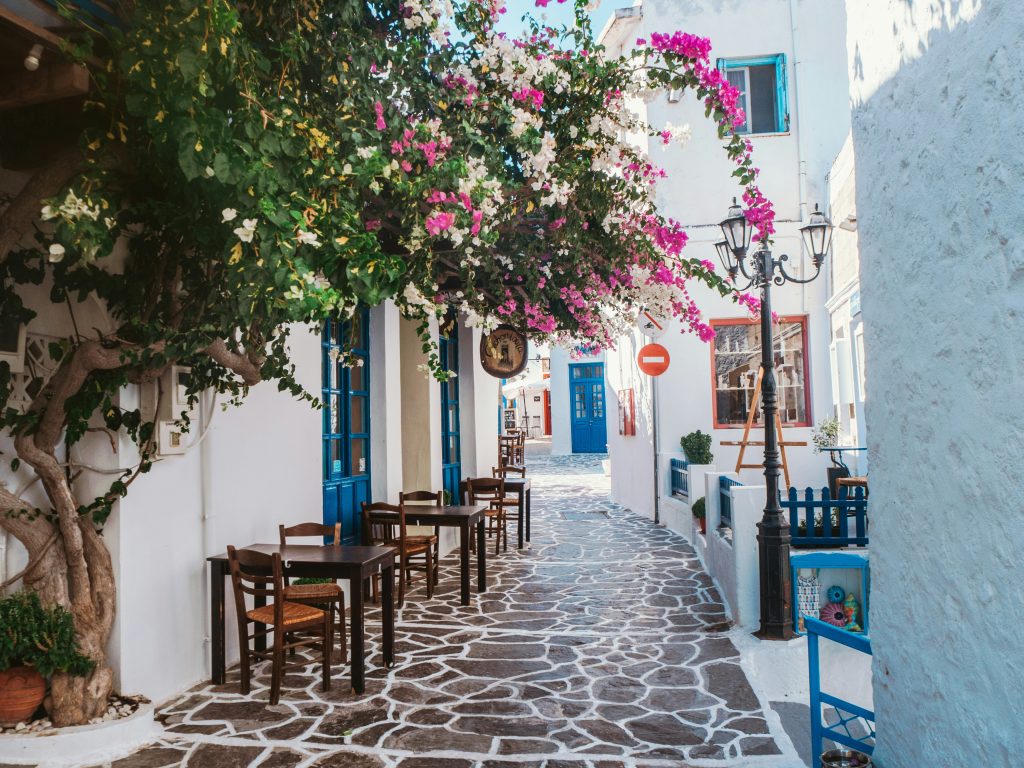
Island and mainland weather differs: many islands benefit from cooling sea breezes in summer and milder winters, while the mainland—especially inland and northern areas—can be hotter in summer and much colder in winter. Ferry frequency and island services also vary by season, so check schedules when planning island-hopping.
Why Timing Matters for a Greek Vacation
Timing determines what you can realistically do: beach and sea activities peak in late summer (though September often has the warmest sea and fewer crowds), hiking and cultural sightseeing are best in spring and autumn, and winter offers quieter cities, festival experiences, and mountain sports. The peak season, shoulder seasons, and off-season each offer distinct advantages depending on whether you prioritize weather, crowds, cost, or local life.
Practical example: if warm water and beaches are your priority, plan for September on the islands; if you want cooler hiking and fewer tourists, aim for April–May or October. These simple choices make a big difference in how you experience Greece.
Best Time to Visit Greece: Season by Season Breakdown
Choosing the right time to visit Greece makes a big difference in cost, crowds, and what’s open. Greece is visitable year-round, but each season suits different goals—beaches, hiking, festivals, or quiet cultural exploration.
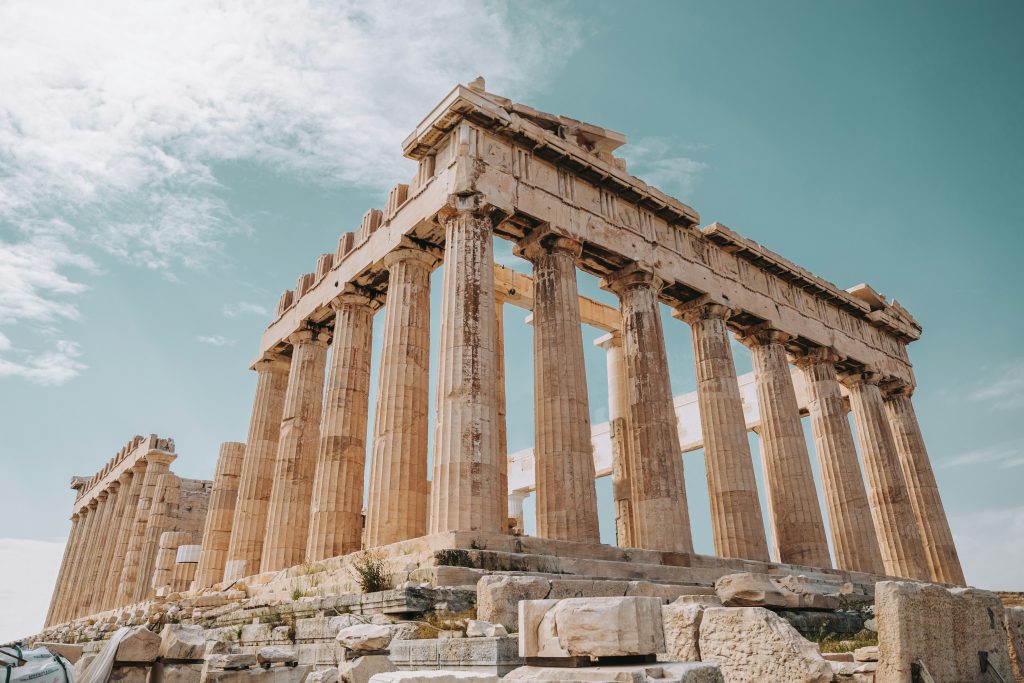
Peak Season: June to August
June–August is Greece’s traditional peak season: long sunny days, packed beaches, and a full calendar of festivals and nightlife. This is the time for guaranteed beach weather and water sports—but it also brings the highest prices and the largest crowds, especially on famous islands like Santorini and Mykonos.
Data from recent seasons shows July and August now account for a disproportionately large share of overnight stays (roughly one-third), so expect busy ports, fully booked hotels, and higher costs. Peak season is best for travelers who prioritize warm water, late-night social life, and a lively atmosphere.
Shoulder Seasons: April–June and September–October
The shoulder seasons are increasingly the best time for most travelers. April–June and September–October combine pleasant weather, fewer crowds, and more reliable island services than early spring or late autumn. September often offers the warmest sea temperatures while carrying significantly fewer visitors than July–August.
Who it’s best for: couples, families avoiding school-holiday crowds, active travelers who want to hike or sightsee comfortably, and anyone seeking a balance of good weather and better prices.
Off-Season: November to March
November–March is quiet and cheaper, ideal for museum-going, city breaks, and experiencing local life without tourist crowds. However, many smaller islands scale back or suspend ferry service and tourist operations during these months—some islands effectively close from November through March—so plan island trips carefully.
That said, several destinations operate year-round: Athens, Thessaloniki and much of Crete now have robust off-season offerings, and Santorini keeps more properties open in winter than in past years. Off-season travel is best for budget-conscious travelers, cultural visits, and winter sports in the mountains.
Spring in Greece: March to May
Spring is one of the most rewarding times to visit Greece: landscapes green up, wildflowers bloom, and outdoor activities are comfortable before the summer heat. It’s an excellent season for hiking, sightseeing, and attending cultural events while avoiding the peak-season crowds.
Weather Conditions and What to Expect
Spring temperatures vary by month and region. Typical averages are roughly: March — air ~13°C (55°F), sea ~15°C (59°F); April — air ~16–18°C (61–64°F); May — air ~20–22°C (68–72°F) with sea temps around 18–19°C (64–66°F). Islands generally stay cooler than the mainland early in spring because the sea keeps temperatures lower; northern and high-altitude areas can still feel quite chilly. Expect some rain in March and more reliably warm, sunny days by late April and especially May.
Note on services: many smaller islands ramp up ferry schedules and reopen hotels and restaurants in late April to mid-May. If you plan island-hopping in early spring, check ferry timetables and hotel availability in advance.
Spring Festivals and Events
Spring brings several notable events. The Patras Carnival culminates in February–March (dates vary each year), and the Athens & Epidaurus Festival typically begins in May with theater, music, and dance performances. Regional religious celebrations and local festivals also occur throughout spring, offering chances to see traditional customs and sample seasonal food.
Pros and Cons of Visiting Greece in Spring
Pros: milder weather for walking and hiking, fewer crowds at major sites, lower shoulder-season prices (especially before late May), and lively local festivals. May often offers the best balance of open services and pleasant weather.
Cons: sea temperatures in March and early April are usually too cool for comfortable swimming for many people, and some island services remain limited until mid- to late-May. Rain is most likely in March, and certain remote islands may have reduced transport options.
Recommendation: aim for mid- to late-May if you want open island services, warm days, and lower crowds — and always verify ferry schedules and opening dates for the specific islands you plan to visit.
Summer in Greece: June to August
Summer in Greece (June–August) is the most bustling time for travel: long sunny days, island parties, and a full calendar of festivals and events. If warm-weather beach time and lively nightlife are your priorities, summer delivers — but you’ll face the largest crowds and the highest prices, especially on well-known islands and in Athens.
Weather and Sea Temperatures
Summer temperatures vary by region. Mainland areas and inland spots (Athens, the Peloponnese) commonly see daytime highs exceeding 30°C (86°F) during heat waves, while many islands stay a few degrees cooler thanks to persistent sea breezes. Sea temperatures typically reach their peak in late summer: August often sees coastal and island waters in the high 20s °C (around 26–28°C / mid- to high 70s–low 80s °F), with September frequently holding warm water as well.
Recent tourism data also shows July and August now account for a very large share of overnight stays (about one-third), which translates to crowded ports, busy archaeological sites, and fully booked hotels — plan and book well in advance.
Summer Festivals and Cultural Events
Summer is festival season: the Athens & Epidaurus Festival runs through the summer months with theater and music, and islands stage local religious feasts and cultural festivals that spotlight traditional music and food. Many villages celebrate their patron saints with lively processions, food stalls, and late-night dancing.
Dealing with Summer Crowds and Heat
Tips to stay comfortable and make the most of a summer trip:
- Book accommodations and major-site tickets well ahead, especially for Santorini, Mykonos, and Athens.
- Visit popular archaeological sites at opening time or late afternoon to avoid peak crowds and midday heat.
- Use sea breezes to your advantage — head to beaches and coastal promenades in the afternoon, and plan indoor museum visits during the hottest hours.
- Stay hydrated, wear high-SPF sunscreen and a hat, and watch local heat advisories; if a heat wave is forecast, rearrange strenuous activities for cooler mornings.
- Consider September travel for similarly warm seas but fewer crowds and often lower prices.
With thoughtful planning—early bookings, heat-aware scheduling, and flexible itineraries—summer can be an excellent time to enjoy Greece’s beaches, festivals, and vibrant nightlife while minimizing stress from crowds and extreme heat.
Fall in Greece: September to November
Autumn in Greece is a favorite for many travelers: summer crowds thin out, daytime temperatures remain comfortable, and the sea often stays warm well into September. If you want pleasant weather, cultural events, and better value than high summer, autumn is an excellent season for a Greece trip.
Weather Patterns and Expectations
Fall temperatures are generally mild but vary by month and region. Expect daytime highs roughly in the 18–24°C range (mid-60s to mid-70s °F) across much of the country from September into early October. September frequently records some of the warmest sea temperatures of the year—often in the mid-20s °C—because the sea has absorbed summer heat, making it ideal for late-season swimming and water sports.
By late October and November, rainfall increases and temperatures drop, particularly in the north and mountainous areas. Ferry schedules remain reliable through September and often into October, but check timetables for late-autumn crossings if you plan island-hopping.
Fall Harvest Festivals and Events
Autumn is harvest season in Greece and a rich time for food and wine experiences. Vineyards around Nemea, Santorini, and other wine regions host harvest events and tastings in September–October. Many towns hold local food festivals celebrating olive and grape harvests, offering an authentic way to taste regional cuisine and meet producers.
Advantages of Autumn Travel to Greece
Why travel in autumn:
- Fewer crowds at major sites and beaches, making it easier to enjoy popular destinations with more space and lower stress.
- Warm sea temperatures in September and often through early October—excellent for swimming without July–August crowds.
- Lower prices and better availability on flights and hotels compared with peak summer months.
- A rich calendar of harvest festivals and local food events showcasing regional produce and culture.
Practical tips: book September travel early if you want the best hotels and ferries; consider island + mainland combinations (for example, Crete or the Peloponnese paired with a short Cyclades loop) to get both warm sea time and cultural exploration. Sign up for seasonal deal alerts to snag off-peak rates in late autumn.
Winter in Greece: December to February
Winter in Greece (December–February) is a low‑key season that suits travelers who prefer fewer crowds and lower prices. Conditions vary widely: the southern islands and much of Crete remain relatively mild, while northern Greece and the mountain ranges get cold and snowy, making the season a comfortable mix of city breaks, cultural visits, and winter sports.
Weather and Regional Variations
Expect big regional differences in winter weather. Southern islands such as Crete and parts of the Dodecanese typically average 10–15°C (50–59°F) during the day, while inland and northern areas often drop below freezing at night and see regular snowfall in mountainous zones. The Ionian Islands get more rain and greener landscapes in winter, and mainland cities like Athens and Thessaloniki provide many year‑round services and events.
Operational note: ferry frequency and inter‑island services are reduced from November through March on many routes, and some small islands scale back or suspend tourist operations. However, several destinations now support year‑round tourism—Athens, Thessaloniki and much of Crete have robust winter offerings, and Santorini keeps more properties open in winter than it used to. Check ferry timetables and hotel opening dates before planning island stays.
Christmas and Winter Celebrations
Greece is festive in winter: Christmas and New Year’s in cities and towns feature lights, markets, and traditional treats like melomakarona and kourabiedes. The Vasilopita New Year cake (with its coin for luck) is a popular family tradition, and many towns host Epiphany celebrations in January with local customs worth experiencing.
Activities and Attractions
Winter is ideal for museum visits, archaeological sites with few crowds, and exploring authentic urban life. Skiers and snowboarders can head to resorts such as Mount Parnassus and Voras. For hiking, regions like Zagori and parts of the Peloponnese offer crisp winter trails. If your priorities are museums, food, and city festivals, aim for Athens or Crete; if you want snow sports, check resort opening dates and lift schedules.
Practical tip: bring layers for temperature swings, confirm reduced ferry schedules if island‑hopping, and consider flexible bookings so you can adapt to weather or service changes. Winter in Greece can be peaceful and rewarding for travelers who plan ahead.
Regional Considerations for Timing Your Visit
Greece’s size and geographic variety mean the best time to visit depends heavily on which region you choose. Below are practical, region-by-region notes on weather, ferry reliability, and the ideal months to plan your trip.
Athens and Mainland Greece
Athens and many mainland sites (Delphi, the Peloponnese) are excellent year-round destinations. For comfortable sightseeing and mild weather, aim for spring (April–June) or autumn (September–October). Summers can be very hot, especially inland and in Athens, while winters are cooler and quieter—great for museums and cultural events.
If you have limited time: 2–3 days in Athens covers the Acropolis, Plaka, and a museum; add 1–2 days for a nearby day trip (Delphi or the Peloponnese).
Cyclades Islands (Santorini, Mykonos)
The Cyclades shine in summer—June to August—when island life, beaches, and nightlife are at their liveliest. However, September (and often October) offers warm seas and far fewer crowds, making it a top shoulder-season pick. Note: high-profile Cyclades islands can be affected by cruise ship traffic; Santorini introduced cruise passenger caps and saw a drop in some air arrivals in recent seasons, so book ahead if you want peak sites at quieter times.
If you have limited time: plan 5–7 days for a Cyclades loop (e.g., Mykonos + Santorini or Naxos + Paros) to enjoy beaches, villages, and at least one slower island.
Ionian Islands (Corfu, Zakynthos)
The Ionian Islands on Greece’s west coast are greener and often milder in shoulder seasons. Visit April–June and September–October for comfortable weather and fewer crowds; July and August are busiest. The Ionian ferry network is generally reliable in the high season but check schedules in shoulder months.
If you have limited time: 5–7 days lets you explore a main island (Corfu or Zakynthos) with day trips to nearby beaches and inland villages.
Crete and the Dodecanese Islands
Crete is the largest Greek island and has a more stable, year-round tourism infrastructure—making it one of the best year-round island options for culture, beaches, and hiking (Samaria Gorge seasons apply). The Dodecanese (including Rhodes) are warm and dry; summer is best for beaches, while spring and autumn suit hiking and archaeological visits. Crete often remains milder in winter than most islands, and many towns keep services open year-round.
If you have limited time: allow 5–7 days for Crete to see key sites (Heraklion/Knossos, Rethymno or Chania and a southern beach or hike).
Practical Regional Tips
- Ferry & transport: ferry frequency drops in late autumn and winter—check timetables and book key connections in advance during shoulder months.
- Accommodation: Santorini, Mykonos and other top islands can sell out in July–August; secure bookings early or target September for better availability and warm seas.
- Cruise impacts & fees: some islands have new port rules (daily cruise caps, sustainable tourism fees) that affect visitor flow—consult local port authority notices if you’ll visit on a cruise day.
- Itineraries: combine a mainland city (Athens or the Peloponnese) with one or two islands to get varied experiences—this is especially effective in shoulder seasons.
By matching region, season, and the type of experiences you want—beaches, hiking, culture, or festivals—you’ll get the most out of your visit to Greece. For sample itineraries by region and month-specific planning, see the itineraries section or download our regional planner.
Budget Considerations by Season
When planning a trip to Greece, seasonality has a big impact on cost. Knowing how prices change through the year helps you choose dates that match your budget and travel priorities.
Peak summer (June–August) brings the highest prices for flights, hotels, and services, while shoulder seasons and the off‑season offer meaningful savings if you’re flexible.
Price Variations Throughout the Year
Typical 2025 averages (rounded) give a clearer picture: budget travelers report around €77 per day on average, while a typical mid‑range traveler spends roughly €216 per day. Accommodation averages around €172 per day and meals about €81 daily—costs that rise substantially in high-demand hotspots such as Santorini and Mykonos during July and August.
Shoulder seasons (April–June and September–October) generally offer the best value: weather is pleasant, island and mainland services are widely available, and prices on flights and hotels tend to be lower than peak summer. In contrast, some smaller islands significantly reduce operations or close entirely from November through March, so off‑season bargains sometimes come with limited transport and services.
Getting the Best Value for Your Greek Vacation
Practical tips to save money and get value:
- Choose shoulder-season travel (mid‑May or September) for the best balance of weather, open services, and lower prices.
- Compare sample budgets: a 7‑day Athens trip in shoulder season can cost significantly less than a 7‑day Santorini trip in August—factor in higher accommodation and dining costs on top islands.
- Book accommodations and key ferries or flights early for peak dates; flexible cancellation policies reduce risk from strikes or weather disruptions.
- Consider less-touristy islands or mainland stays (Peloponnese, Epirus, northern Greece) for authentic experiences at lower cost.
- Buy travel insurance that covers ferry cancellations and plan an extra buffer day if island‑hopping during shoulder months.
If you want a downloadable tool, look for a 2025 budget checklist or sample 7‑day budgets that compare peak vs shoulder pricing for Athens, Crete, and a Cyclades island—these make it easy to see where your money goes and how to get the most value from your Greece vacation.
Best Times for Specific Activities in Greece
Greece offers diverse experiences year-round, but the optimal time for your trip depends on the activities you prioritize. Below are activity-specific timing recommendations and practical tips for planning.
Beach Vacations and Swimming
Late June through September are the primary months for beach vacations, but note that sea temperatures often peak in September because the water holds summer heat—making September an ideal compromise of warm seas and fewer crowds. In many coastal areas and islands, sea temperatures in August and September commonly reach the mid‑20s °C to high‑20s °C (mid‑70s to low‑80s °F).
Best islands for beaches and snorkeling: Zakynthos and the Ionian coast for sandy beaches and clear water; Naxos and Paros for family‑friendly shores; and Crete for long beaches and sheltered bays. For quieter beach days, choose June or September rather than July–August.
Historical and Archaeological Tourism
Spring (April–May) and autumn (September–October) are the best times to visit archaeological sites and cities—milder temperatures make walking between attractions comfortable and crowds are smaller than in peak summer. Key sites: the Acropolis and the Acropolis Museum (Athens), Knossos (Crete), Delphi, and the archaeological sites across the Peloponnese.
Tip: arrive at major sites at opening or late afternoon for cooler conditions and shorter lines.
Hiking and Outdoor Adventures
The prime seasons for hiking are spring (March–May) and autumn (September–November). Trails are at their most scenic in spring with wildflowers and in autumn with cooler hiking weather and clear skies. Popular treks: Samaria Gorge (Crete—seasonal opening applies), the Vikos Gorge and Zagori region, and trails in the Peloponnese and Mount Olympus areas.
Safety note: check trail opening dates (some gorges close in winter) and bring layers for changing mountain conditions.
Culinary and Wine Tourism
Harvest season—September and October—is the best time for wine tourism and culinary experiences tied to regional produce. Wine regions such as Nemea, Santorini (known for Assyrtiko), and parts of northern Greece offer tastings, harvest events and winery tours. Summer also brings food festivals celebrating local specialties, but harvest time provides the most hands‑on winery experiences.
Sample Itineraries & Planning Tips
- 7 days: Athens + Santorini in September — warm seas, fewer crowds, and cultural sites.
- 10 days: Crete + Peloponnese in April–May — hiking, archaeology, and spring landscapes.
- Family beach trip: Naxos or Paros in June — gentler beaches and good facilities.
Plan your trip around the activities you value most—use shoulder months to combine warm seas, milder temperatures, and fewer crowds. For activity‑specific itineraries and bookings, see our detailed guides (link) or download the activity planner to match dates, regions, and services to your travel goals.
Major Greek Festivals and Events Calendar
Greece’s calendar is packed with festivals and events year‑round, offering chances to dive into local culture, music, food and religious traditions. Planning around these dates can turn a routine trip into a vivid cultural experience—but popular events also draw big crowds, so book early.
Religious Celebrations and National Holidays
Orthodox Christian holidays shape much of Greece’s public calendar. Easter is the biggest religious celebration, marked by processions, midnight services and local feasts—dates vary each year because they follow the Orthodox calendar. Other important dates include Epiphany (January 6) and the Assumption of Mary (August 15), both celebrated with local rituals and often village festivals.
National holidays such as Independence Day (March 25) and Oxi Day (October 28) feature parades and official ceremonies in cities and towns—expect closures of some government services and altered transport schedules on these days.
Cultural Festivals and Regional Celebrations
Summer and shoulder months are rich with cultural festivals. The Athens & Epidaurus Festival runs through the summer with theater, music and dance held in historic venues; the Patras Carnival (February–March, variable dates) is one of Europe’s largest carnivals. Regional events—from Cretan music festivals and the Cretan Lyra showcases to local village panigyria (saint’s-day feasts)—offer authentic, community‑centred experiences.
Newer or revised events appear each year; check official festival pages and local tourist boards for the current season’s program and ticket links.
Planning Your Trip Around Greek Events
Practical tips:
- Decide whether you want to attend a major festival (book hotels and transport early) or avoid peak event days to enjoy quieter sightseeing.
- Check official festival websites and municipal tourism pages for exact dates and ticket releases (many festivals post schedules months in advance).
- Expect price and availability pressure during large events—plan alternatives (nearby towns, different islands) if you can’t secure bookings.
- Combine festival attendance with off‑peak days for sightseeing to balance crowds and downtime.
Attending a major festival or local panigyri can be a highlight of your visit—just plan for crowds, book early, and confirm any transport or local schedule changes published around event dates.
Times to Avoid When Planning a Trip to Greece
Knowing when to avoid Greece (or at least plan carefully) will improve your trip. While Greece is enjoyable year‑round, certain periods bring weather, crowding, or operational risks that are important to factor into your schedule.
Extreme Weather Periods
Heat waves can make travel uncomfortable and even unsafe. Inland and urban areas (Athens, parts of the Peloponnese) are most likely to exceed 35–40°C (95–104°F) during peak summer heat events; islands are usually a few degrees cooler thanks to sea breezes but can still feel very hot. If you are sensitive to high temperatures, avoid strenuous outdoor plans in mid‑July and August or schedule major walks for early morning or late afternoon.
Overcrowded Destinations and Peak Tourist Times
July and August are the peak tourist months, with heavy crowds in Santorini, Mykonos, and central Athens. Popular sites, ferries and restaurants can be fully booked, and prices for accommodation and activities rise sharply. For fewer crowds and similarly warm seas, consider shoulder months (April–June or September–October) instead of the busiest summer weeks.
Transportation Strikes and Disruptions
Strikes and transport disruptions in Greece are generally unpredictable and tied to political or labor events rather than a set season. They can affect ferries, public transport and sometimes air travel. Rather than avoiding travel during a specific time of year, plan for contingencies: leave buffer days in island‑hopping itineraries, choose flexible tickets and accommodations with lenient cancellation policies, and monitor local news and ferry/operator alerts in the days before travel.
Other operational cautions: cruise‑related policy changes (such as new sustainable tourism fees and port limits introduced in recent seasons) can alter visitor flows to islands like Santorini—check port authority notices if your visit coincides with large cruise calls.
Practical mitigations: buy travel insurance that covers transport disruption, keep at least one extra day in your itinerary for delays, sign up for ferry and airline alerts, and have alternate plans (mainland or a different island) if connections are canceled. These steps keep your trip resilient to the unpredictable interruptions that sometimes occur.
Month-by-Month Guide to Greece
Greece is a year‑round destination, but each month offers different weather, services and experiences. Below is a concise month‑by‑month guide with typical conditions, service notes (ferries, hotels) and the best activities so you can plan the right time to visit Greece for your trip.
January to April in Greece
January–February: winter months are cool in the cities (Athens averages about 10–11°C / 50–52°F) and wetter in the Ionian Islands. Many small island hotels and restaurants remain closed or run reduced hours; ferry frequency to minor islands is limited. These months are best for city breaks (Athens, Thessaloniki), cultural museums, and quieter archaeological visits.
March: spring begins but remains cool—average air temps around 13°C (55°F) in many areas and sea temperatures near 15°C (59°F), so swimming is usually still too chilly for most people. Services on islands start increasing, but check ferry timetables for specific routes.
April: spring is in full swing—air temps commonly 16–18°C (61–64°F), blossoming landscapes, and more island services reopen. April is excellent for hiking, road trips on the mainland, and smaller festivals.
May to August in Greece
May: one of the most pleasant months—air temps often 20–22°C (68–72°F), sea temps warming toward 18–19°C (64–66°F). Many islands are fully open by mid‑May. May is a top shoulder‑season month for beach time without peak crowds.
June–August: peak season. June is warm and increasingly busy; July and August bring hot weather and full crowds. Mainland and inland areas (Athens, Peloponnese) often exceed 30°C (86°F) during heat waves, while islands are usually a few degrees cooler with refreshing sea breezes. Ferries and flights are frequent but demand is high—book early. This is the prime time for beaches, watersports and festivals.
September to December in Greece
September: arguably the best overall month for beaches and milder crowds—sea temperatures often remain at their warmest (mid‑20s °C), while visitor numbers drop compared with July/August. Perfect for combining beaches, islands and cultural visits.
October–November: autumn brings milder daytime temps and increasing rain by November. October is great for hiking, wine and food festivals and sightseeing with fewer tourists. Ferry schedules are still fairly regular in October but start to thin in November.
December: winter returns—cooler weather, especially in the north and mountains. Cities and larger islands (Crete) maintain services and holiday events; smaller islands may close for the season. December suits cultural city trips and festive atmospheres rather than beach vacations.
Recommended Itineraries by Month (quick ideas)
- January: 3–4 days in Athens (museums, Acropolis, local food).
- April: 7–10 days — Crete + Peloponnese for hikes, archaeology and spring landscapes.
- May: 7 days — Cyclades loop (Naxos/Paros) for beaches as services reopen.
- September: 7–10 days — Athens + Santorini (warm seas, fewer crowds).
Planning tips: for island hopping in shoulder months, always check current ferry timetables and book key legs in advance; allow an extra buffer day for connections. If you want a printable month‑by‑month planner or sample 7‑ and 10‑day itineraries tailored by month and region, download the planner to match weather, services and activities to your travel dates.
Conclusion: Planning Your Perfect Greek Getaway
Timing makes a measurable difference in how you experience Greece. Based on recent trends and practical considerations, most travelers get the best combination of weather, open services and manageable crowds by visiting in the shoulder windows—spring (April–June) or autumn (September–October). These periods offer milder temperatures, warm seas (September often holds the year’s warmest water), and lower prices and crowds compared with peak July–August.
Your ideal time to visit Greece still depends on what you want: choose shoulder months for balanced weather and fewer crowds; choose July–August for guaranteed summer vibes, festivals and late‑night island life; choose winter for quiet city breaks, festival atmospheres and mountain sports. With up‑to‑date planning—checking ferry timetables, festival dates, and local advisories—you can align season, activities and budget to build the trip you want.
Next steps: compare shoulder‑season flight + hotel deals, download the 2025 Greece season planner for month‑by‑month guidance, and check the FAQ and official travel advisories before booking. Small choices about timing and region (mainland vs islands) will deliver very different experiences, so pick the months that match your priorities—beaches, culture, food, or outdoor activities—and plan accordingly.
FAQ
What is the best time to visit Greece?
What are the peak tourist seasons in Greece?
Are there new fees or regulations for cruise passengers and how do cruises affect islands?
Which islands reliably stay open in winter?
What festivals and events should I consider when planning my trip?
How does the weather vary across different regions in Greece?
What are the shoulder seasons in Greece, and what can I expect?
Are there budget‑friendly times to visit Greece and how much can I expect to spend?
How can I avoid crowds in popular destinations?
Are transportation strikes common and how do I plan for them?
What times should I avoid when planning a trip to Greece?
Can you provide a general guide on what to expect month by month in Greece?
Where can I find updated travel advisories and official information?
