
Table of Contents
ToggleDid you know over 22 million visitors go to the City of Light each year? It’s one of the top cities to visit. Planning a trip to Paris can feel overwhelming. But with the right guide, you can enjoy your visit fully. For official, up-to-date visitor information, see Paris’s official tourism site.
Find the best 3-day plan for first-timers. See famous spots and try local food. This guide will help you explore Paris easily, making memories you’ll always treasure.
Key Takeaways
- Explore iconic Parisian landmarks in 3 days
- Discover the best local cuisine and dining spots
- Navigate the City of Light with ease using our guide
- Create unforgettable memories with insider tips
- Make the most of your visit with our expert advice
Planning Your Perfect Paris Trip
Planning a trip to Paris is key for a smooth and fun journey. With so much to see and do, preparation is vital. This way, you can make the most of your visit.
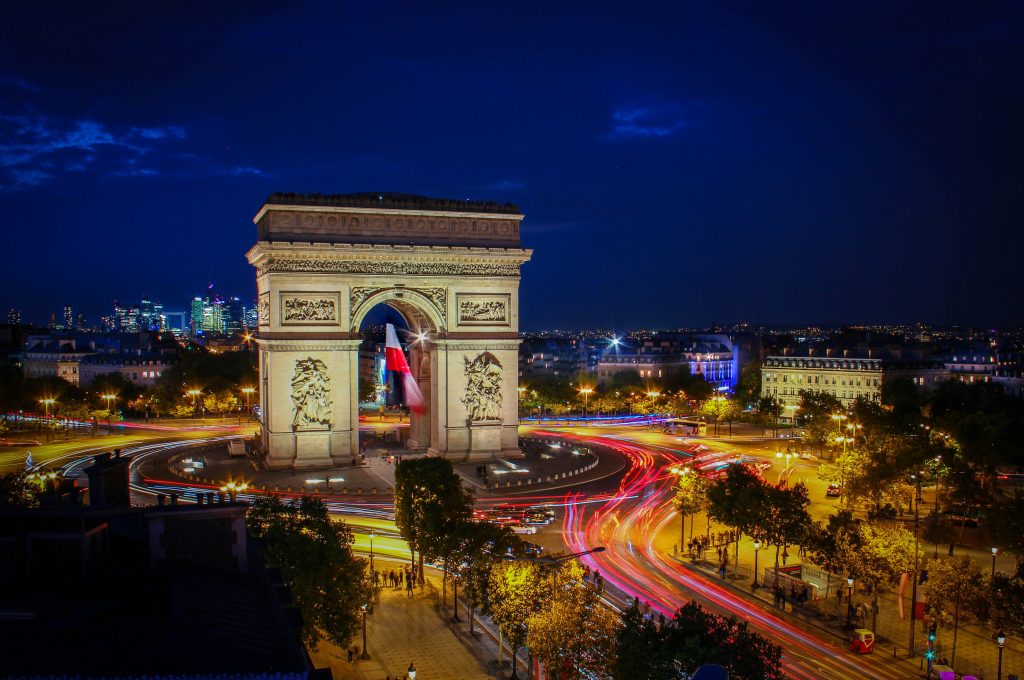
Best Time to Visit Paris
The best times to visit Paris are spring (April-May) and autumn (September-October). The weather is mild and perfect for exploring. You can enjoy the city’s landmarks and gardens without the cold or summer crowds.
Summer is also good if you’re okay with more people. Many Parisians are on vacation in August. But, expect higher prices and more visitors at popular spots.
Getting to Paris from the United States
Getting to Paris from the US is easy with many direct flights. They go to Paris Charles de Gaulle Airport (CDG) or Orly Airport (ORY). You can pick from various airlines to fit your budget and preferences.
When booking, think about flight length, layovers, and arrival times. Also, check if your airline offers extra services to make your trip better.
Travel Documents and Requirements
Make sure you have the right travel documents before going to Paris. Since April 2026 the EU Entry/Exit System registers your fingerprints and photo on your first Schengen entry instead of stamping your passport — allow extra time at CDG. US citizens can visit for up to 90 days without a visa. Your passport must be valid at least three months beyond your departure date and issued within the last 10 years.
It’s wise to make copies of your passport, travel plans, and insurance. Leave a copy with someone you trust back home. This helps in emergencies.
What to Pack for Your Paris Adventure
Getting ready for Paris? Knowing what to pack is key. The right clothes and accessories can make your trip more enjoyable and comfortable.
Seasonal Packing Lists
Paris’s weather can change quickly. So, pack smart. For spring and autumn, mix lightweight and warm clothes. This way, you’re ready for any temperature.
In summer, choose light, airy fabrics. For winter, pack warm coats and don’t forget scarves and gloves.
Always check the weather forecast before you go. This ensures you’re ready for any surprise weather.
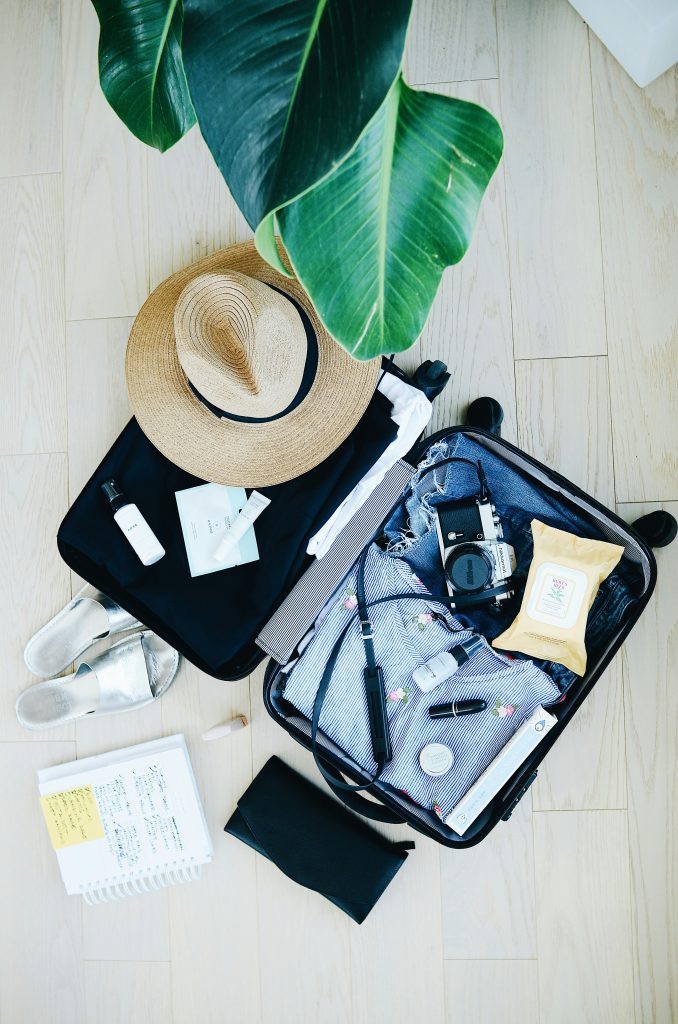
Essential Items for Travelers
There’s more to packing than clothes. Comfortable shoes are a must for all the walking. Pack travel-sized toiletries to save space. And remember, adapters for charging your devices.
A small first-aid kit is wise. It should have pain relievers, band-aids, and any personal meds. If you’ll use public transport a lot, consider a Paris Visite pass.
Tech and Adapters to Bring
In today’s world, the right tech is essential. A portable charger keeps your devices charged. France uses Type E/F power sockets and 230V voltage.
Pack a universal travel adapter for different sockets. Bring your camera and charger, or a good phone case and extra battery if you prefer smartphone photos.
Getting Around Paris: Transportation Tips
Learn how to move around Paris like a local with our guide. Paris is famous for its beautiful buildings and deep history. It’s best to explore it easily, whether you’re on a sightseeing tour or visiting for three days. Knowing the transportation system is essential.
Paris Metro System
The Paris Metro is a great way to get around. It has 16 lines that cover most places you’ll want to see. It’s a favorite among both locals and tourists.
For a three-day visit, the Metro is very helpful. Here are some tips: load a 10-ticket carnet onto a Navigo Easy card for savings — paper tickets were withdrawn in November 2025 — and avoid busy hours.
Buses and Trams
Paris also has a wide network of buses and trams. They offer a beautiful way to see the city. The Noctilien night bus is great for enjoying Paris at night.
Walking vs. Public Transport
Paris is easy to walk around, with many famous spots close by. But, public transport is usually faster. Walking lets you find hidden streets and gems you might miss on the Metro.
Paris Transportation Passes
A Paris travel guide often suggests getting a Paris Visite pass. It lets you travel unlimited on Metro, buses, and trams for a set time. It’s perfect for those who will use public transport a lot.
Follow your travel guide’s advice and get a Paris Visite pass for your trip.
The Perfect Paris 3 Day Itinerary: Overview
A good itinerary is key to a memorable Paris trip. With lots to see, picking your top spots is important for a great 3-day visit.
Itinerary Planning Strategy
Begin by listing your Paris must-sees. Think about what you want to do: see history, art, or enjoy cafes? Knowing this helps plan your days.
Also, think about where your attractions are. Paris is easy to walk around, but its public transport is great too.
Map of Key Locations
Knowing Paris’s layout and key spots is essential. Your 3-day plan should include the Eiffel Tower, Louvre, and Notre-Dame Cathedral.
A map of Paris will show you how close these places are. Use a physical map or a Paris travel app on your phone to get around.
Your 3 Days in Paris at a Glance
Here is the whole plan in one view — one theme per day, each clustered in walkable areas — before the detailed breakdown below.
| Day | Theme | Route |
|---|---|---|
| Day 1 | Classic Paris | Eiffel Tower → Champs-Élysées & Arc de Triomphe → Seine river cruise |
| Day 2 | Art & Culture | Louvre highlights → Musée d’Orsay → evening in the Latin Quarter |
| Day 3 | Historic Paris | Notre-Dame & Île de la Cité → Montmartre & Sacré-Cœur → Le Marais |
| Option | Day trip | Swap a full morning for Versailles (about 45 min by RER C) |
✈️ TripToGo Travel Deals
Get notified about great travel deals
Hand-picked flight, hotel and destination deals, straight to your inbox. No spam, unsubscribe anytime.
🎉 Thank you for subscribing!
You’re all set — the best travel deals are on their way.
Planning Your 3 Days: Key Facts
Book two things before you fly: the Eiffel Tower summit (slots vanish weeks out) and the Louvre (timed entry is mandatory; closed Tuesdays).
Getting around: the Metro plus your feet cover everything in this plan. A Navigo Easy card loaded with a 10-ticket carnet beats single 2.50 euro fares; each day here clusters one area so you ride at most twice a day.
Best time to go: May–June and September–October hit the sweet spot of weather and crowds — our best time to visit Paris guide breaks it down month by month.
UNESCO note: most of this itinerary unfolds inside the Paris, Banks of the Seine World Heritage zone — from the Eiffel Tower to Notre-Dame, the riverfront itself is the monument.
Museum lovers: if Day 2 leaves you wanting more, our guide to the top museums in Paris covers the Rodin, Orangerie and Pompidou. Official event listings: Paris je t’aime (the city’s tourist office).
Day 1: Classic Paris Highlights
Make these 3 Paris days yours
Our partner Voyada’s AI trip planner turns this itinerary into your booking-ready plan — flights, hotels, the Paris legs and a real total cost for your dates — in about a minute, free.
Plan my trip for me→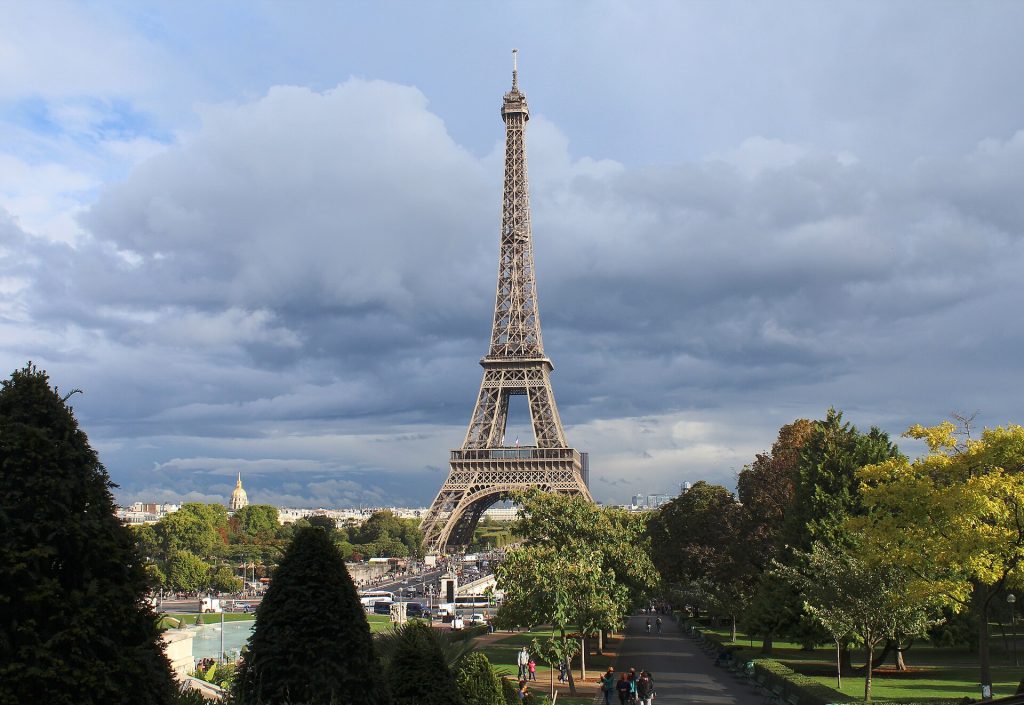
Start your Parisian adventure with a day of iconic landmarks and experiences. Your first day in Paris is all about diving into the city’s rich history and culture.
Morning: Eiffel Tower Experience
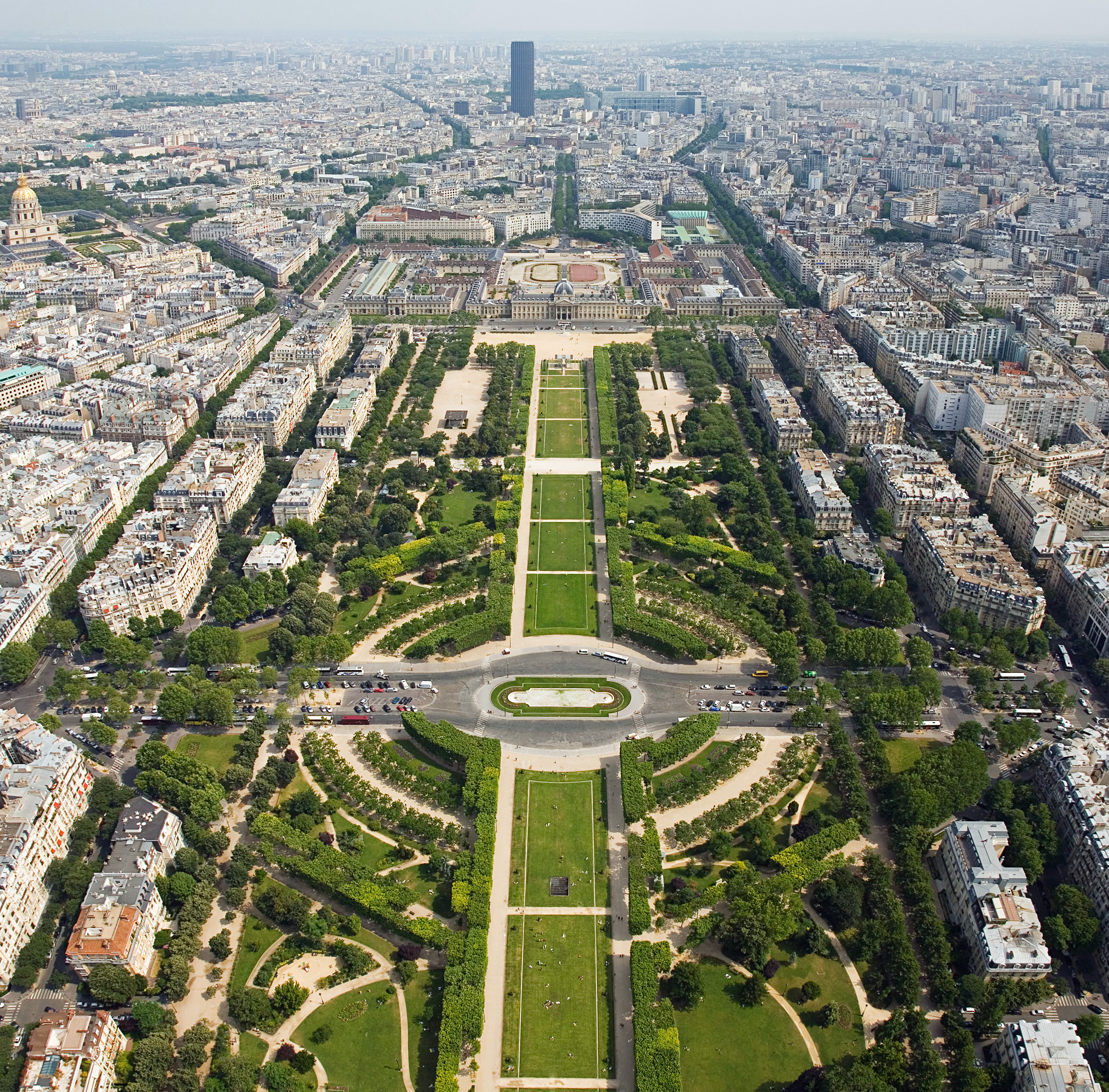
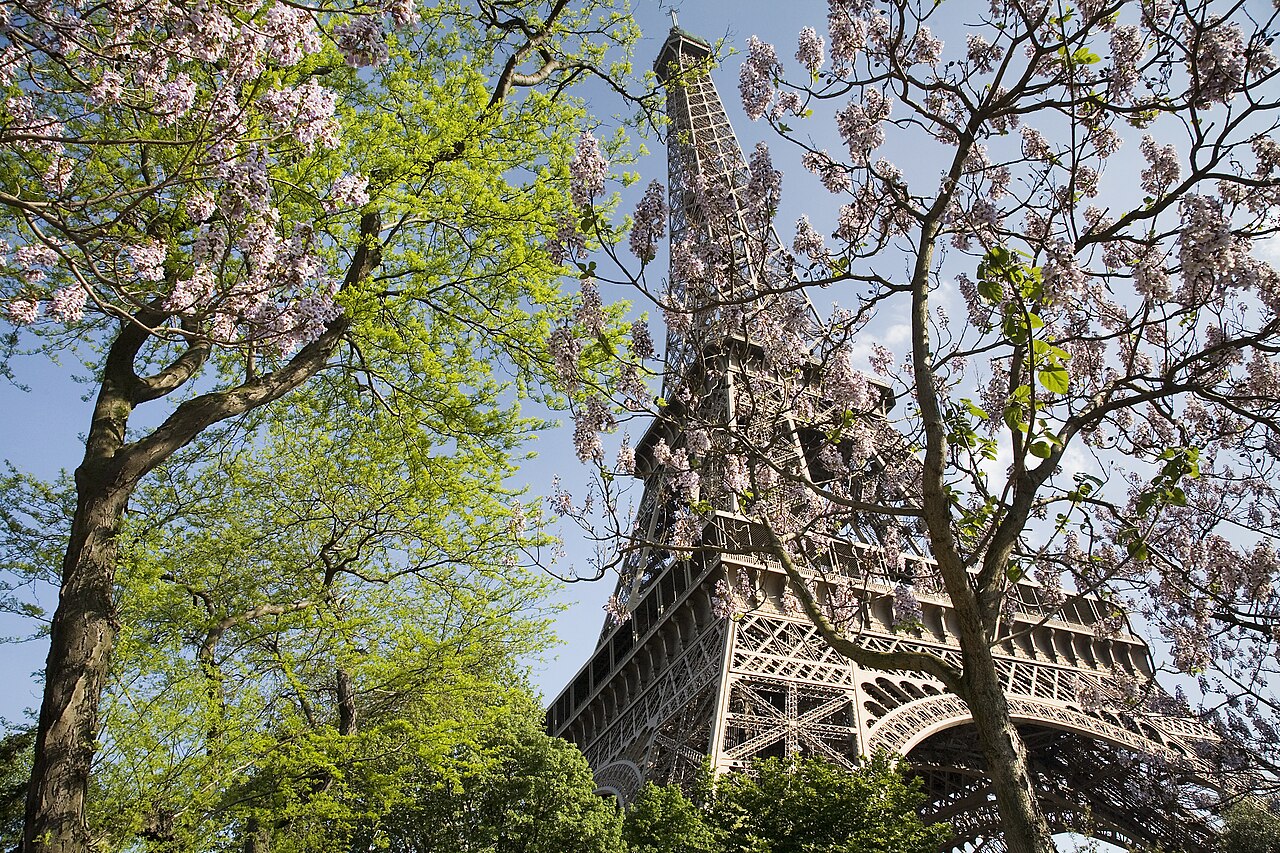
Begin your day at the Eiffel Tower, a symbol of Paris. Built for the 1889 World’s Fair, it’s an engineering marvel. It offers stunning views of Paris from the top. Book tickets in advance to avoid long wait times.
Afternoon: Champs-Élysées and Arc de Triomphe
After the Eiffel Tower, stroll along the famous Champs-Élysées. It’s known for its upscale boutiques, cafes, and theaters. At the end, you’ll find the Arc de Triomphe, honoring France’s soldiers. Climbing to the top offers a stunning view of the city.
Evening: Seine River Cruise
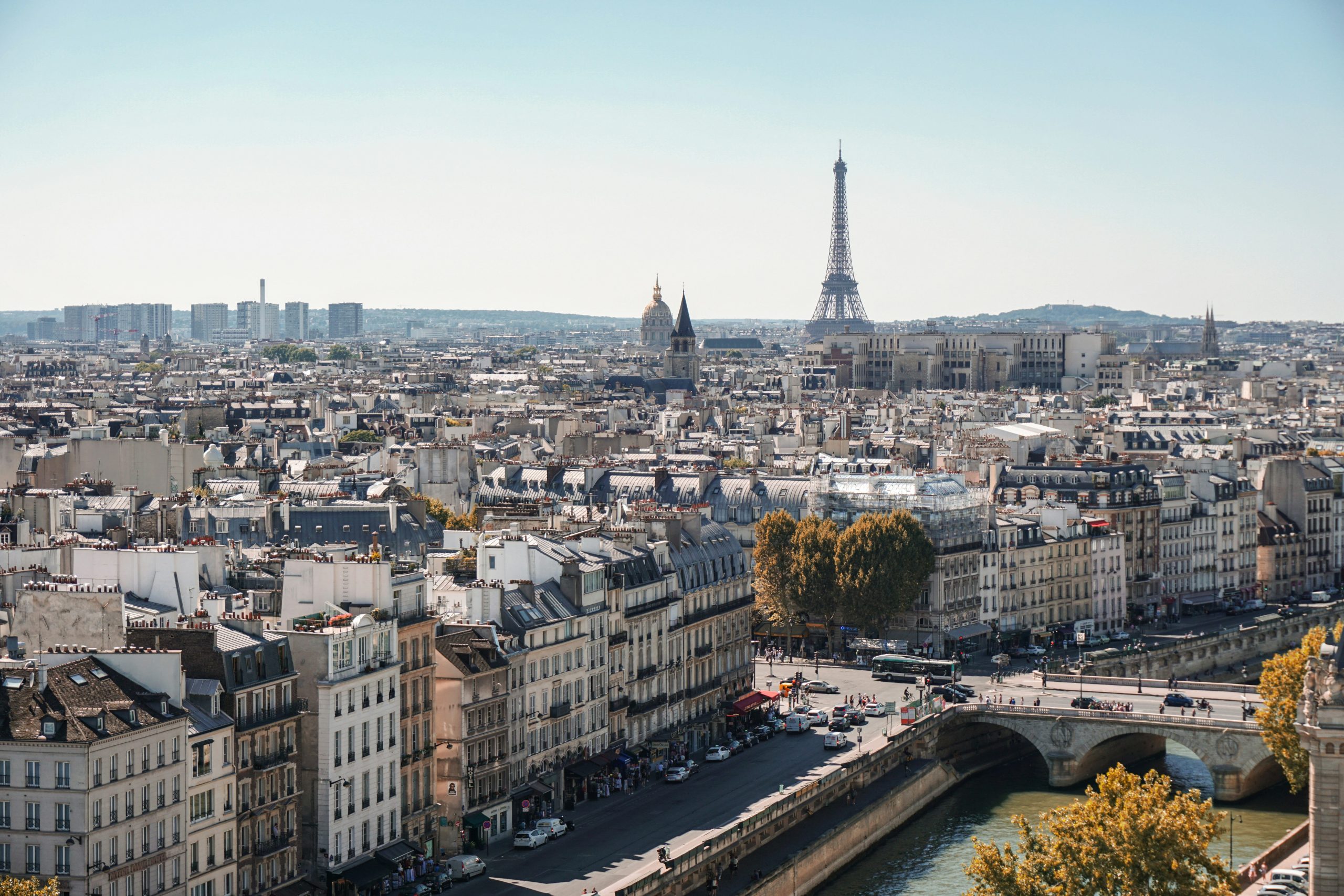
End your day with a romantic Seine River Cruise. It’s a must-do in Paris. As you glide along, you’ll see landmarks like the Eiffel Tower and Notre-Dame Cathedral lit up. It’s a relaxing way to see the city’s main attractions at night.
Day 1 Dining Recommendations
Explore the Parisian food scene with our top picks for breakfast, lunch, and dinner on your first day. Paris is famous for its delicious food, with many dining options for every taste.
Breakfast Options
Begin your day with a tasty breakfast at a cozy café. Try Café de Flore or Les Deux Magots for a croissant and coffee. For a real local feel, visit Boulangerie Gérard Mulot for fresh pastries.
Lunch Near Tourist Attractions
For lunch, eat near the places you want to see. Near the Eiffel Tower, you’ll find many restaurants. Le Relais de l’Entrecôte is perfect for steak fans, and Le Grand Vefour offers a fancy meal. Along the Champs-Élysées, there are lots of places to eat.
Dinner with Eiffel Tower Views
Dinner is even better with a view of the Eiffel Tower. Le Jules Verne on the Eiffel Tower’s second floor is a Michelin-starred spot. Or, try Madame Brasserie on the first floor — the former 58 Tour Eiffel, renamed in 2022 — for the same view at a lower price. For a romantic dinner, book a table at a Seine-side restaurant like Le Comptoir du Relais or Chez L’Ami Jean.
As you wander Paris, don’t rush and enjoy the local food. Whether you want a fancy meal or something casual, Paris has it all. Bon appétit!
Day 2: Art and Culture Immersion
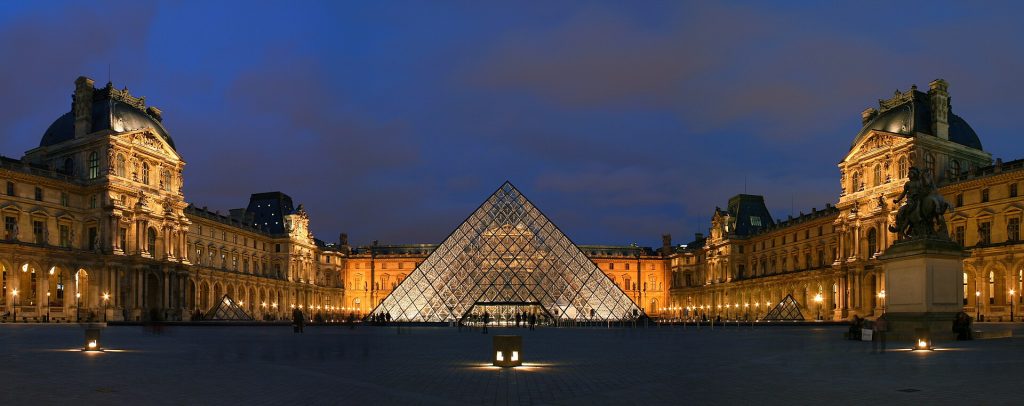
Day 2 in Paris is all about diving into art and culture. You’ll visit famous museums and historic areas. Paris is known for its rich artistic heritage, giving you many amazing experiences.
Morning: Louvre Museum Highlights (32 euro for non-EU visitors since January 2026)
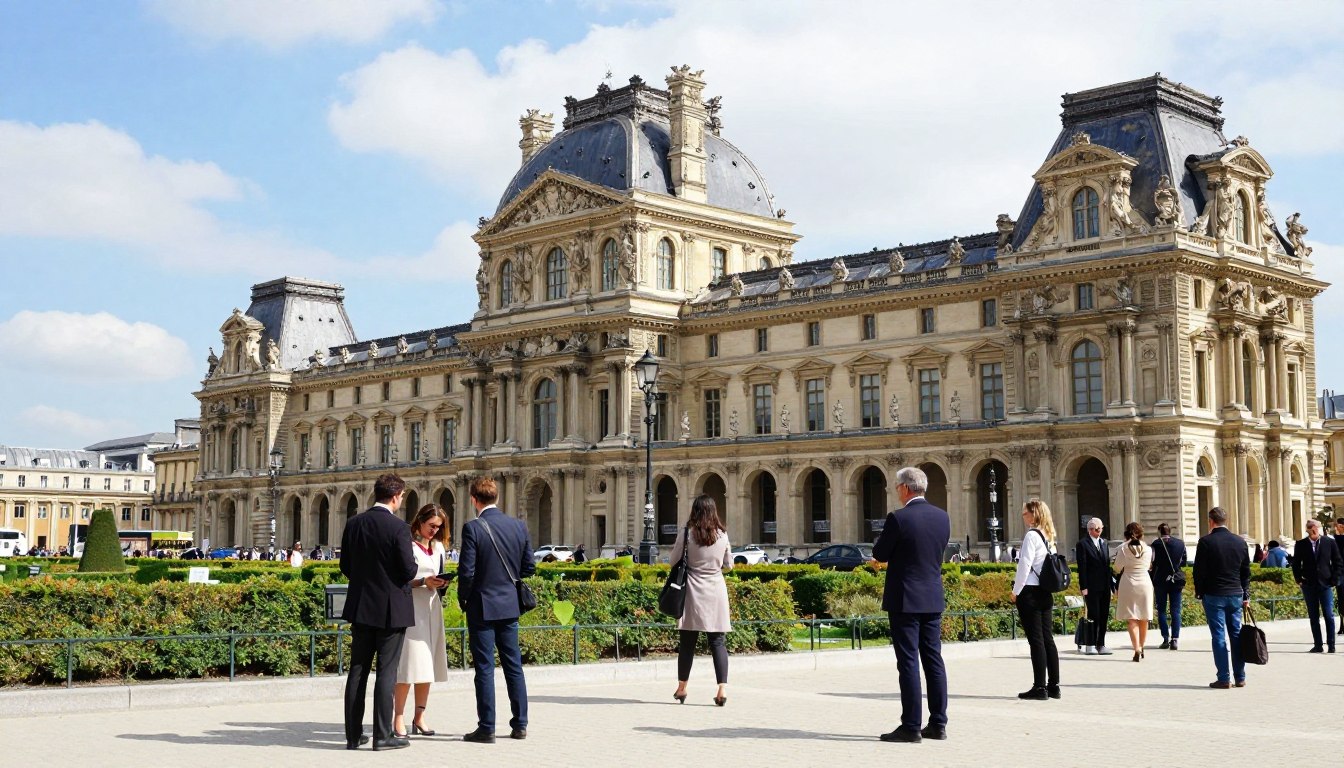
Begin your day at the famous Louvre Museum. It’s home to the Mona Lisa, a painting known worldwide. The Louvre has art and history from ancient times to the 19th century. Get there early to avoid the crowds and enjoy your visit fully.
Afternoon: Musée d'Orsay
Next, visit the Musée d’Orsay. It showcases Impressionist and Post-Impressionist art. The museum’s building is a masterpiece, featuring works by Monet, Renoir, and Van Gogh.
Evening: Latin Quarter Exploration
As the day ends, explore the Latin Quarter. It’s famous for its narrow streets, cozy cafes, and lively vibe. This area is perfect for dinner, shopping, and experiencing Parisian life.
In the Latin Quarter, admire the beautiful buildings and visit the Luxembourg Gardens. You’ll also see street performers and artists, adding to the area’s charm. It’s a great way to wrap up a day filled with art and culture.
Day 2 Dining Recommendations
As you explore Paris on Day 2, let’s talk about where to eat. Paris is famous for its food, with many places to suit every taste. You’ll find everything from cozy cafes to fancy restaurants.
Breakfast Like a Parisian
Begin your day with a French breakfast at a local café. Try a croissant or pain au chocolat with a warm café au lait. Places like Café de Flore or Les Deux Magots on Boulevard Saint-Germain are great for this.
Lunch Options Near Museums
After visiting museums like the Louvre or Musée d’Orsay, grab lunch nearby. For a quick meal, try a baguette sandwich or salad at a local deli. Or, choose from many bistros and restaurants for a full meal.
Authentic French Dinner Experience
For dinner, enjoy a real French meal. Le Comptoir du Relais or Chez L’Ami Jean offer cozy settings and classic dishes. Remember to book ahead, as these spots get busy.
Day 2 in Paris is about more than museums. It’s also about trying the city’s delicious food. With these tips, you’re set for a fantastic food adventure in Paris.
Day 3: Historic and Charming Paris
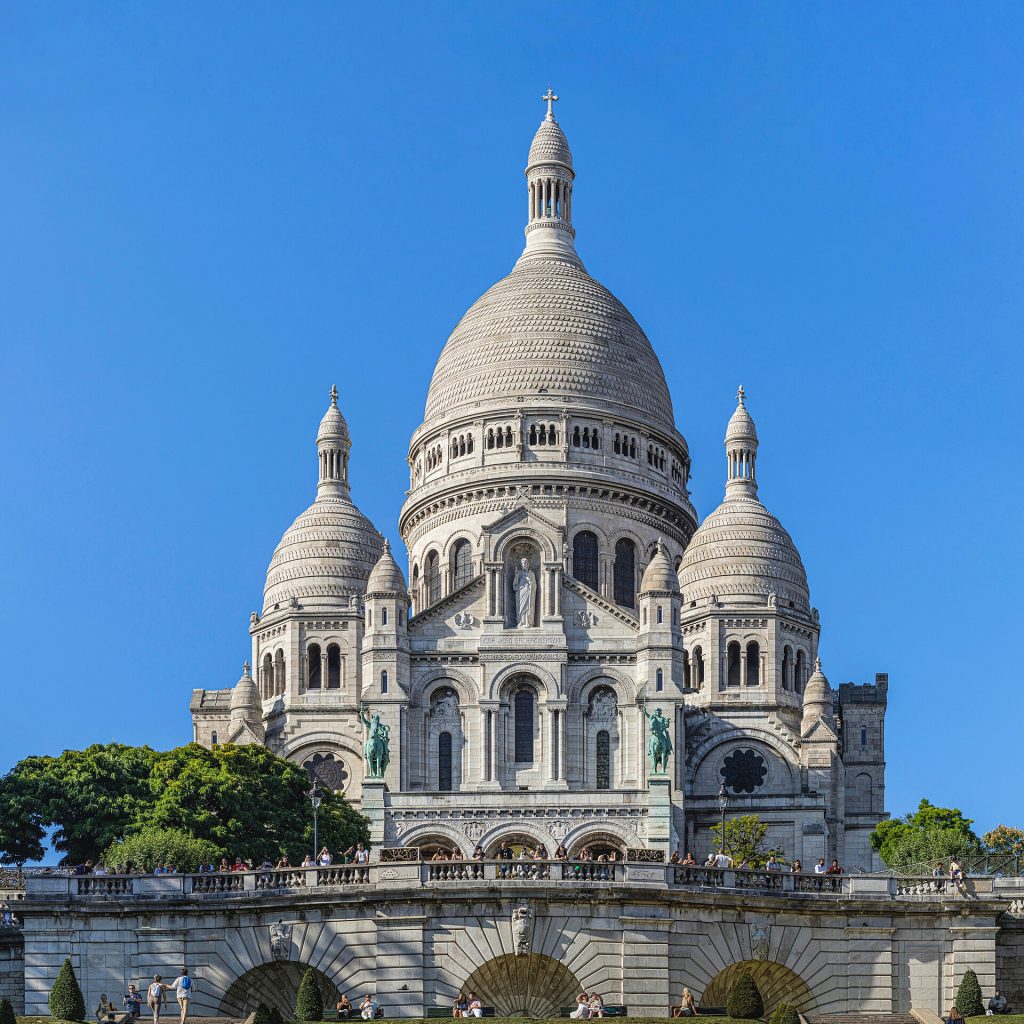
On your last day in Paris, dive into the city’s rich history and charm. This day will take you through iconic and quaint areas. It will make your 3-day trip unforgettable.
Paris is famous for its history and stunning buildings. On your third day, you’ll see historic sites and charming neighborhoods. These places make Paris truly special.
Morning: Notre-Dame Cathedral and Île de la Cité
Begin at Notre-Dame Cathedral, reopened on 7 December 2024 after the post-fire restoration. Entry is free — book a timed slot on the official site to skip queues that hit 2-3 hours in summer.
Admire the cathedral’s facade and the island it sits on, Île de la Cité. This island is the heart of Paris.
After seeing Notre-Dame, stroll around Île de la Cité. The island has other historical sites and shows Paris’ medieval side.
Afternoon: Montmartre and Sacré-Cœur
In the afternoon, visit Montmartre. This neighborhood is known for its bohemian vibe and beautiful views.
See the Sacré-Cœur Basilica, which sits on a hill. It offers amazing views of Paris.
Montmartre’s streets are filled with charming cafes, artist studios, and historic buildings. It’s perfect for exploring.
Walk the cobblestone streets, visit the Place du Tertre, and enjoy Montmartre’s artistic vibe.
Evening: Le Marais District
As the day ends, go to the Le Marais district. It’s famous for its fashionable boutiques, art galleries, and lively nightlife.
This historic area is great for dinner or just enjoying the Parisian vibe.
Le Marais mixes old and new Paris. It’s a perfect end to your 3-day trip.
Le Marais has something for everyone. Whether you like shopping, dining, or just enjoying the city, you’ll find it here.
Day 3 Dining Recommendations
Start your third day in Paris with a tasty breakfast at a historic café. Paris is famous for its food, with many places to eat. You’ll find something for every taste.
Breakfast at a Historic Café
Begin at Café de Flore or Les Deux Magots, famous spots on Boulevard Saint-Germain. They’re known for great coffee and a lively atmosphere. Try a French breakfast with croissants and café au lait to start your day.
Lunch in Montmartre
For lunch, visit Montmartre, a neighborhood full of charm and history. You’ll find everything from cozy bistros to fancy restaurants. Le Comptoir du Relais offers a classic French meal, or grab a baguette at a local café.
Farewell Dinner in Paris
For your last dinner, try a Michelin-starred restaurant for top-notch French food. Places like Le Grand Vefour or L’Atelier de Joël Robuchon are unforgettable. Book early, as they’re favorites among both locals and tourists.
While you dine, think about the amazing things you’ve done in Paris. Whether you love food or just want to enjoy Paris’s culinary scene, there’s something for everyone.
Alternative Day Trip: Versailles Palace
Visiting the Palace of Versailles is a top experience for anyone in Paris. This former royal home is known for its grand decor and beautiful gardens. It’s a key spot to add to your Paris trip.
Getting to Versailles from Paris
Getting to Versailles from Paris is easy. You can take the RER C train to Versailles-Château station. It’s a 45-minute ride. Or, book a guided tour for easy travel.
Palace Highlights and Gardens
When you get there, you’ll see the Hall of Mirrors, the Royal Chapel, and the State Apartments. The gardens are also a must-see. You can walk or bike there. The Orangery and the Grand Canal are special spots for a calm break.
Time Management Tips
Arrive early to beat the crowds. Buy tickets online to skip the lines. Spend 4-5 hours to see everything well. If you have time, check out Versailles town for its quaint streets and cafes.
For those using a Paris itinerary planner, Versailles is a great addition. It’s a unique experience outside Paris. It makes your “must-see in Paris in 3 days” list even better.
Shopping in Paris: Where to Find the Best Souvenirs
Shopping in Paris is an adventure that combines luxury, uniqueness, and affordability. It’s a must-do activity for visitors. The city is famous for its fashion, art, and craftsmanship, providing a wide range of shopping experiences.
Luxury Shopping Districts
For high-end shopping, Paris has several luxury districts to visit. The famous Champs-Élysées is filled with designer boutiques and upscale department stores. Galeries Lafayette is another iconic spot, with a wide range of luxury brands under one roof.
Unique Parisian Boutiques
Paris also has unique boutiques with one-of-a-kind souvenirs. The Le Marais district is known for its trendy boutiques and artisanal shops. Here, you can find handmade jewelry to bespoke clothing.
Budget-Friendly Shopping Options
Shopping in Paris doesn’t have to be expensive. There are many budget-friendly options, like the famous flea markets. The Marché aux Puces de Saint-Ouen is a great place to find vintage treasures and affordable souvenirs.
Whether you want to splurge or save, Paris has it all. Its mix of luxury, uniqueness, and affordability makes it a shopper’s paradise.
Paris on a Budget: Money-Saving Tips
Paris, the City of Light, can be enjoyed on a budget. With the right planning, you can explore its beauty without spending too much. Whether walking by the Seine or visiting famous spots, there are many ways to save money.
Free Attractions and Activities
One great way to save in Paris is by visiting free attractions. The Luxembourg Gardens are perfect for a picnic, with beautiful views. You can also check out Montmartre, home to the Sacré-Cœur Basilica, and its charming streets.
Dining Without Breaking the Bank
Eating in Paris doesn’t have to cost a lot. Look for bistros and cafes outside tourist areas for cheaper, authentic French food. Or, try a picnic in a park or buy fresh bread and cheese from a market.
Transportation Savings
Traveling around Paris can be affordable. The Paris Metro is cheap and efficient. Consider a Paris Visite pass for unlimited travel on public transport. Walking or biking is also a great way to see the city.
By using these tips, your Paris trip can be both affordable and memorable. With a bit of planning, you can explore Paris in 3 days and make lasting memories.
Paris Travel Tips for Americans
These Paris travel tips are for Americans. They help you explore the City of Light like a local. Use a Paris itinerary planner to plan your trip. Knowing the right tips can make your experience better.
Language Essentials
Many Parisians speak English, but learning French is helpful. Say “bonjour” (hello), “merci” (thank you), and “excusez-moi” (excuse me) to show respect. Download a translation app or carry a phrasebook for more complex conversations.
At restaurants, you might be spoken to in French. Knowing “l’addition, s’il vous plaît” (the bill, please) helps. Learning how to say Parisian landmarks and streets in French can also help avoid confusion.
Cultural Etiquette
Knowing cultural etiquette is key in Paris. Greet shopkeepers when entering and leaving stores. Service is included by law, so tipping is optional — round up or leave a euro or two for good service.
When visiting museums or historical sites, dress modestly. Avoid flash photography. Americans should also know about French personal space and greetings. Kissing cheeks as a greeting is common, but the number of kisses varies.
Safety Information
Paris is generally safe, but watch out for pickpocketing and scams. Keep an eye on your belongings, mainly in crowded places like the Metro. Use a money belt or a secure bag for your valuables.
Stay updated on local conditions through government advisories. Register with the Smart Traveler Enrollment Program (STEP) for safety updates.
By following these Paris travel tips, you’ll enjoy Paris’s top sights in 3 days. Whether using a Paris city guide or exploring on your own, being prepared makes your trip better and less stressful.
Before you go: turn this guide into a day-by-day plan. Our partner Voyada is a free travel itinerary generator that builds the route with flights, hotels and a real total cost for your dates — in about a minute.
Build an itinerary →Paris 3-Day Tips: Passes, Closures, and Day Trips
Three days in Paris go further with a little planning around museum schedules and the city’s layout.
- Watch closing days: the Louvre shuts Tuesdays, the Orsay Mondays — slot them on open days and book timed entry.
- Consider a Paris Museum Pass if you’re hitting several sights — it saves money and skips ticket lines.
- Base centrally: the 1st–7th arrondissements put you walking distance to most icons; the Metro handles the rest cheaply.
- Versailles is a half-to-full day — go early, and note the palace is closed Mondays; the gardens are the highlight in warmer months.
- Book the Eiffel Tower and Catacombs online — both sell out — and keep bags zipped and close on the busy tourist Metro lines.
Paris (3 Days): Alternative Plans & Where to Stay
Three days go further with a little planning. Here’s how to structure it and where to base yourself.
- 3 days: the landmarks, two museums and a neighbourhood; add Versailles with a fourth day.
- Where to stay: the 1st–7th arrondissements (walkable to the icons), Le Marais (trendy) or Montmartre (charming).
- Transport: the Metro is faster and cheaper than taxis; consider a Paris Museum Pass.
- Book ahead: the Eiffel Tower, the Louvre and the Catacombs sell out.
- Mind closing days: the Louvre shuts Tuesdays, the Orsay Mondays.
Conclusion: Making the Most of Your 3 Days in Paris
With this detailed Paris 3 day itinerary, you’re set to see the City of Light like a local. You’ll explore famous spots and cozy neighborhoods. This guide helps you make lasting memories in Paris.
Walking through Montmartre, visiting the Louvre, or seeing the Eiffel Tower’s views, you’ll feel Paris’s spirit. This travel guide is made to help you enjoy your 3-day trip. It shows you both secret spots and famous places.
Whether you’re a pro traveler or new to Paris, this guide has you covered. So, take a deep breath, grab your map, and dive into Paris’s enchantment.
FAQ
What is the best time to visit Paris?
How do I get to Paris from the United States?
What travel documents do I need to visit Paris?
What should I pack for a 3-day trip to Paris?
How do I get around Paris?
What are the must-see attractions in Paris?
Can I visit the Palace of Versailles from Paris?
What are some budget-friendly dining options in Paris?
Are there any free attractions in Paris?
What are some essential French phrases to know when visiting Paris?
Is Paris safe for American tourists?
Can I use my credit cards in Paris?
Is 3 days enough for Paris?
Three days is the usual minimum for a first visit, and it works well provided you accept that you are seeing the highlights rather than the whole city. It covers the landmarks along the Seine, two major museums, one neighbourhood at a slower pace and a few good meals. What keeps it from feeling frantic is grouping each day geographically, as this itinerary does, and leaving one afternoon loose. Adding Versailles usually means dropping something else, so it sits better on a fourth day. If you can stretch to four or five days, spend the extra time on neighbourhoods and cafes rather than on more monuments.
Which part of Paris should you stay in for three days?
For a short first trip, stay central and walkable. The first to seventh arrondissements put you within walking distance, or one short metro ride, of most of the sights in this itinerary, which matters more than the hotel itself when you only have three days. Le Marais suits travellers who want bars, galleries and a lively evening on the doorstep; the streets around Saint-Germain are quieter and classically Parisian; Montmartre is charming but hilly and further out, so allow for the extra travel. Wherever you choose, check how close the nearest metro station is, and expect smaller rooms than you may be used to.
Do you need to book Paris attractions in advance?
For the big ones, yes. The Eiffel Tower, the Louvre and Versailles all use timed entry and sell out, often weeks ahead in summer, and Notre-Dame asks visitors to reserve a free slot to avoid very long queues. Book through each site’s own official website as soon as your dates are set, and plan around the closing days: the Louvre shuts on Tuesdays, the Orsay and Versailles on Mondays, so a day built around a closed museum is a day lost. Smaller museums, churches, markets and the gardens generally need no reservation, which makes them useful stand-ins when a slot has gone.