


Table of Contents
ToggleDid you know over 6 million international travelers visit Indonesia’s most famous island annually? Yet, most stay for less than a week. This brief stay often results in visitors hurrying through iconic temples and beaches, missing out on the local culture. For official, up-to-date visitor information, see Indonesia’s official tourism site.
Figuring out how many days in Bali is key to planning your ideal tropical getaway. Whether you’re after a quick escape or a month-long dive into the island’s depths, Bali caters to every traveler’s pace. It offers a variety of experiences tailored to your unique preferences.
We aim to guide you in finding the perfect duration for your trip. Understanding your travel style and the areas you want to explore is essential. This knowledge helps you make the most of your time from the moment you arrive at Ngurah Rai International Airport.

Key Takeaways
- A minimum of five days is recommended to experience one or two areas without feeling rushed.
- Two weeks allow for a deeper exploration of both the lush highlands and the southern coastal regions.
- Consider your travel pace; slow travelers should plan for at least three weeks to avoid burnout.
- Factor in transit times between popular hubs like Ubud, Canggu, and Uluwatu to optimize your itinerary.
- Prioritize your interests, such as surfing, yoga, or temple hopping, to allocate your time effectively.
✈️ TripToGo Travel Deals
Get notified about great travel deals
Hand-picked flight, hotel and destination deals, straight to your inbox. No spam, unsubscribe anytime.
🎉 Thank you for subscribing!
You’re all set — the best travel deals are on their way.
Determining How Many Days in Bali for Your Travel Style
Are you pondering how many days in Bali you need to fully experience its wonders? Planning a trip to Bali is an exhilarating task. Yet, the length of your stay should mirror your travel preferences. Whether you seek thrilling adventures or serene moments, striking the right balance is essential for a fulfilling journey.
If you’re after a dynamic holiday, consider focusing on one or two areas. This approach minimizes time lost in traffic. It allows you to dive deeper into local markets, surf spots, or secluded waterfalls, all without the hassle of constant travel.

On the other hand, those desiring a more laid-back, genuine experience will benefit from longer stays. By immersing yourself in a community, you gain a local’s perspective. This is ideal for those who cherish meaningful interactions and a leisurely pace over a rapid tour of tourist attractions.
Choosing the right duration for your Bali trip hinges on your energy and interests. We aim to guide you in crafting an itinerary that resonates with your aspirations. By aligning your schedule with your goals, every moment in Bali will be filled with purpose and joy.
The Ideal Duration for a First-Time Visitor
Planning your first trip to Bali can be thrilling, yet daunting due to the island’s vast array of experiences. Most visitors find that 7 to 14 days is the ideal duration. This range allows for a balanced exploration of Bali’s cultural heart and its stunning coastlines.
Within this timeframe, you can immerse yourself in Ubud’s rich culture and the lively coastal towns. You’ll have ample time to visit iconic temples, unwind on pristine beaches, and even take a boat trip to nearby islands. This flexibility ensures a leisurely and enjoyable exploration of Bali’s local charm.
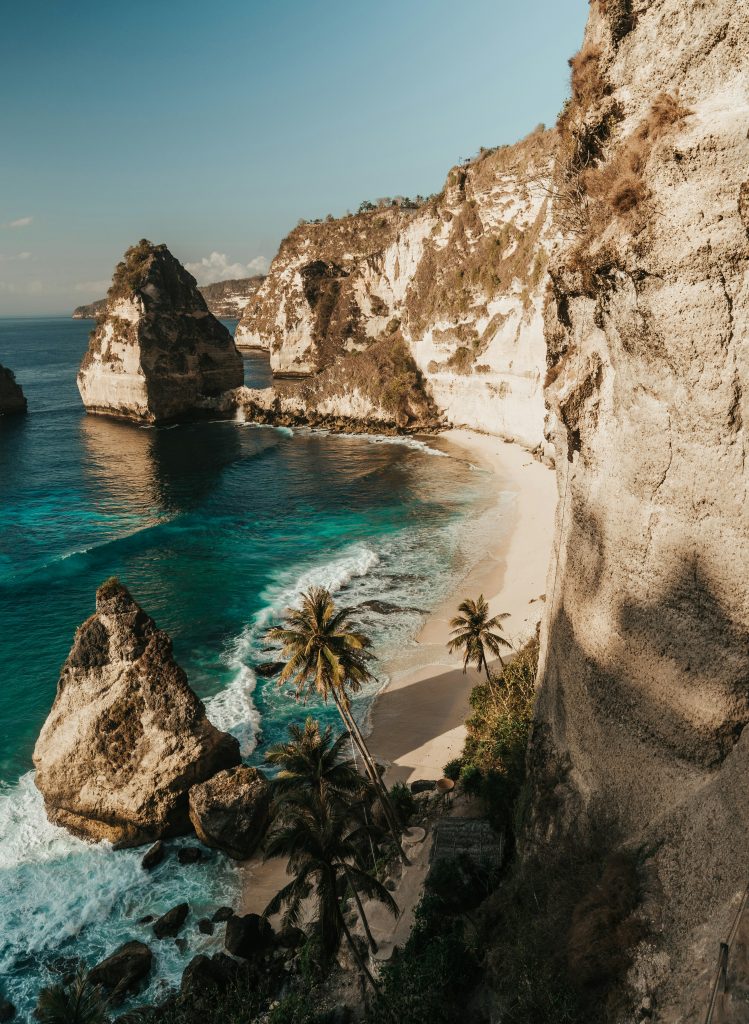
The choice of how many days to spend in Bali depends on your priorities. A two-week stay offers a deep dive into the island’s unique essence. Opting for this duration guarantees a memorable and stress-free first visit.
Understanding Bali Geography and Travel Times
Many travelers are surprised by Bali’s size and complexity. The island looks small on maps, but navigating it requires patience. A well-planned itinerary is key to a smooth trip.

Regional Distances and Traffic Realities
The distance between major spots like Ubud and the south can be misleading. What looks close on a map takes over an hour to reach. Plan your day with these travel times in mind.
Narrow, winding roads connect Bali’s villages and tourist areas. These roads are shared by locals, tourists, and trucks. Traveling between places can take a lot of time.
Why Travel Times Often Exceed Estimates
Several factors make travel times longer than expected. Road conditions vary, and traffic jams are common in tourist areas. These jams can slow down even short drives.
Driving habits and the number of scooters also affect travel. Adding extra time to your schedule helps avoid stress. This way, you can enjoy the scenery without worrying about being late.
Best Months to Visit for Optimal Weather and Crowds
Planning a trip to Bali? You’re on the right path to a dream vacation. The right time can greatly enhance your experience. By matching your visit with Bali’s climate, you’ll enjoy sunny days over rainy ones.
The Dry Season Advantage
The dry season, from April to October, is ideal for outdoor activities. Expect clear skies and lower humidity. It’s perfect for surfing, hiking, or temple exploration without rain worries.

This season also means more tourists. Ubud and Uluwatu are busier. But, if you enjoy lively scenes and markets, you’ll find it exhilarating.
Navigating the Shoulder Season
For fewer crowds and nice weather, try the shoulder season. April, May, September, and October offer a great balance. The island is less crowded, yet the weather remains pleasant for outings.
Traveling then can also save you money. Resorts often have lower rates than in peak summer. It’s the best time for those seeking good weather, fewer tourists, and value.
Budgeting for Your Bali Vacation
Bali caters to every traveler, from those pinching pennies to those ready to splurge. Effective financial planning ensures a stress-free vacation. By grasping the local cost dynamics, you can direct your funds towards the experiences that resonate with you.
Daily Cost Estimates for Budget Travelers
Backpackers can navigate Bali on a budget of $30 to $50 daily. This budget accommodates a hostel bed, local cuisine, and scooter rentals. Add the mandatory Bali Tourist Levy of IDR 150,000 per person, paid once per trip via the Love Bali portal — officers now spot-check the QR voucher at major temples. Embracing local transport and street food maximizes your budget’s reach.
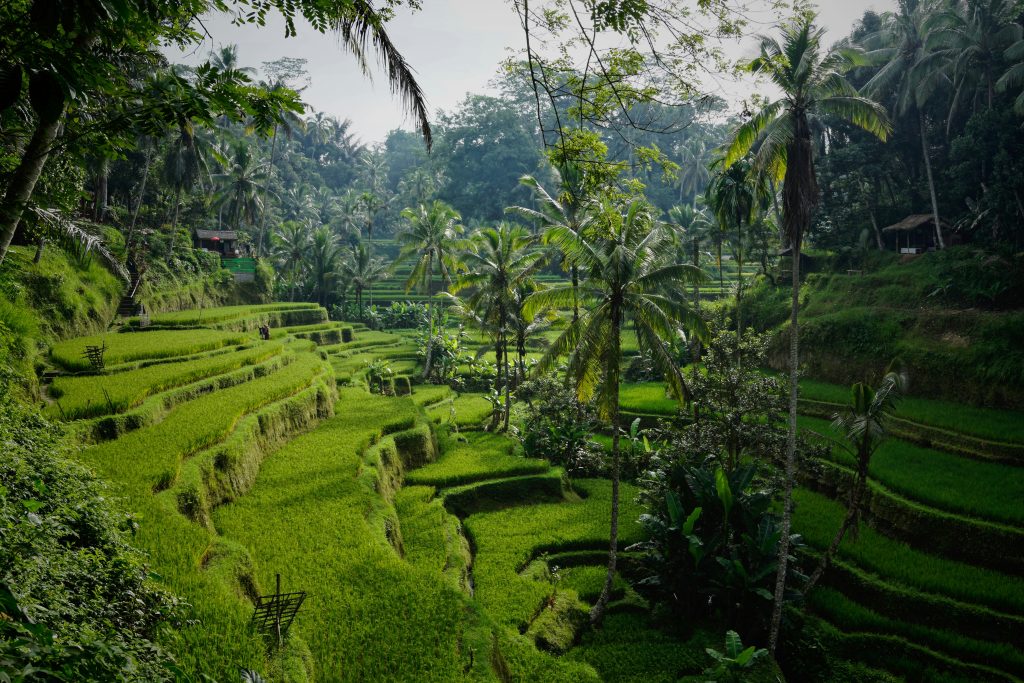
Opt for free attractions like public beaches and rice terraces to save. Ride-sharing apps are cost-effective for short journeys, avoiding private driver expenses. Guesthouses outside tourist zones also cut down nightly costs.
Mid-Range and Luxury Spending Expectations
A mid-range budget of $80 to $150 daily offers private villas and air-conditioned transport. This range includes yoga classes, cafe meals, and guided tours. It strikes a balance between comfort and authentic island experiences.
Luxury seekers can spend over $300 daily for five-star resorts, gourmet dining, and spa treatments. Investing in a high-end villa or beachside suite promises a premium experience in a stunning setting.
How Many Days in Bali? Itineraries at a Glance
The honest answer depends on your pace and interests. Here is a quick guide to trip length, and how to split your time across Bali’s regions.
| Trip length | Ideal for | Suggested split |
|---|---|---|
| 5 days | Minimum — one or two areas | 2 nights Ubud + 3 nights Seminyak/Canggu |
| 7 days | Most popular — two areas in comfort | 3 nights Ubud + 4 nights Uluwatu or Seminyak |
| 10 days | The sweet spot — three areas + a day trip | 3 Ubud + 3 Uluwatu/Nusa Dua + 4 Seminyak/Canggu, plus Nusa Penida |
| 14 days | Thorough, with day trips | South beaches + Ubud + East Bali (Sidemen/Amed) + the Nusa Islands |
| 1 month | Slow travel / remote work | Add North Bali (Munduk, Lovina), the west, and longer island stays |
Bali by Region: Where to Spend Your Days
| Region | Best for | Nights | Where to base |
|---|---|---|---|
| Ubud | Culture, rice terraces, wellness | 3–4 | Ubud / Tegallalang |
| Seminyak & Canggu | Beach clubs, cafes, surf | 3–4 | Seminyak or Canggu |
| Uluwatu / Bukit | Cliff beaches, surf, sunsets | 2–3 | Uluwatu / Bingin |
| Nusa Dua & Sanur | Family resorts, calm beaches | 2–3 | Nusa Dua / Sanur |
| East Bali (Sidemen, Amed) | Authentic villages, diving, volcano | 2–3 | Sidemen / Amed |
| North Bali (Munduk, Lovina) | Waterfalls, lakes, quiet | 1–2 | Munduk / Lovina |
| Nusa Islands (Penida, Lembongan) | Iconic cliffs, snorkeling | 2–3 | Nusa Lembongan / Penida |
Bali traffic is slow — base yourself by region rather than day-tripping across the island.
Found your ideal length? Book it right
Tell our partner Voyada’s AI trip planner your dates and it builds the full Bali trip for that window — flights, hotels and a real total cost — in about a minute, free.
Plan my trip for me→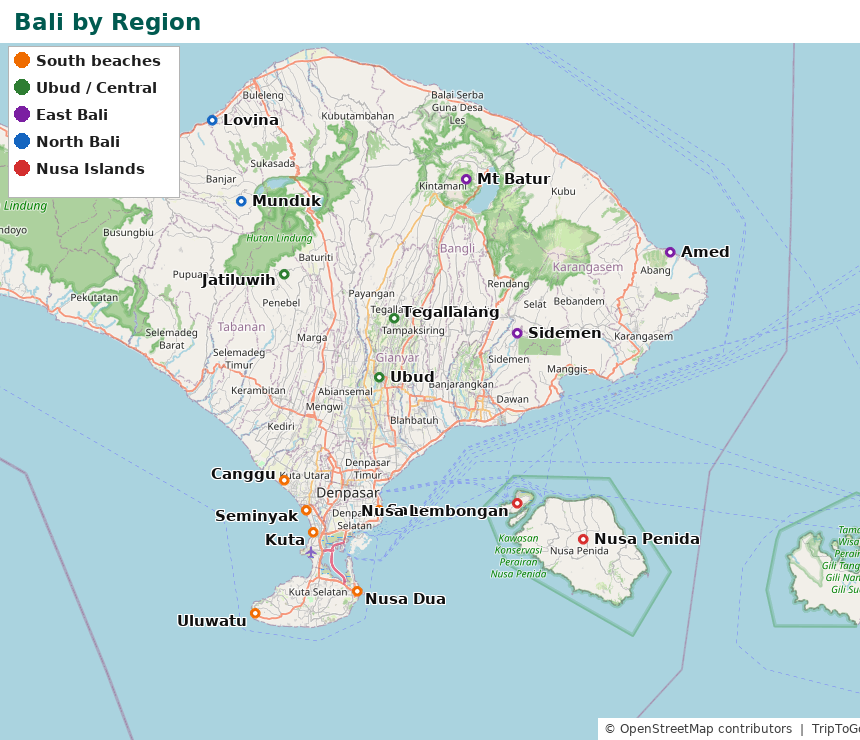
How Long in Bali: Key Facts
How many days do you need? A minimum of 5 days for one or two areas; 7–10 days is ideal; two weeks lets you see the whole island plus the Nusa Islands.
Where to base: split your trip — a few nights in Ubud for culture and rice terraces, then the south (Seminyak, Canggu or Uluwatu) for beaches.
Mind the traffic: Ubud to the southern beaches can take 1.5–2 hours; build in buffer time and avoid criss-crossing the island daily.
Don’t miss: a day trip (or two nights) to Nusa Penida for its famous cliffs, and the UNESCO-listed Subak rice terraces around Jatiluwih and Tegallalang.
Best time: the dry season, April–October (July–August is busiest). For more, see Indonesia’s official tourism site.
Exploring Bali in Seven Days or Less
With just a week, you can dive into Bali’s wonders by focusing on key areas. A well-planned bali itinerary helps you avoid the trap of endless travel. By choosing a specific region, you maximize your time enjoying the culture, not just traveling.
Focusing on One or Two Regions
The key to a successful short trip is to resist the urge to see everything. Pick one or two regions that match your interests. For example, Ubud’s lush culture or the southern coast’s lively beaches.
Staying in one area lets you fully immerse yourself in the local vibe. You’ll save hours of travel time, making your trip less stressful and more relaxing.
Maximizing Efficiency in a Short Trip
Efficiency is essential for a short trip. Prioritize a few must-see spots over a packed schedule. This balance ensures you have time to rest and recharge between activities.
Choose your transportation wisely to keep your journey smooth. A focused bali itinerary allows for spontaneous finds. In the end, a short trip to Bali can be incredibly rewarding when you focus on quality over quantity.
The Perfect Two-Week Bali Itinerary
Planning a two-week trip to Bali lets you explore the island’s depths. This timeframe is ideal for a detailed bali itinerary. It allows you to smoothly transition from the highlands to the beaches without feeling hurried.
Balancing Cultural Hubs and Coastal Towns

Divide your time between Bali’s different areas for a well-rounded experience. Begin in the cultural heart, where you can indulge in traditional arts, yoga, and lush rice terraces. This setting provides a serene start to your journey.
Then, move to the coast for a lively beach experience. The west offers surf spots, while the south boasts dramatic cliffs. A balanced bali itinerary allocates about a week for each area, ensuring you enjoy both.
Incorporating Day Trips to Neighboring Islands
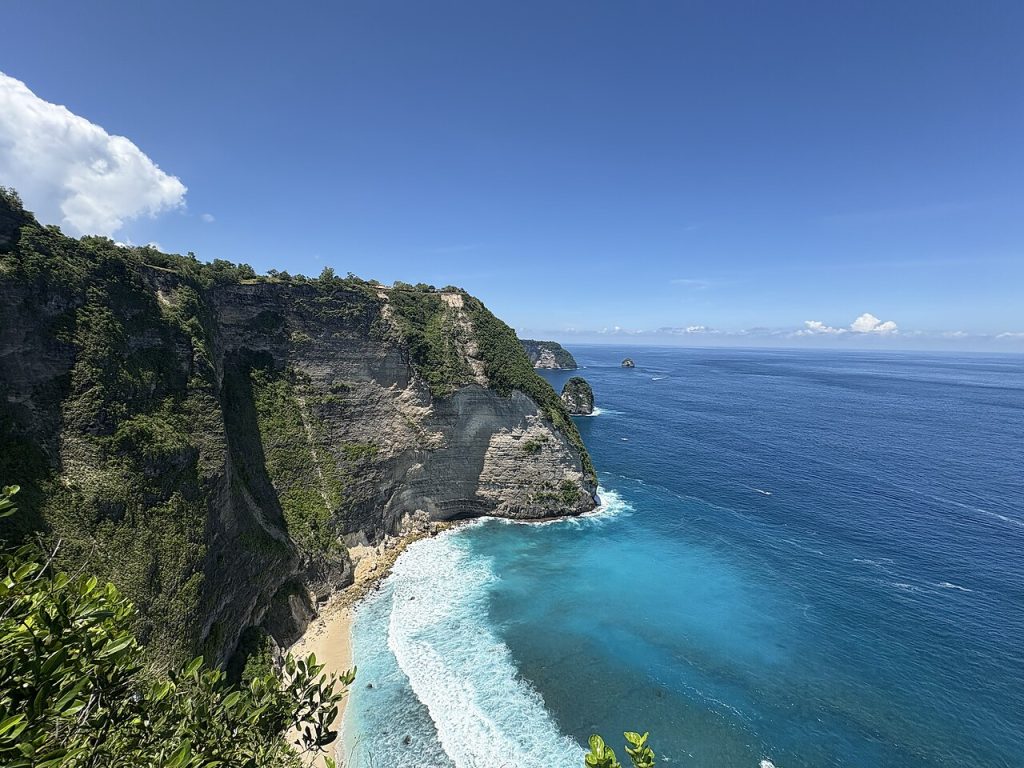
With two weeks, you can also explore nearby islands. Many highlight day trips to Nusa Penida. These islands feature clear waters, top-notch snorkeling, and unique landscapes, far from the mainland.
Keep your schedule open for these trips, scheduling them when the weather is best. These outings add thrill to your bali itinerary, yet allow for relaxation. Make sure to rest between days to maintain your energy.
Extended Stays: Spending One Month in Bali
Spending a month in Bali turns your trip into a lifestyle. This extended time lets you dive deeper into the island’s culture. You can explore at your own pace, moving beyond the usual tourist spots.
Deep Diving into Local Neighborhoods
Living for a month turns you from a visitor to a local. You can pick a neighborhood to call home. This lets you visit the same markets and cafes every day.
Living in one place reveals hidden gems often missed by short-term visitors. You might find a secret path through rice paddies or a family-run restaurant with the best local food. These experiences become the best part of your stay.
The Benefits of Slow Travel
Slow travel focuses on quality over quantity. It reduces travel fatigue and boosts enjoyment. This is ideal for digital nomads or anyone seeking a tropical retreat.
A flexible itinerary lets you fully appreciate Balinese culture. You can attend local ceremonies, learn crafts, or simply enjoy a slow morning. This relaxed pace makes your month in Bali a meaningful journey, not a rush.
Top Attractions You Cannot Miss
The top attractions in Bali are unforgettable, from mist-covered mountains to golden sunsets. The island offers a unique blend of spiritual heritage and raw natural beauty. It captures the heart of every visitor, whether you’re a history buff or a nature lover. You’ll find plenty of iconic spots to fill your travel diary.
Iconic Temples and Cultural Landmarks
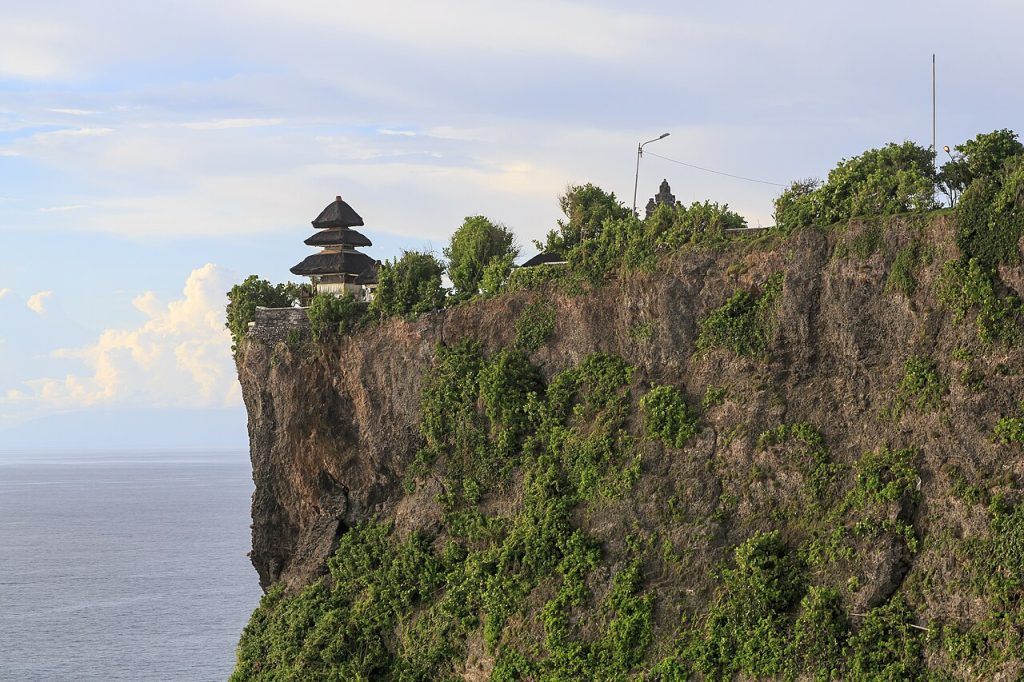
Bali is famous for its ancient temples, standing as silent witnesses to centuries of tradition. Many of these sacred sites are dramatically perched on cliff edges, overlooking the crashing waves of the Indian Ocean. Visiting these landmarks offers a deep look into the island’s spiritual soul and architectural history.
Make sure to visit sites with intricately carved stone and traditional gate designs. These structures are not just photo opportunities; they are active places of worship. Local customs remain vibrant here. Dress modestly and respect the quiet atmosphere when exploring these cultural treasures.
Natural Wonders and Scenic Landscapes
Beyond the man-made beauty, Bali boasts breathtaking natural scenery that feels like a dream. Lush green rice terraces carved into the hillsides offer some of the most iconic views. These landscapes highlight the harmonious relationship between the local people and the fertile volcanic soil.
If you prefer water, the island is home to hidden waterfalls tucked away in dense tropical jungles. These refreshing spots are perfect for a cooling dip after a morning of hiking. Exploring these natural wonders is essential for anyone looking to experience the true top attractions in Bali.
Navigating Transportation Between Regions
Exploring Bali’s winding roads requires local insight. The island lacks a unified public train or bus system. You must plan your journey meticulously. Knowing your options can reduce travel time and enhance your experience of Bali’s attractions.
Private Drivers Versus Ride-Sharing Apps
Choosing a private driver simplifies island exploration. Booking a driver for a day allows you to visit various sites without navigation worries. This is ideal for those aiming to maximize their Bali itinerary.
Ride-sharing apps like Grab and Gojek are great for shorter trips. They offer clear pricing and are handy for quick journeys between towns. Remember, traffic can be unpredictable, so factor in extra time for your plans.
Scooter Rentals and Safety Considerations
Renting a scooter grants freedom to discover hidden spots at your pace. You can navigate narrow lanes and reach secluded beaches inaccessible by larger vehicles. Yet, it poses risks for novice riders.
When riding a scooter, safety is critical. Always wear a helmet, have a valid international driving permit, and be cautious of the chaotic traffic. If you’re not comfortable on a scooter, safer options include cars or professional drivers for your Bali adventures.
Essential Bali Travel Tips for First-Timers
Planning your first trip to Bali? These essential tips will ensure a smooth start. Mastering the basics of money management and staying connected is key. This way, you can fully enjoy Bali’s stunning beaches and lush jungles without stress.
Managing Currency and Payments
Indonesia is largely a cash-based society. Always carry Indonesian Rupiah (IDR) for local purchases. Use ATMs inside banks or malls to avoid card skimming risks.
Credit cards are accepted in many places, but expect a three to five percent surcharge. Budget too for the e-VOA at IDR 500,000 and the IDR 150,000 tourist levy, both payable online before you fly. A travel-friendly debit card can save you money. Remember to inform your bank of your travel plans to avoid card blocks.
Connectivity and Local SIM Cards
Staying connected is essential for exploring Bali. Buying a local SIM card at the airport or a shop is cost-effective. Telkomsel offers great coverage across the island, even in remote spots.
For convenience, consider an eSIM. It lets you activate your data plan before arrival. Reliable internet access is vital for using maps and translation apps. Follow these tips to navigate Bali effortlessly from the start.
Cultural Etiquette and Local Customs
Your journey through Bali becomes richer when you embrace its unique cultural etiquette. Balinese life is deeply rooted in spirituality, making every interaction an opportunity to show respect. By learning these simple customs, you ensure your presence is welcomed throughout the island.
Temple Dress Codes and Behavior
Visiting the island’s many sacred temples is a highlight for most travelers. To honor these holy spaces, you must dress modestly by covering your shoulders and knees. Most temples require both men and women to wear a sarong, which is often available for rent at the entrance.
Once inside, maintain a quiet and respectful demeanor. Avoid pointing your feet toward the altar or climbing on stone carvings for photos. Note that menstruating women may not enter temple grounds, and climbing or posing on sacred structures can bring a fine or deportation. These small gestures show that you value the sanctity of the site.
Respecting Balinese Traditions
You will notice small, colorful baskets filled with flowers and incense placed on the ground throughout the streets. These are daily offerings known as Canang Sari, which are meant to bring peace and balance. Be mindful of where you walk to avoid stepping on these delicate gifts to the gods.
Interacting with the local community is another wonderful way to experience the heart of Bali. A simple smile and a polite greeting go a long way in building meaningful connections. When you approach local traditions with an open mind, you gain a deeper understanding of the island’s vibrant soul.
Managing Health and Safety While Traveling
Exploring Bali is an incredible experience, but keeping your health in check is vital for a smooth journey. The island offers stunning landscapes and vibrant culture. Yet, prioritizing your well-being ensures your trip remains stress-free. Taking proactive steps will help you stay energized and ready for every adventure.
Staying Hydrated and Avoiding Bali Belly
The tropical heat in Bali can be intense, making hydration your top priority. Always carry a reusable water bottle and stick to bottled or filtered water to avoid dehydration. Never drink water directly from the tap, as it is not safe for consumption.
To avoid the dreaded “Bali Belly,” be mindful of where you eat and what you consume. Stick to busy restaurants with high turnover, as fresh ingredients are more likely to be used there. Be cautious with raw vegetables, peeled fruits, and ice cubes in smaller, less established stalls.
Travel Insurance and Medical Access
Securing travel insurance is one of the smartest moves you can make before leaving home. Ensure your policy covers medical emergencies, hospital stays, and possible medical evacuations. Having this safety net provides immense peace of mind while you explore remote areas of the island.
If you do feel unwell, Bali has several reputable international clinics and hospitals, like those in Ubud, Canggu, and Kuta. Keep the contact information for your insurance provider and local emergency services saved on your phone. Knowing exactly where to go for professional medical care allows you to focus on enjoying your vacation with confidence.
Packing Essentials for the Tropical Climate
Mastering the art of packing for Bali requires a balance between comfort and cultural sensitivity. You need to stay cool in the intense humidity and be ready for every part of your journey. A well-planned suitcase ensures you move easily between beach clubs and sacred sites without stress.
Clothing for Humidity and Temples
Choose lightweight and breathable fabrics like linen or organic cotton for your wardrobe. These materials allow your skin to breathe, essential in the tropical heat. Heavy synthetics trap moisture, leading to discomfort during sightseeing.
Bali is a deeply spiritual place with specific dress codes for religious sites. Always carry a lightweight sarong in your day bag to cover your shoulders or legs when entering temples. This simple addition ensures you remain respectful of local customs while keeping your outfit versatile.
Must-Have Gear for Island Exploration
Your island adventure requires gear for both rugged landscapes and sandy shores. Invest in a high-quality, reusable water bottle to stay hydrated and reduce plastic waste. Many local businesses offer refill stations, supporting eco-friendly travel habits.
Sun protection is a must for your packing list. Pack reef-safe sunscreen, a wide-brimmed hat, and polarized sunglasses to shield yourself from the strong equatorial sun. Lastly, bring sturdy walking sandals that can handle jungle treks and casual dinners with ease.
Balancing Relaxation and Adventure
Discovering the ideal balance for your island retreat is key to a memorable trip. It’s easy to get caught up in the excitement and overbook every moment. When searching for unique Bali vacation ideas, remember that the best experiences often include quiet moments.
Scheduling Downtime Between Excursions
Make sure to include downtime in your daily plan to recharge. Limit yourself to one major activity per day. This way, you can fully enjoy a temple or beach without feeling rushed.
Afternoons are perfect for relaxing by a pool or enjoying a leisurely lunch at a local cafe. These moments are where the most cherished memories are created. Prioritizing rest keeps your energy up for the adventures that truly matter.
Finding the Right Pace for Your Trip
Everyone’s activity threshold is different, so listen to your body. If you’re feeling tired, swap a planned outing for a spa day or a quiet stroll. Being flexible is essential for successful Bali vacation ideas.
Adjusting your pace keeps you present and engaged during your stay. You’ll appreciate the island’s natural beauty and cultural richness more when you’re not exhausted. A balanced schedule leads to a more fulfilling and enjoyable trip.
How Many Days in Bali: FAQ
How many days do you need in Bali?
Five days is the practical minimum for one or two areas, seven to ten days is ideal, and two weeks lets you cover the whole island plus the Nusa Islands at a relaxed pace.
Is 5 days enough for Bali?
Yes, if you focus — pick one or two regions (for example Ubud plus a southern beach base) rather than trying to see everything.
What is the ideal length for a Bali trip?
Seven to ten days suits most travelers: enough for culture in Ubud, beaches in the south, and a day trip to Nusa Penida.
Where should I base myself in Bali?
Stay in two or three areas rather than one: Ubud for culture and nature, then Seminyak, Canggu or Uluwatu for the coast.
Do I need to visit Nusa Penida?
It is one of Bali’s highlights — the Kelingking cliff and snorkeling are worth at least a long day trip, ideally an overnight stay.
When is the best time to visit Bali?
The dry season from April to October, with the quietest months in the shoulder seasons of April–May and September–October.
Before you go: turn this guide into a day-by-day plan. Our partner Voyada is a free itinerary planner that builds the route with flights, hotels and a real total cost for your dates — in about a minute.
Make a travel itinerary →What can you do in Bali in 3 days?
Three days works only if you stay in one area. Base yourself in Ubud for temples, the Tegallalang rice terraces and a waterfall, or in the south for beaches, surf and the Uluwatu clifftop temple at sunset. Trying to combine the two burns most of a day in traffic. Treat three days as a stopover or an add-on to another trip rather than a Bali holiday, and save Nusa Penida for a longer visit.
How should I split 10 days in Bali?
A workable split is four nights in Ubud, four in the south around Canggu, Seminyak or Uluwatu, and two on Nusa Penida. That gives you culture and rice terraces first, beaches and sunsets second, and the Kelingking cliff without a punishing day trip. Move base once or twice, not daily. If you would rather skip the boat crossing, spend those nights on the north or east coast around Munduk or Amed instead.
Is two weeks too long in Bali?
No. Two weeks is the point where the island stops feeling rushed: roughly a week inland around Ubud and the highlands, a week on the coast, and time for the Nusa Islands in between. It also absorbs the travel days a shorter trip cannot. Beyond three weeks suits slow travellers and remote workers who settle into one neighbourhood, shop at the same markets and treat the island as a temporary home.
How many days do you need in Ubud?
Three to four nights suits most visitors. That covers the Tegallalang or Jatiluwih rice terraces, the monkey forest, a temple or two, a waterfall and a market morning or a class, with an afternoon left free. Two nights feels tight once you account for the transfer in from the airport. Stay longer if you are there for yoga, cooking courses or day trips north to Mount Batur and the crater lakes.
How long does it take to travel between regions in Bali?
Longer than the map suggests. Ubud to the southern beaches takes 1.5 to 2 hours in normal traffic, and the airport to Ubud is much the same. Roads are narrow, shared with scooters and trucks, and jams around Canggu and Seminyak are routine. Add a buffer to every journey and avoid criss-crossing the island on consecutive days. Hiring a driver for a full day is easier than stringing together several short hops.
What is the best way to get around Bali?
There is no island-wide train or bus network, so most visitors mix three options. Hire a private driver for full-day trips, which removes the navigation and works out close to the cost of a couple of long taxi rides. Use Grab or Gojek for short hops between towns, where the pricing is clear upfront. Rent a scooter only if you already ride: wear a helmet, carry an international driving permit, and check your insurance covers it.
Do I need to change accommodation during a Bali trip?
For anything over five days, yes. Ubud and the southern beaches are 1.5 to 2 hours apart, so basing in one and day-tripping to the other wastes hours in the car. Two or three bases work best: culture and jungle inland, then beach and surf on the coast. Keep the final night on the southern side near the airport if you have an early departure, because the transfer time is unpredictable.
How much does a week in Bali cost?
Budget travellers manage on roughly $30 to $50 a day for a hostel bed, local food and a scooter, so around $250 to $350 a week before flights. A mid-range trip of about $80 to $150 a day buys a private villa, air-conditioned transport and guided excursions. Luxury resorts and fine dining push past $300 a day. Carry rupiah in cash, as card payments often add a surcharge of three to five percent.
Is Bali worth visiting in the wet season?
Yes, with adjustments. The wet season runs November to March and usually brings heavy afternoon downpours rather than all-day rain, so mornings stay usable for temples, markets and rice terraces. Accommodation is cheaper and the crowds thin, though humidity is high and some beaches collect debris. Keep indoor fallbacks such as a cooking class or a spa afternoon in reserve, and expect the odd boat crossing to Nusa Penida to be cancelled.
How does Nyepi affect trip planning?
Nyepi, the Balinese day of silence, shuts the whole island down for 24 hours in March. The airport closes, no vehicles move, shops and beaches are off limits, and guests stay inside their accommodation with lights dimmed. You cannot fly in or out that day, and the date shifts each year with the Saka calendar, so check it before booking. The evening before brings the Ogoh-Ogoh parades, which are worth timing a trip around.
How many days do you need in Bali with kids?
Plan on 10 days or more with children, because the transfers adults shrug off are what wear families down. Two bases work best: a calm southern beach area such as Sanur or Nusa Dua, and Ubud for rice terraces and animal parks. Those two bays are reef-sheltered; the south-west surf beaches such as Kuta, Seminyak and Canggu can run strong rip currents, and many Bali beaches are unpatrolled, so swim between the flags. Limit yourself to one outing a day and keep afternoons free for the pool. Remember that a 1.5 to 2 hour drive feels twice as long with a toddler in the car.
Bali Insider Tips
Bali rewards a little planning around its regions, traffic and seasons — it’s several very different destinations in one.
- Dry season (Apr–Oct) is best; the wet season (Nov–Mar) brings afternoon rain — book villas and tours ahead in peak.
- Base by vibe: Ubud (culture and jungle), Canggu/Seminyak (beach and cafes), Uluwatu (surf and cliffs).
- Traffic is brutal — budget travel time, and ride a scooter only with a helmet, insurance and care.
- Respect the temples (sarong and modest dress), and note Nyepi (the silent day) shuts the whole island down.
- Day-trip to Nusa Penida, rice terraces and waterfalls — and carry cash.
Conclusion
Bali stands out as a unique destination, catering to all types of travelers. Whether you’re looking for spiritual growth in Ubud, beachside relaxation in Uluwatu, or thrilling adventures in the island’s interior, Bali has it all.
Effective planning is key to making your trip feel authentic. With the knowledge you now possess, you can craft a memorable island escape that aligns with your personal travel style.
This guide has been your roadmap to exploring Indonesia’s diverse landscapes. You’re now equipped to bring these insights to life.
Next, finalize your travel dates. Book your accommodation as soon as your dates are fixed, especially for July, August and the Christmas period. Secure your dream Bali vacation today.