
Table of Contents
ToggleIreland is famous for its beautiful landscapes and deep history. It draws millions of visitors every year. In 2019, over 10 million people came to see its wonders. Figuring out the best time to visit can be tough.
Siobhan Byrne, founder of Adams & Butler, suggests May, June, and September. These months have nice weather and fewer people around. This guide will help you understand Ireland’s climate and tourist seasons. It’s all about planning a trip you’ll never forget.
Key Takeaways
- Visit Ireland during the shoulder season for fewer crowds.
- Pleasant weather can be expected in May, June, and September.
- Ireland’s climate varies, with mild winters and cool summers.
- Peak tourist season is June to August, but it’s the busiest period.
- Consider off-season travel for lower prices and unique experiences.
Understanding Ireland's Climate and Weather Patterns
Planning a trip to Ireland means knowing its weather. Ireland’s climate is mild and unpredictable, thanks to its location by the sea. This mix of weather makes Ireland a unique place to visit.
Ireland's Temperate Maritime Climate
Ireland has a temperate maritime climate, thanks to the Atlantic Ocean’s warmth. This climate means mild winters and cool summers. It’s different from other European countries.
The Atlantic Ocean keeps temperatures stable. In January, it’s around 4°C (39°F). In July, it’s about 18°C (64°F).
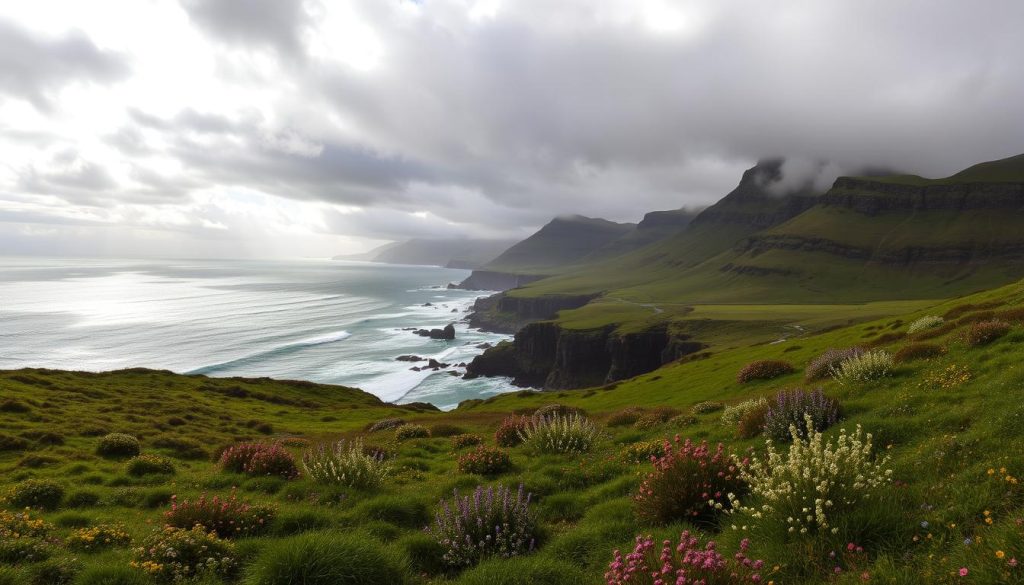
Average Temperatures Throughout the Year
The temperature in Ireland changes with the seasons. Spring and autumn are nice, with temperatures slowly changing. Summer is the warmest, but it rarely gets over 25°C (77°F).
Winters are cool and wet, but snow is rare. It only happens in the mountains.
Rainfall Patterns and What to Expect
Ireland is known for its rain. The west coast gets the most rain because of the Atlantic. On average, Ireland rains on 150 to 200 days a year.
But, the rain often clears up, making the landscape lush and beautiful. When you plan your trip, remember to pack layers. This way, you’re ready for any weather.
Knowing the weather helps you enjoy Ireland more. You can explore the coast, visit castles, or enjoy city life.
Best Time to Go to Ireland
The Emerald Isle is calling to travelers with its charm. Knowing the best time to visit can make your Irish adventure even better. Ireland’s climate and events throughout the year offer something for everyone, based on what you like.
Peak Season vs. Off-Season Benefits
Ireland’s peak tourist season is from June to August. This time has long days and a lively vibe, with July being the busiest. It’s great for those who love festivals and don’t mind crowds.
The off-season, from December to February, is quieter and cheaper. It’s perfect for budget travelers or those seeking peace.
Shoulder Seasons: The Hidden Sweet Spots
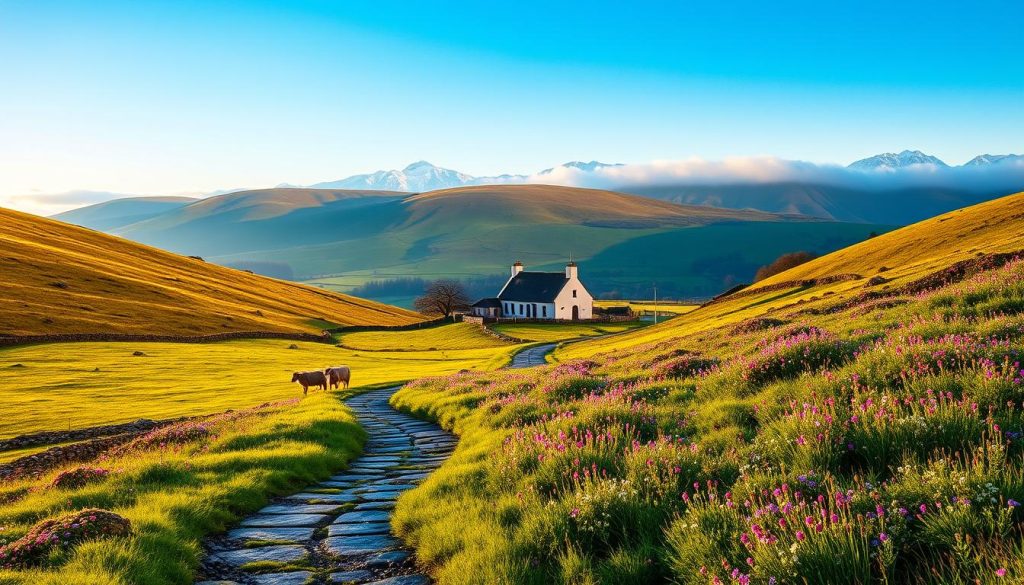
The shoulder seasons, May, June, and September, are Ireland’s hidden gems. They have mild weather, fewer tourists, and a lively cultural scene. May and September are special, with nice temperatures and outdoor fun.
When to Visit Based on Your Travel Priorities
Your travel goals help decide the best time to visit Ireland. For hiking or golfing, spring and early summer are best. Summer is great for cultural events and festivals.
If you want fewer crowds and lower prices, consider the shoulder or off-season. Ireland is beautiful all year, so plan your trip to match your preferences.
Spring in Ireland (March-May): Nature's Awakening
As winter fades, Ireland springs to life in the spring. The country’s green landscapes come alive with nature’s sounds and longer days. It’s a time of renewal.
Weather Conditions and What to Pack
Spring in Ireland is mild, with temperatures between 40°F and 55°F. But, the weather can change quickly, with rain and sun together. Pack layers and waterproof gear to stay ready.
Don’t forget comfortable walking shoes. The spring is great for hiking and exploring Ireland’s parks and countryside.
Spring Festivals and Events
Spring is lively in Ireland, with many festivals and events. St. Patrick’s Day on March 17th is a big celebration of Irish culture. It attracts visitors from everywhere.
Other highlights include the Cork International Choral Festival and the Dublin International Film Festival. They showcase Ireland’s music and movies.
Pros and Cons of Spring Travel
Spring travel in Ireland has its perks. There are fewer tourists, making it easier to see popular spots. The weather is also perfect for outdoor fun like hiking and cycling.
But, some places might be closed or have shorter hours after winter. Be ready for the weather by packing right. This way, you’ll enjoy your trip more.
Summer in Ireland (June-August): Peak Tourist Season
Summer in Ireland is a lively time, with long days and warm weather. It’s the busiest season, attracting visitors from all over. They come to see Ireland’s culture, landscapes, and festivals.
Summer Weather and Daylight Hours
Ireland’s summer is mild, with temperatures between 59°F and 68°F. It’s perfect for outdoor fun like hiking and cycling. With up to 18 hours of daylight, you can explore all day.
Popular Summer Attractions and Activities
Summer is great for seeing Ireland’s outdoor spots like the Cliffs of Moher. You can also enjoy festivals like the Cork Midsummer Festival. These events showcase Ireland’s culture.
For water lovers, summer is perfect for surfing and sailing. Ireland’s national parks and gardens are also beautiful during this time.
Navigating Crowds and Higher Prices
Summer in Ireland is wonderful but busy. Places like Dublin and Galway can be crowded. To avoid this, visit towns like Westport or Dingle.
Book your stay and attractions early to save money. Planning ahead lets you enjoy Ireland’s summer without stress.
Fall in Ireland (September-November): Colorful Landscapes
Ireland turns into a colorful world as summer ends. The fall season has mild weather, with temperatures between 9°C (48°F) and 13°C (55°F). This makes it perfect for seeing Ireland’s beautiful landscapes and learning about its culture.
Autumn Weather Patterns
Autumn in Ireland means mild temperatures and less daylight. September is warm, but it gets cooler as November comes. There’s more rain, but it’s often followed by sunny days. It’s smart to bring layers, as the weather can change quickly.
Fall Festivals and Cultural Events
Fall in Ireland is lively, with many festivals and events. The All-Ireland Senior Football Championship Finals in September are a big deal for sports fans. Cultural festivals like the Cork International Film Festival and the Dublin Book Festival celebrate Irish culture. These events are a great way to see Ireland’s spirit.
Why Fall Might Be Ireland's Best-Kept Secret
Many people visit Ireland in summer, but fall is less crowded. The fall colors make the landscapes beautiful, perfect for hiking and photography. A fall trip to Ireland is unforgettable, with its natural beauty, culture, and friendly people.
Winter in Ireland (December-February): The Quiet Season
Ireland turns into a winter wonderland during the holiday season. It’s a time of cool and wet weather, with temperatures between 4°C (39°F) and 8°C (46°F). But the festive atmosphere is a big attraction.
Weather Realities
Winter in Ireland brings shorter days and cooler temperatures. But, the mild oceanic climate means it rarely gets below freezing. Be ready for rain and storms, but the scenery and cozy pubs are worth it.
Christmas and Winter Celebrations
Winter in Ireland is more than just cold weather. It’s filled with festive markets, twinkling lights, and holiday events. Towns and villages have their own celebrations, showing off Irish culture and hospitality.
Benefits of Winter Travel
Winter has its perks for visiting Ireland. With fewer tourists, attractions are less crowded, and you get a real feel for the place. Plus, many places offer discounts, making it cheaper to travel.
Winter is a great time to explore Ireland. You can visit historic castles, museums, or try winter sports like surfing or hiking. It’s a peaceful and possibly cheaper way to see Ireland.
St. Patrick's Day: Planning a March Visit
Ireland comes alive in March with St. Patrick’s Day. It’s a unique travel experience for those who join in the festivities. The country turns into a vibrant celebration hub, drawing visitors from all over.
What to Expect During St. Patrick's Week
St. Patrick’s Week is more than just parades. It’s a time when Ireland’s culture, music, and traditions shine. You can expect:
– Elaborate parades with marching bands and floats
– Traditional Irish music sessions in pubs and streets
– Cultural events showing off Irish heritage
Booking Tips for This Popular Period
St. Patrick’s Day is very popular. So, it’s important to plan ahead. Here are some tips:
– Book your accommodations and flights early to avoid high prices and availability issues.
– Stay in nearby towns or cities outside of Dublin to avoid the crowds.
– Plan your itinerary around the parades and events you’re interested in. Some areas may be closed for the celebrations.
Authentic Celebrations Beyond Dublin
While Dublin’s parade is famous, other parts of Ireland also celebrate. Consider visiting:
– Galway, known for its vibrant cultural scene and street performances.
– Cork, which offers a mix of traditional and modern celebrations.
– Smaller towns and villages, where you can experience local traditions and community spirit.
By exploring beyond Dublin, you can have a more intimate and authentic St. Patrick’s Day experience. Your March visit to Ireland will be unforgettable.
Regional Weather Variations Across Ireland
Travelers need to know about Ireland’s weather patterns. The country’s geography and the Atlantic Ocean shape its climate. This affects different areas in unique ways.
The Rainy West Coast
The west coast of Ireland is wet and wild. The Atlantic Ocean brings lots of rain, making it green and lush. Visitors to Galway and the Cliffs of Moher should pack for rain, even in summer.
Dublin and the East Coast
Dublin and the east coast are drier and sunnier. Dublin’s climate is a bit more like the continent’s. It rains less here than in the west. This makes Dublin a good choice for city explorers who want less rain.
Northern Ireland's Climate Distinctions
Northern Ireland has a cooler, wetter climate. Its weather is influenced by Scotland and the Atlantic. Visitors should be ready for cooler mornings and evenings, even in summer.
Knowing these weather differences helps travelers plan better. They can pack right and choose places that match their weather likes.
Outdoor Activities and the Best Times for Each
Ireland’s outdoors is full of adventures. From coastlines to hills, there’s something for everyone. Whether you love nature or seek thrills, Ireland has it all.
Hiking and Walking Tours
Ireland is perfect for hiking and walking. The best times are spring (April-May) and autumn (September-October). The weather is mild, and it’s less crowded than summer.
These seasons are great for exploring the countryside. The weather is nice, and it rains less. Plus, trails are less crowded, making your experience more peaceful.
Golf Season in Ireland
Ireland is famous for its golf courses. The golf season runs from April to October, peaking in June, July, and August. This is when the weather is best for golf.
But, it’s also the busiest time. Popular courses get crowded. Plan ahead to enjoy your game.
Water Sports and Coastal Activities
Ireland’s coast is perfect for water sports. Surfing, kayaking, sailing, and fishing are all popular. The best time varies by sport and location.
Surfers love autumn and winter for bigger waves. Summer is better for calmer seas and warmer weather for kayaking and sailing.
Photography and Landscape Viewing
Ireland is a photographer’s dream. The best times depend on what you want to capture.
Spring and early summer are great for green landscapes. Autumn offers dramatic skies and colors. Winter brings misty, mystical scenes, perfect for morning shots.
Every visit to Ireland brings new weather and light. It’s always a photographer’s paradise, no matter the season.
Cultural Festivals and Events Calendar
Ireland’s event scene is full of life, showing off its culture. Whether you’re planning your trip or deciding when to visit, timing your visit for an event can make it better.
Annual Music Festivals
Ireland has many music festivals all year. Electric Picnic in September is a big deal, with music, theater, and comedy. The Willie Clancy Summer School in July is great for folk music fans, with lots of traditional Irish music.
Literary and Arts Events
Ireland loves its books and arts. The Dublin Book Festival in March is a big event for book lovers, with author talks and discussions. The Cork International Short Story Festival in July is also important, highlighting Ireland’s short story writers.
Food and Drink Festivals
Foodies will love Ireland’s culinary festivals. The Galway Food Festival in July and the Cork Food Festival in September celebrate Irish food, with cooking demos and tastings. The Dublin Craft Beer Festival is perfect for beer lovers, with local brews.
Traditional Irish Celebrations
Ireland’s traditions are a big part of its culture. St. Patrick’s Day on March 17th is a big celebration, with parades and fun everywhere. Other important events include the Imbolc festival in February and the Samhain celebration on October 31st, both honoring important times.
Budget Considerations: When to Find the Best Deals
Ireland is a dream destination for many, but its cost can be a deterrent. With the right timing, you can find great deals on airfare, accommodation, and more. Knowing when to travel can make a big difference in your expenses.
Airfare Price Trends from the US
Airfare prices to Ireland from the US change with the season. The off-peak seasons, late fall to early spring, are usually cheaper. Also, avoiding major holidays and festivals, like St. Patrick’s Day, can help you save on flights.
Accommodation Cost Variations
Accommodation costs in Ireland change with the seasons. The peak tourist season, June to August, has the highest rates. But, the shoulder season, April to May and September to October, offers better prices.
For the best deals, visit during the off-season, November to March. Many hotels and B&Bs offer discounts then.
Rental Car and Transportation Savings
Rental car prices also change with the seasons, with higher costs in peak travel months. Booking early and renting outside major cities can save you money. Also, Ireland’s extensive bus network is a cost-effective way to see the country.
By planning your trip to Ireland during less busy times and being smart about travel, you can enjoy it without breaking the bank.
Crowd Levels Throughout the Year
Visiting Ireland’s top spots without the crowds is easier with some insider tips. Knowing when to go is key, whether you want excitement or peace.
Dublin's Busiest and Quietest Periods
Dublin, the capital, is busier than other places, mainly from June to August. Expect big crowds at Trinity College and the Guinness Storehouse. But, from mid-January to mid-March and November to December, it’s quieter.
Popular Tourist Attractions and Wait Times
Ireland has many famous sights, each with its own crowd levels. The Cliffs of Moher are busiest in summer, while Killarney National Park gets more visitors in peak season. Visit early morning or late evening to skip the long lines.
Rural Ireland's Visitor Patterns
Rural Ireland is a calm contrast to the cities. Places like Connemara and the Ring of Kerry are less crowded in April to May and September to October. These times are perfect for enjoying Ireland’s nature without the rush.
By planning around these crowd patterns, you can have a personalized Ireland trip. Whether you love city buzz or rural calm, you’ll find your perfect spot.
Packing for Ireland's Changeable Weather
Enjoying Ireland’s beautiful landscapes means being ready for its unpredictable weather. Rain and sunshine can happen together. Whether you’re traveling in peak or off-peak seasons, the right gear is key to a great trip.
Essential Items Year-Round
Some items are always necessary, no matter when you visit. A waterproof jacket or umbrella is essential, as rain can pop up anytime. Comfortable shoes or boots are also a must, for exploring Ireland’s history and nature.
Layers are vital for Ireland’s climate. Even on warm days, it can get chilly at night. Pack clothes that can be layered, like a breathable base layer, a sweater or fleece, and a waterproof jacket.
Seasonal Packing Lists
While some items are always needed, the season you visit affects what else you should bring. Spring and autumn are cool, so pack warm clothes and waterproof gear.
In summer, it’s warmer but can be cool in the mornings and evenings. Remember to pack layers and sun protection, as UV rays are strong even on cloudy days.
Winter is the coldest time, so bring your warmest clothes, including thermal underwear, a heavy coat, and warm hats and gloves. Ireland’s winter landscapes are stunning, and being warm will enhance your experience.
Layering Strategies for Irish Weather
Layering is a smart way to handle Ireland’s weather. Wearing multiple layers lets you adjust to the conditions, whether in cities or the countryside.
Begin with a breathable base layer to keep moisture away. Add a mid-layer for warmth, like a fleece or sweater. Then, wear a waterproof and windproof outer layer. This way, you can easily change your outfit to stay comfortable.
By choosing the right clothes and using layering, you’ll be ready for whatever Ireland’s weather brings. This way, you can fully enjoy all Ireland has to offer, no matter the weather.
Special Considerations for American Travelers
For Americans going to Ireland, knowing a few key things can really help. Whether you’re a first-time visitor or a seasoned traveler, being ready can make your trip better.
Time Difference and Jet Lag Management
Ireland is 5 hours ahead of Eastern Standard Time (EST) in the US during standard time. It’s 6 hours ahead during daylight saving time. This big time difference can cause jet lag, more so if you’re from the East Coast.
To fight jet lag, start adjusting your sleep a few days before you leave. Stay hydrated on the flight. And get some sunlight in the morning when you arrive to help your body adjust.
Direct Flight Seasons from Major US Cities
Many major US cities have direct flights to Ireland, mainly in peak seasons. New York, Boston, and Chicago have direct flights to Dublin all year. But other routes might only be available seasonally.
The best time for direct flights is from May to October. This matches Ireland’s summer tourist season. Always check with airlines for the latest on direct flights and book early for the best prices.
Currency and Payment Considerations
The official money in Ireland is the Euro (€). Some places might take credit cards, but it’s smart to have local money for small buys or at traditional spots. ATMs are easy to find, and you can get Euros with your card.
Watch out for any fees your card might charge for foreign use. Credit cards like Visa and Mastercard are common, but tell your bank you’re traveling to avoid any issues.
Travel Insurance and Health Recommendations
Travel insurance is a must for American visitors to Ireland. It covers unexpected medical costs, trip cancellations, and lost or stolen bags. Ireland’s healthcare is top-notch, but medical bills can be high.
Make sure you have a valid passport and check if any vaccinations are needed. Pack any prescription meds and bring a copy of your prescription.
Planning Your Itinerary Based on Timing
To truly experience Ireland, plan your trip by season. This way, you won’t miss out on the best attractions. Ireland’s climate and seasonal events greatly affect your trip, from activities to landscapes.
One-Week Itineraries by Season
Aligning your itinerary with the season can make your trip better. Spring (March to May) is great for seeing Ireland wake up, with mild weather and fewer tourists. You could visit the Gardens of the National Trust in Northern Ireland, explore Dublin’s history, and enjoy spring festivals.
Summer (June to August) is the peak tourist season, with warm weather and long days. Your trip could include hiking in the Wicklow Mountains, seeing the Ring of Kerry, and attending summer festivals.
Must-See Attractions and Seasonal Alternatives
Ireland has many iconic spots, but some are better in certain seasons. The Cliffs of Moher are stunning all year, but spring or fall visits are quieter.
For a different experience, visit the Dingle Peninsula in summer for warm weather and festivals. Or, enjoy Dublin’s Christmas markets in winter for a cozy feel.
Indoor Options for Rainy Days
Ireland’s weather can change quickly, so have indoor plans. Dublin’s Trinity College and the Guinness Storehouse are great for learning about Ireland’s history and culture.
Other indoor spots include the National Museum of Ireland, with locations in Dublin, Cork, and more. It showcases Ireland’s heritage and history.
Seasonal Driving Conditions
Driving in Ireland is a great way to see its landscapes, but seasons matter. Summer has the best conditions, with long days and dry roads.
Winter driving is more careful due to rain and fog. Also, some rural roads are narrower and harder in winter.
By planning your trip by season, you’ll have a better, stress-free trip to Ireland. Whether you love outdoor adventures, cultural experiences, or stunning landscapes, timing is everything for a great Irish adventure.
Conclusion: Making the Most of Your Irish Adventure
Ireland is a place full of beauty, history, and culture. Knowing when to visit can make your trip even better. You can plan your trip to match your interests and enjoy every moment.
Spring brings green landscapes, summer offers long days, autumn has colorful leaves, and winter is cozy. Ireland has something for everyone. You can explore historic sites or enjoy the country’s famous attractions.
This guide helps you plan your trip for the best season. So, pack your bags, grab your camera, and get ready for Ireland’s magic. Discover the best of Ireland and make memories that will last forever.
FAQ
What is the best time to visit Ireland?
The best time to visit Ireland varies based on what you want. For mild weather and fewer people, go in April-May or September-October. If you don’t mind crowds, June-August might be better.
What is Ireland’s climate like?
Ireland’s climate is mild, with cool summers and mild winters. It rains a lot all year.
What are the average temperatures in Ireland throughout the year?
Ireland’s temperatures range from 40°F (4°C) in winter to 60°F (15°C) in summer.
How much rainfall can I expect in Ireland?
Ireland gets a lot of rain all year. The west coast is the wettest. Always be ready for rain, no matter when you visit.
What are the benefits of visiting Ireland during the off-season?
Visiting in the off-season (November to March) means lower prices. You’ll also see fewer people around.
What are the must-see attractions in Ireland?
Ireland’s top spots include the Cliffs of Moher, Ring of Kerry, Trinity College, and Guinness Storehouse. The best time to see them varies by season.
How can I save money on my trip to Ireland?
To save, visit in the off-season, book early, and look for package deals. This can help cut costs.
What should I pack for Ireland’s changeable weather?
Bring layers, waterproof stuff, and comfy shoes for Ireland’s weather. Don’t forget a waterproof jacket, umbrella, and warm clothes for cold months.
Are there any specific cultural festivals or events I should plan my trip around?
Ireland has many festivals like St. Patrick’s Day and Cork Jazz Festival. Plan your trip for these events if they interest you.
What are the best outdoor activities to enjoy in Ireland?
Ireland is great for hiking, golf, water sports, and photography. The best time for these activities depends on the weather and crowds.
How do I manage jet lag when traveling from the US to Ireland?
To beat jet lag, adjust your sleep before traveling. Stay hydrated and get morning sunlight to set your body clock.
What are the currency and payment considerations for American travelers in Ireland?
Ireland uses the Euro. You can exchange money at airports, banks, or use ATMs. Credit cards are also widely accepted.