

Table of Contents
ToggleSpread across 14 islands where Lake Mälaren meets the Baltic Sea, Stockholm is one of the most beautiful capitals in Europe — a city of glittering waterways, a golden medieval old town, world-class museums and effortless Scandinavian style.
From the cobbled lanes of Gamla Stan and the awe-inspiring Vasa warship to island-hopping ferries and a boat trip into the vast archipelago, this guide covers the best things to do in Stockholm, plus where to stay, how to get around and when to visit.
Key Takeaways
- Stockholm is built across 14 islands where a lake meets the Baltic Sea.
- Gamla Stan is one of Europe’s best-preserved medieval old towns.
- The Vasa Museum — a salvaged 17th-century warship — is the must-see attraction.
- Djurgården holds Skansen, the ABBA Museum and royal parkland.
- Don’t miss an archipelago boat trip and a proper Swedish fika.
Stockholm at a Glance
Top experiences across the islands:
| Experience | What to expect | Where |
|---|---|---|
| Gamla Stan | Medieval old-town alleys | Old Town island |
| Vasa Museum | Intact 17th-c. warship | Djurgården |
| Skansen | Open-air museum & zoo | Djurgården |
| Royal Palace | State rooms & guard change | Gamla Stan |
| Archipelago | Boat trip among the islands | From city centre |
| Fotografiska | Contemporary photography | Södermalm |
✈️ TripToGo Travel Deals
Get notified about great travel deals
Hand-picked flight, hotel and destination deals, straight to your inbox. No spam, unsubscribe anytime.
🎉 Thank you for subscribing!
You’re all set — the best travel deals are on their way.
Gamla Stan (The Old Town)
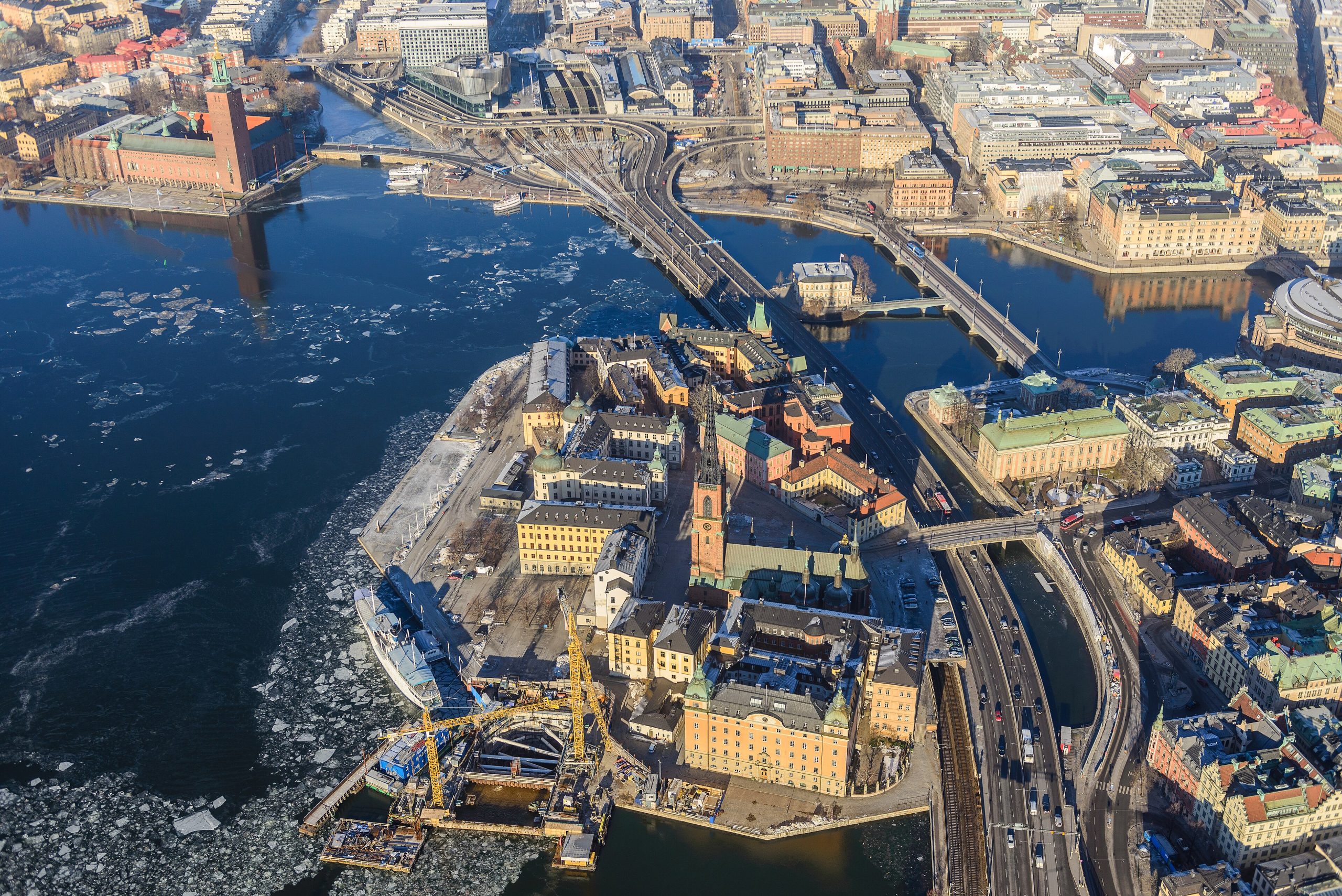
The soul of Stockholm is Gamla Stan, one of Europe’s best-preserved medieval old towns, set on its own island of ochre-and-rust merchant houses, cobbled lanes and hidden courtyards. Get lost among the alleys — find the narrowest, Mårten Trotzigs Gränd, barely a shoulder wide — and emerge onto Stortorget, the pretty main square lined with gabled facades and home to the Nobel Prize Museum. This is also where you’ll find the Royal Palace and the Storkyrkan cathedral, all within a compact, walkable warren.
The Vasa Museum
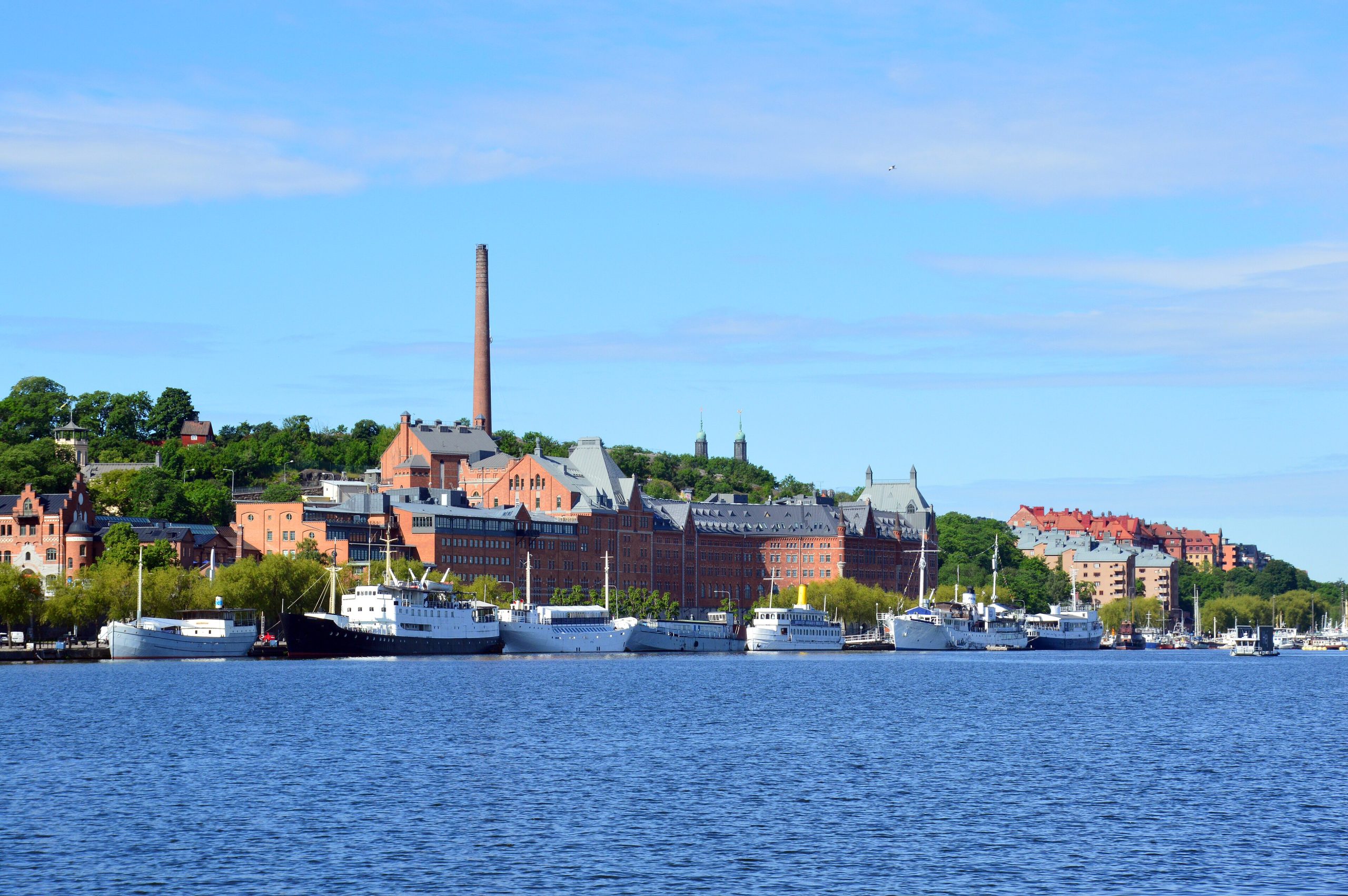
Stockholm’s unmissable attraction is the Vasa Museum, built around an almost impossibly complete 17th-century warship. The Vasa was the pride of the Swedish navy when it capsized and sank in the harbour on its maiden voyage in 1628; salvaged largely intact after 333 years underwater, it now towers over four storeys of galleries, its dark oak hull bristling with carved figures. It’s the most-visited museum in Scandinavia, and standing beneath the looming ship is a genuinely awe-inspiring experience.
Skansen & Djurgården
The leafy island of Djurgården is Stockholm’s playground, packed with top attractions among royal parkland. Chief among them is Skansen, the world’s oldest open-air museum, where 150 historic buildings gathered from across Sweden re-create centuries of rural life, complete with craftspeople and a Nordic-wildlife zoo of bears, wolves and lynx. Nearby, the whimsical ABBA Museum celebrates Sweden’s pop icons, and the Junibacken brings Astrid Lindgren’s Pippi Longstocking stories to life — a joy for families.
The Royal Palace
Facing Gamla Stan’s waterfront, the vast Baroque Royal Palace (Kungliga Slottet) is one of the largest in Europe still in use by a head of state, with over 600 rooms. You can tour the opulent state apartments, the Treasury with its crown jewels, and the Royal Armoury’s collection of ceremonial armour and carriages in the cellars. Time your visit for the daily Changing of the Guard, a colourful ceremony accompanied by a military band that plays out in the outer courtyard.
Planning a trip to Stockholm and the archipelago?
Our partner Voyada’s trip planning AI builds a day-by-day plan with flights, hotels and a real total cost for your dates — in about a minute, free.
Plan trip with AIThe Stockholm Archipelago
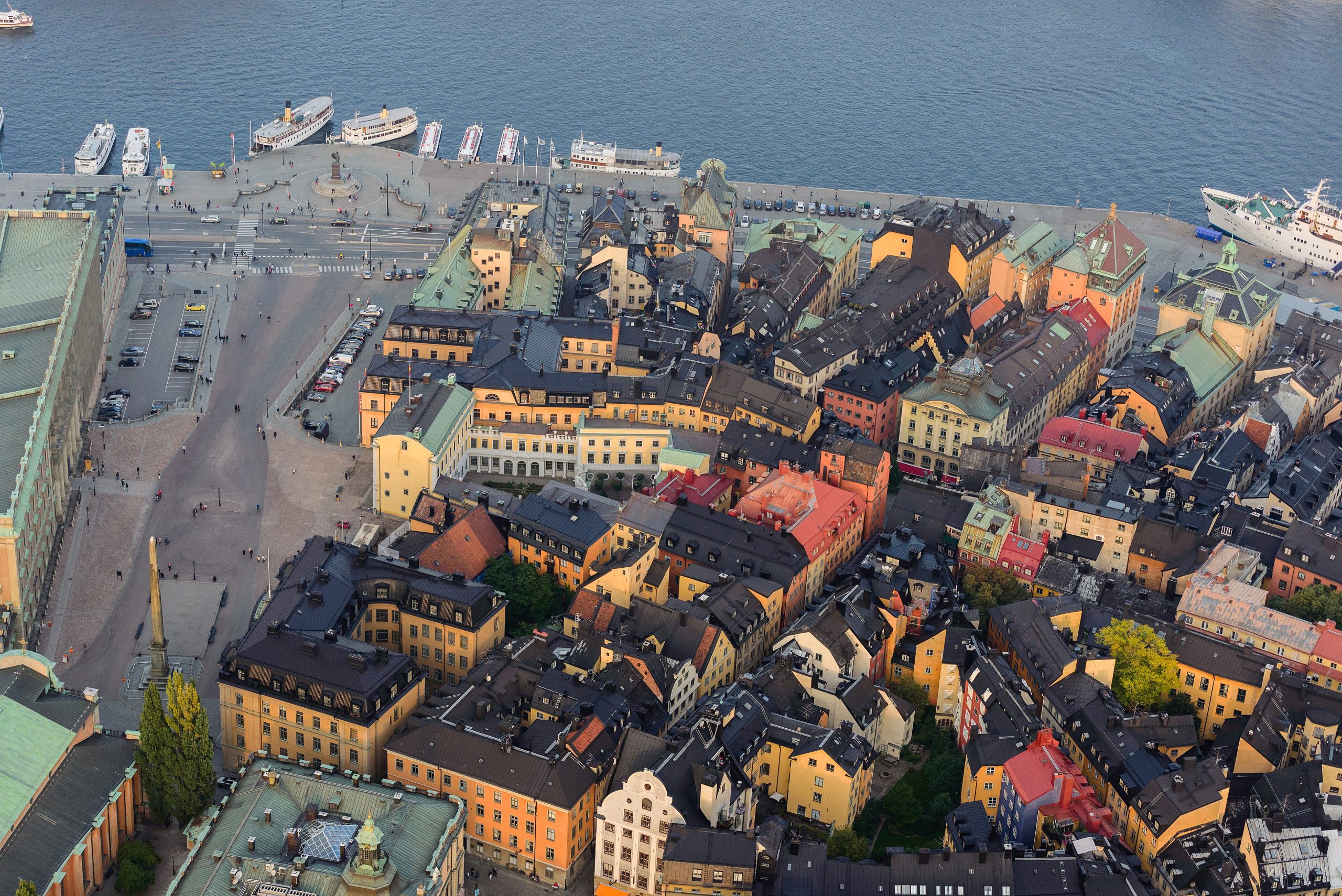
Stockholm dissolves eastward into a vast archipelago of some 30,000 islands, islets and skerries — and a boat trip out among them is quintessentially Swedish. Ferries leave right from the city centre, so even a half-day cruise delivers a taste of red-cabin summer cottages, pine-clad rocks and swimming spots. With more time, ride out to islands like Vaxholm, with its waterfront cafés and fortress, or Sandhamn and Fjäderholmarna for beaches, hikes and seafood. In summer it’s the loveliest thing to do in the region.
Fotografiska & Södermalm
South of the centre, the island of Södermalm is Stockholm’s creative, bohemian quarter — vintage shops, indie cafes, hip restaurants and some of the best city views from its cliff-top terraces like Monteliusvägen. Its star attraction is Fotografiska, a superb contemporary photography museum in a converted customs house, with a top-floor cafe overlooking the water. ‘Söder’ is the place to feel the modern, design-conscious pulse of the city, away from the historic core.
City Hall & the Nobel Connection
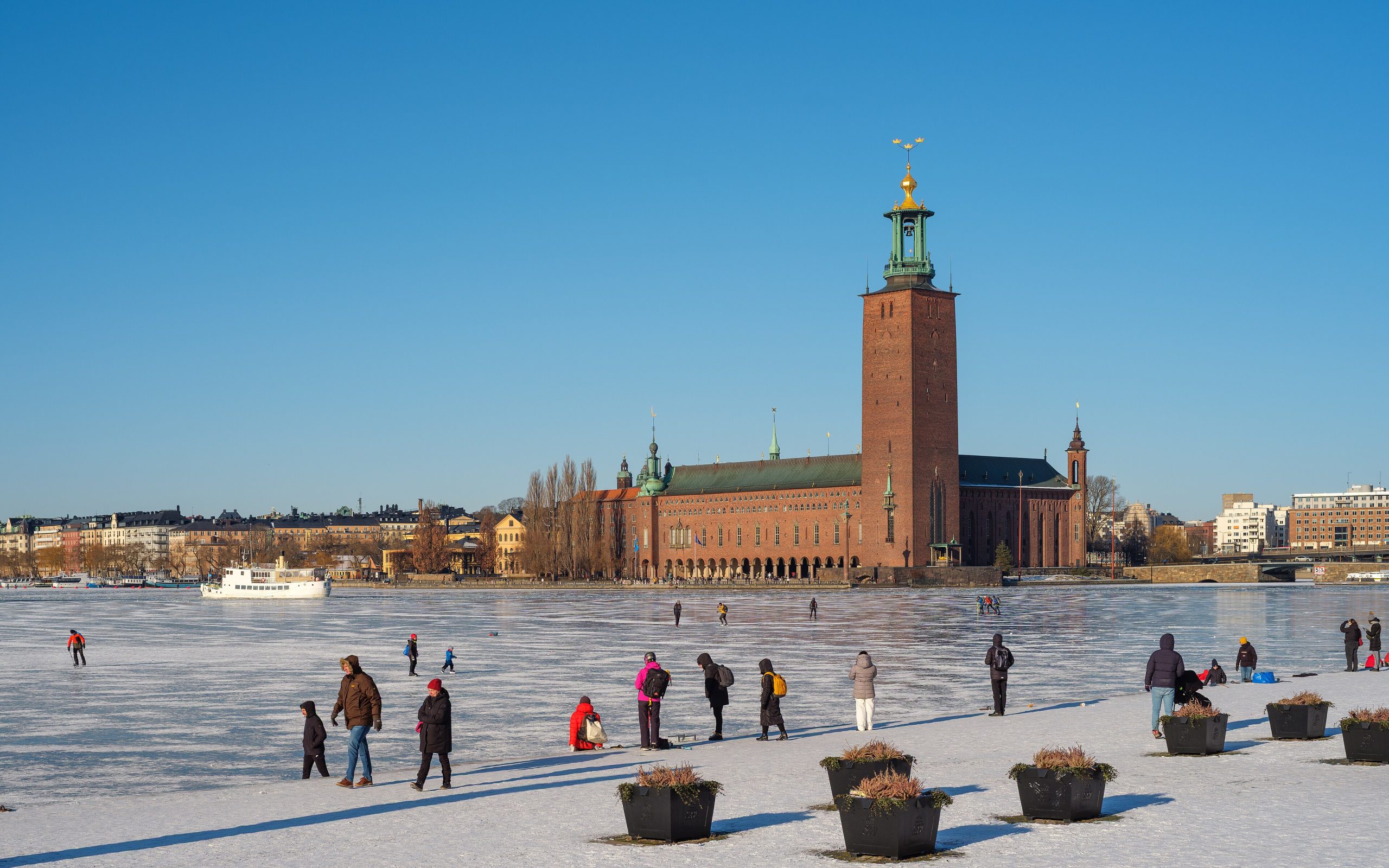
Stockholm’s red-brick City Hall (Stadshuset), with its tall square tower topped by three golden crowns, is one of the city’s landmarks — and famous as the venue for the glittering Nobel Prize banquet held each December in its cavernous Blue Hall. Guided tours reveal the shimmering Golden Hall, lined with 18 million mosaic tiles, and in season you can climb the tower for a fine panorama over the water and rooftops. It’s an easy, worthwhile stop near the central station.
Fika & Swedish Food
To live like a local, embrace fika — the beloved Swedish ritual of pausing for coffee and a pastry, ideally a cardamom or cinnamon bun (kanelbulle). Beyond the coffee break, seek out classic Swedish dishes: meatballs with lingonberry, herring and gravlax, and the Stockholm archipelago’s fresh seafood. The city’s food halls, such as Östermalms Saluhall, are ideal for grazing, and Stockholm’s New Nordic restaurant scene has earned it a serious culinary reputation.
Getting Around & Where to Stay
Stockholm is spread over 14 islands linked by bridges and ferries, and its clean, efficient public transport — the metro (famous for its artfully decorated stations), buses and commuter ferries — makes getting around easy without a car. The central islands are also very walkable. For first-timers, staying in or near Gamla Stan or Norrmalm (the central district around the station) keeps you close to the sights; Södermalm suits those wanting a trendier, more local base.
Best Time to Visit Stockholm
Summer (June–August) is glorious — long, luminous days (near-midnight sun), warm weather, open-air dining and archipelago boat trips in full swing — and it’s the best but busiest season. Late spring and early autumn bring pleasant weather and thinner crowds. Winter is cold and dark but atmospheric, with cosy fika, Christmas markets and the chance of snow-dusted old-town lanes; December brings the Nobel festivities and holiday sparkle. For the archipelago and long daylight, aim for May to September.
Related Guides
Frequently Asked Questions
What is Stockholm known for?
Stockholm is famous for being built across 14 islands where a lake meets the Baltic, its beautifully preserved medieval old town Gamla Stan, the remarkable Vasa warship museum, its vast archipelago, and its stylish design, music (ABBA) and food scene. It’s the capital of Sweden.
How many days do you need in Stockholm?
Three days is ideal for the highlights — Gamla Stan, the Vasa Museum, Djurgården and the Royal Palace — with time for a fika and city views. A fourth day lets you take an archipelago boat trip or explore Södermalm at a relaxed pace.
Is Stockholm expensive to visit?
Stockholm is one of Europe’s pricier capitals, especially for dining and drinks. You can keep costs down with a travel and museum pass, self-catering from food halls and supermarkets, enjoying the many free parks and viewpoints, and walking or using efficient public transport.
Is the Vasa Museum worth visiting?
Absolutely — it’s the most-visited museum in Scandinavia for good reason. The near-complete 17th-century warship, salvaged after 333 years underwater, is genuinely awe-inspiring, and the galleries around it tell the story superbly. It’s Stockholm’s single must-see attraction.
How do you get around Stockholm?
Stockholm has excellent public transport — a metro known for its artistic stations, plus buses and commuter ferries linking the islands — and the central districts are very walkable. A travel card covers it all, and you don’t need a car.
When is the best time to visit Stockholm?
Summer (June–August) for long, bright days, warm weather and archipelago trips, though it’s busiest. Late spring and early autumn are quieter with pleasant weather, while winter is cold and dark but cosy and festive around the holidays.
Is Stockholm safe for solo female travellers, including at night?
Yes, Stockholm is one of the safer major European capitals for solo female travellers. Violent crime against tourists is rare, public transport runs late and feels secure, and central areas such as Gamla Stan, Sodermalm, Ostermalm and Norrmalm are well lit and busy into the evening. The main practical risk is pickpocketing on the metro and in crowded tourist spots. Sweden has also seen gang-related shootings reported in parts of Stockholm in recent years, but these are almost entirely confined to specific outer suburbs tied to organised crime, not the areas visitors spend time in.
Is Stockholm safer than London?
On the headline numbers, yes; Sweden generally reports lower rates of violent street crime and knife crime than the UK, and Stockholm’s compact, well-run centre feels calm compared with central London. That said, UK travel advisories flag gang-related shootings and occasional explosions linked to organised crime in specific Stockholm suburbs in recent years, a problem London does not share in the same form, though this violence is targeted and rarely affects tourists or central neighbourhoods. For a typical visitor sticking to the main sights, both cities are safe, with pickpocketing the most likely issue in either.
Is Stockholm worth visiting in winter?
Yes, Stockholm has a real winter charm, with snow-dusted Gamla Stan, cosy fika culture and Christmas markets running through December, plus far fewer crowds at major sights such as the Vasa Museum. Days are short, with sunset well before 4pm in December and January, and it is genuinely cold, often below freezing, so pack proper layers, a warm coat and waterproof boots for icy pavements. Many boat tours and some archipelago ferries reduce their schedules or stop for winter, so if a boat trip is a priority, check availability before booking rather than assuming a route runs year-round.
Why is alcohol so expensive in Stockholm?
Alcohol is expensive because Sweden taxes it steeply and restricts where you can buy it. Anything over 3.5% ABV can only be bought retail from Systembolaget, the state-owned monopoly, which applies a uniform profit margin and never runs discounts, and duty is charged by alcohol content rather than price, so strong drinks are taxed hardest. A beer in a bar is commonly cited at around 70 to 100 SEK (roughly 7 to 10 USD), more in central tourist areas, while Systembolaget shop prices for beer, wine and spirits sit noticeably below bar prices. Systembolaget closes early and on Sundays, so plan ahead if self-catering.
How many days do you need for Stockholm and Copenhagen together?
Allow at least 5 to 6 days to see both cities properly: roughly 3 days in Stockholm for Gamla Stan, the Vasa Museum and an archipelago boat trip, plus 2 to 3 days in Copenhagen for Nyhavn, Tivoli Gardens and Christiania. The two capitals connect by a direct train that takes around 5 hours, or a roughly 1-hour flight, making them an easy pairing for a single Scandinavian trip. Travellers short on time sometimes compress this to 4 days total, but that leaves little room to see either city beyond the headline sights.
How many airports does Stockholm have?
Stockholm is served by four airports sharing the STO metropolitan code: Arlanda, the main international hub around 40km north of the city; Bromma, a smaller airport just 7km from the centre used mainly for domestic and some European routes; and two budget-carrier airports well outside the city, Skavsta and Vasteras, both roughly 100km away despite being marketed as ‘Stockholm’ airports. If you are flying into Skavsta or Vasteras expecting a quick hop into town, budget well over an hour each way by coach, since they sit genuinely closer to other towns than to Stockholm itself.
How much does it cost to get from Stockholm Arlanda Airport to the city centre?
The fastest option is the Arlanda Express train, which covers the trip into Stockholm Central Station in about 18 minutes and costs around 340 SEK (roughly 35 USD) one way at full price, though online and off-peak discounts can lower this. A cheaper alternative is the SL commuter train or airport bus, which takes closer to 40 to 45 minutes but costs a fraction of the express fare; check the SL app for the current price, since it is set by ticket zone rather than a flat airport rate. Taxis are the most expensive option and should always be pre-booked or taken from an official metered rank to avoid inflated fares.
Can you see the northern lights from Stockholm?
Rarely, and never reliably. Stockholm sits at around 59 degrees north, well south of the auroral oval that makes destinations like Abisko and Kiruna in Swedish Lapland reliable aurora-viewing spots. The northern lights only reach as far south as Stockholm during unusually strong geomagnetic storms, at most a handful of nights a year, and even then they typically appear as a faint greenish glow low on the northern horizon rather than the dramatic displays seen further north. If seeing the aurora is a priority, plan a separate trip north rather than expecting it in Stockholm.
How many islands make up Stockholm and its archipelago?
The city itself is built across 14 islands where Lake Malaren meets the Baltic Sea, linked by bridges and ferries in the compact centre. Beyond the city, the wider Stockholm archipelago fans out into the Baltic and contains around 24,000 islands, islets and skerries, ranging from populated islands with ferry links and summer houses to bare rocky outcrops. Only a small fraction are inhabited or easily visited, but day trip boats from the city centre reach dozens of them, making an archipelago cruise one of the best half day or full day additions to a Stockholm itinerary.
How many airports serve Stockholm, and which is closest to the centre?
Four airports serve the Stockholm area. Arlanda, around 37 kilometres north of the city, is the main international hub with the widest range of long haul and full service airline routes. Bromma, only about 7 kilometres from the centre, handles smaller aircraft on shorter domestic and regional European routes and is the most convenient for a quick transfer into town. Skavsta and Vasteras, both roughly 100 kilometres away, are used mainly by budget airlines and need a longer bus transfer, so check which airport your flight actually uses before booking.
How much does Stockholm public transport cost?
Stockholm’s SL network of metro, buses, trams and some ferries uses a zone based fare system, and the cheapest way to travel is a top up SL Access card or the SL app rather than paying on board, which usually costs more. Single tickets, 24 hour passes and 72 hour passes are all available, and a multi day pass is normally the better value option if you are sightseeing across several days. Fares are adjusted periodically, so check current prices directly on SL’s official website before you travel rather than relying on an old figure.
How far is Stockholm from Copenhagen, and how do you get there?
Stockholm and Copenhagen are roughly 600 kilometres apart. A direct SJ train connects the two cities in around five hours, running down the Swedish west coast, and makes a scenic way to combine both capitals without flying. Direct flights take about an hour and run frequently, which suits travellers short on time. Whichever you choose, book directly through SJ’s or the airline’s own website rather than a reseller, and reserve seats well ahead in summer, when both routes get busy.
How many days should you plan for Stockholm plus Copenhagen or Gothenburg?
Around six to eight days works well for a two city Scandinavian trip. Stockholm rewards three to four days for Gamla Stan, the Vasa Museum, Djurgarden and an archipelago boat trip, while Copenhagen needs a similar three to four days for its own old town, canals and museums. If you would rather stay within Sweden, Gothenburg is a shorter add-on, needing two to three days and reachable from Stockholm by a direct train journey of a few hours, making a five to six day combined trip realistic without feeling rushed.
Planning Your Stockholm Trip
Few capitals marry history, water and design as gracefully as Stockholm. Give yourself three or four days to wander Gamla Stan, stand beneath the Vasa, explore Djurgården and pause for fika — then, if the sun is out, sail into the archipelago for a taste of the Swedish summer. Come between May and September for long days and open-water adventures, and let the ferries and metro carry you island to island.
Before you go: turn this guide into a day-by-day plan. Our partner Voyada is a free itinerary creator that builds the trip with flights, hotels and a real total cost for your dates — in about a minute.
Build a travel itinerary →