
Table of Contents
ToggleCanada’s biggest city and a dazzlingly diverse global metropolis, Toronto spreads along the shore of Lake Ontario beneath its iconic CN Tower — a dynamic, multicultural hub of gleaming skyscrapers, distinct neighbourhoods, world-class museums and superb food from every corner of the globe.
From soaring up the CN Tower and escaping to the Toronto Islands to exploring the ROM, the Distillery District and a day trip to Niagara Falls, this guide covers the best things to do in Toronto, plus where to stay and when to visit.
Key Takeaways
- The CN Tower is the iconic centrepiece of the skyline.
- The Toronto Islands offer beaches and the best skyline view.
- The Royal Ontario Museum leads a strong museum scene.
- The Distillery District and St. Lawrence Market are foodie favourites.
- Niagara Falls is an easy and spectacular day trip.
Toronto at a Glance
Top attractions in and around the city:
| Attraction | What to expect | Good for |
|---|---|---|
| CN Tower | Iconic tower & views | First-timers |
| Toronto Islands | Beaches & skyline view | Families |
| Royal Ontario Museum | World cultures & nature | Culture |
| Distillery District | Cobbled arts quarter | Strolling |
| St. Lawrence Market | Historic food market | Foodies |
| Niagara Falls | Day-trip wonder | Scenery |
✈️ TripToGo Travel Deals
Get notified about great travel deals
Hand-picked flight, hotel and destination deals, straight to your inbox. No spam, unsubscribe anytime.
🎉 Thank you for subscribing!
You’re all set — the best travel deals are on their way.
The CN Tower
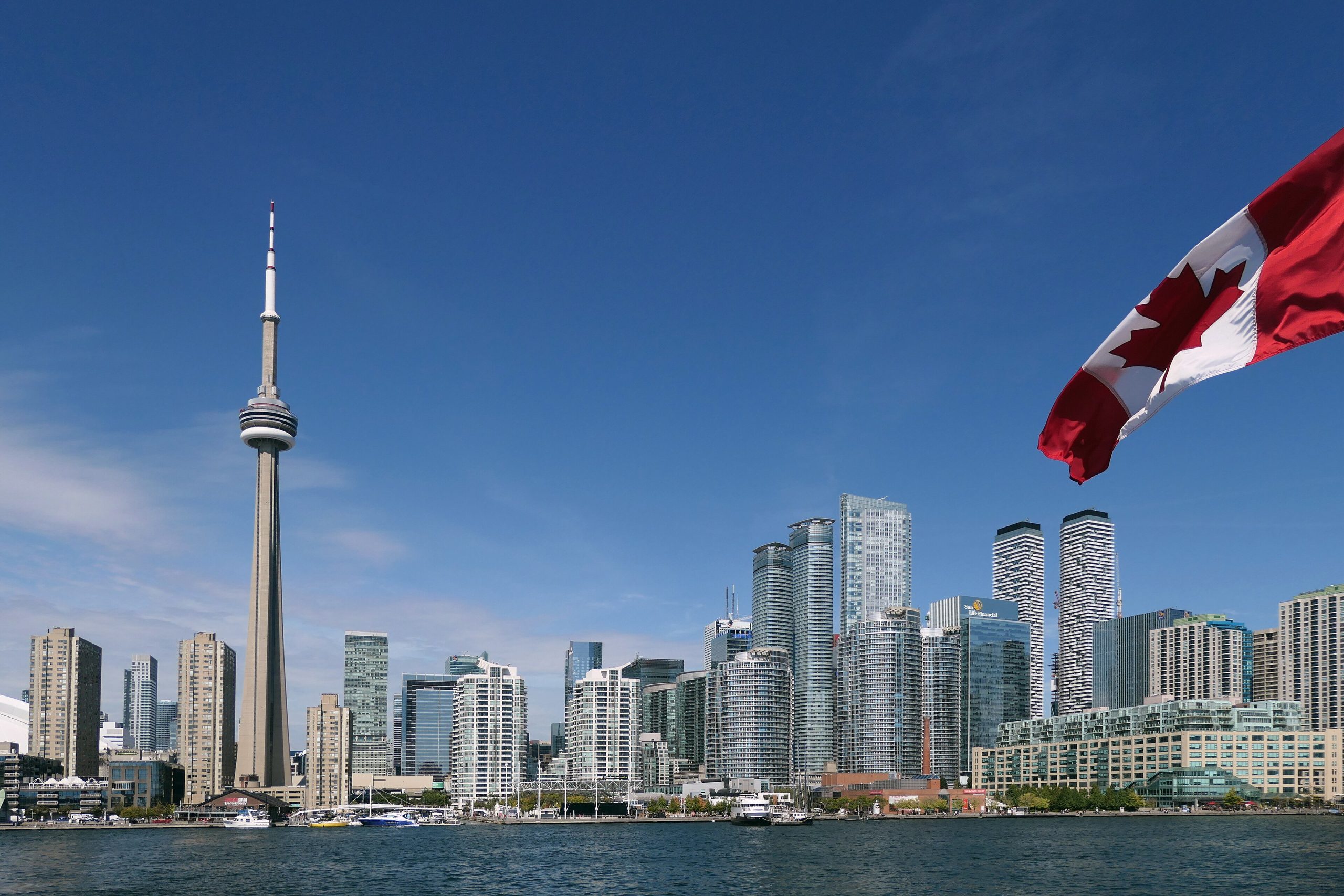
The unmistakable symbol of Toronto, the CN Tower soars 553 metres above the city and remains one of the tallest free-standing structures in the world. Ride the glass elevator to the observation decks for jaw-dropping views over the skyline, Lake Ontario and, on clear days, all the way to Niagara. Brave the Glass Floor, dine in the revolving restaurant, or for real thrills try the EdgeWalk hands-free around the top. Beautifully lit at night, the tower anchors the downtown waterfront and is the natural first stop for getting your bearings and taking in the vast scale of the city.
The Toronto Islands
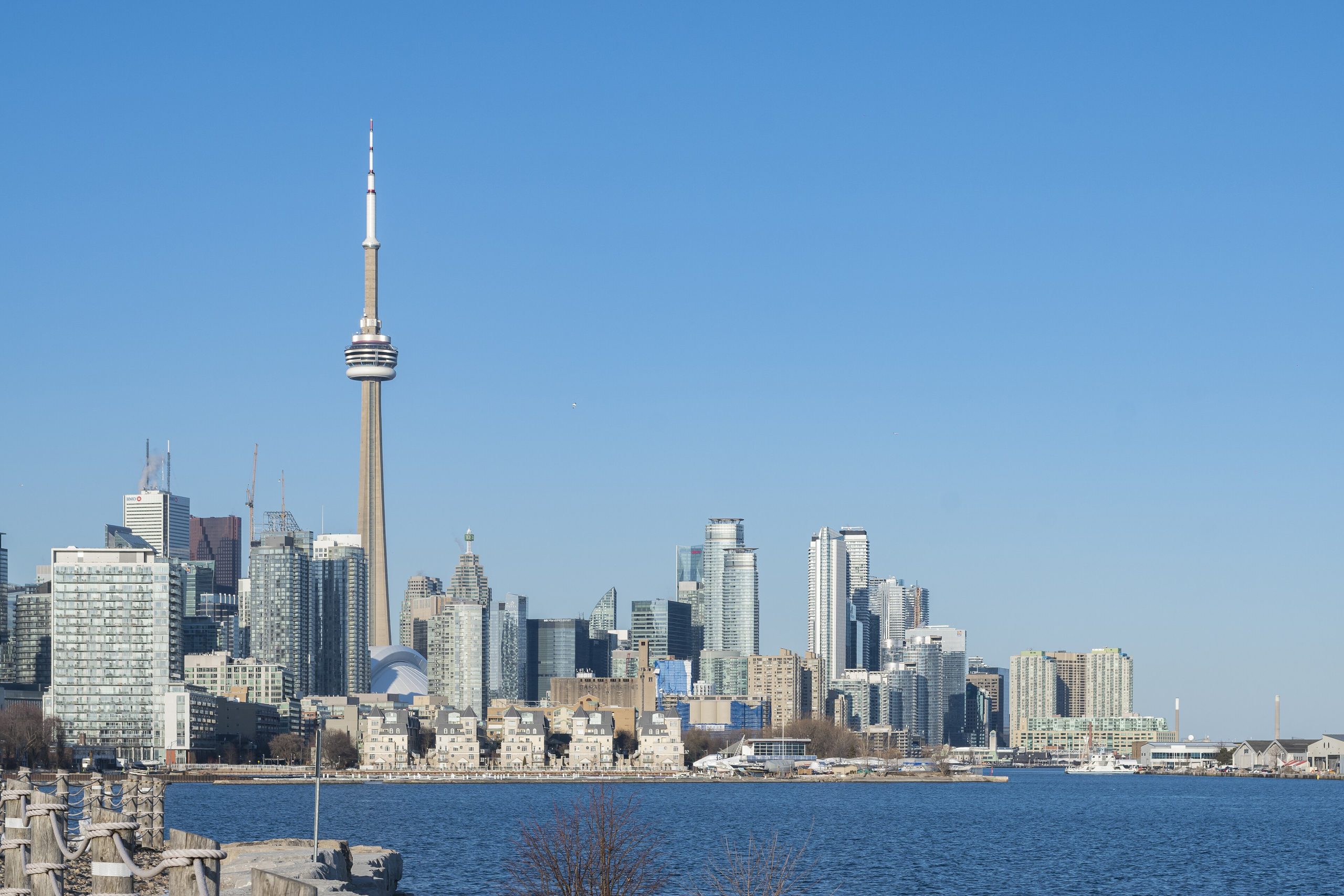
Just a short ferry ride from downtown, the Toronto Islands are a beloved car-free escape — a chain of green islands with beaches, parkland, lagoons, bike paths and the charming Centreville amusement park for kids. Beyond the recreation, they deliver the single best view of the Toronto skyline, with the CN Tower rising across the water. Rent a bike or kayak, picnic on the grass, swim at the beaches (including a famous clothing-optional one), and soak up the relaxed, traffic-free calm. It’s a wonderful contrast to the downtown bustle and a favourite summer day out for locals and visitors alike.
The Royal Ontario Museum & Museums
Toronto’s cultural crown is the Royal Ontario Museum (ROM), one of the largest museums in North America, its historic galleries dramatically fronted by a jagged crystal of glass and steel. Inside, explore world cultures, dinosaurs, minerals and art across vast collections. Nearby, the Art Gallery of Ontario (AGO) holds a superb art collection in a Frank Gehry-designed building, while the quirky Bata Shoe Museum and the hands-on Ontario Science Centre add variety. From natural history to fine art, Toronto’s museums are world-class and easily fill the cooler or rainier days of a visit.
The Distillery District & St. Lawrence Market
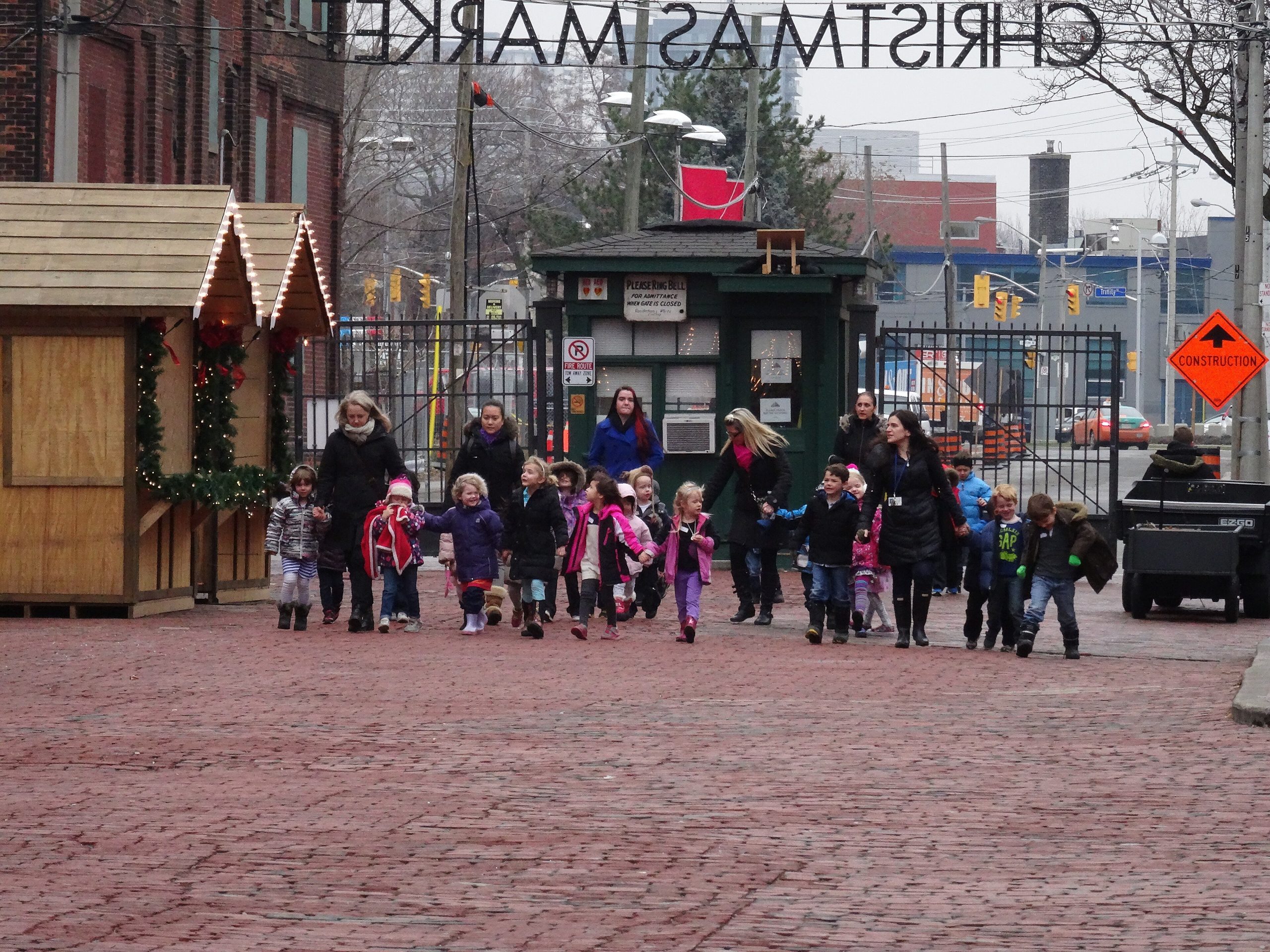
Two of Toronto’s most atmospheric spots celebrate its history and food. The pedestrian-only Distillery District is a beautifully preserved Victorian industrial quarter of red-brick lanes, now filled with art galleries, boutiques, cafés, restaurants and craft studios — especially magical during its famous Christmas Market. The bustling St. Lawrence Market, meanwhile, is one of the world’s great food markets, a historic hall packed with vendors selling fresh produce, cheese, and the legendary peameal bacon sandwich. Both are essential for anyone who loves history, atmosphere and good food, and showcase Toronto’s character beyond the skyscrapers.
Planning a trip to Toronto?
Our partner Voyada’s trip planning AI builds a day-by-day plan with flights, hotels and a real total cost for your dates — in about a minute, free.
Plan trip with AICasa Loma & the Neighbourhoods
Perched above the city, Casa Loma is a whimsical early-20th-century Gothic Revival castle — complete with towers, secret passages, stables and lovely gardens — offering a fun, atmospheric visit and city views. Beyond it, Toronto’s real magic lies in its diverse neighbourhoods: browse trendy Kensington Market and Chinatown, stroll leafy Queen Street West and the boutiques of Yorkville, and taste your way through Little Italy, Greektown and beyond. One of the most multicultural cities on earth, Toronto rewards wandering, with global food and distinct character around every corner. Exploring its neighbourhoods is a highlight in itself.
A Day Trip to Niagara Falls
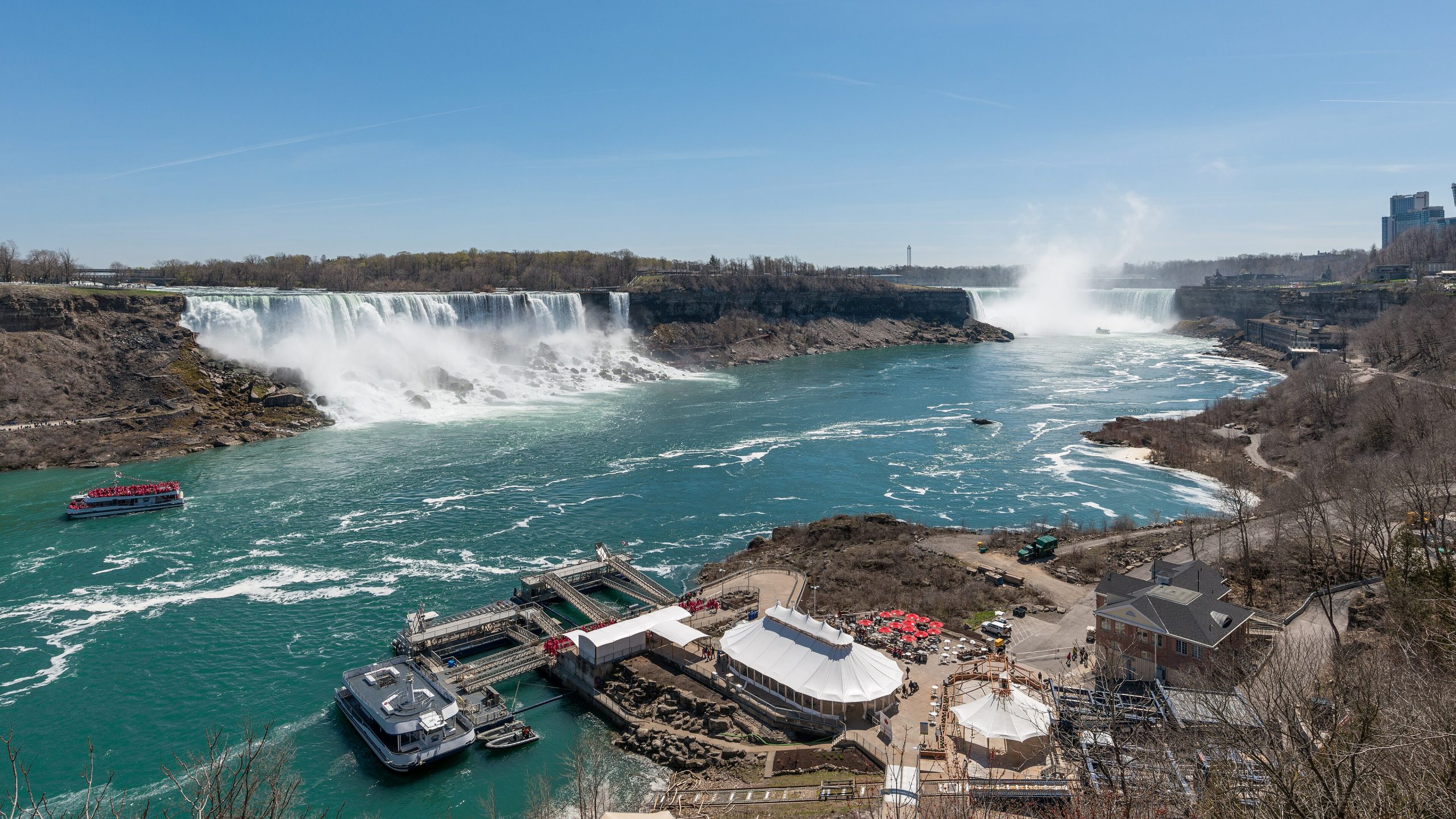
No visit to the region is complete without the world-famous Niagara Falls, an easy day trip about 90 minutes from the city. Stand beside the thundering Horseshoe Falls, feel the mist, and ride a boat tour to the base of the cascade for an unforgettable, drenching thrill. The Niagara Parks along the Canadian side offer gardens, viewpoints and attractions, and the pretty wine town of Niagara-on-the-Lake nearby adds vineyards and charm. Whether by tour or rental car, seeing one of the planet’s most spectacular waterfalls is a must and a superb complement to a Toronto trip.
Getting Around & Where to Stay
Toronto has an extensive public transit system (the TTC) of subways, streetcars and buses that makes getting around easy without a car; the downtown core and waterfront are also walkable. Most visitors stay downtown — near the CN Tower and waterfront, or in lively areas like the Entertainment District, Yorkville or the Distillery District — convenient for the sights, dining and transit. A car is useful mainly for day trips like Niagara. The city’s two airports connect it to the world, with the downtown island airport especially handy.
Best Time to Visit Toronto
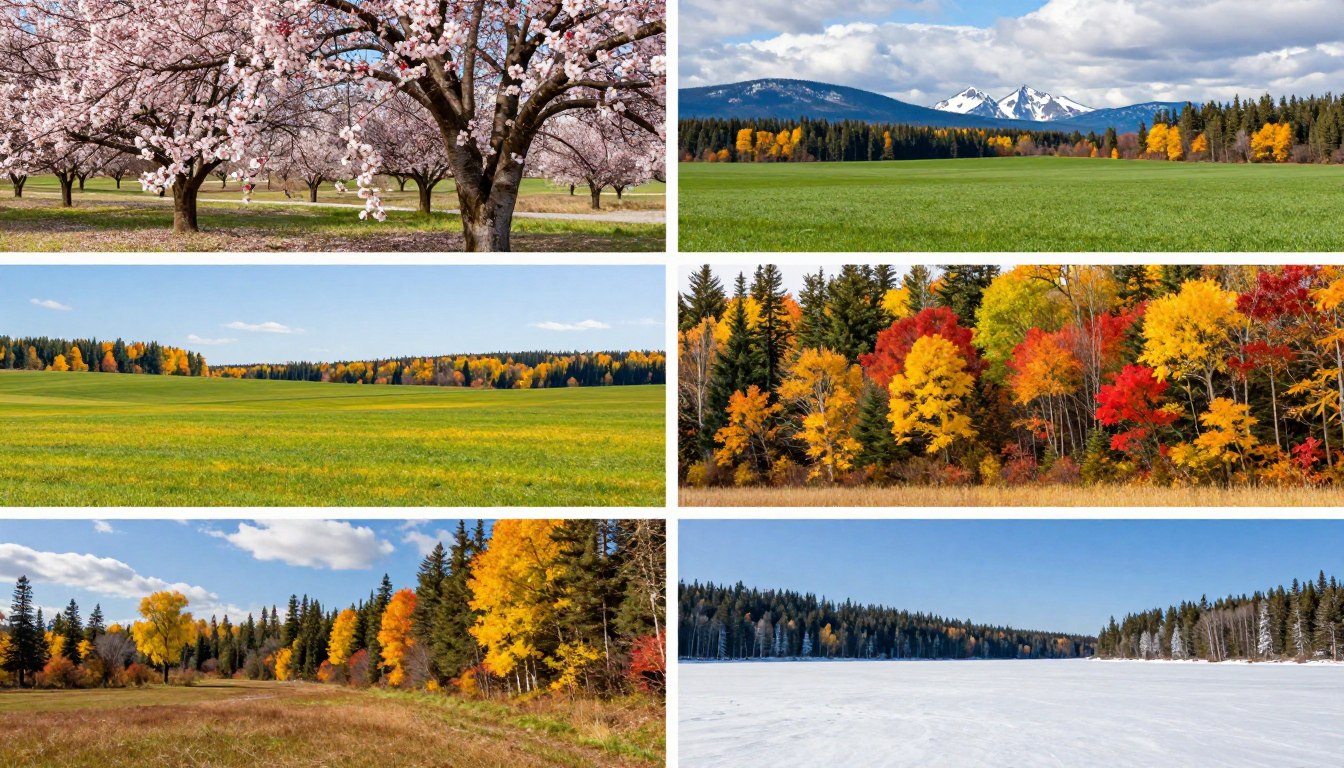
Late spring (May–June) and early autumn (September–October) are ideal — mild, pleasant weather, patios open and thinner crowds, with autumn adding lovely fall colour. Summer (July–August) is warm, lively and packed with festivals (including the famous TIFF film festival in September) and is prime time for the Islands, though busiest. Winter is cold and snowy but festive, with the Distillery District’s Christmas Market and indoor museums. For the best mix of weather and atmosphere, aim for the late spring or early autumn shoulders.
Related Guides
Frequently Asked Questions
What is Toronto known for?
Toronto is known as Canada’s largest and most multicultural city, famous for the iconic CN Tower, its diverse neighbourhoods and global food scene, world-class museums like the ROM and AGO, the Toronto Islands, and its proximity to Niagara Falls. It’s a dynamic, cosmopolitan hub on Lake Ontario.
How many days do you need in Toronto?
Three to four days lets you see the CN Tower, the Toronto Islands, a museum or two, the Distillery District and St. Lawrence Market, and explore some neighbourhoods, plus a day trip to Niagara Falls. Add more time to dive deeper into the city’s many multicultural districts and dining.
Is Niagara Falls a good day trip from Toronto?
Yes — Niagara Falls is about 90 minutes from Toronto, making it an easy and spectacular day trip. You can stand beside the Horseshoe Falls, take a boat tour to the base, and explore the Niagara Parks and the charming wine town of Niagara-on-the-Lake. Many tours run from the city, or you can drive.
What is there to do in Toronto with kids?
Lots — go up the CN Tower, ride the ferry to the Toronto Islands and Centreville amusement park, explore the ROM’s dinosaurs, visit Ripley’s Aquarium of Canada by the tower, tour the castle at Casa Loma, and enjoy the science centre. The Islands and waterfront are especially great for families in summer.
When is the best time to visit Toronto?
Late spring (May–June) and early autumn (September–October) offer mild weather, open patios and fewer crowds, with autumn adding fall colour and festivals. Summer is warm and lively, ideal for the Islands but busiest, while winter is cold but festive. The shoulder seasons are best overall.
How do you get around Toronto?
The TTC runs subways, streetcars and buses across the city, with a single fare of around 3.30 Canadian dollars that includes two hours of transfers. Tap a Presto card or a contactless card at the gate. Line 1 covers most downtown sights, and streetcars serve Queen and King Streets. From Pearson airport, the UP Express reaches Union Station in 25 minutes for roughly 12 dollars. A car is useful only for day trips such as Niagara Falls.
Where should you stay in Toronto?
The Entertainment District and the downtown core put you within walking distance of the CN Tower, the waterfront and the island ferry, and on top of the subway. Yorkville is the upscale choice, close to the ROM and the best shopping. Queen West and Ossington suit those who want independent restaurants and bars over landmarks, while the Distillery District is quiet and atmospheric but further from transit. Anywhere near a Line 1 station works for a short stay.
Is Toronto expensive to visit?
Toronto is Canada’s priciest city, though it undercuts New York and London. Mid-range hotel rooms tend to run around 200 to 300 Canadian dollars a night, a restaurant main roughly 25 to 35, and a pint about 9. CN Tower admission is around 45 dollars and the ROM roughly 26, so an attractions bundle pays off if you visit three or more paid sights. Transit is the cheap part, and the Islands, Kensington Market and the waterfront cost nothing.
How do you get to the Toronto Islands?
Ferries leave from the Jack Layton Ferry Terminal at the foot of Bay Street and take about 15 minutes, with a return fare of around 9 Canadian dollars. Three routes serve Centre Island, Ward’s Island and Hanlan’s Point. Book online in summer, when queues at the terminal can run past an hour at weekends. Centre Island suits families and the Centreville rides, Ward’s Island is quiet and residential, and Hanlan’s Point has the clothing-optional beach.
Is Toronto safe for tourists?
Toronto is one of the safer large cities in North America, and downtown, the waterfront and the main neighbourhoods are fine to walk at night. The usual precautions apply: watch bags on crowded streetcars, avoid unlit stretches of park after dark, and take a licensed taxi or rideshare late at night rather than walking long distances alone. Parts of Yonge and Dundas and the transit system see occasional trouble, but visitors are rarely affected.
Where is the best shopping in Toronto?
The CF Toronto Eaton Centre downtown holds well over 200 shops under one roof and is the wet-weather default. Yorkville and Bloor Street West have the designer names, Queen Street West runs from chain stores into independent boutiques as you head further west, and Kensington Market is the place for vintage and secondhand. St Lawrence Market covers food and gifts. Note that Ontario adds 13 per cent sales tax at the till, so shelf prices are not what you pay.
What food is Toronto known for?
The peameal bacon sandwich at St Lawrence Market is the signature dish, alongside butter tarts and Canadian back bacon. The real draw, though, is the global range: dim sum in Chinatown and Scarborough, Greek food along the Danforth, Italian on College Street, Caribbean roti in Little Jamaica, and one of the strongest South Asian scenes outside Asia around Gerrard Street. Kensington Market packs several cuisines into a few blocks and works well for grazing.
What is there to do in Toronto in winter?
The Distillery District’s winter village runs through December with lights, mulled wine and a market in the Victorian lanes. Skate outdoors at Nathan Phillips Square, Harbourfront or the Bentway beneath the Gardiner Expressway, all free if you bring skates. Indoors, the ROM, the AGO, the Hockey Hall of Fame and Ripley’s Aquarium fill cold days. Expect temperatures around minus 5 degrees Celsius, and use the PATH, the underground walkway network linking much of downtown.
What is there to do in Toronto in summer?
Summer is when the Islands, the waterfront and the patios come into their own. Swim at Woodbine Beach in the Beaches, cycle the Martin Goodman Trail, and catch a Blue Jays game at the Rogers Centre. The festival calendar is heavy: Pride in June, the Toronto Caribbean Carnival in late July and early August, and the CNE fair from mid-August to Labour Day. Temperatures reach the high 20s with humidity, so keep museum time for the afternoons.
Do you tip in Toronto?
Yes. Restaurants expect 15 to 20 per cent, and card machines usually prompt with suggested percentages calculated after the 13 per cent sales tax, so check the base figure before tapping. Bartenders get a dollar or two a drink, taxi and rideshare drivers roughly 10 to 15 per cent, and hotel housekeeping a few dollars a night. Tipping is not expected for a simple takeaway coffee, though the prompt will still appear on the screen.
Can you drink the tap water in Toronto?
Yes. Toronto’s tap water is drawn from Lake Ontario, treated to a high standard and tested constantly, so drink it freely from taps in hotels, restaurants and public fountains. Bring a reusable bottle and refill at drinking fountains in the parks, along the waterfront and on the Islands, which run from spring to autumn. Bottled water is widely sold but unnecessary. The water can taste faintly of chlorine, which is normal and harmless.
When can you see cherry blossoms in Toronto?
Usually in the last week of April or the first week of May, with peak bloom lasting only 4 to 7 days. High Park has the largest and best-known grove of Sakura trees, gifted by Japan in 1959, and gets very busy at weekends, when the city sometimes closes the park to cars. Quieter alternatives include Trinity Bellwoods Park, Exhibition Place and the University of Toronto campus. The city runs a bloom tracker, so check before making a special trip.
Planning Your Toronto Trip
Toronto is a vibrant, multicultural metropolis with something for everyone — the soaring CN Tower, the green escape of the Islands, world-class museums, historic food-and-arts districts and endlessly diverse neighbourhoods, with Niagara Falls on the doorstep. Give it several days to take in the icons, wander the neighbourhoods and eat your way around the globe, then day-trip to the falls. Come in late spring or early autumn for the finest weather.
Before you go: turn this guide into a day-by-day plan. Our partner Voyada is a free itinerary creator that builds the trip with flights, hotels and a real total cost for your dates — in about a minute.
Build a travel itinerary →