
Table of Contents
ToggleDid you know that parts of the Gulf of Thailand see nearly ten times more rain in November than in February? This massive shift transforms the island from a sun-soaked haven into a lush, emerald jungle. It is a dramatic change that every traveler should keep in mind.
Samui offers a mix of gold beaches and energetic nightlife that appeals every explorer. The weather dictates the vibe of your entire trip. Choosing the right month ensures you get the experience you actually want.
Understanding these local patterns helps you plan a perfect getaway. Whether you want calm seas for diving or cool breezes for hiking, knowing the best time to visit Koh Samui is essential. It prevents soggy surprises during your vacation.
This tropical destination stays warm year-round, yet its character shifts with each passing month. You might find clear skies one week and heavy monsoons the next. Local conditions change fast in this part of the world.
The island’s climate affects everything from boat tours for evening markets. Let’s dive into the seasons for ensuring your Thai adventure is exactly what you imagine. It’s truly a unique spot with many faces.
Key Takeaways
- Peak season occurs from January until March for maximum sunshine.
- November typically brings the heaviest rainfall and strongest winds.
- Diving conditions are optimal during the dry summer months.
- Budget travelers should target the shoulder seasons for lower prices.
- Humidity levels fluctuate significantly throughout the year.
- Local festivals add unique value during specific calendar dates.
Understanding Koh Samui's Climate and Weather Patterns
Koh Samui boasts a tropical monsoon climate, with consistently high temperatures and humidity. This climate type shapes the island’s weather patterns, making it vital to grasp these conditions for a successful visit.
Tropical Monsoon Climate Explained
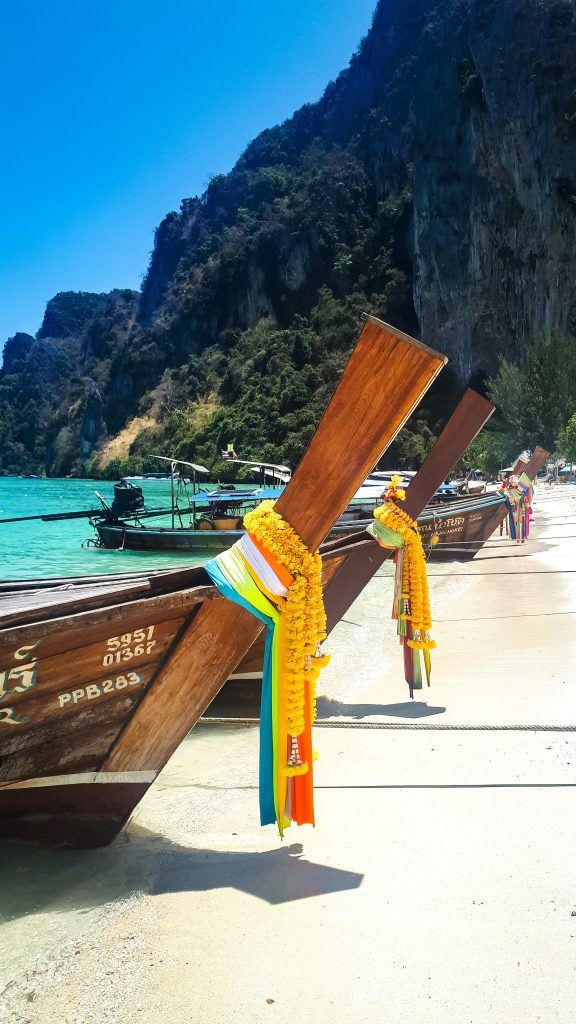
The tropical monsoon climate is defined by its high temperatures and specific seasonal rainfall patterns. In Koh Samui, this means warm weather all year, with notable rainfall in certain months. The island’s location in the Gulf of Thailand moderates the temperature but also boosts humidity.
Three Distinct Seasons of Koh Samui
Koh Samui’s year is segmented into three seasons: peak, shoulder, and monsoon. The peak season, from December to February, boasts dry and cool weather, drawing the most visitors. The shoulder season, from March to June, sees temperatures rise and occasional rain. The monsoon season, from July to November, is characterized by heavy rainfall and high humidity.
How Koh Samui's Weather Differs from Other Thai Islands
While many Thai islands share similar tropical climates, Koh Samui’s weather stands out. Its Gulf of Thailand location offers some protection from the monsoon’s full force, unlike islands in the Andaman Sea. Yet, Koh Samui’s monsoon season is distinct, albeit less severe than in other parts of Thailand.
Peak Season in Koh Samui (December to February)
December to February marks the peak tourist season in Koh Samui. It’s a time when the island’s dry and cool climate attracts many visitors. This period is perfect for beach activities, water sports, and exploring the island without rain.
Weather in Koh Samui During Peak Months
Koh Samui’s weather during peak months is ideal for outdoor activities. The average temperature ranges from 24°C to 29°C (75°F to 84°F). This makes it a comfortable environment for tourists.
The dry conditions ensure that beaches and outdoor attractions are accessible and enjoyable. It’s also a great time for water sports like snorkeling, diving, and paddleboarding. The sea is generally calm and clear.
Advantages of Peak Season Travel
Traveling to Koh Samui during peak season has several advantages. The pleasant weather allows for a wide range of activities. From relaxing on the beach to exploring the island’s natural beauty and cultural sites.
The peak season also coincides with various festive events and celebrations. This adds to the island’s vibrant atmosphere. Visitors can enjoy a lively nightlife, special holiday packages, and a variety of dining experiences.
Crowds and Pricing Considerations
While the peak season offers many benefits, it’s also the busiest time of the year. Popular spots can get crowded, and prices for accommodations, tours, and other tourist services tend to be higher.
To make the most of your visit, it’s advisable to book your accommodations and popular activities well in advance. Being prepared for the crowds and higher prices can help ensure a smooth and enjoyable trip.
Shoulder Season: March to June
Koh Samui shifts into a shoulder season after the peak, blending nice weather with fewer people. This period, from March to June, is perfect for those wanting a calm island experience.
Spring Weather Conditions
March in Koh Samui is lovely, with little rain and clear skies. The temperatures are just right for outdoor fun like hiking, snorkeling, and exploring the island’s beauty.
As spring moves into April and May, the island gets warmer. Yet, it stays green and lively. The warm weather is ideal for beach activities and water sports.
Benefits of Visiting During Shoulder Season
Visiting Koh Samui in the shoulder season has big perks. With fewer tourists, popular spots and beaches are less crowded. This leads to a more serene and enjoyable visit.
Also, prices for places to stay and tourist services are more affordable. This makes it a great time for budget-conscious travelers.
Temperature Peaks in April and May
April and May are the hottest months in the shoulder season. But the heat is bearable, and the island’s beauty is unmatched.
Visitors in these months should drink plenty of water, wear light clothes, and rest in shaded spots.
Knowing about Koh Samui’s shoulder season helps travelers plan better. They can enjoy pleasant weather and a relaxed vibe.
Monsoon Season: July to November
The monsoon season, from July to November, turns Koh Samui into a vibrant, green paradise. Though the rain and humidity might scare some off, this time of year adds a special allure to the island.
Understanding Koh Samui's Unique Monsoon Pattern
Koh Samui’s monsoon is marked by brief, intense rains followed by clear skies. This contrasts with the steady rain found elsewhere. The island’s mountains and forests play a role in this distinct weather.
The rain refreshes the island’s ecosystem. It keeps the vegetation lush and cools the air, perfect for nature enthusiasts.
October and November Rainfall
October and November are Koh Samui’s wettest months. Rainfall is substantial, but the sun often returns soon after. Visitors should be ready for sudden downpours and adjust their plans.
Despite the rain, these months are calm, with fewer tourists. It’s an excellent time for a quiet getaway or to explore the island’s natural wonders without the crowds.
Pros and Cons of Low Season Travel
Traveling to Koh Samui during the monsoon has its benefits and drawbacks. The main advantage is lower prices for accommodations and services, making it more affordable.
Yet, some outdoor activities might be hindered by the weather. It’s vital to be adaptable and consider rain when planning. Indoor pursuits, spa treatments, and cultural explorations are better suited for this time.
In summary, Koh Samui’s monsoon season offers a unique view of the island. With its lush landscapes and peaceful vibe, it’s an attractive option for those seeking a distinct experience and willing to adjust to the weather.
Month-by-Month Weather Forecast Guide
Planning a trip to Koh Samui? Knowing the island’s weather patterns is key. Each month brings its own climate, affecting your activities and experiences. This guide helps you plan your visit, ensuring a memorable stay.
January: Peak Dry Season
January is the coolest and driest month in Koh Samui. It’s perfect for beach activities and outdoor adventures. Temperatures range from 24°C to 29°C (75°F to 84°F), ideal for tourists.
February: Warm and Pleasant
February offers more of the same pleasant weather, with temperatures slightly warmer. It’s an excellent time for snorkeling, diving, and water sports. Sea conditions are calm, with temperatures from 25°C to 30°C (77°F to 86°F).
March: Transitioning to Hot Season
March signals the start of the hot season in Koh Samui. Temperatures rise, averaging 26°C to 32°C (79°F to 90°F). While beach activities are enjoyable, remember to protect yourself from the sun and stay hydrated.
April: Hottest Month
April is the hottest month, with temperatures often over 33°C (91°F). It’s essential to drink plenty of water and seek shade or air-conditioned spaces. Despite the heat, April offers fewer crowds and lower prices, making it a good time to visit.
Best Time to Visit Koh Samui for Different Budgets
Traveling to Koh Samui doesn’t have to be expensive. Knowing the best times to visit can greatly reduce costs. The island caters to various budgets, with the ideal visit time differing based on your financial goals.
Koh Samui’s tourism offers a range of options for accommodations, dining, and activities. This makes it perfect for travelers with different budget constraints. By picking the right time to visit, you can optimize your budget and enjoy a more affordable, relaxing vacation.
Low Season Savings Opportunities
The low season, from July to November, provides substantial savings on accommodations and tourist services. During this time, many resorts and hotels offer discounts and promotions to draw visitors. It’s an ideal period for budget-conscious travelers to explore Koh Samui.
Accommodations are cheaper, and you can find deals on packages that include activities and dining. This is a great chance to enjoy the island’s offerings without overspending.
When Accommodation Prices Drop
Accommodation prices in Koh Samui decrease during the low season, with the biggest discounts from July to October. This period aligns with the monsoon season, but the rain is usually brief, followed by sunshine. It’s possible to enjoy outdoor activities despite the rain.
For the best deals, consider accommodations with flexible cancellation policies. This is because weather can be unpredictable during this time.
Flight Pricing Patterns Throughout the Year
Flight prices to Koh Samui fluctuate based on the season. Peak season, from December to February, sees higher prices due to increased demand.
On the other hand, flying during the shoulder season (March to June) or low season can lead to cheaper fares. Being flexible with your travel dates and booking in advance can help secure better flight deals to Koh Samui.
Optimal Times for Beach Activities and Water Sports
Koh Samui is celebrated for its breathtaking beaches and varied water sports. It’s a tropical haven for those who love swimming, snorkeling, diving, or paddleboarding and sailing. The best times for these activities hinge on the weather and sea conditions.
Swimming and Snorkeling Conditions
From December to February, the seas are calmest, and the waters clearest. This makes it the prime season for swimming and snorkeling. Underwater visibility is superb, perfect for spotting marine life.
Diving and Marine Life Visibility
Diving enthusiasts will find the dry season ideal for exploring Koh Samui’s underwater realm. The clear waters and calm seas ensure perfect diving conditions. On some days, visibility reaches up to 20 meters or more.
Kayaking, Paddleboarding, and Sailing
Kayaking, paddleboarding, and sailing are best enjoyed during the dry and calm months. The gentle breezes and calm seas make these activities both enjoyable and safe.
Top Attractions in Koh Samui by Season
Koh Samui is a tropical paradise with diverse attractions all year round. Its varied landscapes and rich cultural heritage make it perfect for those seeking relaxation, adventure, and cultural experiences. Whether you’re looking to unwind or explore, Koh Samui has something for everyone.
The best time to visit these attractions depends on your preferences. Knowing the seasonal highlights helps plan your trip. This way, you can make the most of your time on the island.
Beach Attractions and Coastal Activities
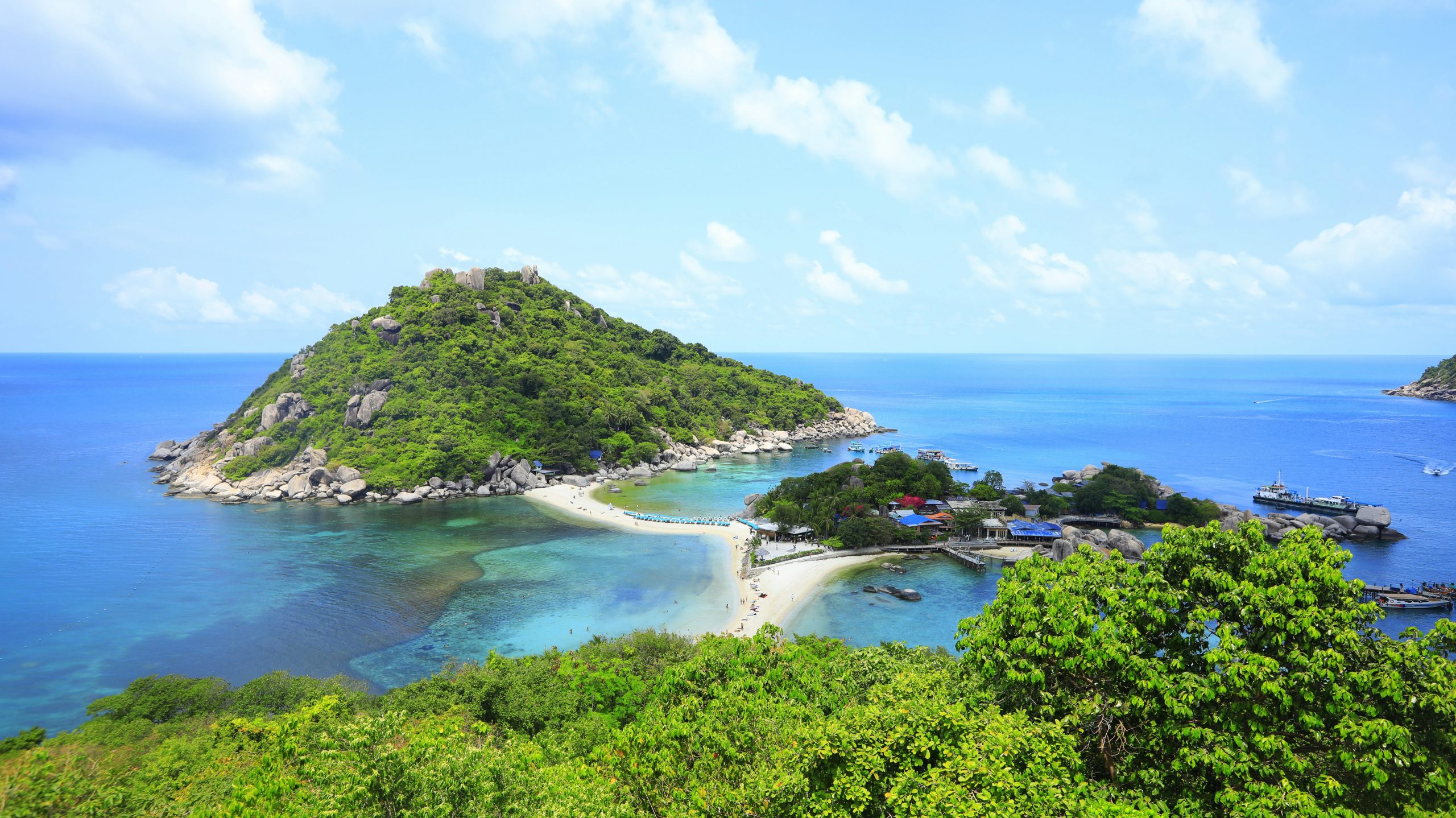
Koh Samui is famous for its stunning beaches, like Chaweng and Lamai. These beaches are ideal for swimming, sunbathing, and water sports. The dry season, from December to June, offers calm seas and plenty of sunshine, perfect for these activities.
During the shoulder season, the beaches are less crowded. This provides a more relaxed atmosphere. For adventure seekers, the beaches are great for kayaking, paddleboarding, and sailing.
Temples and Cultural Sites
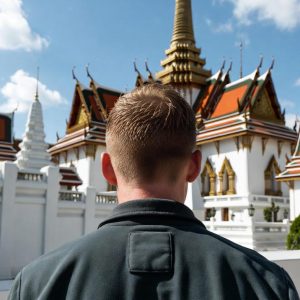
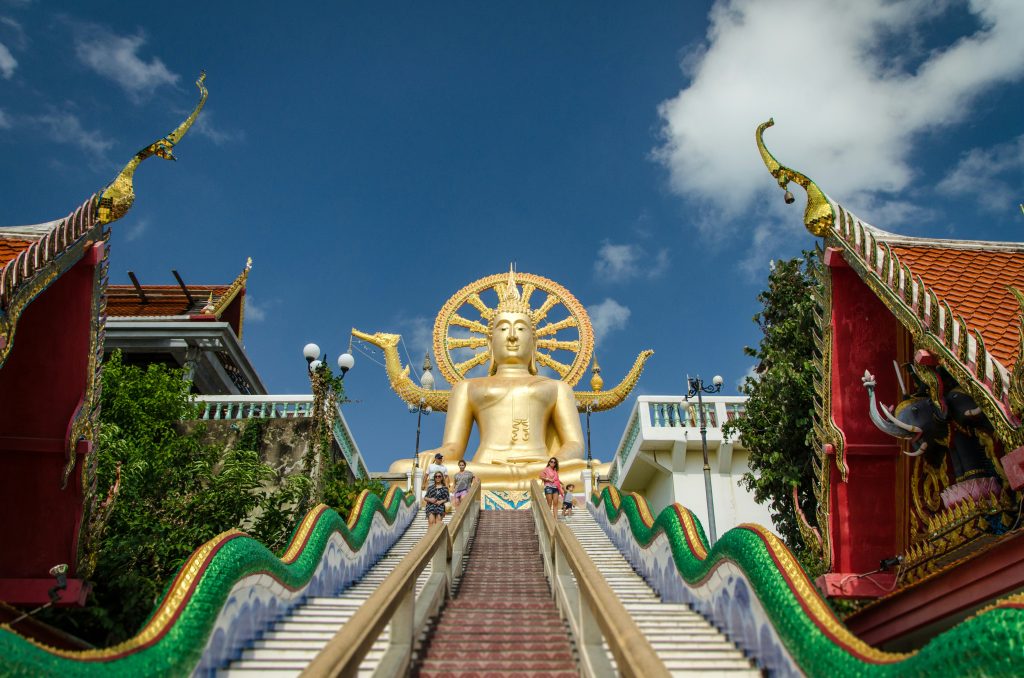
Koh Samui boasts several significant cultural sites, including the Big Buddha temple. This iconic landmark is a must-visit for those interested in local culture and spirituality. These sites can be visited year-round but are more accessible during the dry season.
The island’s cultural sites offer a glimpse into its rich history and heritage. They are essential for anyone visiting Koh Samui.
Waterfalls and Nature Attractions
The island’s natural beauty is showcased in its waterfalls and nature reserves, like the Na Muang Waterfalls. These attractions are lush and vibrant during the wetter months, from July to November. This makes it the best time for nature lovers to visit.
Exploring these natural wonders provides a unique perspective on the island’s diverse ecosystems. It’s a great way to experience Koh Samui’s natural beauty.
Markets and Shopping Areas
Koh Samui’s markets and shopping areas, like the Chaweng Night Market, offer a glimpse into the local lifestyle and cuisine. These markets are bustling year-round. Visiting during the shoulder or low season can offer a more authentic experience with fewer tourists.
Shopping for local handicrafts, trying street food, and browsing stalls are all part of the fun. Visiting Koh Samui’s markets is an experience in itself.
Festivals and Special Events Calendar
Koh Samui is a treasure trove of cultural experiences, with a calendar full of vibrant festivals and events. These showcase the island’s rich heritage.
These events not only add to the island’s charm but also provide visitors with unique opportunities. They allow visitors to immerse themselves in local traditions and celebrations.
Songkran Water Festival (April)
The Songkran Water Festival, celebrated in April, is one of Thailand’s most iconic events. It marks the traditional Thai New Year.
It’s a time of water splashing fun, symbolizing cleansing and renewal. Visitors can participate in the festivities by joining locals in pouring water on friends, family, and even strangers. This is a sign of respect and good luck.
Loy Krathong Festival (November)
In November, Koh Samui hosts the Loy Krathong Festival, a beautiful and spiritual event. Lanterns are released onto the water during this festival.
This festival is a time for reflection, letting go of past mistakes, and making wishes for the future. The sight of numerous lanterns floating on the sea or rivers is truly breathtaking.
Chinese New Year Celebrations
Chinese New Year is another significant celebration in Koh Samui. It’s marked with parades, lion dances, and family gatherings.
The exact date varies each year based on the lunar calendar, but it’s typically in late January or early February. Visitors can experience the vibrant culture and traditions of the local Chinese community during this period.
Full Moon Parties on Nearby Islands
While not directly on Koh Samui, the full moon parties on nearby islands like Koh Phangan are worth mentioning. These parties are legendary for their lively atmosphere.
They feature music, dancing, and beach activities that continue through the night. They offer a unique experience for those looking to enjoy the island’s nightlife.
These festivals and events are integral to Koh Samui’s identity, providing something for everyone throughout the year. Planning your visit around these events can add a rich layer to your travel experience.
It makes your trip to Koh Samui even more memorable.
Best Time for Families Visiting Koh Samui
Planning a family vacation to Koh Samui can be a breeze with the right timing. Families seek a balance of good weather, exciting activities, and manageable crowds. This balance is key when deciding on the best time to visit.
Koh Samui, with its tropical monsoon climate, offers a range of experiences throughout the year. Understanding the seasonal variations is essential for planning a successful family trip.
School Holiday Windows
School holidays are a primary consideration for families. In many countries, including the United States and the UK, school holidays occur in December, March or April, and July or August. Koh Samui’s peak season, from December to February, coincides with the winter break in many countries. This makes it a popular time for family vacations.
The shoulder season, from March to June, is also attractive. It often aligns with spring breaks in various parts of the world.
Child-Friendly Weather Conditions
The weather in Koh Samui is generally warm throughout the year. Some periods are more suitable for families with children. The dry and pleasant weather during the peak season (December to February) is ideal for outdoor activities and beach trips.
For families who prefer fewer crowds, the shoulder season (March to June) offers warm weather. While it can get quite hot in April and May, the sea remains calm and perfect for water activities.
Family Activities by Season
Different seasons in Koh Samui offer a variety of activities suitable for families. During the peak season, families can enjoy snorkeling, diving, and island-hopping without the worry of rough seas.
In the shoulder season, as the weather warms up, activities like kayaking, paddleboarding, and sailing become even more enjoyable. Even during the monsoon season, there are plenty of indoor activities and cultural experiences to explore.
By considering school holiday windows, weather conditions, and the range of activities available, families can plan a trip to Koh Samui that suits their needs and preferences.
Ideal Times for Couples and Romantic Getaways
Koh Samui’s stunning beaches and lush landscapes are a perfect retreat for couples. It’s a serene haven, ideal for a romantic escape. Here, couples can indulge in a variety of activities, from beach relaxation to exploring the island’s natural wonders.
Most Romantic Months
May and June are considered the most romantic months to visit Koh Samui. The weather is pleasant, with warm temperatures and minimal rainfall. This time offers a secluded and peaceful atmosphere, perfect for an intimate getaway.
The island is less crowded during these months, providing a more private experience. The calm seas and clear waters are ideal for water activities and marine exploration.
Privacy and Seclusion Factors
Couples often seek a romantic, secluded getaway. Koh Samui’s quieter months offer this opportunity. The shoulder season allows for enjoying the island’s beauty without the crowds. Many resorts and hotels provide secluded villas and private accommodations, adding to the romance.
For those desiring complete seclusion, the shoulder season is beneficial. Fewer tourists mean a more peaceful and intimate experience. Whether relaxing on the beach or exploring natural wonders, it’s a perfect time.
Sunset Viewing Conditions
Sunset viewing is a highlight of any romantic getaway to Koh Samui. May and June offer the best conditions, with clear skies and a romantic ambiance. Couples can enjoy the sunset together, on the beach or from a private villa.
The tranquil atmosphere and stunning natural beauty of Koh Samui during the shoulder season make it ideal for romantic sunsets. Whether you’re after a relaxing evening or a romantic dinner, the island has much to offer.
Koh Samui Vacation Planning and Booking Tips
Planning your vacation in Koh Samui requires careful thought. It’s important to consider several key factors to make your trip enjoyable. This ensures a stress-free experience.
How Far in Advance to Book
Booking your stay and flights early is wise. For peak season, which includes December to February, book 3 to 6 months ahead. This secures your spot and might get you a better deal.
Best Days of the Week to Arrive
Choosing the right day to arrive can enhance your trip. Mid-week arrivals can dodge weekend crowds and save money. Many resorts also offer special deals for mid-week guests.
Recommended Length of Stay
The perfect stay length in Koh Samui varies by preference. For a chill beach vacation, 7 to 10 days is ideal. But, if you’re into exploring or activities, 10 to 14 days is better.
Travel Insurance Considerations
Travel insurance is a critical planning step. It should cover medical costs, trip cancellations, and delays. Koh Samui’s climate means occasional rain, even outside the monsoon. The right insurance offers peace of mind.
What to Pack for Your Koh Samui Trip
To fully enjoy your Koh Samui vacation, packing wisely is key. The island’s tropical climate changes with the seasons. Your packing list will differ based on whether you’re visiting during the dry or monsoon season.
Dry Season Essentials (December to June)
The dry season brings warm, sunny weather to Koh Samui. It’s perfect for beach activities and exploring outdoors. Your packing list should include:
Lightweight, breathable clothing like cotton t-shirts, shorts, and sundresses.
Sun protection items such as high SPF sunscreen, sunglasses, and a wide-brimmed hat.
Don’t forget beach gear like a swimsuit, beach towel, and water shoes.
Monsoon Season Must-Haves (July to November)
The monsoon season brings rain showers and higher humidity. To prepare:
Bring a lightweight rain jacket or poncho to stay dry.
Include waterproof accessories like phone cases and bag covers.
Also, pack insect repellent, as mosquitoes may be more common during this time.
Year-Round Packing List
Some essentials should always be on your packing list, regardless of the season:
Insect repellent to protect against mosquitoes and other insects.
Comfortable shoes for exploring the island.
A power adapter for charging your devices.
Sun Protection and Beach Gear
Sun protection is vital in Koh Samui’s tropical climate. In addition to sunscreen and sunglasses, consider packing:
By packing the right gear, you’ll be ready to enjoy Koh Samui’s beautiful beaches, outdoor activities, and cultural attractions, no matter the season.
Koh Samui Travel Guide: Essential Tips for Every Season
For a stress-free and memorable vacation on Koh Samui, understanding local transportation, health and safety, and cultural norms is key. These essentials can significantly enhance your travel experience.
Transportation Around the Island
Getting around Koh Samui is straightforward, with various options available. Renting cars, bikes, or scooters allows you to explore at your own pace. Songthaews, or red trucks, offer an affordable, shared taxi service. For a more relaxed experience, consider hiring a private driver for the day.
During peak season, traffic can be heavy, mainly on main roads. Planning your routes and travel times can help you avoid congestion.
Health and Safety Precautions
Staying healthy and safe in Koh Samui requires simple precautions. Always drink bottled or filtered water and be cautious with food choices, even from street vendors. Protecting yourself from the sun is essential, with sunscreen, hats, and sunglasses a must.
In the monsoon season, be cautious of flash flooding. Always follow local advice regarding weather conditions.
Currency and Budget Management
The Thai baht is the local currency, though US dollars and credit cards are accepted in tourist areas. Using local currency for smaller purchases and at local eateries can save money. ATMs are plentiful, but be aware of withdrawal fees.
When budgeting, consider accommodation, food, activities, and transportation costs. Prices vary significantly between peak and low seasons, with the latter being more budget-friendly.
Local Customs and Etiquette
Respecting local customs and etiquette enhances your experience in Koh Samui. Dress modestly when visiting temples and be respectful in cultural sites. Removing your shoes before entering temples or homes shows respect.
Learning basic Thai phrases, like “hello” (sawatdee) and “thank you” (khop khun krap), demonstrates respect for the local culture.
Conclusion
Koh Samui is a versatile destination, perfect for different types of travelers at various times of the year. Whether you seek the lively vibe of peak season, the balanced experience of shoulder season, or the serene landscapes of monsoon season, knowing when to visit is essential for a memorable trip.
The island’s rich culture, stunning beaches, and welcoming atmosphere cater to diverse preferences and travel styles. By considering weather, budget, and personal interests, you can craft a personalized travel guide for Koh Samui that meets your needs.
Koh Samui offers something for everyone, from bustling markets and festivals to peaceful beaches and water activities. Start planning your trip today and find the best time to visit Koh Samui that suits your preferences.
FAQ
What is the absolute best time to visit Koh Samui for perfect weather?
Is there a specific koh samui weather forecast I should watch before my trip?
What are the essential koh samui travel tips for first-timers?
When is the peak season in Koh Samui for tourism?
Can you recommend a short koh samui travel guide for a 3-day stay?
What should I include in my koh samui vacation planning for the monsoon season?
Where can I find the top attractions in Koh Samui without the crowds?