
Table of Contents
ToggleThailand is famous for its culture, food, and beautiful landscapes. It draws millions of visitors each year. The country offers a mix of city life and beach relaxation, making it a great place to visit any time. For official, up-to-date visitor information, see Tourism Thailand, the official site.
Choosing the right time to visit Thailand is key to a great trip. You might want to see Chiang Mai’s temples, Phuket’s beaches, or Bangkok’s nightlife. Knowing the seasonal changes in each area helps plan your trip.
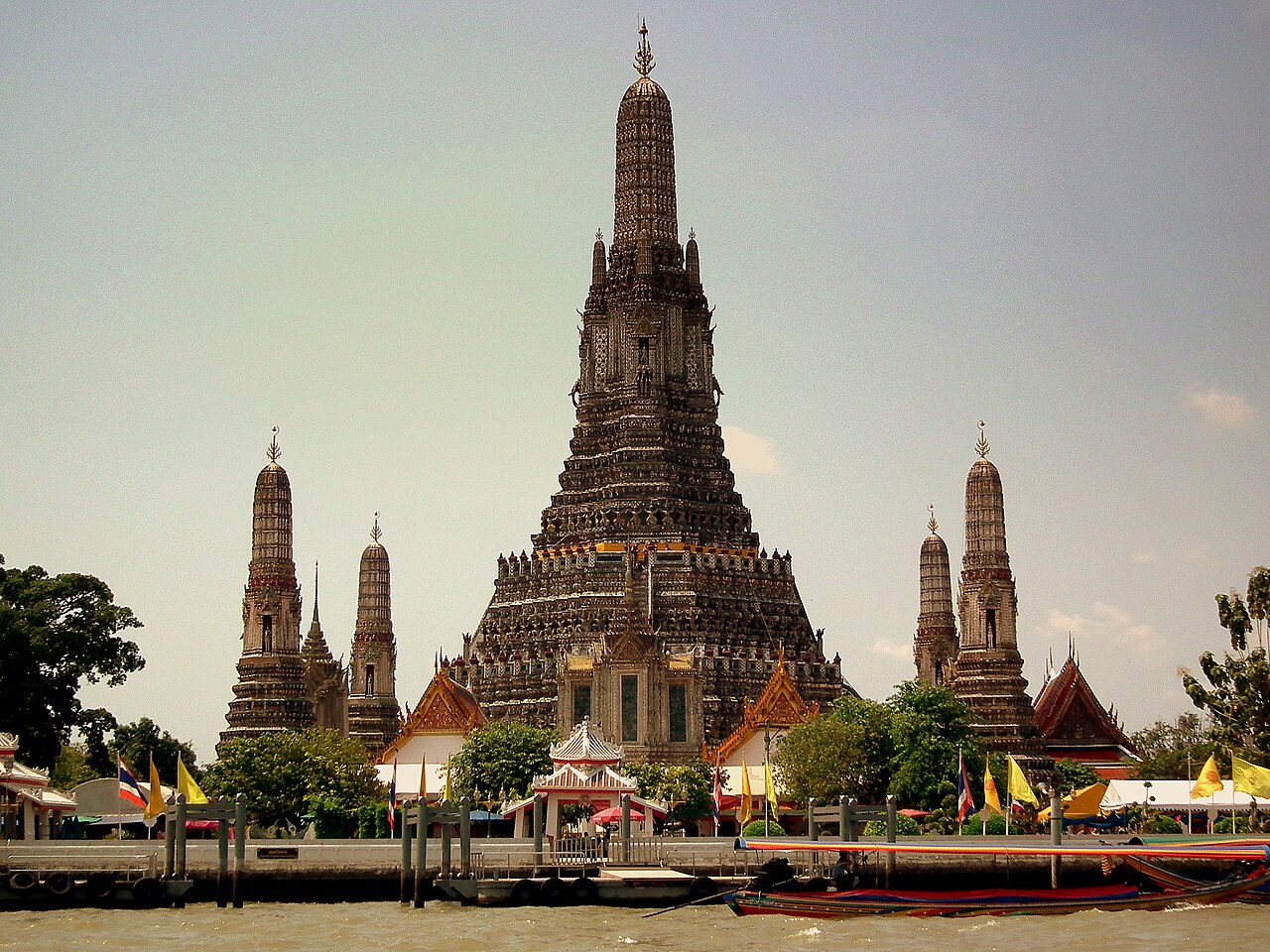
Key Takeaways
- Understand the seasonal variations in Thailand to plan your trip
- Explore regional differences to make the most of your visit
- Get insights into the best activities and events happening throughout the year
- Learn how to pack and prepare for your trip based on the season
- Discover tips for making the most of your Thailand travel experience
Thailand by Season at a Glance
The quick answer in one table, the regional answer in a second — then the full seasonal detail below.
| When | Weather | What you get |
|---|---|---|
| Nov–Feb | 24–32°C, dry, lowest humidity | The classic window — best all-round weather nationwide; peak prices, book ahead |
| Mar–May | 33–40°C, hottest of the year | Songkran water festival mid-April; brutal inland heat, but islands stay breezy |
| Jun–Aug | 28–33°C, burst showers | Green season value — big discounts, short storms, Gulf islands at their driest |
| Sep–Oct | 27–32°C, wettest stretch | September is the one month to skip for beach plans; October improves fast |
✈️ TripToGo Travel Deals
Get notified about great travel deals
Hand-picked flight, hotel and destination deals, straight to your inbox. No spam, unsubscribe anytime.
🎉 Thank you for subscribing!
You’re all set — the best travel deals are on their way.
The Right Window by Region
| Region | Prime window | Why |
|---|---|---|
| Bangkok & Central | November–February | Works year-round; these months are simply the least sweaty |
| The North (Chiang Mai, Chiang Rai, Pai) | November–early February | Cool mornings, clear skies — and clear of the burning-season haze |
| Andaman coast (Phuket, Krabi, Phi Phi) | November–April | Calm seas and every island trip running; red-flag surf May–October |
| Gulf islands (Samui, Phangan, Tao) | January–September | Opposite monsoon — wettest October–December, driest when the Andaman is rough |
| The East (Koh Chang, Koh Samet) | November–April | Koh Chang is one of Thailand’s wettest spots May–October |
Timing Facts Most Visitors Learn Too Late
Thailand’s two coasts run on opposite monsoons — the fact that unlocks the whole calendar. When Phuket’s side turns rough (May–October), Koh Samui’s side is at its best, and vice versa. There is a beach in season every month of the year; you just have to pick the right coast — our Phuket timing guide covers the Andaman half in detail.
The burning season is the North’s dirty secret: from roughly late February to mid-April, crop burning fills Chiang Mai, Pai and Chiang Rai with smoke haze — some of the world’s worst air-quality readings happen there in March. If the North is your priority, go November–January, not spring.
Loy Krathong and Yi Peng (November) — the floating-lantern spectacle in Chiang Mai — is arguably Asia’s most beautiful festival and sells the city out months ahead. It lands at the start of peak season: perfect weather, maximum demand.
Plan the rest of the trip: our 30 best places in Thailand, the Phuket activity rundown, and — if you’re still weighing countries — Thailand vs Vietnam. Official forecasts: Thai Meteorological Department; trip resources: Tourism Authority of Thailand.
Found your month? Get Thailand planned for it
Tell our partner Voyada’s trip plan AI your dates and it picks the right coast for the season and builds the full trip — flights, hotels, islands and a real total cost — in about a minute, free.
Plan a trip for me →Thailand's Climate Overview
Travelers need to know about Thailand’s climate. The country has a tropical climate with three seasons. These seasons change across different areas. The north and south have very different climates.
Tropical Climate Patterns
Thailand’s climate is always warm and humid. Two monsoons shape the weather: the southwest monsoon from May to October, and the northeast monsoon from November to February.
The weather in Thailand varies a lot. The temperature changes with the region. This makes it great for tourists, with lots of sunshine all year.
Three Main Seasons Explained
Thailand has three main seasons: cool, hot, and rainy. The cool season, from November to February, is the best time to visit. It’s comfortable and less humid.
The hot season, from March to May, is very warm and humid. The rainy season, from June to October, brings a lot of rain.
- Cool Season: Comfortable temperatures, ideal for outdoor activities and cultural events.
- Hot Season: High temperatures, perfect for beach vacations and water sports.
- Rainy Season: Significant rainfall, but a good time for fewer tourists and lower prices.
Regional Weather Variations
Thailand’s weather changes a lot by region. The southern islands have a steady tropical climate. The northern regions have a cooler season, with big temperature drops at night.
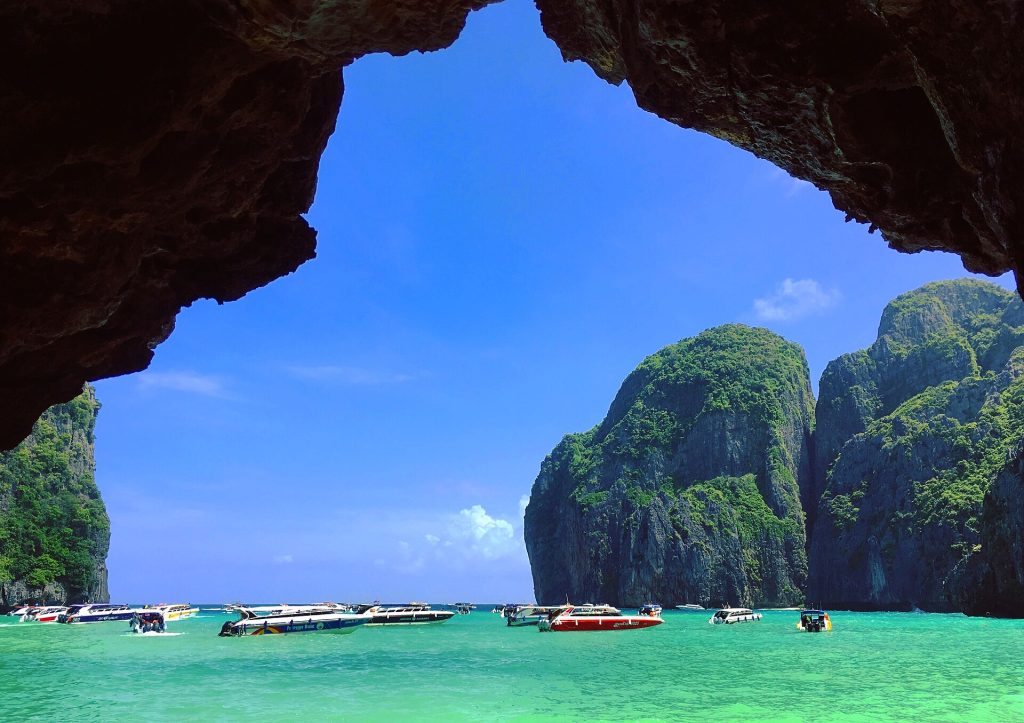
Knowing about regional weather is key for planning a trip to Thailand. It helps travelers pick the best time for their destinations. This makes their trip more enjoyable and comfortable.
Popular Thailand Itineraries

The Best Time to Visit Thailand
Planning a trip to Thailand? Knowing the seasonal changes is essential for a great vacation. The country has three main seasons: cool, hot, and rainy. Each region has its own climate, affecting your travel experience.
November to February: The Ideal Months (cool, dry and the best all-round window nationwide)
Shoulder Seasons: March-April and September-October
March-April and September-October are good if you want to avoid crowds. April is the hottest month and September the wettest, so choose your coast with care. March and April can be warm, but they’re great for festivals like Songkran in April.
Balancing Good Weather with Fewer Tourists
Visiting in the shoulder season is a smart choice. You’ll see fewer people and find better deals. For example, late October and November are perfect for beach lovers on the Andaman coast, as the rain eases.
By choosing these months, you get a more relaxed Thai experience. Whether you want to see cultural sites, enjoy outdoor fun, or just relax, Thailand has it all.
Cool Season: November to February
November to February is the peak tourist season in Thailand. The weather is perfect for outdoor fun and temple visits. It’s a great time to dive into the country’s culture and beautiful landscapes.
Weather Conditions and Temperature Ranges
Thailand’s cool season offers pleasant weather. Temperatures generally range from about 24°C to 32°C (75°F to 90°F), with cooler nights. This makes it ideal for city explorations, temple visits, and outdoor fun.
Regional temperature variations:
- Northern Thailand: Cooler mornings and evenings, with average temperatures around 70°F (21°C).
- Southern Thailand: Warmer temperatures, averaging around 80°F (27°C).
- Islands: Pleasant temperatures, perfect for beach activities.
Tourism Levels and Pricing Expectations
The cool season is the busiest time in Thailand. Popular spots can get crowded. But, there’s a wide range of places to stay.
Pricing expectations:
- Accommodation: Expect higher prices for hotels and resorts, mainly in popular areas.
- Tour packages: Many tour operators offer packages, which can be a good deal.
- Food and drink: Prices might be a bit higher at tourist spots.
Best Activities and Destinations During Cool Season
The cool season is great for exploring Thailand’s outdoors and cultural spots. Some top activities include:
- Visiting ancient temples and historical sites.
- Exploring national parks and wildlife reserves.
- Enjoying water sports and activities on the islands.
- Taking part in cultural festivals and events.
Top destinations during this time include:
- Chiang Mai for its cultural festivals and temple visits.
- Bangkok for its vibrant street life and historical sites.
- The islands, such as Phuket and Koh Samui, for beach activities.
- Northern Thailand for trekking and exploring hill tribes.
Hot Season: March to May
Thailand’s hot season starts when the cool weather ends. It brings high temperatures and fun cultural events. This season goes from March to May, with rising heat and high humidity.
Temperature and Humidity Levels
Temperatures in Thailand can hit 35°C (95°F) or more. This is common in the central and northern parts. The humidity also goes up, making the heat feel even hotter. Travelers need to get ready for these conditions.
Key temperature ranges to expect:
- Daytime temperatures: 32-40°C (90-104°F)
- Nighttime temperatures: 25-28°C (77-82°F)
- Humidity levels: 60-80%
Songkran Festival Experience
The Songkran water festival is a highlight in the hot season. It happens from April 13 to 15. This Thai New Year celebration includes water fights, parades, and religious events. It’s a fun way to cool off.
Tips for enjoying Songkran:
- Be ready for water fights and use a waterproof phone case.
- Join the parades and ceremonies to see the local culture.
- Drink lots of water and rest in cool places.
Beach Destinations and Water Activities
The hot season is great for visiting Thailand’s beaches and islands. Places like Phuket, Koh Samui, and Krabi offer snorkeling, diving, and boat trips. These activities are perfect for the water.
Top beach activities:
- Snorkeling and diving in clear waters.
- Relaxing on the beach with a book.
- Exploring islands by boat.
Handling the Heat: Practical Tips
To enjoy your trip in the hot season, it’s important to stay cool. Here are some tips:
Staying cool and hydrated:
- Drink lots of water all day.
- Wear light, breathable clothes.
- Take breaks in cool or air-conditioned places.
- Avoid hard activities when it’s hottest.
Rainy Season: July to October
The rainy season in Thailand, from June to October, brings rejuvenated landscapes and a serene travel experience. It’s often seen as the low season, but it offers unique advantages for travelers.
Monsoon Patterns and Regional Variations
Thailand’s rainy season shows different monsoon patterns across regions. The southwest monsoon brings heavy rain to the west and south. The east gets less rain.
Regional variations are key to understanding the weather. For example, islands like Koh Samui and Krabi get less rain than the mainland. This makes them good travel spots.
Benefits of Low Season Travel
Traveling in Thailand’s rainy season has many benefits. The crowds dissipate, making places more peaceful. Hotels and resorts also offer big discounts, making luxury travel affordable.
- Fewer tourists at popular sites
- Lower prices for accommodations and tours
- Lush, green landscapes ideal for photography
Activities to Enjoy Despite Rain
There’s plenty to do in Thailand, even when it rains. Indoor activities like visiting museums and cooking classes are great. For adventure, try white-water rafting in Chiang Mai or exploring caves in Krabi.
- Explore Bangkok’s temples and markets
- Enjoy a rejuvenating spa day
- Take a cooking class to learn Thai cuisine
Rainy Season Travel Tips
To enjoy your trip, be prepared. Pack waterproof gear and have a flexible plan. Always check the weather forecast and have indoor plans for rainy days.
For a smooth trip, follow these thailand vacation tips: stay informed about local weather, be ready for flooding, and use off-season discounts. With planning, your trip can be a thailand trip planner‘s dream, even in the rain.
Regional Guide: When to Visit Different Parts of Thailand
Thailand has many different landscapes and climates. The best time to visit depends on where you go. Knowing these differences is key to a great trip.
Bangkok and Central Thailand
Bangkok and its areas are best in the cool season, from November to February. The weather is nice and not too humid. This makes exploring the city’s streets, temples, and markets fun.
- Enjoy the Grand Palace and Wat Phra Kaew without the sweltering heat.
- Explore the floating markets and historic sites comfortably.
- Experience the city’s vibrant nightlife as the temperatures drop.
Northern Thailand (Chiang Mai, Chiang Rai, Pai)
Northern Thailand has a cooler climate than the south. The best time to visit is from November to February. The weather is perfect for trekking and exploring the hills.
Top activities include:
- Trekking through the hills and forests.
- Visiting ancient temples and cultural sites.
- Enjoying the cool weather festivals and events.
Southern Thailand and Islands
The southern islands, like Phuket, Koh Samui, and Krabi, are famous for their beaches. The best time to visit is December to April on the Andaman side, and January to September for the Gulf islands. The sea is calm, and the weather is sunny.
- Dive and snorkel in the clear waters.
- Relax on the beautiful beaches.
- Explore the islands by boat.
Eastern Thailand (Pattaya, Koh Chang, Koh Samet)
Eastern Thailand, including Pattaya and its islands, is great all year. But the best time is from November to March. The weather is nice, and there are fewer rainy days.
Must-try activities:
- Visit the beaches and islands for water sports.
- Explore the nightlife in Pattaya.
- Enjoy the local seafood.
Knowing when to visit different parts of Thailand helps plan a great trip. Whether you want culture, adventure, or relaxation, you can find it here.
Activity-Based Timing Guide
From snorkeling and diving to trekking and cultural exploration, knowing the best time for your activities is key to a great trip to Thailand.
Best Time for Diving and Snorkeling
The dry season, from November to April, is the best time for diving and snorkeling in Thailand. The waters are calm, and visibility is excellent. This makes it perfect for seeing the rich marine life.
Top diving spots: The Similan Islands, Koh Tao, and Koh Phi Phi are famous for their vibrant coral and diverse marine life.
Optimal Hiking and Trekking Seasons
The cool season, from November to February, is the best time for hiking and trekking in Thailand. The weather is pleasant, with comfortable temperatures. It’s perfect for exploring the hills and forests of northern Thailand.
- Explore the hills of Chiang Mai
- Visit the ancient cities of Ayutthaya
- Trek through the jungles of Kanchanaburi
Beach Vacation Timing
The dry season, from November to April, is the best time for a beach vacation on the Andaman coast. The weather is sunny and dry. Koh Samui, Koh Phangan, and Phuket are popular spots during this time.
Tips for a relaxing beach vacation: Avoid the peak tourist season (December to January) if you prefer fewer crowds.
Cultural Exploration and Temple Visits
Thailand’s cultural heritage can be explored all year, but the cool season (November to February) is best. The weather is comfortable, making it ideal for exploring Bangkok’s streets or Chiang Mai’s ancient ruins.
Must-visit cultural sites: The Grand Palace in Bangkok, Wat Phra That Doi Suthep in Chiang Mai, and the ancient city of Ayutthaya.
Thailand's Major Festivals and Events Calendar
Thailand’s festivals are a peek into its soul, giving unforgettable experiences. The country’s cultural calendar is full of events that show its heritage, spirituality, and community spirit. Whether you want to join water fights, release lanterns, or just enjoy the vibe, Thailand’s festivals are a must-see.
Songkran (Thai New Year) in April
Songkran, Thailand’s New Year, is a big deal. It happens in April and is all about water fights, symbolizing cleansing and new beginnings. The streets turn into playgrounds for fun and laughter as everyone joins in.
- Experience the water fights in Chiang Mai and Bangkok
- Participate in traditional ceremonies and processions
- Enjoy the festive atmosphere with music and local food
Loy Krathong and Yi Peng (November)
In November, Thailand celebrates Loy Krathong and Yi Peng. Loy Krathong is about releasing floating baskets on rivers, letting go of negative thoughts. Yi Peng in Chiang Mai lights up the sky with lanterns, creating a stunning view.
Key Highlights:
- Release krathongs on the Chao Phraya River in Bangkok
- Witness the sky lit up by lanterns in Chiang Mai during Yi Peng
- Enjoy traditional dances and performances
Vegetarian Festival (October)
The Vegetarian Festival in October is big in Phuket. It’s a time for spiritual cleansing, with people not eating meat and doing rituals. The festival ends with colorful processions and street shows.
- Observe the processions and rituals in Phuket
- Try vegetarian cuisine, a highlight of the festival
- Participate in or watch the firewalking ceremonies
Elephant Festivals and Cultural Celebrations
Thailand also has many elephant festivals and cultural events all year. These events show the country’s love for elephants and its rich culture.
Notable Events:
- Surin Elephant Festival, showing off elephant talents
- Ubon Ratchathani Candle Festival (Khao Phansa) in July
- Phi Ta Khon (Ghost Festival) in Dan Sai, Loei Province
Thailand’s festivals mix culture, spirituality, and fun, making any time a great visit. Planning your trip around these events can give you a deeper look into Thai culture.
Practical Travel Planning by Season
Thailand’s climate and culture change with the seasons. Planning your trip for the best season can make it unforgettable. Knowing what to expect and prepare for each season is key.
Seasonal Packing Lists
What you pack for Thailand depends on the season. For the cool months (November to February), lightweight clothes with warm layers for chilly nights are best. In the hot months (March to June), wear light, airy clothes and protect your skin from the sun. For rainy months (July to October), pack waterproof items and clothes that dry fast.
- Cool Season: Include warm layers, comfortable walking shoes, and light jackets.
- Hot Season: Pack lightweight, loose-fitting clothes, sunscreen, and a hat.
- Rainy Season: Bring a waterproof jacket, umbrella, and quick-drying clothing.
Booking Windows and Advance Planning
Booking early can get you better deals on places to stay and flights. For the busy season (November to February), book 3-6 months ahead. For the shoulder season, 1-3 months’ notice is enough.
- Peak Season (November to February): Book 3-6 months in advance.
- Shoulder Season (March to April, September to October): Book 1-3 months in advance.
- Low Season (July to October): Look for last-minute deals.
Budget Considerations and Seasonal Pricing
Prices in Thailand change with the seasons. Expect higher costs in peak season. But, the low season is cheaper, even if some places are closed.
Budget Tips:
- Peak Season: Be prepared for higher prices.
- Low Season: Look for discounts and package deals.
Health and Safety Tips for Each Season
Traveling in Thailand safely means knowing the health risks by season. In the hot season, drink lots of water and protect your skin from the sun. In the rainy season, watch out for waterborne and mosquito-borne diseases.
- Hot Season: Stay hydrated, use sunscreen, and wear protective clothing.
- Rainy Season: Avoid flooded areas, use insect repellent, drink boiled or bottled water, and take extra care in the sea, since jellyfish come closer to shore from May to October and stings can be fatal.
Before you go: turn this guide into a day-by-day plan. Our partner Voyada is a free itinerary planner that builds the route with flights, hotels and a real total cost for your dates — in about a minute.
Build an itinerary →Thailand's Festivals and Regional Weather Quirks
Thailand’s ‘best time’ also depends on which coast you choose and which festivals you want to catch — the two coasts run on different monsoons.
- Songkran (mid-Apr): the Thai New Year water-fight festival is a bucket-list party, but it lands in the hottest month and the whole country is on the move.
- Loy Krathong & Yi Peng (Nov): floating lanterns on the water and, in Chiang Mai, thousands of sky lanterns — one of Asia’s most beautiful nights.
- Two coasts, two seasons: the Andaman side (Phuket, Krabi) is best Nov–Apr; the Gulf side (Koh Samui, Koh Phangan) stays drier later and peaks slightly differently — pick your islands to match your dates.
- Cool-dry season (Nov–Feb) is the overall best window — comfortable temperatures nationwide, but the busiest and priciest, so book islands early.
- Green season (Jun–Oct) brings short heavy downpours, not all-day rain — lush scenery, low prices and few crowds if you’re flexible.
Thailand: Month-by-Month Guide
A quick month-by-month reference for planning — at a glance, when to go and what each month brings.
| Month | Verdict | What to expect |
|---|---|---|
| January | Peak | Cool and dry; ideal beaches nationwide; busy and pricier. |
| February | Peak | Cool and dry; excellent everywhere. |
| March | Good | Heat building; still dry; good but warming up. |
| April | Hot | Hottest month; Songkran water festival mid-month; humid. |
| May | Shoulder | Hot; rains begin on the Andaman; green season starts. |
| June | Green | Wet on the Andaman, drier on the Gulf; short downpours; low prices. |
| July | Green | Wet and lush; fewer crowds; occasional heavy rain. |
| August | Low season | Wet; great deals; the Gulf beats the Andaman. |
| September | Wettest | Heaviest rain (Andaman); dramatic skies; cheapest. |
| October | Shoulder | Rains easing on the Andaman; the Gulf now wetter. |
| November | Great | Cool, dry season returns (Andaman); Loy Krathong lanterns. |
| December | Peak | Cool and dry; peak begins; ideal, busy over the holidays. |
Frequently Asked Questions
When is the best time to visit Thailand?
November to March is the cool, dry season and the best overall time to visit — ideal for beaches, islands and temples. April–May is very hot; June–October is the green, rainy season.
How many days do you need in Thailand?
Ten to 14 days lets you combine Bangkok, the north (Chiang Mai) and the southern islands without rushing. One week is enough for Bangkok plus one region.
Is Thailand cheap to visit?
Yes — Thailand is excellent value. Street food, guesthouses and local transport are inexpensive, though island resorts and peak-season beach towns cost more.
Is Thailand safe for tourists?
Thailand is generally safe for tourists, and the main risks are road accidents, petty theft and drink spiking rather than violent crime. The US State Department currently rates the country level 2, exercise increased caution, with a separate do-not-travel warning for the disputed area near the Cambodian border. Wear a helmet on any scooter, use metered taxis or ride apps, and never leave a drink unattended in nightlife areas.
Is Thailand safe for solo female travellers?
Yes, Thailand is one of Asia’s easier countries for solo women, with a well-worn travel route, cheap internal flights and plenty of other solo travellers to meet. Take the usual precautions: book arrival transport in advance, avoid walking home alone late in party towns, keep an eye on your drink, and choose guesthouses with 24-hour reception. Harassment is uncommon, but scams aimed at lone tourists are not.
Is Thailand safe and welcoming for LGBTQ travellers?
Thailand is among the most LGBTQ-friendly countries in Asia, and same-sex marriage became legal there in January 2025. Bangkok, Chiang Mai, Phuket and Koh Samui all have open scenes, and same-sex couples rarely have any trouble booking a double room. Public displays of affection of any kind are kept low-key by Thai custom rather than by law, so the same discretion applies to everyone.
Is Thailand safe to travel with kids?
Thailand is very family-friendly, and Thai culture is openly warm towards children. The practical concerns are heat, sun and stomach upsets rather than safety: build in pool time, carry rehydration sachets, and stick to busy food stalls with high turnover. Arrange car seats in advance because they are not standard in taxis, and favour the calmer Gulf islands over the party beaches.
Is Thailand worth visiting in July and August?
Yes, especially for the Gulf islands. July and August fall in the green season across most of Thailand, but Koh Samui, Koh Phangan and Koh Tao sit on the opposite monsoon and are at their driest. Elsewhere expect short heavy downpours rather than all-day rain, lush landscapes, and hotel rates well below the November to February peak.
Is Thailand worth visiting in September?
September is the one month to think twice about if beaches are your priority. It is the wettest stretch of the year on the Andaman coast, some island boat services thin out and dive visibility drops. It still works well for Bangkok, the north and the Gulf islands, and it brings the lowest prices and emptiest temples of the year.
Is Thailand worth visiting in October?
October improves fast and is one of the best-value months of the year. The Andaman coast dries out through the month, and by late October Phuket and Krabi are usually back to calm seas while prices have not yet jumped to peak-season levels. The Gulf islands are the exception, as their rain arrives in October and runs into December.
Is Thailand worth it for just one week?
A week works if you pick two bases rather than three. Bangkok plus one island, or Bangkok plus Chiang Mai, gives you enough time to slow down; trying to add the north, the south and the islands leaves you spending days in transit. Internal flights are cheap and quick, so use them instead of overnight trains when time is tight.
Is Thailand expensive in December?
December is Thailand’s most expensive month. It sits in the dry high season and covers the Christmas and New Year peak, when island resorts often charge close to double their green-season rates and many add compulsory gala dinners on 24 and 31 December. Flights cost more too. Travelling in early December, before the school holidays start, buys the same weather for noticeably less.
How many days can you stay in Thailand without a visa?
From 15 September 2026 the visa exemption gives most eligible nationalities 30 days, down from the 60 days granted up to 14 September 2026. Around 60 nationalities qualify, including British, American, Canadian and Australian passport holders. You can usually extend once by 30 days at an immigration office for a fee of about 1,900 baht. Check the current list before booking, as it changed recently.
Do you need a visa for Thailand?
Most Western tourists do not. British, Irish, American, Canadian, Australian and most EU passport holders enter under the visa exemption, which allows a 30-day stay from 15 September 2026. You need a passport valid for at least six months, proof of onward travel and an address in Thailand. For a longer stay, apply for a tourist visa before you travel or extend once you arrive.
How much does a Thai tourist visa cost?
A single-entry tourist visa costs around 1,000 baht in government fees at a Thai embassy, which buys a 60-day stay you can extend once by 30 days. Applying through the online e-visa portal usually works out higher once service charges are added, often near 70 to 80 US dollars. The six-month multiple-entry version costs roughly 5,000 baht. Fees change, so confirm before applying.
Do you need to fill in the Thailand Digital Arrival Card?
Yes. Every non-Thai national must submit the Thailand Digital Arrival Card before arriving by air, land or sea. It replaced the old paper TM6 form in May 2025, is free, takes about ten minutes, and must be completed within three days of your arrival date. You receive a QR code by email to show at immigration. Use the official government site only, as copycat sites charge for it.
How much does a two-week trip to Thailand cost?
Excluding flights, budget travellers manage on roughly 35 to 50 US dollars a day, so about 500 to 700 dollars for two weeks. Mid-range travellers staying in decent hotels and eating in restaurants tend to spend near 100 to 150 dollars a day. Islands cost noticeably more than Bangkok and the north, and December to February adds a premium to almost everything.
When is the best time to visit Thailand, Vietnam and Cambodia together?
November to February suits all three at once. That window is dry and comfortably cool in Thailand and Cambodia, and it avoids central Vietnam’s worst flooding, although northern Vietnam turns genuinely chilly in December and January. If you can only travel in the shoulder season, March works too, before Southeast Asia’s heat peaks in April and May.
When is the best time to book flights to Thailand?
For the November to February peak, book long-haul flights around four to six months ahead; for green-season travel between June and September, two to three months is usually enough. Fares to Bangkok climb sharply from mid-December, so lock in Christmas and New Year travel by September at the latest. Midweek departures are almost always cheaper than weekend ones.
What should you wear in Thailand?
Light, loose, breathable clothing in cotton or linen, plus sandals you can slip off easily, since you take shoes off constantly. Add a light rain shell in green season and something warm for the north between November and January, when Chiang Mai mornings can drop near 15°C. Air-conditioned malls, buses and cinemas run cold, so a thin layer is worth carrying year-round.
What do you need to wear to visit temples in Thailand?
Shoulders and knees must be covered at every temple, for men and women alike. That rules out vests, shorts above the knee and see-through fabric; the Grand Palace in Bangkok is the strictest and turns people away daily. Carry a light scarf or sarong in your day bag. You also remove your shoes before entering any building housing a Buddha image.
Is the Thai-Cambodian border area safe to visit?
No. Governments including the US and UK advise against travel to the disputed stretch of the Thai-Cambodian border after armed clashes, with a do-not-travel warning applying roughly within 50km of the frontier in parts of Surin, Sisaket, Buriram and Ubon Ratchathani. This does not affect Bangkok, Chiang Mai, Phuket or the islands. If you planned an overland crossing to Siem Reap, check advisories and consider flying.
Conclusion
Figuring out the best time to visit Thailand depends on several things. These include the area you want to see, your favorite activities, and what you like. Thailand’s varied climate and rich culture make it special all year round.
For a great trip, think about visiting from November to February. The weather is cool and dry, perfect for city adventures, beach relaxation, or forest treks. If you prefer a calmer vibe and lower costs, try March-April or September-October.
Keep in mind Thailand’s big festivals and events, like Songkran in April and Loy Krathong in November. These can add excitement to your trip. With these tips, you can plan a trip that fits your style.
Thailand offers something for everyone, from diving in clear waters to exploring ancient temples or enjoying lively nights. Picking the right time to visit can make your trip unforgettable.