
Table of Contents
ToggleThailand is a treasure trove of vibrant culture, breathtaking landscapes, and authentic experiences. It attracts millions of travelers worldwide. With its rich history, delicious cuisine, and stunning beaches, it’s no wonder Thailand is a top destination.
From bustling cities to idyllic islands, Thailand has something for everyone. Whether you’re looking for adventure, relaxation, or cultural immersion, Thailand’s diverse regions offer a wealth of exciting experiences.
Best Places to Visit in Thailand by Travel Style
| Travel Style | Best Place | Why |
|---|---|---|
| Beaches | Koh Lanta | Relaxed atmosphere, crystal-clear water, fewer crowds than Phuket |
| Culture & Temples | Chiang Mai | 300+ temples, night markets, cooking classes, elephant sanctuaries |
| Nightlife & City | Bangkok | World-class street food, rooftop bars, Khao San Road, sky trains |
| Nature & Wildlife | Khao Sok | Ancient rainforest, floating bungalows, monkeys, rare flora |
| History | Ayutthaya | UNESCO temple ruins, former Siamese capital, day trip from Bangkok |
| Luxury Resorts | Koh Samui | High-end villas, spas, international restaurants, calm Gulf waters |
| Budget Backpacking | Pai | Cheap guesthouses, waterfalls, hot springs, mountain scenery |
| Island Hopping | Krabi | Gateway to Phi Phi, Railay Beach, and dozens of limestone islands |
Key Takeaways
- Thailand offers a diverse range of travel experiences, from city breaks to beach getaways.
- The country’s rich culture and history are reflected in its many temples and festivals.
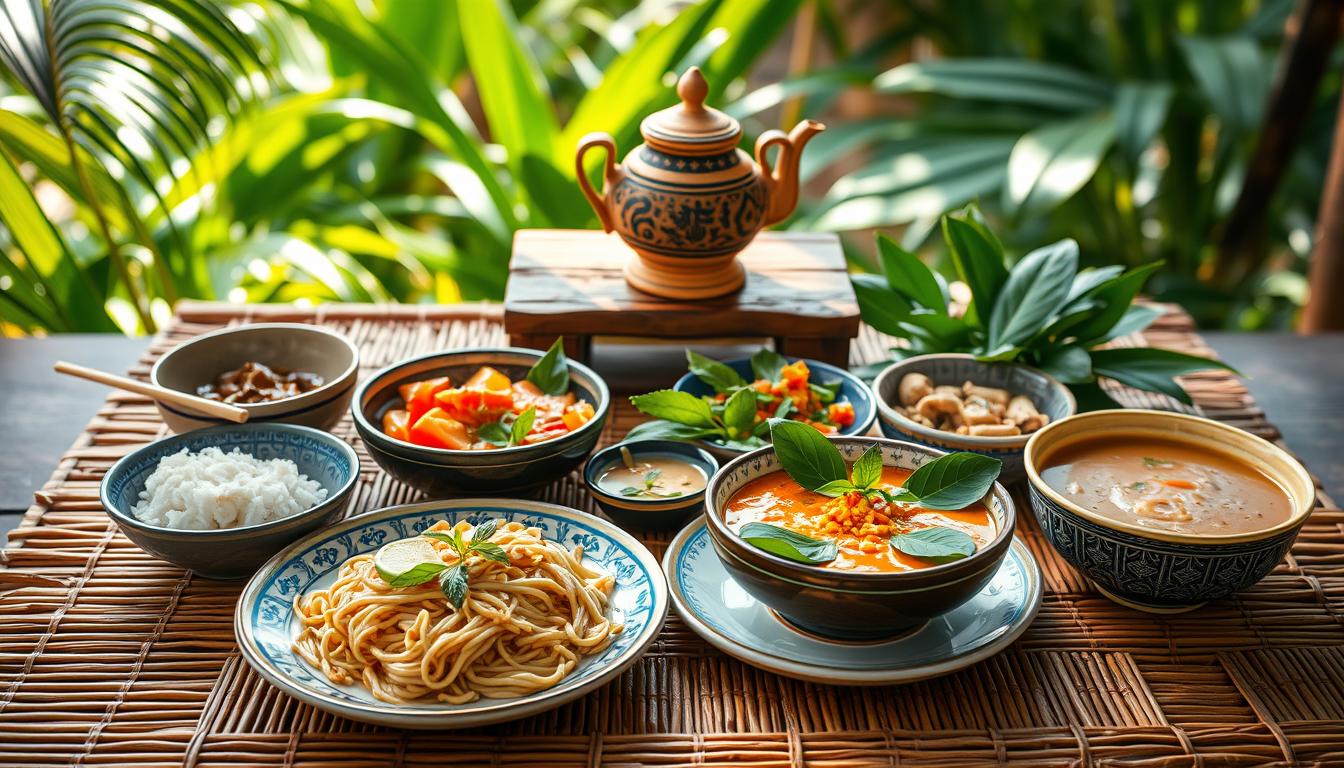
- Thai cuisine is renowned for its delicious and spicy flavors.
- Thailand’s beautiful landscapes range from lush forests to stunning beaches.
- Travelers can enjoy a range of activities, from trekking to island-hopping.
Thailand's Diverse Travel Landscape
Thailand offers a wide range of travel experiences. You can explore bustling cities or relax on beautiful beaches. It’s perfect for those seeking culture, adventure, or just a break.
What Makes Thailand a Top Destination
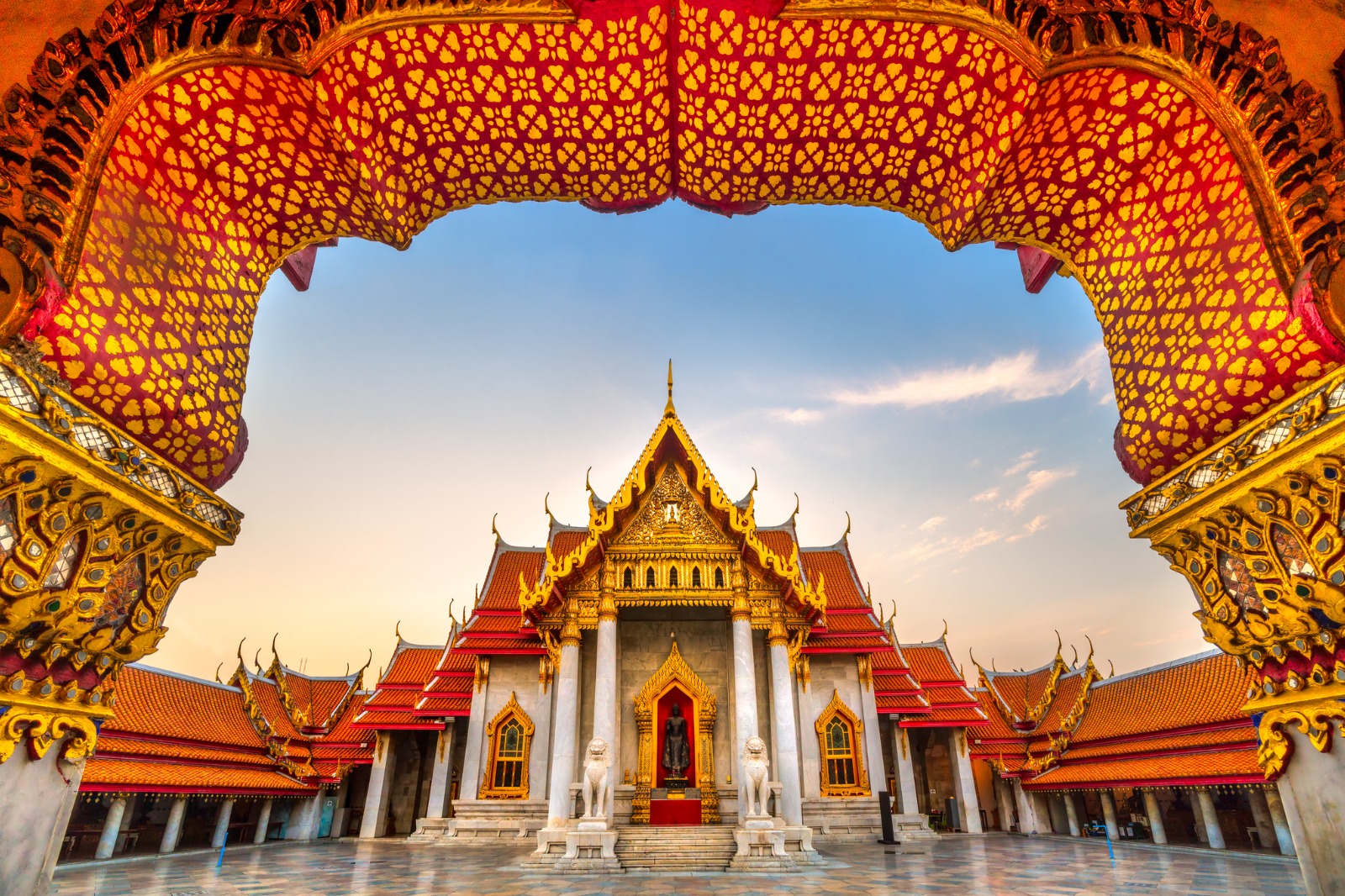
Thailand is a favorite among travelers. It combines culture, history, and stunning natural beauty. You can visit vibrant cities, stunning beaches, and historic sites like the Grand Palace.
Rich Cultural Heritage: Thailand’s culture is rich and vibrant. You can see it in its temples, festivals, and traditions. Attend a traditional dance or join a local festival to experience it firsthand.
How to Use This Guide
This guide is your key to exploring Thailand. It covers top destinations, activities, and travel tips. It’s perfect for both new and experienced travelers.
It will help you discover Thailand’s diverse landscapes. Make the most of your trip with this guide.
When to Visit Different Regions
Thailand’s climate changes by region. Plan your visit to match the best weather for each area. The cool season, from November to February, is best for most places.
Regional Climate Variations: The south is warm all year, great for any time visit. The north gets cooler in winter. Knowing this helps plan your trip better.
Popular Thailand Itineraries
Best Places to Visit in Thailand at a Glance
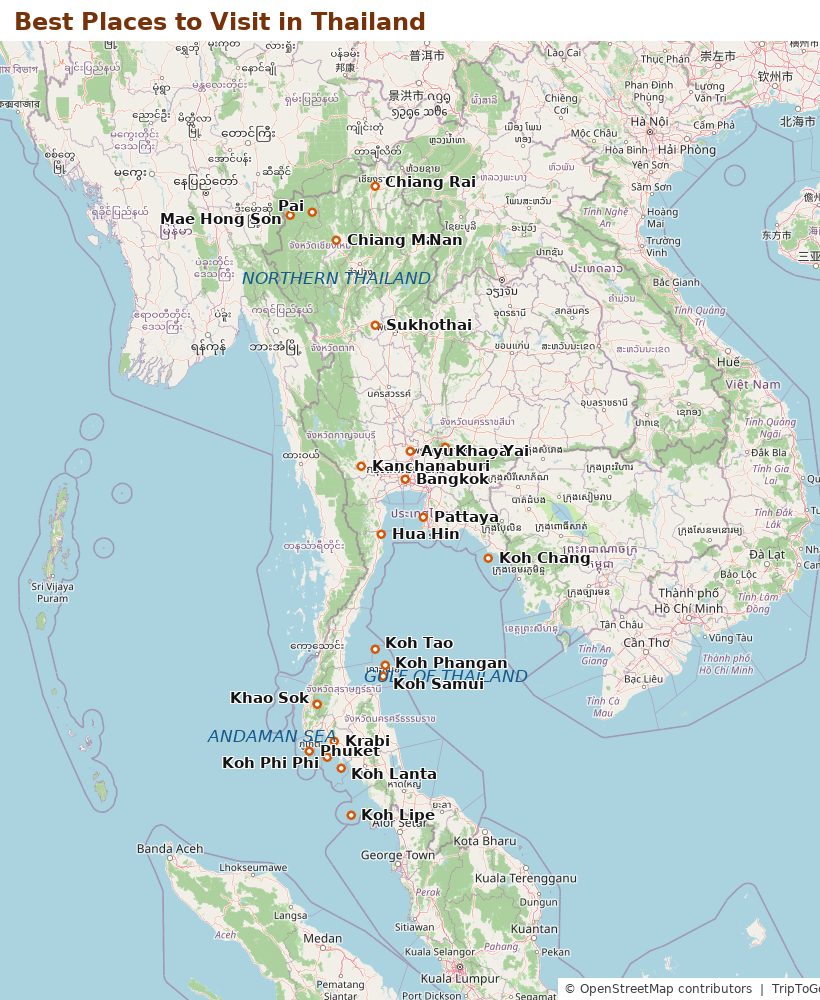
Here is every major Thai destination in one sortable view — its region, what it is best for, the nearest airport and how many days to give it — so you can build a route before reading on.
| Place | Region | Best for | Nearest airport | Days |
|---|---|---|---|---|
| Bangkok | Central | Temples, food, nightlife | Suvarnabhumi (BKK) | 2-3 |
| Chiang Mai | North | Culture, temples, nature | Chiang Mai (CNX) | 3-4 |
| Chiang Rai | North | White Temple, hill tribes | Chiang Rai (CEI) | 1-2 |
| Pai | North | Mountains, slow vibes | via Chiang Mai (CNX) | 2-3 |
| Mae Hong Son | North | Mountain loop, quiet | via Chiang Mai (CNX) | 2-3 |
| Ayutthaya | Central | Ancient ruins (UNESCO) | via Bangkok (BKK) | 1 |
| Sukhothai | North-Central | Ancient ruins (UNESCO) | Sukhothai (THS) | 1-2 |
| Kanchanaburi | West | River Kwai, history | via Bangkok (BKK) | 1-2 |
| Khao Yai NP | Central | Wildlife, waterfalls (UNESCO) | via Bangkok (BKK) | 1-2 |
| Phuket | Andaman | Beaches, nightlife, ferries hub | Phuket (HKT) | 3-4 |
| Krabi | Andaman | Karst cliffs, beaches | Krabi (KBV) | 3-4 |
| Railay | Andaman | Rock climbing, beaches | via Krabi (KBV) | 1-2 |
| Koh Phi Phi | Andaman | Islands, snorkeling | via Krabi / Phuket | 2-3 |
| Koh Lanta | Andaman | Laid-back beaches | via Krabi (KBV) | 2-3 |
| Koh Lipe | Andaman | Remote white-sand beaches | via Hat Yai (HDY) | 2-3 |
| Khao Sok NP | South | Rainforest, Cheow Lan lake | via Surat Thani (URT) | 2 |
| Koh Samui | Gulf | Resorts, beaches | Koh Samui (USM) | 3-4 |
| Koh Phangan | Gulf | Full Moon Party, beaches | via Koh Samui (USM) | 2-3 |
| Koh Tao | Gulf | Diving, snorkeling | via Koh Samui (USM) | 2-3 |
| Hua Hin | Gulf coast | Beaches, royal town | Hua Hin (HHQ) | 2 |
| Pattaya | East | Beaches, nightlife | via Bangkok (BKK) | 1-2 |
| Koh Chang | East | Jungle, quiet beaches | via Trat (TDX) | 2-3 |
| Koh Kood | East | Pristine remote island | via Trat (TDX) | 2-3 |
| Nan | North | Off-beat culture | Nan (NNT) | 1-2 |
Tap a column to sort. Source: the Tourism Authority of Thailand and the UNESCO World Heritage list.
✈️ TripToGo Travel Deals
Get notified about great travel deals
Hand-picked flight, hotel and destination deals, straight to your inbox. No spam, unsubscribe anytime.
🎉 Thank you for subscribing!
You’re all set — the best travel deals are on their way.
Thailand Trip Planning: Key Facts
How many days do you need in Thailand? Plan 10–14 days for a first trip — enough for Bangkok, the north (Chiang Mai), and a few days on the islands.
How many islands does Thailand have? Around 1,430 islands, split between the Andaman Sea (Phuket, Krabi, Phi Phi) and the Gulf of Thailand (Samui, Phangan, Tao).
Andaman or Gulf islands? The Andaman coast (Phuket, Krabi) shines November–April; the Gulf islands (Samui) have a different monsoon and stay good through much of the year, peaking January–September.
Best place for first-timers? The classic loop — Bangkok + Chiang Mai + one island (Phuket, Krabi or Samui) — covers culture, food, mountains and beaches.
Cheapest region? The north (Chiang Mai, Pai) and inland towns; the southern islands are the priciest.
36 places, one trip — which do you pick?
Tell our partner Voyada’s travel AI planner your dates and interests and it turns this list into a realistic route — flights, hotels, domestic hops and a real total cost — in about a minute, free.
Plan my vacation →Bangkok: The Vibrant Capital City
✈️ Getting there: Suvarnabhumi (BKK) or Don Mueang (DMK) · 📅 Days: 2-3 · 🏨 Base in: Sukhumvit or the Old City (Rattanakosin)
Bangkok is the heart of Thailand, full of energy and culture. It’s a top spot for anyone wanting to see Thai culture up close.
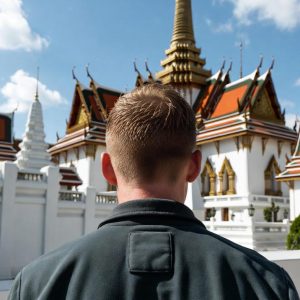
Grand Palace and Wat Phra Kaew
The Grand Palace is at Bangkok’s center. It was the royal residence for around 150 years and is still used for state ceremonies. Inside, Wat Phra Kaew temple is a key site, housing the Emerald Buddha.
Visitors can see amazing architecture and murals. These show Thailand’s history and culture.
Chatuchak Weekend Market
The Chatuchak Weekend Market is a modern Bangkok highlight. It has over 15,000 stalls with everything from clothes to home decor. It’s perfect for finding deals and trying local food.
Food lovers will enjoy the street food and coconut ice cream. It’s a great spot for both shopping and eating.
Wat Arun (Temple of Dawn)
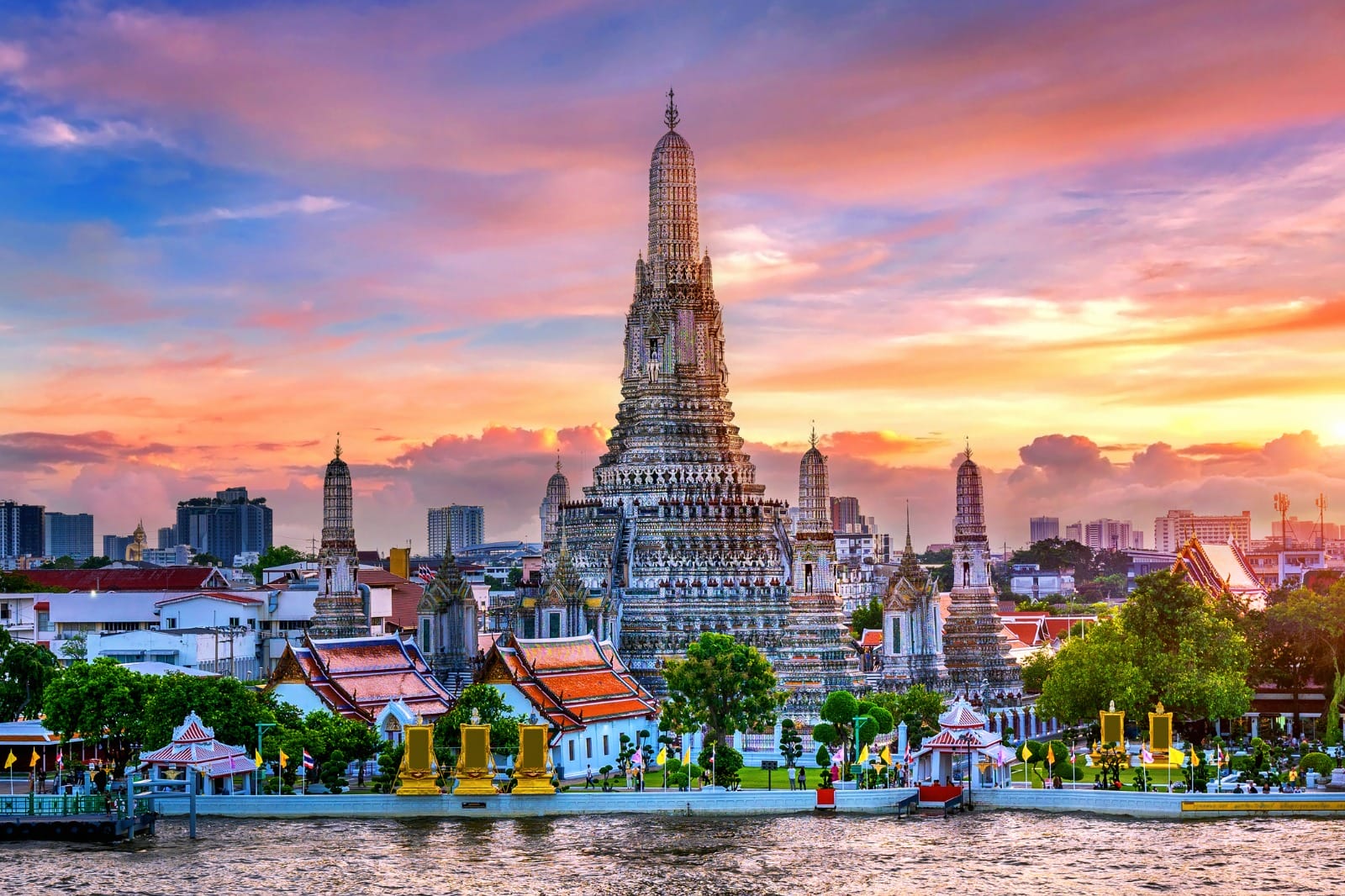
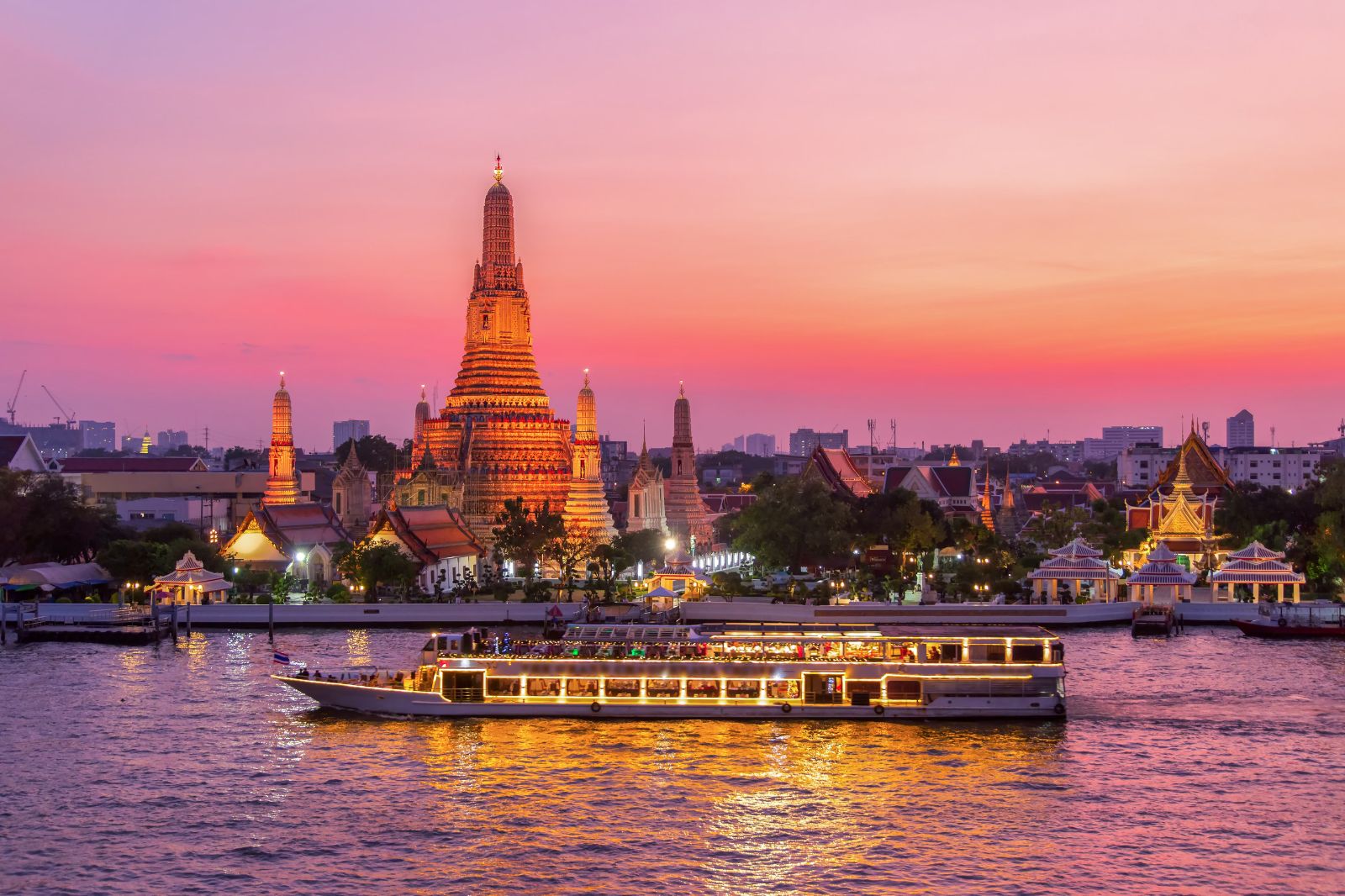
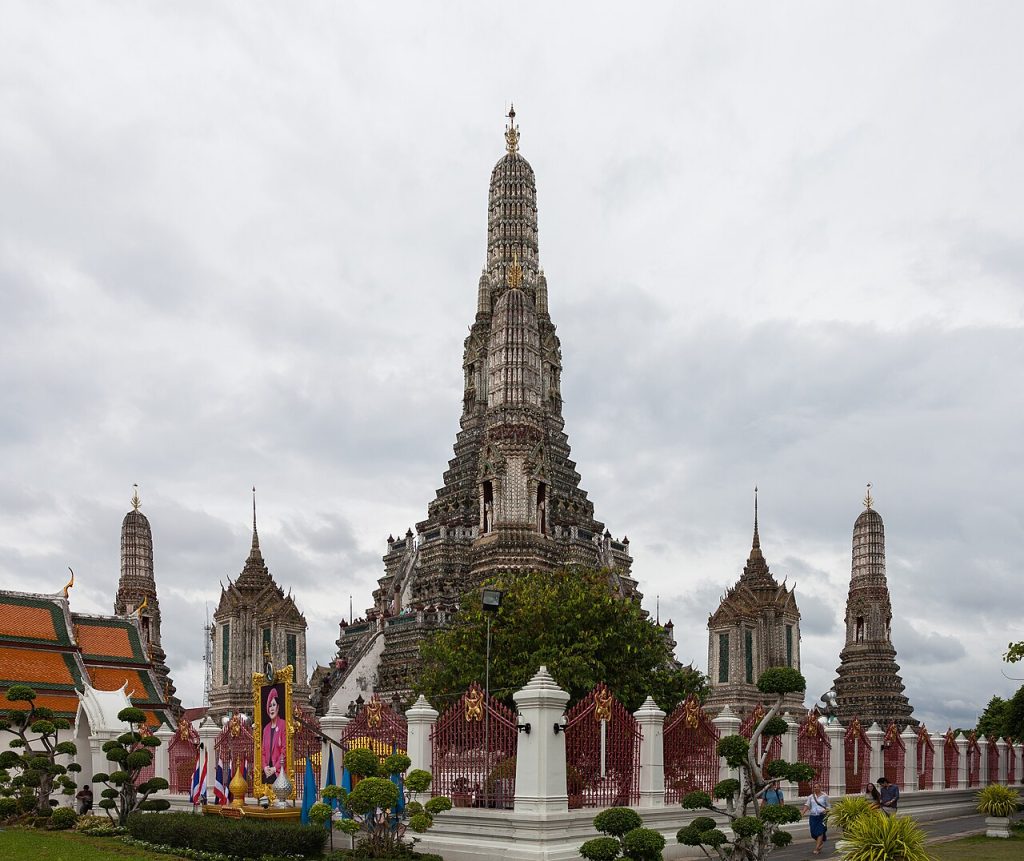
Wat Arun, or the Temple of Dawn, is another must-see. Its 79-meter spire is covered in colorful tiles. A short ferry ride across the Chao Phraya River gets you there.
At the temple, you can explore and climb to the top. The views of the city at sunrise or sunset are stunning.
Chiang Mai: Northern Thailand's Cultural Hub
✈️ Getting there: Chiang Mai (CNX) · 📅 Days: 3-4 · 🏨 Base in: the Old City
Chiang Mai is the heart of Northern Thailand, filled with ancient temples and lively markets. It’s a place where you can dive into Thailand’s rich culture.
Old City Temples
The old city of Chiang Mai is surrounded by ancient walls and moats. It’s home to some of the most sacred old city temples. These temples show the city’s deep cultural roots.
Visitors can wander these temples and feel the spiritual vibe of Chiang Mai.
Doi Suthep
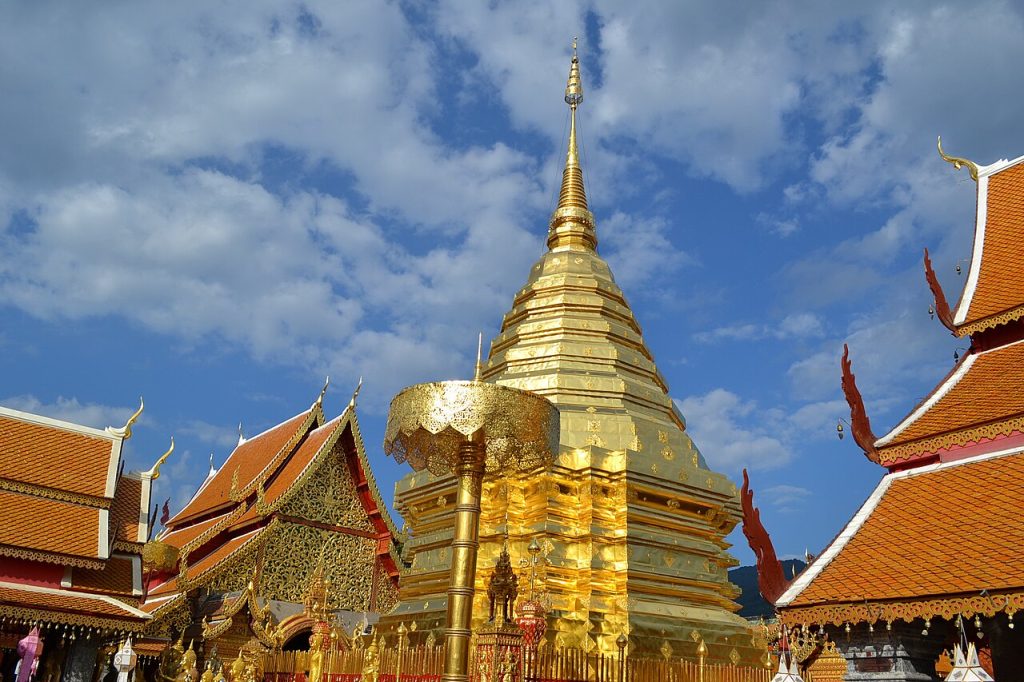
Doi Suthep is a mountain peak with a stunning temple on top. The view from the top is amazing, showing off Chiang Mai and beyond. It’s a must-see spot, even more so during the Loy Krathong festival when it shines brightly.
Sunday Walking Street
Every Sunday, Chiang Mai turns into a lively market with the Sunday Walking Street. You can find everything from local crafts to tasty street food here. It’s a great spot to dive into local culture and find unique gifts.
The Sunday Walking Street is more than a market. It’s a chance to see Chiang Mai’s art, taste its food, and meet its people. It’s a key part of any trip to Chiang Mai.
Phuket: Thailand's Largest Island Paradise
✈️ Getting there: Phuket (HKT) · 📅 Days: 3-4 · 🏨 Base in: Old Phuket Town, Kata or Karon
phuket-vs-bangkok/”>Phuket is Thailand’s biggest Phuket is Thailand’s biggest island, full of fun and culture. You can relax on its stunning beaches or dive into its rich history. It’s famous for its beautiful beaches, lively nightlife, and cultural spots that draw visitors from everywhere.
Patong Beach
Patong Beach is Phuket’s top beach, known for its fun vibe and water sports. You can try jet-skiing, parasailing, and snorkeling here. The beach is also filled with places to eat, drink, and shop, perfect for unwinding and trying local food.
Big Buddha
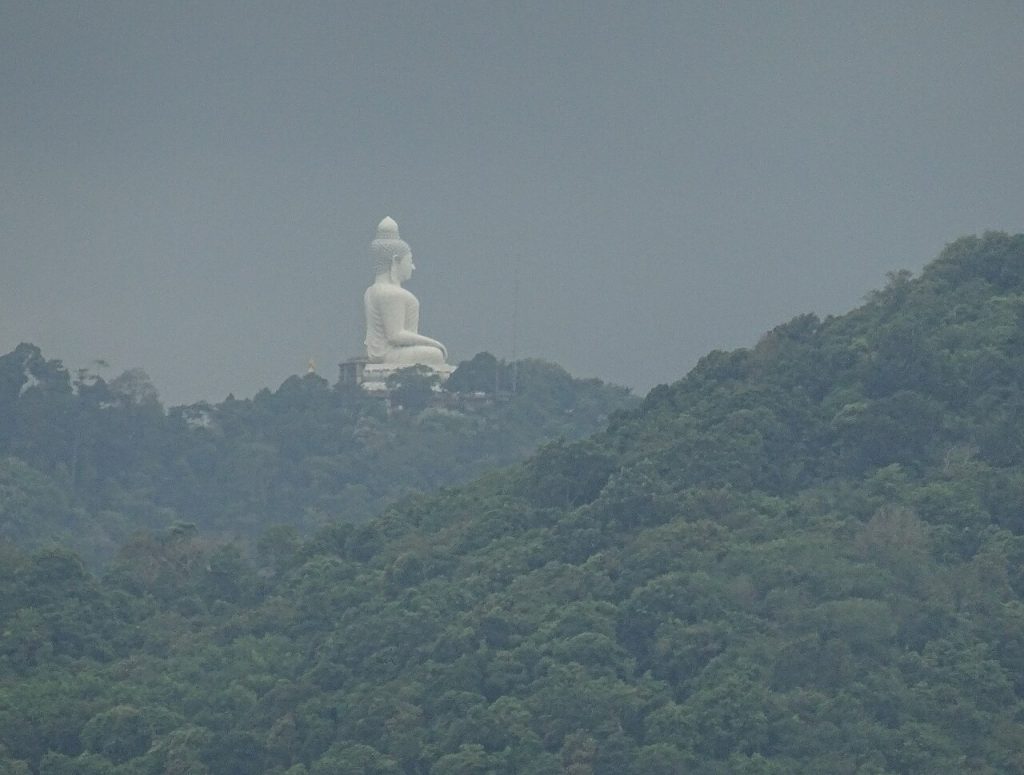
The Big Buddha is a key landmark in Phuket, sitting on Nakkerd Hills. This 45-meter marble statue is a religious icon and gives panoramic views of the island. A scenic path leads to it, where you can take in the island’s beauty.
Old Phuket Town
Old Phuket Town is a quaint area that highlights the island’s history and culture. Its Sino-Portuguese buildings, small shops, and local food spots are worth seeing. Exploring Phuket Old Town lets you dive into the local way of life.
In summary, Phuket is a place for all kinds of travelers. Whether you want to chill on its beaches, check out cultural sites, or enjoy the nightlife, Phuket will make your trip unforgettable.
Krabi and Its Stunning Coastal Wonders
✈️ Getting there: Krabi (KBV) · ⛴️ longtail & ferry to Railay and the islands · 📅 Days: 3-4 · 🏨 Base in: Ao Nang or Railay
Krabi is a treasure on Thailand’s southwest coast, famous for its stunning beaches and islands. It’s a perfect spot for those who love adventure, relaxation, and nature.
Railay Beach
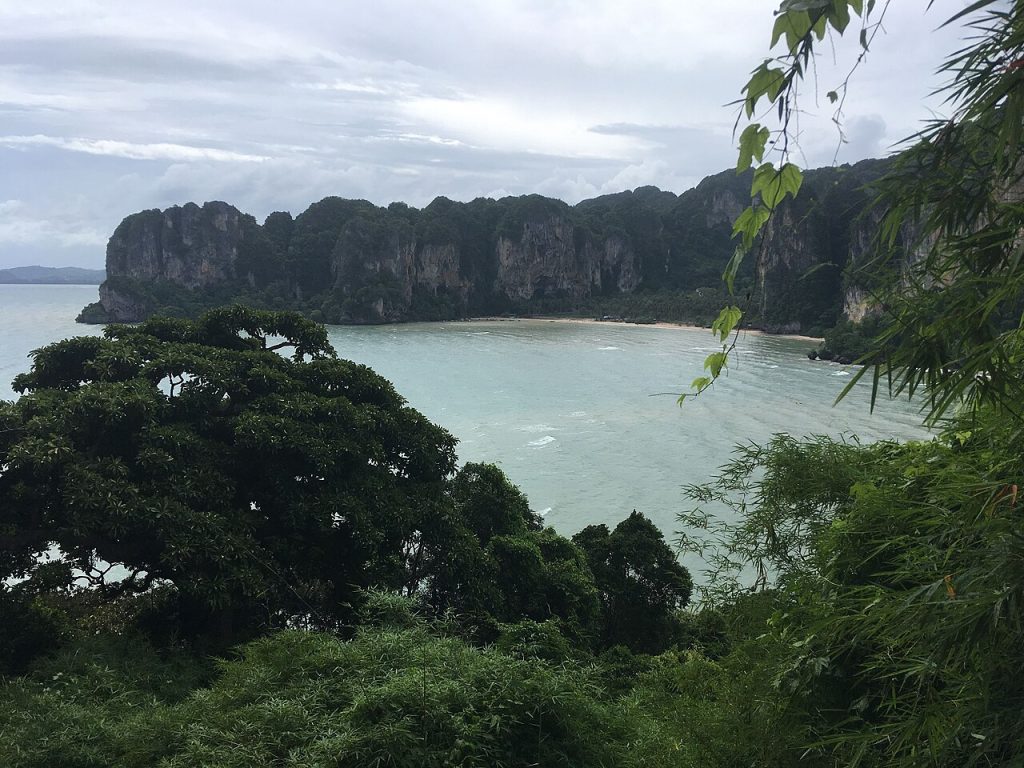
Railay Beach is a hidden paradise, only reachable by boat because of its limestone cliffs. Its untouched beauty makes it a top choice for rock climbers and those looking for peace.
The beach has lots to do, like climbing cliffs or just relaxing on the sand. You can also try fresh seafood, do yoga, or walk along the beach.
Phi Phi Islands

The Phi Phi Islands are a must-see in Krabi, known for their stunning views and lively sea life. They’re great for snorkeling and diving, with clear waters showing off colorful coral and fish.
Phi Phi Leh and Phi Phi Don are the main islands, with Phi Phi Leh famous for Maya Bay from ‘The Beach’ – closed to visitors each year from 1 August to 30 September, with no swimming in the bay. You can take boat tours, explore caves, or just enjoy the beaches.
Ao Nang
Ao Nang is Krabi’s most developed beach town, with lots of places to stay, eat, and play. It’s a great place to start your trip, with easy access to islands and national parks.
From Ao Nang, you can go to Railay Beach, visit Tiger Cave Temple, or see Krabi’s beautiful landscapes. The town also has a fun night market with local food and souvenirs.
Best Places to Visit in Thailand for History Lovers
Discover Thailand’s rich history at its top historical sites. The country boasts many sites that reveal its past, from ancient temples to archaeological wonders.
Ayutthaya Historical Park
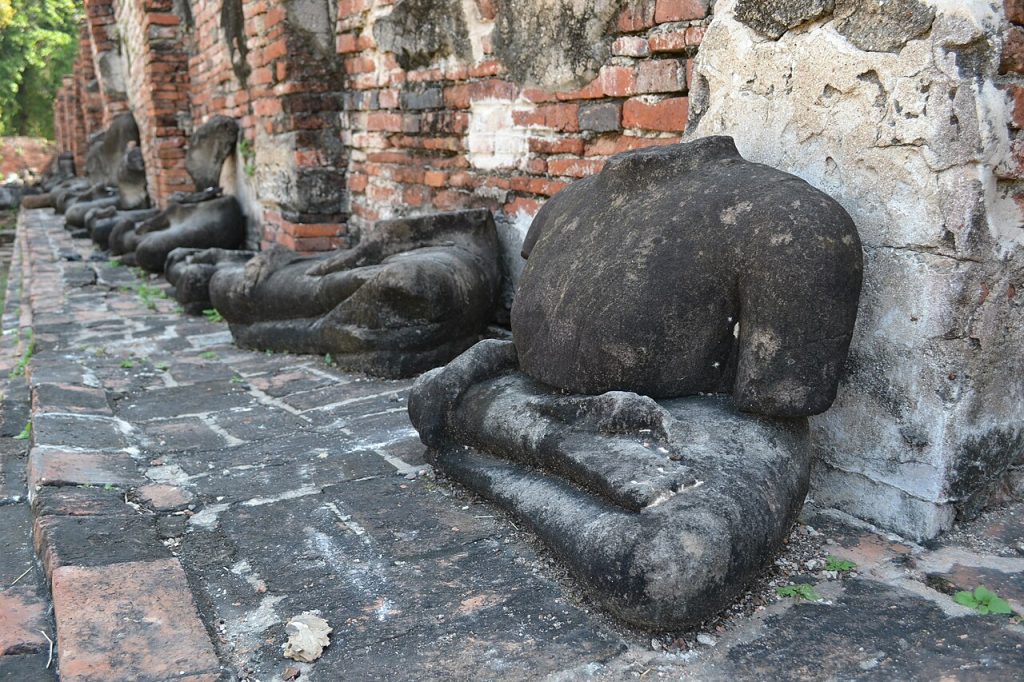
Ayutthaya Historical Park is a key spot for history buffs. It was once Thailand’s capital and is now a UNESCO World Heritage Site. The park has many temples and ruins, like Wat Phra Si Sanphet and Wat Mahathat. You can explore it by bike or on foot, admiring the detailed carvings and beautiful architecture.
Sukhothai Historical Park
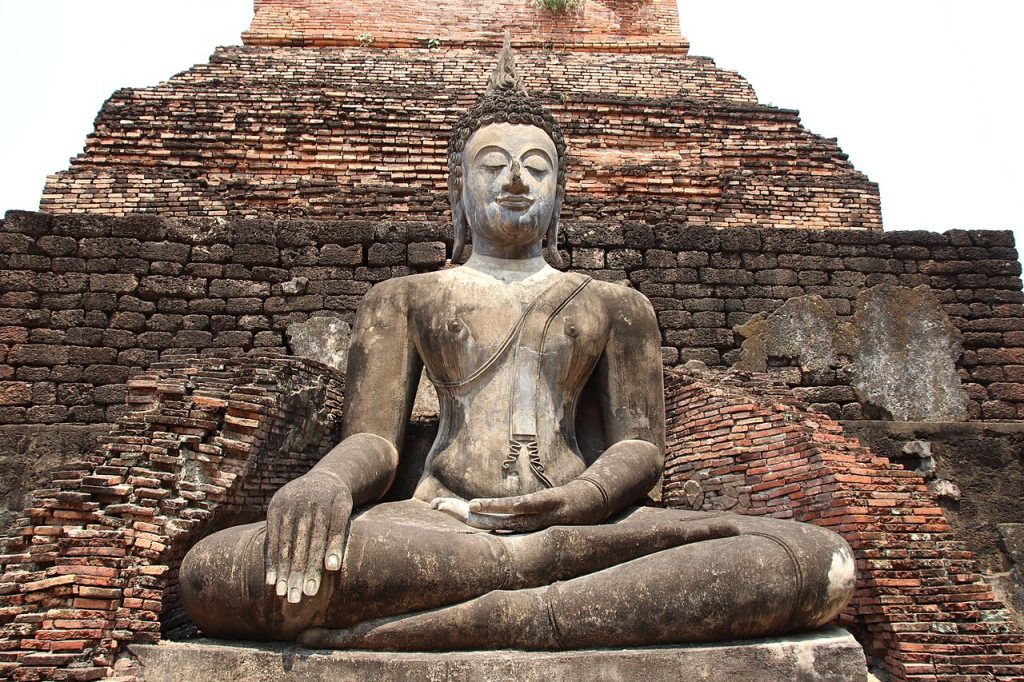
Sukhothai Historical Park is another important site in Thailand. It’s famous for its well-kept ruins and amazing Buddha statues. The park shows the artistic and cultural achievements of the Sukhothai Kingdom.
Ban Chiang Archaeological Site
For insights into Thailand’s prehistory, check out the Ban Chiang Archaeological Site. It’s a key archaeological site in Southeast Asia, giving clues about early inhabitants and their lives. The site has ancient pottery and artefacts around 3,500 years old.
These sites not only highlight Thailand’s history but also offer a cultural experience. By visiting these places, travelers can learn more about Thailand’s past and its role in the region.
Gulf of Thailand Island Paradise
Explore the Gulf of Thailand’s enchanting islands. Here, calm beaches meet lively culture. Each island offers a special mix of rest and adventure.
Koh Samui
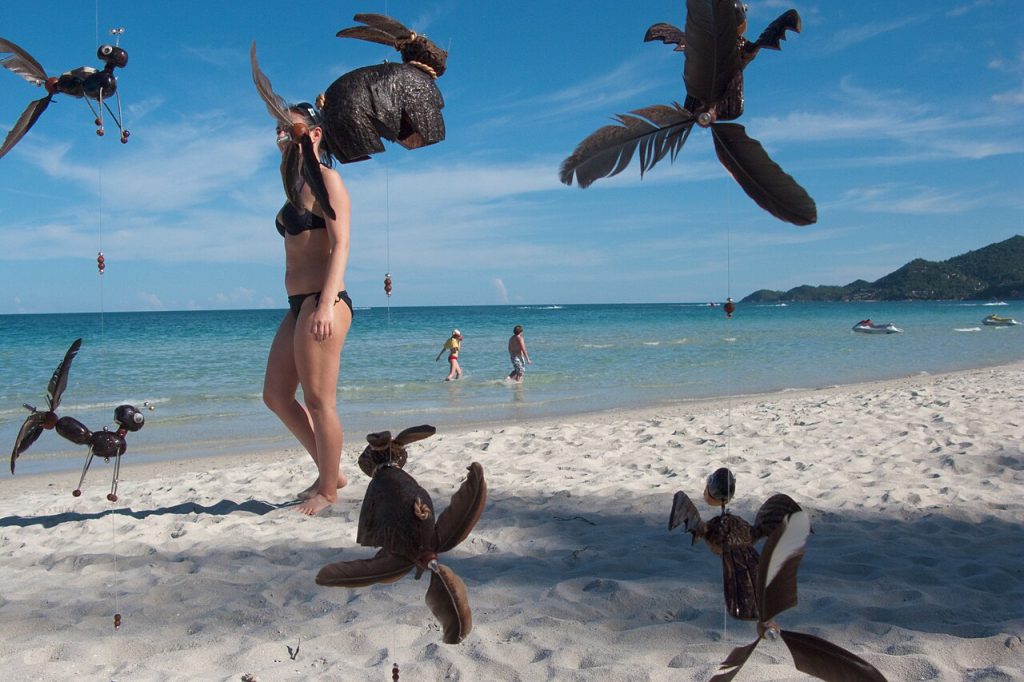
Koh Samui is a true tropical dream. It has powdery white sand beaches and crystal-clear waters. You can enjoy snorkeling, diving, or just soaking up the sun.
The island’s nightlife is also exciting. With many bars and restaurants, there’s something for everyone.
Koh Tao
Koh Tao, or “Turtle Island,” is perfect for underwater adventures. It’s a top spot for scuba diving and snorkeling. You’ll see amazing marine life and colorful reefs.
The island is also calm and peaceful. It’s great for those wanting to get away from the busy world.
Koh Phangan
Koh Phangan is known for its Full Moon Party. This monthly event attracts visitors from everywhere. But the island is also peaceful, with forests, secret beaches, and activities like kayaking and hiking.
It’s ideal for those who want both calm and fun.
The Gulf of Thailand’s islands show off the area’s beauty and variety. Whether you’re after adventure, relaxation, or both, Koh Samui, Koh Tao, and Koh Phangan promise a memorable trip.
Northern Mountain Retreats
Northern Thailand is full of mountain retreats. They offer calm landscapes and rich culture. It’s great for those who want adventure, cultural experiences, and to relax.
Pai
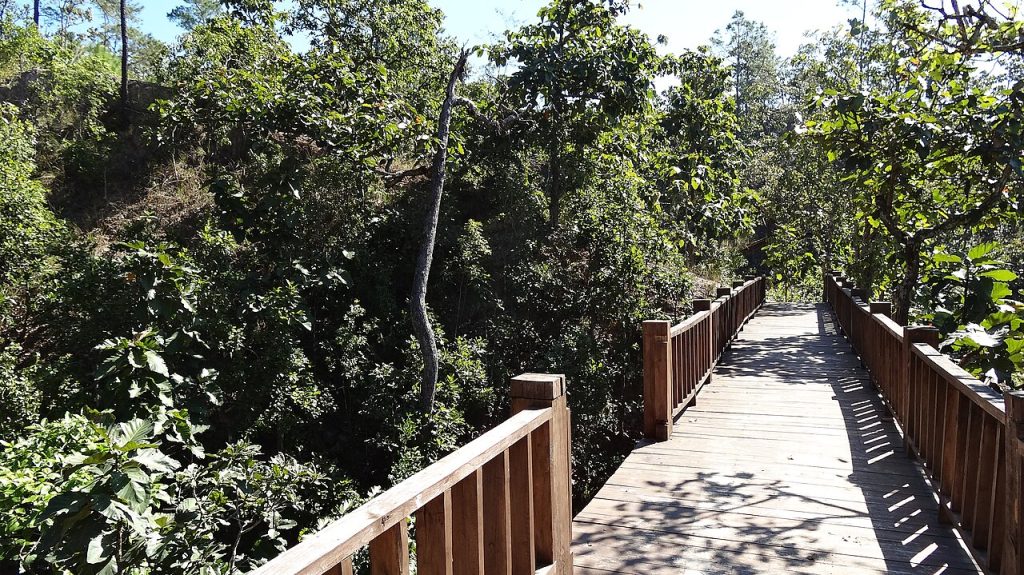
Pai is a laid-back town in a valley. It’s known for its calm vibe and beautiful nature. Visitors can go trekking, visit hot springs, or see the stunning views from Pai Canyon.
Adventure activities like rock climbing and rafting are here for those who love excitement.
Chiang Rai and the White Temple
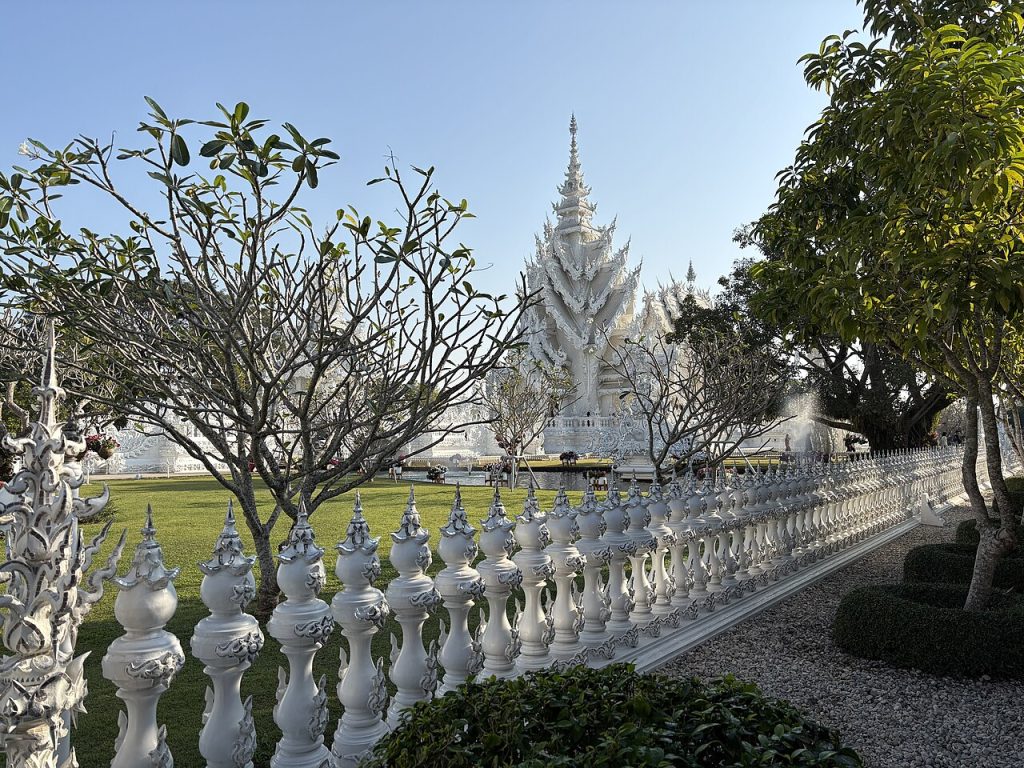
Chiang Rai is a cultural center, famous for its beautiful temples. The White Temple (Wat Rong Khun) is a standout. It’s a modern Thai art masterpiece with detailed carvings and sculptures.
The White Temple is more than a religious site. It’s an artistic experience that shows off Thai artisans’ creativity and skill.
Mae Hong Son
Mae Hong Son is a charming town surrounded by mountains. It’s known for its beautiful views. Visitors can explore the town’s historic center, see Mae Hong Son Lake, or take a boat ride on the Pai River.
The area is also home to hill tribes. This offers a chance for cultural exchange and learning about traditional life.
Eastern Seaboard Escapes
Thailand’s Eastern Seaboard is full of different experiences. You can find bustling cities and peaceful islands here. It’s great for those who want to enjoy city life and beach time.
Pattaya
Pattaya is a city full of energy. It’s famous for its nightlife, water sports, and cable car rides with amazing views. It’s a place for everyone.
The beaches in Pattaya, like Jomtien and Wong Amat, are calm. But the city’s bright streets are always lively at night.
Koh Chang
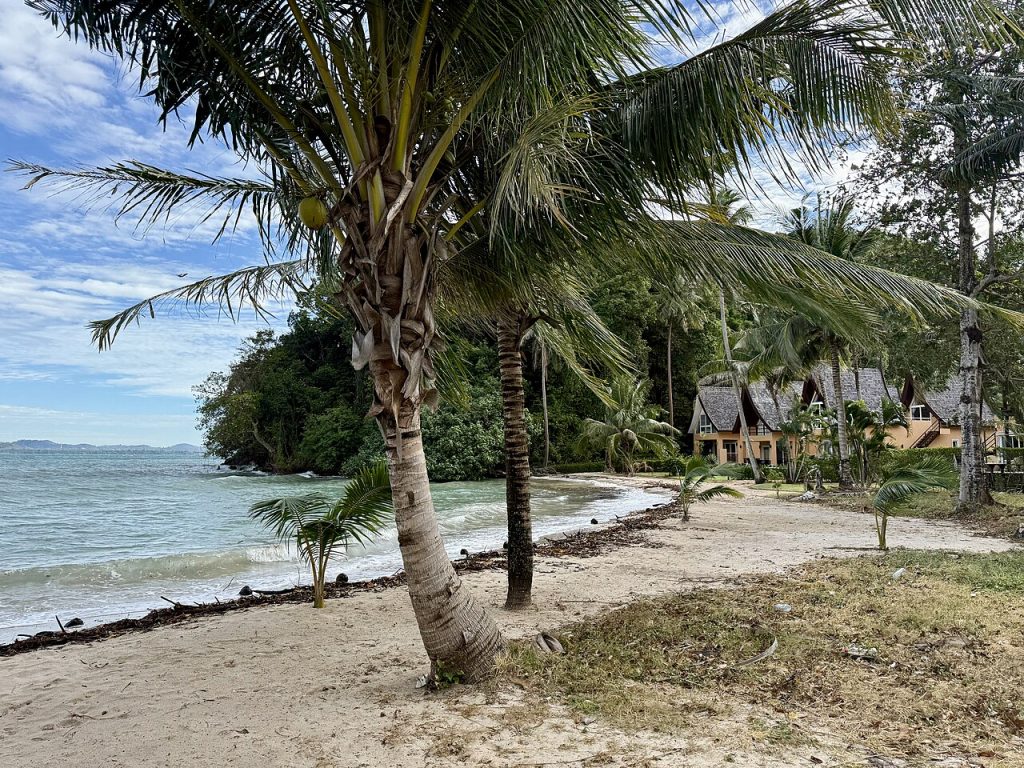
Koh Chang, or “Elephant Island,” is Thailand’s second-biggest island. It’s known for its untouched beaches, lush forests, and waterfalls. It’s perfect for nature fans and adventure seekers.
On Koh Chang, you can snorkel, diving, and trek. It’s a great way to see the island’s beauty.
Koh Samet
Koh Samet is famous for its picture-perfect beaches and crystal-clear waters. It’s a favorite spot for both locals and tourists who want to relax.
The island has lots to do, like kayaking and snorkeling. It also has a fun nightlife in the evenings.
The Eastern Seaboard of Thailand is special. It has cities and islands for all kinds of travelers. Whether you want Pattaya’s excitement, Koh Chang’s nature, or Koh Samet’s calm, there’s something for you.
Thailand's National Parks and Natural Wonders
Exploring Thailand’s national parks is like stepping into a world of untouched beauty and adventure. These protected areas are not only a haven for wildlife but also offer a range of outdoor activities and breathtaking landscapes.
Khao Yai National Park
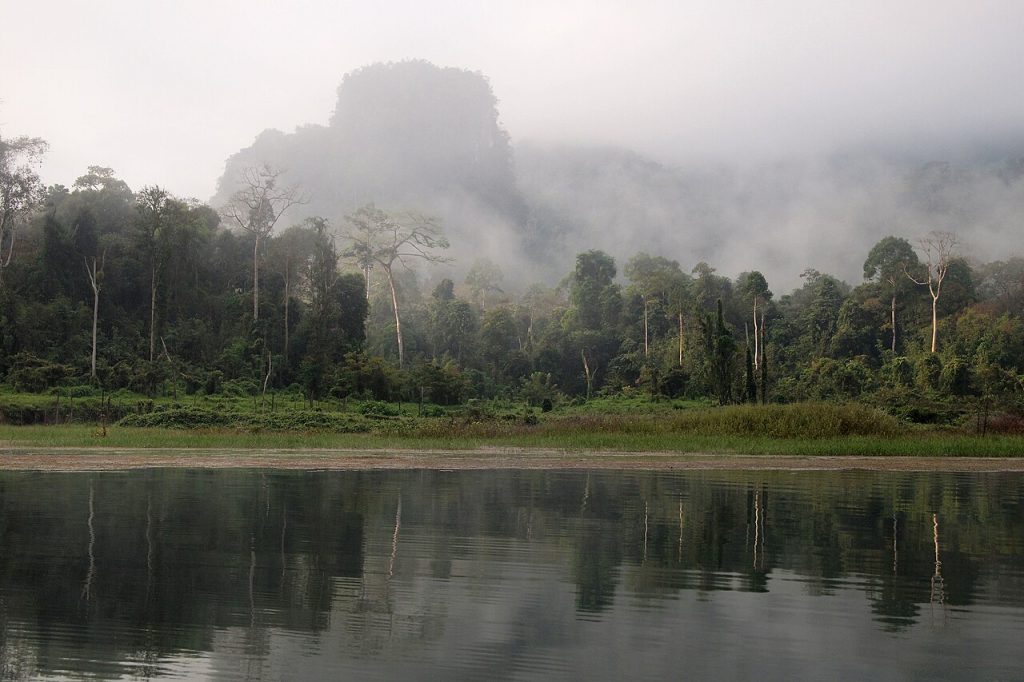
Khao Yai National Park, Thailand’s first national park, is a UNESCO World Heritage Site. It’s known for its lush forests, waterfalls, and diverse wildlife. Visitors can enjoy hiking, bird watching, and camping amidst the park’s stunning natural beauty.
The park is home to a variety of flora and fauna, including elephants, gibbons, sambar deer and over 300 species of birds. Its scenic landscapes and rich biodiversity make it a must-visit destination for nature enthusiasts.
Erawan National Park
Erawan National Park is famous for its limestone caves and the Erawan Waterfall. The seven-tiered waterfall is perfect for swimming and relaxation. The park’s caves contain ancient rock formations and prehistoric paintings, adding to its historical significance.
Visitors to Erawan can explore the caves, go swimming in the turquoise waters, or simply enjoy the serene atmosphere of the park. It’s an ideal destination for those looking to connect with nature and unwind.
Khao Sok National Park
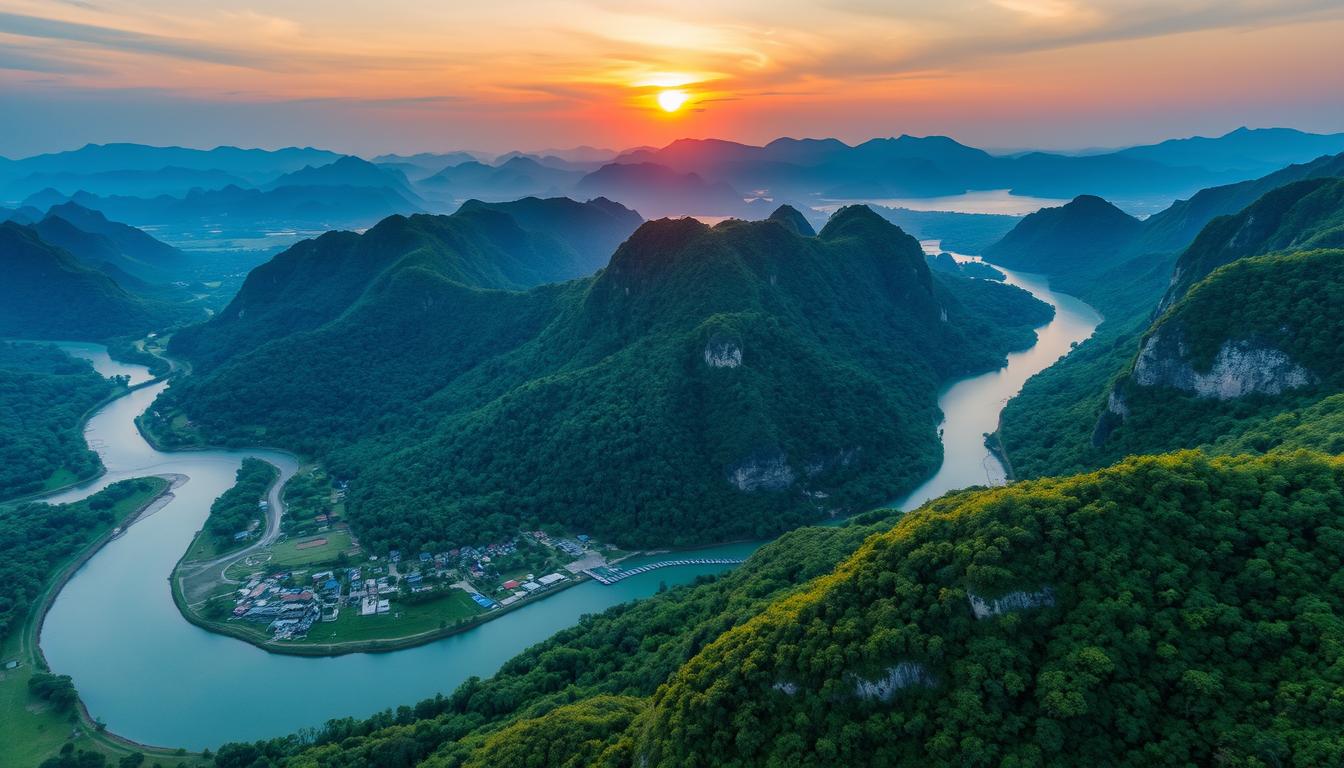
Khao Sok National Park is one of Thailand’s most spectacular natural wonders. It features ancient rainforests, towering limestone cliffs, and a vast man-made lake. Visitors can go canoeing, trekking, or stay in floating bungalows to experience the park’s untouched beauty.
The park is also known for its rich wildlife, including elephants, monkeys, and a variety of bird species. Its dramatic landscapes and diverse ecosystems make it a paradise for nature lovers and adventure seekers.
Royal Resort Towns and Beach Destinations
Thailand’s royal resort towns, like Hua Hin and Cha-am, are full of history and beauty. They mix old traditions with modern comforts. These places are a must-see for anyone traveling.
Hua Hin
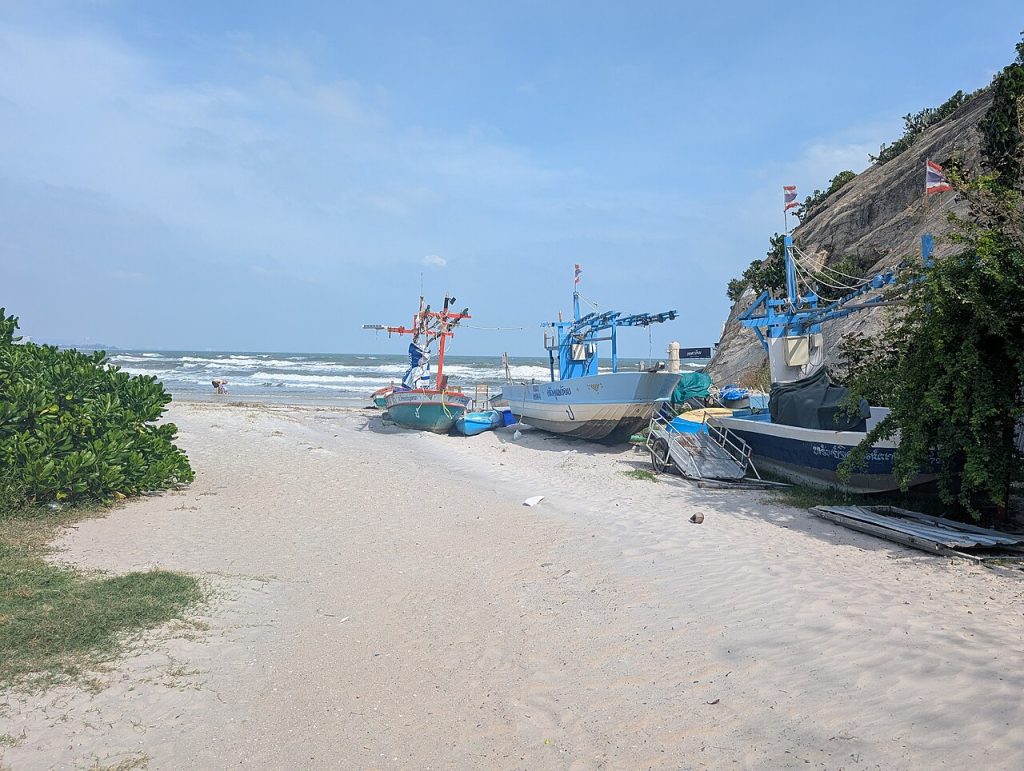
Hua Hin is a beloved beach town in Thailand. It’s been a favorite of the royal family and locals for years. With its long stretches of sandy beaches and lively night markets, it’s perfect for a break.
Guests can try water sports, see the Monkey Mountain, or bike along the beach. It’s a great place to unwind.
Kanchanaburi and the River Kwai
Kanchanaburi is famous for the Bridge over the River Kwai, a WWII memorial. The town also offers beautiful river views and river cruises.
Visitors can also explore the Erawan National Park. It has stunning caves and limestone hills. It’s a historical and natural gem.
Pranburi
Pranburi is a peaceful spot with beautiful beaches and a scenic coastline. It’s great for those who want to relax. You can visit the Pranburi Forest Park, try local food, or stay at a luxury resort.
The area is also famous for its night markets and seafood. It’s a calm retreat from city life.
These royal resort towns offer a peek into Thailand’s history and culture. They also provide a peaceful break from city life. Whether you seek relaxation, adventure, or cultural experiences, these places have it all.
Off-the-Beaten-Path Thai Treasures
Thailand is full of hidden spots beyond the usual tourist places. These places mix culture, nature, and adventure in a unique way. They make your trip to Thailand truly special.
Koh Kood
Koh Kood is Thailand’s fourth-largest island. It’s a peaceful place with green forests, waterfalls, and beautiful beaches. It’s perfect for those who love nature and want to relax away from the crowds.
Nan Province
Nan Province is in northern Thailand. It’s a cultural and historical treasure. You can see ancient temples, learn about the local way of life, and enjoy the beautiful landscapes.
Don’t miss the Nan National Museum and Wat Phumin. The mountains and valleys around Nan are also worth exploring.
Loei and Phu Kradueng
Loei Province is famous for its natural wonders. The Phu Kradueng National Park is a must-visit for hikers. It offers stunning views and diverse wildlife.
Loei also hosts the Phi Ta Khon ghost festival at Dan Sai. This festival adds to the province’s charm and makes it a unique destination.
Southern Thailand's Hidden Gems
Southern Thailand is full of untouched islands and hidden treasures. It boasts some of Thailand’s most beautiful beaches and vibrant marine life. These islands provide a peaceful escape from the crowds.
Koh Lipe
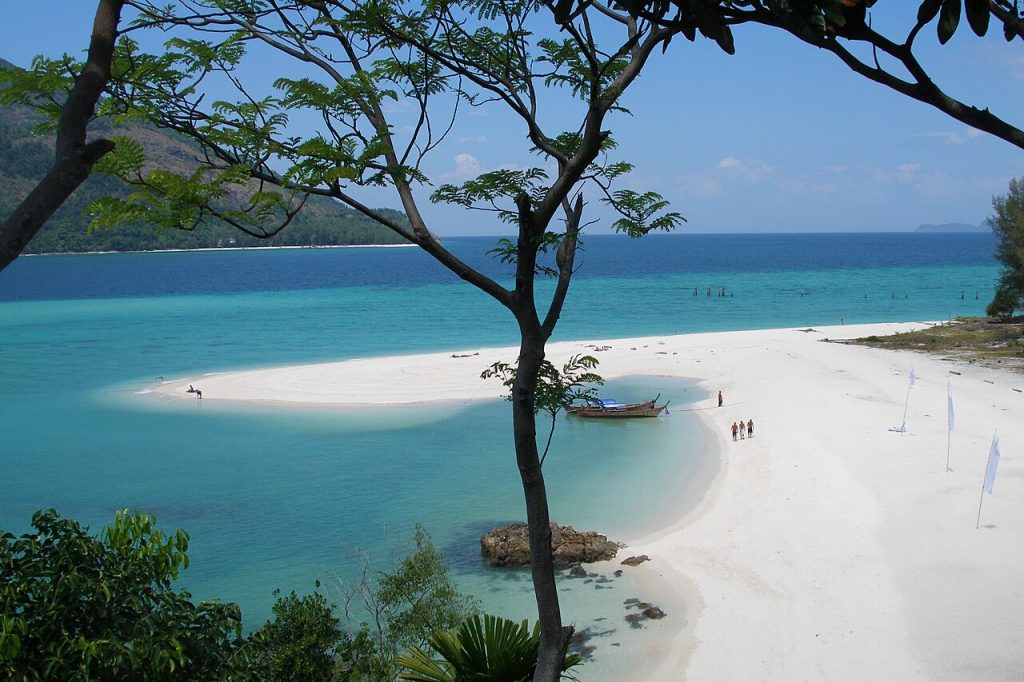
Koh Lipe is a small island in the Andaman Sea. It’s famous for its pristine beaches and crystal-clear waters. It’s a paradise for snorkeling and diving, with its colorful coral reefs and diverse marine life.
Visitors can enjoy the island’s calm vibe, explore scenic trails, or relax on its stunning beaches.
Koh Lanta
Koh Lanta is a hidden gem in southern Thailand. It offers a mix of lively nightlife and peaceful spots. The island’s national park is a must-see, with its lush forests, scenic views, and secluded beaches.
Guests can also check out the island’s lively night markets, try local food, or take part in water sports like kayaking and paddleboarding.
Trang Islands
The Trang Islands are a hidden paradise off the coast of Trang Province. They are known for their stunning rock formations, secluded beaches, and vibrant marine life. Visitors can enjoy snorkeling, diving, or exploring the islands’ untouched beauty.
Southern Thailand’s hidden gems offer a unique and unforgettable travel experience. Whether you’re after adventure, relaxation, or cultural immersion, these places will captivate and inspire you.
Essential Travel Tips for Thailand
Getting ready for your Thai trip? Knowing the basics can really help. Thailand is full of life, from busy cities to quiet beaches. Being informed will make your journey smoother.
Transportation Between Destinations
Traveling around Thailand is easy thanks to its good transport system. You can pick from flights, buses, trains, and ferries, based on your budget and where you want to go.
Domestic flights are quick and offer beautiful views. Trains let you see the countryside at your own pace. Buses are cheap and often go straight to your destination.
Accommodation Options
Thailand has something for every budget, from fancy resorts to cheap hostels. In places like Phuket and Koh Samui, you’ll find many hotels and villas. In cities like Bangkok and Chiang Mai, there are boutique hotels and serviced apartments.
For a real local feel, try a boutique hotel or a guesthouse owned by locals. They offer personal service and a peek into Thai culture.
Cultural Etiquette and Customs
It’s important to respect local customs in Thailand. The Thai people are very welcoming, but knowing the rules is key, like when visiting temples or cultural events.
Wear modest clothes, take off your shoes when asked, and don’t show too much affection in public. Saying “sawatdee” (hello) and “khop khun krap” (thank you) shows you care about their culture.
Thailand Travel FAQ
How many days should I spend in Thailand?
Ten to fourteen days suits most first trips: 2–3 in Bangkok, 3–4 around Chiang Mai, and 4–5 on the islands. With three weeks you can add the far south or the eastern islands.
What is the best place to visit in Thailand for first-timers?
Combine Bangkok (temples and street food), Chiang Mai (culture and nature) and one beach base such as Phuket, Krabi or Koh Samui.
Which is better, the Andaman or the Gulf islands?
The Andaman side (Phuket, Krabi, Phi Phi) has dramatic limestone scenery and is best from November to April. The Gulf islands (Samui, Phangan, Tao) follow a different weather pattern and are reliable for much of the year.
Is Thailand expensive to visit?
It is one of Asia’s best-value destinations. The north and inland towns are cheapest; the southern islands and Bangkok’s top hotels cost more.
Do US citizens need a visa for Thailand?
Most short tourist stays are visa-exempt, but every arrival must also file the free Thailand Digital Arrival Card within 72 hours of travel — confirm current entry requirements with the U.S. State Department before you fly.
What are the must-see UNESCO sites in Thailand?
The historic cities of Ayutthaya and Sukhothai, the prehistoric site of Ban Chiang, and the Dong Phayayen–Khao Yai forest complex are all UNESCO World Heritage Sites.
Before you go: turn this guide into a day-by-day plan. Our partner Voyada is a free vacation planner that builds the route with flights, hotels and a real total cost for your dates — in about a minute.
Make an itinerary →What is the best time of year to visit Thailand?
November to February, Thailand’s cool, dry season, is generally the best time to visit — comfortable temperatures, low rainfall and calm seas across most of the country. It is also peak season, so expect the highest prices and biggest crowds; March to May is hotter but quieter, while June to October brings the southwest monsoon to most regions, with Koh Samui on the Gulf coast running on an opposite, later rainy season.
Is Bangkok worth visiting, or should I go straight to the islands?
Bangkok is worth at least two to three days — it is Thailand’s transport hub for onward flights, and skipping it means missing the Grand Palace, Wat Arun, world-class street food and rooftop bars found nowhere else in the country. Even travellers focused on beaches typically pass through Bangkok’s airports anyway, so a short stopover adds relatively little extra time.
Is Phuket or Koh Samui better to visit?
Phuket is larger and more developed, with more nightlife, budget flight options and a wider range of beaches within a short drive of each other. Koh Samui feels smaller and calmer, with a Gulf of Thailand location that stays drier when Phuket’s Andaman coast is in its May–October rainy season, making it a useful alternative when timing does not suit Phuket.
What is the best area to stay in Bangkok?
Sukhumvit is the most popular choice for first-timers, with easy BTS Skytrain access, plenty of hotels across all budgets, and restaurants and nightlife nearby. Riverside areas near the Chao Phraya offer better access to the Grand Palace and old-city temples, while Silom suits business travellers and those wanting a quieter, more local feel with good transit links.
How do you get around Thailand?
Domestic flights are the fastest way to cover long distances, such as Bangkok to Phuket or Chiang Mai, and are often surprisingly affordable. Overnight trains and buses are cheaper and popular between major cities, while ferries and speedboats connect the islands. Within cities, Bangkok’s BTS Skytrain and MRT subway are the easiest way to avoid traffic, and ride-hailing apps work well nationwide.
Is it safe to travel to Thailand alone?
Yes — Thailand is one of Southeast Asia’s most visited and tourism-experienced countries, with a well-established backpacker and solo-travel infrastructure, especially in Bangkok, Chiang Mai and the main islands. Standard precautions apply: watch drinks at bars, use licensed taxis or ride-hailing apps rather than unmarked cars, and keep copies of important documents, as with any destination.
How many days do you need in Bangkok?
Two to three days covers Bangkok’s main sights — the Grand Palace, Wat Pho, Wat Arun, a floating market day trip and one or two food-focused evenings. Add an extra day if you want to include a day trip to Ayutthaya or a slower pace through the city’s markets and museums.
How many days do you need in Chiang Mai?
Three to four days is typical, enough for the Old City temples, a night market, a cooking class and either a day trip to an ethical elephant sanctuary or a scenic drive up to Doi Suthep. Travellers using Chiang Mai as a base for trekking or the drive to Pai often stay closer to a week.
Is Koh Phi Phi worth visiting?
Yes, particularly for Maya Bay, the lagoon made famous by The Beach, though it now operates under strict rules: entry is capped at 300 visitors per one-hour slot, boats can no longer land directly on the beach, and it closes annually for conservation from 1 August to 30 September. Outside those dates it is open 7am–6pm daily, with a national park fee of around 400 baht (about $11) for foreign visitors.
Is Pai worth the drive from Chiang Mai?
Yes, if you enjoy a slow, laid-back mountain town — Pai has cheap guesthouses, waterfalls, hot springs and scenic viewpoints that reward a couple of days rather than a rushed day trip. The drive itself, famous for its roughly 762 curves through the mountains, can cause motion sickness, so consider a minibus with an experienced driver over self-driving if you are prone to it.
Does Chiang Mai have a burning or haze season I should avoid?
Yes — northern Thailand’s burning season runs roughly mid-February to April, driven by agricultural and forest fires, with air quality typically at its worst in March. Visibility and air quality can drop noticeably during this window, so travellers sensitive to air pollution may prefer visiting Chiang Mai outside these months, or checking real-time air quality readings before finalising travel dates.
Is Ayutthaya worth visiting as a day trip from Bangkok?
Yes — Ayutthaya, the former capital of Siam, is around 1–1.5 hours from Bangkok by train, bus or car, and its UNESCO-listed temple ruins are one of Thailand’s most rewarding half-day or full-day trips. Hiring a bike or tuk-tuk to move between the scattered temple sites works better than walking, given the distances involved and Thailand’s heat.
Are Thailand's elephant sanctuaries ethical to visit?
Standards vary widely, so research matters more than the word sanctuary in a name. Look for places that prohibit riding, bathing on demand or performance tricks, and instead let elephants roam, forage and socialise with minimal forced contact — these are generally considered the more ethical operations, often run in partnership with conservation or rescue organisations.
What is the best national park to visit in Thailand?
Khao Sok, in the south, is one of the most popular, known for ancient rainforest, floating bungalows on Cheow Lan Lake and a good chance of spotting wildlife including gibbons and hornbills. Khao Yai, a few hours from Bangkok, is a strong alternative for elephants and waterfalls without needing to travel as far south.
What are the must-see temples in Bangkok?
Wat Phra Kaew, inside the Grand Palace complex, houses the revered Emerald Buddha and is Thailand’s most sacred temple. Wat Pho is famous for its enormous reclining Buddha statue, and Wat Arun, the Temple of Dawn, offers some of the best sunset views over the Chao Phraya River. All three sit close enough together to visit in a single day.
Is Railay Beach worth visiting, and how do you get there?
Yes — Railay’s limestone cliffs and turquoise water are among Krabi’s most dramatic scenery, and its lack of road access has kept development low-key. It can only be reached by longtail boat, typically from Ao Nang or Krabi Town, with the short crossing from Ao Nang taking around 15 minutes and costing roughly 100 baht per person.
What is the best floating market near Bangkok?
Damnoen Saduak, about 1.5 hours from Bangkok, is the best known and busiest, with boat vendors selling food and produce along narrow canals. Arrive by 7–9am to see it before the tour buses and midday heat set in; the market runs 7am to 5pm daily and is at its liveliest during the cool season from November to February.
Is Koh Lanta a good alternative to Phuket?
Yes — Koh Lanta offers a noticeably more relaxed atmosphere than Phuket, with quieter beaches, clear water and far fewer high-rise resorts, while still being part of the Andaman coast with a similar November–April dry season. It suits travellers who want beach time without Phuket’s crowds and nightlife, though it has fewer direct international flight connections.
Building a Thailand Route
Thailand rewards mixing regions — but the two coasts run on different monsoons, so plan the islands around the season.
- Combine three flavours: Bangkok, the north (Chiang Mai) and one island region for a well-rounded trip.
- Match islands to dates: the Andaman (Phuket, Krabi, Phi Phi) is best Nov–Apr; the Gulf (Samui, Phangan, Tao) stays drier a little later.
- Link regions cheaply with overnight trains and budget domestic flights.
- Don’t over-hop: pick one sea rather than crisscrossing the country for beaches.
- Respect the culture: cover up and remove shoes at temples, and always show respect toward the monarchy.
Matching Thailand's Regions to Your Trip
With so many places to choose from, the smartest way to plan Thailand is by region — each has its own character and its own best season.
- Central (Bangkok, Ayutthaya, Kanchanaburi): temples, culture, history and the easiest access — most trips start here.
- The North (Chiang Mai, Chiang Rai, Pai): mountains, temples, ethical elephants and trekking; best in the cool, dry season (Nov–Feb).
- Andaman coast (Phuket, Krabi, Phi Phi, Koh Lanta, the Similans): dramatic limestone karsts and the best diving — best November–April.
- Gulf coast (Koh Samui, Koh Phangan, Koh Tao): a different monsoon, so it stays drier a little later — plus the Full Moon Party and superb diving.
- The Northeast (Isan): Thailand off the beaten path — authentic, cheap, with Khmer ruins and fiery food.
- How to combine: pair two or three regions, link them by cheap flights or overnight trains, and pick your islands to match the season — don’t try to do both coasts in one short trip.
Conclusion: Creating Your Perfect Thailand Itinerary
Thailand is full of amazing experiences. You can explore bustling cities, beautiful beaches, and rich culture. It’s a place where every traveler can find something special.
Whether you love the busy streets of Bangkok, the peaceful temples of Chiang Mai, or Phuket’s stunning beaches, Thailand has it all. This guide has shown you the best places to visit. You can choose from history, culture, adventure, or relaxation.
When planning your trip to Thailand, think about what you want. Do you want a calm vacation or an exciting adventure? Thailand offers many options, so you can make your trip perfect for you.
Thailand has everything from snowy mountains in the north to beautiful islands in the south. Start planning your dream trip now. Get ready to experience Thailand’s warmth and hospitality.