


Table of Contents
ToggleDid you know over 3.5 billion people fly every year? A lot of them are flying for the first time. Traveling to new places can be exciting but also a bit scary, mainly for first-time flyers.
Being ready is important for a good flying experience. Knowing what to expect can help you feel less nervous. This guide is here to help you feel more confident and prepared for your flight.
With the right advice, you’ll soon be enjoying your flights. Our guide has everything you need to know for a smooth flight.
Key Takeaways
- Understand the basics of air travel to reduce anxiety
- Learn how to prepare for your flight for a smoother experience
- Discover tips for navigating airport procedures with ease
- Find out how to make the most of your in-flight experience
- Gain confidence in your ability to travel by air
Understanding the Basics of Air Travel
Starting out with air travel can feel overwhelming. But, breaking it down into simple parts makes it more fun. Knowing the basics can make your flying experience better.
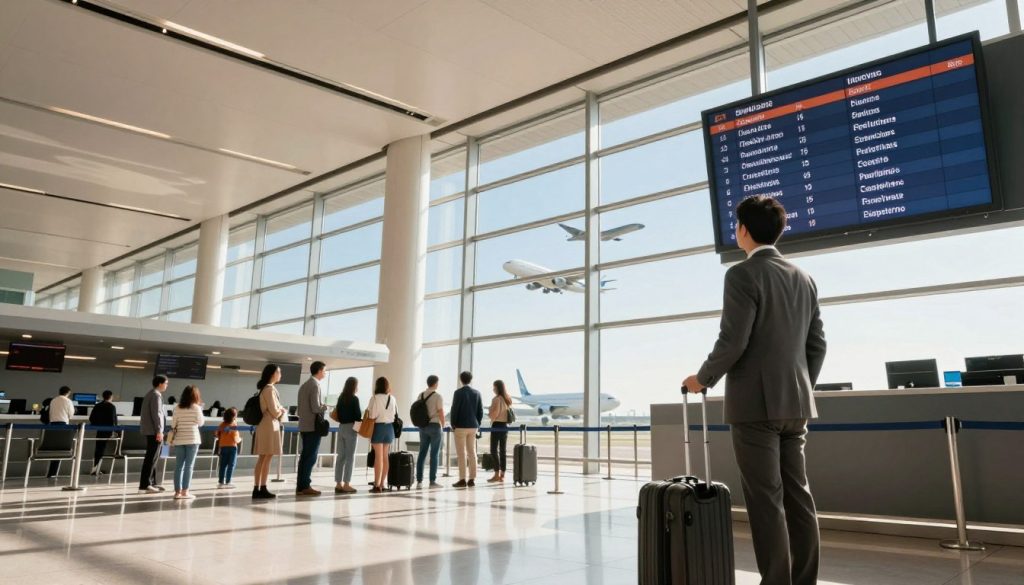
How Commercial Flights Work
Commercial flights involve airlines, airports, and air traffic control. They work together to safely move people and things from one place to another.
First, airlines plan the flight route. They consider weather, air traffic, and fuel use. Then, the plane is checked and fueled for takeoff.
Common Aviation Terminology
Aviation has its own special words. Knowing these can help you feel more at ease when flying.
Terms like “gate” and “baggage claim” are important. They help you know where to go and what to do.
Types of Airlines and Flight Classes
Airlines differ in what they offer. You have full-service airlines, low-cost carriers, and regional airlines. Full-service airlines provide more amenities, while low-cost carriers keep prices low.
Flight classes vary in service and comfort. You have economy, premium economy, business, and first class. Each offers different levels of comfort and service.
Planning Your First Flight
Getting ready for your first flight can really change your travel experience. It’s all about making smart choices, like when to fly and how to book your ticket. These decisions can affect your whole journey.

Choosing the Right Time to Fly
The time you choose for your flight matters a lot. For beginners, flying during less busy times can make things easier. Early morning or mid-week flights usually have fewer people.
Also, try to avoid flying during busy times like holidays. Flying in off-peak seasons can make your trip smoother.
Selecting Direct vs. Connecting Flights
Deciding between a direct or connecting flight is important. Direct flights are simpler, with no need to change planes. This is great for first-timers who might feel stressed about airport transfers.
Connecting flights, though, can be cheaper and more flexible. But, you need to plan well to make sure you have enough time for transfers. Knowing the airport layout and the recommended connection times can help reduce stress.
Booking Strategies for Beginners
Booking your first flight can seem tough, but knowing some tips can help. Booking early can get you better prices. Many airlines offer discounts for early bookings.
Being flexible with your travel dates and considering different airports can also save money. Plus, following airlines on social media can alert you to special deals.
Essential Documents and Requirements
Before you start your first flight, knowing what documents you need is key. Having the right documents can prevent airport headaches.
ID and Passport Requirements
First, you need to show who you are and where you’re from. For flights in the U.S., a driver’s license or state ID works. But, for trips abroad, you must have a passport. Make sure your passport is good for at least six months after you plan to leave.
Also, check if your destination needs special visas or travel papers. Some places have strict rules, so be ready.
Visa Considerations
Visa rules change a lot from country to country. Some places let you in without a visa, while others need you to apply ahead of time. It’s important to know what your destination requires early on.
For U.S. travelers, the best place to find visa info is on official government sites or by talking to the embassy or consulate of your destination.
Keeping Digital Copies of Documents
In today’s world, having digital copies of your travel papers is smart. Scan your passport, ID, visa (if needed), and flight details. Store them safely online or in a travel app. This way, you can easily get to them if you lose your originals.
Also, tell a trusted friend or family member back home about your travel plans. This can help in an emergency.
First Time Flying Tips: What to Pack
Packing right is key for a smooth first flight. We’ll guide you through what to bring. As a new flyer, packing can feel overwhelming. But with the right tips, you’ll be ready for your trip.
Carry-on Essentials
Your carry-on should have all you need on the flight. Include your travel documents like your boarding pass and passport. Also, pack a portable charger, headphones, and any medicines.
Think about a small toiletry bag with eye mask, earplugs, and hand sanitizer. It makes the flight more comfy. Don’t forget snacks and a refillable water bottle to stay hydrated.
Checked Baggage Guidelines
Checked bags must fit your airline’s size and weight limits to avoid extra fees. Always check your airline’s policy before packing.
Pack clothes and items you won’t need right away. Use packing cubes or compression bags to save space and keep things tidy.
Items to Avoid Packing
Don’t pack sharp objects, flammable stuff, or perishables. Check your airline’s list of banned items.
Keep valuable or essential items like your passport, electronics, and important papers in your carry-on. This way, they’re safe.
Packing for Different Flight Durations
Flight length affects what you should pack. For short flights, just bring the basics like your documents and a charger.
For long flights, add comfort items like a neck pillow, more snacks, and layers. On red-eye flights, pack a sleep mask and earplugs for better sleep.
Airport Navigation for Beginners
The airport can be confusing, but knowing how to navigate it is key for new flyers. Understanding the layout and knowing where to go can reduce stress. It makes your first flying experience more enjoyable.
Understanding Airport Layouts
Airports are set up to guide passengers through their journey. They are divided into terminals with different concourses or gates for each flight.
Most airports have maps or guides to help you navigate. You can find these on the airport’s website or at information desks. Knowing the layout before your trip can save time and reduce confusion.
Finding Your Terminal and Gate
When you arrive at the airport, find your terminal first. Check the airport signs or your flight itinerary for this information. After checking in and dropping off your baggage, head to security screening.
After clearing security, you’ll find your gate in the main terminal area. Airport signs will guide you. But, it’s wise to check the departure screens or your airline’s app for the latest gate info.
Airport Services and Amenities
Airports offer many services and amenities to enhance your travel experience. You can find dining options, shopping, lounges, and entertainment. Many airports also provide free Wi-Fi, charging stations, and comfortable seating areas.
If you have time before your flight, exploring these amenities can be relaxing. Just remember to keep an eye on the time to reach your gate before boarding starts.
Check-in and Security Procedures
Check-in and security are key parts of flying for the first time. Knowing these steps can make your trip less stressful and more fun.
Online vs. Airport Check-in
Choosing between online and airport check-in is your first step. Online check-in saves time and lets you pick your seat. You can do it 24 hours before your flight. But, if you have bags, you’ll need to see the airport counter.
Airport check-in is best if you have bags or need help. Be ready for long lines, though, during busy times.
Security Screening Process
The security check is a big part of flying. You’ll need to take out electronics and liquids from your bags. You’ll also go through a metal detector or scanner.
Wear easy shoes and avoid metal to make things easier. Have your boarding pass and ID ready for checks.
TSA Guidelines and Restrictions
The TSA has rules for what you can bring on a plane. Remember the 3-1-1 liquids rule: 3 ounces or less, in a 1-quart bag, one per person.
Some things, like sharp objects and guns, are not allowed. Always check the TSA website for the latest before you go.
Handling Security with Confidence
Being prepared helps you feel confident at security. Know the TSA rules, dress right, and be ready to take off shoes, belts, and electronics.
Stay calm and listen to the security team. If you’re nervous, think about TSA Precheck or Global Entry for faster screening.
Boarding Process Explained
For those new to flying, the boarding process might seem scary. But with the right info, you’ll feel ready for it. Knowing what to expect can make your first flight better.
Understanding Boarding Groups
Airlines sort passengers into groups for boarding. These groups are shown on your boarding pass. They’re based on your ticket type, frequent flyer status, or when you checked in.
Higher ticket classes and frequent flyers go first. Then, other passengers follow in order. Knowing your group helps you plan and lowers stress.
Some airlines let you pay for early boarding. This can help you get your bag in the overhead bin or settle in faster.
Gate Procedures
After security, head to the gate on your pass. Show your pass to the agent and wait for boarding. Gates have seats and sometimes extra perks like charging stations or snacks.
Get to the gate early. Boarding can start sooner than you think. Listen for announcements and show your pass again when boarding starts.
Boarding Etiquette
Good manners are key for a smooth flight. Keep your stuff organized and let others stow their bags first. Be patient and kind to others.
Don’t block the aisle with your bags. Say hello to your seatmates and be ready to adjust your seat if needed. Following these tips makes flying better for everyone.
Navigating Your Aircraft Cabin
Once you’re on board, finding your way around the aircraft cabin is key to a comfortable flight. The cabin is where you’ll spend the next few hours. It’s important to know its layout and what facilities it offers.
Finding Your Seat
Finding your seat can be tricky, mainly on big planes. Check your boarding pass or ticket for your seat number. Look for row numbers on the seats or overhead bins. If you’re lost, ask a flight attendant for help. They can guide you to your seat and help with your carry-on.
Understanding Cabin Layouts
Aircraft cabins are designed for comfort and space. They have a narrow aisle with seats on both sides. Some planes have different classes, like economy, premium, business, or first class. Each class has its own layout and perks. Take time to explore and find the lavatories, galley, and exits.
Overhead Bin Space Management
Finding space for your carry-on in the overhead bins is a big task. Here are some tips:
1. Board early to get space for your bags.
2. Pack light to avoid checking bags at the gate.
3. Put your bag in the bin above your seat, if you can.
4. Be careful with your bag’s size and weight to avoid straining yourself or others.
By considering others and following these tips, you can make boarding smoother for everyone.
In-flight Comfort and Etiquette
For first-time fliers, knowing about in-flight comfort and etiquette is key. It helps make your flight smooth and enjoyable. Learning how to use your time wisely on the plane can really improve your trip.
Seat Adjustment and Personal Space
Getting your seat comfortable is the first step to a good flight. Most planes have reclining seats. But, remember to think about the person behind you.
Reclining too far can bother them. A small recline or asking the person behind is better. It keeps everyone comfortable.
Dealing with Cabin Pressure
Cabin pressure can be uncomfortable, mainly during takeoff and landing. Swallowing, yawning, or chewing gum helps with ear pressure. Drinking water also helps with dry air.
Bathroom Protocols
Using the airplane bathroom needs some rules. Be quick because many people use it. Don’t use your phone in there, and wash your hands before leaving.
Remember, it’s a small space. Be kind to those waiting outside.
Respectful Interaction with Other Passengers
Being polite to others is important for a good flight. Keep your voice down, even when talking. Be thoughtful with your entertainment system, keeping the volume low or using headphones.
Being considerate makes the flight better for everyone. Following these tips makes your flight more enjoyable. It also makes the journey better for those around you.
Managing Flight Anxiety
Flying can make many first-time fliers anxious. But, knowing how to handle this anxiety can change everything. For new flyers, the idea of being on a plane can be scary.
Understanding Common Flight Fears
Flight anxiety is common and comes from different fears. These include the fear of crashing, feeling trapped, or worrying about turbulence. Knowing what scares you is the first step to managing it.
Many people feel some anxiety when flying. This anxiety can be caused by past experiences or general anxiety.
Relaxation Techniques for Flying
There are ways to reduce flight anxiety. Deep breathing can calm your mind and body. Progressive muscle relaxation, where you tense and then relax muscles, is also helpful.
Visualization can also help, imagining yourself in a calm place. Listening to soothing music or nature sounds can make you feel more relaxed.
When to Consider Medication
For some, flight anxiety is too much and medication might be needed. It’s important to talk to a healthcare professional before trying any medication.
They can help find the right medication. They’ll make sure it won’t harm you or interact with other health issues.
By facing your fears, using relaxation techniques, and knowing when to ask for help, you can lessen your flight anxiety. This makes flying more enjoyable.
Health Considerations for Air Travel
Air travel can pose unique health challenges; being prepared is key to a smooth and enjoyable flight. As you embark on your journey, it’s important to know the factors that can impact your health during air travel.
Preventing Jet Lag
Jet lag is a common issue for travelers crossing multiple time zones. To minimize its effects, start adjusting your sleep schedule a few days before your trip. Align it with your destination’s time zone.
Staying on your destination’s meal schedule can also help your body adjust more quickly. Exposure to natural light upon arrival can help regulate your circadian rhythms.
Staying Hydrated and Comfortable
Air travel can dehydrate you due to the dry cabin air. Drinking plenty of water before, during, and after the flight is essential. Avoiding caffeine and alcohol, which can exacerbate dehydration, is also recommended.
Wearing comfortable clothing and layers can help you adjust to changing cabin temperatures. Bringing a travel pillow or blanket can enhance your comfort during the flight.
Handling Motion Sickness
Motion sickness can be a problem for some travelers. Choosing a seat over the wing, where the ride is typically smoother, can help. Avoid reading or screen time during the flight if you’re prone to motion sickness.
Over-the-counter medications or natural remedies like ginger can provide relief. It’s also helpful to keep your seat area well-ventilated and to take breaks to stretch and move around the cabin.
By being mindful of these health considerations, you can significantly enhance your flying experience. Whether you’re a seasoned traveler or flying for the first time, being prepared is key to a comfortable and enjoyable journey.
Arrival Procedures and Customs
Your journey isn’t over until you’ve collected your baggage and cleared customs. As a first-time flyer, knowing the arrival process is key. We’ll help you through deplaning, immigration, and baggage collection.
Deplaning Process
Deplaning means leaving the plane after it lands. Always listen to the flight attendants. Wait for your group to be called before getting your things from the bins.
Navigating Immigration
Immigration can seem tough, but being ready helps. Make sure you have your passport, visa, and ID. Fill out forms before you get to the counter to save time.
As a newbie, learn about customs. Know what to declare and be truthful about your items. This avoids problems or delays.
Baggage Claim Tips
After immigration, head to the baggage claim. Watch the screen to see which carousel your luggage is on. Show your claim tag to find your bags.
For first-timers, keep your luggage tag safe and easy to find. Pack important things like meds and documents in your carry-on. This way, you’re ready if your checked luggage is late.
By following these tips, you’ll handle arrival and customs smoothly. This makes your travel more enjoyable and stress-free.
Special Situations for First-Time Flyers
For novice flyers, knowing how to handle special travel situations is key. It makes your journey stress-free. As you get ready for your first flight, it’s important to know about the unique challenges you might face. And how to deal with them.
Flying with Children
Flying with kids can seem tough, but it can be easy with the right prep. Try to book a flight when your child usually naps. This can help them be less fussy.
Packing a carry-on with essentials like diapers, formula, and favorite toys is also smart. It keeps your little ones happy and busy during the flight.
Traveling with Disabilities
Traveling with disabilities needs some extra planning, but airlines are getting better. Tell the airline about your disability when you book. They can make the necessary arrangements.
Many airports also offer wheelchair help and accessible restrooms. This makes traveling easier for everyone.
Managing Delays and Cancellations
Flight delays and cancellations can be annoying, but you can handle them. Keep an eye on your flight status with airline apps or airport screens. If your flight is delayed or canceled, contact your airline right away.
They can help you with rebooking or tell you about compensation. Being ready for these situations helps first-time flyers feel more confident and relaxed.
Conclusion: Embracing the Joy of Air Travel
As you get ready for your first flight, remember that knowing what to do is important. This guide has given you the essential tips for first-time flyers. Now, you can face the journey with confidence.
We’ve covered everything from air travel basics to managing flight anxiety. You’re now better prepared for the challenges of flying. This advice will help you handle them smoothly.
Remember, flying is safe and efficient. Being prepared lets you enjoy the journey more. You can relax and make the most of your time in the air.
Whether you’re traveling for fun or work, flying offers great opportunities. So, take a deep breath, relax, and enjoy the flight. With these tips, you’re ready to start your next adventure in the skies.
FAQ
What should I do if I'm feeling anxious about my first flight?
How early should I arrive at the airport for my first flight?
What are the essential documents I need for air travel?
Can I bring my medications and personal care items on the plane?
How do I choose the best seat on the plane?
What should I pack in my carry-on and checked baggage?
How do I handle jet lag on my first flight?
What are the TSA guidelines for liquids and electronics in carry-on baggage?
Can I travel with a disability or medical condition?
What happens if my flight is delayed or canceled?
How do I navigate the airport if I'm a first-time flyer?
What's the best way to stay comfortable during a long flight?