
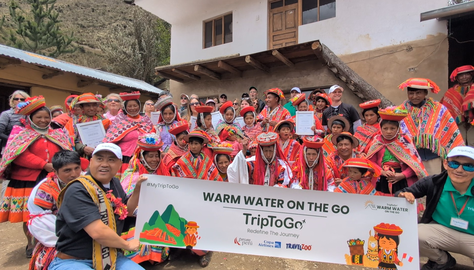
TripToGo’s “Warm Water on the Go” initiative is bringing solar-powered water heaters to rural Andean families in Ollantaytambo, Cusco, Peru. These families often lack access to warm water. This affects their hygiene, health, comfort, and daily life.
The eco-friendly systems use sunlight to deliver sustainable hot water. This reduces fuel needs and improves wellness. TripToGo is enhancing the lives of these communities by providing access to warm water.
Key Takeaways
- Solar-powered water heaters are being introduced to rural Andean families.
- The initiative aims to improve hygiene, health, and comfort in these communities.
- The program is part of TripToGo’s commitment to sustainable tourism.
- Access to warm water is essential for daily life and overall well-being.
- The “Warm Water on the Go” initiative is making a positive impact on local communities.
✈️ TripToGo Travel Deals
Get notified about great travel deals
Hand-picked flight, hotel and destination deals, straight to your inbox. No spam, unsubscribe anytime.
🎉 Thank you for subscribing!
You’re all set — the best travel deals are on their way.
The Challenge of Cold Water in the Andes
The Andes are known for their stunning views but also for their harsh climate. Warm water is a rare luxury here. Many communities face a daily battle to get warm water because of the cold and limited resources.
In towns like Cusco and Ollantaytambo, the weather changes a lot. At night, it can get very cold, making warm water a necessity. This cold weather affects everything, from washing up to doing laundry.
Traditional Water Heating Methods
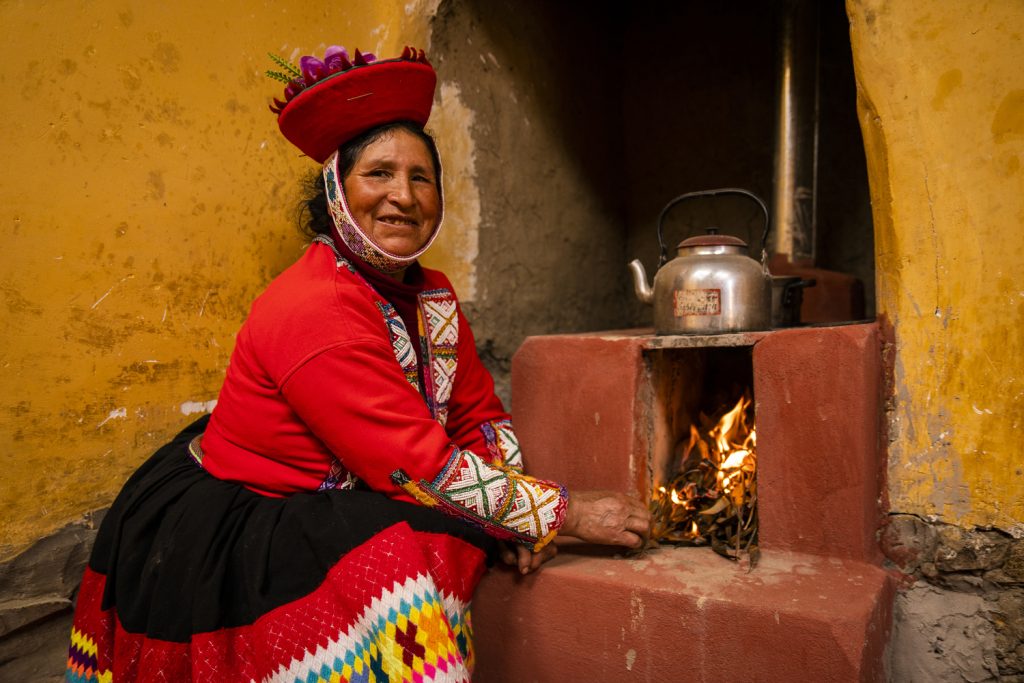
For a long time, people in the Andes have tried to warm water. They boil it over fires or use solar ovens. But these ways take a lot of time and don’t always work, especially when it’s cloudy or winter.
Hygiene Limitations Without Warm Water
Without warm water, keeping clean is hard. Washing clothes, taking baths, and other hygiene tasks are tough with cold water. This can make people feel less clean and less comfortable.
Health Risks in Cold Climate Regions
Not having warm water in cold places can be dangerous for health. Cold water can shock the body, and poor hygiene can cause skin problems and other health issues. Plus, heating water manually takes a lot of energy, taking away from other important tasks.
In short, the problem of cold water in the Andes affects comfort, health, and hygiene. It’s important to understand these challenges to help these communities.
Planning this trip?
Our partner Voyada’s trip planner AI builds a day-by-day plan with flights, hotels and a real total cost for your dates — in about a minute, free.
Help me plan a trip →How Solar-Powered Water Heaters Transform Communities
Solar-powered water heaters are changing life in rural Andean communities. They use sunlight to provide hot water, making life better and greener.
Adapting Technology for High-Altitude Conditions
High places have less air pressure and more UV rays. Our heaters are made to last and work well in these tough conditions.
Reducing Reliance on Traditional Fuels
Using solar energy means less wood and gas. This cuts down on pollution and makes homes healthier.
Carbon Footprint Reduction
Switching to solar lowers carbon emissions. It helps communities use less fossil fuel, making the future greener.
In short, solar water heaters are a big win for rural Andean communities. They offer a clean, steady, and healthy way to get hot water. We’re excited to see how this tech will keep improving their lives.
Communities We Serve in Peru
The Andes in Peru are home to the communities we help. Here, culture is very important. We focus on making a difference in rural areas near Cusco and Ollantaytambo.
These communities have a rich culture. They keep traditions alive through their textiles, clothes, and festivals. These traditions are a big part of who they are.
Economic Realities of Rural Andean Life
Life in these areas is tough because of money issues. Jobs are hard to find, and farming is a big part of their lives. Tourism also affects their economy.
Geographic and Infrastructural Challenges
The area’s tough terrain and distance make things hard. Getting clean water, sanitation, and energy is a big problem we face.
Community Demographics and Specific Needs
Knowing the community is key. We work with local leaders to find out what they need. This could be better healthcare, schools, or jobs.
We try to meet these needs to improve life in these communities. Our goal is to help them thrive and grow sustainably.
Lauren Yakiwchuk
Lauren Yakiwchuk is a key figure in our “Warm Water on the Go” project in Peru. She and her partner Justin are part of the Canadian duo Justin Plus Lauren. They use their influence to make a real difference.
The 7-Day Peru Tour Experience with TripToGo
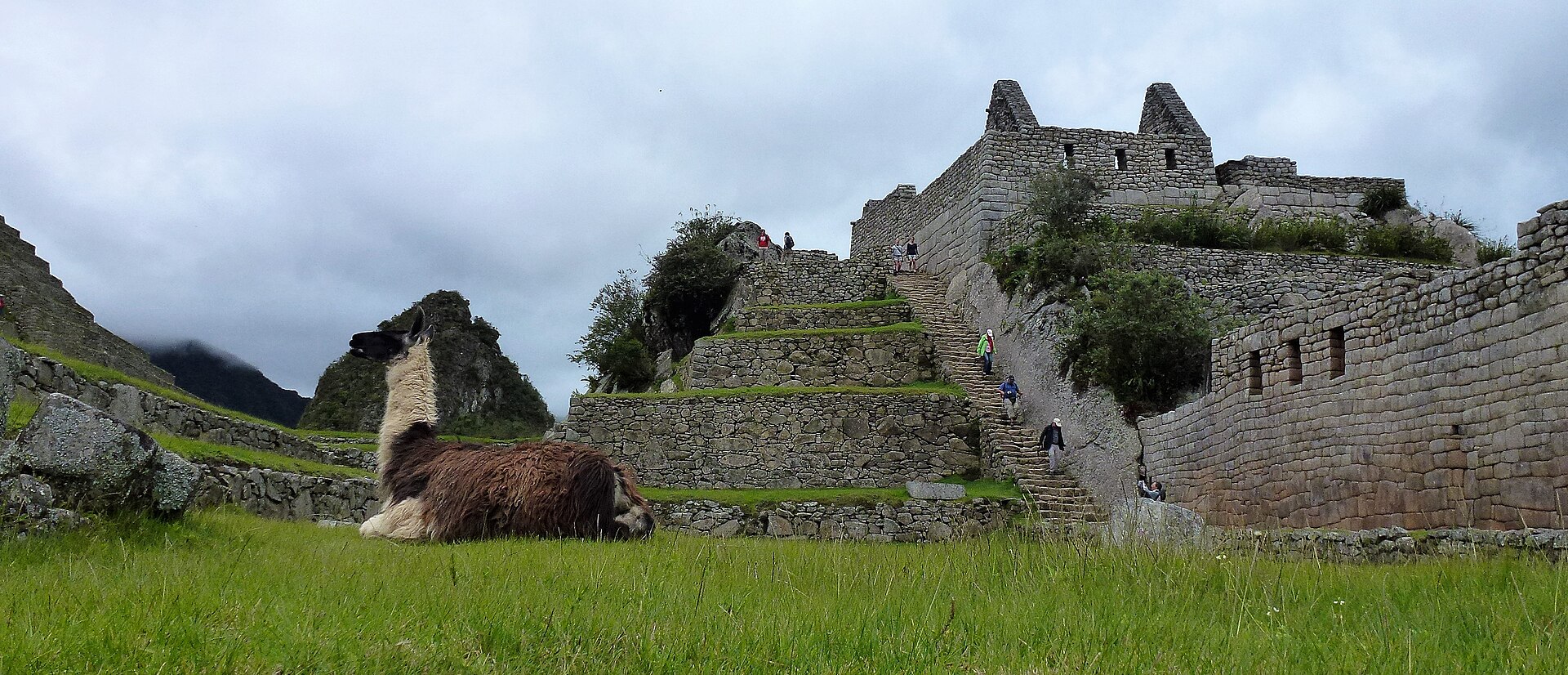
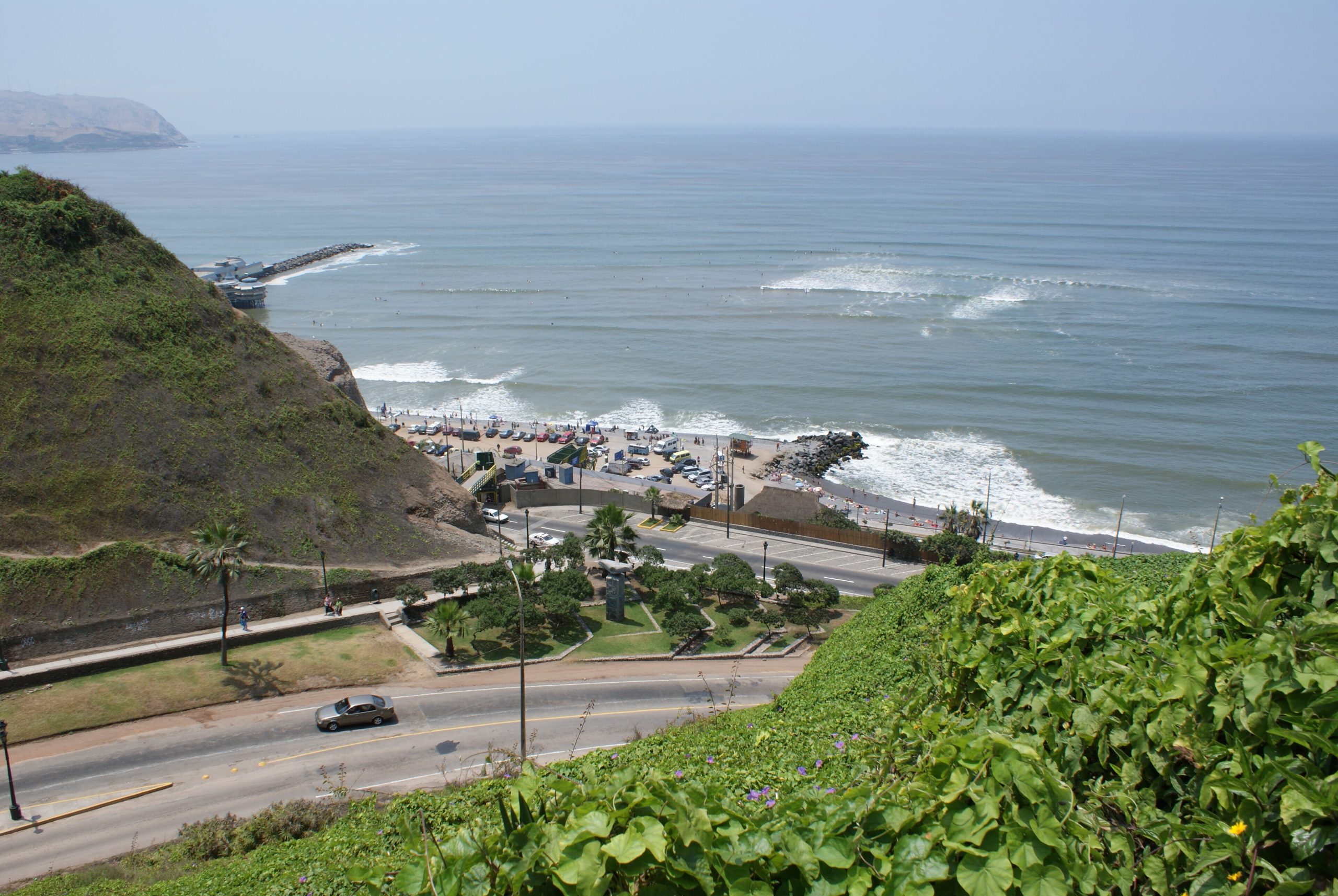
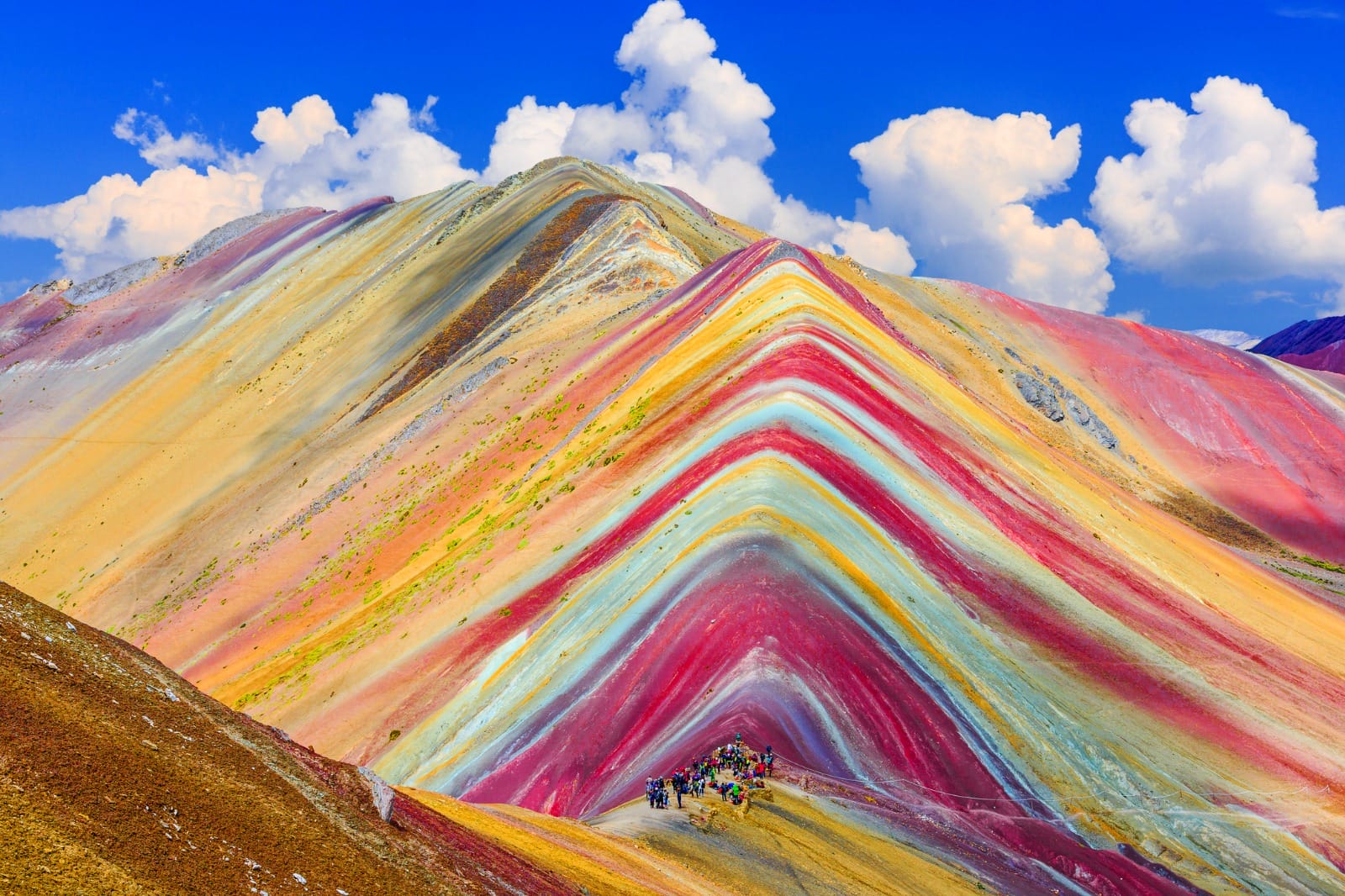
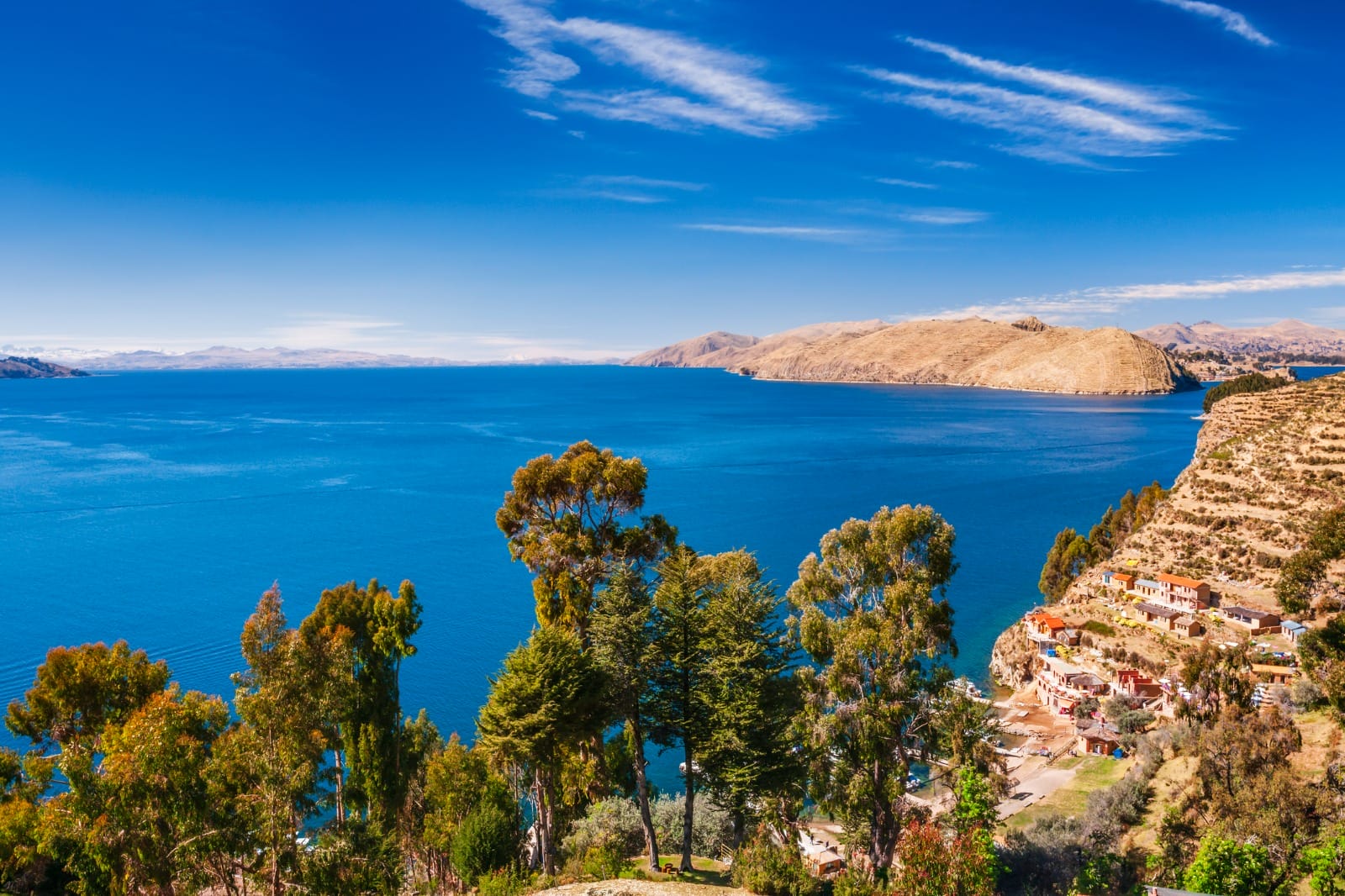
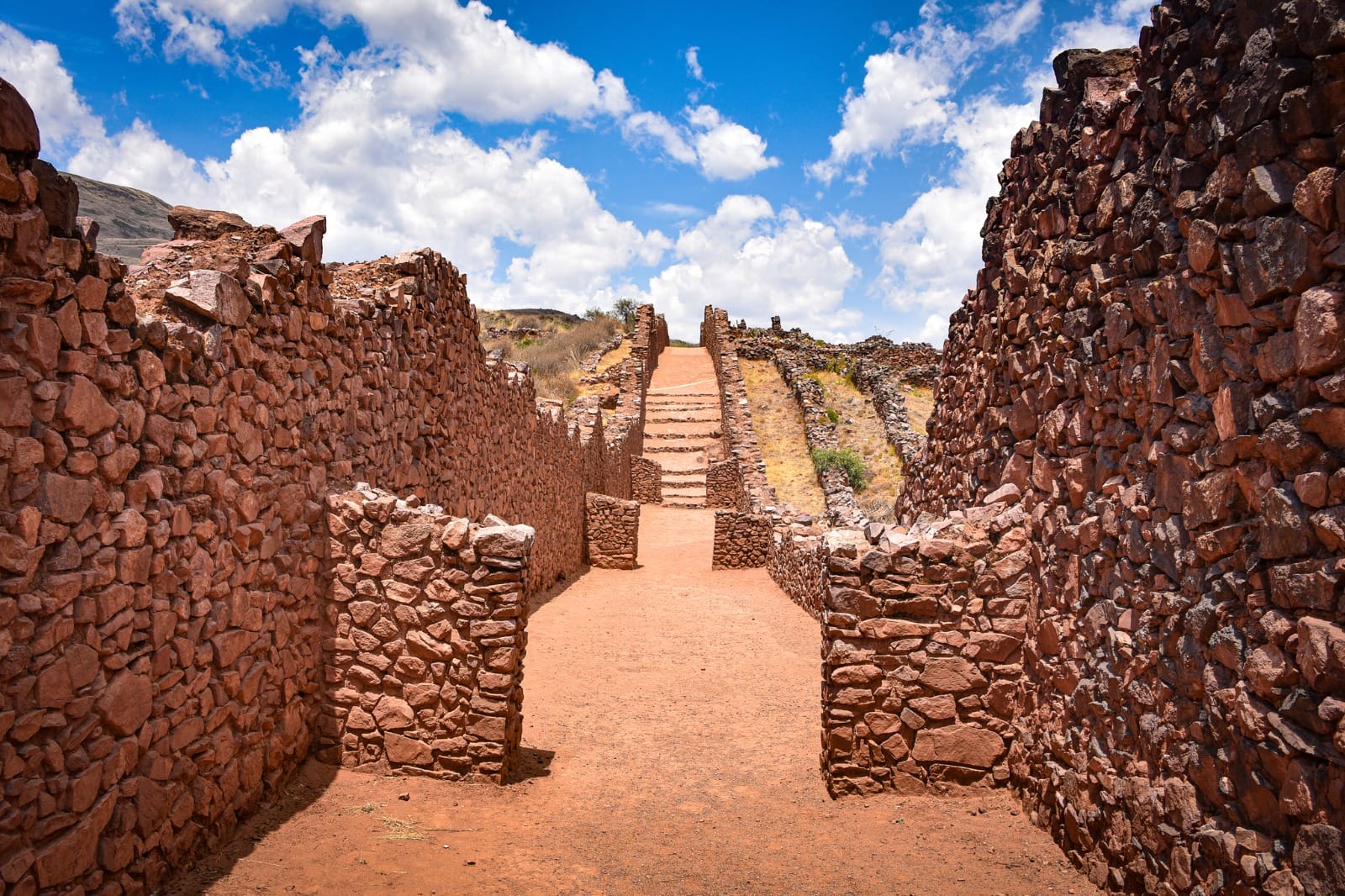
At TripToGo, our Signature Peru tour (Lima, Cusco, Machu Picchu – 7 nights / 8 days) is a classic, immersive adventure through Peru’s most iconic highlights. This fast-paced group itinerary takes you from the vibrant streets and world-class cuisine of Lima, to the ancient Inca heart of Cusco, the stunning terraces of the Sacred Valley, the breathtaking wonder of Machu Picchu, and even the colorful spectacle of Rainbow Mountain. It’s designed for travelers seeking the very best of Peru—with comfortable accommodations, guided tours, meals, domestic flights, and plenty of time to explore on your own.
This is exactly the kind of meaningful travel experience that inspired us to create our Warm Water on the Go initiative. Being in Peru’s high-altitude Andean regions exposes you to the daily realities of rural communities—where cold climates and limited resources make access to warm water a real challenge for hygiene, health, and comfort. That’s why, for every Peru trip booked through TripToGo (including this Signature tour), we donate $10—at no extra cost to you—to install solar-powered water heaters in underserved villages near Cusco and Ollantaytambo. It’s our way of turning every booking into purposeful support for local families.
We’re thrilled to partner with talented travel blogger Lauren Yakiwchuk from Justin Plus Lauren (@justinpluslauren) as our official ambassador for the initiative. Lauren joined our Signature Peru group tour and, during her journey, participated in a special community ceremony to present solar water heaters to a rural Andean family. She shared her unforgettable moments—highlighting the genuine impact on better hygiene and daily life—and captured the spirit of sustainable, feel-good travel in her reels, videos, and her 7-day Peru blog post.
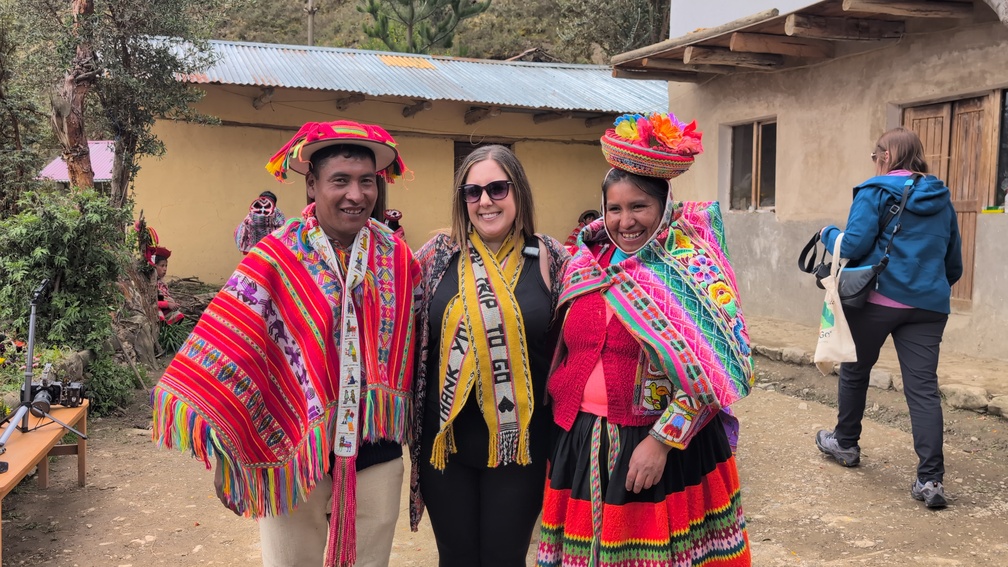
"I was so excited to experience Peru with TripToGo as part of their Warm Water on the Go program. The 7-day group journey took me from Lima to Cusco and finally to the breathtaking Machu Picchu. Along the way, I visited incredible Andean communities, learned about local traditions, and saw firsthand the meaningful impact of providing solar water heaters to families. The trip was perfectly planned, full of authentic moments, and the people were incredibly warm and welcoming. Highly recommended for anyone wanting a deeper, more purposeful travel experience!"
Discover the magic of Peru and contribute to real change—book our Signature Peru tour today: Signature Peru: Lima, Cusco, Machu Picchu – 7 Nights. Travel with us, experience the wonders, and help bring warm water and brighter futures to Andean communities!
Success Stories and Testimonials
The “Warm Water on the Go” program has changed lives in the Andes. It has made homes better and brought people together.
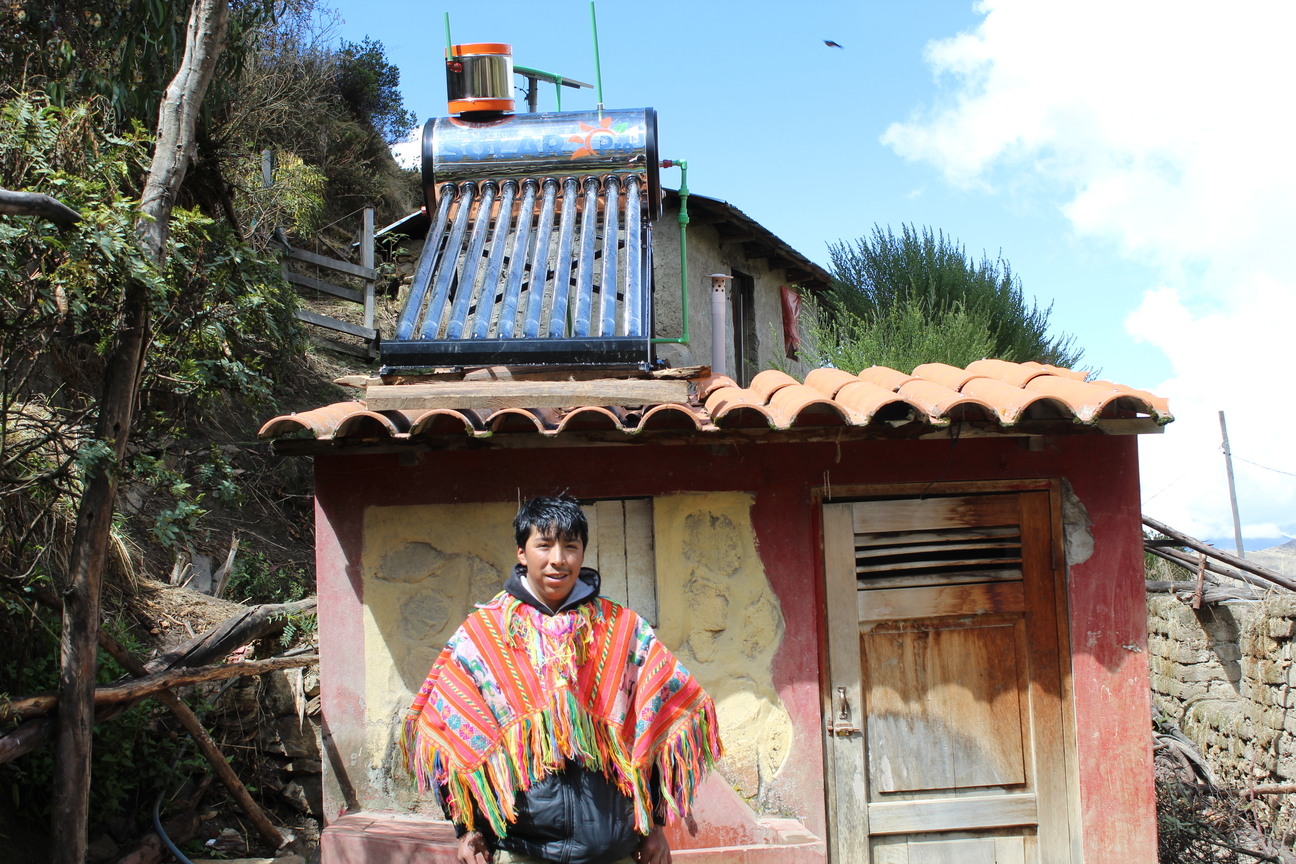
Participating in Installation Ceremonies
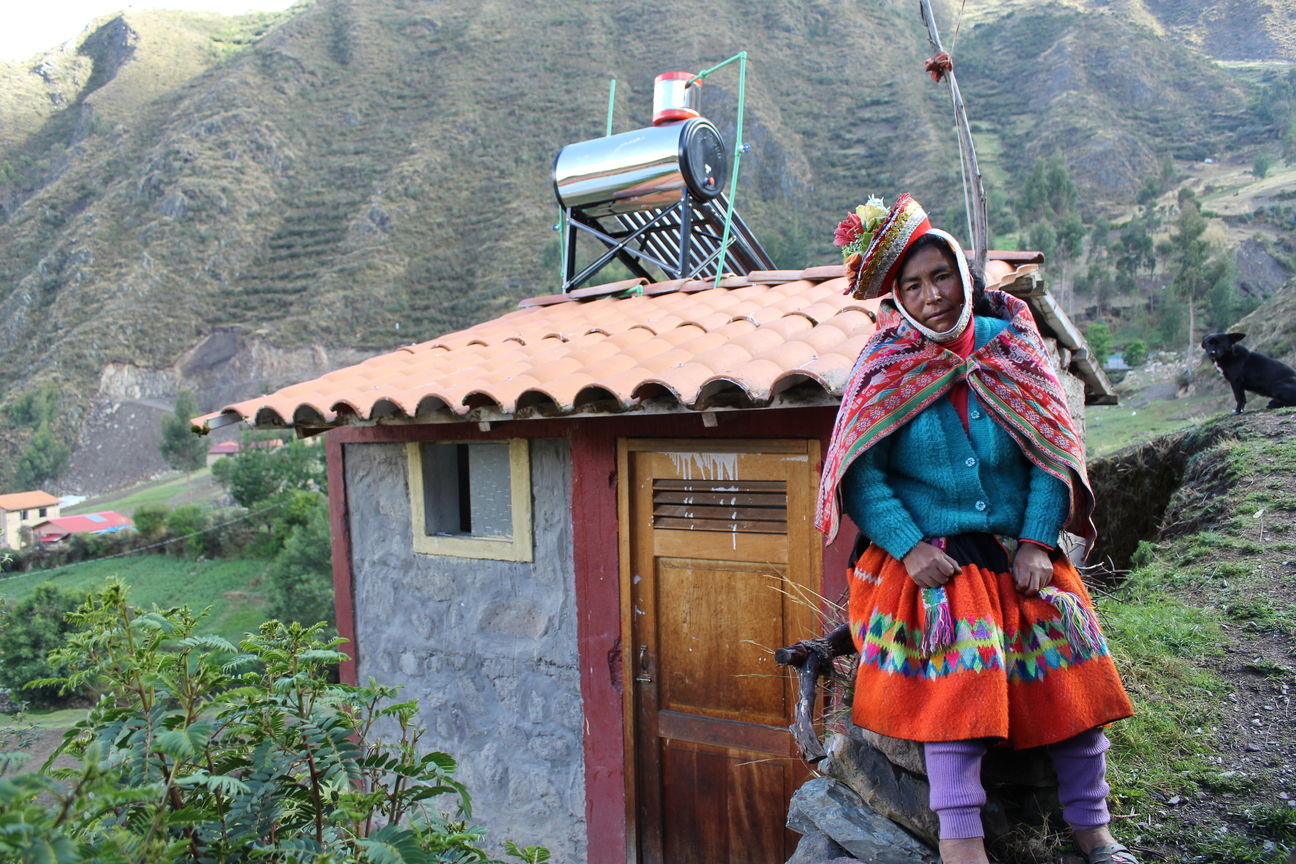
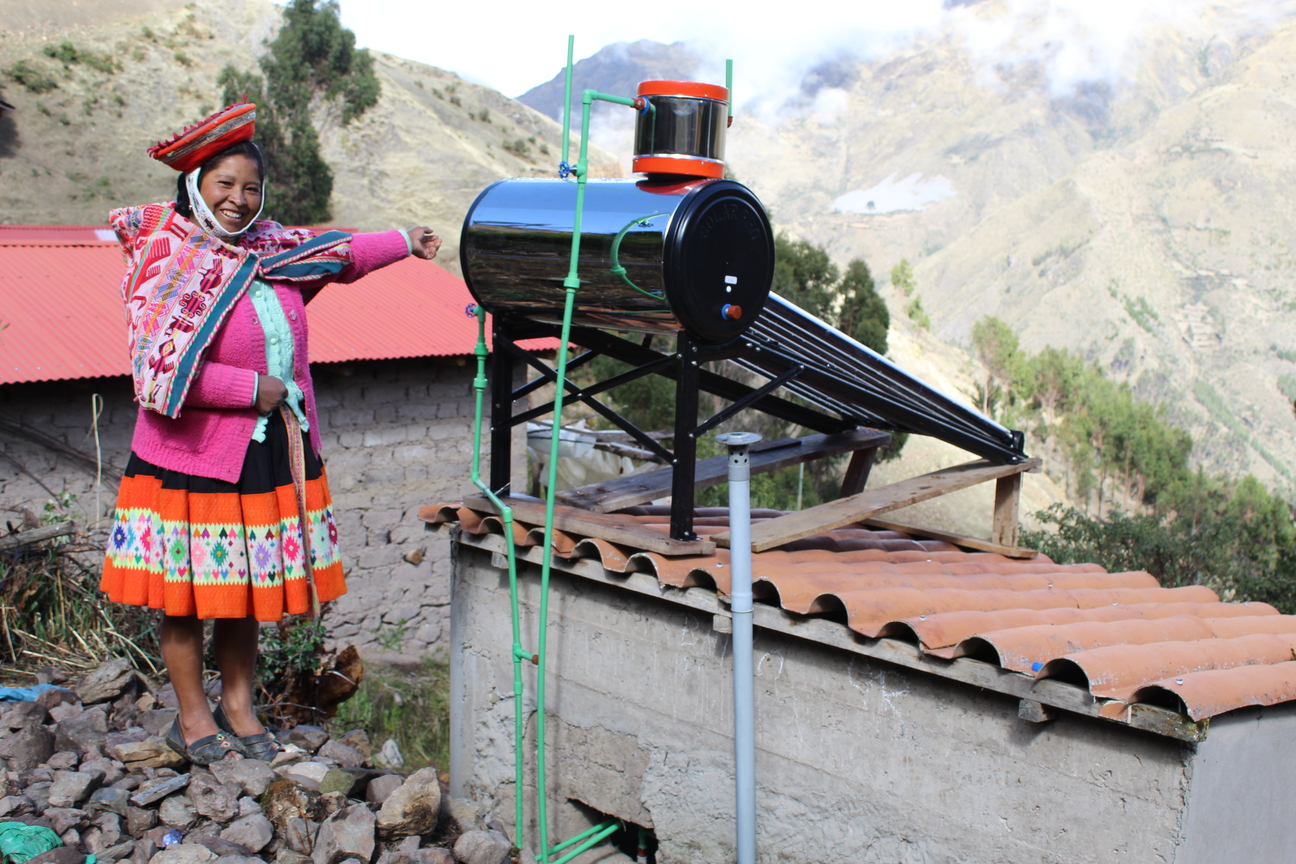
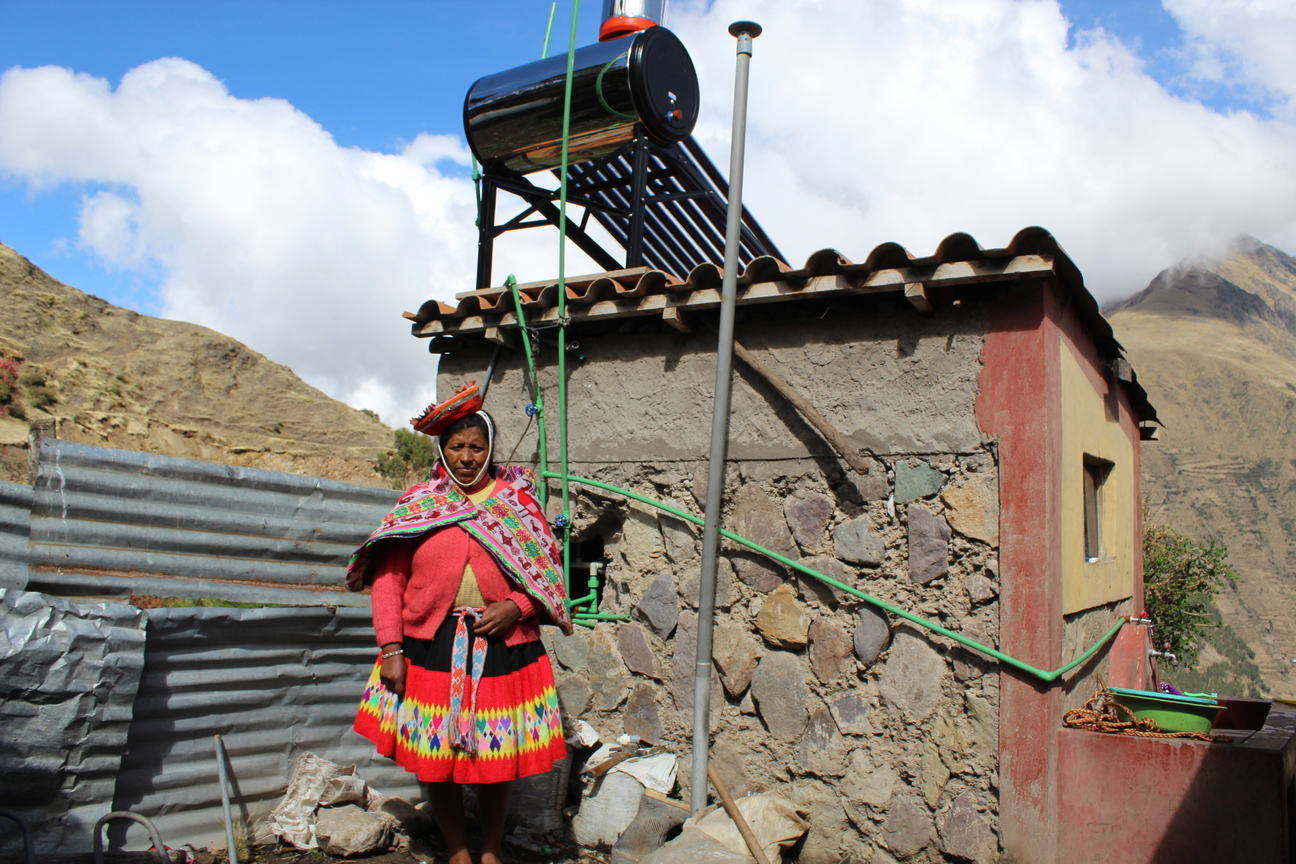
We actively participate in the installation ceremonies alongside local families and community members. These events are powerful moments where we witness the genuine joy and gratitude as families receive their new solar water heaters. The shared celebrations, warm welcomes, and heartfelt exchanges highlight the real, tangible impact of our work—bringing comfort, sustainability, and hope to households in need.
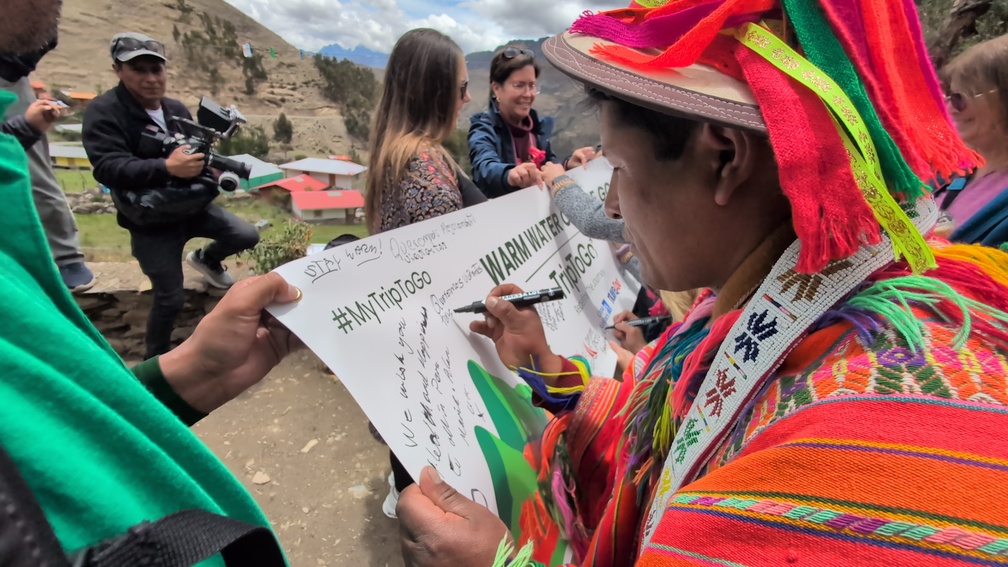
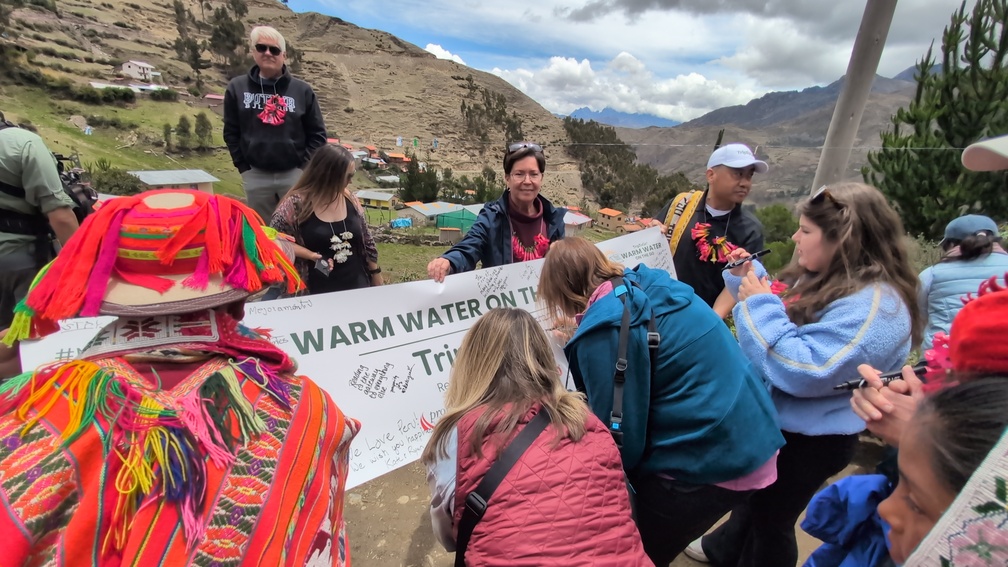
The Lasting Impact on Travelers
At TripToGo, we believe travel should leave you changed for the better—not just with memories of stunning landscapes, but with a deeper sense of connection and purpose. Through our Warm Water on the Go initiative, travelers who choose Peru trips often discover an unexpected layer of meaning in their journey.
As they explore Cusco’s historic streets, hike the Sacred Valley, or stand in awe at Machu Picchu, many become aware of the rural communities living nearby—families facing daily challenges in the cold Andean highlands. Learning that their booking quietly contributes $10 (with no extra cost) toward solar-powered water heaters for those communities adds a quiet sense of pride and fulfillment to the experience.
Travelers frequently tell us the trip feels richer knowing they’ve played a small but real part in improving hygiene, comfort, and quality of life for people they may never meet. It transforms a great vacation into something more: a story of responsible travel, shared impact, and the quiet joy of giving back. For many, that feeling lingers long after they return home—reminding them that meaningful adventures can benefit both the traveler and the world they visit.
Join Us in Making a Difference in Peru
The “Warm Water on the Go” initiative is changing lives in rural Andean communities. We invite you to join us on this journey. By supporting TripToGo, you help make a real difference in the lives of those who need it most.
TripToGo aims to empower travelers through real experiences and inclusive travel. Our “Warm Water on the Go” initiative shows this mission in action. It brings warmth and comfort to those who have lacked it for too long.
We need your support as we grow in Peru. By joining us, you become part of a community that values meaningful travel and positive impact. Together, we can make lasting change and bring the simple joy of warm water to those who need it most.
Learn more about how you can be involved with TripToGo’s initiatives. Start making a difference in Peru today.

Official resource: for the latest, authoritative information, see Peru Travel (PromPerú).
Frequently Asked Questions
What is TripToGo's Warm Water on the Go initiative?
Warm Water on the Go is TripToGo’s community programme installing solar-powered water heaters for rural Andean families near Cusco and Ollantaytambo in Peru. Many highland households have no reliable hot water, which makes washing, laundry and basic hygiene difficult in a cold climate. The systems use sunlight rather than firewood or gas, so families get consistent hot water without having to buy fuel.
How does the donation behind the initiative work?
TripToGo donates 10 dollars from every Peru trip booked with us towards installing solar water heaters, at no extra cost to the traveller. The contribution comes out of the trip price rather than being added to your bill, so the figure you see quoted is the figure you pay. It applies across Peru bookings, including the Signature Peru group tour.
Where do the solar water heaters go?
The heaters are installed with rural Andean families in the highlands around Cusco and Ollantaytambo, in Peru’s Sacred Valley region. These are farming communities where homes sit at high altitude, temperatures fall sharply after dark and mains hot water is rare. TripToGo works with local community leaders to identify which households need the systems most rather than choosing them remotely.
Why do Andean families struggle to get hot water?
It comes down to altitude, cold and cost. Villages around Cusco and Ollantaytambo sit between roughly 2,800 and 3,400 metres, where nights are cold year-round, yet many homes have no water heating at all. The traditional alternatives, boiling water over a fire or using a solar oven, take hours, consume firewood and fail on cloudy days and through winter.
How do solar water heaters work at high altitude?
Solar thermal heaters use roof panels to warm water directly rather than generating electricity, and high altitude actually helps because sunlight is more intense. The trade-offs are harsher UV exposure, lower air pressure and freezing nights, so the units used in this programme are specified to withstand those conditions rather than being standard lowland equipment that would degrade quickly.
What difference does hot water make to a household?
It changes daily hygiene, health and time. Warm water makes washing, bathing and laundry realistic in a cold climate, which reduces skin problems and other health issues linked to poor hygiene. It also frees up the hours previously spent gathering fuel and boiling water over an open fire, and it cuts the smoke exposure that comes with heating water indoors.
Is the programme good for the environment?
Yes, in two ways. Replacing wood and gas heating with solar cuts household carbon emissions and reduces indoor smoke, which is a significant health issue in homes that cook and heat with fire. It also lowers demand for firewood, easing pressure on local vegetation in a region where trees grow slowly at altitude and replacement takes decades.
Who is the ambassador for Warm Water on the Go?
Canadian travel writer Lauren Yakiwchuk, who runs Justin Plus Lauren with her partner Justin, is the official ambassador for the initiative. She joined TripToGo’s Signature Peru group tour and took part in a community ceremony presenting solar water heaters to a rural Andean family, then documented the visit in videos, reels and a blog post about her seven days in Peru.
What does the Signature Peru tour include?
TripToGo’s Signature Peru tour runs seven nights and eight days across Lima, Cusco, the Sacred Valley, Machu Picchu and Rainbow Mountain. It is a guided group itinerary covering accommodation, guided touring, meals, domestic flights and free time to explore independently. Every booking triggers the 10 dollar contribution towards the solar water heater programme in the communities near Cusco and Ollantaytambo.
Can travellers take part in the installations?
Yes, TripToGo staff and travellers have joined installation ceremonies alongside local families and community members. These are community events where households receive their systems, involving shared celebrations rather than volunteer labour. Whether you can attend depends on the departure schedule and on what the host community wants, so it is not a fixed part of every trip.
How cold does it get around Cusco and Ollantaytambo?
Nights in the Sacred Valley regularly drop close to or below freezing during the dry season from May to August, even when daytime temperatures reach the high teens Celsius. Cusco sits at about 3,400 metres and Ollantaytambo at roughly 2,800 metres, and the thin air means heat disappears fast after sunset. That daily swing is what turns hot water into a health issue.
Is this just greenwashing?
The test for any travel giving programme is whether the money reaches something specific and physical. Here it funds equipment, solar water heaters, installed in named communities near Cusco and Ollantaytambo, with recipient households identified through local leaders. The contribution is fixed at 10 dollars per Peru booking and comes out of the trip price rather than an optional add-on at checkout.
Do you have to book a tour to support the initiative?
Yes, the 10 dollar contribution is tied to Peru trips booked through TripToGo, so a booking is what triggers it, and there is no separate public donation channel for the programme. If Peru is not on your list, the equivalent step elsewhere is choosing operators that fund specific, verifiable local projects rather than making broad sustainability claims.
How does Warm Water on the Go fit into sustainable tourism?
It is TripToGo’s main community contribution and sits within the broader idea of tourism that leaves something behind. Rather than offsetting emissions abstractly, it puts a fixed sum from each Peru booking into equipment a specific household keeps and uses daily. Because the technology is solar, the environmental and community benefits run together instead of trading off against each other.
Before you go: turn this guide into a day-by-day plan. Our partner Voyada is a free trip itinerary maker that builds the trip with flights, hotels and a real total cost for your dates — in about a minute.
Make a travel itinerary →
Pedro Guzman
Will the altitude around Cusco and Ollantaytambo affect travellers?
It can, and it is worth planning for. Cusco sits at about 3,400 metres and Ollantaytambo at roughly 2,800, high enough that many visitors feel breathless, headachy or queasy for a day or two. Travel health services generally advise going up gradually, taking the first day gently rather than hauling luggage uphill, drinking plenty of water, going easy on alcohol and heavy meals, and where the itinerary allows, sleeping lower in the Sacred Valley before Cusco. Coca tea is offered everywhere and many people find it settling. Ask your doctor beforehand about preventive medication, especially with heart or lung conditions, and if symptoms worsen rather than ease, descend and seek medical help.