
Table of Contents
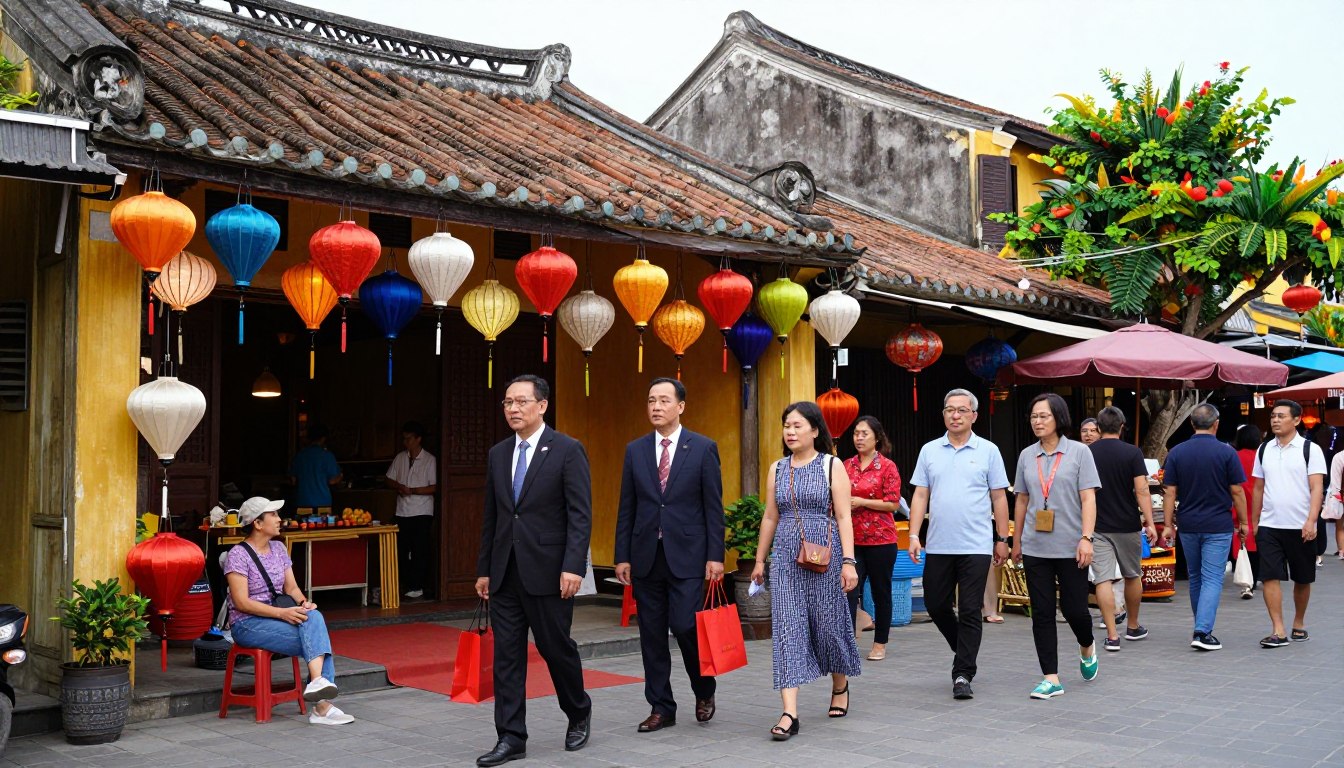
ToggleDid you know this ancient port glows with light from nearly 1,000 silk lanterns every lunar month? This UNESCO gem offers a timeless vibe, but your trip depends on local monsoon winds.
Finding the optimal season for visiting hoi an means mixing bright sunshine with local humidity. Most travelers prefer dry months between February and August.
During this window, see clear skies plus warm temperatures ranging between 77°F and 91°F. It is a perfect window for beach lounging or wandering yellow streets.
Planning around weather ensures travelers avoid heavy rains. Let’s look at specific months making this place shine.
Key Takeaways
- Visit during the dry season from February through August.
- Enjoy clear skies plus temperatures between 77°F and 91°F.
- February through April offers comfortable humidity levels.
- Be mindful of the rainy season starting in September.
- Plan your trip around the monthly lunar lantern festival.
- Avoid flood risks by checking local forecasts before departure.
Understanding Hoi An's Climate and Weather Patterns
The weather in Hoi An is a key factor in the travel experience, making it vital to understand its climate. Located in central Vietnam, Hoi An experiences a climate with two main seasons: rainy and dry. This pattern is typical for the region and greatly affects the town’s weather all year.
Tropical Monsoon Climate Basics
Hoi An’s climate is a tropical monsoon type, featuring a distinct dry and wet season. This climate is characterized by high temperatures and humidity levels all year. The monsoon months see significant rainfall.
Annual Temperature Ranges
The temperature in Hoi An varies yearly, with averages from 22°C to 30°C (72°F to 86°F). The cooler months offer a welcome break from the heat. The warmer months, on the other hand, can be quite hot.
Humidity and Comfort Levels
Humidity is a key factor in Hoi An’s climate, often exceeding 80% in the wet season. Knowing the humidity levels helps travelers prepare and pack to stay comfortable.
Regional Weather Variations
While Hoi An’s climate is mainly tropical monsoon, there are regional variations. The town’s coastal location and flat terrain influence its weather, which can differ from inland or mountainous areas.
Understanding Hoi An’s climate and weather patterns helps travelers plan their trips. This way, they can make the most of their visit.
The Two Distinct Seasons of Hoi An
Hoi An’s climate is divided into two main seasons, each with its own charm. Knowing about these seasons helps plan a trip that fits your style. This ensures you make the most of your time in this beautiful Vietnamese town.
Dry Season Characteristics (February to August)
The dry season in Hoi An, from February to August, is characterized by little rain, lots of sun, and warm temperatures. It’s the best time for outdoor fun like exploring the ancient town, visiting beaches, and water sports.
The weather is warm and dry, ideal for those who love sunny days without rain. This season is the peak travel time in Hoi An. Many tourists come for the pleasant weather.

Wet Season Characteristics (September to January)
The wet season, from September to January, brings rain, higher humidity, and cooler temperatures. While rain might scare some off, it also makes the area lush and green.
For those who don’t mind getting wet or prefer a less crowded scene, the wet season is unique. It’s also a time when Hoi An is less busy, giving visitors a more authentic feel.
Transitional Weather Patterns
Transitional periods between the dry and wet seasons can be quite unpredictable. These times, usually in January to February and August to September, see a mix of both.
Visitors during these times should be ready for anything, from sun to rain. While planning can be tricky, these periods offer a fresh, interesting way to see Hoi An.
For Hoi An travel recommendations, it’s important to consider the season. Whether you prefer the dry, sunny weather or a greener, less crowded scene, Hoi An has it all.
Best Time to Travel to Hoi An: The Optimal Season for Visiting Hoi An
Planning a trip to Hoi An requires knowing the best time to visit. This Vietnamese town is known for its rich culture and stunning landscapes. The period from February to April is ideal, with pleasant weather and fewer tourists than the peak season.
Why February to April Offers Perfect Conditions
February to April is the best time to explore Hoi An. The weather is warm but not too hot, ranging from 24°C to 28°C (75°F to 82°F). This makes it ideal for walking tours, cycling, and trying local dishes.
Visitors can fully enjoy the town’s ancient buildings, lively markets, and natural surroundings. The weather is perfect, avoiding extreme heat and heavy rain.
Balancing Weather and Crowds
Traveling to Hoi An from February to April offers a great balance. While March is part of the peak season, the crowds are not as overwhelming as later months.
Attractions like the Ancient Town, Japanese Bridge, and markets are less crowded. This makes for a more enjoyable visit.
Value for Money During Optimal Months
Visiting Hoi An from February to April is also cost-effective. Prices for accommodations and services might be higher than in the low season. Yet, the pleasant weather and fewer crowds make the experience more enjoyable.
Local businesses also offer competitive prices during this time. It’s a great opportunity to try local cuisine, take cooking classes, or participate in cultural activities.
Peak Travel Time Hoi An: What to Expect
Hoi An’s peak travel season is a time of vibrant energy and unforgettable experiences. The town comes alive with visitors from around the world. They are all drawn to its ancient charm and cultural richness.
High Season Timeline (March to May)
The peak travel season in Hoi An typically spans from March to May. During these months, the weather is near perfect. Comfortable temperatures and minimal rainfall make it ideal for exploring the town’s must-see attractions.
This period is characterized by high demand for accommodations and tourist services. This leads to larger crowds and a more vibrant atmosphere.
Advantages of Traveling During Peak Season
Traveling to Hoi An during peak season has several advantages. The pleasant weather allows for comfortable exploration of the Ancient Town, beaches, and surrounding countryside.
Also, the peak season coincides with various cultural events and festivals. This provides visitors with a deeper insight into local traditions and customs.
Managing Crowds and Popular Attractions
To make the most of your visit during peak travel time, it’s essential to plan ahead. Popular attractions like the Japanese Bridge, Phuc Kien Assembly Hall, and the Hoi An Museum of History and Culture can get crowded.
Consider visiting these sites early in the morning or later in the evening. This helps you avoid the peak tourist hours.
Advanced Booking Requirements
Given the high demand during peak season, it’s vital to book your accommodations, flights, and tours well in advance. This ensures availability and can help you secure better rates.
Planning ahead allows you to focus on enjoying your trip. You’ll know that the essentials are taken care of.
Summer Season in Hoi An (June to August)
Summer in Hoi An, from June to August, brings intense heat and sun-kissed beaches. This season is marked by high temperatures and humidity, posing challenges for some travelers. Yet, for those who relish tropical climates and beach activities, summer is an excellent time to explore.
Hot Weather Realities
Hoi An’s summer months see temperatures often exceeding 35°C (95°F), with high humidity. This combination makes outdoor activities uncomfortable, mainly during peak sun hours. Visitors must stay hydrated, wear light attire, and seek shade regularly.
The heat is intense, so it’s wise to schedule outdoor activities for early morning or late afternoon. This avoids the strongest sun hours.
Perfect Beach Weather Benefits
Summer is ideal for enjoying Hoi An’s stunning beaches, despite the heat. The calm, clear waters are perfect for swimming, kayaking, or beach relaxation. The beaches are less crowded, providing a tranquil experience for those who prefer fewer tourists.
Best Activities for Summer Heat
For a memorable summer visit to Hoi An, focus on activities that keep you cool or involve water. Consider:
- Beach hopping to An Bang Beach or Cua Dai Beach
- Water sports like surfing or paddleboarding
- Visiting local markets early in the morning or late in the evening
- Exploring indoor attractions like museums or shopping centers
- Taking a cooking class to learn about Vietnamese cuisine
Staying Cool and Comfortable
To enjoy a cool and comfortable summer in Hoi An, follow these tips:
Drink plenty of water to stay hydrated. Wear light, breathable clothing and a hat to shield from the sun. Take breaks in air-conditioned or shaded areas to cool down. Visit outdoor spots during the cooler parts of the day.
By being prepared and leveraging the summer weather, you can have a fantastic time in Hoi An. While it may not be the best time for everyone due to the heat, it offers a unique summer experience.
Monsoon Season Considerations (September to December)
Hoi An’s monsoon season, from September to December, presents a unique view of this ancient town. Rain showers and fewer tourists characterize this period. Though it may deter some due to the wet weather, it holds its own charm and benefits.
Understanding Rainfall Intensity
The monsoon season significantly increases rainfall in Hoi An, with September and October being the wettest. Heavy rain can cause flooding in some areas. Yet, the rain is often followed by clear skies, refreshing the town after the summer heat.
Flooding Risks and Affected Areas
Parts of Hoi An, like low-lying areas near the Thu Bon River, are more susceptible to flooding. Travelers should be cautious, planning for heavy rain. Local authorities work to reduce flooding, but staying informed about weather is key.
Typhoon Season Awareness
Hoi An faces typhoons during the monsoon season. These storms can disrupt travel with heavy rain and strong winds. Keeping up with local weather forecasts is vital. Authorities provide timely warnings for necessary precautions.
Unexpected Benefits of Low Season Travel
Traveling to Hoi An during the monsoon season offers unique benefits. The town is less crowded, allowing for easier exploration. The rain also brings a lush green landscape, ideal for photography or nature walks.
For those seeking a more relaxed visit and possibly lower prices, the monsoon season is appealing. With proper preparation, travelers can have a memorable experience in this charming town.
Hoi An Weather Guide: Month-by-Month Breakdown
To fully enjoy your time in Hoi An, it’s vital to understand the local weather patterns. This town, famous for its ancient architecture and rich culture, has a tropical monsoon climate. It has distinct wet and dry seasons, each bringing its own experiences and challenges.
Breaking down Hoi An’s weather by month helps travelers plan their trip. Whether you prefer sunny days or are ready for rain, knowing the monthly variations can greatly improve your visit.
January: Cool and Occasionally Wet
January is cooler in Hoi An, with temperatures between 22°C and 25°C (72°F to 77°F). While mostly dry, there might be rain showers from the wet season. It’s less crowded than peak times, perfect for those who like fewer people around.
February: Weather Improvement Begins
February sees better weather in Hoi An. Temperatures rise to 23°C to 27°C (73°F to 81°F), and rain decreases. It’s great for outdoor activities and exploring the town’s ancient streets without the heat.
March: Near-Perfect Conditions
March is a top time to visit Hoi An. The weather is usually dry and sunny, with temperatures from 24°C to 29°C (75°F to 84°F). The town is lively but less crowded than peak months, ideal for sightseeing and outdoor fun.
April: Warm and Dry Excellence
April keeps the warm and dry weather, with temperatures from 26°C to 31°C (79°F to 88°F). It’s perfect for beach lovers and water sports enthusiasts. The dry and pleasant weather makes April a favorite among tourists, so expect more visitors, mainly on weekends and holidays.
Knowing the weather month by month in Hoi An helps plan activities and enjoy the town fully. By picking the right time, visitors can take in the attractions, cultural events, and natural beauty at their best.
Ideal Months to Visit Hoi An Based on Your Travel Style
The perfect time to visit Hoi An depends on your vacation preferences. It caters to various needs, from budget-conscious travelers to photography enthusiasts. Whether you’re planning a family trip or seeking beach activities, Hoi An has something for everyone.
Best Time for Budget-Conscious Travelers
Travelers on a budget should consider the shoulder season in Hoi An. This period, from April to May and September to November, offers lower prices. You’ll enjoy pleasant weather and fewer crowds, making it ideal for saving money.
The monsoon season, from September to November, also provides discounts on accommodations. Though there’s a chance of rain, the short showers are followed by lush landscapes. This can be quite breathtaking.
Best Time for Family Vacations
Families will find the dry season, from February to August, perfect for their trips. The weather is warm and sunny, ideal for outdoor activities. March to April is an excellent time, with pleasant weather and fewer crowds.
Summer months (June to August) are great for beach activities. Yet, it’s the peak tourist season, so popular spots can get crowded.
Best Time for Photography Enthuasiasts
Photography enthusiasts will love Hoi An from February to April. The weather is dry and sunny, perfect for capturing the town’s beauty. The soft light during these months enhances the ancient architecture and landscapes.
The full moon evenings, monthly, are also great for photography. The town’s lanterns add a magical touch to the scenes.
Best Time for Beach and Water Activities
For beach and water activities, summer months from June to August are best. The sea is calm, ideal for swimming and snorkeling. An Bang Beach and Cua Dai Beach are popular spots.
April and May are also good for beach activities. The weather is warm, and the sea is generally calm.
Festival Calendar and Cultural Event Timing
Hoi An’s cultural calendar is a vibrant tapestry of festivals, each highlighting the town’s rich heritage. These events are the heart of Hoi An’s identity, giving visitors a firsthand glimpse into local culture.
Tet Festival (Vietnamese New Year)
The Tet Festival, or Vietnamese New Year, is a cornerstone of Hoi An’s cultural events. It falls in late January or early February, based on the lunar calendar. The town transforms with colorful flowers and lanterns, and locals engage in traditional lion dances and family reunions.
During Tet, visitors can immerse themselves in the festive ambiance, witness traditional performances, and participate in local customs. Yet, it’s important to note that some businesses may close during the first few days, so planning is key.
Monthly Lantern Festival (Full Moon)
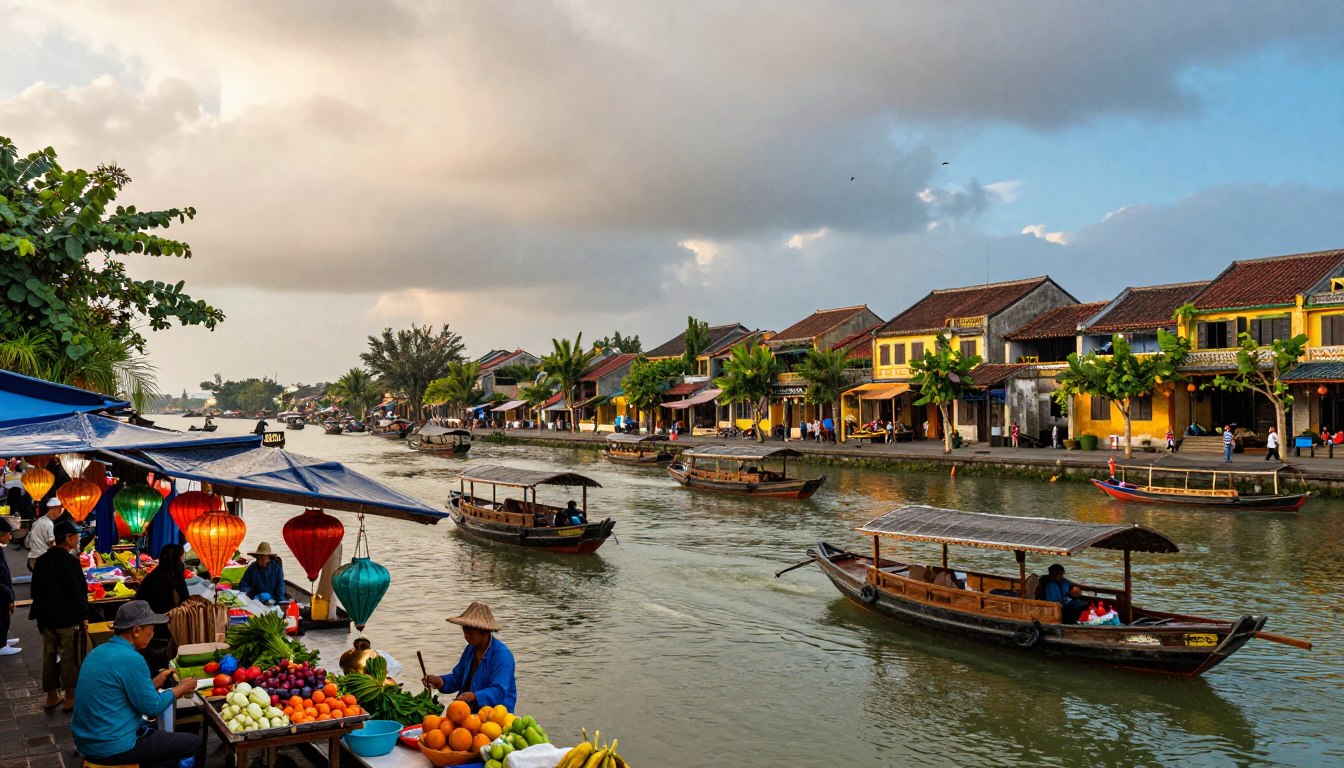
Hoi An’s Monthly Lantern Festival occurs on the 14th day of each lunar month. It features the mesmerizing release of lanterns onto the Thu Bon River. The town’s streets are also adorned with traditional food, souvenirs, and cultural performances.
This festival offers a magical atmosphere, with fewer crowds than peak season. For those planning to attend, September or October is ideal, with pleasant weather.
Mid-Autumn Festival Celebrations
The Mid-Autumn Festival, happening in September or October, is another significant event in Hoi An. It’s celebrated with lion dances, lantern processions, and traditional mooncakes. Families flock to Hoi An during this time, making it a popular event.
Visitors can revel in the festive mood, watch traditional performances, and savor local treats. The Mid-Autumn Festival is a prime opportunity to immerse oneself in Hoi An’s cultural richness.
Traditional Festivals Throughout the Year
Beyond major festivals, Hoi An hosts numerous traditional events throughout the year. These include the Hoi An Full Moon Lantern Festival, held monthly, and other local celebrations that offer a glimpse into the town’s cultural heritage.
For an ultimate Hoi An trip planner, incorporating these cultural events can enrich your experience. Visiting during a festival allows for a deeper cultural immersion and unforgettable memories.
For more hoi an travel recommendations, researching the local event calendar before your trip is advisable. This way, you can catch one of these unique cultural experiences.
Must-See Attractions Hoi An and Seasonal Accessibility
Hoi An boasts a variety of attractions, from ancient structures to untouched beaches. These sites are accessible all year, catering to different traveler interests. The town’s rich history and diverse landscapes make it a prime destination.
Ancient Town Walking Tours
The Ancient Town of Hoi An is a UNESCO World Heritage Site. It showcases ancient architecture, lively markets, and a deep cultural heritage. Walking tours are available all year, but the dry season (February to August) is best for exploring.
During this time, the weather is ideal for strolling through the town’s narrow streets and visiting historic sites. Visitors can marvel at the town’s architecture, explore museums, and purchase local handicrafts.
Coastal Areas and Beaches
Hoi An’s coastal areas and beaches are perfect for relaxation and water activities. Beaches are accessible all year, but summer (June to August) is best for swimming and sunbathing.
Summer months bring crowds, but the beaches are lively with water sports and activities. The low season offers a quieter experience, ideal for those seeking tranquility.
Countryside and Rice Paddies
The countryside around Hoi An features lush rice paddies, rural villages, and scenic views. The dry season is the best time for outdoor activities like cycling and hiking.
Exploring local villages and interacting with locals is a highlight. The countryside provides a more authentic experience compared to the Ancient Town.
Indoor Attractions for Rainy Days
Hoi An has indoor attractions ideal for rainy days. These include museums, art galleries, and traditional craft workshops.
Visitors can learn about the town’s history at the Museum of History and Culture. They can also witness traditional crafts at workshops where ancient techniques are preserved.
Understanding Hoi An’s seasonal attractions helps travelers plan their trip. This way, they can enjoy the town’s offerings regardless of when they visit.
Seasonal Activities and Experiences
Hoi An changes with the seasons, providing a variety of activities for every traveler. Its charm comes from adapting, making each visit unique.
Dry Season Outdoor Adventures
The dry season, from February to August, is perfect for those who love the outdoors. Visitors can:
Walk or bike through the ancient town, admiring its architecture and lively streets.
Visit beaches like An Bang and Cua Dai for swimming, sunbathing, and water sports.
Try activities like kayaking, cycling, or motorbiking through the countryside.
Wet Season Indoor Alternatives
From September to January, Hoi An has plenty of indoor activities:
Explore the cultural heritage at museums like the Museum of History and Culture or the Museum of Folklore.
Shop at local markets or boutiques for unique handicrafts and souvenirs.
Enjoy traditional Vietnamese dishes at restaurants and cafes.
Year-Round Activities
Hoi An offers activities all year round:
Take cooking classes to learn about Vietnamese cuisine.
Go on a boat trip along the Thu Bon River or to the Cham Islands for snorkeling and diving.
Relax at spas and wellness centers with traditional Vietnamese massages and treatments.
Knowing what Hoi An offers by season helps plan a trip. Whether you seek adventure, relaxation, or cultural experiences, Hoi An has it all.
Budget Considerations Across Different Seasons
Planning a trip to Hoi An requires careful budgeting, as costs vary by season. Knowing these changes is essential for a budget-friendly trip.
Pricing Structure During Peak Season
The high season, from March to May, sees prices for accommodations and tours peak. This is due to the influx of tourists eager to experience Hoi An’s weather and festivities.
Accommodation prices can increase by up to 50% during this time. Booking early is key to securing the best rates.
Discounts and Deals During the Low Season
The low season, from September to December, is more budget-friendly. Hotels and tour operators offer substantial discounts to draw visitors.
Travelers can find lower rates on accommodations and tours, perfect for those on a budget. Yet, be prepared for rain and plan your trip wisely.
Flight Price Variations from the United States
Flight prices from the United States to Hoi An change with the season, demand, and sales. High season flights are pricier due to increased demand.
Using flight comparison tools and being flexible with travel dates can uncover cheaper flights. Booking early also helps secure better rates.
Strategies for Saving Money by Season
Traveling in the shoulder season (February to April or November to December) can save money. Prices are lower, but the weather remains pleasant.
Another tactic is to look for package deals. These often include accommodations, tours, and flights at a discounted rate, saving money compared to booking separately.
Understanding seasonal budget variations and using smart planning can lead to a cost-effective Hoi An trip. Quality of experience is not compromised.
Top Travel Tips Hoi An: Packing for Every Season
Hoi An’s climate requires a thoughtful packing strategy for a comfortable journey. Knowing the seasonal changes and preparing adequately can greatly improve your travel experience.
Dry Season Essentials
The dry season, from February to August, brings warm and sunny weather to Hoi An. It’s vital to pack:
Lightweight, breathable clothing like cotton or linen shirts and shorts.
Sunscreen with high SPF to shield against intense UV rays.
Wet Season Necessities
The wet season, from September to January, introduces rain and cooler temperatures. Remember to pack:
A waterproof jacket or poncho to stay dry.
An umbrella or raincoat for sudden rain showers.
Warm layers for the cooler mornings and evenings.
Waterproof bags or covers for your electronics and important documents.
Year-Round Must-Pack Items
There are certain items that should always be in your luggage, regardless of the season:
Insect repellent to ward off mosquitoes and other insects.
Comfortable walking shoes for exploring Hoi An’s ancient town.
A power adapter for charging your devices.
A reusable water bottle to stay hydrated.
Footwear for Different Conditions
The right footwear is key to your comfort:
For dry conditions, sandals or flip-flops are ideal.
In the wet season, consider waterproof shoes or sandals with good grip.
For town exploration, comfortable walking shoes are essential.
By packing wisely and preparing for Hoi An’s climate, you can ensure a enjoyable and stress-free trip.
Hoi An Travel Recommendations: Practical Season-Specific Tips
Understanding the seasonal nuances is key to a great trip to Hoi An. This ancient town, with its rich culture and stunning landscapes, offers a unique experience all year round. Being prepared for seasonal variations can greatly enhance your journey.
Managing Heat and Sun Exposure
In the dry season, Hoi An can be very hot, peaking in June and July. To combat the heat, drink plenty of water and protect your skin with sunscreen, a hat, and sunglasses. Wearing light, breathable clothing is also essential.
Visitors in the peak summer months should take breaks in shaded spots or indoor places during the hottest hours. This strategy helps avoid heat exhaustion and makes exploring more comfortable.
Navigating Rainy Day Challenges
The wet season introduces challenges like rain and flooding. While the rain makes landscapes lush, it’s vital to have waterproof gear, including a raincoat or umbrella, and waterproof bags for your belongings.
On rainy days, explore Hoi An’s indoor spots like museums, art galleries, and traditional coffee shops. These places offer a dry escape and a deeper look into local culture and lifestyle.
Transportation Options by Season
Transportation choices in Hoi An change with the seasons. In the dry season, cycling or walking are great for exploring. In the wet season, motorbike taxis or covered vehicles might be better.
Some rural areas may be hard to reach during heavy rains due to flooding. A flexible itinerary can help you make the most of your visit, no matter the weather.
Health and Safety Considerations
Health and safety precautions are always important, regardless of the season. Protecting against mosquito-borne illnesses is critical, as mosquito populations rise in the wet season. Use insect repellent and wear protective clothing.
Staying updated on weather forecasts and local advisories can help you avoid severe weather. Being prepared and flexible ensures a safe, enjoyable trip to Hoi An.
Ultimate Hoi An Trip Planner: Creating Your Perfect Visit
To craft your ideal Hoi An experience, tailor your plans to your interests. Whether you crave cultural immersion, relaxation, or adventure, Hoi An caters to all. Understanding how to maximize your trip involves considering several key factors.
Matching Your Travel Dates to Priorities
Choosing the right time to visit Hoi An is critical. For sunny weather, February to April is best. If budget is a concern, the shoulder season offers value without sacrificing weather quality.
Those seeking tranquility might prefer the low season, despite occasional rain. Keep in mind that festivals like the Lantern Festival attract many visitors.
Recommended Length of Stay by Season
The duration of your stay in Hoi An greatly influences your experience. In peak season, 3-4 days suffice for main attractions. But, the low season might require a longer stay to enjoy discounts and the town’s full charm.
For a relaxed pace, consider a week-long stay. This allows exploration of Hoi An, its countryside, and nearby beaches.
Combining Hoi An with Other Vietnamese Destinations
Hoi An is a key stop on Vietnam trips. Its central location makes it perfect for exploring other areas. Combine your visit with Da Nang, Hue, or My Son’s ancient ruins.
For a diverse Vietnam experience, Hoi An is a great starting point. Visit Hanoi, Ha Long Bay, or Ho Chi Minh City to broaden your horizons.
Booking Timeline and Reservation Strategy
Booking your Hoi An trip early is wise, regardless of the season. Peak season requires early reservations for the best rates and availability. Low season offers more flexibility, but planning ahead is essential for festivals or events.
Plan a flexible itinerary for spontaneity while keeping a solid plan. This balance ensures a memorable trip.
Conclusion
Hoi An is a destination that offers something unique throughout the year, making it a versatile travel destination. Whether you’re looking for the perfect weather, cultural events, or outdoor activities, understanding the best time to travel to Hoi An is key for a memorable trip.
By considering factors such as the dry and wet seasons, peak travel times, and seasonal activities, you can plan your visit to Hoi An according to your preferences. Following Hoi An travel recommendations can help you make the most of your trip. This ensures a balance between enjoying the town’s attractions and avoiding crowds.
With its rich cultural heritage, stunning landscapes, and welcoming atmosphere, Hoi An is ready to be explored. Plan your trip wisely, and you’ll discover why it’s a beloved destination for travelers from around the world.
FAQ
When is the optimal season for visiting Hoi An to ensure the best weather?
What should I expect during the peak travel time Hoi An experiences?
Where can I find a reliable Hoi An weather guide for planning a month-by-month itinerary?
What are the ideal months to visit Hoi An for travelers on a tight budget?
What are the must-see attractions Hoi An offers that are accessible year-round?
Do you have any specific Hoi An travel recommendations for navigating the monsoon season?
What are the top travel tips Hoi An visitors should follow when packing?
How should I structure my ultimate Hoi An trip planner for a first-time visit?
When is the best time to travel to Hoi An to witness the famous Lantern Festival?