Table of Contents
ToggleDid you know over 1.5 million travelers aim to explore Machu Picchu annually? This Incan citadel is a global icon, yet finding the right time for your visit is key for a serene experience. Knowing the best time to visit machu picchu helps you avoid large crowds and enjoy the Andean skies.
Planning your 2026 trip involves understanding seasonal weather and daily entry rules. By picking the right dates, you turn a common tourist spot into a deeply personal journey through history. We offer the insights you need to plan confidently.
Whether you prefer dry mountain air or lush landscapes, timing is critical. Finding the best time to visit machu picchu makes your trip unforgettable.
Key Takeaways
- Aim for the shoulder seasons of April, May, September, and October for a balance of good weather and fewer crowds.
- The dry season runs from May through October, providing the most consistent sunshine for photography.
- Always book your entry tickets months in advance, as daily capacity limits are strictly enforced.
- Consider arriving early in the morning or late in the afternoon to avoid the peak midday rush.
- Check local festival calendars, as events like Inti Raymi can significantly impact travel logistics and availability.
✈️ TripToGo Travel Deals
Get notified about great travel deals
Hand-picked flight, hotel and destination deals, straight to your inbox. No spam, unsubscribe anytime.
🎉 Thank you for subscribing!
You’re all set — the best travel deals are on their way.
Determining the Best Time to Visit Machu Picchu
Choosing the best time to visit Machu Picchu is the first step toward an unforgettable adventure. Deciding when to go involves weighing the benefits of clear, sunny skies against the desire for a more solitary exploration of the ancient stone structures. You should consider what matters most to you, whether it is capturing perfect photos or enjoying a peaceful hike.
The dry season remains a popular choice for many, but seasoned travelers often find the shoulder months superior. These transition periods offer a unique opportunity to experience the site without the intense crowds found during peak vacation times. By selecting these quieter windows, you can often enjoy a more intimate connection with the history of the Andes.
We are here to help you evaluate your personal priorities to ensure your trip aligns with your specific goals. Whether you are a budget-conscious explorer or a photographer chasing the perfect light, identifying the best time to visit Machu Picchu will set the stage for a successful journey. Take a moment to reflect on your travel style so you can make an informed decision that creates lasting memories.
Planning a trip to Machu Picchu?
Our partner Voyada’s trip planning AI builds a day-by-day plan with flights, hotels and a real total cost for your dates — in about a minute, free.
Plan trip with AIUnderstanding the Machu Picchu Climate and Weather Patterns
The weather in the Andes is known for its unpredictability, changing from clear skies to misty clouds in minutes. Temperatures are mild, rarely falling below freezing or rising to extreme highs. Grasping the subtleties of the machu picchu climate is key to packing right and setting realistic expectations for this iconic journey.
The Dry Season: What to Expect from May to October
This period is often seen as the best time to visit machu picchu due to the clear skies. Expect plenty of sunshine, making the Inca Trail and ruins more enjoyable. Yet, the high altitude means temperatures plummet at night.
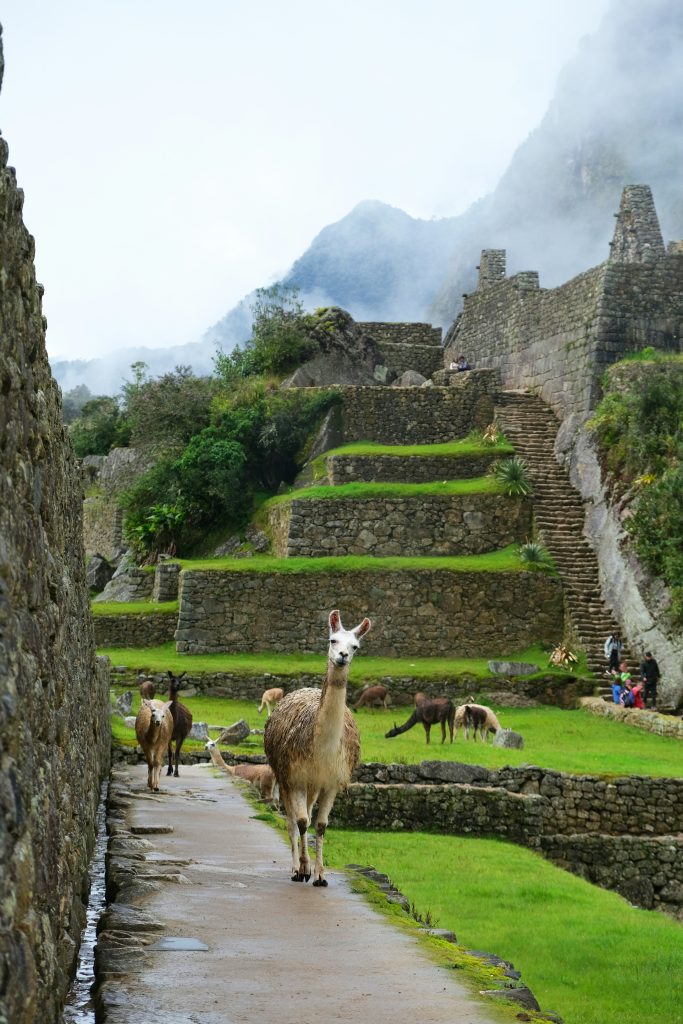
Peak season means more people on the trails. It’s ideal for photography, with the stone structures sharp against the blue sky. Don’t forget layers, as the mountain air can cool quickly.
The Rainy Season: Navigating November to April
The rainy season offers a lush, green landscape, perfect for those seeking a quieter experience. Prepare for showers, but they usually last only a short time. It’s vital to keep an eye on the machu picchu weather during this period, as trails can be slippery and views may be obscured.
Traveling in the rainy season requires flexibility and the right gear. You’ll find fewer crowds, allowing for a deeper connection with the site. The mist and greenery can make your visit a memorable, atmospheric journey through history.
Peak Season vs. Off-Peak Season Dynamics
Visiting the citadel at different times of the year offers vastly different experiences. Knowing when to go helps you choose between the lively summer months or a serene trek. Your decision affects your daily experience and how you connect with the local climate.
Managing Crowds During High Season
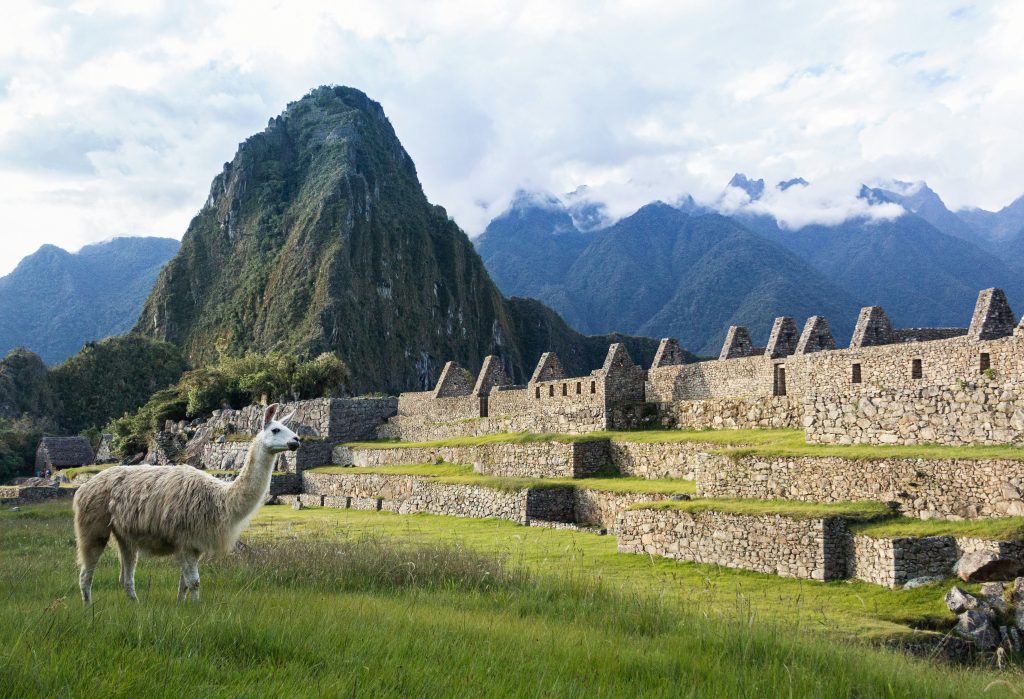
The peak season at Machu Picchu runs from June to August. This period attracts the most visitors, often during school breaks and holidays. Booking your entry permits and transportation early is essential to secure your spot.
To minimize stress, arrive at the entrance early. Visiting during the first or last slots of the day helps you dodge big groups. Staying overnight in nearby towns can also help you beat the morning rush.
Benefits of Traveling During the Shoulder Months
For a quieter experience, consider the shoulder months. These times offer a rare chance to explore the ancient paths with fewer people. The site’s silence and grandeur are more pronounced when it’s less crowded.
Traveling during the off-peak season allows for a more relaxed visit. You can take your time with photos and history without feeling rushed. This approach fosters a deeper connection with this incredible site.
Machu Picchu Ticket Availability and Booking Strategies
Securing your spot at the world’s most famous citadel is the most important step in your travel planning. The government enforces strict daily capacity caps. So, checking machu picchu ticket availability should be your first priority.
Waiting until the last minute often leads to disappointment, as popular routes fill up quickly. By planning ahead, you ensure your QR code is ready for scanning at the entrance gate without any stress.
Securing Entry Permits Months in Advance
You should aim to book your entry permits at least three to four months before your departure date. This is essential, as the summer months and major holidays are very busy.
Always use the official government website to purchase your tickets. This avoids unnecessary fees or fraudulent sites. If tickets are sold out, consider reputable machu picchu tours that may have pre-purchased inventory.
Understanding the Different Circuit Options
The site now offers several distinct circuits, each providing a unique perspective of the ruins. Some paths focus on panoramic views that are perfect for photography, while others dive deep into the historical architecture of the site.
Take time to review the map of each circuit before you finalize your purchase. Choosing the right route ensures that you see the specific landmarks that matter most to your personal interests.
Whether you prefer a quick walk through the main plaza or a more strenuous climb, there is an option for every traveler. Once you select your circuit, double-check your entry time to ensure a smooth arrival at the gates.
Financial Planning and Estimated Trip Costs
Effective financial management is key to a stress-free journey to Machu Picchu. By planning your expenses early, you can enjoy the Andes without financial worries. A well-thought-out budget helps you focus on the experiences that truly matter.
Budgeting for Flights and Regional Transportation
International airfare to Lima and connecting flights to Cusco are your initial expenses. Regional transportation is next on your list. Most opt for the scenic train from Cusco or Ollantaytambo to Aguas Calientes.
Securing train tickets early is vital, as prices change with demand. Don’t forget to budget for shuttle buses from the town to the entrance. Staying updated on machu picchu ticket availability ensures smooth travel plans.
Daily Expenses for Food, Lodging, and Guided Tours
Budget-friendly hostels start at $20 a night, while luxury hotels are pricier. Daily costs vary based on your accommodation preferences. Dining options range from local markets to upscale restaurants in Cusco.
Traveling during the off-peak season can lead to discounts on accommodations and tours. This approach helps stretch your budget while avoiding crowds. Remember, a professional guide’s local knowledge greatly enhances your visit.
Monitor official platforms for machu picchu ticket availability to secure your entry. Proper financial planning makes your trip affordable and memorable. With some preparation, you can explore the Inca Empire on your terms.
Navigating Machu Picchu Altitude Effects
Traveling to high altitudes can be daunting, but with the right approach, you’ll navigate it smoothly. The thin air in the Andes can catch even the most experienced travelers off guard. It makes everyday activities feel more strenuous than they should. Understanding the machu picchu altitude effects is key to a comfortable and unforgettable journey.
Acclimatization Tips for Cusco and Aguas Calientes
Allow your body time to adjust to the elevation. Spend your first two days in Cusco or the Sacred Valley before visiting the citadel. This gradual adjustment helps your body adapt to the lower oxygen levels naturally.
Staying hydrated is essential to combat discomfort. Drink plenty of water and consider sipping local coca tea, a traditional remedy. Avoid heavy meals and alcohol in your first 48 hours to minimize the effects of altitude.
Managing Physical Exertion at High Elevations
Once at the site, your physical abilities will differ from those at sea level. Take your time exploring the stone terraces and steep stairways. There’s no rush, as the beauty of the ruins is best savored at a leisurely pace.
Pay attention to your body’s signals throughout the day. If you feel dizzy or out of breath, take a break in a quiet spot. By respecting the altitude and pacing yourself, you’ll conserve your energy and fully appreciate your exploration.
Essential Machu Picchu Travel Tips for First-Timers
Planning your first trip to Machu Picchu? These practical tips will guide you through the terrain with confidence. Understanding the logistics early ensures your focus remains on the stunning views, not travel hurdles. Follow these tips to make your trip a seamless adventure.
Packing Essentials for Variable Mountain Weather
The Andes’ climate is notoriously unpredictable, changing from sunny to rainy in minutes. Dressing in layers is key to staying comfortable. Begin with a moisture-wicking base layer and add a fleece or light jacket that can be removed easily.
Sturdy, broken-in hiking boots are essential for Machu Picchu’s uneven paths. Always carry a high-quality rain poncho or waterproof shell, as sudden showers are common. Remember to pack a small daypack for your water, sunscreen, and extra layers.
Navigating Local Transportation and Train Services
Getting to Machu Picchu involves train travel and shuttle bus transfers. Most visitors take a scenic train from Cusco or Ollantaytambo to Aguas Calientes. Booking your train tickets early is wise, as they often sell out during peak months.
After arriving in Aguas Calientes, you’ll need a shuttle bus to the citadel’s main entrance. Buses run often, but lines can be long in the early morning. Plan your departure to avoid long waits and ensure a stress-free day.
Exploring Popular Machu Picchu Hiking Trails
Prefer to travel it with a guide?
There are 22 Peru tours on TripToGo, from short city breaks to multi-week routes.
View Peru tours →The journey to Machu Picchu is as captivating as the destination itself. By selecting from the diverse machu picchu hiking trails, you can fully immerse yourself in the breathtaking Andean scenery. Each trail offers a distinct view of the region’s history and geography.
The Classic Inca Trail Experience
The four-day Classic Inca Trail is the most renowned path to the citadel. It traces the original stone paths crafted by the Incas centuries ago. Along the way, you’ll traverse cloud forests and ascend high mountain passes, culminating at the Sun Gate.
Due to its fame, securing a spot on these machu picchu tours requires booking through authorized operators months in advance. This step is essential to obtain the necessary permits for the protected trail system. It’s an adventure that demands a moderate level of physical fitness.
Alternative Treks: Salkantay and Lares Routes
For those seeking fewer crowds or varied landscapes, the Salkantay or Lares treks are ideal. The Salkantay route boasts stunning glacial vistas and demanding high-altitude terrains. It’s favored by those craving a more challenging and adventurous journey.
The Lares route, on the other hand, offers a glimpse into the lives of contemporary Andean communities. You’ll pass through isolated villages and witness traditional weaving practices. Both treks promise unforgettable experiences for those ready to explore beyond the usual trails.
Logistics of Reaching the Citadel
Traveling from your hotel in Aguas Calientes to the citadel’s gates is a daily challenge for visitors. While many focus on the famous machu picchu hiking trails, the last leg requires precise timing. This ensures you enter at your designated slot.
Travel Times from Cusco to Aguas Calientes
The journey to Aguas Calientes takes 1.5 to 4 hours, depending on your starting point and the train service. Visitors often start by taking a train from Cusco or Ollantaytambo.
Upon arriving in Aguas Calientes, you’re close to the mountain sanctuary. Arriving the night before your visit can help avoid morning travel hassles.
Bus Transfers and Walking Paths to the Entrance
Getting to the main gate offers two options: a shuttle bus or a scenic hike. Shuttle buses leave frequently, starting at 5:30 a.m., and reach the top in about 25 minutes.
For a more engaging experience, walking up the steep stairs is an option. This hike from Aguas Calientes to the entrance takes around 1 hour and 30 minutes for most.
Choosing between the bus or hiking, timing your departure is key. Arriving at the gates exactly when needed helps you avoid long queues. This way, you can spend more time exploring the ruins, not waiting in line.
Cultural Events and Local Festivals
Peru’s cultural events add a vibrant layer to your journey beyond the stone ruins. Attending these celebrations can transform your Peruvian adventure. Remember, these dates often coincide with the machu picchu peak season. So, planning ahead is key.
Timing Your Visit with Inti Raymi
The Inti Raymi festival, or Festival of the Sun, showcases Andean heritage. It takes place annually on June 24th in Cusco. This event attracts visitors worldwide to see ancient Incan rituals reenacted.
This festival falls within the machu picchu peak season, making the region very busy. Booking your accommodations and tours well in advance is necessary. Without early planning, you might face limited options and higher prices.
Experiencing Local Andean Traditions
The Cusco region is not just about famous sites; it’s also home to living traditions. You can explore local markets, watch traditional weaving, and join community ceremonies. These experiences offer a deeper connection to Andean history and people.
Many traditions are linked to the agricultural calendar and religious holidays. Working with local guides can uncover authentic events not well-known to tourists. Immersing yourself in these customs makes your visit unforgettable and deeply meaningful.
Photography and Lighting Conditions Throughout the Year
Understanding how light dances across the ruins can elevate your travel photos. Whether you’re using a professional DSLR or a simple smartphone, the way you frame the citadel is key. By paying attention to the sun’s position, you can transform a standard snapshot into a breathtaking memory.
Capturing the Iconic Sun Gate Views
The Sun Gate, or Inti Punku, offers one of the most famous perspectives of the site. To get the best shot, arrive early in the morning when the mist is lifting from the valley floor. This creates a dramatic, ethereal atmosphere that highlights the scale of the ancient stone structures.
Remember, the local machu picchu weather can change in an instant. If you find yourself facing heavy clouds, wait patiently for a break in the sky. These fleeting moments of sunlight often provide the most striking contrast against the dark, rugged mountains.
Best Times of Day for Optimal Lighting
The golden hours, occurring just after sunrise and before sunset, are ideal for photography. During these times, the light is soft and warm, which prevents harsh shadows on the stonework. You will find that the soft glow brings out the textures of the granite walls beautifully.
Midday sun can be quite intense, often washing out the colors of the landscape. If you are visiting during the middle of the day, look for shaded areas or focus on close-up details of the architecture. Adapting to the unique machu picchu climate ensures that you capture the true essence of this historic wonder regardless of the hour.
Health and Safety Considerations for Travelers
Traveling to high altitudes requires extra care to ensure a positive experience. The Andes’ beauty is unmatched, but the environment demands attention to your physical limits. By prioritizing your health, you can fully appreciate the site’s wonder without health worries.
Staying Hydrated and Avoiding Altitude Sickness
Visitors often face challenges from high elevations. Understanding machu picchu altitude effects is key for a smooth trip. Drinking plenty of water throughout the day is essential, even if you’re not thirsty.
It’s wise to avoid heavy meals and alcohol in the first few days to help your body adjust. If you feel dizzy, rest and breathe deeply. These tips can greatly enhance your comfort while exploring.
Travel Insurance and Emergency Preparedness
Having travel insurance is vital, whether you visit during peak or off-peak seasons. Make sure your policy includes medical evacuations and high-altitude activities. This ensures you have a safety net.
Keep a copy of your insurance details and emergency contacts in a safe, accessible spot. Being ready for unexpected situations lets you explore confidently. Smart planning keeps your focus on the site’s incredible history.
Customizing Your Itinerary Based on Personal Preferences
Creating your ideal Andes journey involves blending personal taste with practical planning. By using smart machu picchu travel tips, you can craft a schedule that resonates with your unique preferences. Every traveler has a distinct vision of their dream trip. So, focus on what truly stirs your excitement.
Balancing Adventure with Relaxation
If you’re drawn to physical challenges, consider the intense machu picchu hiking trails. These paths offer stunning views of mountain passes. Yet, it’s essential to balance these active days with rest to fully enjoy the scenery. Many find guided machu picchu tours beneficial for learning history at a manageable pace.
Spending a few days in the Sacred Valley can enrich your experience. It allows you to immerse in local culture before reaching the citadel. This approach helps avoid feeling rushed and keeps you energized throughout your journey.
Selecting the Right Duration for Your Visit
Deciding on your visit’s length is key to avoiding burnout. While some aim to see everything in a day, a longer stay is better for absorbing the region’s history. Remember, machu picchu’s altitude can affect your energy, so allow your body to adjust.
A three to four-day visit is often perfect for exploring ruins and nearby towns at ease. This duration allows you to visit during optimal lighting and with fewer crowds. By carefully planning your stay, you ensure a trip that’s both fulfilling and deeply personal.
Conclusion
Visiting Machu Picchu is a transformative journey that offers profound rewards to those who plan meticulously and with respect. You are now equipped to secure your permits and set off towards the Andes.
The most successful trips balance the preservation of this ancient wonder with personal discovery. Begin by checking the official portal for the latest machu picchu ticket availability. This is the first step in your planning journey.
Early preparation is key to securing the exact dates you desire for your adventure. Keeping an eye on machu picchu ticket availability helps you steer clear of disappointment during the peak travel seasons.
Your next move is to visit the official government website to confirm your travel dates. Secure your spot today to guarantee an unforgettable experience at this historic site.
FAQ
When is the absolute best time to visit Machu Picchu to avoid rain?
How far in advance should I look for Machu Picchu ticket availability?
Are there any specific Machu Picchu travel tips for dealing with altitude?
What are the best Machu Picchu tours for families?
Can I visit during the Machu Picchu off-peak season?
What are the most popular Machu Picchu hiking trails?
Is there a difference in Machu Picchu weather between morning and afternoon?
Is the Inca Trail ever closed?
Yes. The Classic Inca Trail normally shuts for the whole of February each year so crews can repair paths, bridges, drainage and campsites after the heaviest rains. Machu Picchu itself stays open throughout: you simply reach it by train to Aguas Calientes and then the shuttle road, as most visitors do anyway. If February is the only month you can travel and you still want to trek, the Salkantay and Lares routes generally keep operating, though they are wet and slippery then. Confirm the current closure dates through official Peruvian culture ministry channels before you commit to flights.
Do you need a guide to enter Machu Picchu?
In practice, yes for most visitors. The site is managed as a set of one-way circuits with timed entry, and the rules have tightened repeatedly towards requiring an official, licensed guide, particularly on a first entry and on the mountain routes. Guides are readily available at the entrance if you have not arranged one in advance, and small groups share the cost. Beyond the regulations, a good guide is genuinely worth it: without one the terraces and temples are beautiful but silent. Because requirements change, check what your specific circuit and ticket type demands at the time you book.
How long can you stay inside Machu Picchu, and can you go back in?
Your ticket sets both an entry time and a route, and you are expected to walk that route in one direction and leave within a limited window rather than lingering all day. Once you pass back out through the gate you cannot normally re-enter on the same ticket. That matters practically, because the toilets and the only food are outside the entrance, so use them before you go in and carry water and a snack in your daypack. Time limits and circuit rules are revised fairly often, so read the conditions attached to your own ticket carefully.
Do you need your passport to visit Machu Picchu?
Yes, and forgetting it is the most common avoidable mistake. Tickets are issued against a passport number, and staff check the physical document against the ticket at the gate, so a photocopy or a photograph on your phone may not be accepted. If you renew your passport between booking and travelling, contact the ticketing authority in advance about amending the number. Carry it for the train journey too, since it is usually checked at boarding. There is traditionally a novelty souvenir stamp available near the entrance, though the practice comes and goes.
Is altitude sickness worse in Cusco or at Machu Picchu?
Cusco, by a wide margin, and many travellers have this backwards. Cusco sits at roughly 3,400 metres, while the citadel is far lower at around 2,430, so most people feel noticeably better at Machu Picchu than at their base. The real danger is flying straight into Cusco and going hard on day one. Give yourself two or three quiet days first, or sleep lower in the Sacred Valley, several hundred metres below the city. Headache, nausea and breathlessness on exertion are common; confusion, a persistent cough or breathlessness at rest are not, and mean descending and seeking medical help immediately.
Is Huayna Picchu worth adding, and how hard is it?
It is the steep peak behind the classic photograph, and it is a serious climb rather than a stroll: narrow Inca steps, long drops, cables to hold in places, and roughly an hour and a half up and back for a reasonably fit walker. Permits are capped and sold as a separate timed add-on that goes first, months ahead. Skip it if you suffer from vertigo, have troublesome knees, or have not acclimatised. In the wet months the stone becomes genuinely slippery and cloud often removes the view altogether, so the gentler mountain route or a standard circuit may serve you better.
Can you visit Machu Picchu in a single day from Cusco?
You can, and plenty of people do, but it is typically a fourteen to sixteen hour day. You leave Cusco before dawn for the train from Ollantaytambo, ride the shuttle up, walk your circuit, then reverse the whole journey and arrive back late at night. It works if your time in Peru is genuinely tight. It is far better, though, to sleep in Aguas Calientes or the Sacred Valley the night before, take an early entry slot while the site is quietest and the mist is lifting, and keep the return unhurried.
What happens if strikes or landslides disrupt travel in the rainy season?
It is a real possibility rather than a remote one. The Cusco region sees occasional transport strikes and protests that close roads and rail for a day or more, and heavy rain between roughly December and March can trigger landslides on the valley line. Build slack into the plan: never schedule Machu Picchu for the day before an international flight, keep a spare day in Cusco, and take travel insurance that covers trip disruption. Operators usually rebook or refund when the site or the railway is officially closed, but terms vary, so read them before you pay.
Before you go: turn this guide into a day-by-day plan. Our partner Voyada is a free itinerary creator that builds the trip with flights, hotels and a real total cost for your dates — in about a minute.
Build a travel itinerary →