Table of Contents
ToggleDid you know that over 27,000 geothermal springs bubble beneath the surface of the Japanese archipelago? These natural wonders are more than just hot water; they are the heartbeat of local culture and a sanctuary for weary travelers.
Finding the best onsen in japan is a transformative journey that connects you to ancient traditions. While the idea of bathing in public might feel intimidating at first, it is a deeply relaxing ritual that locals cherish. Once you step into the mineral-rich warmth, your hesitations will melt away instantly.
Every must-visit onsen in japan offers a unique glimpse into the country’s legendary hospitality. Whether you prefer a rustic mountain retreat or a sleek coastal bath, these geothermal escapes provide the ultimate way to recharge. Let us guide you through the etiquette and the top spots to ensure your first soak is truly unforgettable.
Key Takeaways
- Discover the cultural significance of geothermal bathing rituals.
- Learn how to navigate public bath etiquette with confidence.
- Explore the health benefits of mineral-rich volcanic waters.
- Find top-rated locations for an authentic travel experience.
- Understand why these springs are essential for relaxation.
The Best Onsen Towns in Japan at a Glance
Where to soak, sorted by region and travel base — then the full guide and etiquette below.
| Onsen town | Region | Why go |
|---|---|---|
| Hakone | Near Tokyo | Easiest onsen escape from the capital; Fuji views, ryokan, open-air rotenburo |
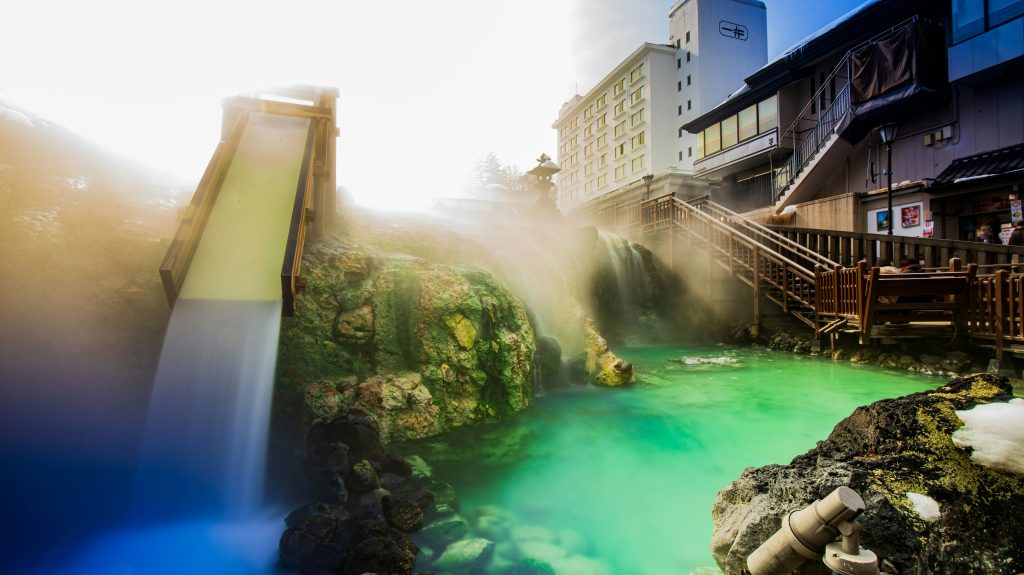
| Kusatsu | Gunma | One of Japan’s most famous hot-spring towns; the steaming yubatake field |
| Beppu & Yufuin | Kyushu | Beppu’s eight ‘hells’; Yufuin’s chic, laid-back ryokan scene |
| Kinosaki | Hyogo | Seven public baths you stroll between in a yukata; classic townscape |
| Noboribetsu | Hokkaido | Volcanic Hell Valley and rich, varied mineral waters |
| Gero & Nyuto | Gifu / Akita | Gero’s riverside baths; Nyuto’s rustic, milky-water mountain onsen |
✈️ TripToGo Travel Deals
Get notified about great travel deals
Hand-picked flight, hotel and destination deals, straight to your inbox. No spam, unsubscribe anytime.
🎉 Thank you for subscribing!
You’re all set — the best travel deals are on their way.
Regions, Etiquette, and Tattoos: Key Facts
Japan’s best onsen towns split by base: Hakone is the easy day-or-overnight trip from Tokyo; Kinosaki and Kusatsu are the classic bath-hopping towns; Beppu and Yufuin anchor Kyushu; and Noboribetsu is Hokkaido’s volcanic star.
Know the etiquette before you go in: wash and rinse thoroughly at the seated showers before entering the communal bath, no swimwear, tie long hair up, and keep the small towel out of the water. Baths are almost always gender-separated.
Tattoos can still be an issue — many traditional onsen prohibit them, so look for tattoo-friendly baths or book a room with a private open-air bath (kashikiri/rotenburo). Staying in a ryokan with dinner (kaiseki) is the full experience. Official resource: Japan National Tourism Organization.
Essential Planning for Your Hot Spring Journey
Setting out to find the best onsen in Japan is a journey worth planning. The excitement of soaking in mineral-rich waters is matched by the need for preparation. This ensures your trip is both stress-free and culturally respectful. Understanding local customs allows you to fully experience the authentic atmosphere of these geothermal retreats.
Understanding Onsen Etiquette and Rules
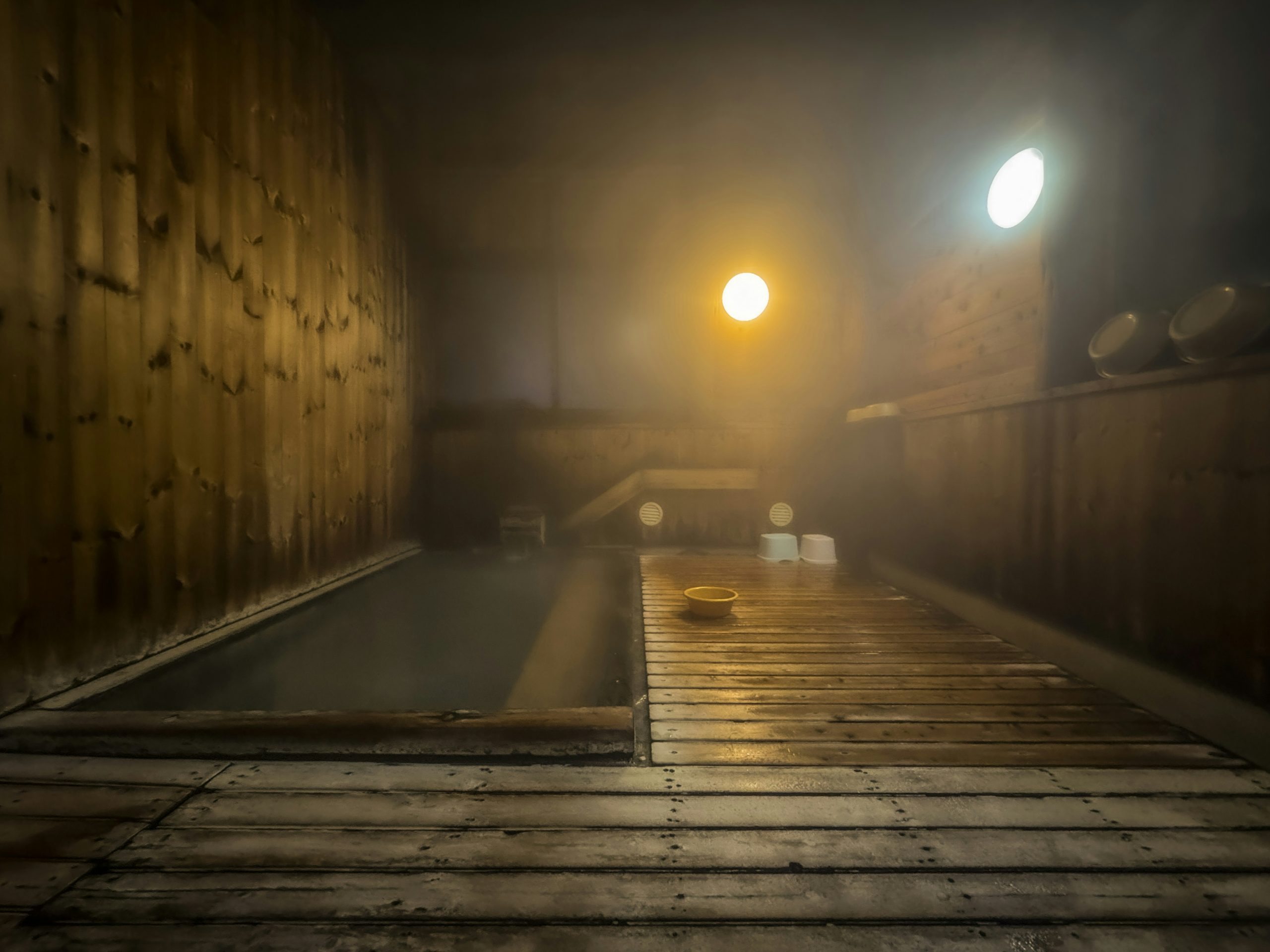
The most critical rule is that bathing is a communal activity in the nude. Leave your swimsuit in the locker room, as wearing clothes in the water is not allowed. This rule helps maintain hygiene standards. Before entering the bath, always wash your body thoroughly at the provided shower stations.
Always keep your small modesty towel out of the water. You can place it on your head or keep it on the side of the tub while you soak. By following these simple steps, you show respect to other bathers and help preserve the serene environment of the best onsen in Japan.
Best Months to Visit for Optimal Weather
Timing your visit is key to enjoying the perfect soak. Spring, from March to May, offers mild temperatures and the stunning beauty of cherry blossoms. This season provides a comfortable climate for exploring the outdoors before settling into a warm bath.
Autumn, from September to November, is another fantastic choice, with vibrant fall foliage creating a breathtaking backdrop. If you prefer a snowy landscape, winter months offer a magical contrast between the cold air and the steaming water. Planning your trip during these windows helps you find the best onsen in Japan while enjoying the most pleasant weather conditions.
Planning this trip?
Our partner Voyada’s smart trip maker builds a day-by-day plan with flights, hotels and a real total cost for your dates — in about a minute, free.
Plan trip with AI →The Best Onsen in Japan: Regional Highlights
Exploring Japan’s diverse regions uncovers the joy of discovering the best onsen. Each area boasts a unique geothermal landscape, shaping the local bathing culture. Whether you seek rugged wilderness or cozy mountain towns, there’s a perfect spot for you.
Northern Hokkaido Geothermal Wonders
Hokkaido is renowned for its untamed beauty and volcanic power. The island is home to some of Japan’s most impressive natural springs. These are often set against snow-capped peaks or dense forests, providing a sense of isolation and peace.
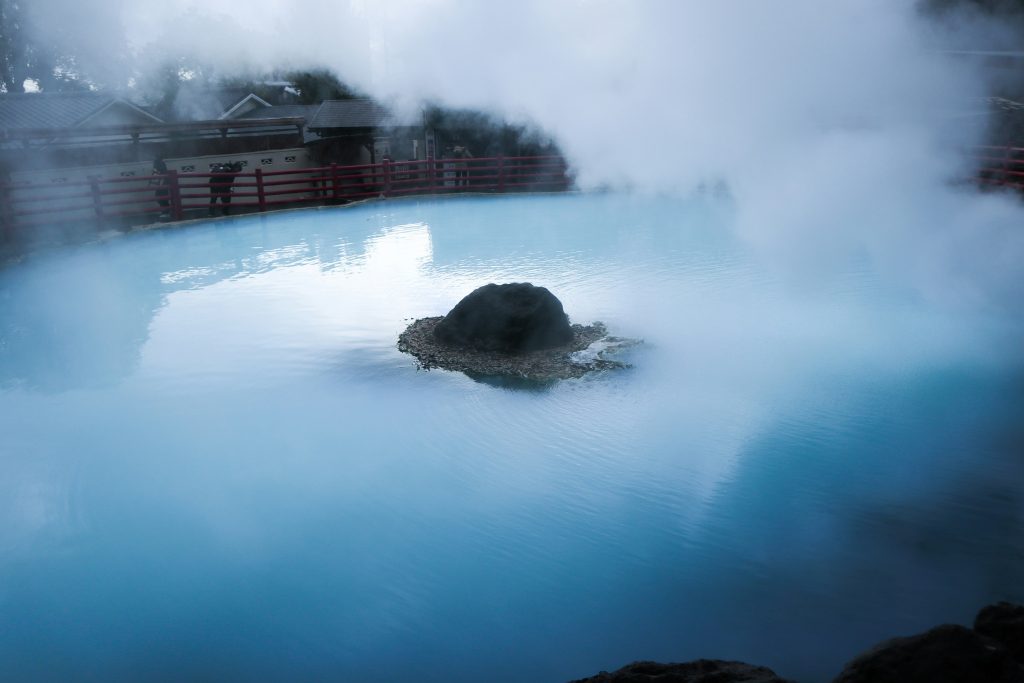
Noboribetsu is a must-see for those who appreciate dramatic steam vents and bubbling sulfur pools. The mineral-rich waters here are famous for their healing properties. Soaking in these baths will leave you feeling completely refreshed.
Central Honshu Mountain Retreats
The heart of Honshu is home to historic towns nestled in the Japanese Alps. These retreats offer a classic experience, blending traditional architecture with stunning mountain views. It’s perfect for travelers seeking to connect with nature while enjoying deep relaxation.
Kusatsu Onsen is a standout for its high-quality water and charming town center. Walking through the streets in a traditional yukata robe feels like stepping back in time. Staying here ensures you experience the best onsen in Japan, combining history with pure comfort.
Budgeting for Your Onsen Experience
Exploring Japan’s top hot springs demands a clear grasp of your travel budget. By dissecting costs, you can balance luxury with local authenticity. This approach ensures you can soak in the healing waters, no matter your overall trip budget.
Average Costs for Public Bathhouses
Public bathhouses, or sento, are the most budget-friendly way to enjoy Japan’s hot springs. Expect to pay between $5 and $15 for a single entry. This fee usually grants access to the main bathing areas and basic facilities.
Renting a towel or buying soap and shampoo can add $2 to $5. Remember, extra services incur small fees. Bringing your own gear is a wise move to minimize daily expenses.
Pricing Tiers for Private Ryokan Stays
Mid-range options start around $150 per night, including traditional breakfast and dinner. Private ryokan stays offer a more immersive experience with various pricing tiers. These stays offer a great mix of comfort and value for those visiting Japan’s top hot springs.
For those seeking luxury, premium packages can exceed $400 per night. These high-end tiers feature private open-air baths and multi-course kaiseki meals. Selecting the right tier allows you to craft a memorable journey that aligns with your financial goals.
Navigating Japan’s Public Transportation to Remote Springs
Planning your route to Japan’s top hot springs requires some strategy. Many famous baths are hidden in deep valleys, yet Japan’s transit network makes them accessible. Whether starting from a bustling city or a quiet town, reaching these serene spots is a rewarding part of your journey.
Travel Times from Tokyo and Osaka
From Tokyo, reaching Nagano or Gunma’s famous mountain resorts takes about two to three hours by Shinkansen. Osaka travelers find the Kii Peninsula’s coastal springs about three hours away by limited express train. These times are short, allowing a quick transition from city life to nature.
Remember, the last part of your journey might involve a local bus or taxi. These smaller rides are key to reaching secluded spots. Always check local schedules in advance, as rural buses run less often than city trains.
Using the Japan Rail Pass for Onsen Hopping
The Japan Rail Pass is perfect for visiting multiple hot springs in one trip. It covers most Shinkansen lines and many regional trains, cutting down on costs. This pass allows for a flexible itinerary, making it easy to explore different prefectures.
To get the most from your pass, group your destinations by region. Many travelers use major hubs as bases, taking day trips to nearby hot springs. This approach keeps your luggage light and your schedule relaxed as you explore Japan’s best bathing spots.
The Therapeutic Benefits of Mineral-Rich Waters
The legendary healing power of Japanese hot springs comes from the earth’s mineral-rich waters. As you explore Japan’s top hot springs, you’ll see water colors, smells, and textures vary. These natural differences offer unique health benefits, cherished for centuries.
Common Mineral Types and Their Effects
Sulfur springs are iconic, known for their strong smell and milky look. They’re famous for improving skin and easing joint pain. Sodium-rich waters, feeling silky, are great for soothing muscles after hiking.
Iron-rich springs, with their reddish-brown color, are sought for better circulation and body warmth. At Japan’s top hot springs, look for signs that list the main minerals. This helps you choose the right soak for your wellness needs.
Identifying Water Quality and Temperature
Knowing the water quality is as important as its mineral content. Most places have a board at the entrance detailing pH levels and sources. Acidic water is great for deep cleansing, while alkaline water softens the skin.
Temperature is also key. Some pools are warm for relaxation, while others are hot to boost blood flow and metabolism. Always check the water’s temperature before diving in. This careful approach maximizes your hot spring experience in Japan.
Selecting the Right Onsen Experience for Your Needs
In Japan, you can find bathing styles to fit any preference, from social to solitary. The key is to align your comfort level with your travel goals. This ensures a hot spring experience tailored just for you.
Choosing between a lively local bath and a serene retreat can be a challenge. Knowing the differences helps you maximize your time in the water.
Public Bathhouses Versus Private Facilities
Public bathhouses, or sento and larger onsen complexes, are hubs of communal activity. They’re ideal for those eager to dive into local culture and interact with residents.
Private facilities, on the other hand, offer a more secluded and relaxed setting. Many travelers seek these out for their privacy and the flexibility to set their own schedule.
For those desiring luxury, many luxurious bathhouses in japan feature private open-air baths in your room. These premium options let you soak in mineral-rich waters without leaving your suite.
Day-Trip Options for Short-Term Travelers
Enjoying a hot spring’s healing waters doesn’t require an overnight stay. Many resorts offer day-use passes for a few hours of access.
This is perfect for those with limited time or traveling between cities. You can partake in the traditional bathing ritual and reach your next destination by evening.
Seek out day-trip packages that include towel rentals and access to common areas. These options ensure a balance of relaxation and exploration during your travels.
Hidden Gems in Japanese Onsens
There’s a world of quiet beauty beyond the famous resort towns. Many travelers head to well-known spots, but the most rewarding experiences are often found in the country’s hidden corners. Exploring these hidden gems in Japanese onsens lets you connect with nature deeply.
These secluded spots offer a peaceful escape from city life. The silence here creates a perfect setting for true relaxation. It’s a chance to slow down and appreciate Japan’s authentic landscape.
Off-the-Beaten-Path Coastal Springs
Imagine soaking in a warm, mineral-rich pool with the sound of ocean waves. Coastal springs in remote fishing villages offer a unique experience. These spots are managed by local families who have kept their traditions alive for generations.
Visiting these areas takes more time, but the reward is worth it. You’ll enjoy stunning sea views without the crowds. It’s the best way to see Japan’s coastline’s raw beauty.
Ready to book Japan?
TripToGo runs 46 guided and independent trips in Japan, with dates, inclusions and prices on each one.
See Japan tours →Secluded Forest Bathing Destinations
For mountain serenity, seek out hidden springs deep in ancient forests. These retreats are surrounded by towering cedar trees and lush greenery. The air is crisp, with only the sounds of leaves and water.
While some areas have luxurious bathhouses, many of the best spots are simple and rustic. These places focus on the earth’s healing power and the calming woods. Exploring these quiet sanctuaries will surely be the journey’s highlight.
Luxurious Bathhouses in Japan for Ultimate Relaxation
In Japan, premium ryokan stays offer a true sanctuary of peace and comfort. For those seeking the ultimate relaxation, luxurious bathhouses in Japan provide unmatched service. These retreats are crafted to help you disconnect and fully immerse in tranquility.
High-End Amenities and Services
Booking a high-end stay means more than just a place to sleep. Many premium properties feature private, in-room hot spring baths for your exclusive use. You’ll also receive personalized attention from staff trained in traditional hospitality.
Dining is a highlight, with multi-course kaiseki meals that highlight seasonal and local ingredients. These culinary wonders are often served in your room, adding exclusivity to your visit.
What to Expect from Premium Ryokan Packages
Understanding premium packages helps you maximize your investment. These packages combine your accommodation, gourmet meals, and exclusive bathing access into one price. This simplifies planning and ensures every detail is cared for.
When choosing your destination, seek properties that blend authentic cultural experiences with modern comfort. By opting for luxurious bathhouses in Japan, you invest in a restorative journey. Always review your package’s inclusions to match your relaxation goals.
Traditional Japanese Hot Springs Culture
The allure of traditional Japanese hot springs is rooted in centuries of history. Each wooden beam holds a story, and soaking in these waters is more than just relaxation. It’s a participation in a ritual that has woven itself into Japan’s social and spiritual fabric for generations.
Historical Significance of Bathing Rituals
Bathing in Japan began with Buddhist purification rites, where water cleansed both body and spirit. These practices evolved from temple rituals to communal social events, uniting villages. Legends speak of wounded samurai from the Heike clan finding these healing waters after battles, solidifying their sacred status.
These sites have been gathering places for travelers and locals for centuries. Modern facilities preserve ancient customs, allowing you to connect with a living past. This heritage enriches every moment in the water, adding depth and meaning.
Architectural Styles of Classic Bathhouses
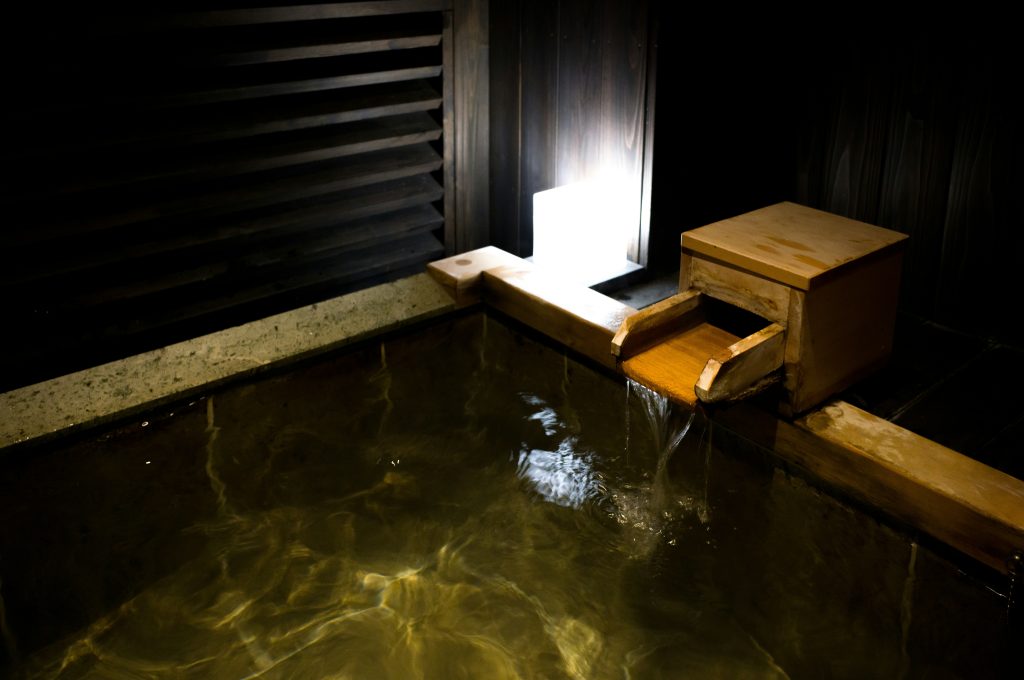
Classic bathhouses blend seamlessly with their surroundings. Built from local cedar or cypress, they release a calming scent when steamed. Their open-air designs bring the mountains or forests into your bathing experience.
Inside, the design focuses on a natural transition from outdoors to indoors. Tatami mat flooring and sliding paper doors create a serene, minimalist space. This thoughtful design ensures your focus remains on the water’s restorative power and the quiet of your surroundings.
Popular Onsen Resorts in Japan for First-Timers
Entering the realm of traditional Japanese hot springs can seem daunting for newcomers. Yet, selecting the right location greatly enhances your comfort. Opting for well-known onsen resorts in Japan, designed for international guests, ensures a smooth introduction to this cultural tradition.
Accessible Destinations with English Support
Concerns about language barriers are common. Towns like Hakone or Beppu are ideal, as they are adept at welcoming foreign visitors. They offer maps, signage, and staff proficient in English, blending authenticity with modern amenities.
Ryokans in these locales provide detailed guides on bathing etiquette. This support boosts your confidence, allowing you to immerse fully in the experience without worrying about customs.
Family-Friendly Onsen Environments
Planning for family travel requires extra consideration. Yet, many resorts cater to families with ease. They offer private family baths, perfect for enjoying the waters together in privacy. This is ideal for parents who wish to share the experience with their children in a private setting.
These family-friendly resorts also provide amenities like kid-sized yukata robes and tailored meal plans. Such thoughtful touches ensure all family members feel welcome and at ease. Choosing these inclusive settings creates cherished memories while enjoying top-notch local hospitality.
Must-Visit Onsen in Japan for Nature Lovers
Imagine soaking in mineral-rich waters as mist rises over jagged peaks. For those who find solace in nature, Japan offers a unique experience. Venturing into the wilderness often leads to the most breathtaking onsen.
Outdoor Baths with Mountain Views
Many of Japan’s most stunning baths are nestled in high-altitude areas. Here, you can admire snow-capped summits or lush valleys while relaxing. The mountain air’s crispness contrasts beautifully with the warm geothermal water. For more of Japan’s natural scenery, our guide to Japanese waterfalls covers the Three Great Falls and when to go.
These settings transform a simple bath into a meditative journey. The sight of clouds drifting over peaks brings a sense of tranquility. It’s a unique way to appreciate Japan’s rugged beauty.
Riverside Springs and Natural Rock Pools
For those who love the sound of water, riverbank springs are ideal. These spots feature natural rock pools that blend with the environment. Enjoy the soothing stream sounds and the healing properties of traditional japanese hot springs.
Some pools are carved into the riverbed by geothermal activity over centuries. Immersing yourself in these waters is a true return to nature. It’s a must-visit for anyone seeking to reconnect with the elements.
Top Hot Springs in Japan for Winter Travel
There’s nothing quite like the sensation of slipping into a hot spring as snowflakes fall around you. The contrast between the cold air and the warm, mineral-rich water is magical. It’s an experience that captures the serene beauty of Japan’s winter.
Snow-Covered Bathing Experiences
Many travelers visit popular onsen resorts in Japan to see the snow-covered landscapes. Places like Yamagata or Nagano offer outdoor baths where you can watch snow settle on pine trees. These spots offer a tranquility that’s rare in the world.
For a more secluded experience, seek out hidden gems in Japanese onsens in remote valleys. These family-run inns have rustic rock pools that blend seamlessly with the snow. These quieter spots allow you to immerse yourself in the winter woods’ silence.
Safety Tips for Winter Mountain Travel
Traveling to high-altitude springs in winter demands careful planning for safety. Always check the weather and road conditions before heading out. Heavy snow can cause sudden closures. Make sure your rental car has snow tires and carry tire chains.
Public transport is often the best option when the weather is bad. Japan’s trains are well-prepared for winter, making travel easy. Wear sturdy, slip-resistant boots to safely navigate icy paths to the bathhouse.
Practical Packing List for Your Onsen Trip
Visiting popular onsen resorts in Japan or hidden gems in Japanese onsens requires smart packing. A well-organized bag ensures a stress-free getaway. It lets you enjoy the soothing mineral waters and peaceful atmosphere without worry. Knowing what to bring helps avoid overpacking while ensuring comfort.
Essential Toiletries and Gear
Traditional inns usually provide basic toiletries like shampoo, conditioner, and body soap. But, it’s wise to bring your own skincare if you have sensitive skin or specific needs. A waterproof bag is handy for carrying your towel and toiletries between your room and the baths.
Remember to pack a hairbrush and personal grooming tools. Even if many resorts offer hair dryers, a travel-sized version can be a lifesaver. For hidden gems with rustic settings, check if they provide towels, as some may require you to bring your own.
Clothing Recommendations for Ryokan Stays
Ryokans offer a deeply relaxed atmosphere, focusing on comfort. They usually provide a yukata, a lightweight cotton robe, for your stay. You can wear it inside the inn and even while walking to the public baths.
Choose slip-on footwear for easy removal and reattachment. Pack comfortable, casual clothes for arrival and departure, along with clean socks for the inn. Simple, functional clothing helps you fully enjoy the slow pace of your hot spring retreat.
Before you go: turn this guide into a day-by-day plan. Our partner Voyada is a free trip itinerary maker that builds the trip with flights, hotels and a real total cost for your dates — in about a minute.
Make a travel itinerary →Onsen Etiquette and Practical Tips
The onsen is one of Japan’s great pleasures — once you know the etiquette, which is simple but strictly observed.
- Wash first: scrub and rinse thoroughly at the seated showers before entering the communal bath — the bath is for soaking, not cleaning.
- No swimwear, tie long hair up, and keep your small towel out of the water (fold it on your head or the side).
- Tattoos are often banned — look for tattoo-friendly baths or book a private (kashikiri) bath to be sure.
- Hydrate and keep soaks short if you’re not used to the heat; baths are almost always gender-separated.
- The full experience is a ryokan with an in-house onsen and a kaiseki dinner — book these ahead.
Conclusion
Exploring Japan’s geothermal landscape is a journey to personal renewal. You now have the knowledge to navigate these ancient bathing traditions with confidence and respect.
Many travelers find that visiting popular onsen resorts in Japan offers a perfect balance of luxury and cultural immersion. These destinations serve as gateways to understanding the deep connection between volcanic activity and local heritage.
Start your planning process by selecting a region that matches your travel style. Whether you prefer the snowy peaks of Hokkaido or the quiet forests of Kyushu, a memorable experience awaits you.
Booking your stay at a traditional ryokan is the best way to secure an authentic visit. These establishments offer high-quality service that complements the natural healing properties of the mineral waters.
Embrace the quiet moments and the restorative power of the heat. Your adventure into the world of popular onsen resorts in Japan will leave you feeling refreshed and inspired. Pack your bags and prepare to discover the soothing magic of these natural wonders for yourself.
FAQ
What are the best onsen in Japan for travelers who want a mix of city and nature?
Are there any top hot springs in Japan that are famous for the winter season?
Where can I find the most luxurious bathhouses in Japan?
What makes traditional japanese hot springs different from modern spas?
Which are the most popular onsen resorts in Japan for a first-time visitor?
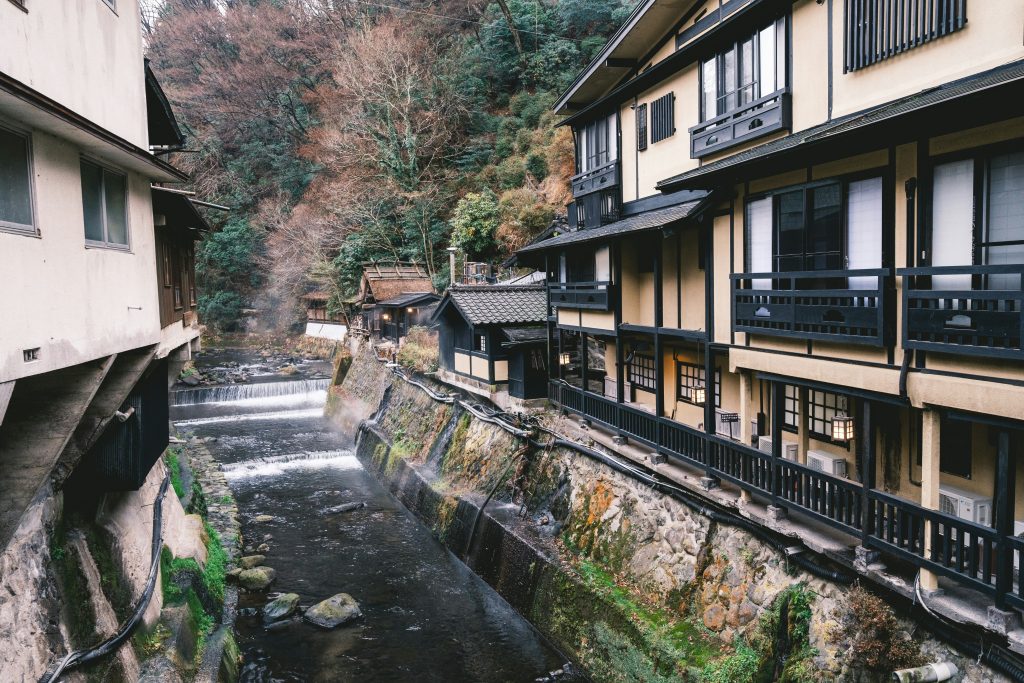
Why is Kurokawa Onsen considered a must-visit onsen in Japan?
Can you suggest any hidden gems in japanese onsens that are away from the crowds?
Is it okay to visit an onsen if I have tattoos?
Do you have to be naked in an onsen?
In almost all traditional baths, yes. Swimwear is not permitted, bathing is nude and the baths are separated by gender, and you wash and rinse thoroughly at the seated showers before getting in, because the bath is for soaking rather than cleaning. The small towel provided stays out of the water, folded on your head or left at the tub’s edge, and long hair is tied up. A handful of modern bathing complexes and outdoor spa parks do require swimsuits, and they say so plainly, but treat nude bathing as the default. Most first-timers find the self-consciousness disappears within a minute of getting in.
How long should you soak, and is it safe?
Onsen water is hot, often well above body temperature, and the heat itself is the real risk. Keep your first soaks short, a few minutes at a time with breaks to cool down and drink water, rather than one long immersion, and get out at once if you feel dizzy, sick or notice your heart racing. Never bathe after drinking alcohol; the combination causes fainting and drownings in Japan every year. Stand up slowly, as blood pressure drops in hot water. Anyone pregnant, elderly, or living with heart, blood-pressure or circulatory conditions should take medical advice first, and nobody should bathe alone while feeling unwell.
What is the difference between an onsen and a sento?
An onsen draws naturally heated, mineral-bearing water from a geothermal source, and Japanese law sets standards for what may carry the name, covering source temperature or mineral content. A sento is a neighbourhood public bathhouse, traditionally filled with ordinary heated water and built for washing and for community life rather than for minerals. In practice the two blur, since some sento tap genuine hot-spring water and many onsen resorts feel like large public bathhouses, but the etiquette is identical in both. Sento are cheaper and easy to find in cities, while onsen are the reason people travel out to the mountains and the coast.
Can couples bathe together?
Usually not in the main baths, which are separated by gender almost everywhere. The dependable option for couples, or for anyone who wants privacy, is a reserved private bath, often called kashikiri and hired by the hour, or a room at an inn with its own open-air tub, which is also the standard solution for tattoos and for shyness. Genuine mixed bathing, konyoku, survives at a small number of rustic riverside and mountain baths, but it has become rare, sometimes calls for a bathing wrap or towel, and often has women-only hours. Check the arrangements before you travel if this matters to your plans.
Can you visit an onsen without staying overnight?
Yes. Day bathing is a long-established habit in Japan, and many inns open their baths to non-residents during set daytime hours for a modest fee, sometimes bundled with a meal or a private bath. Hot-spring towns also run their own public baths, and several sell a pass that lets you hop between a handful of them in an afternoon, with free foot baths dotted along the streets for a quick, clothed alternative. Towels can normally be hired if you arrive empty-handed. An overnight stay with dinner remains the fuller experience, but a day soak slots neatly into a travel day.
Are onsen suitable for young children?
Children bathe in onsen routinely in Japan and many inns welcome families, but the heat that adults enjoy is harder on small bodies. Keep their soaks brief, choose the cooler tub where there is a choice, stay within arm’s reach on slippery stone and around deep water, and take them out at the first sign of flushing, drowsiness or complaint. Babies still in nappies are not admitted to communal baths. A private or family bath removes most of the difficulty, and some properties provide them specifically for families. Rules on which changing room older children use vary between facilities, so ask at reception.
What do you need to bring to an onsen?
Less than you might expect at an inn, where a yukata, both towels and basic shampoo, conditioner and soap are generally laid out for you. At small town bathhouses, assume nothing: take a large towel for drying and a small one for washing and modesty, or hire them at the desk, and bring your own toiletries if your skin is particular. Coins are useful for lockers and vending machines. Leave silver jewellery in your room, since sulphurous water can tarnish it, and a small waterproof bag is handy for carrying your things between room and bath.