
Table of Contents
ToggleParis is famous for its history, art, fashion, and food. It draws millions of visitors every year. Choosing the right time to visit can be tricky. For official, up-to-date visitor information, see Paris’s official tourism site.
Paris is lovely all year round. But, some seasons are better than others. You might prefer mild weather, blooming gardens, or fewer people around. We’ll help you find the perfect time for your visit.
Key Takeaways
- Spring months offer a perfect blend of mild weather and blooming gardens.
- Fewer crowds during the spring season make it an ideal time to explore.
- Paris is beautiful throughout the year, with each season bringing unique experiences.
- Think about what you like when picking the best time to visit Paris.
- Keep in mind special events and busy seasons when planning your trip.
Best Time to Visit Paris at a Glance
How each season stacks up — then the full month-by-month guide below.
| Season | Verdict | What to expect |
|---|---|---|
| Spring (Apr–Jun) | ★ Best overall | Blossoms, gardens, mild days, cafe terraces — the classic Paris |
| Summer (Jul–Aug) | Warm, busy, some closures | Long days & festivals, but hot, crowded, and many locals leave in Aug |
| Autumn (Sep–Oct) | ★ Great value | Golden light, fewer crowds, fashion & culture season returns |
| Winter (Nov–Mar) | Quiet & cheap | Cold and grey but festive, low prices, short museum queues |
✈️ TripToGo Travel Deals
Get notified about great travel deals
Hand-picked flight, hotel and destination deals, straight to your inbox. No spam, unsubscribe anytime.
🎉 Thank you for subscribing!
You’re all set — the best travel deals are on their way.
Spring and Autumn Win: Key Facts
The best time to visit Paris is spring (April–June) or early autumn (September–October). Both bring mild temperatures, long-enough days and manageable crowds — spring for blossoms and garden terraces, autumn for golden light and the return of the cultural season.
Summer is a trade-off. July and August offer the longest days and open-air festivals, but also the biggest crowds, the highest prices and real heat — and in August many Parisian restaurants and shops close as locals take their holidays.
Winter is the value season. November to March is cold and often grey, but hotels are cheap, museum queues are short, and the Christmas markets and lights are magical. Whatever the month, Paris rewards a flexible, weather-ready plan. Official resource: Paris Convention & Visitors Bureau.
Paris: The City of Light Throughout the Year
Paris is beautiful all year, from spring mornings to winter nights. It’s the capital of France, a place that’s lovely every season. You can walk through gardens in spring, enjoy summer’s warmth, see autumn leaves, or visit Christmas markets in winter. Paris has something for everyone.
Understanding the Paris Tourist Season is key for a great trip. The city’s weather and tourist times can change your visit. Summer is warm and sunny, but it’s also very busy.
Spring and autumn are better for seeing sights without crowds. The weather is nice, and you can enjoy Paris’s famous spots and shops more easily.
Weather in Paris: A Seasonal Overview
The weather in Paris changes a lot with the seasons. Spring is mild and flowers bloom, making it a lovely time to visit. Summer is warm, with highs over 25°C (77°F). Autumn has nice temperatures and beautiful leaves.
Winter can be cold, but it’s magical with Christmas markets and decorations. Paris is always ready to charm you, with its great food, historic sites, and culture. There’s no bad time to see the City of Light.
Planning this trip?
Our partner Voyada’s AI vacation planner builds a day-by-day plan with flights, hotels and a real total cost for your dates — in about a minute, free.
Plan my trip for me →Popular Paris Itineraries
The Best Time to Visit Paris: Season by Season Overview
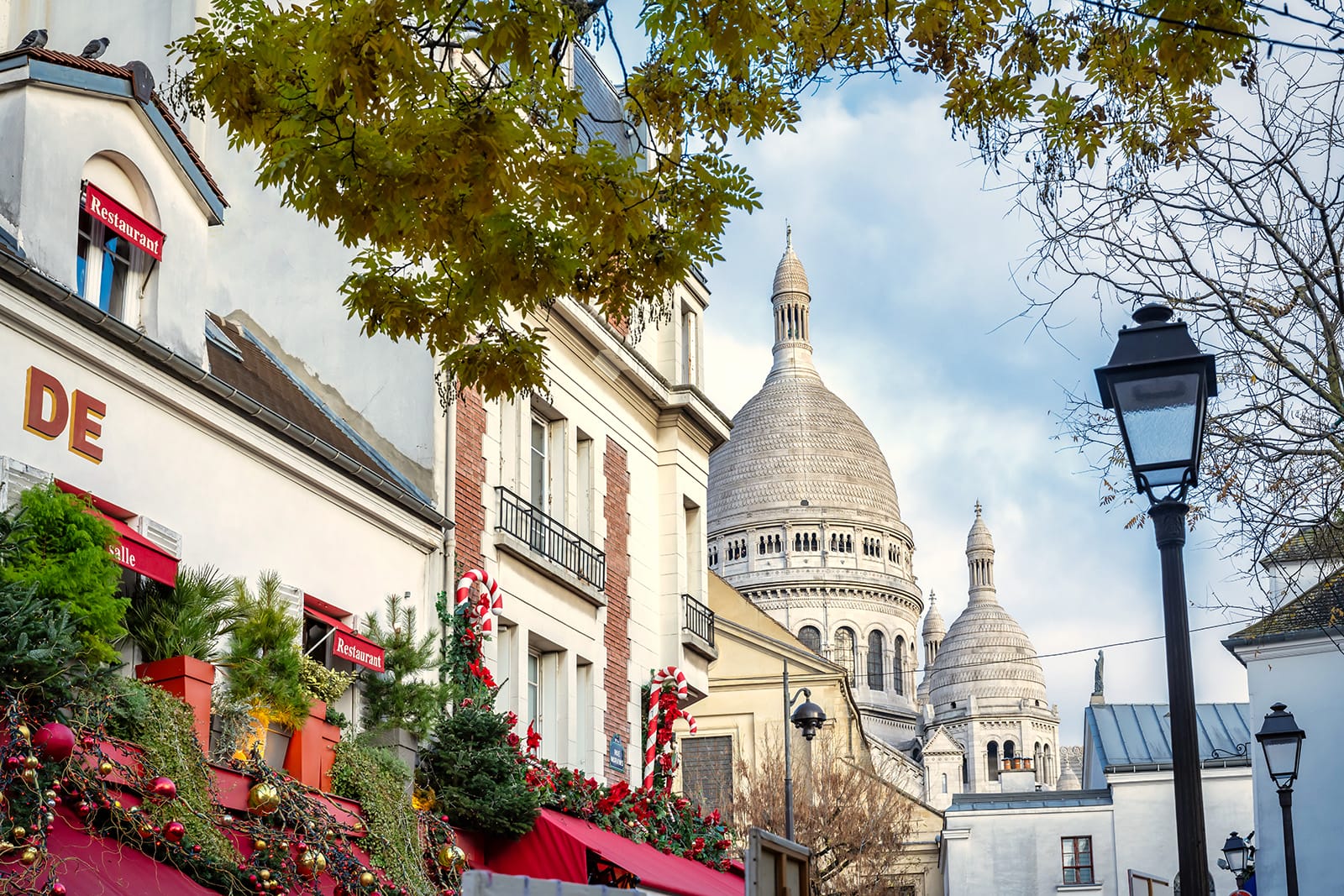
Paris is special every season. Spring, from April to June, is the best time to visit. The weather is mild, and the gardens are blooming.
Spring in Paris is lovely. The temperatures are just right, and there are fewer tourists. It’s perfect for seeing famous landmarks without the crowds.
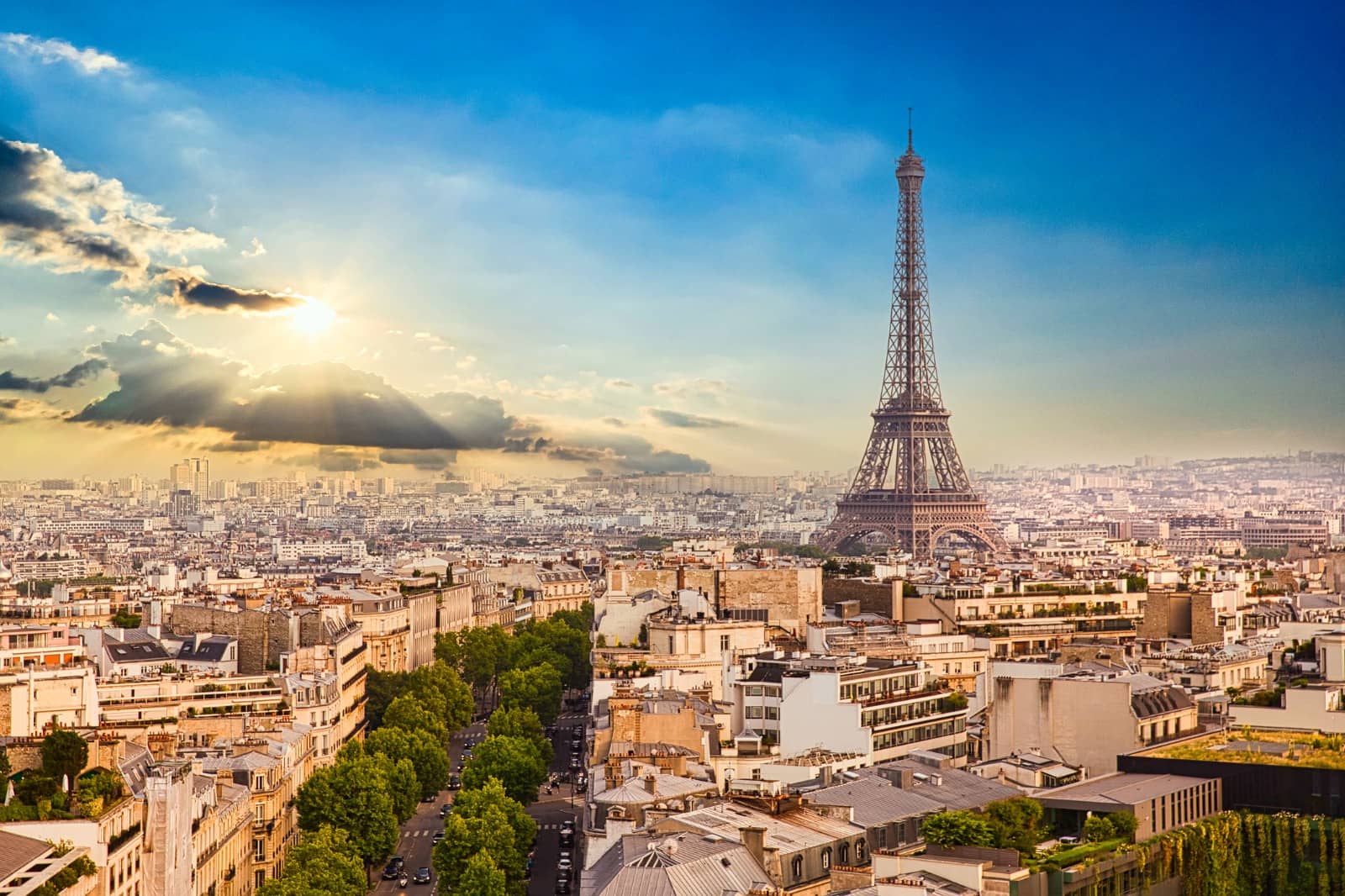
Summer brings the peak season in Paris. It’s warm, sunny, and lively. It’s great for outdoor events and exploring the city at night.
Autumn in Paris is calm. The weather is nice, and there are many cultural events. It’s a good time to visit museums and enjoy the fall colors.
Winter in Paris is magical. There are festive decorations, Christmas markets, and a cozy feel. It’s quieter and prices are lower, making it ideal for those who prefer fewer tourists.
Each season in Paris has its own charm. Knowing what each season offers helps plan your trip. Whether you want the buzz of peak season or the peace of off-peak Paris, there’s something for everyone.
Spring in Paris (March-May)
Spring in Paris is a feast for the senses. It offers a mix of cultural events, stunning landscapes, and nice weather. The city wakes up, and gardens, parks, and cafes burst with color and life.
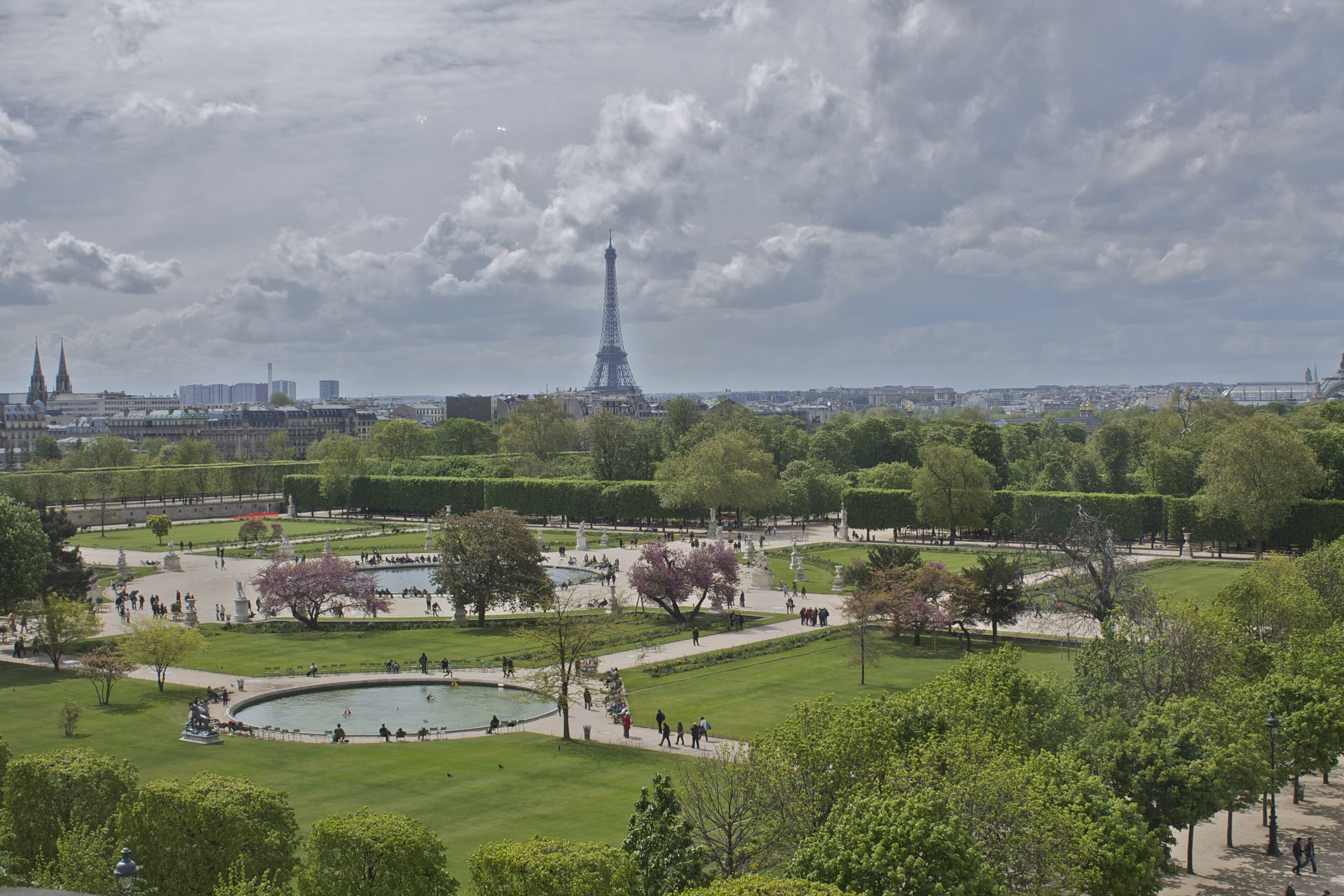
Mild Weather: Spring brings mild weather to Paris. Temperatures range from 50°F to 70°F (10°C to 21°C). It’s perfect for outdoor fun like walking in Jardin des Tuileries or Jardin du Luxembourg, or taking a boat ride on the Seine.
The city’s landmarks and gardens shine in spring. Flowers and greenery make historic sites look like a photographer’s dream. With fewer crowds, visiting Paris’s attractions is more relaxed and fun.
Events and Festivals
Spring is full of cultural events and festivals in Paris. The Paris Marathon in April and the Rock en Seine music festival in late August are highlights. These events add to the city’s charm and offer a unique experience.
Spring is perfect for anyone interested in history, culture, or just enjoying the outdoors. The weather, landscapes, and cultural events make it an ideal time to visit Paris.
Summer in Paris (June-August)
Summer in Paris is full of life, perfect for seeing famous sights and enjoying cultural events. The weather is warm, and days are long. This means you can see more and enjoy outdoor festivals and activities.
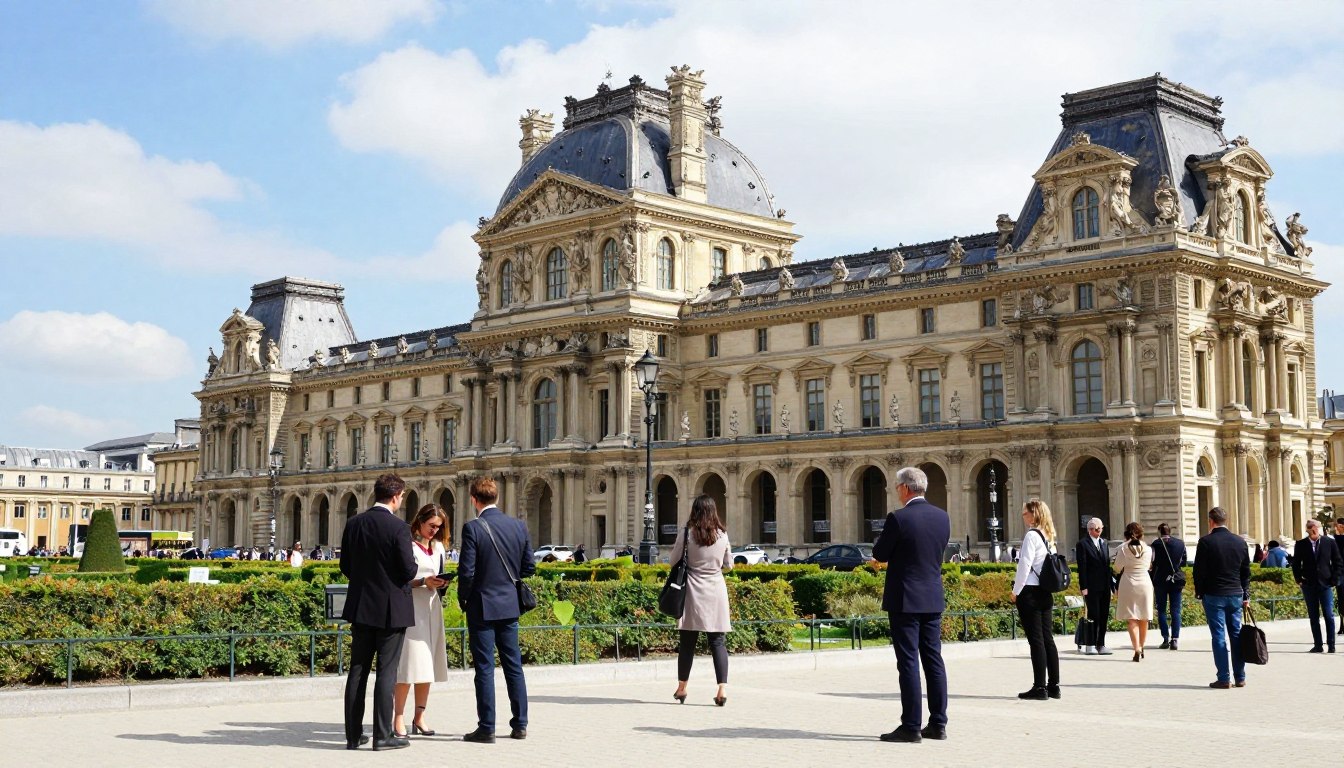
Peak Tourist Season: Summer is when Paris is most crowded. People from everywhere come to see places like the Eiffel Tower and Louvre Museum. To avoid big crowds, visit these spots early in the morning or late at night.
The Bastille Day celebrations on July 14th are a big deal. The city has a big parade and fireworks at the Eiffel Tower. It’s a memorable event for both locals and visitors.
Paris-Plages is another summer highlight. The Seine’s banks turn into beaches. You can relax, play games, and enjoy the river. It’s a fun way to experience Paris in the summer.
For Paris travel tips in summer, remember to drink water, use sunscreen, and rest in the shade. Also, explore less famous areas to find hidden spots and avoid the crowds.
Fall in Paris (September-November)
As summer fades, autumn in Paris brings a new wave of excitement. It’s filled with vibrant cultural events and stunning fall foliage.
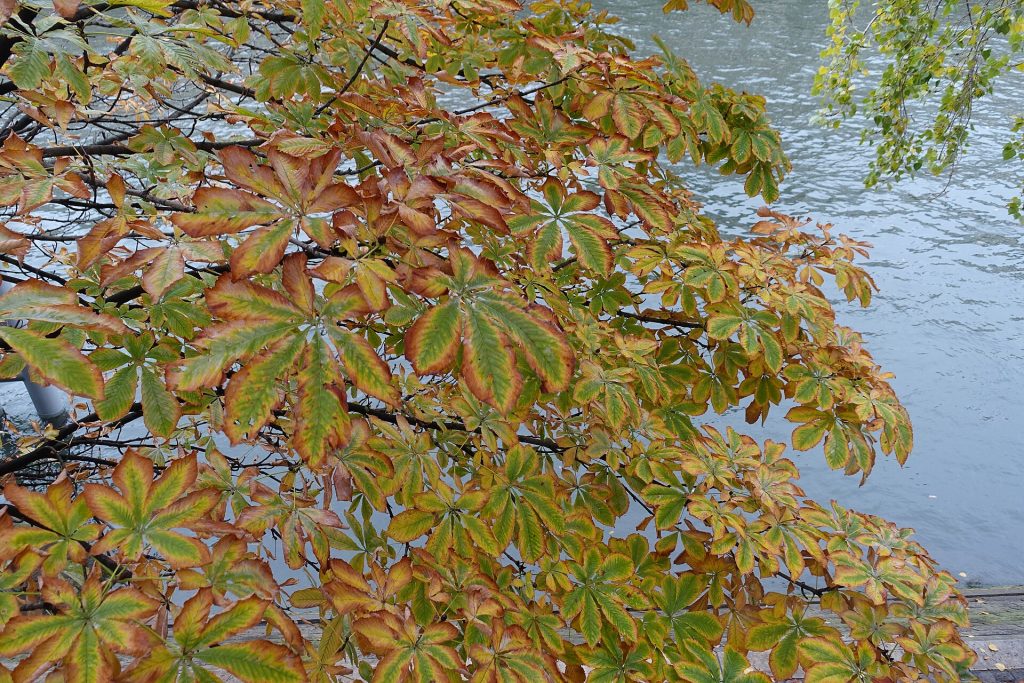
Autumn is a great time to visit Paris because there are fewer tourists than in the summer. The weather is mild, and the city’s parks are beautiful with autumn colors. It’s a perfect time to see the city’s beauty.
Paris Fashion Week is a highlight of the season. It attracts visitors from all over the world. It’s a great chance to see the latest trends and styles in the fashion capital.
Beyond fashion, autumn in Paris is full of cultural events and festivals. Visitors can enjoy the Nuit Blanche art festival in early October. Or they can explore the city’s many museums and galleries.
The fall season has comfortable temperatures. It’s an ideal time to explore Paris on foot or by bike. You can see the city’s historic landmarks and charming neighborhoods.
Winter in Paris (December-February)
Paris in winter is a treat for the senses. It’s filled with twinkling lights, ice skating rinks, and warm cafes. The city’s festive atmosphere is everywhere, making it perfect for exploring indoor attractions or enjoying holiday decorations.
Christmas markets in Paris are a winter highlight. These markets have unique gifts like handmade crafts and gourmet foods. They offer everything to get you in the holiday mood, all in the city’s magical setting.
For outdoor lovers, winter in Paris is serene, even more so after snow. The Eiffel Tower, Champs-Élysées, and other landmarks look picturesque. They’re great for photography or a relaxing walk.
Winter is also a great time for food lovers. Cozy cafes and bistros offer hot chocolate, mulled wine, and French cuisine. They’re perfect for warming up.
Winter in Paris offers something for everyone. Whether you’re into holiday festivities, cultural experiences, or just enjoying the city’s charm, it’s a memorable time. The season’s beauty and the city’s elegance come together beautifully.
Month-by-Month Guide to Paris
Explore Paris month by month and plan your trip like a local. Knowing the events and weather all year helps you enjoy your visit more.
January in Paris is chilly but magical. Christmas markets and decorations are around. It’s perfect for visiting museums and ice skating in city squares.
February is all about love in Paris. It’s the most romantic month. Enjoy cozy cafes and flower markets.
March welcomes spring with mild weather and outdoor events. Look out for Paris Fashion Week and, from late April, the Foire de Paris.
April brings spring showers and flowers. It’s a great time for gardens and Easter festivities in Paris.
May is warm and lovely in Paris. Roland-Garros gets under way at the end of the month. Enjoy street performers and outdoor cafes.
June starts summer with long days and warm evenings. Don’t miss the Fête de la Musique, a city-wide music festival.
July is busy with the Tour de France finale and Bastille Day on July 14th. It’s peak tourist season.
August is hot but great for parks and gardens. Also, the Rock en Seine music festival happens.
September is more relaxed with schools back and cultural events starting. Enjoy the European heritage days, when normally closed buildings open free.
October is comfortable and full of cultural events. Nuit Blanche, an all-night art festival, is a highlight.
November offers autumn colors and holiday starts. Armistice Day ceremonies and Christmas markets are must-sees.
December is magical with festive lights and ice skating. Enjoy holiday events and markets.
Paris Weather by Month: The Data
Paris is a year-round city, but the weather shapes the trip. Approximate monthly averages to help you pack and plan:
| Month | Avg high | Avg low | Rainy days |
|---|---|---|---|
| January | 7°C | 3°C | 10 |
| February | 8°C | 3°C | 9 |
| March | 12°C | 5°C | 10 |
| April | 16°C | 7°C | 9 |
| May | 20°C | 11°C | 10 |
| June | 23°C | 14°C | 8 |
| July | 25°C | 16°C | 7 |
| August | 25°C | 16°C | 7 |
| September | 21°C | 13°C | 8 |
| October | 16°C | 10°C | 10 |
| November | 11°C | 6°C | 10 |
| December | 8°C | 4°C | 11 |
Two notes the averages hide: Paris rain is usually a steady drizzle rather than downpours (an umbrella beats a raincoat), and recent summers have brought 40°C heatwaves — and air conditioning is far from universal, so July and August can be genuinely uncomfortable.
Paris Tourist Seasons: When to Expect Crowds
Planning a trip to Paris? Knowing when it’s busiest is key. The peak season is from June to the end of August. This time draws visitors with school breaks, long days, and big events.
In this peak season in Paris, famous spots get packed. Expect long lines at places like the Eiffel Tower and Louvre Museum. Being prepared can make your trip better.
The tourist crowds in Paris can be a lot during peak season. But, there are ways to dodge the chaos. Try visiting early mornings or late evenings to avoid the crowds.
Managing Crowds
To deal with crowds, explore Paris’s hidden gems. Visit less famous areas or different neighborhoods. This way, you see the real Paris and avoid big groups.
Knowing the peak season in Paris helps you plan a stress-free trip. With some planning, you can enjoy Paris’s beauty even when it’s busy.
Flight Prices from North America, Month by Month
Airfare to Paris swings by nearly three times across the year — and, as usual, peaks when the weather’s best. Typical round-trip economy fares from the US East Coast:
| Month | Round trip (US–Paris) | Notes |
|---|---|---|
| January–February | $450–650 | Cheapest of the year |
| March | $500–750 | Deals persist before spring |
| April–May | $650–1,050 | Spring demand builds |
| June | $850–1,250 | Peak pricing begins |
| July–August | $900–1,400 | The annual maximum |
| September | $700–1,000 | Falls after Labor Day — the sweet spot |
| October | $550–850 | Great weather, dropping fares |
| November | $450–700 | Bargains return |
| December | $600–1,000 | Cheap early, then a Christmas spike |
The value windows are late October–November and January–February; September is the rare overlap of falling fares and near-perfect weather. For the wider country, see our best time to visit France guide.
Picked your month? Build the trip
Voyada’s ai trip planner turns your Paris dates into a day-by-day plan — flights, hotels and a real total price, in about a minute. Free.
Plan my Paris trip →Budget Considerations: When Paris Is Most Affordable
Traveling to Paris on a budget can be easier if you time it right. Visiting during the off-peak season can cut down your costs. This makes your Paris trip more affordable.
January is the cheapest month to visit Paris. Hotel prices and airfares drop after the holidays. This makes it perfect for budget travel to Paris. The city’s famous spots, museums, and cafes are lovely without the crowds.
January in Paris is special. Prices are lower, and the city feels magical. The Eiffel Tower shines with lights until mid-January. The Christmas markets, though ending, add to the charm.
To save more, stay in budget hotels or vacation rentals apartments outside the city center. Many Paris museums and attractions offer free or discounted entry on certain days. Planning your visit around these deals can help save money.
Visiting Paris off-peak means a cheaper and quieter trip. With some planning, your off-peak Paris adventure can be unforgettable and affordable.
Paris 2026 Events Calendar
Some dates are worth planning around; others are worth checking so a fashion week doesn’t triple your hotel rate:
| Window | Event | Impact |
|---|---|---|
| January, March, June, September | Fashion Weeks | Hotel prices spike — book around them |
| Late May – early June | Roland-Garros (French Open) | Tennis crowds; hotels tighten |
| June 21 | Fête de la Musique | Free street music across the city |
| July 14 | Bastille Day | Champs-Élysées parade, Eiffel Tower fireworks |
| July–August | Paris Plages | Pop-up ‘beaches’ along the Seine |
| August | Les grandes vacances | Many locals leave; some restaurants & shops close |
| Early October | Nuit Blanche | All-night contemporary-art festival |
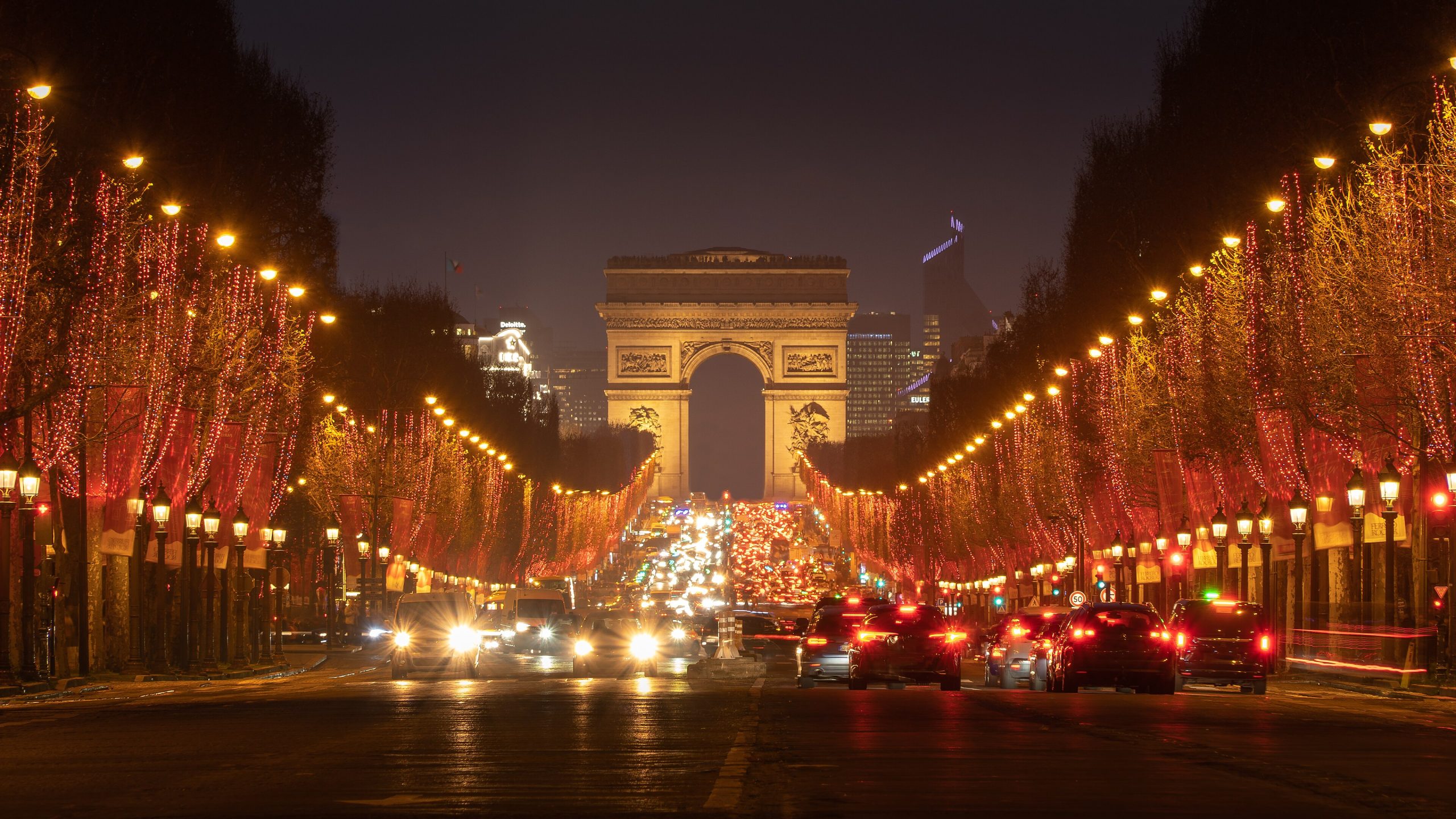
| Late November – December | Christmas markets & illuminations | Champs-Élysées lights, Galeries Lafayette tree |
Major Events and Festivals in Paris
Paris’s calendar is full of festivals, holidays, and traditions. These add to the city’s charm and are worth considering when planning your visit.
The city hosts a wide range of Paris events and Paris festivals throughout the year. In the spring, the Paris Marathon takes place in April, attracting runners from around the world. Summer brings the Rock en Seine music festival, while autumn is marked by the Nuit Blanche art festival, where the city’s landmarks turn into a giant art gallery.
Winter is a magical time in Paris, with Christmas markets setting up shop along the Seine. They offer a festive atmosphere and unique shopping experiences. The city’s festive season culminates in the New Year’s Eve celebrations, with fireworks displays lighting up the night sky.
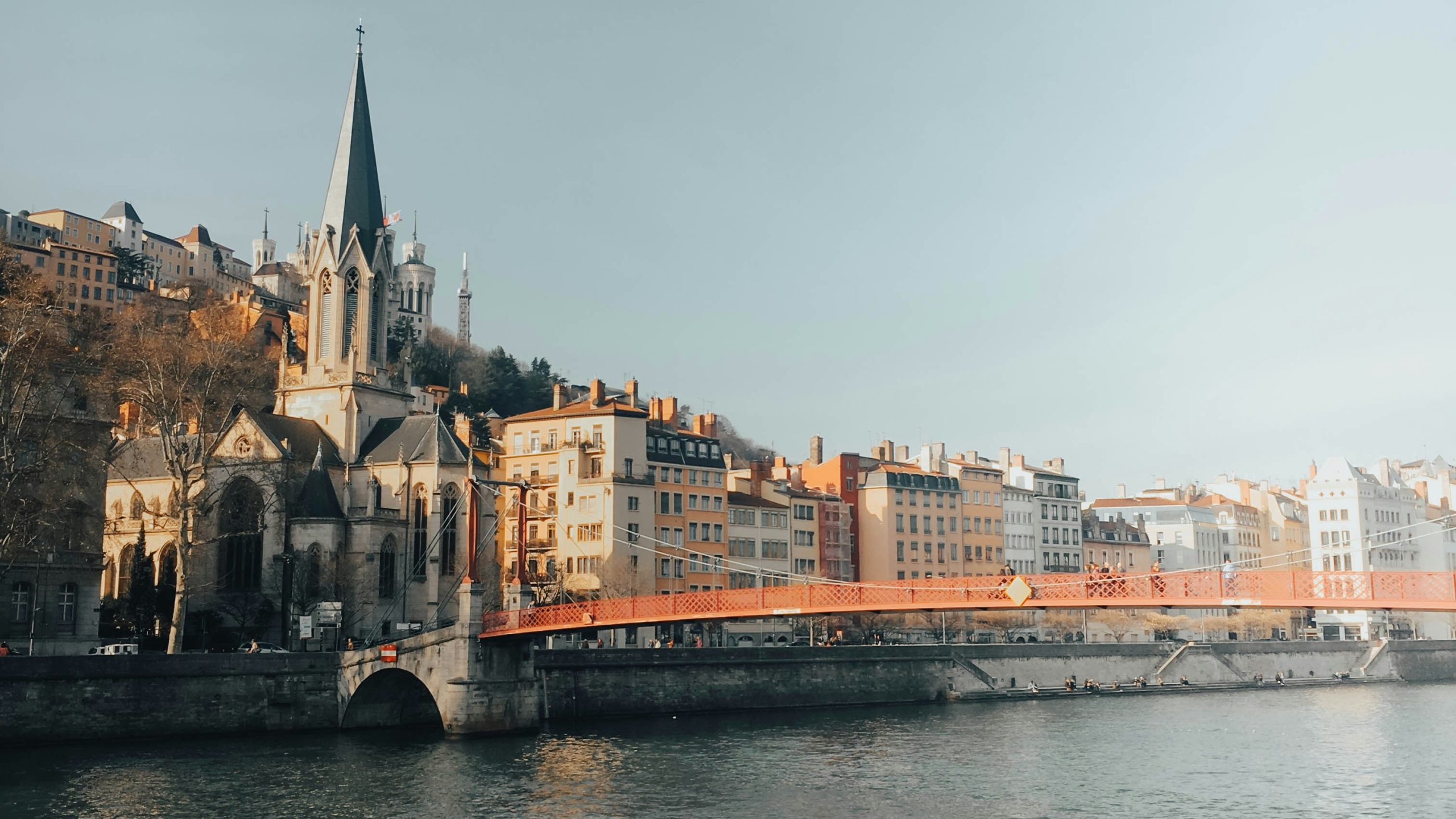
Some other notable Paris events include the French Open tennis tournament in May, the Paris Air Show in June, and the Christmas illuminations on the Champs-Elysees in December. While Lyon is more commonly associated with this festival, Paris has its own light festivals. These events showcase the city’s vibrant cultural scene and are a great way to experience the local culture.
When planning your trip to Paris, be sure to check the city’s event calendar. Catch one of these exciting Paris festivals or events. They can add an extra layer of enjoyment to your visit and create lifelong memories.
Best Times for Specific Paris Attractions
To make the most of your Parisian adventure, consider the best times to explore its renowned attractions. Some of Paris’s most famous landmarks can be very crowded. But with a little planning, you can enjoy a more serene experience.
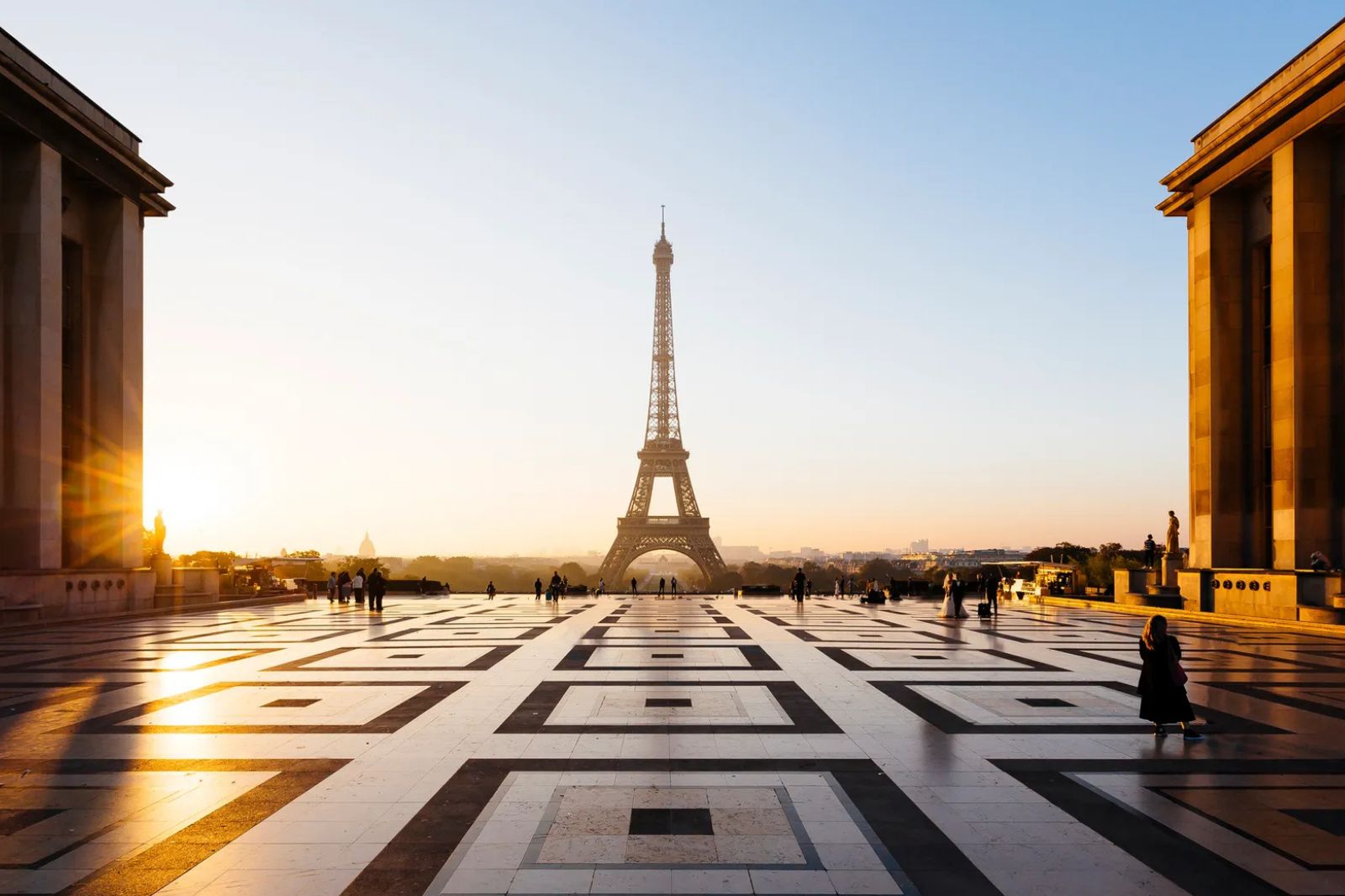
Visiting early in the morning or later in the evening can significantly reduce the crowds. This allows for a more enjoyable visit. For instance, watching the sunrise at the foot of the Sacré-Cœur is definitely worth the early wake-up call. The soft morning light and the peaceful atmosphere make for a truly unforgettable experience.
Other popular attractions like the Eiffel Tower and Louvre Museum also benefit from early or late visits. The Eiffel Tower is less crowded just after opening, around 9:30 AM. The Louvre is generally less busy in the late afternoon, around 3-4 PM on weekdays.
By timing your visits strategically, you can avoid the peak tourist hours and long queues. This makes your trip to Paris more efficient and enjoyable. Whether it’s experiencing the beauty of Paris at sunrise or enjoying the city’s landmarks without the crowds, planning your day around the best times to visit attractions can greatly enhance your travel experience.
Paris for Different Types of Travelers
Paris has something for everyone, whether you love food, history, or adventure. It’s a city that caters to many interests, making it perfect for all kinds of travelers.
For Families: Families will find plenty to do in Paris. Attractions like Disneyland Paris, the Luxembourg Gardens, and the Paris Museum of Natural History are great for kids.
For Couples: Paris is the city of love. Couples can enjoy a river Seine cruise, see the Eiffel Tower at night, or walk through the Tuileries Garden.
For Solo Travelers: Solo travelers can dive into Paris’s art scene. Visit museums like the Louvre or Orsay, or take a solo walk along the Seine.
For Foodies: Food lovers will adore Paris. It’s a place where you can find everything from fine dining to street food. Don’t miss the local markets, bakeries, and cafes.
Weather in Paris: What to Expect Year-Round
Paris’s climate is generally mild, making it a great destination year-round. It’s essential to be prepared for the seasonal changes. The City of Light experiences a range of weather conditions, from sunny days to brief rain showers.
Understanding the weather in Paris is key for a comfortable and enjoyable trip. The wettest months in Paris are May and October to December. Brief but frequent rain can occur during these months. It’s a good idea to pack an umbrella or raincoat during these months to be prepared.
In the spring and summer, Paris enjoys mild to warm temperatures. This makes it ideal for outdoor activities like strolling along the Seine or visiting the Eiffel Tower. But, the summer months can occasionally see heatwaves. So, it’s wise to stay hydrated and take breaks in shaded areas.
In the fall and winter, Paris experiences cooler temperatures. Average highs range from about 7°C to 16°C (45°F to 61°F). While it’s not typically cold enough for snow, it can get quite chilly, mainly in the mornings and evenings. Layering your clothing is a practical way to stay comfortable while exploring the city.
Being prepared for Paris’s weather can significantly enhance your travel experience. By understanding what to expect and packing correctly, you can enjoy all that Paris has to offer, regardless of the season.
The Best Month for Your Kind of Paris Trip
Match the month to what you want from the city:
| You want… | Best time | Why |
|---|---|---|
| A first visit / all-rounder | Apr–Jun, Sep–Oct | Mild days, long light, gardens in bloom |
| Romance | May–June, September | Warm evenings and golden light |
| Museums without the crowds | November–February | Short lines, cozy interiors |
| Fewest crowds & lowest prices | January–February, November | Cheapest fares and hotels |
| Café terraces & parks | May–September | Outdoor Paris at its best |
| Christmas magic | Late November–December | Markets, lights and ice rinks |
| To avoid heat & closures | Skip August | Heatwaves plus shuttered shops |
Whenever you go, plan the days themselves with our 3-day Paris itinerary and best museums in Paris guides.
Time it right, then let AI do the rest
Tell Voyada when you’re going and it books the museums, times the sights around the crowds, and prices the whole trip in one place.
Build my Paris plan →Essential Paris Travel Tips for Any Season
Traveling to Paris requires some preparation. A simple “bonjour” or “bonsoir” when entering stores or restaurants can make a big difference. It helps you connect with locals and enjoy your stay more.
Using the metro is a big part of Paris travel. Load a Paris Visite pass onto a Navigo Easy card or your phone for unlimited travel. This ticket covers metro, buses, and trams, making your journey easier and cheaper.
Explore areas like Le Marais, Belleville, and Canal Saint-Martin. They show you Paris beyond the usual tourist spots. Always validate your ticket before getting on the metro to avoid fines.
By following these essential Paris tips, you’ll have a better time in Paris. Whether you’re a first-time visitor or a seasoned traveler, being ready is key to a great trip.
Before you go: turn this guide into a day-by-day plan. Our partner Voyada is a free travel itinerary generator that builds the trip with flights, hotels and a real total cost for your dates — in about a minute.
Create itinerary for trip →Paris Events, Closures, and Timing Tricks
Knowing Paris’s rhythm — which days museums close, when locals leave, and what’s on — is what separates a smooth trip from a frustrating one.
- Mind the closing days: the Louvre closes Tuesdays, the Musée d’Orsay Mondays — check each museum before you build your day around it.
- August is quiet in a good and bad way: many Parisians leave and some local restaurants shut, but the city is calmer and lighter on crowds.
- Seasonal highlights: Paris Plages (riverside beaches) in summer, Nuit Blanche art night in October, and glittering Christmas markets and lights from late November.
- Book the icons online: timed tickets for the Eiffel Tower, the Louvre and the Catacombs sell out — reserve ahead and consider a Paris Museum Pass if you’re visiting several sights.
- Skip taxis for the Metro: it’s faster and far cheaper across the centre — keep a crossbody bag zipped on busy lines, where pickpockets work the tourist stops.
Official resource: for the latest, authoritative information, see France.fr (official tourism).
Frequently Asked Questions
When is the best time to visit Paris?
Spring (April–June) and early autumn (September–October) are ideal, with mild weather and manageable crowds. Summer is warm but busy (and quiet in August as locals leave); winter is cheap and festive.
How many days do you need in Paris?
Three to four days covers the major landmarks and a couple of museums; five or more lets you explore neighbourhoods and day-trip to Versailles.
Is Paris expensive?
Paris is pricey but manageable — save with a Museum Pass, picnic lunches, standing-at-the-bar café prices and the efficient Metro instead of taxis.
Is Paris safe for tourists?
Paris is safe for tourists in the sense that violent crime against visitors is rare, but it has a serious pickpocketing problem. Thieves work the queues at the Eiffel Tower and Sacre-Coeur, metro line 1 and the RER B from the airports. Wear a zipped bag in front, ignore petition and friendship-bracelet approaches near Montmartre, and keep phones out of back pockets.
Is Paris safe to walk at night?
Walking central Paris at night is generally safe, and the riverside and main boulevards stay busy late. Apply ordinary city sense around Gare du Nord, Chatelet-Les Halles, Barbes and the northern edges of the 18th and 19th after dark. The metro runs until roughly 1.15am on weekdays and about an hour later at weekends; after that, use a licensed taxi or a ride app.
Is Paris safe for solo female travellers?
Paris is manageable for solo female travellers, though street harassment is more common than in many northern European cities. Most of it is verbal and passes if you keep walking. Practical steps help more than avoidance: sit in a busy metro carriage, avoid empty platforms very late, and choose accommodation in the central arrondissements rather than picking the far north on price alone.
Is Paris worth the hype?
Paris is worth it, provided you go in with realistic expectations. The city genuinely delivers on food, museums and street life, but the famous sights come with queues, and the streets immediately around them are the least charming parts of the city. Travellers who plan one landmark a day and spend the rest of their time in neighbourhoods such as Le Marais come home happiest.
Is Paris worth visiting in December?
December is one of the better months for Paris if you dress for it. Christmas lights run along the Champs-Elysees and the grands boulevards, department store windows become an attraction in themselves, and museum queues are short. Days are cold and grey, with highs near 8C and darkness by 5pm. Prices dip in early December, then climb sharply over Christmas and New Year.
Is Paris worth visiting in August?
August is the trade-off month. The city is hot, the big sights are at their busiest with international visitors, and a noticeable share of restaurants, bakeries and small shops close while Parisians take their holidays. What you gain is long evenings, the Paris Plages riverside and open-air cinema. If your dates are fixed for August, book restaurants ahead and check they are open.
Is Paris worth visiting in November?
November is quiet, cheap and underrated in Paris. Museum queues are at their shortest, hotel rates sit among the lowest of the year and the parks look excellent in late autumn colour. The cost is weather: expect grey skies, frequent drizzle and daylight fading by around 5pm. It suits a museum-and-brasserie trip far better than a walking-and-terraces one.
Is Paris expensive for food?
Paris is expensive for food if you eat on the tourist trail and reasonable if you do not. A coffee at the bar costs roughly 1.50 to 2.50 euros against 4 to 7 euros seated on a famous square, and a lunchtime formule of two courses often lands near 18 to 25 euros. Bakeries, covered markets and the plat du jour are where the value sits.
Is Paris expensive for shopping?
Paris is expensive for shopping, but not uniformly so. Luxury on Avenue Montaigne and Rue Saint-Honore is priced accordingly, while the vintage shops of Le Marais, the Saint-Ouen flea market and the January and summer soldes offer real value. Non-EU residents can reclaim VAT on qualifying purchases above a set threshold, so keep receipts and allow extra time at the airport.
Is Paris expensive in December?
Early December is one of the cheaper times to visit Paris, with hotel rates well below spring and autumn levels. That flips around 20 December, when Christmas and New Year push accommodation to peak prices and restaurants switch to fixed holiday menus. If you want the lights without the premium, aim for the first two weeks of the month and travel midweek.
Is Paris more expensive than London?
The two are close, and which one wins depends on the category. Paris is usually cheaper for restaurant meals, wine and museum entry, while London tends to be cheaper for casual eating and has more free national museums. Hotels are broadly comparable, though London runs higher in peak summer. For most visitors the exchange rate matters more than either city’s price level.
How much does a trip to Paris cost?
Budget roughly 150 to 250 euros per person per day for a mid-range trip to Paris, covering a three-star room shared between two, metro travel, one paid attraction and eating out once a day. Backpackers using hostels and market food can get under 90 euros. Flights sit on top and swing hardest, so those are the dates worth being flexible about.
How many days do you need in Paris with kids?
Four to five days works well in Paris with children, giving you one big sight a day plus a park. The Jardin du Luxembourg, the Jardin d’Acclimatation, the Cite des Sciences and a Seine boat trip all break up museum fatigue. If Disneyland Paris is on the list, add a day or two on top rather than squeezing it into the same window.
How many days do you need for Disneyland Paris?
Two days covers Disneyland Paris comfortably, letting you give a full day to each of the two parks rather than rushing both. One day is enough only if you stick to a single park and arrive at opening. Families with young children often prefer two days plus a night at a resort hotel, which brings early park access on some ticket types.
How much is a Disneyland Paris ticket?
Expect to pay somewhere around 62 to 135 euros for a one-day, one-park adult ticket at Disneyland Paris, because pricing is date-tiered rather than fixed. Two-park tickets start nearer 89 euros in the quietest periods. Booking a dated ticket in advance is almost always cheaper than turning up, and midweek dates outside school holidays sit at the bottom of the range.
When is the best time to visit Disneyland Paris?
Midweek in mid-January to mid-March, late September or early November gives you the shortest queues and the lowest ticket prices at Disneyland Paris. Avoid French and UK school holidays, Christmas week and the whole of July and August. The Halloween and Christmas seasons look the best but carry both peak pricing and heavy crowds, so weigh the atmosphere against the queues.
How much does the Paris metro cost?
A single metro, RER or train ticket in central Paris costs around 2.50 euros, with bus and tram tickets slightly less. Paper tickets have now been phased out, so load journeys onto a reusable Navigo Easy card, which costs about 2 euros itself, or use a phone. Day and week passes exist and start paying off from roughly five journeys a day.
How much is the train from Paris to London?
Eurostar fares from Paris to London start near 39 euros one way when booked early and commonly run 60 to 150 euros closer to departure. The journey takes about 2 hours 16 minutes centre to centre. Booking opens around six months ahead, and midweek middle-of-the-day departures are consistently cheapest. Allow 60 to 90 minutes for check-in and border formalities at Gare du Nord.
Do you need a visa to visit Paris?
Most short-stay visitors do not need a visa for Paris. US, UK, Canadian, Australian and New Zealand citizens can spend up to 90 days in any 180-day period across the Schengen area. The EU biometric Entry and Exit System has been running at all Schengen borders since April 2026, so expect fingerprint and photo checks. The ETIAS authorisation has not launched yet, with no confirmed start date.
How much does a French visa cost?
A short-stay Schengen visa issued by France costs around 90 euros for adults, roughly 45 euros for children aged six to twelve and nothing for under-sixes. External application centres usually add a service charge on top. Decisions normally take about 15 calendar days but can extend to 45 in busy periods, so apply as early as your travel dates allow.
When is the best time to visit Paris to avoid crowds?
Mid-January to mid-March and the first three weeks of November are the quietest times in Paris, with the shortest museum queues and the lowest room rates. Early December is calm too, before the Christmas rush. If you want decent weather as well, the last week of September and the first half of October give thinner crowds without the winter grey.
Conclusion: Planning Your Perfect Paris Trip
Planning a trip to Paris means thinking about the best time to go. The best months are April, early May, September, and early October. These months have nice weather and fewer crowds.
Knowing the city’s seasons and events is key to planning your trip. Paris offers cultural experiences, budget-friendly options, and iconic landmarks all year round. Whether you’re into culture, saving money, or seeing famous spots, Paris has it all.
To have a great trip to Paris, consider the tourist seasons, major events, and your budget. The best time to visit Paris is when you’re ready to enjoy it fully. Knowing what to expect makes your trip unforgettable.