

Table of Contents
ToggleItaly is famous for its history, art, architecture, and food. It draws millions of tourists each year. In fact, Italy is one of the top countries for visitors, welcoming over 60 million annually.
With its varied climate and different regions, planning a trip to Italy can be tricky.
Choosing the right season is key for a great Italian vacation. Spring (April-May) and autumn (September-October) are the best times. The weather is nice, and there are fewer people around.
These seasons are perfect for seeing Italy’s historical sites, enjoying the landscapes, and trying the local food.
Key Takeaways
- Spring (April-May) is a great season to visit Italy due to pleasant weather.
- Autumn (September-October) offers a good balance of comfortable weather and smaller tourist crowds.
- Understanding Italy’s climate helps in planning a more enjoyable trip.
- Regional variations in Italy can affect the travel experience.
- Planning ahead is key to making the most out of your Italian vacation.
Understanding Italy's Diverse Climate and Regions
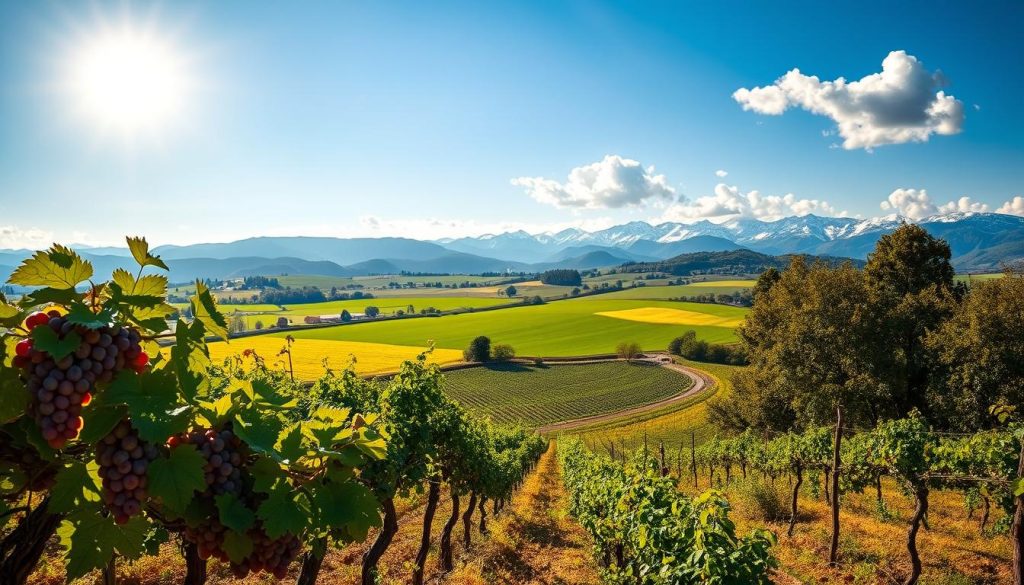
Italy’s climate changes from the snowy Alps in the north to the warm Mediterranean beaches in the south. This change is due to its geography. The shape of Italy and its mountains greatly affect the weather in different areas.
Geographic Diversity from North to South
Italy stretches into the Mediterranean Sea with mountains running along its spine. The Alps in the north make the climate cooler and more temperate.
Key geographical features that impact Italy’s climate include:
- The Alps in the north, which can be cold and snowy, especially during winter.
- The Po Valley, a significant low-lying area that can experience fog and colder temperatures in winter.
- The Apennine Mountains, which run down the eastern coast of Italy, affecting local climates.
- The Mediterranean coastline, which moderates the climate in coastal regions, making it milder.
How Climate Varies Across Italian Regions
The climate in Italy changes a lot from north to south. The north, like Lombardy and Piedmont, has cold winters and warm summers. Central Italy, including Tuscany and Umbria, has a Mediterranean climate with warm summers and mild winters.
Regional climate variations include:
- Northern Italy: Cooler and more temperate, with significant snowfall in the Alps during winter.
- Central Italy: Mediterranean climate, ideal for tourism, with warm summers and mild winters.
- Southern Italy: Warmer and sunnier, with a pronounced Mediterranean climate, especially in regions like Campania and Calabria.
Knowing these differences is key for travelers. It helps them plan their trip based on the weather and activities they want to do.
Popular Italy Itineraries
The Best Time to Visit Italy: Season by Season Overview
Italy is a great place to visit all year round. But, each season offers a different experience. Knowing these differences is key to planning a unforgettable Italy vacation.
Spring (March-May): Blooming Landscapes and Mild Weather
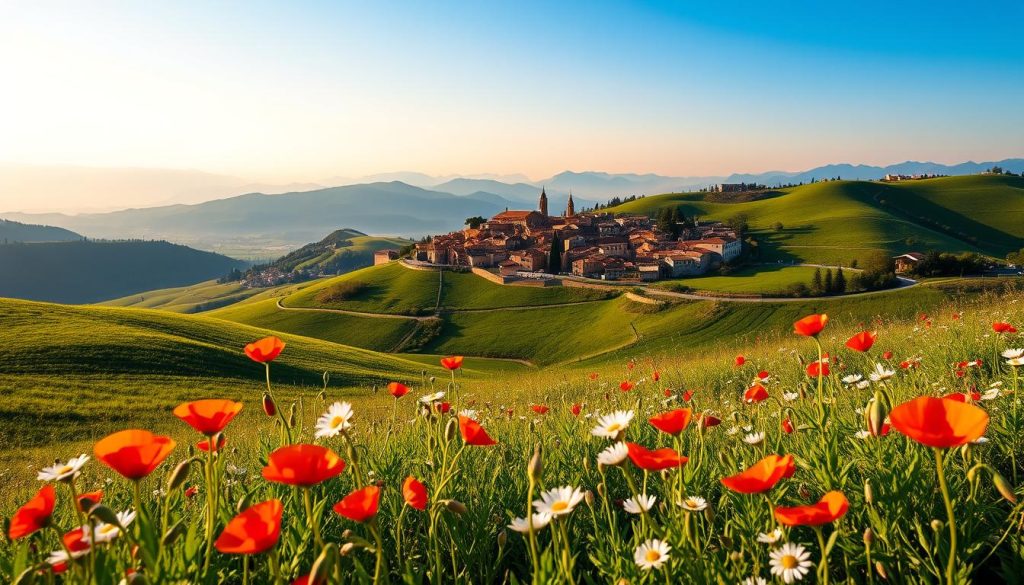
Spring in Italy is lovely, with mild weather and beautiful landscapes. It’s perfect for outdoor fun and sightseeing. Here are some reasons to visit in the spring:
- Mild weather, great for hiking and visiting historical sites
- Blooming gardens and landscapes, like the tulip fields in Villa Taranto
- Fewer tourists than in summer, for a more peaceful trip
Summer (June-August): Peak Season Sunshine and Crowds
Summer in Italy is the busiest time, with warm weather and long days. It’s a good season for:
- Visiting Italy’s beautiful beaches and coastal towns
- Joining outdoor festivals and events
- Exploring the countryside and enjoying meals outside
But, be ready for big crowds and higher prices.
Fall (September-November): Harvest Season and Cooling Temperatures
Autumn in Italy is a time of harvest and change. It offers a mix of cultural events and natural beauty. Highlights include:
- Grape harvest festivals in Tuscany and Piedmont
- Mild temperatures, great for hiking and biking
- Cultural events and food festivals celebrating the harvest
Winter (December-February): Alpine Snow and Mediterranean Mildness
Winter in Italy is different, from snowy Alps to mild Mediterranean coast. It’s ideal for:
- Skiing and snowboarding in the Italian Alps
- Exploring cities, which are less crowded and more local
- Enjoying winter festivals and Christmas markets
By knowing what each season offers, travelers can plan their trip. Whether for cultural events, outdoor fun, or a relaxing break, Italy has something for everyone.
Spring in Italy: A Season of Renewal
Italy in spring is a feast for the senses. You’ll see blooming landscapes, enjoy festive celebrations, and have perfect weather for sightseeing. The mild weather is perfect for exploring Italy’s history, art, and culture.
March: Early Spring Conditions and Events
In March, Italy starts to warm up, but the weather can still surprise you. Early spring events like the Carnevale di Viareggio in Tuscany are unforgettable. You can also see flowers bloom in Rome’s Villa Borghese or walk by the beautiful lakes in Northern Italy.
April: Easter Celebrations and Blooming Gardens
April is special in Italy, filled with Easter celebrations. These festivities bring people together with processions and traditional foods. The gardens and landscapes are in full bloom, with places like the Isola Bella in Lake Maggiore showing off their beauty.
May: Perfect Weather and Pre-Summer Advantages
May is a top month to visit Italy. The weather is just right, and the summer crowds haven’t arrived yet. Outdoor activities like hiking in the Dolomites or visiting Rome’s ancient ruins are a joy. May also has festivals like the Festa della Primavera in Tuscany, celebrating spring.
Spring in Italy is a mix of cultural events, nice weather, and fewer tourists. It’s a great time to see this beautiful country, following the italy sightseeing calendar.
Summer in Italy: Sun-Soaked Adventures
Summer starts in Italy, bringing peak tourist season with it. June welcomes the sun and adventure. Italy’s regions burst with life as days get longer and warmer.
Beginning of High Season
June marks the start of high season in Italy. The weather is warm but not too hot. It’s perfect for exploring cities, towns, and countryside.
- Enjoy mild evenings perfect for al fresco dining
- Explore Italy’s many outdoor festivals and events
- Visit popular destinations before they get too crowded
Peak Tourist Season
July and August are the busiest months for tourists. The weather is hot, especially in the south. Popular spots can be very crowded.
Key experiences during peak season include:
- Visiting iconic cities like Rome, Florence, and Venice
- Enjoying Italy’s beautiful beaches and coastal areas
- Participating in outdoor concerts and cultural events
Summer Festivals and Cultural Events
Summer in Italy is full of cultural events and festivals. You can see opera in historic places or try local food at festivals. There’s something for everyone.
- The Opera Festival in Verona
- Summer concerts in historic sites like the Roman Forum
- Food and wine festivals showcasing regional specialties
Summer is a great time to visit Italy. You can dive into the culture or just enjoy the weather.
Fall in Italy: Harvest Beauty and Cultural Riches
As summer ends, Italy becomes a colorful mix of autumn hues and harvest joy. The fall, from September to November, is perfect for visiting. It combines warm late summer days with cozy autumn nights.
Our Italy weather guide shows that fall is mild, especially in the mornings and evenings. This makes it great for exploring Italy’s culture and trying its famous food.
September: Late Summer Vibes with Fewer Crowds
September is a top time to see Italy. The summer crowds are gone, and the weather is still warm. It’s perfect for using italy travel tips to visit famous spots without the rush.
The month is full of festivals, like grape harvests in Tuscany and Piedmont. You can enjoy the summer feel while diving into local traditions.
October: Fall Colors and Gastronomic Delights
October is when Italy’s autumn colors really shine. The leaves turn orange and red, making it a dream for photographers. Places like the Dolomites and Tuscany are especially beautiful.
This month is also great for food lovers. Truffles are in season, and you can try lots of local dishes and wines. It’s a fantastic time for those who love to eat and drink.
November: Off-Season Advantages and Early Winter Preparations
November starts Italy’s off-season. This means you can find deals on places to stay and things to do. It’s a good time to save money.
The weather might be cooler and wetter, but November is great for indoor sights. Museums and historical sites are less crowded. Plus, towns and cities start decorating for Christmas.
Winter in Italy: Alpine Wonderland and Mild Mediterranean
When winter hits Italy, the country turns into a magical place. Snow-covered Alps meet the warm Mediterranean coast. This season brings festive markets and top-notch skiing.
December: Christmas Markets and Festivities
December in Italy is magical, filled with Christmas markets and fun. Rome, Florence, and Venice sparkle with lights and decorations. Here, you can:
- Find local crafts and treats at Christmas markets
- Skate on ice in historic squares
- Try Italian Christmas foods like panettone and hot chocolate
January and February: Winter Sports and Low-Season Travel
January and February are perfect for skiing fans. The Italian Alps have some of Europe’s best slopes. Places like Cortina d’Ampezzo, Breuil-Cervinia, and Courmayeur draw skiers worldwide. For a calm escape, Tuscany and the Amalfi Coast are mild and peaceful.
Top winter sports destinations in Italy include:
- Cortina d’Ampezzo: Famous for its glamorous slopes and Dolomite views
- Breuil-Cervinia: Has a huge ski area and the Matterhorn
- Courmayeur: A charming spot at Mont Blanc’s foot
Winter Cultural Events and Indoor Attractions
Winter is also great for exploring Italy’s culture. Museums and galleries have special shows. Highlights include:
- The Venice Carnival, a famous winter event
- Opera at La Scala in Milan
- Winter shows at the Uffizi Gallery in Florence
Italy in winter is perfect for culture lovers. With some planning, you can enjoy both outdoor fun and indoor sights. This makes for a great italy vacation planner trip.
Regional Guide: When to Visit Different Parts of Italy
Italy stretches from the Alps in the north to the Mediterranean beaches in the south. Each region has its own charm and the best time to visit. Knowing these differences is key to planning your trip.
Northern Italy: Alps, Lakes, and Historic Cities
Northern Italy is known for its majestic Alps, serene lakes, and historic cities like Milan and Turin. It offers a mix of natural beauty and cultural heritage. The best time to visit depends on what you’re interested in.
If you love skiing, winter (December to March) is perfect. World-class ski resorts like Cortina d’Ampezzo and Breuil-Cervinia are open. For lake views and city exploration, spring (April to June) and autumn (September to October) are ideal. These seasons have mild weather and fewer tourists than summer.
Central Italy: Tuscany, Rome, and Cultural Heartlands
Central Italy, including Tuscany, Rome, and Umbria, is rich in history, art, and cuisine. It has a Mediterranean climate with warm summers and mild winters.
Spring (April to June) is lovely, with pleasant temperatures and blooming landscapes. Autumn (September to October) is also great, with harvest season and comfortable weather. For fewer crowds, late spring and early autumn are best.
Southern Italy: Naples, Amalfi Coast, and Mediterranean Charm
Southern Italy, with Naples, the Amalfi Coast, and Puglia, offers rich culture and stunning landscapes. Its Mediterranean climate means hot summers and mild winters.
The shoulder season (April to June and September to October) is best for visiting. It offers pleasant weather and fewer crowds. Summers can be hot, especially inland, while winters are mild, attracting winter sun seekers.
Italian Islands: Sicily and Sardinia's Unique Climates
Italy’s islands, Sicily and Sardinia, have unique climates and charms. Both enjoy a Mediterranean climate with warm summers and mild winters.
Summer (June to September) is peak tourist season, great for beach lovers. But spring (April to May) and early autumn (September to October) are also excellent. These times offer pleasant temperatures and fewer crowds, perfect for exploring the islands’ culture and nature.
Visiting Italy's Major Cities: Seasonal Considerations
Italy’s major cities are full of experiences all year round. Each season brings its own charm and attractions. Whether you love history, food, or fashion, there’s something for everyone.
Rome: Year-Round Appeal with Seasonal Highlights
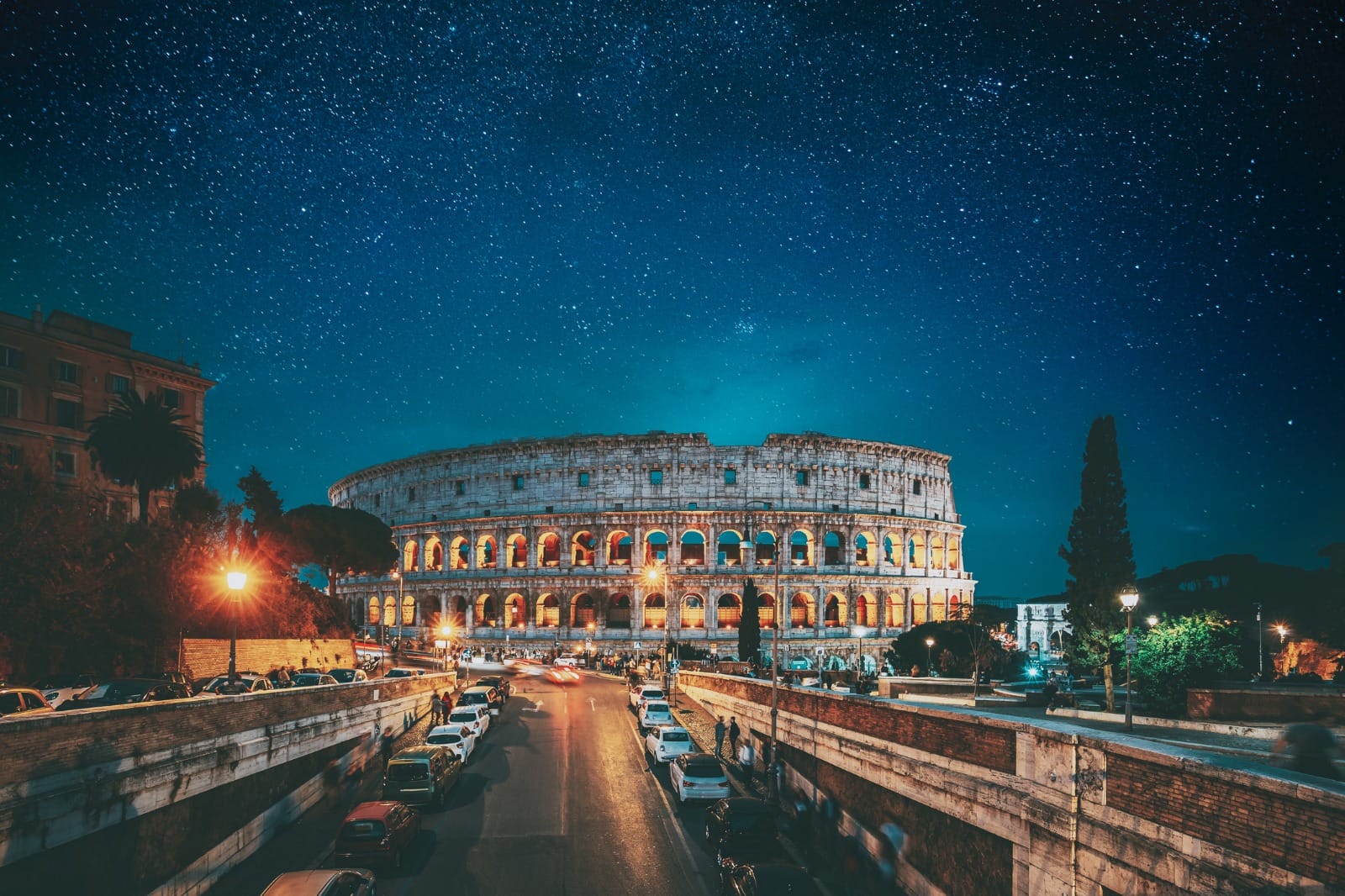
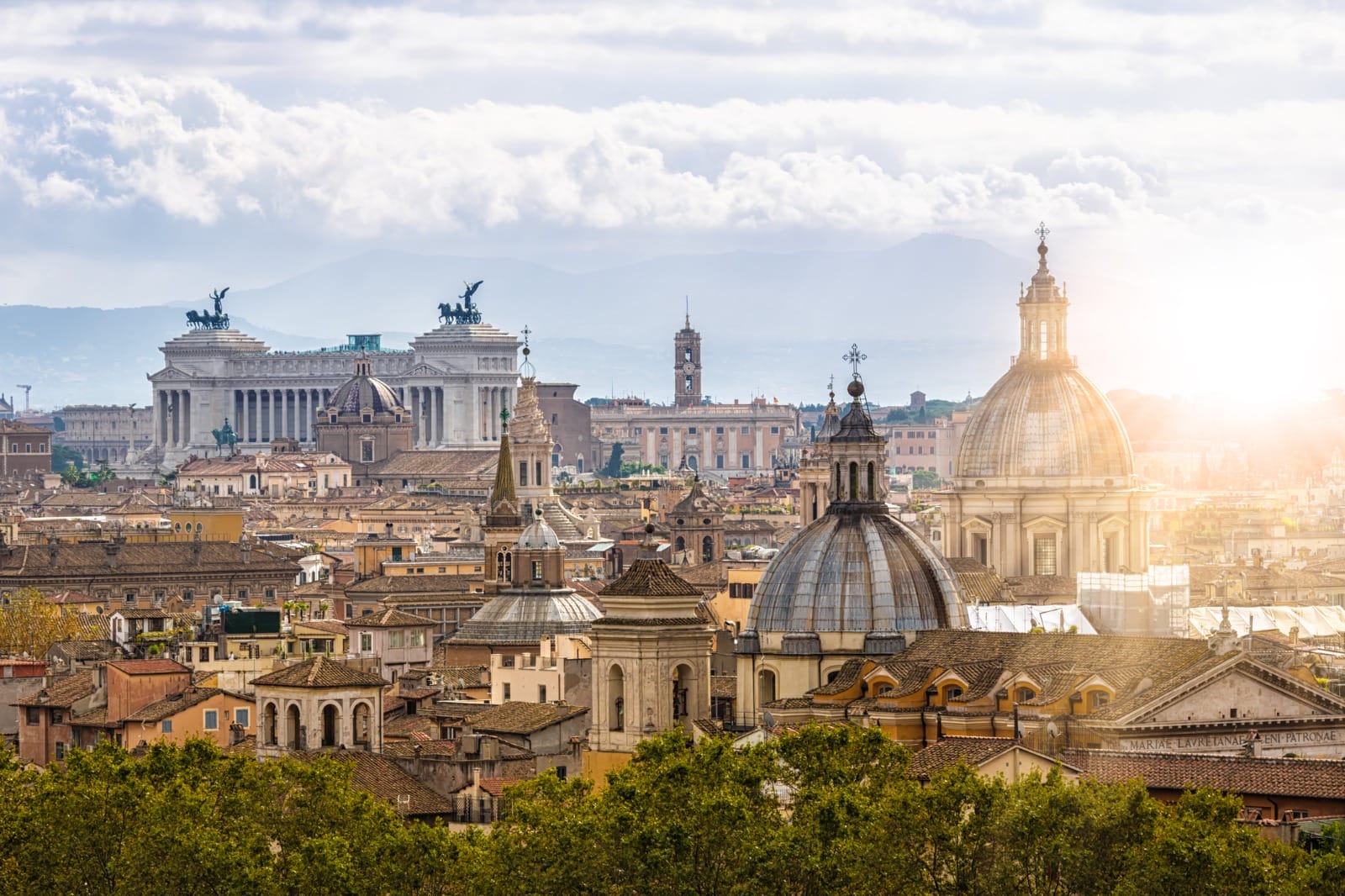
Rome is a must-see any time of year. Spring (March to May) is lovely, with mild weather and fewer tourists. It’s perfect for exploring ancient sites like the Colosseum and Roman Forum.
In summer, Rome gets hot but there are outdoor events and festivals. The Estate Romana festival offers concerts and theater in parks and historic sites.
Florence and Venice: Navigating Tourist Seasons
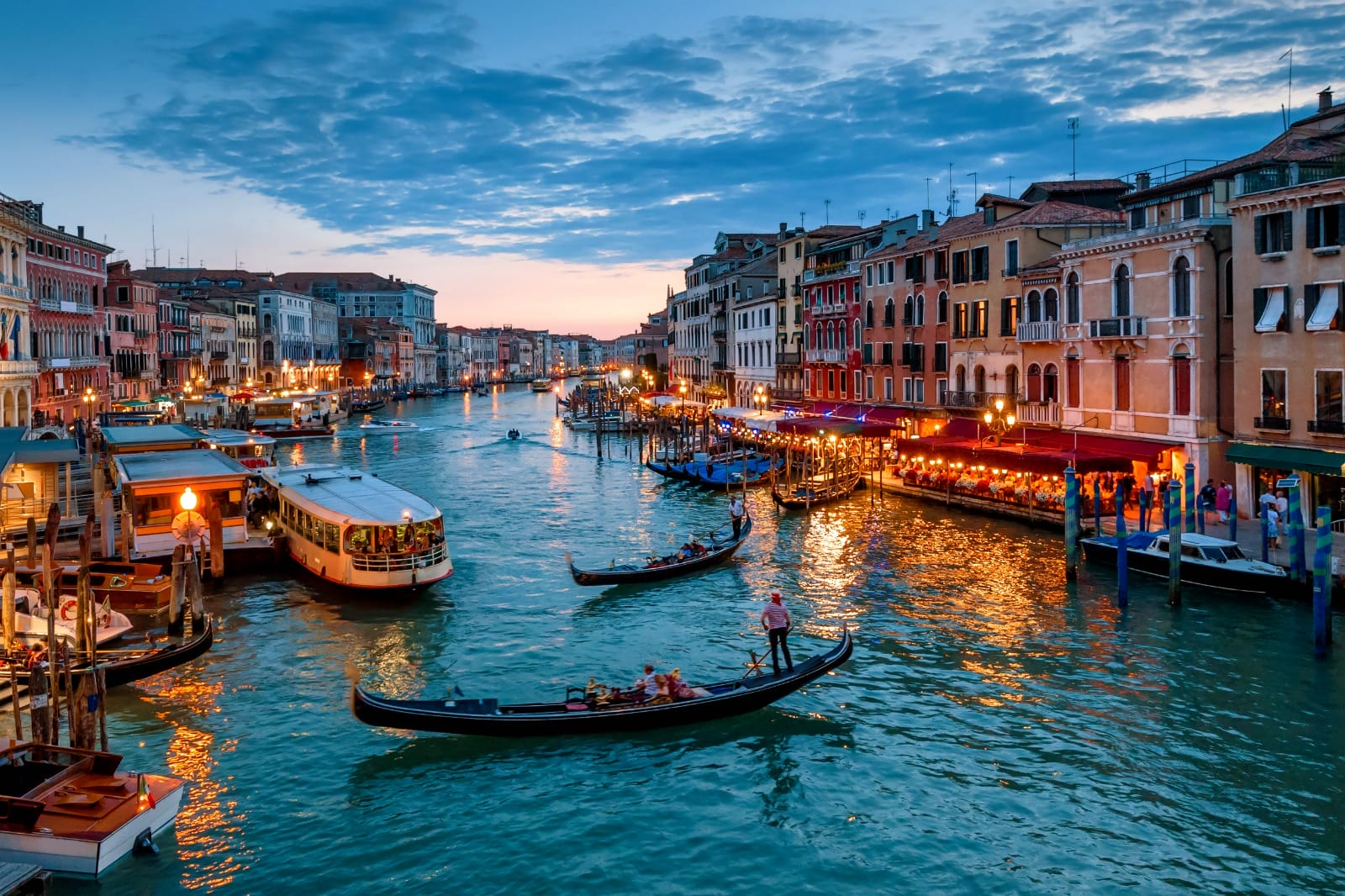
Florence and Venice are top tourist spots, each with its own season. Spring is great for Florence, with comfortable weather and blooming gardens. Venice is less crowded in spring, making it easier to explore.
Autumn is also excellent, with mild weather and cultural events. In Florence, the Uffizi Gallery is less crowded, perfect for art lovers. Venice’s Venice Film Festival in September is a highlight.
Milan: Fashion Weeks and Business Travel Timing
Milan is Italy’s fashion capital. Fashion Week, in February and September, is a must-see for fashion fans. But, it’s crowded and expensive for others.
Milan is also a business hub, with international trade fairs. The Salone del Mobile in April is a major event, attracting professionals worldwide.
Naples and Southern Cities: Mediterranean Climate Advantages
Naples and southern cities have a Mediterranean climate. Spring and autumn are best, with pleasant weather and cultural events.
In Naples, the Festival della Cultura in September celebrates the city’s culture. It’s a vibrant time to experience Naples.
Planning is key when visiting Italy’s major cities. Knowing the best times for each city helps tailor your trip to your interests.
Traveling to Italy for Special Events and Festivals
Italy’s calendar is full of exciting events. From religious celebrations to cultural festivals and food events, there’s something for everyone. You can find spiritual experiences, cultural enrichment, or culinary delights.
Religious Celebrations and Holidays
Italy celebrates many religious holidays, thanks to its Catholic heritage. A big event is Easter in Rome, where the Pope leads the Easter Sunday Mass. Other important religious events include:
- The Feast of the Epiphany on January 6th, marking the visit of the Magi to the baby Jesus
- The Assumption of Mary on August 15th, celebrated with processions and festivities
- The Feast of Saint Francis of Assisi on October 4th, honoring the patron saint of Italy
Cultural Festivals and Historic Events
Italy’s cultural festivals show off its rich history and art. Some highlights are:
- The Venice Carnival, known for its elaborate masks and costumes
- The Florence Music Festival, showcasing classical music performances
- The Lucca Summer Festival, featuring international music acts
These events entertain and give a peek into Italy’s culture and history.
Food and Wine Festivals Throughout the Year
Italy’s food and wine festivals celebrate its culinary scene. Some notable events are:
- The Truffle Festival in Alba, Piedmont, celebrating the prized white truffle
- The Wine Festival in Tuscany, offering wine tastings and vineyard tours
- The Seafood Festival in coastal towns, showcasing fresh seafood dishes
These festivals are a great way to taste Italy’s food and wine.
Budget Considerations: Finding the Best Value
Planning a trip to Italy means thinking about your budget. The right time to visit can save you money. Knowing how prices change with the seasons helps you enjoy Italy more.
High Season vs. Low Season Pricing
Italy gets very busy from June to August. Prices for hotels, flights, and attractions go up. From November to March, prices drop, but it’s colder and some places are closed.
High season is great for beach lovers and festival fans. But it’s also the most crowded and expensive time.
Shoulder Season: The Perfect Balance
The shoulder season, from April to May and September to October, is ideal. You get nice weather and lower prices. It’s less crowded than peak season.
- Mild weather conditions
- Fewer tourists compared to peak season
- Lower prices for accommodations and tourist services
Regional Price Variations Throughout the Year
Italy’s prices vary by region. Rome, Florence, and Venice are pricier in peak season. But smaller towns might be cheaper even then.
Visit places like Umbria, the Amalfi Coast (in shoulder season), and parts of Tuscany for a budget-friendly trip. They offer a rich Italian experience without breaking the bank.
With the right planning, you can have a great time in Italy without spending too much.
Traveling to Italy with Special Considerations
Italy has something for everyone, whether you’re traveling with family, seeking relaxation, or adventure. Planning with special considerations in mind can enhance your trip.
Family Travel: School Holidays and Kid-Friendly Seasons
Italy is great for family trips, with its history, landscapes, and welcoming vibe. Plan around school holidays to fit your kids’ schedules. The best times for family travel to Italy are during the spring (April-May) and autumn (September-October), when the weather is nice and there are fewer people.
Many Italian cities have attractions for kids, like the Gardens of Villa Borghese in Rome or the Amalfi Coast beaches. Check local event calendars for family-friendly festivals and events.
Senior Travel: Avoiding Extreme Weather and Crowds
Italy can be great for seniors with careful planning. Skip the peak tourist season (June-August) and cold winters. The shoulder season (April-May and September-October) is best, with nice weather and fewer people.
Visit cultural sites early morning or evening to avoid crowds and heat. Many cities offer senior tours, a great way to see Italy’s history and culture.
Adventure and Outdoor Activities: Seasonal Opportunities
Italy is perfect for adventure lovers and outdoor fans, with its varied landscapes and climates. For hiking and trekking, spring and autumn are best, with good weather and scenery.
- For skiing and snowboarding, the Italian Alps are top-notch in winter (December-March).
- Cycling is great for exploring the countryside, with spring and autumn being the best times.
- Summer is ideal for sailing and water sports along Italy’s coasts and islands.
By thinking about your group’s needs and planning, you can have a memorable trip to Italy. Whether you want to relax, have an adventure, or explore culture, Italy has it all.
Practical Tips for Each Season in Italy
Getting ready for your trip to Italy? Knowing the seasonal changes can really enhance your experience. Italy’s varied climate and rich culture mean being prepared is crucial for a great trip.
What to Pack for Different Seasons
Choosing the right clothes for Italy depends on the season. Spring (March to May) is mild, with highs from 17°C to 22°C (63°F to 72°F). Pack light jackets and comfy shoes for walking.
Summer (June to August) can be hot, especially in the south, with highs over 30°C (86°F). Wear light, breathable clothes, and don’t forget sunscreen and a hat.
Autumn (September to November) is cool but pleasant. It’s perfect for outdoor activities. Pack clothes that can be layered for comfort.
In winter (December to February), the north can be cold, especially in the Alps. The south is milder. Bring warm coats and gloves for the north.
Transportation Considerations Throughout the Year
Italy’s transport network is well-developed, with trains, buses, and car rentals. Knowing the seasonal changes helps you travel better.
- Summer months see busier roads and more traffic jams, especially on weekends and at tourist spots.
- In winter, snow may close mountain passes, but cities and towns are still reachable by train and bus.
- Spring and autumn are best for road trips, with nice weather and fewer tourists.
Public transport runs regularly all year. But, check schedules during holidays and peak times to avoid issues.
Conclusion: Planning Your Perfect Italian Getaway
Planning a trip to Italy means thinking about many things. You need to consider the time of year, the weather in different places, and what you like. Italy has beautiful landscapes, a rich history, and a lively culture. It has something for everyone.
To enjoy your Italian trip, pick the best time to go. You might want a calm beach vacation, an exciting city trip, or a deep dive into the culture. An Italy vacation planner can help you make a trip plan that’s just right for you.
Good trip planning in Italy means knowing about the seasons and the different areas. This way, you can have a trip that’s both memorable and fun. With the tips from this guide, you’re ready to plan your dream trip to Italy. You’ll get to experience all the beauty and fun that Italy has to offer.
FAQ
What is the best time to visit Italy?
The best time to visit Italy depends on what you like. Spring (April-May) and autumn (September-October) are great. The weather is mild, and there are fewer people around.
What are the peak tourist seasons in Italy?
Summer (June-August) is the busiest time in Italy. July is especially crowded. Expect big crowds and higher prices for places to stay and things to do.
Is Italy a good destination for winter sports?
Yes, Italy is perfect for winter sports. The Dolomites and Alps in the north are great for skiing and snowboarding. January and February are the best months.
What are the shoulder seasons in Italy?
April-May and September-October are Italy’s shoulder seasons. The weather is nice, and there are fewer people. It’s a good time to visit if you want to avoid the crowds.
Are there any specific events or festivals I should plan my trip around?
Italy has many events and festivals all year. Easter, summer festivals, and harvest festivals are some examples. But, they can draw big crowds.
How does the climate vary across different regions in Italy?
Italy’s climate changes a lot from north to south. The north is cooler, while the south is warmer. The islands, like Sicily and Sardinia, have their own climates too.
What are the advantages of visiting Italy during the off-season?
Visiting Italy off-season (November-March) has its perks. Prices are lower, and there are fewer people. But, some places might be closed or open less.
How can I plan a trip to Italy that suits my family’s needs?
Plan a family trip to Italy during school breaks. Avoid bad weather and choose places that are fun for kids. Many cities have attractions and services for families.
What should I pack for a trip to Italy based on the season?
Packing for Italy changes with the season. Spring and autumn need layers. Summer is light and breathable, while winter is warm and waterproof.
Are there any regional price variations in Italy throughout the year?
Yes, prices in Italy change by region and season. Places like Rome, Florence, and Venice are pricier, especially in peak season. Try visiting smaller towns for better deals.