
Table of Contents
ToggleJapan welcomed over 31 million international visitors in 2025. It’s a top spot all year round, thanks to its unique seasonal experiences. You can see stunning cherry blossoms in spring, enjoy the autumn colors, and experience peaceful winter landscapes.
Planning a trip to Japan can be tough, especially picking the best time to go. The country has four seasons, each with its own culture, weather, and activities. This makes every season special in its own way.
Key Takeaways
- Japan has four distinct seasons, each with its unique charm and attractions.
- The country’s seasonal events and weather conditions play a significant role in determining the best travel times.
- Understanding Japan’s seasonal variations is crucial for planning an unforgettable trip.
- From cherry blossoms to autumn foliage, each season offers a distinct experience.
- Travelers can enjoy a range of activities, from skiing in winter to hiking in spring and summer.
Understanding Japan's Four Distinct Seasons
Japan’s climate is as varied as its culture, with four seasons each offering a unique experience. The country’s geography greatly influences its climate, from cold winters in the north to subtropical climates in the south.
Climate Overview and Geographic Variations
Japan’s climate changes a lot from north to south. Hokkaido in the north has cold, snowy winters. On the other hand, Okinawa in the south has a subtropical climate all year. This means travelers can find different climates in different regions.
- Cold Winters: Hokkaido and northern Japan are great for skiing and snowboarding.
- Mild Winters: Western Japan, including Osaka and Kyoto, has milder winters.
- Subtropical Climates: Okinawa and southern islands are perfect for beach vacations.
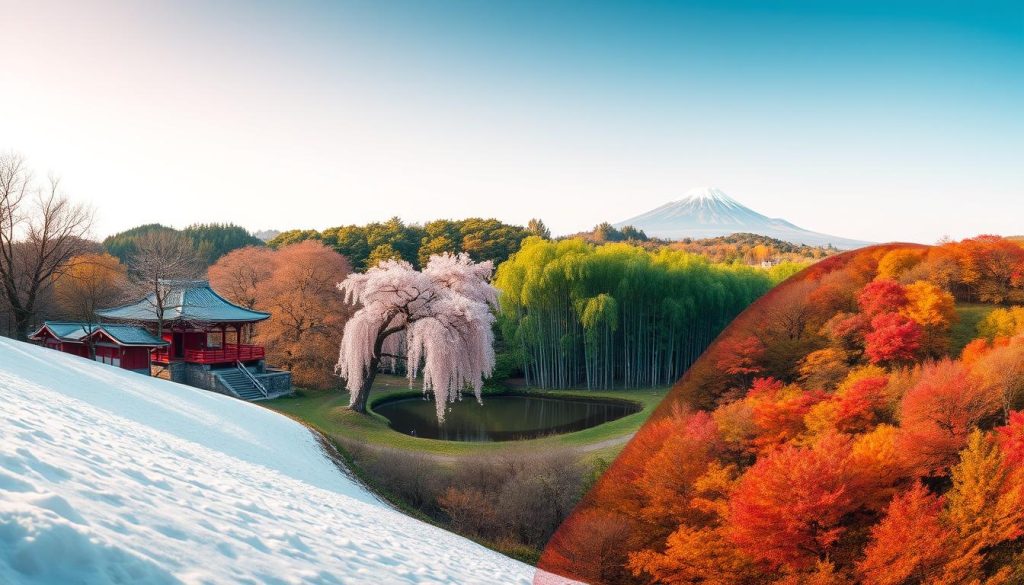
How Seasons Affect Travel Experience
The four distinct seasons in Japan greatly impact travel. Each season offers unique activities and experiences:
- Spring (March to May): Famous for cherry blossoms, spring is a popular time to visit.
- Summer (June to August): Hot and humid, with numerous festivals and beach activities.
- Autumn (September to November): Comfortable temperatures and beautiful foliage.
- Winter (December to February): Ideal for skiing, hot springs, and winter illuminations.
Understanding these seasonal variations is key for planning your trip to Japan. It ensures you make the most of your travel experience.
Popular Japan Itineraries
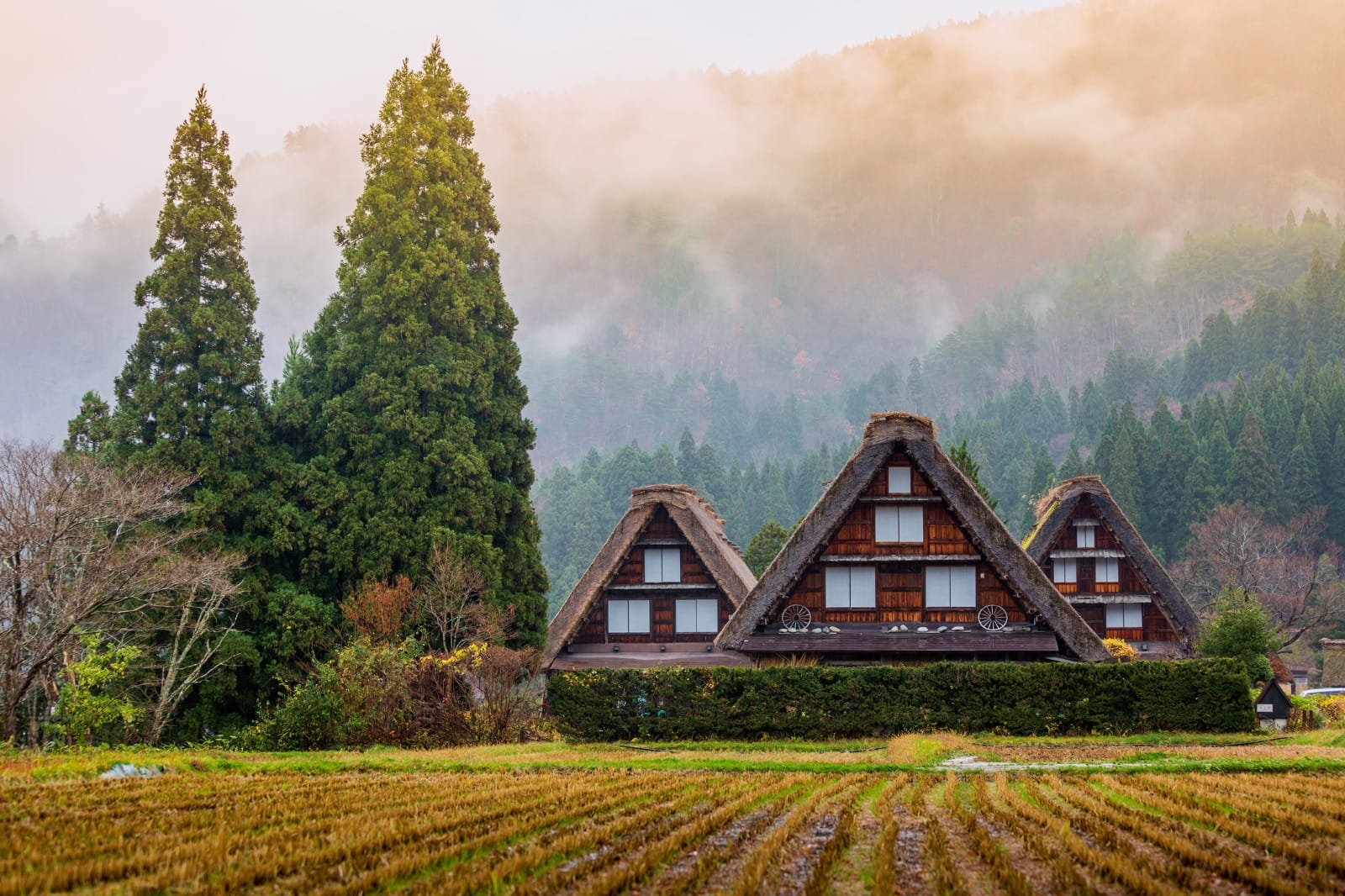
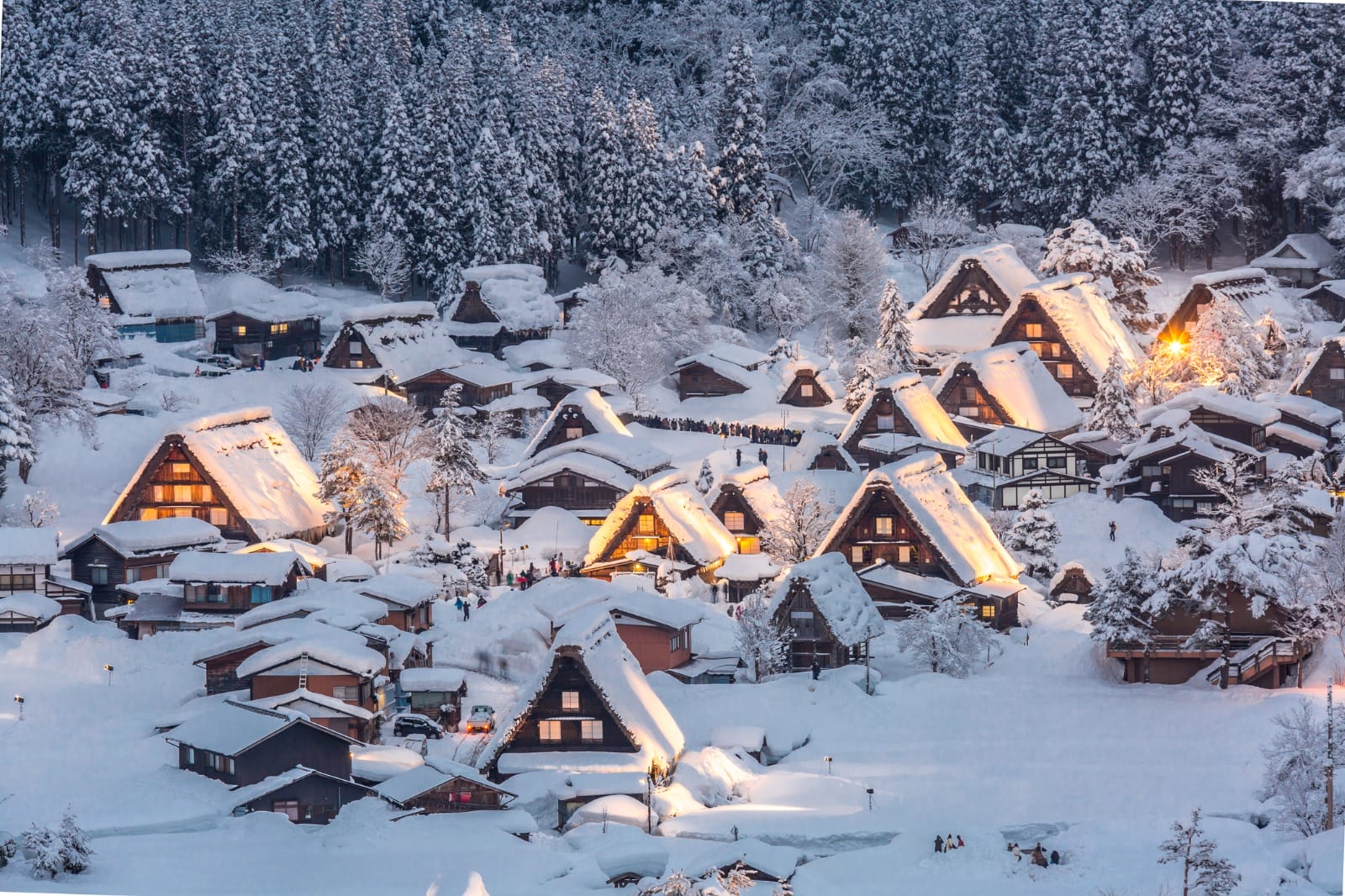
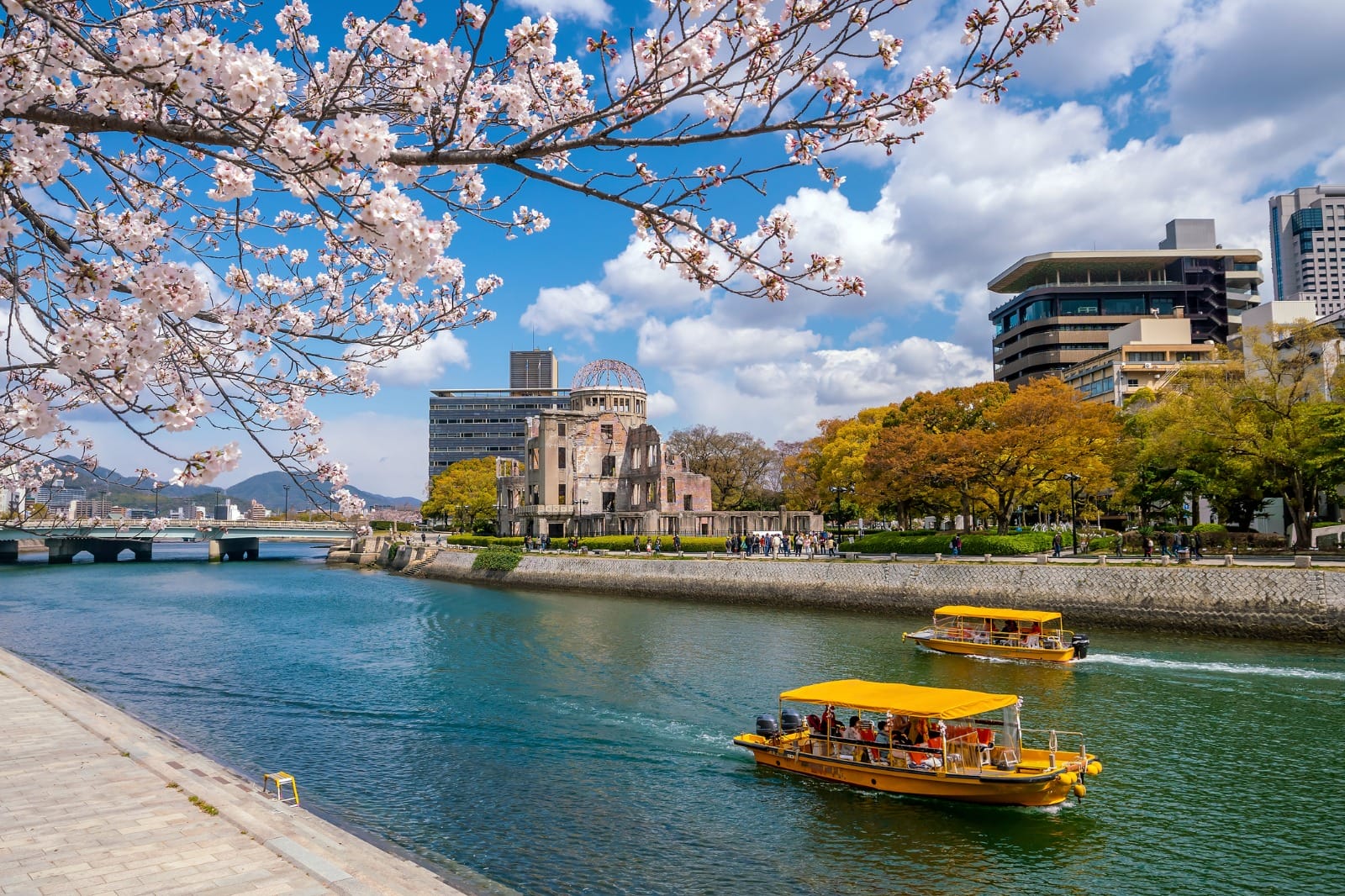
Spring in Japan: Cherry Blossoms and Beyond
As winter fades, Japan turns into a vibrant spring paradise. It’s a time of renewal and celebration. Visitors are captivated by the breathtaking cherry blossoms and cultural experiences.
Cherry Blossom Season: Timing and Popular Locations
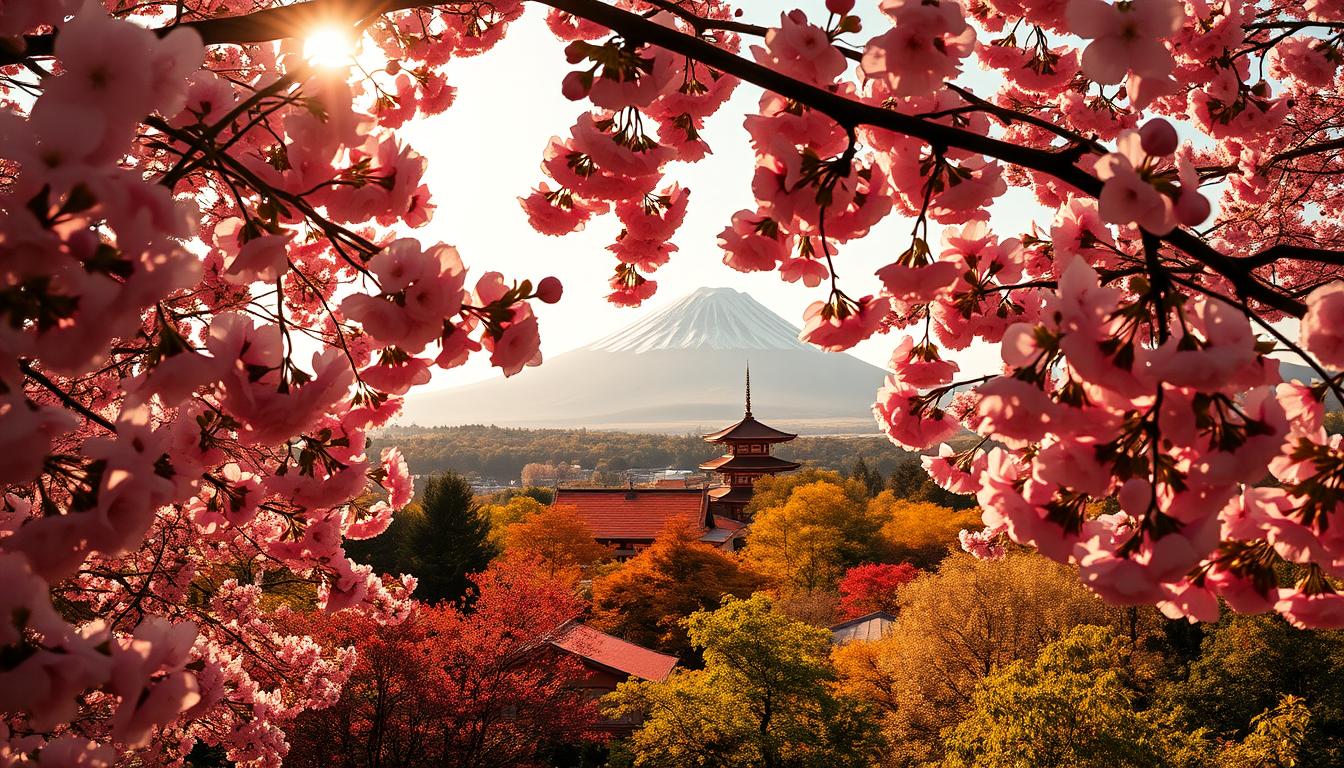
The cherry blossom season, or “hanami,” is a major highlight of Japan’s spring. It happens between late March and early April. Ueno Park in Tokyo, Maruyama Park in Kyoto, and Philosopher’s Path in Kyoto are top spots to see them.
Planning your trip around the cherry blossom season requires some foresight. The Japan Meteorological Corporation provides forecasts for cherry blossom blooming. This helps travelers plan their visits perfectly.
Weather Conditions and What to Pack
Spring weather in Japan is generally mild. Temperatures warm up, but cooler days can happen, especially in the mornings and evenings. Visitors should pack layers, including light jackets and comfortable clothing for walking.
- Lightweight rain gear for unexpected showers
- Comfortable shoes for walking
- Layers for cooler mornings and evenings
Spring Festivals and Events
Spring in Japan is not just about cherry blossoms. It’s also a time for various festivals and events. The Sanja Matsuri in Tokyo’s Asakusa district is one of the most vibrant festivals. It celebrates the deities of the Senso-ji Temple.
Other notable events include the Miyagi Prefecture’s Cherry Blossom Festival and local hanami celebrations across the country. Each offers a unique glimpse into Japanese culture and community spirit.
Summer in Japan: Festivals, Hiking, and Heat
Japan’s summer is full of life with festivals, hiking trails, and warm weather. The heat and humidity can be tough, but the festivals and outdoor fun make it worth it. It’s a great time to see Japan’s lively culture.
Weather Patterns and Humidity Considerations
Summer in Japan is hot and humid, with temperatures over 30°C (86°F). The humidity makes it feel even hotter. It’s key to drink lots of water and find cool spots to rest. Places like Hokkaido are cooler than the rest of Japan.
Tips for Managing the Heat:
- Stay hydrated with plenty of water and electrolyte-rich drinks.
- Take breaks in air-conditioned spaces or shaded areas.
- Wear lightweight, breathable clothing.
Major Summer Festivals and Cultural Events
Summer is festival season in Japan, with many events happening nationwide. Some top ones include:
- Gion Matsuri in Kyoto, one of Japan’s most famous festivals.
- Tenjin Matsuri in Osaka, known for its boat procession and fireworks.
- Awa Odori in Tokushima, a lively dance festival.
These festivals show off Japan’s rich culture. They’re a fantastic way to dive into local traditions.
Summer Activities: Hiking, Beaches, and Mountain Retreats
Summer is perfect for outdoor fun in Japan. The Japanese Alps have great hiking trails. The coastlines offer beautiful beaches and water sports. Mountain retreats like the Japanese Alps and Nikko are cooler and scenic.
Popular Summer Activities:
- Hiking in the Japanese Alps.
- Visiting beaches in Okinawa or other coastal areas.
- Exploring mountain retreats for cooler weather.
Autumn in Japan: Colorful Foliage and Comfortable Weather
Autumn in Japan is a feast for the senses. The weather is just right, and the foliage is stunning. It’s a time when nature and culture come together, making it the ideal time to travel to Japan.
Fall Foliage Timeline Across Regions
The autumn foliage, or “koyo,” in Japan is a big attraction. The peak season starts in late November in Hokkaido and moves south. This means different times for different parts of the country.
- In Hokkaido, the foliage season typically peaks in late November.
- Central Japan, including Tokyo and the Japanese Alps, usually experiences peak foliage in mid-to-late November.
- In the Kansai region, which includes Kyoto and Osaka, the peak is usually in late November.
Temperature and Precipitation Expectations
Autumn in Japan is mild, with highs from 15°C to 20°C (59°F to 68°F). It’s a dry season, perfect for outdoor adventures. But, it’s good to be ready for occasional rain.
Weather Preparation: Pack layers for cooler mornings and evenings, especially in the north. This will keep you comfortable during your trip.
Autumn Festivals and Cultural Experiences
Autumn is full of cultural events in Japan. Festivals like the Chrysanthemum Festival and the Moon Viewing Festival (Tsukimi) celebrate the harvest. These events offer a deep dive into Japan’s culture.
Visitors can experience Japan’s rich heritage during the Japan travel season. It’s a unique chance to see the beauty of autumn in Japan.
Winter in Japan: Snow, Onsens, and Illuminations
Winter in Japan is truly magical. The mountains are covered in snow, and the hot springs are perfect for relaxation. The illuminations light up the country, making it a festive place to visit.
Regional Variations in Winter Weather
Japan’s winter weather changes a lot from north to south. Hokkaido in the north gets a lot of snow, great for skiing and snowboarding. On the other hand, Okinawa in the south has mild winters, perfect for beach lovers.
Regional weather patterns: Hokkaido and Tohoku get a lot of snow. The Japanese Alps have different snow conditions. Central and Western Japan have milder winters, and the south stays warm.
Skiing and Snow Activities
Japan is famous for its skiing and snowboarding. Places like Niseko in Hokkaido and Hakuba Valley in the Japanese Alps have amazing snow. You can also try snowshoeing and ice skating.
- Ski resorts: Niseko, Hakuba Valley, Rusutsu
- Snow activities: Skiing, snowboarding, snowshoeing, ice skating
- Best time for snow sports: Late December to early March
Winter Illuminations and Celebrations
Winter in Japan is full of beautiful lights and celebrations. Temples, gardens, and public spaces are lit up with stunning displays. The New Year (Oshogatsu) is also a big deal, with many visiting shrines and temples.
Popular illumination spots: Tokyo’s Shinjuku Gyoen, Osaka’s Universal Studios Japan, and Kobe’s Meriken Park are known for their winter lights.
Best Time to Visit Japan Based on Your Interests
Japan is a great place to visit all year round. The best time for you depends on what you like. Whether it’s festivals, nature, or culture, picking the right time makes a big difference.
For Nature Enthusiasts and Photographers
Nature lovers and photographers will love Japan in spring and autumn. Spring brings cherry blossoms in late March to early April. Autumn, from late November to mid-December, has amazing foliage in places like Kyoto and Nikko.
Photographers will love the golden hour in these seasons. It gives soft, warm light perfect for photos.
For Cultural Experience Seekers
Those interested in culture will enjoy Japan’s festivals all year. Summer has big festivals like the Gion Matsuri in Kyoto and the Obon Festival everywhere. Autumn also has many cultural events, like the Moon Viewing (Tsukimi) festivals, which are very traditional.
For a calm cultural experience, visit during the shoulder season. The crowds are smaller, and it’s more relaxed.
For Budget-Conscious Travelers
Travelers on a budget should visit in the off-peak seasons, like winter (except New Year) and late autumn. Accommodation prices are lower, and places are less crowded. It’s a more affordable and relaxed trip.
- Visit during off-peak seasons for lower prices.
- Look for package deals that include travel and stay.
- Stay in budget-friendly places like guesthouses or hostels.
For Avoiding Crowds
To avoid crowds, visit in the shoulder season. This is late April to early May and September to early November. The weather is nice, and there are fewer tourists than in peak seasons.
Early morning visits to popular spots also help avoid crowds. They build up later in the day.
Plan your trip based on your interests. You can enjoy Japan’s beauty, culture, or city life without the crowds of peak season.
Japanese Holidays and Peak Travel Periods
Planning a trip to Japan? It’s key to know the national holidays and peak travel seasons. These times can greatly affect your trip. Japan has many holidays throughout the year, with some busier than others.
Golden Week and Other National Holidays
Golden Week is a very busy time in Japan. It happens from April 29 to May 5. Many Japanese people travel during this week, making popular spots very crowded. Holidays like New Year’s (January 1) and Obon (mid-August) also draw a lot of travelers.
Golden Week is especially busy. Businesses close, and families travel together. If you visit during this time, expect crowded cities, long lines, and higher prices for places to stay.
School Vacation Periods
School vacations in Japan also mean more travelers. The main breaks are in spring (late March to early April), summer (late July to late August), and winter (late December to early January). Families often go on trips during these times, making places popular.
- Spring Break: Late March to early April, during the cherry blossom season.
- Summer Vacation: Late July to late August, with Obon in mid-August being very busy.
- Winter Break: Late December to early January, with New Year’s being a big holiday.
Strategies for Navigating Peak Travel Times
To deal with Japan’s busy travel times, try these tips:
- Plan Ahead: Book your stay and attractions early to get better prices and availability.
- Be Flexible: Plan your trip just before or after the busy times to avoid crowds.
- Explore Less Crowded Areas: Visit places that aren’t as touristy to have a more relaxed trip.
Knowing Japan’s holidays and school breaks, and using these tips, can make your trip better and less stressful.
Regional Guide: When to Visit Specific Areas of Japan
Japan’s regions, from Tokyo’s busy streets to Hokkaido’s calm landscapes, offer unique experiences. Knowing the best times to visit each area is key for a memorable trip.
Tokyo and Central Japan
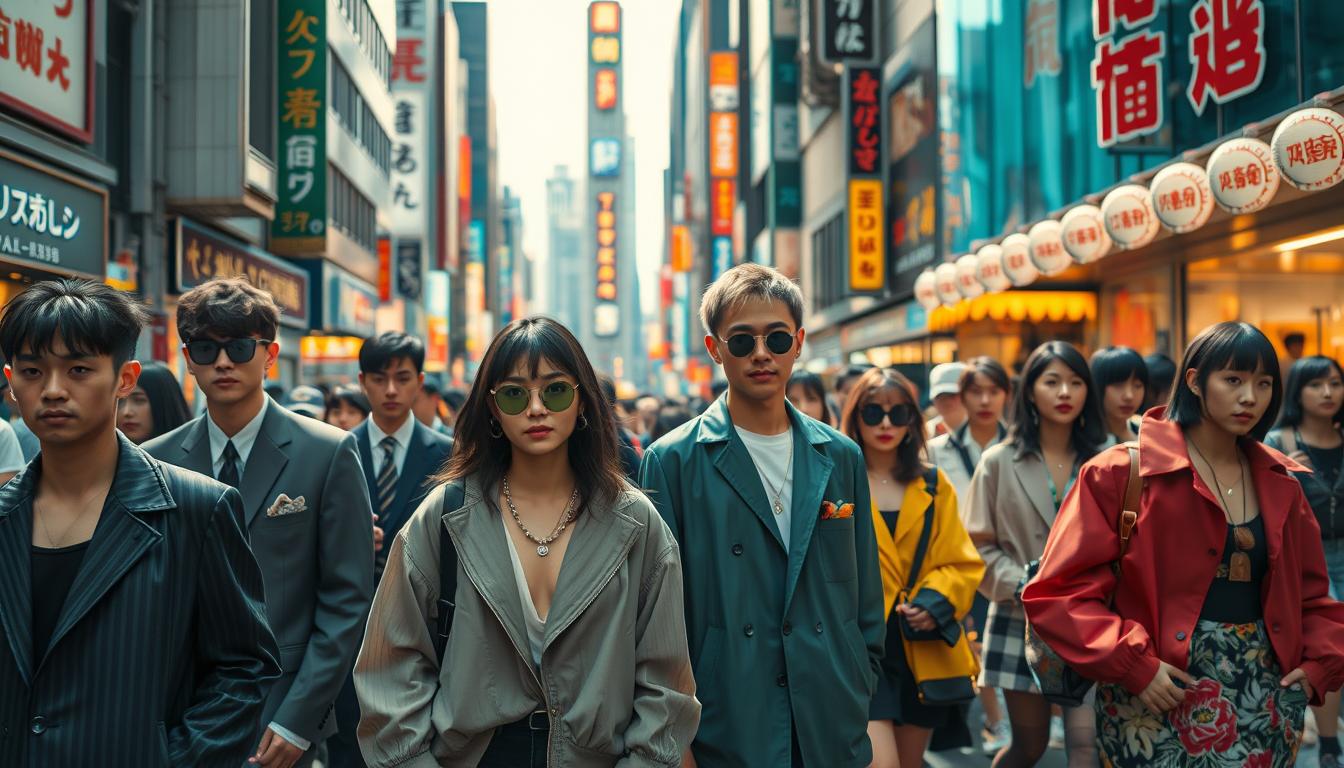
Tokyo and Central Japan are best in spring (March to May) and autumn (September to November). These seasons have mild weather, perfect for seeing sights like Shibuya Crossing and Asakusa.
Spring is famous for cherry blossoms, blooming late March to early April. Autumn brings comfortable weather and colorful leaves, great for hiking in the Japanese Alps.
Key Events in Tokyo and Central Japan:
- Cherry Blossom Festival (Hanami)
- Golden Week holidays
- Autumn Leaves (Koyo)
Kyoto, Osaka, and the Kansai Region
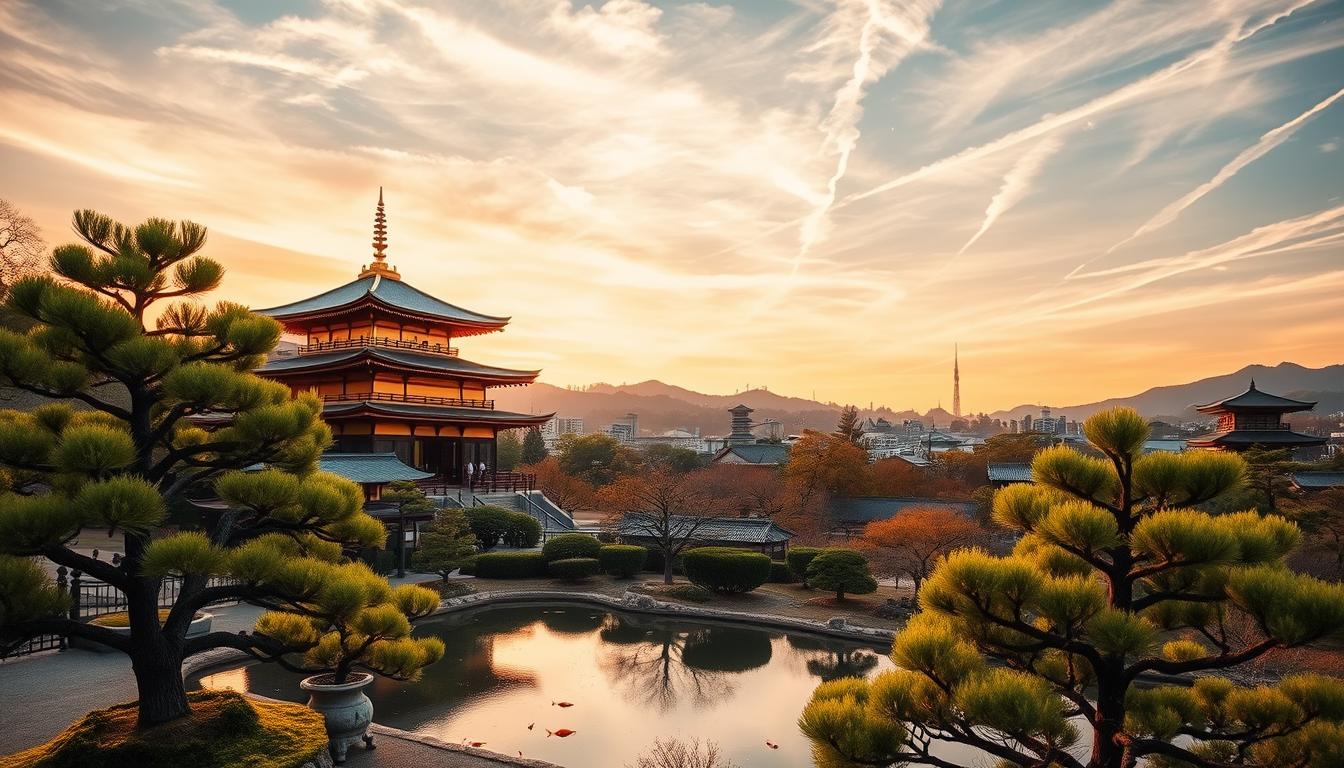
Kyoto and Osaka in the Kansai region have a similar climate to Tokyo. Spring and autumn are the best times, with Kyoto’s temples and gardens looking stunning.
Kyoto’s cherry blossoms are famous, and its temples and gardens are peaceful in autumn. Osaka, known for its food and fun, is lively all year but best in spring and autumn.
Must-see Attractions in Kansai:
- Fushimi Inari Shrine in Kyoto
- Universal Studios Japan in Osaka
- Koyasan, a sacred mountain town
Hokkaido and Northern Japan
Hokkaido, Japan’s northernmost island, has cold winters and mild summers. It’s great for winter sports like skiing and snowboarding. Summer (June to August) offers beautiful landscapes and outdoor fun like hiking and fishing.
Hokkaido is also known for its summer flower fields and lavender farms. For a winter wonderland, its snowy landscapes and hot springs are a must-see.
Winter Activities in Hokkaido:
- Skiing and Snowboarding
- Snowshoeing and Ice Fishing
- Hot Springs (Onsen)
Okinawa and Southern Islands
Okinawa, Japan’s southernmost part, has a subtropical climate. It’s perfect for beach lovers and those seeking warmth. Spring and autumn are the best times, with pleasant weather and fewer crowds than summer.
Okinawa is famous for its clear waters, white sandy beaches, and unique Ryukyu culture. It’s ideal for snorkeling, diving, and enjoying the tropical vibe.
Top Activities in Okinawa:
- Snorkeling and Scuba Diving
- Visiting Historical Sites like Shuri Castle
- Relaxing on Beaches like Emerald Beach
Conclusion: Planning Your Perfect Japanese Adventure
Japan is a year-round destination, offering a unique experience with each changing season. Whether you’re captivated by the beauty of cherry blossoms, the thrill of skiing, or the richness of cultural experiences, Japan has something for every traveler.
Understanding the best time to visit Japan is crucial for making the most of your trip. From the vibrant festivals of summer to the serene landscapes of autumn, and from the snowy landscapes of winter to the blooming flowers of spring, Japan’s diverse seasons cater to various interests and preferences.
By considering Japan’s travel seasons and the ideal time to travel to Japan, you can tailor your journey to suit your desires. With this guide, you’re well-equipped to plan your perfect Japanese adventure, exploring the country’s diverse regions and experiencing its unique cultural heritage.
So, when is the best time to visit Japan for you? Whether you’re drawn to the bustling cities, the tranquil countryside, or the majestic landscapes, Japan awaits your discovery.