
Table of Contents
ToggleKyoto, Japan’s ancient imperial capital, is a mix of old and new. It has a history over 1000 years long. This city is full of cultural and historical wonders. For official, up-to-date visitor information, see Japan’s official tourism site.
Kyoto has golden temples, peaceful gardens, and traditional tea ceremonies. It’s perfect for both new and experienced travelers. Our guide will show you the best things to do in Kyoto.
Kyoto’s rich culture and stunning views will amaze and inspire you. Let’s explore the ultimate Kyoto travel guide together. We’ll uncover the magic of this enchanting city.
Key Takeaways
- Explore Kyoto’s historic landmarks, including iconic temples and gardens.
- Experience traditional Japanese culture through tea ceremonies and local cuisine.
- Discover the city’s hidden gems, from serene parks to vibrant markets.
- Plan your trip with our complete Kyoto travel guide.
- Find out the best times to visit Kyoto’s popular spots.
Kyoto at a Glance: The Essential Eight
The experiences that define Kyoto, each with the detail that makes it work — the full guide follows below.
| The experience | Where | The insider note |
|---|---|---|
| Fushimi Inari Shrine | Southeast | Endless vermilion torii tunnels — go at dawn or dusk to beat the crush; free, open 24h |
| Kinkaku-ji (Golden Pavilion) | Northwest | The gold-leaf temple over a reflecting pond; pair with nearby Ryoan-ji’s rock garden |
| Kiyomizu-dera | Higashiyama | Hilltop wooden stage with city views; the lanes below (Sannenzaka) are half the fun |
| Arashiyama Bamboo Grove | West | Best very early; combine with Tenryu-ji temple and the Iwatayama monkey park |
| Gion & Hanamikoji | Central east | The geisha district — wooden teahouses; be respectful, no chasing geiko for photos |
| Nishiki Market | Downtown | ‘Kyoto’s kitchen’ — 400 years of food stalls; eat as you walk |
| Philosopher’s Path | Northeast | Canal-side stroll linking Ginkaku-ji to Nanzen-ji; magical in cherry-blossom season |
| A tea ceremony or ryokan night | Various | The cultural set-piece — matcha done properly, or a tatami-and-kaiseki stay |
✈️ TripToGo Travel Deals
Get notified about great travel deals
Hand-picked flight, hotel and destination deals, straight to your inbox. No spam, unsubscribe anytime.
🎉 Thank you for subscribing!
You’re all set — the best travel deals are on their way.
Dawn Starts, Geographic Clustering and Etiquette: Key Facts
Kyoto rewards early starts. Fushimi Inari, Arashiyama’s bamboo and Kiyomizu-dera are transformed — near-empty and photogenic — before about 8 a.m., then swamped by mid-morning. Build your day around one or two dawn sights and save indoor temples and markets for the crowded afternoons.
Cluster by geography, not by fame. Kyoto’s big sights sit in three corners — the Higashiyama east (Kiyomizu, Gion, Ginkaku-ji), the northwest (Kinkaku-ji, Ryoan-ji) and Arashiyama in the west. Doing one zone per day, on foot and by bus, saves hours; some temples (Saiho-ji moss temple) also require advance reservations.
Two or three days is the sweet spot, and Nara is a 45-minute day trip — see our 4-day Kyoto itinerary and best time to visit Nara guide. Respect the etiquette in Gion (private lanes, no touching geiko). Official resource: Japan National Tourism Organization.
Discovering Kyoto's Cultural Heritage
Kyoto has been Japan’s imperial capital for over 1000 years. It’s filled with cultural and historical treasures. The city’s temples, gardens, and festivals make it a must-see for travelers.
The Ancient Capital's Historical Significance
Kyoto’s history goes back to the 8th century. Its cultural heritage shows its role as a center of politics, culture, and religion. The city boasts many historical sites, like temples, shrines, and gardens.
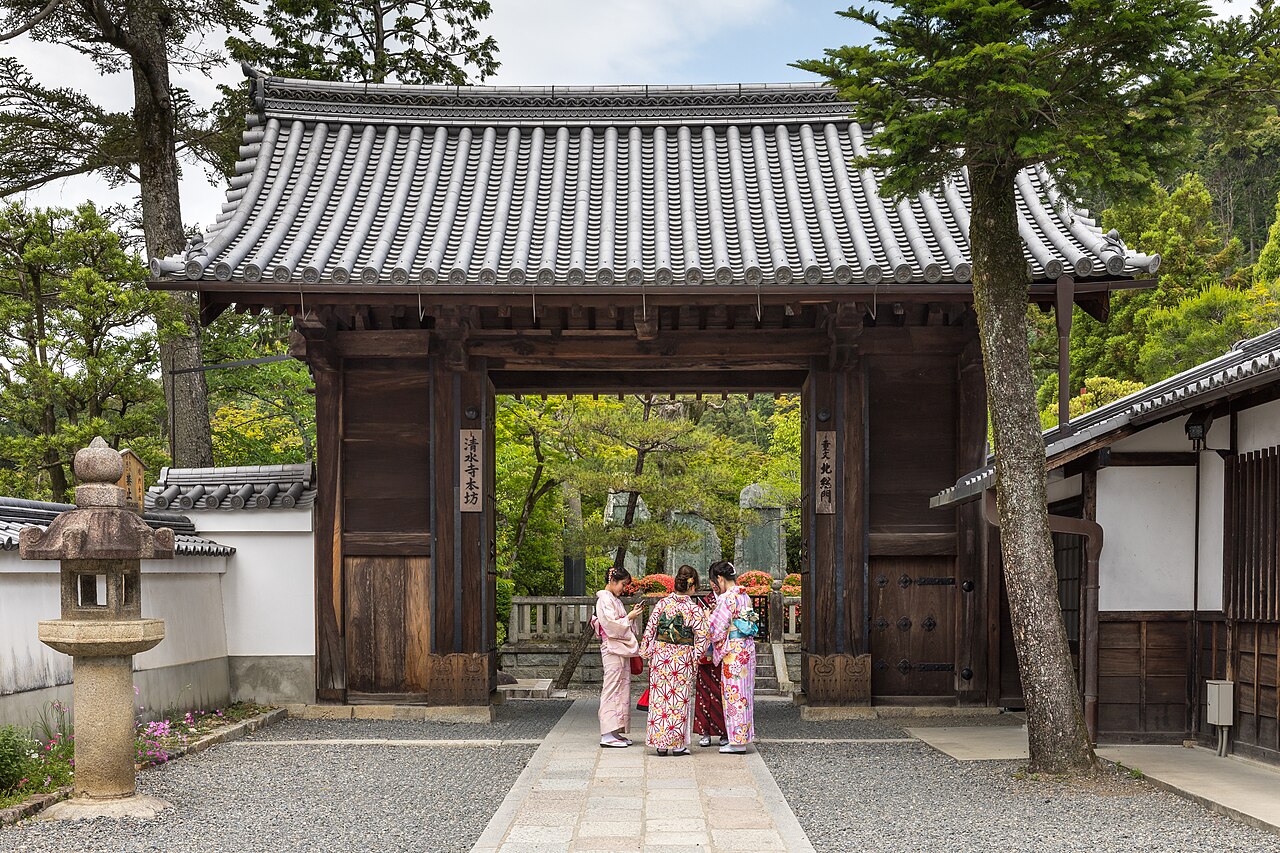
These landmarks display traditional Japanese architecture and landscaping. Visitors can dive into Kyoto’s culture by trying traditional tea ceremonies, wearing kimono, or joining local festivals.
Best Time to Visit Kyoto
Kyoto is great to visit any time of the year. But, the best time depends on what you like. Spring (March to May) is lovely with mild weather and cherry blossoms.
Autumn (September to November) is also popular for its comfortable weather and beautiful foliage. If you want fewer crowds, visit in the shoulder season (April to May or September to October). Summer is hot and humid, while winters are mild but not ideal for outdoor fun.
Planning this trip?
Our partner Voyada’s trip planner AI builds a day-by-day plan with flights, hotels and a real total cost for your dates — in about a minute, free.
Help me plan a trip →Exploring Kyoto's UNESCO World Heritage Sites
Kyoto is a treasure trove of Japan’s culture and history. It is covered by a UNESCO World Heritage Site made up of 17 component temples, shrines and a castle. Each site offers a unique look into Kyoto’s rich past and cultural importance.
Kinkaku-ji (Golden Pavilion)
Kinkaku-ji, or the Golden Pavilion, is a famous landmark in Kyoto. It’s known for its stunning architecture, with gold leaf on the top two floors. The temple’s gardens and pond make it a peaceful place for reflection.
Visitor Information: Kinkaku-ji is open all year. There’s a fee to enter. Arrive early to avoid crowds and enjoy the peaceful surroundings.
Kiyomizu-dera Temple
Kiyomizu-dera Temple is a UNESCO World Heritage Site. It’s famous for its views of Kyoto from a hilltop. The wooden stage over the valley is a marvel of ancient Japanese architecture.
Tips for Visitors: Kiyomizu-dera is big with lots to see. Wear comfy shoes for walking. Explore the temples and shrines within its grounds.
Fushimi Inari Shrine
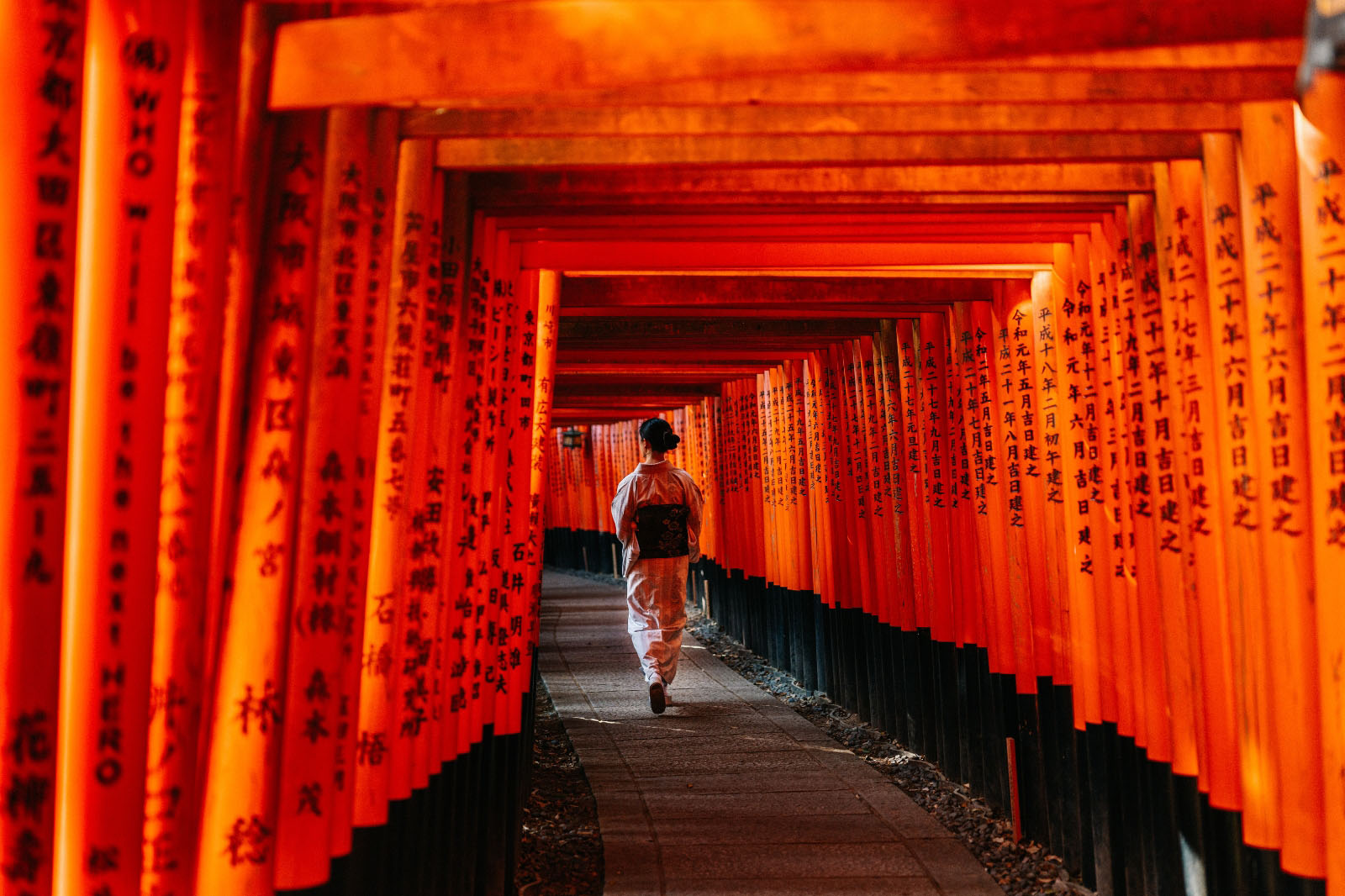
Fushimi Inari Shrine is known for its thousands of vermilion torii gates. It’s a Shinto shrine dedicated to Inari, the god of rice and prosperity. Hiking through the gates is a unique and breathtaking experience.
Practical Advice: Fushimi Inari is open 24/7 and free to visit. Donations are welcome. Bring water and wear good shoes for hiking.
Popular Kyoto Itineraries
Temples and Shrines in Kyoto
Kyoto is famous for its many temples and shrines. Each one gives a special look into Japan’s spiritual ways. These places are not just important culturally and historically. They also offer quiet breaks from the city’s noise.
Ginkaku-ji (Silver Pavilion)
Ginkaku-ji, or the Silver Pavilion, shows off Kyoto’s garden and building designs. It’s different from its golden cousin because of its simple beauty and gardens. People can walk through the moss gardens and by the pond, enjoying the calm.
Ryoan-ji Temple and Rock Garden
Ryoan-ji Temple is known for its Zen rock garden. It’s a symbol of simplicity and thinking deeply. The garden has 15 stones in five groups, making visitors think about their meaning and the space around them. It’s a great place for quiet thinking and meditation.
Nanzen-ji Temple
Nanzen-ji is a big temple complex with many sub-temples and a beautiful garden. The Sanmon gate offers stunning views of the city. The complex also has important cultural items, making it a key spot for history and culture fans.
Tenryu-ji Temple
Tenryu-ji Temple is famous for its stunning garden. It’s seen as one of Kyoto’s most beautiful. The garden’s design, with its pond and stones, shows a perfect mix of nature and building. Visitors can enjoy a quiet walk around the garden and learn about the temple’s cultural importance.
Seeing these temples and shrines is a key part of the Kyoto experience. They offer a deep look into Japan’s rich culture and spiritual life. Whether you’re into history, architecture, or just need a quiet moment, Kyoto’s temples and shrines have something for everyone.
Exploring Kyoto's Historic Districts
Step into Kyoto’s historic districts and discover Japan’s rich heritage. These areas are more than neighborhoods; they’re windows into the traditional Japanese way of life. Each district has its own charm and history, giving visitors a real taste of Kyoto.
Gion: The Famous Geisha District
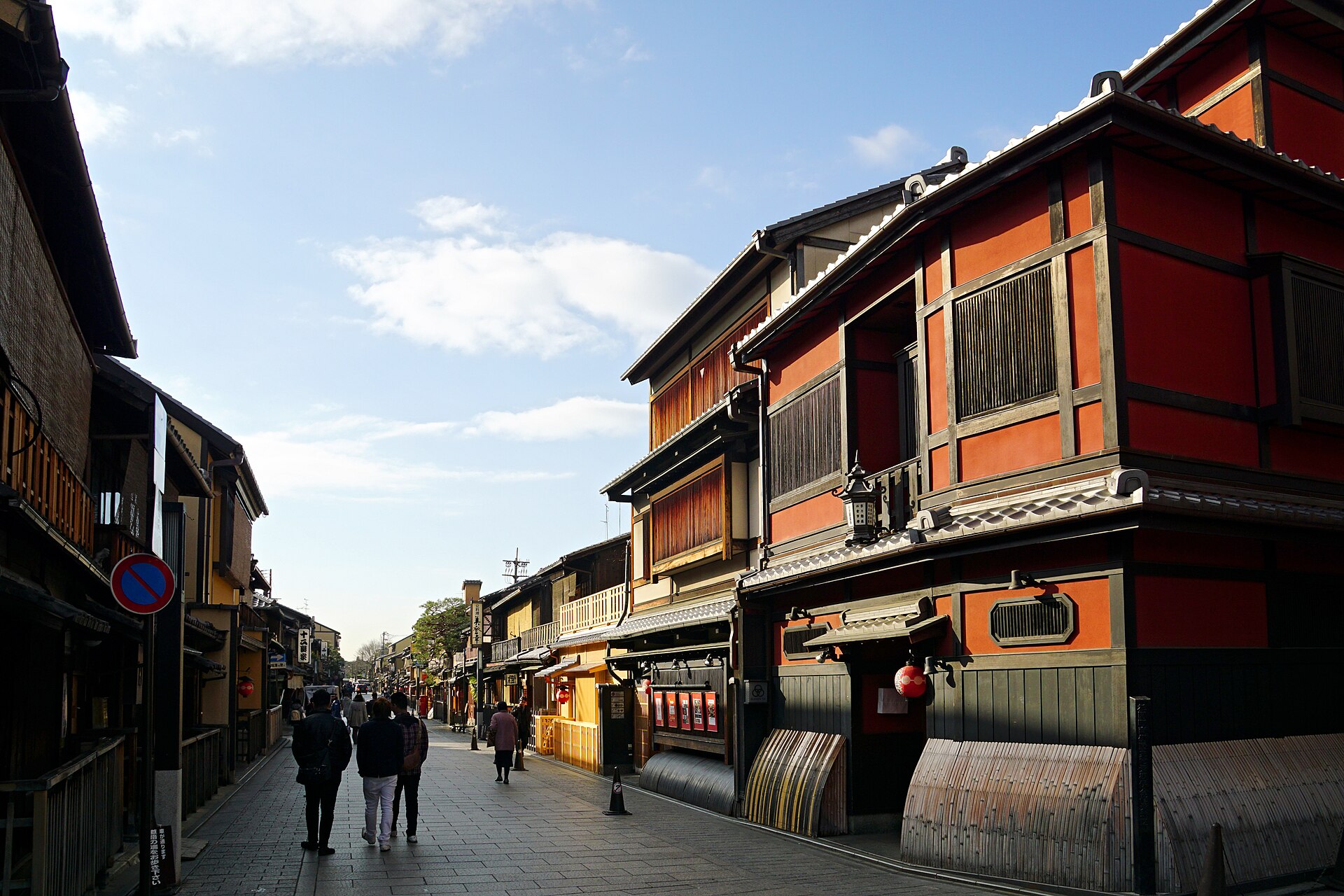
Gion is Kyoto’s most famous geisha district. It’s known for its traditional architecture, tea houses, and geisha culture. Visitors can stroll along Hanamikoji Street and see geishas and maikos on their way to appointments. Gion also boasts traditional Japanese architecture, with many preserved machiya (traditional townhouses).
Higashiyama: Traditional Wooden Machiya Houses
Higashiyama offers a peek into Kyoto’s past. It’s famous for its traditional wooden machiya houses, now shops, cafes, and restaurants. Walking the Ninen-zaka Slope and Sannen-zaka Slope reveals these houses. The area also has cultural attractions like the famous Kiyomizu-dera Temple.
Arashiyama: Bamboo Groves and Scenic Beauty
Arashiyama is a scenic district on Kyoto’s western outskirts. It’s famous for its stunning natural beauty, including the Arashiyama Bamboo Grove. Visitors can walk through the grove, enjoying the serene atmosphere and towering bamboo. The area also has the Tenryu-ji Temple, a UNESCO World Heritage Site, and offers beautiful views of the Katsura River.
Exploring Gion, Higashiyama, and Arashiyama gives visitors a deep understanding of Kyoto’s history, traditions, and way of life.
Things to Do in Kyoto for Nature Lovers
Kyoto is a city filled with tradition and natural beauty. It offers many activities for those who love nature. From bamboo forests to beautiful gardens, there’s a peaceful escape from city life.
Arashiyama Bamboo Forest
The Arashiyama Bamboo Forest is a famous natural spot in Kyoto. It has tall bamboo groves that move gently in the wind. This creates a calm atmosphere for visitors to enjoy.
The bamboo forest is not only a visual treat but also offers a serene atmosphere for relaxation and contemplation. It’s a perfect spot for nature lovers and photographers alike.
Philosopher's Path
The Philosopher’s Path is a scenic walking path along a canal. It’s lined with hundreds of cherry blossom trees. In spring, the blossoms make the path a beautiful sight.
This path is ideal for a leisurely walk, with beautiful views of nature and historic landmarks. It’s named after the philosopher Nishida Kitarō, who often walked here.
Kyoto Botanical Garden
The Kyoto Botanical Garden is a paradise for plant lovers. It has over 12,000 plant species, showing a diverse and vibrant ecosystem. Visitors can see different gardens, like a rose garden and a Japanese garden.
The garden’s wide range of plant species makes it both educational and visually appealing. It’s a great place to learn about plants and enjoy nature.
Cultural Experiences in Kyoto
Kyoto is full of chances to try traditional tea ceremonies, wear kimonos, and make local crafts. The city’s cultural experiences let visitors dive into its rich history.
Tea Ceremony Participation
Trying a traditional Japanese tea ceremony is a must in Kyoto. These ceremonies, known as Chanoyu, Sado or Ocha, are more than just tea. They’re a ritual where green tea is made and served in a special room. Visitors can expect a calm and spiritual experience, focusing on the tea’s preparation, nature’s beauty, and the present moment.
Many tea houses and cultural centers in Kyoto offer these experiences. The Urasenke Foundation is famous for its tea ceremonies. It’s best to book early, as these sessions are popular.
Kimono Rental and Photography
Wearing a kimono and walking through Kyoto’s old districts is a great way to see the city’s culture. Rental shops have many kimonos for men and women, along with accessories and styling tips. Popular spots for kimono wear and photos include Gion, Kiyomizu-dera Temple, and the Philosopher’s Path.
Some rental shops also offer photo services. Professional photographers can take your kimono photos against Kyoto’s beautiful scenery. This makes for wonderful memories of your trip.
Traditional Craft Workshops
Kyoto is known for its traditional crafts like woodblock printing, pottery, and weaving. Visitors can try their hand at these crafts in various workshops. These workshops let you learn from skilled artisans and take home a handmade item.
From Nishijin textile weaving to Kiyomizu pottery, Kyoto’s workshops offer a deep look into its craft heritage. Workshops are open to visitors, with options from a few hours to a full day.
Kyoto's Culinary Delights
Kyoto’s food culture is rich and deep, thanks to its history and traditions. It’s a must-visit for anyone who loves food. The city focuses on using seasonal ingredients, keeping things simple, and making dishes look beautiful.
Nishiki Market: Kyoto's Kitchen
Nishiki Market is known as “Kyoto’s Kitchen.” It’s a small street with over 100 food shops and restaurants. Here, you can try local treats like fresh seafood and pickled veggies. Don’t miss out on miso soup and tofu.
Traditional Kyoto Cuisine (Kaiseki)
Kaiseki is a traditional Kyoto dish that highlights local ingredients. It’s a multi-course meal that delights both the eyes and taste buds. Kaiseki is often enjoyed in ryokans or top-notch restaurants, giving you a real taste of Kyoto’s culinary traditions.
Best Food Streets and Districts
Kyoto has many food streets and districts to explore. Gion is famous for its traditional Japanese buildings and local food. Pontocho is known for its narrow alleys and restaurants and bars. These places offer a unique dining experience with traditional Kyoto food and a charming setting.
Shopping in Kyoto: From Traditional to Modern
Kyoto’s shopping scene is a mix of old and new. You can find unique souvenirs, local crafts, or the latest fashion. Kyoto has something for everyone.
Traditional Crafts and Souvenirs
Kyoto is famous for its traditional crafts. These make great souvenirs. You can find handmade ceramics, woodblock prints, and Japanese tea sets.
The Nishiki Market and local shops are great places to find these items.
Some popular traditional crafts include:
- Kyo-yuzen: Intricately designed fabrics
- Kiyomizu-yaki: Pottery from the Kiyomizu-dera area
- Koma: Traditional Japanese spinning tops
Kyoto Station Shopping Complex
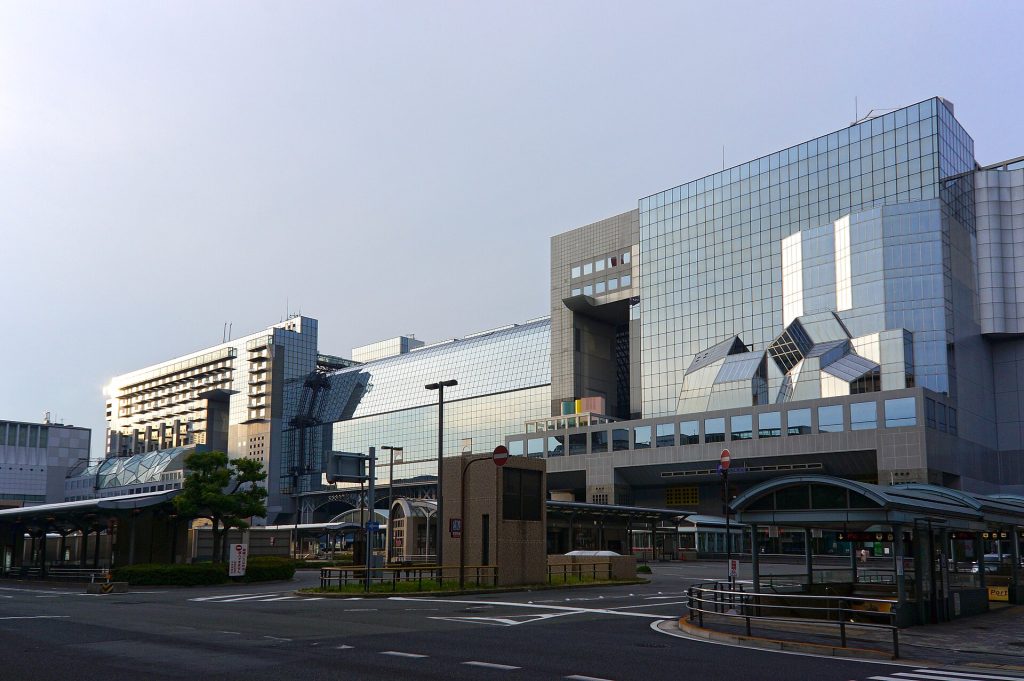
The Kyoto Station area is more than just a place to catch trains. It’s also a big shopping spot. The Kyoto Station Shopping Complex, now trading as Kyoto Porta and known until 2023 as “The Cube,” has lots of shops and places to eat.
Shijo and Kawaramachi Shopping Districts
For a traditional shopping feel, visit Shijo and Kawaramachi. Shijo Street has high-end boutiques and art galleries. Kawaramachi has local shops and modern stores.
These districts are great for:
- Finding unique fashion items
- Exploring local artisan shops
- Enjoying the local dining scene
Seasonal Activities and Festivals in Kyoto
Kyoto changes with the seasons, bringing many activities and festivals. These events show off the city’s rich culture. They attract visitors from all over, giving a unique look at Kyoto’s heritage.
Cherry Blossom Season (Sakura)
The cherry blossoms, or sakura, are a big deal in Kyoto. Cherry blossom viewing, or “hanami,” happens in late March to early April. Places like Maruyama Park and Philosopher’s Path are perfect for seeing the blossoms.
Temples and shrines have special events during this time. Food stalls offer tasty treats. It’s a magical time to see Kyoto’s beauty and traditions.
Autumn Foliage Viewing (Momiji)
Autumn in Kyoto is stunning, with the leaves changing colors. Autumn foliage viewing is best from mid-November to mid-December. Arashiyama Bamboo Grove and Kiyomizu-dera Temple are must-sees for their views and landscapes.
Kyoto’s gardens and temples look amazing in autumn. The changing leaves add to their beauty. Visitors can enjoy walks, views, and the calm of autumn in Kyoto.
Gion Matsuri and Other Traditional Festivals
Gion Matsuri, in July, is a famous festival in Kyoto. It features parades, performances, and food. Gion Matsuri shows off Kyoto’s culture, drawing visitors worldwide.
Kyoto also has other festivals like Aoi Matsuri in May and Jidai Matsuri in October. These festivals give a peek into Kyoto’s culture and are key to the city’s identity.
Famous Landmarks and Attractions in Kyoto
Kyoto is a city filled with history and culture. It has many famous landmarks that draw visitors from everywhere. These landmarks show the city’s rich past and offer a peek into its heritage.
Kyoto is known for its historic castles, traditional alleys, and imperial palaces. Let’s explore some of these must-see places.
Nijo Castle and Its Nightingale Floors
Nijo Castle is a UNESCO World Heritage Site famous for its Nightingale Floors. These floors squeak when walked upon, acting as a security feature. The castle’s design and gardens showcase the Edo period’s ingenuity and craftsmanship.
Visitors can see the castle’s main hall and gardens. It’s a chance to experience the history and cultural importance of this landmark.
Pontocho Alley
Pontocho Alley is a narrow street filled with traditional restaurants, tea houses, and shops. It’s famous for its traditional Kyoto cuisine. It’s a great spot to dive into local culture.
Walking through Pontocho Alley, you’ll find a mix of old and new Kyoto. Its narrow paths and preserved architecture are unique.
Kyoto Imperial Palace
The Kyoto Imperial Palace was once the emperor’s home. It’s a key cultural and historical site. The palace’s architecture and gardens show traditional Japanese design.
Visitors can explore the palace’s halls and gardens. It offers a deep look into the history and cultural value of this site.
Day Trips from Kyoto
Explore beyond Kyoto and find Japan’s hidden treasures. The city is a perfect starting point for nearby adventures. Each place offers unique experiences that add to Kyoto’s rich culture and history.
Nara: Ancient Temples and Friendly Deer
Nara is a top spot for Kyoto travelers. It boasts many UNESCO World Heritage sites, like the Todai-ji Temple. This temple has the world’s largest bronze Buddha.
In Nara Park, you’ll find friendly deer. The park is home to over 1,000 wild deer. Try kakinoha sushi, a local favorite with persimmon leaves.
Uji: Matcha Paradise and Byodoin Temple
Uji is famous for green tea and the Byodoin Temple, a UNESCO site. Take a walk by the Uji River and explore the temple. Don’t miss trying local matcha.
Uji is known for its beautiful views and traditional buildings. Visit the Uji Shrine and enjoy tea at a local tea house.
Kurama and Kibune: Mountain Retreats
Kurama and Kibune offer a peaceful mountain getaway near Kyoto. Hike through forests, see the Kurama Temple, and relax in the natural hot spring at Kurama.
The area is famous for its autumn colors. It’s a top spot in fall. Experience the beauty and calm of Kurama and Kibune.
Off-the-Beaten-Path Things to Do in Kyoto
Kyoto has more than just famous temples and gardens. It’s full of hidden spots waiting to be found. These places offer a real look at Kyoto’s culture and daily life, away from the crowds.
Visiting these spots gives a fresh view of the city. You get to meet locals and see Kyoto’s true charm. From secret temples to lively neighborhoods, there’s a lot to discover.
Hidden Temples and Gardens
Kyoto has many hidden temples and gardens. The Shoren-in Temple is a peaceful spot in the city. It’s part of the Tendai Buddhist sect and has stunning gardens and architecture.
The Ninna-ji Temple is another gem. It’s famous for its beautiful cherry blossoms. It’s a quieter place than some other spots, perfect for a peaceful visit.
Local Neighborhoods Worth Exploring
Exploring Kyoto’s local neighborhoods is a great way to see the city’s true culture. The Demachi neighborhood is filled with unique shops and local food. It has a laid-back vibe.
Nishijin is another neighborhood to check out. It’s known for its textiles. You can see traditional weaving and visit local markets to learn about Kyoto’s crafts.
Unique Museums and Galleries
Kyoto has many special museums and galleries. The Toei Uzumasa Eigamura film village shows Japan’s film world. It has replicas of traditional Japanese settings used in movies.
The Kyoto Railway Museum is also worth a visit. It has historic trains and interactive exhibits. It’s great for train fans and families.
By visiting these hidden spots, you get a deeper look at Kyoto. You’ll see more of the city’s culture, history, and daily life.
Before you go: turn this guide into a day-by-day plan. Our partner Voyada is a free itinerary maker that builds the trip with flights, hotels and a real total cost for your dates — in about a minute.
Make an itinerary →Kyoto Insider Tips: Crowds, Etiquette, and Timing
Kyoto’s big sights get swamped by mid-morning. The city rewards early risers and a little cultural awareness.
- Go at dawn: Fushimi Inari’s torii gates and the Arashiyama bamboo grove are magical — and nearly empty — before about 8am, and packed after.
- Buses over subway reach most temples, but they’re slow in peak season — combine with the train, and grab an ICOCA card.
- Respect Gion: geiko and maiko are working, not attractions — don’t chase them for photos, and heed the no-photography signs in private alleys.
- Entry fees add up: most temples charge ¥400–600 — pick the ones that matter to you rather than trying to see them all.
- Time it right: cherry blossoms (early April) and autumn foliage (late November) are peak beauty and peak crowds — visit shrines early and save neighbourhoods for afternoons.
Frequently Asked Questions
What are the top things to do in Kyoto?
Visit Fushimi Inari’s torii gates, Kinkaku-ji (the Golden Pavilion), the Arashiyama bamboo grove, Kiyomizu-dera and the Gion geisha district. A tea ceremony and a kaiseki meal round out the experience.
How many days do you need in Kyoto?
Three to four days covers the main temples and districts plus a day trip to Nara or Osaka.
When is the best time to visit Kyoto?
Spring (cherry blossoms) and autumn (foliage) are the most scenic but crowded; late spring and early winter are quieter.
Is Kyoto safe for tourists?
Kyoto is very safe for tourists, with violent crime rare and lost wallets often handed in at police boxes. The realistic risks are opportunistic pickpocketing in packed spots such as Nishiki Market and Kyoto Station, plus bicycles moving fast along pavements. Carry a zipped bag, stick to marked crossings, and keep larger notes out of sight when paying cash, which is still common here.
Is Kyoto safe at night?
Walking Kyoto after dark is generally safe, including on your own. Central areas such as Pontocho, Kiyamachi and Gion stay busy well into the evening and the streets are well lit. The main annoyance is pushy touts outside bars along Kiyamachi. Ignore them, avoid any bar with no posted prices, and remember that city buses thin out sharply after about 10pm.
Is Kyoto safe for solo female travellers?
Kyoto is one of the easiest cities in the world for solo female travellers, with low crime, reliable transport and staff used to visitors. The one thing worth knowing is groping on packed rush-hour trains, which is why the subway and several private lines run women-only carriages at peak times. Staying within walking distance of a station makes evenings straightforward.
Is Kyoto at risk from earthquakes or tsunamis?
Kyoto has effectively no tsunami risk, because it sits inland in a mountain basin roughly 40 km from the sea and well above sea level. Earthquakes are a different matter: Japan is seismically active and Kyoto lies near known faults, though it has been spared the largest recent quakes. Buildings follow strict codes, and the free Safety Tips app pushes official warnings in English.
Is Kyoto safer than Tokyo?
Both cities are extremely safe and the practical difference is small. Kyoto is smaller and quieter, so late-night streets feel calmer, while Tokyo has more nightlife districts where bar scams and inflated bills occasionally catch visitors out. Neither needs precautions beyond ordinary city sense. Choose between them on what you want to see rather than on safety.
Is Kyoto worth visiting?
Kyoto is worth visiting, and for a first trip to Japan it is the best counterweight to Tokyo. The UNESCO listing for the Historic Monuments of Ancient Kyoto covers 17 properties in and around the city, alongside the geisha districts, tea houses and kaiseki dining most people picture when they imagine traditional Japan. The catch is crowds, which early starts largely solve.
Is Kyoto worth staying in, or is a day trip enough?
Stay in Kyoto rather than day-tripping, because the city is at its best before 8am and after dark, once the coach groups have gone. A day trip from Osaka hands you the middle of the day, which is exactly when Fushimi Inari and Arashiyama are busiest. Two or three nights lets you catch dawn at the torii gates and an evening in Gion.
Is Kyoto worth visiting in winter?
Winter is one of Kyoto’s most underrated seasons. December to February brings the thinnest crowds of the year, lower room rates and the chance of snow on temple roofs, which is a genuinely rare sight. Days are cold rather than freezing, with highs typically near 9C in January. Note that shrines are packed for the New Year visit from 1 to 3 January.
Is Kyoto worth visiting with kids?
Kyoto works well with children if you break up the temples. The Iwatayama monkey park in Arashiyama, the deer at Nara, the Kyoto Railway Museum and the aquarium near Kyoto Station all land better with younger travellers than another rock garden. Aim for one headline temple a day, keep afternoons loose, and use the subway rather than crowded buses with a pushchair.
Is Kyoto expensive?
Kyoto sits in the middle for Japan: cheaper than Tokyo for food and transport, but hotel rates spike hard during cherry blossom and autumn foliage. Temple entry is modest, usually around 400 to 600 yen, with Kinkaku-ji and Kiyomizu-dera both around 500 yen. A comfortable mid-range day, excluding accommodation, runs to roughly 8,000 to 12,000 yen per person.
Is Kyoto more expensive than Tokyo?
Kyoto is generally a little cheaper than Tokyo for meals, taxis and everyday costs, but it can be more expensive for accommodation at peak times. In late March, early April and November, Kyoto’s limited room stock pushes rates above what you would pay in Tokyo for the same standard. Outside those windows, expect Kyoto to work out slightly cheaper overall.
Is Kyoto more expensive than Osaka?
Osaka is the cheaper of the two, particularly for hotels and eating out, which is why many travellers base themselves there and commute. The trade-off is losing Kyoto’s early mornings and evenings, plus roughly 580 yen each way on the JR rapid train and about an hour of daily travel. If your trip is mostly about temples, the Kyoto premium is usually worth paying.
Is it expensive to eat out in Kyoto?
Eating out in Kyoto is cheap at the everyday end and expensive at the top. A bowl of ramen or udon runs to roughly 900 to 1,300 yen, and a set lunch at a small restaurant often lands near 1,200 yen. Kaiseki, the multi-course Kyoto speciality, is the outlier and commonly starts around 10,000 yen per person before drinks.
How much does it cost to stay in Kyoto?
Expect to pay roughly 15,000 to 30,000 yen a night for a decent mid-range hotel room, with hostel dorms nearer 4,000 to 7,000 yen and ryokan stays well above that. Rates in blossom and foliage season can double. Budget separately for Kyoto’s accommodation tax, which rose on 1 March 2026 to a banded charge of about 200 to 10,000 yen per person per night.
How many days do you need for Kyoto, Osaka and Nara?
Allow around six days for all three: three full days in Kyoto, a day trip to Nara and two days in Osaka. Nara is only about 45 minutes from Kyoto, so it does not need its own base. If you have only four days, give Kyoto three and treat Osaka as one evening for food rather than a separate stay.
How do you split your time between Kyoto and Tokyo?
On a ten-day first trip, four to five nights in Tokyo and three to four in Kyoto is the standard split, leaving room for a day trip or a stop such as Hakone or Kanazawa. Tokyo rewards more time because it is bigger and its districts are further apart, while Kyoto is compact enough to cover in three days of early starts.
How far is Kyoto from Osaka and how much is the train?
Kyoto and Osaka are only about 40 km apart. The JR Special Rapid from Kyoto Station to Osaka Station takes roughly 29 minutes and costs around 580 yen, which is the option most people should take. The shinkansen covers Kyoto to Shin-Osaka in about 15 minutes but costs nearer 1,450 yen and leaves you outside the city centre.
How far is Kyoto from Tokyo and what does the train cost?
Kyoto is roughly 370 km from Tokyo in a straight line and about 510 km by rail. The fastest Nozomi shinkansen takes around 2 hours 15 minutes, with a reserved seat costing near 14,000 yen in regular season. Hikari services are about 25 minutes slower and slightly cheaper; a Japan Rail Pass covers them outright and Nozomi with a supplement.
How far is Kyoto from Nara and how much is the train?
Nara is about 40 km south of Kyoto and makes an easy half-day or full-day trip. The JR Miyakoji Rapid takes roughly 45 minutes for around 720 yen and is covered by the Japan Rail Pass. The Kintetsu limited express is quicker at about 35 minutes but costs nearer 1,280 yen, and it drops you closer to Nara Park.
How far is Kyoto from Hiroshima?
Hiroshima is roughly 350 km west of Kyoto, about 1 hour 40 minutes on a direct Nozomi shinkansen. Expect to pay near 11,000 yen for a reserved seat, or a little less on the slower Sakura and Hikari services. It works as a very long day trip, but an overnight lets you add Miyajima without rushing the Peace Memorial Park.
Conclusion: Making the Most of Your Kyoto Adventure
Kyoto is a city full of culture, beauty, and life. When planning your visit, make sure to see the UNESCO World Heritage Sites like Kinkaku-ji and Fushimi Inari Shrine. Also, explore historic areas like Gion and Arashiyama.
Visiting during cherry blossom season or autumn is a must for stunning views. Try traditional tea ceremonies, wear a kimono, or wander through Pontocho Alley. These experiences will add to your Kyoto adventure.
For a deeper dive, take a day trip to Nara or Uji. Don’t forget to check out Kyoto’s museums and galleries. By following these tips, you’ll have a trip to remember.