
Table of Contents
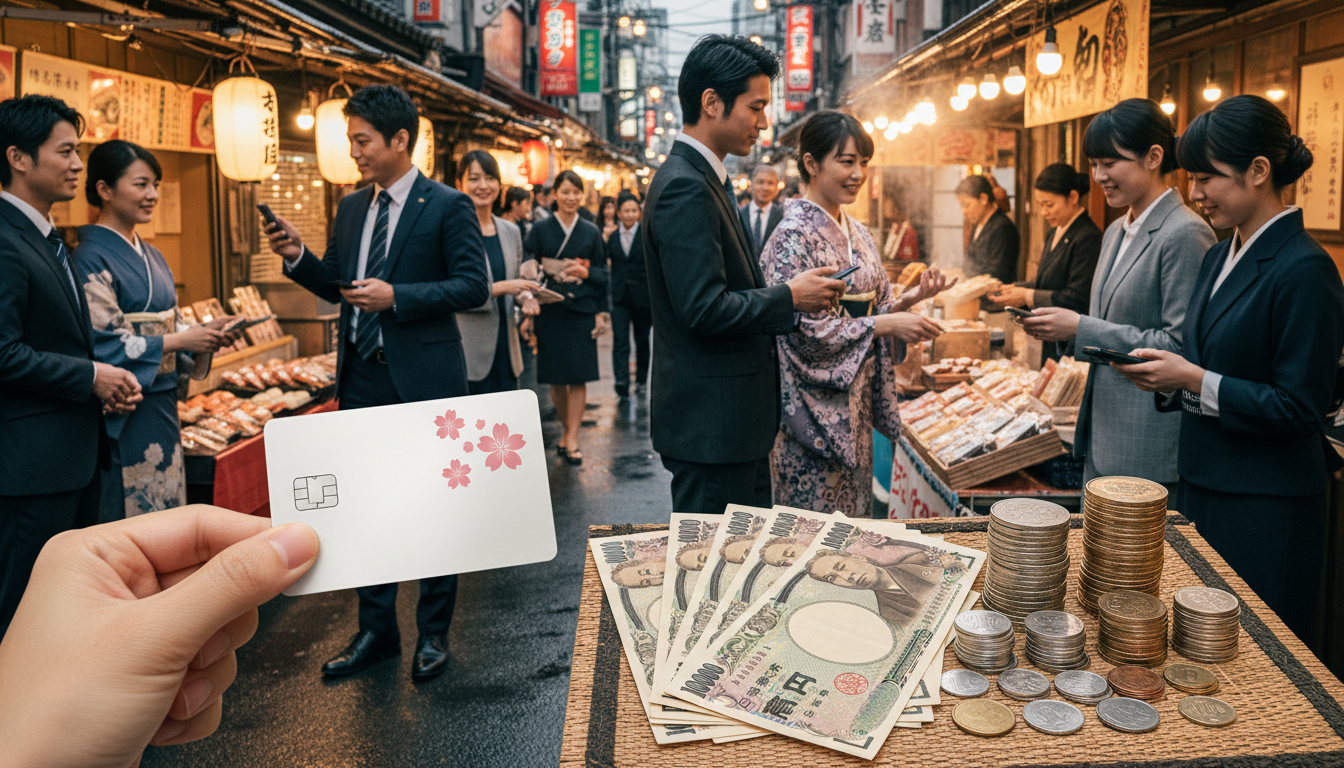
ToggleDid you know Japan is one of the few places where cash rules? Even though it’s a tech-savvy country, cash is deeply valued here. With credit cards gaining ground, travelers wonder: should they use cash or cards?
When planning your Japan trip, knowing the best payment method is key. Cash is common, but credit cards are gaining ground, bringing convenience and rewards. We’ll look at cash vs credit card pros and cons in Japan, guiding your choice.
Key Takeaways
- Understand Japan’s unique cash-centric culture
- Learn about the growing acceptance of credit cards
- Discover the best payment methods for your Japan trip
- Find out how to maximize your rewards and convenience
- Make an informed decision on cash vs credit cards
Understanding Japan's Cash-Centric Culture
Cash is king in Japan, and understanding why requires a dive into the country’s history, cultural attitudes, and economic psychology. Japan’s cash-centric culture is a complex issue. It’s influenced by a mix of historical, cultural, and psychological elements.
Historical Context of Cash Preference in Japan
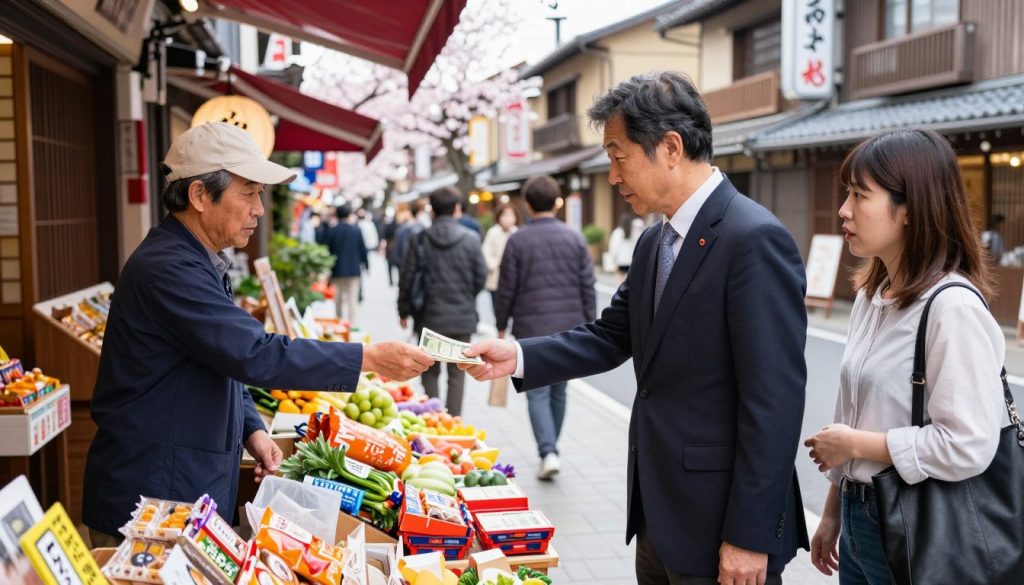
Japan’s preference for cash has deep historical roots. The use of cash in Japan dates back centuries. The country’s financial system has traditionally been based on cash transactions.
Even with the advent of modern banking and digital payment systems, the reliance on cash has persisted. This historical context has played a significant role in shaping the current cash-centric culture.
Cultural Attitudes Toward Money and Debt
Cultural attitudes toward money and debt in Japan also contribute to the prevalence of cash transactions. In Japan, there is a strong cultural aversion to debt. Using cash helps individuals keep their spending in check.
Also, the concept of “mental accounting” is prevalent. People prefer to use cash for certain transactions. This helps maintain a clear separation between different types of expenditures.
The Psychology Behind Japan's Cash Economy
The psychology behind Japan’s cash economy is multifaceted. One key factor is the trust and security associated with cash transactions. In Japan, cash is seen as a secure and reliable form of payment.
This is partly due to the country’s low crime rate and the reliability of its financial institutions. The tactile nature of cash also provides a sense of satisfaction and control over spending. This is deeply ingrained in Japanese consumer behavior.
Cash vs Credit Card in Japan: The Current Landscape
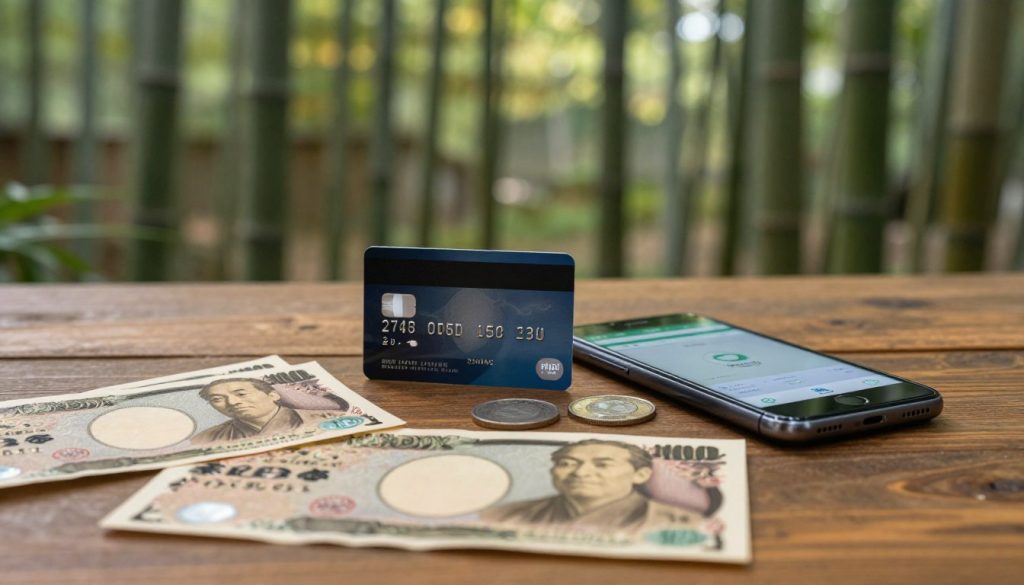
In Japan, cash is the main choice, but credit cards are becoming more popular, mainly in cities. This change shows a shift in how people pay, thanks to new tech, changing tastes, and more tourists.
Cash Usage Statistics in Modern Japan
Even with digital payments growing, cash is the top choice in Japan. Over 60% of transactions are in cash. This love for cash comes from Japan’s culture and history, where trust and the feel of money matter a lot.
The country’s strong cash system, with lots of ATMs and banks, helps keep cash king. But, the COVID-19 pandemic has pushed for more digital payments. Now, many places are starting to use digital payment systems.
Credit Card Adoption Rates Compared to Other Countries
Credit cards are becoming more common in Japan, but slowly. Compared to other rich countries, Japan was slower to use credit cards. Yet, the gap is getting smaller, thanks to younger people and city dwellers like those in Tokyo and Osaka.
Now, about 70% of people in Japan have a credit card. But, how often they use them varies a lot. Big credit card companies are working hard to get more people to use their cards. And, more shops are starting to accept them, too.
Regional Differences Within Japan
How people pay in Japan changes a lot depending on where you are. In big cities like Tokyo and Osaka, more people use credit cards. Even small shops there now take cards. But, in rural areas, cash is king, and cards are rare.
This shows how different Japan’s payment world is. While places like Tokyo’s Shibuya are all about international cards, small towns stick to cash.
Why Cash Stays King in Japan
Cash is the top choice for paying in Japan, thanks to the country’s culture and economy. It’s not just a habit; it’s a deep part of Japanese society and business.
Security and Trust Factors
Cash is seen as safer than digital payments in Japan. People think it’s more secure because it doesn’t leave a digital trail that hackers could find.
This view comes from Japan’s strong culture of privacy and security. Keeping financial dealings private is very important to many.
The Cultural Value of Physical Currency
Physical money is deeply valued in Japan. Handing over cash and getting change is seen as a way to build trust and connection.
This love for physical money also comes from Japan’s economic history. For decades, financial dealings have been done in cash.
Cash as a Budgeting Tool for Japanese Consumers
Cash helps Japanese people manage their money better. It lets them see their spending clearly and stay within their budgets.
Using cash makes spending more real. It helps people spend more mindfully and control their spending better.
Business Perspectives on Cash Transactions
Businesses like cash because it saves them money. They don’t have to pay fees for credit card transactions.
Small businesses and traditional shops in Japan have thin profit margins. Saving on fees is a big deal for them.
These reasons explain why cash is so important in Japan. Knowing this helps locals and visitors understand the financial scene better.
Places Where Cash is Essential in Japan
Cash is key in Japan, from old markets to rural spots. Even though digital payments are growing, cash is often the best or only choice. This is true in many places and situations.
Traditional Markets and Small Businesses
Traditional markets and small shops love cash. They rarely take cards. So, it’s smart to carry cash when visiting places like Tokyo’s Tsukiji Outer Market or Kyoto’s Nishiki Market.
Rural Areas and Countryside Destinations
Carry more cash in rural Japan. Towns and villages have fewer places that take cards. Even some ryokans (Japanese inns) might not accept cards, so check ahead of time.
Religious Sites and Festivals
Religious sites and festivals in Japan use cash. You might need it for offerings or to buy omamori (amulets). At festivals, cash is used for food, drinks, and souvenirs from street vendors.
Transportation in Non-Urban Areas
Transport in non-urban areas often requires cash. Local buses, even in rural areas, might not take prepaid cards or credit cards. So, always have cash ready.
The Rise of Credit Card Acceptance in Japan
The way people pay in Japan is changing. The country is slowly moving towards cashless payments. Credit card use is growing in many areas, thanks to both local needs and more tourists.
Major Retailers and Chain Stores
Big stores in Japan are leading the credit card charge. Department stores, supermarkets, and convenience stores now take credit cards. This makes shopping easier without cash.
Stores like Aeon, Ito Yokado, and 7-Eleven are at the forefront. They’ve added credit card systems to serve more customers.
Tourist-Focused Businesses
Places for tourists, like souvenir shops and restaurants, are also accepting credit cards. This is true in busy spots like Shibuya and Shinjuku. Accepting international cards helps attract and serve foreign visitors.
Online Shopping Platforms
Online shopping in Japan is also seeing more credit card use. As online shopping grows, more sites are taking credit cards. This makes it easier for everyone to shop online.
Sites like Rakuten and Amazon Japan are big supporters of credit card use.
International Hotel Chains and Restaurants
International hotels and restaurants in big cities have long taken credit cards. They serve many international guests and accept various payments, including major credit cards. This makes travel in Japan better for visitors.
As more places accept credit cards, Japan is moving towards a cashless society. While cash is common, the trend is towards more digital payments.
Benefits of Using Credit Cards in Japan
Japan, once a cash-only society, now welcomes credit cards. They offer many perks, mainly for tourists. While cash is common, credit cards are gaining ground, making travel easier.
Convenience for Foreign Travelers
Credit cards are a breeze for international visitors. They don’t need a Japanese bank account or local currency. This makes shopping and paying for services a lot simpler.
Rewards Programs and Points
Credit cards have rewards programs. Users earn points or cashback on their purchases. These can be used for travel, merchandise, or to pay off your card.
Purchase Protection and Security
Credit cards also offer protection and security. They have fraud protection, return protection, and extended warranties. This gives you peace of mind while shopping.
Exchange Rate Advantages
Credit cards can also save you money on exchange rates. Some cards have low foreign transaction rates or no fees. This can be a big plus when traveling.
Knowing the perks of credit cards in Japan helps travelers choose wisely. It makes their trip more convenient, rewarding, and secure.
Challenges of Using Credit Cards in Japan
Credit card use is growing in Japan, but there are hurdles for both locals and tourists. Despite more acceptance, credit cards face limits that affect everyone.
Limited Acceptance in Certain Areas
Credit cards are not always accepted in Japan, mainly in rural spots and small businesses. Many local shops and markets prefer cash. It’s wise for visitors to carry some local money.
In big cities like Tokyo and Osaka, not all places take credit cards. This is a big problem for tourists who mostly use cards for payments.
Foreign Transaction Fees
Foreign transaction fees are another big issue with credit cards in Japan. These fees can add up, making big or frequent purchases expensive.
To avoid these fees, use cards with low or no foreign transaction fees. Some cards are made for international travel and have better terms.
Language Barriers When Using Card Terminals
Language can be a problem when using credit cards in Japan. Many card terminals, even in small places, don’t have English support. This can confuse people who don’t speak Japanese.
Some big credit card companies are working on this by adding multi-language support. But, it’s a big issue in rural areas.
Minimum Purchase Requirements
Some merchants in Japan require a minimum purchase for credit card use. This can be a hassle for travelers who want to buy small things with their cards.
This rule is more common at small businesses or traditional shops. They often prefer cash for small deals.
Digital Payment Alternatives in Japan
Japan is quickly moving towards digital payments. This means travelers have more options than cash and credit cards. Now, shopping, dining, and using services is easier than ever.
Mobile Payment Options
Mobile payments are big in Japan, thanks to Suica and PASMO. These prepaid IC cards started for trains but now work everywhere. You can buy and top them up at stations or stores.
QR Code Payment Systems
QR code payments like PayPay and LINE Pay are getting popular. They let you pay by scanning a code at checkout. Shops big and small accept them, making transactions easy for everyone.
Apple Pay and Google Pay Adoption
Apple Pay and Google Pay are gaining fans in Japan. They’re accepted at many places, making payments simple for those who know them. But, not all places take them, so it’s smart to carry cash or a local card too.
Cryptocurrency Acceptance
Cryptocurrency is starting to show up in Japan. Some big stores and online shops take Bitcoin and other cryptos. But, it’s not common yet. Travelers interested in crypto should know it’s not as accepted as other ways.
Japan’s digital payment scene is growing fast. Travelers will find it easier to pay without cash. Knowing about these options makes your trip smoother and more enjoyable.
Navigating ATMs and Cash Access in Japan
Japan has a wide network of ATMs for both locals and tourists. Knowing how to use them can save you time and reduce stress while traveling.
Finding International-Friendly ATMs
Finding ATMs that accept international cards is the first step in managing your cash in Japan. Many ATMs are part of networks like Visa, Mastercard, and American Express. You can find these at post offices, some convenience stores, and major banks. Look for the logos of these networks to make sure they work with your card.
Withdrawal Limits and Fees
Be aware of the withdrawal limits and fees when using an ATM in Japan. Daily limits exist, and your bank may also have limits on international transactions. There may also be fees from the ATM and your bank for international use. Some banks offer better deals for international withdrawals, so check before you go.
Banking Hours and Accessibility
Banks in Japan are usually open from 9:00 AM to 3:00 PM on weekdays. But, ATMs at convenience stores and some post offices are open 24/7. This gives you more flexibility for getting cash outside of bank hours. Some rural areas may have fewer banking options, so plan ahead.
Currency Exchange Options
While ATMs are handy, you might need to exchange currency when you arrive. Major airports, banks, and some shops offer this service. Remember, exchange rates and fees can vary. Using ATMs to get local currency is often cheaper than exchanging cash, thanks to better rates.
Safety Considerations: Carrying Cash vs Cards
Japan is generally safe, but it’s wise to think about your money safety while there. Choosing between cash and cards has its own safety points.
Crime Rates and Theft Concerns
Japan’s crime rate is low, making it a good place for tourists. Yet, small thefts can happen, mainly in busy spots. Carrying lots of cash can attract thieves.
Using cards, though, can help protect you from theft. Most credit card companies promise you won’t be blamed for unauthorized charges.
Emergency Situations and Backup Payment Methods
Having a backup plan for emergencies is key. If your card is lost, stolen, or declined, having local cash or another payment method can save you.
Carry both cash and cards. Also, tell your bank about your travel plans to avoid account freezes.
Insurance and Liability Differences
Credit cards often protect you from fraud or unauthorized use. Debit cards, which take money directly from your account, might not offer the same protection.
It’s important to know the insurance and liability differences between your cards. Choose the ones that best protect you while traveling.
Secure Storage Practices
Whether you carry cash or cards, keeping them safe is essential. Use a hotel safe or a secure bag for your valuables. Be careful with your stuff in crowded places.
For cash, use a money belt or a secure wallet to lower theft risks.
Government Initiatives to Promote Cashless Payments
The Japanese government is working to update how we pay for things. They want to use less cash and more digital payments. This change aims to make payments easier and more efficient.
Tax Incentives and Rebate Programs
The government is giving tax breaks and rebates to use digital payments. For example, shoppers get rewards when they pay with digital methods at some stores. This encourages more people to switch to digital payments.
Infrastructure Improvements for Digital Payments
Japan is spending a lot to improve digital payment systems. They’re updating how stores accept payments and making mobile payments better. They’re also making internet faster to help with online transactions.
Olympic Games Influence on Payment Modernization
The 2020 Tokyo Olympics helped Japan modernize payments. The government and businesses worked together to accept more digital payments. This was to make it easier for visitors to pay without cash.
COVID-19 Impact on Contactless Payment Adoption
The COVID-19 pandemic made digital payments even more popular in Japan. People wanted to avoid touching things, so they used digital payments more. Businesses then started using contactless payment options too.
These efforts have led to a big change in Japan’s payment methods. The country is moving towards a more digital future. This change is making payments easier and more efficient for everyone.
Best Practices for Travelers: Cash vs Card Strategy
Traveling to Japan requires a good plan for using cash and cards. Japan mixes old and new payment ways. Being ready helps you enjoy your trip without stress.
Recommended Cash Amounts to Carry
Deciding how much cash to bring is key when visiting Japan. Even in big cities like Tokyo and Osaka, cash is often preferred. This is true for rural spots and old shops.
Start with ¥20,000 to ¥50,000 (about $180 to $450 USD) for first costs like transport and food. You can get more cash from ATMs or exchange it at airports and banks.
Which Cards Are Most Widely Accepted
Credit cards like Visa, Mastercard, and American Express are getting more common in big cities and tourist spots. But, it’s wise to use a card with no foreign fees to save money.
Some Japan-based cards, like Suica or Pasmo, are great for public transport. They offer special perks for travelers.
Planning for Different Regions and Activities
Think about where you’re going and what you’ll do. For rural areas, carry more cash because card use is less common.
In big stores or fancy restaurants, cards are usually okay. But, small, traditional places prefer cash.
Notifying Your Bank Before Travel
Tell your bank you’re going to Japan before you leave. This stops your card from being blocked for foreign use.
Letting your bank know your travel plans avoids card issues. It keeps your account safe and working.
Future Trends in Japanese Payment Methods
Japan’s payment methods are changing with new tech and people’s needs. The country is moving towards digital payments, changing how we buy things.
Projected Changes in Cash Usage
Japan used to love cash, but digital payments are becoming more popular. This change will make paying for things easier and faster.
The government is helping by encouraging digital payments. They offer tax breaks and are building better digital payment systems. This is making Japan less reliant on cash.
Emerging Payment Technologies
New payment tech is coming to Japan. Mobile payments like Suica and PASMO are already used a lot. QR code payments through PayPay are also becoming popular.
International payments like Apple Pay and Google Pay are also growing in use. They appeal to both locals and tourists.
Impact of Demographic Shifts on Payment Preferences
The aging population and young tech users are changing how people pay. Younger people prefer digital payments, while older folks stick to cash.
This mix of preferences is a challenge and an opportunity for businesses. They need to meet the needs of both young and old.
International Tourism Influence on Payment Systems
More tourists mean businesses need to accept more payment types. They now take foreign credit cards and have payment terminals in many languages.
International tourism is also pushing for easier payment solutions. These solutions need to work for people from all over the world.
Conclusion: Finding the Right Balance Between Cash and Card in Japan
Traveling in Japan can be tricky, but knowing about cash and card use is key. Japan is mostly a cash society, but credit cards are getting more accepted, mainly in cities and big stores.
Choosing the best payment method in Japan depends on the situation. You’ll need yen for markets, rural spots, and small shops. But, credit cards are more accepted at big stores, tourist places, and online.
So, having both cash and cards is smart. This way, you’re ready for anything. Knowing Japan’s payment habits, having the right money, and checking out digital payments will make your trip easy.
Being flexible and prepared is the secret to a great trip. With the right mix of cash and cards, you can confidently see Japan’s cities, landmarks, and countryside.
FAQ
Is Japan a cashless society?
Can I use my credit card everywhere in Japan?
What are the most widely accepted credit cards in Japan?
Are there any fees associated with using credit cards in Japan?
How can I access cash in Japan?
Are digital payment methods like Apple Pay accepted in Japan?
Is it safe to carry cash in Japan?
How is the Japanese government promoting cashless payments?
What's the best way to pay in Japan: cash or card?
Will Japan become a completely cashless society in the future?
Are there any benefits to using cash in Japan?
Can I use my credit card to buy prepaid IC cards for public transport?