Table of Contents
ToggleJapan welcomed over 42.7 million international visitors in 2025. It’s a top spot all year round, thanks to its unique seasonal experiences. You can see stunning cherry blossoms in spring, enjoy the autumn colors, and experience peaceful winter landscapes. For official, up-to-date visitor information, see Japan’s official tourism site.
Planning a trip to Japan can be tough, especially picking the best time to go. The country has four seasons, each with its own culture, weather, and activities. This makes every season special in its own way.
Key Takeaways
- Japan has four distinct seasons, each with its unique charm and attractions.
- The country’s seasonal events and weather conditions play a significant role in determining the best travel times.
- Understanding Japan’s seasonal variations is crucial for planning an unforgettable trip.
- From cherry blossoms to autumn foliage, each season offers a distinct experience.
- Travelers can enjoy a range of activities, from skiing in winter to hiking in spring and summer.
Understanding Japan's Four Distinct Seasons
Japan’s climate is as varied as its culture, with four seasons each offering a unique experience. The country’s geography greatly influences its climate, from cold winters in the north to subtropical climates in the south.
Climate Overview and Geographic Variations
Japan’s climate changes a lot from north to south. Hokkaido in the north has cold, snowy winters. On the other hand, Okinawa in the south has a subtropical climate all year. This means travelers can find different climates in different regions.
- Cold Winters: Hokkaido and northern Japan are great for skiing and snowboarding.
- Mild Winters: Western Japan, including Osaka and Kyoto, has milder winters.
- Subtropical Climates: Okinawa and southern islands are perfect for beach vacations.
How Seasons Affect Travel Experience
The four distinct seasons in Japan greatly impact travel. Each season offers unique activities and experiences:
- Spring (March to May): Famous for cherry blossoms, spring is a popular time to visit.
- Summer (June to August): Hot and humid, with numerous festivals and beach activities.
- Autumn (September to November): Comfortable temperatures and beautiful foliage.
- Winter (December to February): Ideal for skiing, hot springs, and winter illuminations.
Understanding these seasonal variations is key for planning your trip to Japan. It ensures you make the most of your travel experience.
Popular Japan Itineraries
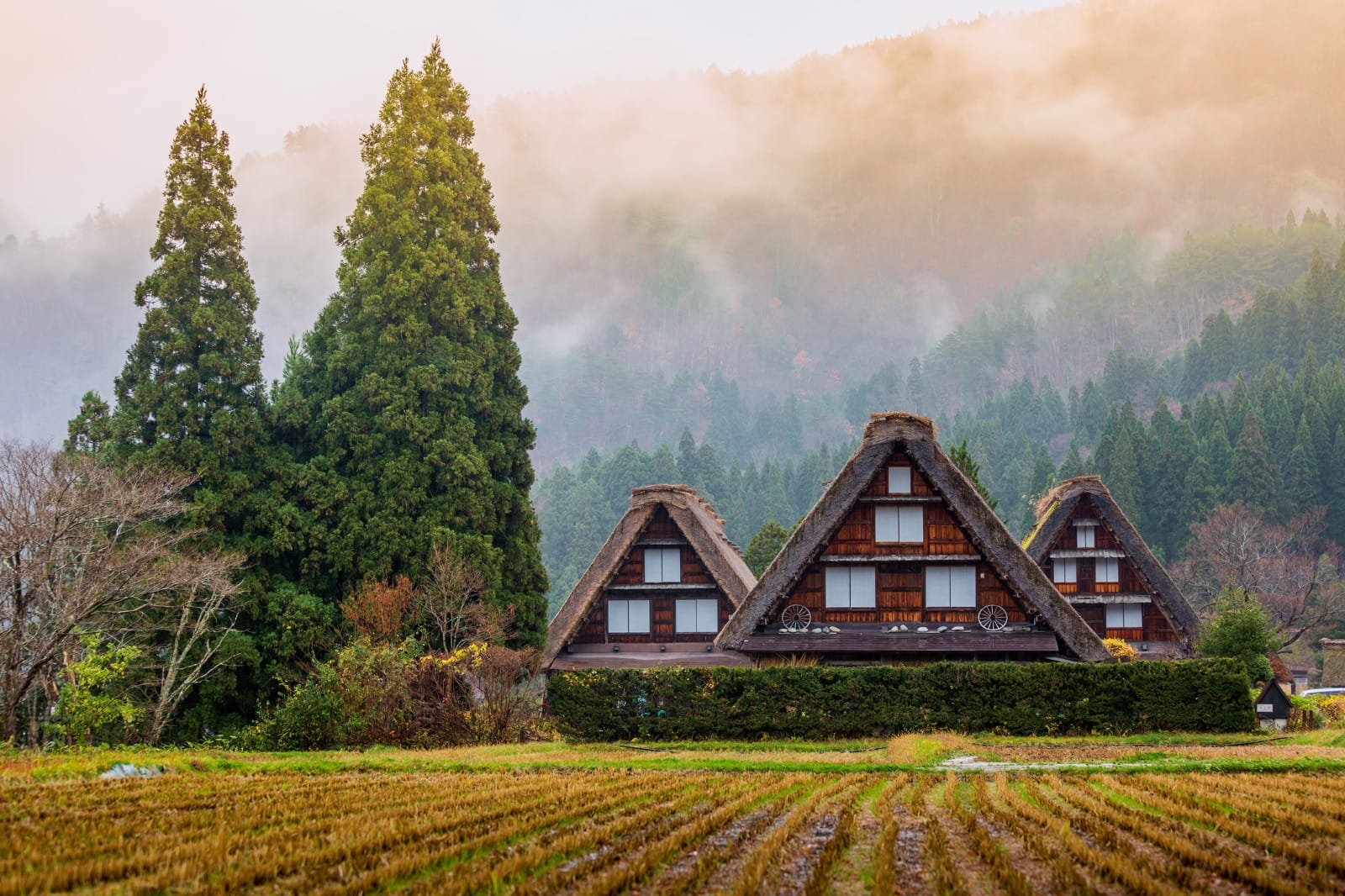
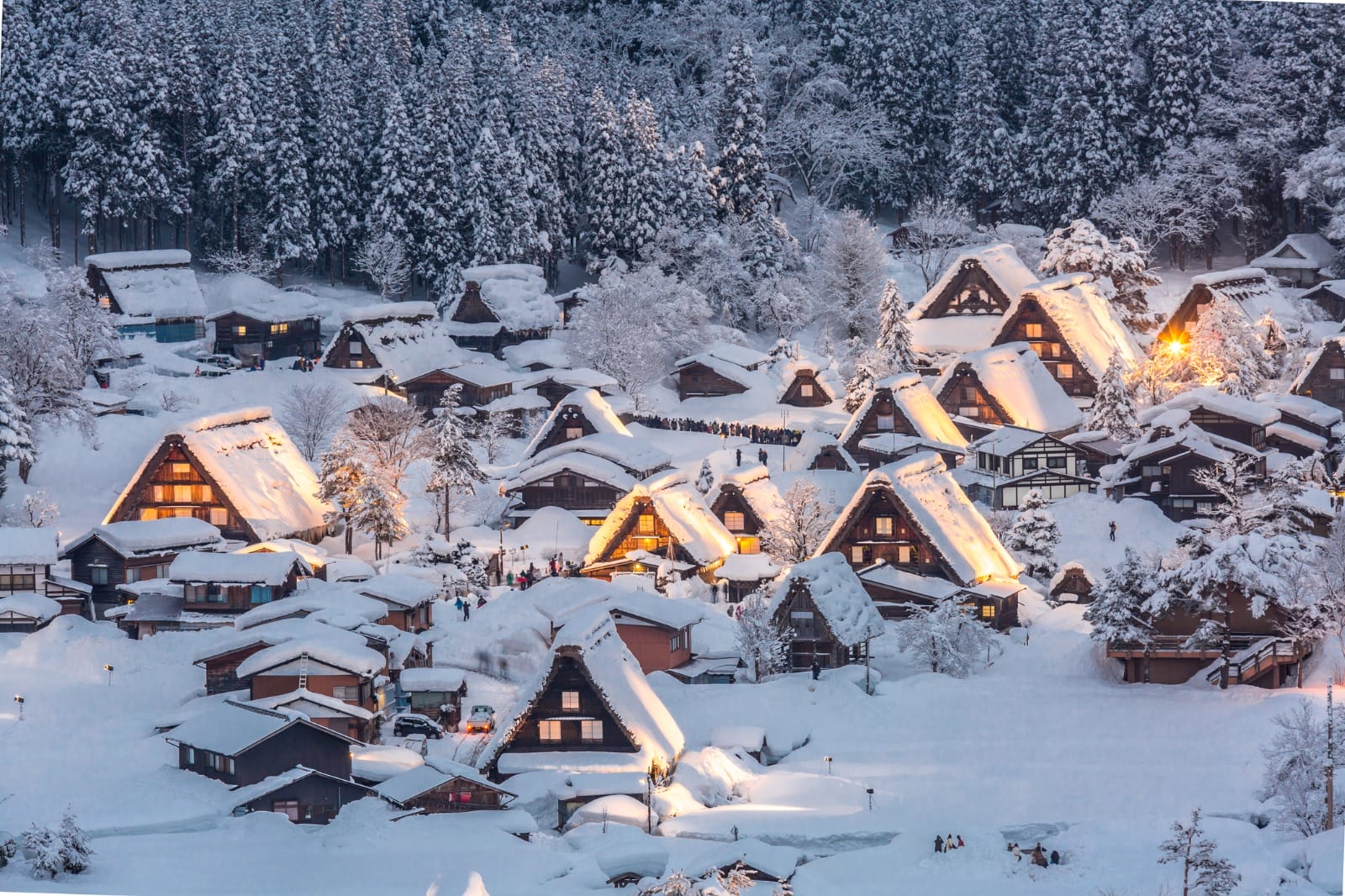
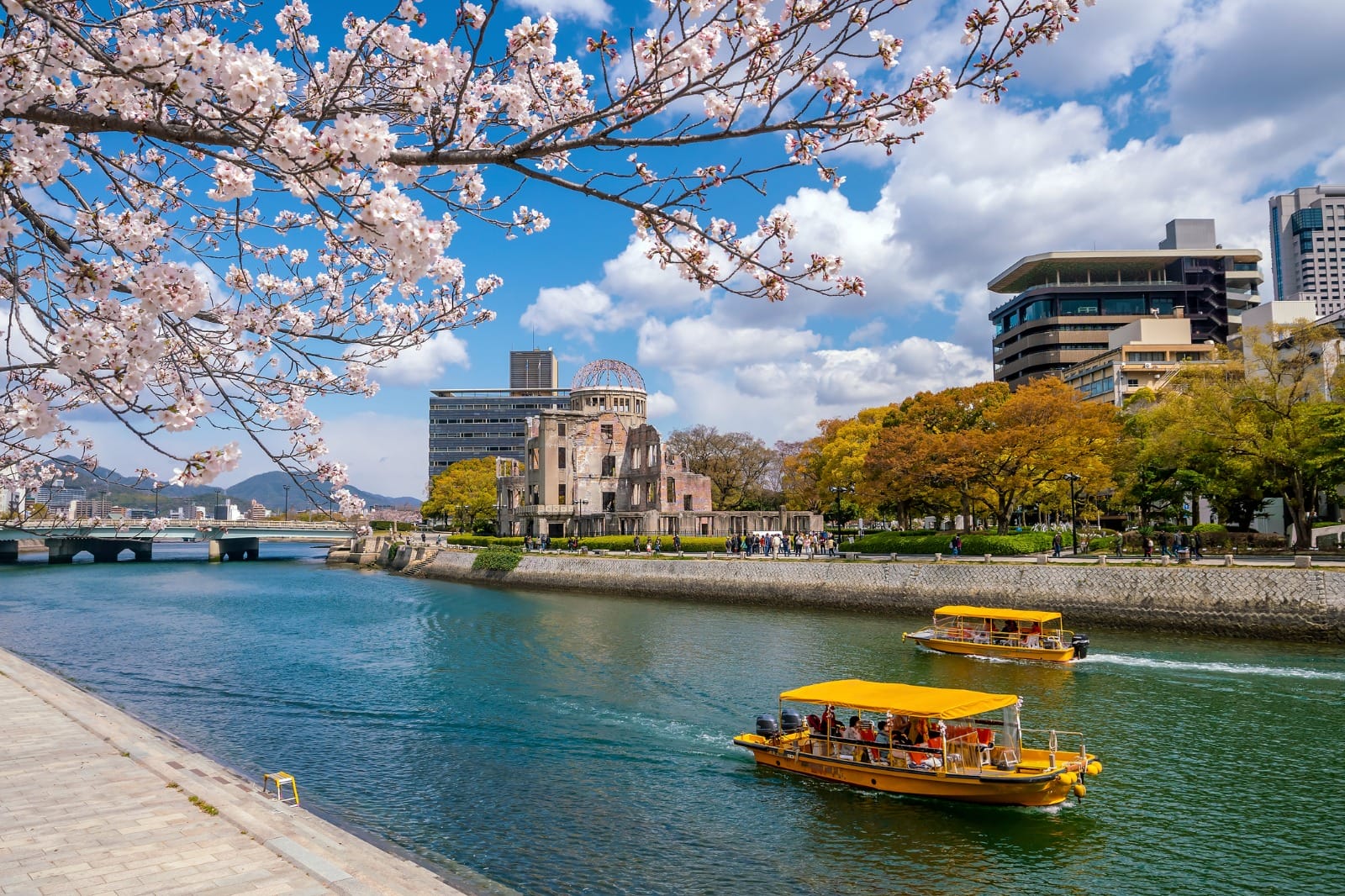
Best Time to Visit Japan: Month-by-Month
Here is the whole year at a glance — weather, temperatures, crowds and what each month is best for — so you can match your trip to cherry blossoms, autumn colour, snow or the best deals.
| Month | Weather | Tokyo high / low | Crowds | Best for |
|---|---|---|---|---|
| January | Cold, dry, sunny | 10° / 2° | Low | Onsen, skiing, illuminations |
| February | Cold, dry | 10° / 2° | Low | Skiing, plum blossoms, Sapporo Snow Festival |
| March | Cool, warming | 14° / 5° | Rising | First cherry blossoms (late month) |
| April | Mild, pleasant | 19° / 10° | Very high | Cherry blossoms — peak season |
| May | Warm, comfortable | 23° / 14° | High (Golden Week) | Lush greenery, ideal weather |
| June | Warm, humid, rainy | 26° / 18° | Low | Hydrangeas, fewer crowds, lower prices |
| July | Hot, humid | 30° / 23° | Moderate | Summer festivals, fireworks, mountains |
| August | Hot, humid | 31° / 24° | High (Obon) | Festivals, beaches, Hokkaido escape |
| September | Hot easing, typhoons | 27° / 21° | Moderate | Early autumn, festivals |
| October | Mild, dry | 22° / 16° | High | Autumn foliage begins, great weather |
| November | Cool, crisp, dry | 17° / 9° | High | Peak autumn foliage — best with spring |
| December | Cold, dry, sunny | 12° / 4° | Low | Illuminations, onsen, clear skies |
Average Tokyo temperatures (°C); Hokkaido is much colder and Okinawa much warmer. Climate data: Japan Meteorological Agency.
✈️ TripToGo Travel Deals
Get notified about great travel deals
Hand-picked flight, hotel and destination deals, straight to your inbox. No spam, unsubscribe anytime.
🎉 Thank you for subscribing!
You’re all set — the best travel deals are on their way.
Cherry Blossom Season by Region
| Region | Typical cherry-blossom bloom |
|---|---|
| Okinawa (Naha) | Late January – February |
| Fukuoka / Kyushu | Around late March |
| Osaka & Kyoto | Late March – early April |
| Tokyo | Late March – early April |
| Japanese Alps (Nagano) | Mid April |
| Tohoku (Sendai, Hirosaki) | Mid – late April |
| Hokkaido (Sapporo) | Late April – early May |
The “blossom front” sweeps south to north; exact dates shift each year — check the JMA forecast.
Cherry Blossom & Autumn Foliage: Peak Dates by City
Two seasons drive most Japan trips — and both sweep across the country over weeks, so timing depends entirely on where you’re going. Here are the typical peak windows (they shift a week or two each year, so check the annual forecasts):
| City | Typical cherry blossom (sakura) peak |
|---|---|
| Fukuoka (Kyushu) | Late March |
| Tokyo | Late March – early April |
| Kyoto & Osaka | Early April |
| Hiroshima | Early April |
| Kanazawa | Early April |
| Sendai | Mid-April |
| Sapporo (Hokkaido) | Early May |
And the autumn foliage (koyo), which runs the opposite direction — north to south:
| City | Typical autumn foliage peak |
|---|---|
| Sapporo (Hokkaido) | Early–mid October |
| Nikko | Late October |
| Kyoto | Mid–late November |
| Osaka & Hiroshima | Late November |
| Tokyo | Late November – early December |
Both are Japan’s peak-crowd, peak-price windows — book flights and hotels months ahead, and consider basing slightly outside the biggest cities to dodge the crush.
Best Time to Visit Japan: Key Facts
Best time overall: late March–April for cherry blossoms and October–November for autumn foliage — mild weather and Japan at its most beautiful. To see how the seasons change a classic landmark, our guide to visiting Himeji Castle covers the seasonal beauty around the castle and Koko-en Garden.
Cheapest time: January–February (excluding New Year) and June (the rainy season) bring the lowest flights and hotel rates.
When to avoid (crowds & prices): the cherry-blossom peak (early April), Golden Week (late April–early May) and Obon (mid-August), when domestic travel surges.
Rainy season (tsuyu): June to mid-July across most of Japan — but Hokkaido stays dry.
Typhoon season: August–September, mainly affecting the south and Pacific coast.
For official forecasts and seasonal data, see the Japan National Tourism Organization.
Picked your season? Get Japan planned for it
Tell our partner Voyada’s travel planning AI your dates — sakura week, autumn leaves or powder season — and it builds the full trip with flights, hotels and a real total cost, in about a minute, free.
Plan an itinerary →Spring in Japan: Cherry Blossoms and Beyond
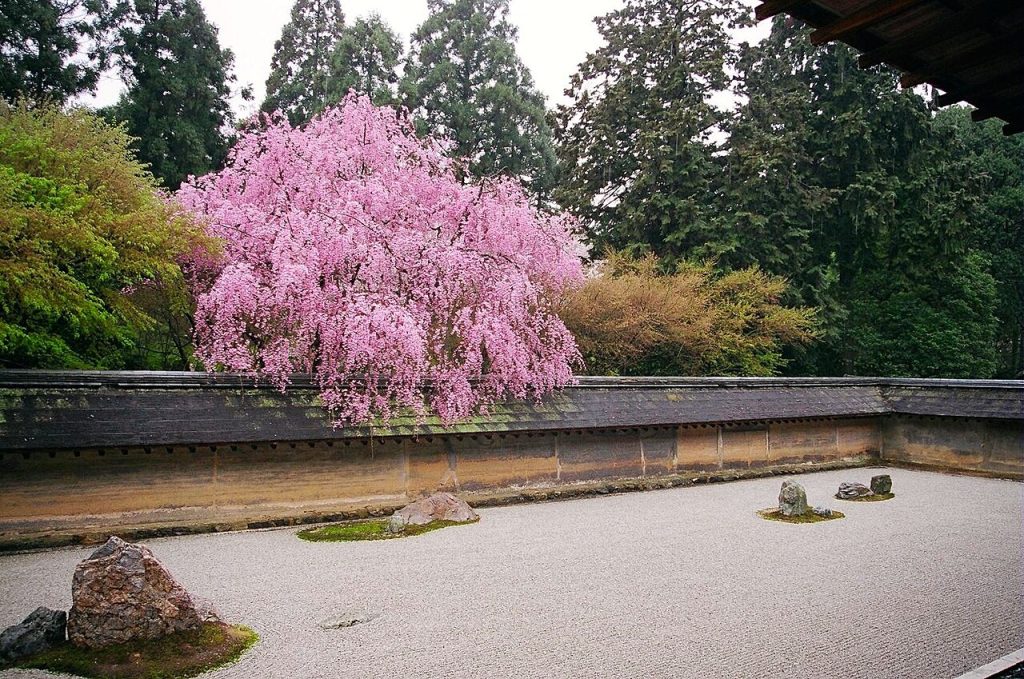
As winter fades, Japan turns into a vibrant spring paradise. It’s a time of renewal and celebration. Visitors are captivated by the breathtaking cherry blossoms and cultural experiences.
Cherry Blossom Season: Timing and Popular Locations
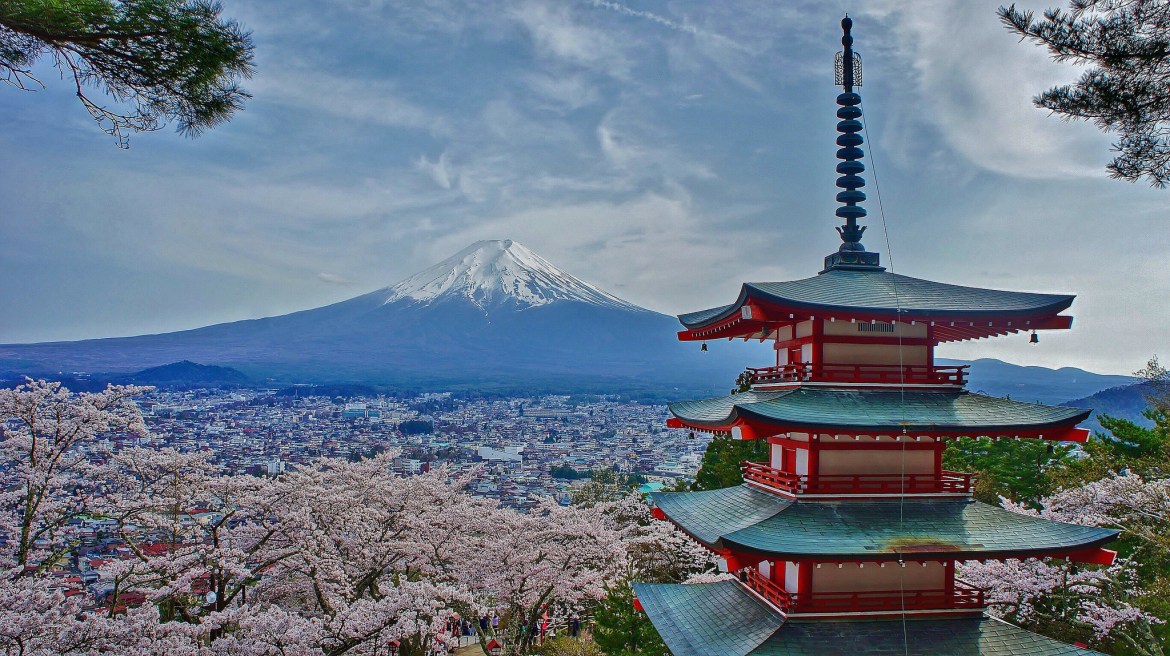
The cherry blossom season, or “hanami,” is a major highlight of Japan’s spring. It happens between late March and early April. Ueno Park in Tokyo, Maruyama Park in Kyoto, and Philosopher’s Path in Kyoto are top spots to see them.
Planning your trip around the cherry blossom season requires some foresight. The Japan Meteorological Corporation provides forecasts for cherry blossom blooming. This helps travelers plan their visits perfectly.
Weather Conditions and What to Pack
Spring weather in Japan is generally mild. Temperatures warm up, but cooler days can happen, especially in the mornings and evenings. Visitors should pack layers, including light jackets and comfortable clothing for walking.
- Lightweight rain gear for unexpected showers
- Comfortable shoes for walking
- Layers for cooler mornings and evenings
Spring Festivals and Events
Spring in Japan is not just about cherry blossoms. It’s also a time for various festivals and events. The Sanja Matsuri in Tokyo’s Asakusa district is one of the most vibrant festivals. It celebrates the deities of the Senso-ji Temple.
Other notable events include the Miyagi Prefecture’s Cherry Blossom Festival and local hanami celebrations across the country. Each offers a unique glimpse into Japanese culture and community spirit.
Summer in Japan: Festivals, Hiking, and Heat
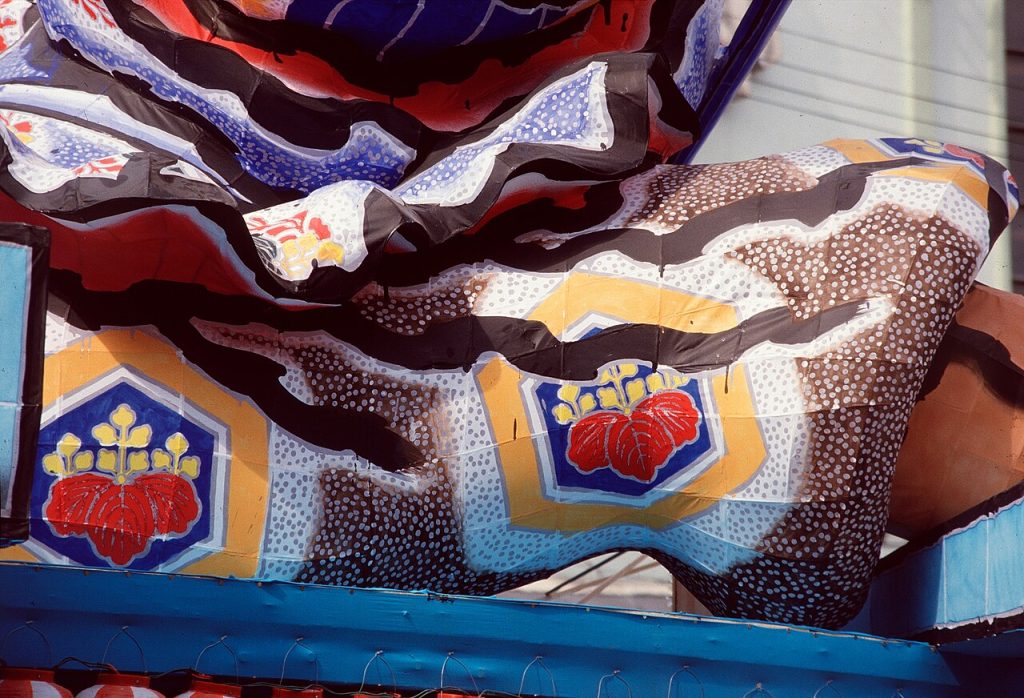
Japan’s summer is full of life with festivals, hiking trails, and warm weather. The heat and humidity can be tough, but the festivals and outdoor fun make it worth it. It’s a great time to see Japan’s lively culture.
Weather Patterns and Humidity Considerations
Summer in Japan is hot and humid, with temperatures over 30°C (86°F). The humidity makes it feel even hotter. It’s key to drink lots of water and find cool spots to rest. Places like Hokkaido are cooler than the rest of Japan.
Tips for Managing the Heat:
- Stay hydrated with plenty of water and electrolyte-rich drinks.
- Take breaks in air-conditioned spaces or shaded areas.
- Wear lightweight, breathable clothing.
Major Summer Festivals and Cultural Events
Summer is festival season in Japan, with many events happening nationwide. Some top ones include:
- Gion Matsuri in Kyoto, one of Japan’s most famous festivals.
- Tenjin Matsuri in Osaka, known for its boat procession and fireworks.
- Awa Odori in Tokushima, a lively dance festival.
These festivals show off Japan’s rich culture. They’re a fantastic way to dive into local traditions.
Summer Activities: Hiking, Beaches, and Mountain Retreats
Summer is perfect for outdoor fun in Japan. The Japanese Alps have great hiking trails. The coastlines offer beautiful beaches and water sports. Mountain retreats like the Japanese Alps and Nikko are cooler and scenic.
Popular Summer Activities:
- Hiking in the Japanese Alps.
- Visiting beaches in Okinawa or other coastal areas.
- Exploring mountain retreats for cooler weather.
Autumn in Japan: Colorful Foliage and Comfortable Weather
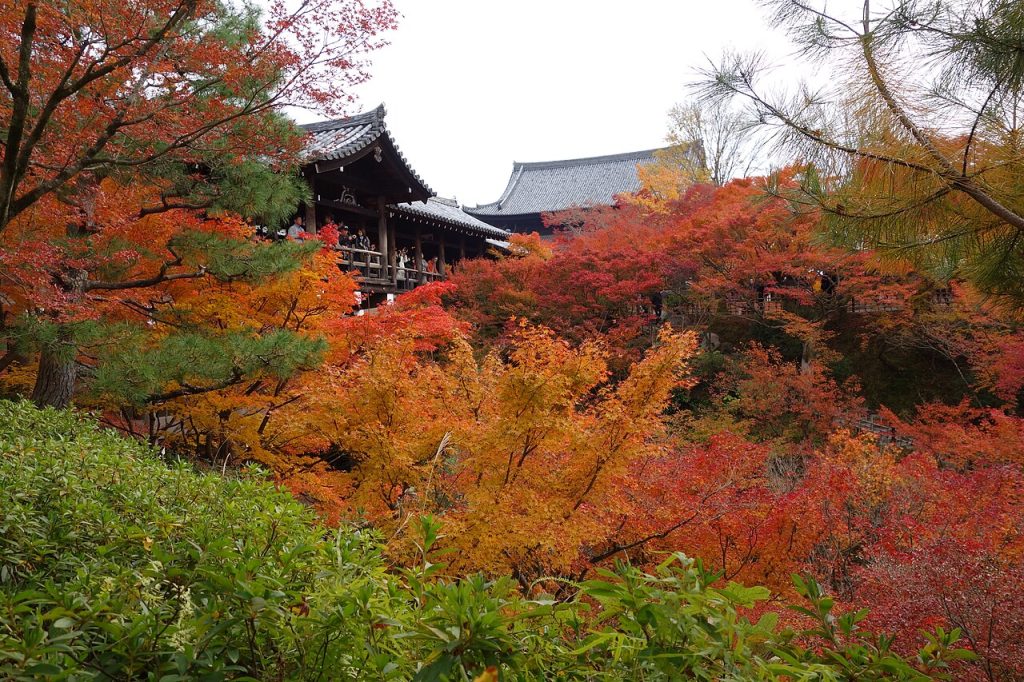
Autumn in Japan is a feast for the senses. The weather is just right, and the foliage is stunning. It’s a time when nature and culture come together, making it the ideal time to travel to Japan.
Fall Foliage Timeline Across Regions
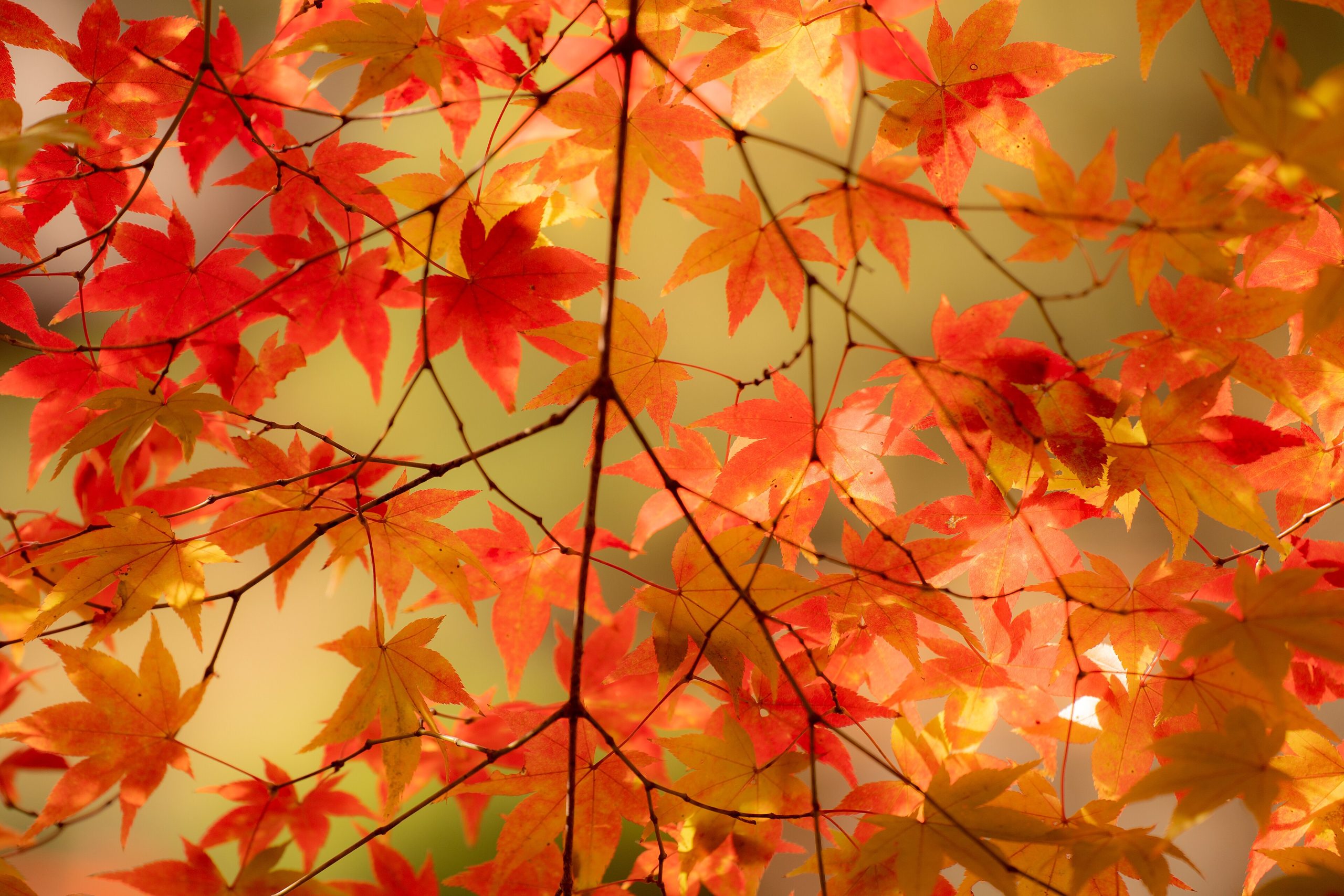
The autumn foliage, or “koyo,” in Japan is a big attraction. The peak season starts in Hokkaido in late September and early October and moves south. This means different times for different parts of the country.
- In Hokkaido, the foliage season typically peaks in early to mid October.
- Central Japan, including Tokyo and the Japanese Alps, usually experiences peak foliage in mid-to-late November.
- In the Kansai region, which includes Kyoto and Osaka, the peak is usually in late November.
Temperature and Precipitation Expectations
Autumn in Japan is mild, with highs easing from about 27°C (81°F) in September to 17°C (63°F) in November. It’s a dry season, perfect for outdoor adventures. But, it’s good to be ready for occasional rain.
Weather Preparation: Pack layers for cooler mornings and evenings, especially in the north. This will keep you comfortable during your trip.
Autumn Festivals and Cultural Experiences
Autumn is full of cultural events in Japan. Festivals like the Chrysanthemum Festival and the Moon Viewing Festival (Tsukimi) celebrate the harvest. These events offer a deep dive into Japan’s culture.
Visitors can experience Japan’s rich heritage during the Japan travel season. It’s a unique chance to see the beauty of autumn in Japan.
Winter in Japan: Snow, Onsens, and Illuminations
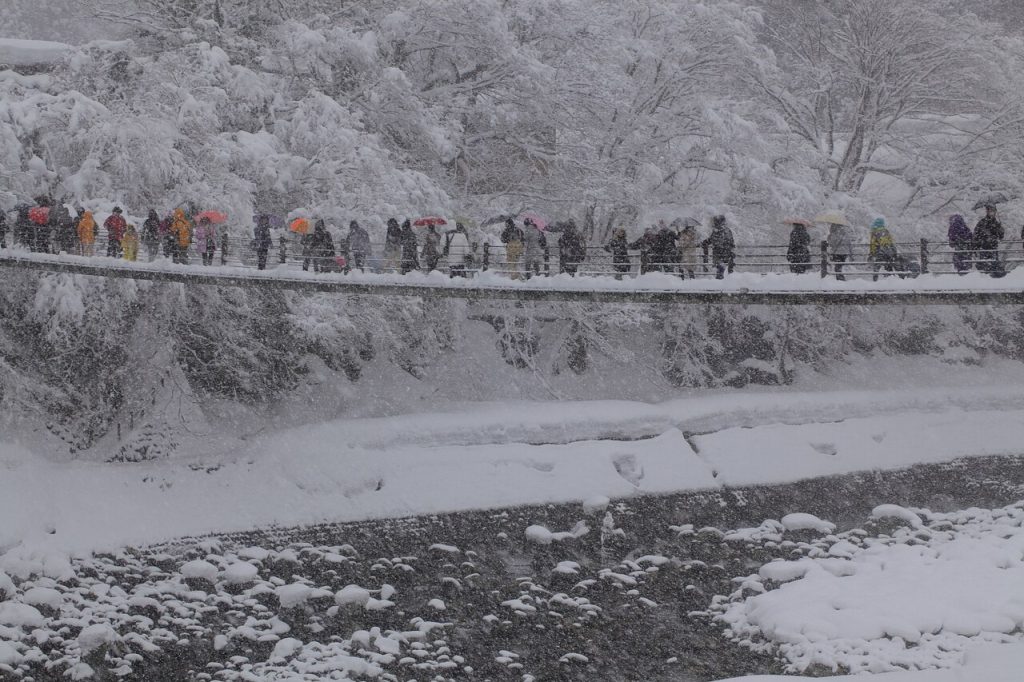
Winter in Japan is truly magical. The mountains are covered in snow, and the hot springs are perfect for relaxation. The illuminations light up the country, making it a festive place to visit.
Regional Variations in Winter Weather
Japan’s winter weather changes a lot from north to south. Hokkaido in the north gets a lot of snow, great for skiing and snowboarding. On the other hand, Okinawa in the south has mild winters, perfect for beach lovers.
Regional weather patterns: Hokkaido and Tohoku get a lot of snow. The Japanese Alps have different snow conditions. Central and Western Japan have milder winters, and the south stays warm.
Skiing and Snow Activities
Japan is famous for its skiing and snowboarding. Places like Niseko in Hokkaido and Hakuba Valley in the Japanese Alps have amazing snow. You can also try snowshoeing and ice skating.
- Ski resorts: Niseko, Hakuba Valley, Rusutsu
- Snow activities: Skiing, snowboarding, snowshoeing, ice skating
- Best time for snow sports: Late December to early March
Winter Illuminations and Celebrations
Winter in Japan is full of beautiful lights and celebrations. Temples, gardens, and public spaces are lit up with stunning displays. The New Year (Oshogatsu) is also a big deal, with many visiting shrines and temples.
Popular illumination spots: Tokyo’s Shinjuku Gyoen, Osaka’s Universal Studios Japan, and Kobe’s Meriken Park are known for their winter lights.
Flight Prices from North America, Month by Month
The cost of getting to Japan swings sharply with the seasons — and predictably peaks with the blossoms and the autumn leaves. Typical round-trip economy fares, US to Tokyo:
| Month | Round trip (US–Tokyo) | Notes |
|---|---|---|
| January–February | $700–950 | Cheapest of the year; ski season |
| March | $800–1,100 | Rising as sakura season nears |
| April (cherry blossom) | $1,000–1,500 | Peak demand with the blossoms |
| May | $900–1,200 | Golden Week spike in early May |
| June | $850–1,150 | Rainy season — a value window |
| July–August | $1,100–1,600 | Summer peak |
| September | $850–1,150 | Falls after summer |
| October–November (foliage) | $900–1,300 | Autumn-leaf demand |
| December | $800–1,200 | Holiday spike late in the month |
The value windows are late January–February and June (rainy but cheap and uncrowded). If you’re chasing the blossoms or the leaves, book fares three to five months out. For what the trip costs on the ground, see our is Japan expensive guide.
Found your window? Turn it into a trip
Voyada’s ai trip planner builds your Japan itinerary around your dates — flights, hotels and rail priced together, with one honest total. Free, in about a minute.
Plan my Japan trip →Best Time to Visit Japan Based on Your Interests
Japan is a great place to visit all year round. The best time for you depends on what you like. Whether it’s festivals, nature, or culture, picking the right time makes a big difference.
For Nature Enthusiasts and Photographers
Nature lovers and photographers will love Japan in spring and autumn. Spring brings cherry blossoms in late March to early April. Autumn, from late October in Nikko to mid-late November in Kyoto, has amazing foliage.
Photographers will love the golden hour in these seasons. It gives soft, warm light perfect for photos.
For Cultural Experience Seekers
Those interested in culture will enjoy Japan’s festivals all year. Summer has big festivals like the Gion Matsuri in Kyoto and the Obon Festival everywhere. Autumn also has many cultural events, like the Moon Viewing (Tsukimi) festivals, which are very traditional.
For a calm cultural experience, visit during the shoulder season. The crowds are smaller, and it’s more relaxed.
For Budget-Conscious Travelers
Travelers on a budget should visit in the off-peak seasons, like winter (except New Year) and late autumn. Accommodation prices are lower, and places are less crowded. It’s a more affordable and relaxed trip.
- Visit during off-peak seasons for lower prices.
- Look for package deals that include travel and stay.
- Stay in budget-friendly places like guesthouses or hostels.
For Avoiding Crowds
To avoid crowds, visit in the shoulder season. This is mid-May to June and September to early November, once Golden Week is over. The weather is nice, and there are fewer tourists than in peak seasons.
Early morning visits to popular spots also help avoid crowds. They build up later in the day.
Plan your trip based on your interests. You can enjoy Japan’s beauty, culture, or city life without the crowds of peak season.
Japanese Holidays and Peak Travel Periods
Planning a trip to Japan? It’s key to know the national holidays and peak travel seasons. These times can greatly affect your trip. Japan has many holidays throughout the year, with some busier than others.
Golden Week and Other National Holidays
Golden Week is a very busy time in Japan. It happens from April 29 to May 5. Many Japanese people travel during this week, making popular spots very crowded. Holidays like New Year’s (January 1) and Obon (mid-August) also draw a lot of travelers.
Golden Week is especially busy. Businesses close, and families travel together. If you visit during this time, expect crowded cities, long lines, and higher prices for places to stay.
School Vacation Periods
School vacations in Japan also mean more travelers. The main breaks are in spring (late March to early April), summer (late July to late August), and winter (late December to early January). Families often go on trips during these times, making places popular.
- Spring Break: Late March to early April, during the cherry blossom season.
- Summer Vacation: Late July to late August, with Obon in mid-August being very busy.
- Winter Break: Late December to early January, with New Year’s being a big holiday.
Strategies for Navigating Peak Travel Times
To deal with Japan’s busy travel times, try these tips:
- Plan Ahead: Book your stay and attractions early to get better prices and availability.
- Be Flexible: Plan your trip just before or after the busy times to avoid crowds.
- Explore Less Crowded Areas: Visit places that aren’t as touristy to have a more relaxed trip.
Knowing Japan’s holidays and school breaks, and using these tips, can make your trip better and less stressful.
When to Avoid: Crowds, Heat & the Rainy Season
No month is truly “bad,” but a few periods catch travelers out:
- Golden Week (Apr 29–May 5) — Japan’s biggest domestic travel week; trains, hotels and sights are packed and pricey. Book far ahead or avoid.
- Obon (mid-August) — another domestic peak, with some business closures as families travel.
- Cherry-blossom peak (early April) — magical, but the busiest and most expensive weeks of the year.
- The rainy season, tsuyu (early June – mid-July), across most of Japan (Hokkaido is spared) — humid, with regular downpours.
- Peak summer (July–August) — 35°C+ heat and humidity, plus typhoon risk from August into September.
- New Year (Dec 29–Jan 3) — many businesses close, though temple visits are atmospheric.
Japan’s 2026 Events & Holidays Calendar
Time your trip toward these — or check them so a national holiday doesn’t double your hotel bill:
| Window | Event | What it means |
|---|---|---|
| Late March – early April | Cherry blossom season | Peak crowds & prices; book months ahead |
| April 29 – May 5 | Golden Week | The domestic travel peak — everything fills |
| Early February | Sapporo Snow Festival | Hokkaido’s biggest winter draw |
| July (Kyoto) | Gion Matsuri | Japan’s most famous festival |
| July–August | Summer fireworks (hanabi) | Spectacular displays nationwide |
| Mid-August | Obon | Domestic peak; some closures |
| November | Autumn foliage | Peaks in Kyoto mid-to-late month |
| Dec 29 – Jan 3 | New Year (Oshogatsu) | Closures; temple-visit tradition |
Regional Guide: When to Visit Specific Areas of Japan
Japan’s regions, from Tokyo’s busy streets to Hokkaido’s calm landscapes, offer unique experiences. Knowing the best times to visit each area is key for a memorable trip.
Tokyo and Central Japan
Tokyo and Central Japan are best in spring (March to May) and autumn (September to November). These seasons have mild weather, perfect for seeing sights like Shibuya Crossing and Asakusa.
Spring is famous for cherry blossoms, blooming late March to early April. Autumn brings comfortable weather and colorful leaves, great for hiking in the Japanese Alps.
Key Events in Tokyo and Central Japan:
- Cherry Blossom Festival (Hanami)
- Golden Week holidays
- Autumn Leaves (Koyo)
Kyoto, Osaka, and the Kansai Region
Kyoto and Osaka in the Kansai region have a similar climate to Tokyo. Spring and autumn are the best times, with Kyoto’s temples and gardens looking stunning.
Kyoto’s cherry blossoms are famous, and its temples and gardens are peaceful in autumn. Osaka, known for its food and fun, is lively all year but best in spring and autumn.
Must-see Attractions in Kansai:
- Fushimi Inari Shrine in Kyoto
- Universal Studios Japan in Osaka
- Koyasan, a sacred mountain town
Hokkaido and Northern Japan
Hokkaido, Japan’s northernmost island, has cold winters and mild summers. It’s great for winter sports like skiing and snowboarding. Summer (June to August) offers beautiful landscapes and outdoor fun like hiking and fishing.
Hokkaido is also known for its summer flower fields and lavender farms. For a winter wonderland, its snowy landscapes and hot springs are a must-see.
Winter Activities in Hokkaido:
- Skiing and Snowboarding
- Snowshoeing and Ice Fishing
- Hot Springs (Onsen)
Okinawa and Southern Islands
Okinawa, Japan’s southernmost part, has a subtropical climate. It’s perfect for beach lovers and those seeking warmth. Spring and autumn are the best times, with pleasant weather and fewer crowds than summer.
Okinawa is famous for its clear waters, white sandy beaches, and unique Ryukyu culture. It’s ideal for snorkeling, diving, and enjoying the tropical vibe, though it pays to swim only at officially opened beaches, which station lifeguards and mark the swimming area with nets or buoys, and to stay inside those nets during the prefectural habu jellyfish advisory that runs from June to September.
Top Activities in Okinawa:
- Snorkeling and Scuba Diving
- Visiting Historical Sites like Shuri Castle
- Relaxing on Beaches like Emerald Beach
Best Time to Visit Japan: FAQ
When is the best time to visit Japan?
Late March to April for cherry blossoms and October to November for autumn foliage are the two best windows — comfortable weather and spectacular scenery, though also the busiest.
When is cherry blossom season in Japan?
Blossoms open in Okinawa as early as February and reach Tokyo, Kyoto and Osaka from late March to early April, finishing in Hokkaido in early May.
What is the cheapest time to visit Japan?
January–February (outside the New Year holiday) and June (the rainy season) have the lowest airfares and hotel prices.
When should I avoid visiting Japan?
For value and space, avoid Golden Week (late April–early May) and Obon (mid-August), when locals travel en masse and prices spike.
When is the autumn foliage (koyo) in Japan?
Colors start in Hokkaido in late September/October and reach Tokyo and Kyoto from mid-November into early December.
Is the rainy season a bad time to visit?
Not necessarily — June is lush, green and far less crowded, with lower prices; just pack an umbrella and keep plans flexible.
Before you go: turn this guide into a day-by-day plan. Our partner Voyada is a free trip itinerary maker that builds the route with flights, hotels and a real total cost for your dates — in about a minute.
Create a travel itinerary →Is September a safe time to visit Japan?
September is Japan’s peak typhoon month, with storm tracks most likely to pass near or over the country, so it carries the highest weather-disruption risk of the year — mainly flight delays, train suspensions and the odd cancelled day, rather than danger if you follow local warnings. Okinawa and Kyushu see this risk most; build a flexible day or two into a September itinerary as a buffer.
Is October a safe time to visit Japan?
Yes, generally — typhoon activity tapers off through October compared with September’s peak, and by late October the risk has dropped substantially, especially in central and northern Japan. Early October can still see the occasional storm, particularly affecting Okinawa and Kyushu, but most of the country sees settled, comfortable autumn weather setting in.
Is November a safe time to visit Japan?
Yes — by November, typhoon season has essentially ended nationwide, and the country moves into one of its most stable, dry stretches of the year alongside comfortable temperatures and peak autumn foliage further into the month. It is widely considered one of the safest and most reliable months, weather-wise, to visit.
When is the safest time of year to visit Japan overall?
Late October through November and March through May carry the lowest weather risk — outside typhoon season (peaking August–September) and Hokkaido’s occasional heavy winter snow. Summer’s heat and humidity are uncomfortable rather than dangerous for most healthy travellers, so weather-wise, autumn and spring are consistently rated Japan’s most trouble-free seasons.
Is March an expensive time to visit Japan?
Late March gets pricier as cherry blossom season begins, especially the final week once blossoms start opening in Tokyo and further south, but early-to-mid March remains relatively moderate before the rush. Booking flights and hotels early in March, before the blossom forecasts firm up, generally still finds reasonable rates.
Is April an expensive time to visit Japan?
Yes — April is one of Japan’s most expensive months, combining peak cherry blossom season in the first half with the start of Golden Week at the very end (29 April in 2026). Hotels in Tokyo and Kyoto often sell out or double in price during peak bloom weeks, so this is a month where booking three to six months ahead pays off.
Is May an expensive time to visit Japan?
The first week of May is Japan’s most expensive stretch of the month, since Golden Week (29 April–6 May in 2026) sends domestic travel prices and crowds sharply up nationwide. Once Golden Week ends, the rest of May settles into pleasant, moderately priced shoulder-season territory with comfortable temperatures and thinner crowds.
Is September an expensive time to visit Japan?
No — September is one of the more affordable months to visit, since it falls between the summer holiday rush and the autumn foliage season, and typhoon risk keeps some travellers away. Flights and hotels are generally easier to find at reasonable rates, making it a good-value month for travellers willing to accept some weather uncertainty.
Is October an expensive time to visit Japan?
October is moderately priced for most of the month, sitting in a comfortable shoulder season between summer and the autumn foliage rush. Prices start climbing toward the end of the month in northern Japan and Hokkaido, where colour arrives earliest, so late October in those regions costs more than early October elsewhere.
Is November an expensive time to visit Japan?
Yes, particularly mid-to-late November, when peak autumn foliage in Kyoto and Tokyo drives up hotel prices and crowds to levels close to cherry blossom season. Early November is more moderate, so travelling in the first week or two can capture good weather at lower cost before the koyo rush fully sets in.
When is the most expensive time to visit Japan?
Late March to early April (cherry blossom peak), Golden Week (29 April–6 May in 2026), mid-to-late November (peak autumn foliage) and the New Year holiday period are Japan’s most expensive windows, when flights and hotels in Tokyo and Kyoto can sell out or spike sharply in price. Booking three to six months ahead is strongly recommended for any of these.
When is the least expensive time to visit Japan?
January and February, outside the New Year holiday, and June through early September, outside the Obon holiday in mid-August, tend to be Japan’s cheapest windows for flights and hotels. Late January to February also brings low crowds at major sights, making it a strong value season if you do not mind cold weather and shorter days.
How many days do you need for a first trip to Japan?
10 to 14 days is the sweet spot for a first-timer’s classic route — Tokyo, Kyoto, Osaka and one or two side trips such as Nara or Hakone — without feeling rushed or spending too much time on trains. A week is workable if you focus on just two cities, while three weeks or more allows adding Hiroshima, Hokkaido or a slower pace throughout.
When is the best time to visit Japan and South Korea together?
Spring (April) and autumn (late October to mid-November) work well for a combined trip, since both countries share similar cherry blossom and foliage timing and comfortable temperatures. Winter also pairs well if skiing is part of the plan, as both have strong ski regions; summer is the toughest combination, since both countries get hot, humid and typhoon-prone at the same time.
When is ski season in Japan?
Ski season generally runs December to March, with January and February offering the most reliable powder, especially in Hokkaido (Niseko) and the Japanese Alps (Hakuba, Nozawa Onsen). Hokkaido’s resorts typically get the lightest, driest snow thanks to Siberian weather systems, while Honshu resorts see a shorter but still substantial season.
Does Hokkaido have a rainy season like the rest of Japan?
No — Hokkaido is the one region of Japan that largely escapes tsuyu, the humid rainy season that affects the rest of the country from roughly early June to mid-July. The seasonal rain front weakens before it reaches the northern island, so Hokkaido keeps a relatively dry, mild early summer, making it a popular escape from the mainland’s rainy season.
Is winter worth visiting Japan despite the cold?
Tokyo and Kyoto stay cold but manageable, typically 2–10°C, while Hokkaido and the Sea of Japan coast get genuinely snowy, so pack layers according to which region you are visiting. Yes — winter (December to February) brings some of the year’s lowest prices and thinnest crowds at major temples and cities, plus excellent skiing, hot springs and seasonal illuminations.
Japan's Key Travel Events by Season
Japan’s calendar swings between must-see festivals and must-avoid travel crushes. Timing your trip around these makes a bigger difference than the weather alone.
- Cherry blossoms (late Mar–early Apr): the peak bloom (sakura) lasts barely a week and shifts north over April — follow the annual forecast and book accommodation months ahead.
- Golden Week (late Apr–early May): a cluster of national holidays when the whole country travels. Trains, hotels and flights sell out and prices spike — avoid domestic travel then if you can.
- Summer festivals (Jul–Aug): Kyoto’s Gion Matsuri (July) and huge fireworks (hanabi) nights are spectacular, but it’s hot, humid and includes the Obon travel peak in mid-August.
- Autumn foliage (Nov): the koyo season is as beautiful as sakura and less frantic, moving south through November.
- Winter illuminations & New Year: December dazzles, but many businesses close for New Year (Dec 29–Jan 3). Book a Japan Rail Pass only if your route justifies it — do the math on your specific cities.
The Best Month for What You Came For
Match the month to the trip:
| You came for… | Best time | Note |
|---|---|---|
| Cherry blossoms | Late March – early April | Peak crowds; book far ahead |
| Autumn foliage | November | Kyoto mid–late November |
| Skiing & powder | December–February | Hokkaido & Nagano |
| Hiking & the Japan Alps | June–September | Trails and huts open |
| Festivals | July–August | Gion, fireworks, Obon |
| Beaches (Okinawa) | April–June, Sept–October | Avoid the typhoon peak |
| Fewest crowds & best value | Late Jan–Feb, June | Cold or rainy, but cheap and quiet |
For how to string a trip together once you’ve picked your season, see our 7-day and 2-week Japan itineraries.
Cherry blossoms or autumn leaves — let AI time it
Tell Voyada your dates and it plans the route, books the sell-out spots, and prices the whole trip in one place.
Build my Japan plan →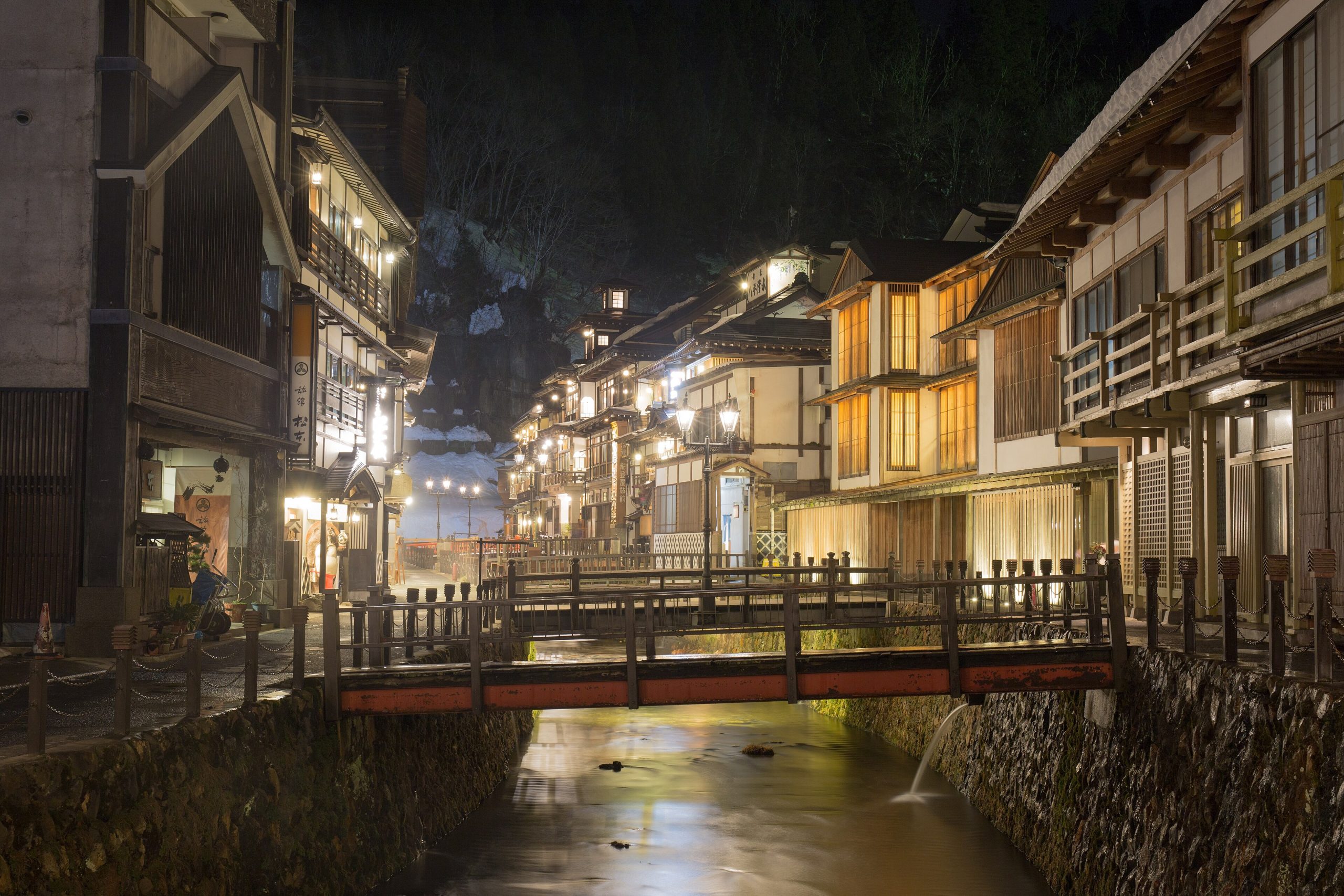
Japan: Month-by-Month Guide
A quick month-by-month reference for planning — at a glance, when to go and what each month brings.
| Month | Verdict | What to expect |
|---|---|---|
| January | Peak (winter) | Cold, dry, clear skies; skiing and onsen; winter illuminations. |
| February | Good | Cold; late-month plum blossoms; fewer crowds; skiing. |
| March | Shoulder | Cool and warming; cherry blossoms begin in the south late-month. |
| April | Peak (sakura) | Cherry blossoms peak (timing varies north); mild and busy. |
| May | Great | Warm and pleasant; Golden Week crowds early, superb hiking after. |
| June | Mixed | Rainy season (tsuyu) begins; humid; hydrangeas; fewer tourists. |
| July | Hot | Humid; rains end mid-month; summer festivals and fireworks. |
| August | Hot/busy | Hottest and humid; Obon travel peak mid-month; typhoon risk. |
| September | Improving | Heat easing; typhoon season; quieter late in the month. |
| October | Great | Mild and pleasant; early foliage in the north; excellent. |
| November | Peak (foliage) | Cool, dry; autumn colours peak; one of the best months. |
| December | Peak (winter) | Cold, dry, clear; illuminations; New Year closures late. |
Conclusion: Planning Your Perfect Japanese Adventure
Japan is a year-round destination, offering a unique experience with each changing season. Whether you’re captivated by the beauty of cherry blossoms, the thrill of skiing, or the richness of cultural experiences, Japan has something for every traveler.
Understanding the best time to visit Japan is crucial for making the most of your trip. From the vibrant festivals of summer to the serene landscapes of autumn, and from the snowy landscapes of winter to the blooming flowers of spring, Japan’s diverse seasons cater to various interests and preferences.
By considering Japan’s travel seasons and the ideal time to travel to Japan, you can tailor your journey to suit your desires. With this guide, you’re well-equipped to plan your perfect Japanese adventure, exploring the country’s diverse regions and experiencing its unique cultural heritage.
So, when is the best time to visit Japan for you? Whether you’re drawn to the bustling cities, the tranquil countryside, or the majestic landscapes, Japan awaits your discovery.