
Table of Contents
ToggleHimeji Castle welcomes over 1 million visitors every year. It’s a favorite among Japan’s historical sites. Located in Hyogo Prefecture, it’s known for its stunning white architecture.
People from all over come to see its grandeur and history. But is it really worth a visit? Let’s find out what makes this castle unique and what you can expect when you go.
Key Takeaways
- Discover the historical significance of Himeji Castle
- Explore the castle’s unique white architecture
- Learn about the visitor experience and what to expect
- Understand why Himeji Castle is a UNESCO World Heritage site
- Find out if Himeji Castle is worth visiting based on traveler reviews
The Magnificent White Heron Castle of Japan
Himeji Castle, known as the White Heron Castle, is a true marvel of Japanese architecture. Its elegant white look and advanced design set it apart. It’s a highlight among Japan’s historical sites.
First Impressions of Himeji Castle
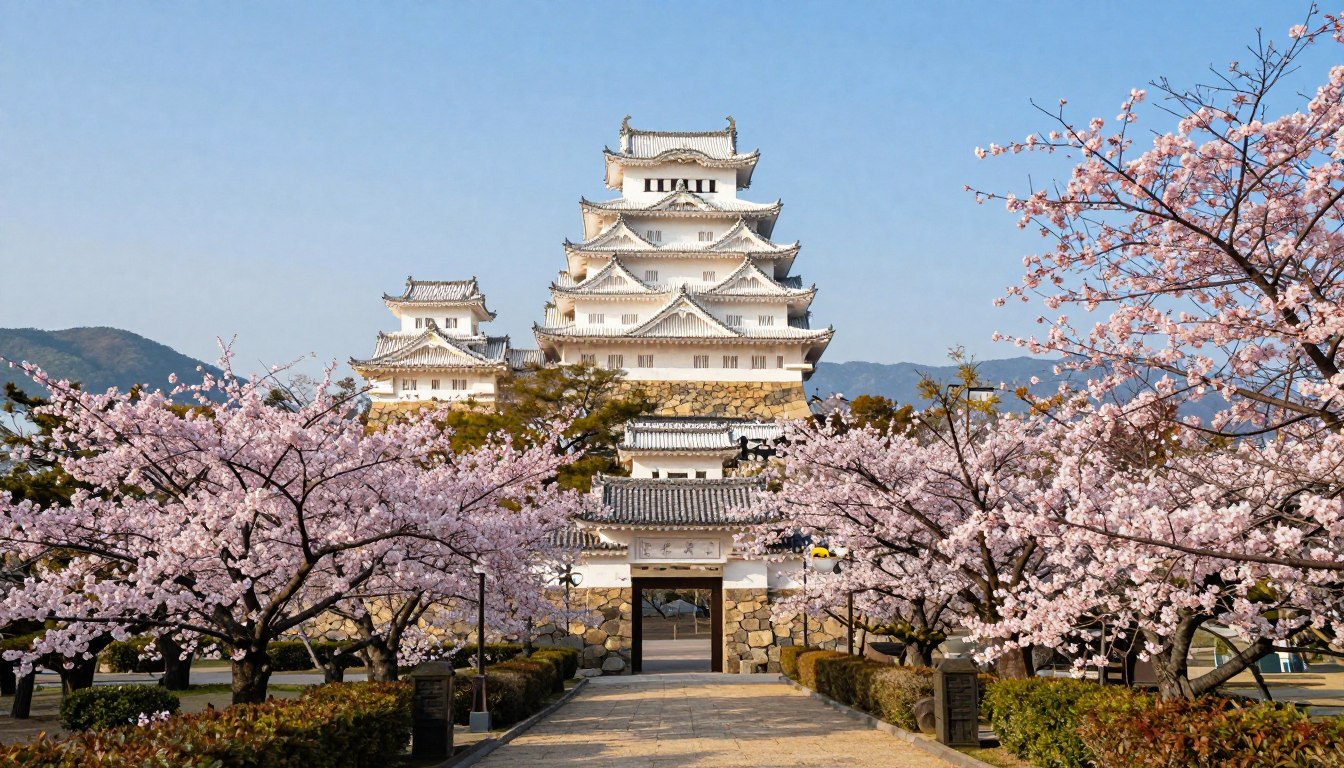
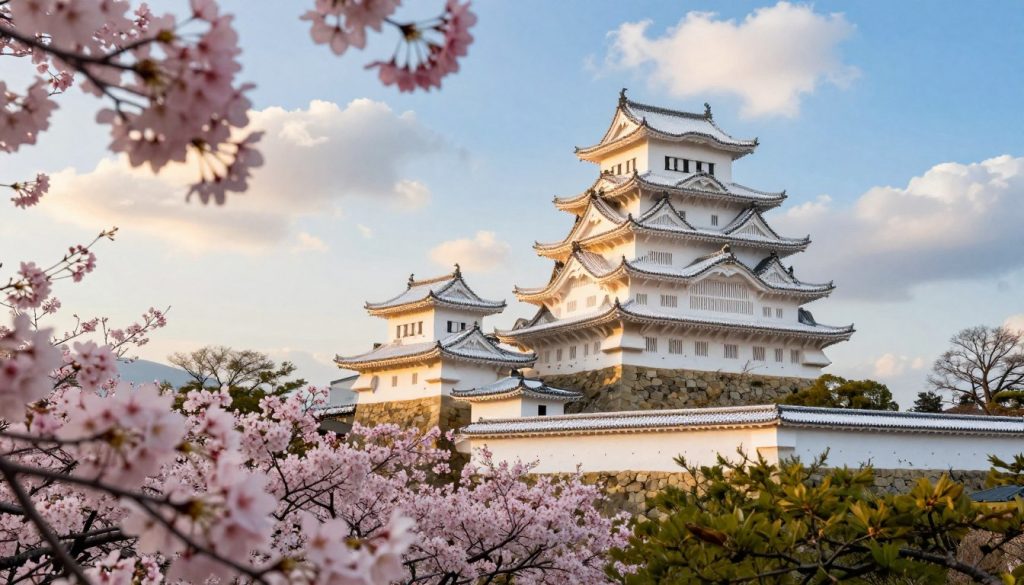
Visitors approaching Himeji Castle see its stunning white walls. They seem to shine against the landscape. The castle’s many roofs and tiered keeps make a striking view, showing off traditional Japanese castle design.
The castle’s design and gardens offer a calm escape from everyday life. They invite visitors to explore Japan’s rich culture and history.
Why Himeji Castle Stands Out Among Japanese Castles
Himeji Castle is among Japan’s best castle examples. It’s well-preserved, giving a real look into Japan’s feudal era. This is rare among castles that have faced time and war.
Its smart defenses, beautiful gardens, and detailed design make it a special cultural gem. The castle’s architecture shows the skill of its builders and the culture and history of its time.
The Rich History of Himeji Castle
Himeji Castle’s story is one of strength and beauty, starting in the 14th century. This famous Japanese landmark has seen many eras, including the feudal period. It has faced many challenges over the years.
Origins and Construction in the 14th Century
Himeji Castle was first built in 1333 by Akamatsu Norimura, a samurai lord. The castle was simple back then. But by the 14th century, it grew into the grand structure we admire today, thanks to the Yamana clan.
The castle sits on a hilltop, making it perfect for defense. Its design focused on keeping invaders out, with strong walls and defenses.
Evolution Through the Feudal Era
In the feudal era, Himeji Castle changed a lot, thanks to the Ikeda clan in the 16th century. The Ikeda family, who were daimyos, made the castle even stronger. They added more defenses and fancy architectural features.
The castle’s design got better with new military tech and building ideas. It showed the power and status of the daimyo who lived there.
Survival Through Wars and Natural Disasters
Himeji Castle has seen a lot, including wars and natural disasters. It was attacked many times during the Sengoku period but stayed strong. Its solid build and smart design helped it survive.
The castle also stood up to earthquakes and typhoons. Its ability to withstand these challenges has made it a cultural and historical gem.
UNESCO World Heritage Status and Global Recognition
In 1993, Himeji Castle was the first Japanese site to get UNESCO World Heritage status. This honor made it a cultural and historical gem for Japan and the world.
Designation as Japan's First UNESCO World Heritage Site
Himeji Castle’s UNESCO World Heritage status was a big deal in its history. Its unique design, well-kept state, and historical value made it perfect for this honor. The process to get this status involved checking its cultural and historical importance and architectural quality.
This UNESCO recognition has boosted tourism and highlighted the need to save cultural sites. It has also led to efforts to keep the castle in good shape for future visitors.
International Acclaim and Cultural Significance
Himeji Castle is known worldwide, not just for UNESCO. It’s seen as a key part of Japanese culture and history, drawing visitors from everywhere. Its beauty and historical value have been celebrated in books and movies.
The castle’s fame has helped in sharing Japanese culture with the world. It connects Japan with other countries, showing off its rich cultural heritage.
Architectural Marvel: Design and Structure of Himeji Castle
Himeji Castle is a masterpiece of Japanese architecture. It shows the military strength and beauty of its time. Its design is known for its elegant white look, complex layout, and smart defense features.
Defensive Features and Military Innovation
Himeji Castle’s design is impressive for its defense. It has moats, walls, and gates to keep out invaders. Its defensive features like narrow paths and traps show the military genius of its era.
The castle uses tricks to confuse attackers. Some gates seem to lead one way but actually don’t. This makes the castle even stronger.
The Complex Layout and Multi-Level Design
Himeji Castle’s layout is complex and multi-layered. It has concentric circles for different areas. This design is both strong and beautiful.
The castle’s main keep is the tallest part. It’s the last defense in battle. Its height lets guards see far, making the castle safer.
Aesthetic Elements and Symbolic Design
Himeji Castle is also known for its beauty. Its white walls and roofs are called the “White Heron Castle.” They symbolize purity and elegance. The symbolic design shows the castle’s cultural and historical importance.
The castle’s design is a mix of function and beauty. It shows the advanced Japanese architecture of its time. Visitors can see its history and beauty, making it a special experience.
Inside Himeji Castle: What to Expect
Exploring Himeji Castle’s interior takes you back in time to Japan’s feudal era. As you step inside, the main keep’s grandeur greets you. It stands tall, dominating the landscape.
Main Keep and Interior Spaces
The main keep is the castle’s crown jewel. It offers a peek into its storied past. Climbing its levels, you’ll see clever defenses and detailed craftsmanship. The rooms inside give a glimpse into the lives of samurai and daimyo.
The castle’s interior is surprisingly roomy. Rooms were used for living and military planning. Each space is kept in period style, showing off the era’s architecture.
Historical Artifacts and Displays
Inside Himeji Castle, you’ll find historical treasures and exhibits. There’s ancient armor, samurai swords, and more. These items tell the castle’s story and its importance in Japanese history.
Exploring these exhibits enriches your understanding of Himeji Castle’s cultural and historical value. It makes your visit both educational and memorable.
The Gardens and Grounds of Himeji Castle
Beyond Himeji Castle’s walls lies a peaceful oasis. It attracts visitors from all over. The castle’s grounds showcase Japanese landscaping at its best, providing a calm break from city life.
Koko-en Garden: A Traditional Japanese Landscape
The Koko-en Garden is right next to Himeji Castle. It was built in 1992 to celebrate the Himeji City Hall’s 100th year. This garden covers about 3.5 acres and has nine different areas.
Guests can walk through the gardens, enjoying each area’s unique beauty. The ponds, paths, and plants all add to the garden’s traditional Japanese feel.
Seasonal Beauty Around the Castle
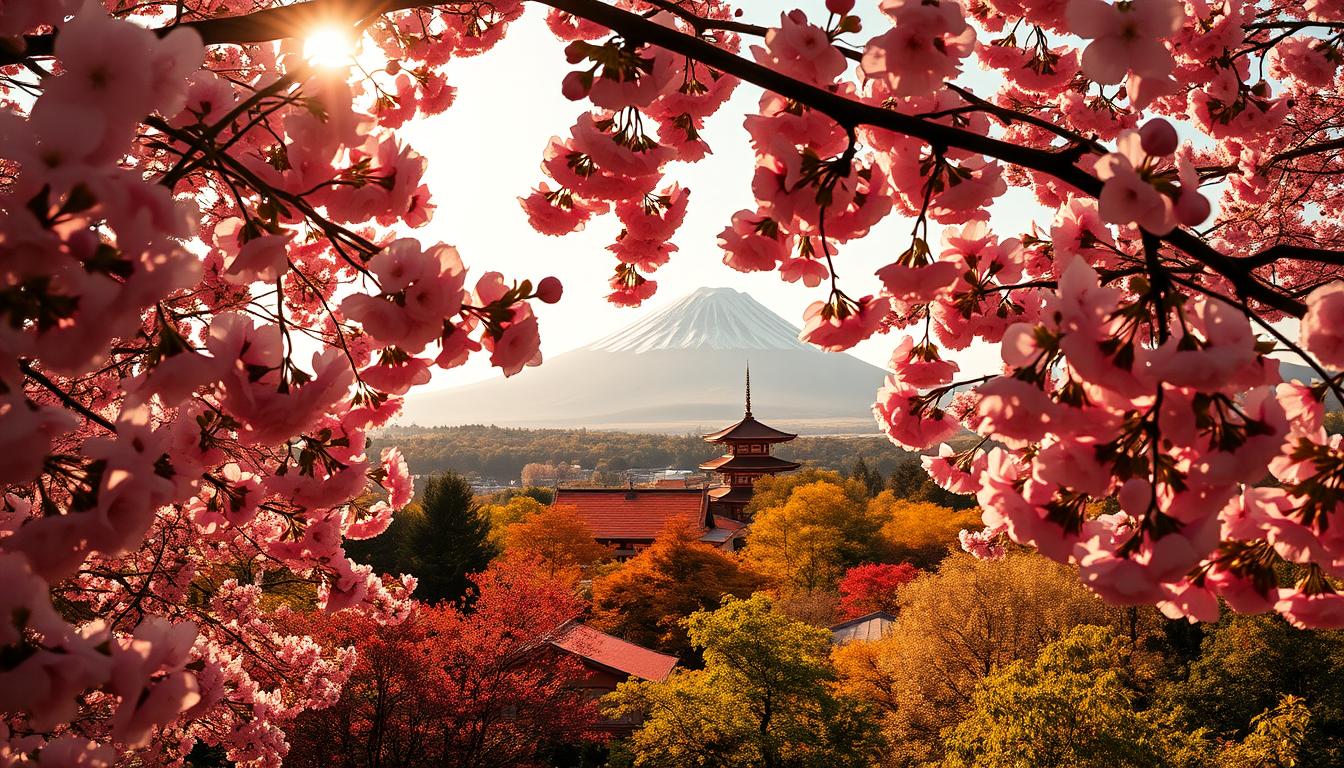
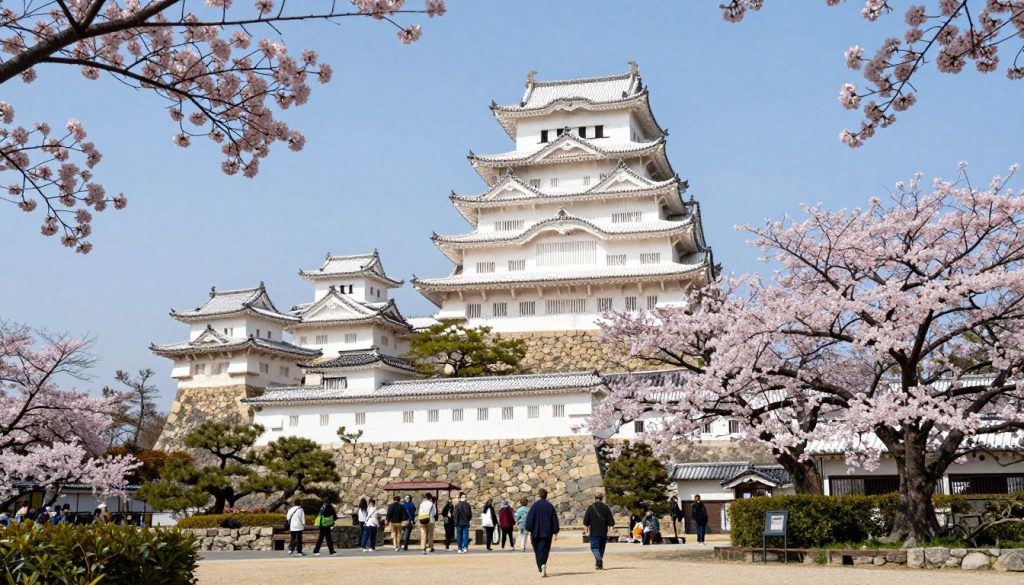
Himeji Castle and its gardens are famous for their changing beauty. In spring, cherry blossoms fill the grounds, drawing many visitors. Summer brings greenery, autumn colors, and winter snow.
The castle’s beauty changes with the seasons. It’s perfect for nature lovers, photographers, or anyone who loves beauty. The seasonal views at Himeji Castle are unforgettable.
Practical Visitor Information for Himeji Castle
Are you excited for your visit to Himeji Castle? Here’s the essential info to make your trip unforgettable.
Opening Hours and Entrance Fees
Himeji Castle welcomes visitors from 9:00 AM to 5:00 PM. The last entry is at 4:00 PM. Adults pay ¥1,000, and kids under high school age get in for ¥300. Prices might change for special events.
For the latest on opening hours and fees, check the official Himeji Castle website before you go.
Best Times to Visit for American Travelers
The best times for American visitors are spring (March to May) and autumn (September to November). These seasons offer mild weather and beautiful views. Spring brings cherry blossoms, and autumn has vibrant foliage.
Visiting then, you’ll also catch various festivals and events, enriching your experience.
Accessibility Information and Facilities
Himeji Castle aims to be accessible for everyone. The grounds and main keep have ramps and elevators. This makes it easier for those with mobility issues to explore.
Wheelchairs are available for loan at the information center. If you have other accessibility needs, contact the castle ahead of time to arrange.
Getting to Himeji Castle from Major Japanese Cities
Visiting Himeji Castle is easy, thanks to Japan’s great transportation. You can get there from Tokyo, Kyoto, and Osaka. The network is efficient, making travel simple.
From Tokyo to Himeji
The bullet train (Shinkansen) is the best way from Tokyo to Himeji. It takes 3.5 to 4 hours on the Nozomi or Mizuho trains. Start at Tokyo Station and get off at Himeji Station.
Or, take the Limited Express train. It takes 5-6 hours but is cheaper.
From Kyoto and Osaka to Himeji
Himeji is close to Kyoto and Osaka by train. From Kyoto, the JR Kobe Line or Shinkansen takes about 1 hour. From Osaka, it’s 1-1.5 hours by JR Kobe Line or Shinkansen.
Regular trains and direct lines make the trip easy.
Local Transportation in Himeji
After arriving at Himeji Station, getting to the castle is easy. Walking takes 20-30 minutes. Local buses also drop you off near the castle.
Knowing these travel options helps plan your trip to Himeji Castle. It makes your journey from major Japanese cities stress-free.
Guided Tours vs. Self-Guided Exploration
Himeji Castle lets visitors choose between guided tours and exploring on their own. This meets different needs and learning styles. Everyone can have a great time.
Official Tour Options and Prices
Guided tours at Himeji Castle are perfect for a structured visit. They’re in English and cover the castle’s history and architecture. Prices are around $10 to $20 per person.
Guided tours let you see parts of the castle you might miss on your own. The guides share interesting facts that make the castle even more special.
English-Language Resources for American Visitors
Himeji Castle welcomes English-speaking tourists well. There are English audio guides and printed materials. The castle’s website also has helpful information before you go.
Signs around the castle are in both Japanese and English. This makes it easy for visitors from abroad to get around.
Tips for Exploring on Your Own
Exploring Himeji Castle on your own can be fun. Here are some tips:
Start by looking at the castle’s map and planning your path. This way, you won’t miss important spots. Use audio guides or mobile apps for extra info as you explore.
Lastly, take your time. Self-guided tours let you enjoy the castle’s details at your own pace. Whether it’s a garden or an exhibit, you can spend as much time as you like.
The Recent Renovation: Preserving Himeji Castle
A big restoration project at Himeji Castle ran from 2009 to 2015. It focused on keeping the castle strong and improving visits for everyone.
Major Restoration Project (2009-2015)
The project was huge, needing careful planning and work. It fixed the main keep, walls, and gates. It also kept the castle’s look and feel the same.
Experts used old building methods and materials. This kept the castle true to its past. It made sure the new work fit right in with the old.
Changes and Improvements for Visitors
The project made visiting Himeji Castle better. It added new paths, signs, and ways to get around. This made it easier for people to see the castle.
It also let for new exhibits and displays. These help visitors learn more about the castle’s history and importance. Now, Himeji Castle is more fun and educational for visitors worldwide.
Thanks to the renovation, Himeji Castle is a lively cultural spot. It offers a special and educational experience for everyone who comes.
Photography Tips: Capturing Himeji Castle's Beauty
Capturing Himeji Castle’s beauty through photography is an art. It needs patience, timing, and understanding the castle’s changing beauty. Whether you’re a pro or just love taking pictures, Himeji Castle has many chances to take amazing photos.
Best Vantage Points Around the Castle
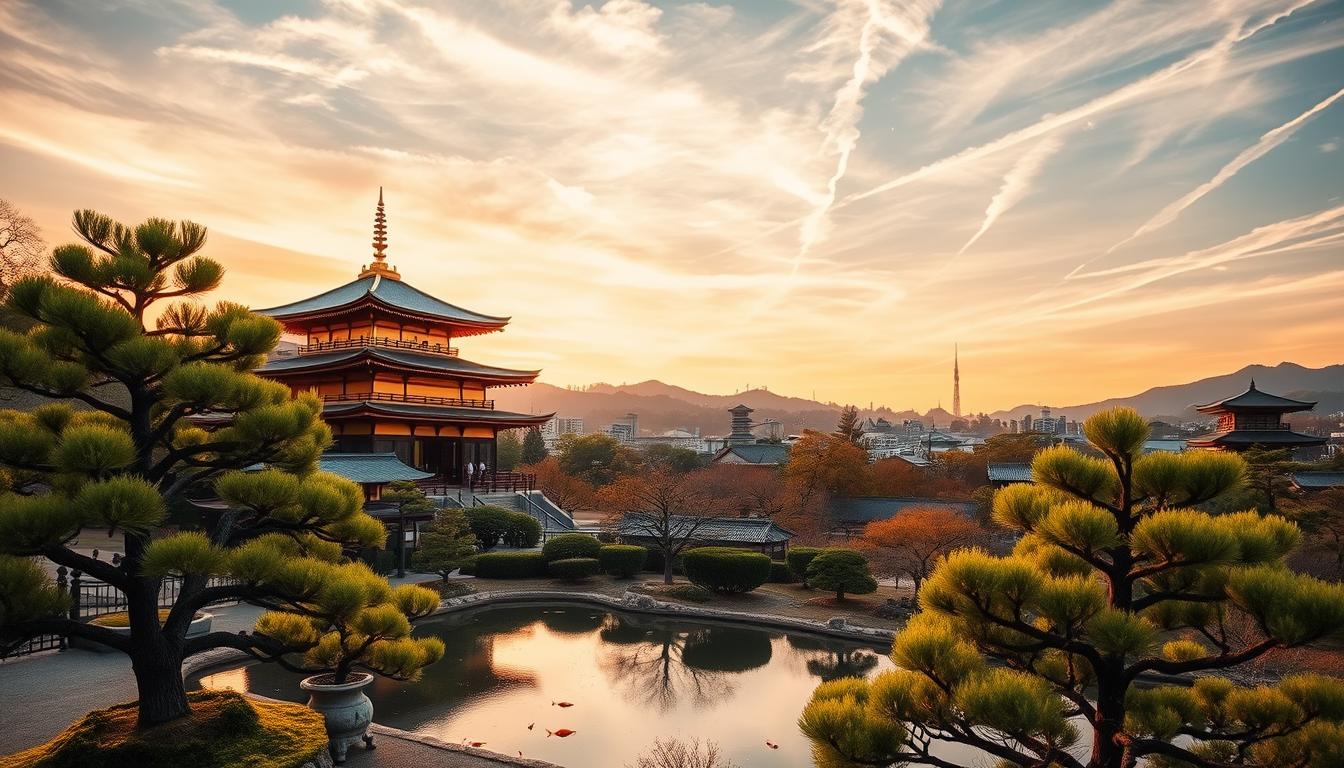
To get the best shots of Himeji Castle, explore the area and find the best spots. The castle’s reflection in the pond at Koko-en Garden is a favorite, best during the golden hour. This time, the soft light makes the castle’s white walls glow.
Another great spot is the west side of the castle. Here, you can take pictures of the castle against the hills. For something different, try the moat. It highlights the castle’s old defenses.
Seasonal Photo Opportunities
Himeji Castle is beautiful all year. Spring brings cherry blossoms, making a stunning scene. Summer’s greenery contrasts beautifully with the castle’s white.
Fall offers a colorful backdrop with changing leaves. Winter adds a serene touch, often with frost or mist. This creates a magical atmosphere.
Photography Restrictions and Etiquette
Photography is mostly allowed in the castle grounds. But, there are some rules. Tripods are okay in certain spots, but always check first.
Be respectful of others. Don’t use flash or block paths. Also, watch out for private or off-limits areas in the castle.
Cultural Impact: Himeji Castle in Film, Literature, and Art
Himeji Castle is more than just a historical site. It has influenced art, literature, and film around the world. This iconic landmark is a symbol of Japanese heritage, drawing in audiences globally.
Appearances in International Films
Himeji Castle has appeared in many international films. It’s used as a setting for epic stories and historical dramas. Its stunning architecture and peaceful surroundings make it a favorite for filmmakers wanting to show Japan’s beauty.
Notable films like “The Last Samurai” and “James Bond: You Only Live Twice” feature the castle. They highlight its grandeur, adding authenticity and cultural depth to the stories.
Representation in Japanese Culture
In Japanese culture, Himeji Castle is often seen in traditional art, literature, and festivals. It represents Japan’s rich history and architectural skill. Artists and writers are inspired to include its image in their work.
The castle is also featured in ukiyo-e woodblock prints, a traditional Japanese art form. This further solidifies its status as a cultural icon.
Artistic Inspirations
Himeji Castle’s beauty and historical importance have inspired many artists, architects, and designers. Its influence can be seen in various art forms, from paintings to literature. It is often used as a symbol of Japan’s cultural heritage.
The castle’s design and architecture have also inspired modern adaptations and interpretations. This ensures its continued relevance in today’s culture.
Comparing Himeji Castle to Other Japanese Castles
Himeji Castle is a standout among Japan’s many historical castles. But how does it compare to others like Matsumoto and Osaka Castles? This comparison will help us understand what makes Himeji Castle special and its importance in Japanese history and architecture.
Himeji vs. Matsumoto Castle
Matsumoto Castle, in Nagano Prefecture, is another well-preserved feudal castle in Japan. It’s known as “Crow Castle” because of its black exterior. Himeji’s white walls and elegant design stand out against Matsumoto’s more serious look.
Himeji Castle was built in the 14th century and was a key defensive spot. Matsumoto Castle, built a bit later, is famous for its original architecture that’s well-preserved.
Himeji vs. Osaka Castle
Osaka Castle, in Osaka, is a famous landmark and played a big role in Japan’s unification in the late 16th century. Unlike Himeji, Osaka Castle has been rebuilt several times due to wars and natural disasters. Today, it houses a museum and offers great views of the city.
Himeji Castle is known for its original architecture and peaceful beauty. Osaka Castle, on the other hand, is celebrated for its historical importance. Both castles are cultural icons, drawing millions of visitors each year.
What Makes Himeji Castle Unique
Himeji Castle’s uniqueness comes from its original architecture, beautiful gardens, and how it fits into the landscape. It showcases Japanese castle architecture and the country’s rich culture.
Unlike many other castles, Himeji has kept much of its original form. This makes it a valuable historical site. Being a UNESCO World Heritage Site highlights its cultural and historical importance.
Nearby Attractions: Extending Your Visit to Himeji
Himeji Castle is a must-see, but there’s more to explore. The area around it is full of cultural and natural wonders. Visitors can make their trip even better by checking out these attractions.
Mount Shosha and Engyoji Temple
Mount Shosha is just a short trip from Himeji Castle. It’s home to the historic Engyoji Temple, dating back to the 10th century. This place is not just religiously important but also has amazing views of Himeji city.
Himeji City Museum of Literature
The Himeji City Museum of Literature is great for literature fans. It has a collection of works and artifacts from authors connected to Himeji. It gives a peek into the city’s rich cultural and literary history.
Local Cuisine and Shopping Districts
Trying the local food is a must in Himeji. The city is known for its fresh seafood and traditional dishes. You can also find unique souvenirs and local products in the shopping districts.
Exploring beyond Himeji Castle reveals the city’s true charm. From spiritual sites and cultural spots to food and shopping, there’s plenty to see and do.
Conclusion: Is Himeji Castle Worth Visiting?
Himeji Castle is a top spot in Japan, blending history, architecture, and culture. Its white exterior and complex design have amazed visitors for ages.
We’ve looked into Himeji Castle’s history, from the 14th century to becoming Japan’s first UNESCO site. We’ve also talked about its stunning architecture, both for defense and beauty.
Whether you love history, architecture, or just want a real experience, Himeji Castle is a must-see. It’s famous in films, literature, and art, showing its big cultural impact.
In short, Himeji Castle is a key place for anyone visiting Japan. It offers a mix of history, culture, and natural beauty. So, is Himeji Castle worth visiting? Definitely.
FAQ
What is Himeji Castle, and why is it significant?
Himeji Castle, also known as White Heron Castle, is a UNESCO World Heritage Site. It’s one of Japan’s most iconic and well-preserved feudal fortresses. It’s famous for its architectural beauty and historical significance.
What are the visiting hours for Himeji Castle?
Himeji Castle is open from 9:00 AM to 5:00 PM. It’s a good idea to check the official website for any updates before you go.
How much is the entrance fee for Himeji Castle?
The entrance fee for Himeji Castle changes. As of the last update, it was about 1,000 yen for adults. There are discounts for students, seniors, and kids. Check the official Himeji Castle website for the latest fee.
Are guided tours available at Himeji Castle, and are they available in English?
Yes, guided tours are available at Himeji Castle, including some in English. You can check the official website or ask at the castle’s information center for the latest tour schedules and languages.
Can I take photographs inside Himeji Castle?
Photography is usually allowed inside Himeji Castle. But, there might be rules about tripods or flash. It’s best to ask castle staff or check the official guidelines for the latest photography rules.
What is Koko-en Garden, and is it included in the Himeji Castle entrance fee?
Koko-en Garden is a traditional Japanese landscape garden next to Himeji Castle. The fee for Koko-en Garden is usually separate from the castle’s fee. But, you might find combined tickets.
How do I get to Himeji Castle from major cities like Tokyo, Kyoto, or Osaka?
Himeji Castle is easy to reach by train from big cities. From Tokyo, take the Shinkansen to Himeji Station. From Kyoto or Osaka, take the JR Kobe Line or Shinkansen to Himeji. Then, use buses or walk a short distance to the castle.
Is Himeji Castle accessible for visitors with disabilities?
Himeji Castle has made efforts to be more accessible. It has ramps and elevators in some areas. But, some parts might be hard to get around. Check the official website for detailed accessibility info.
What are the best times to visit Himeji Castle to avoid crowds?
Visiting early in the morning or late in the afternoon can help you avoid crowds. Also, going during the week instead of weekends can make your visit more peaceful.
Are there any nearby attractions to Himeji Castle that are worth visiting?
Yes, there are nearby attractions like Mount Shosha and Engyoji Temple. There’s also the Himeji City Museum of Literature and local food and shopping areas. These offer a variety of cultural and leisure activities to enjoy with your visit to Himeji Castle.