
Table of Contents
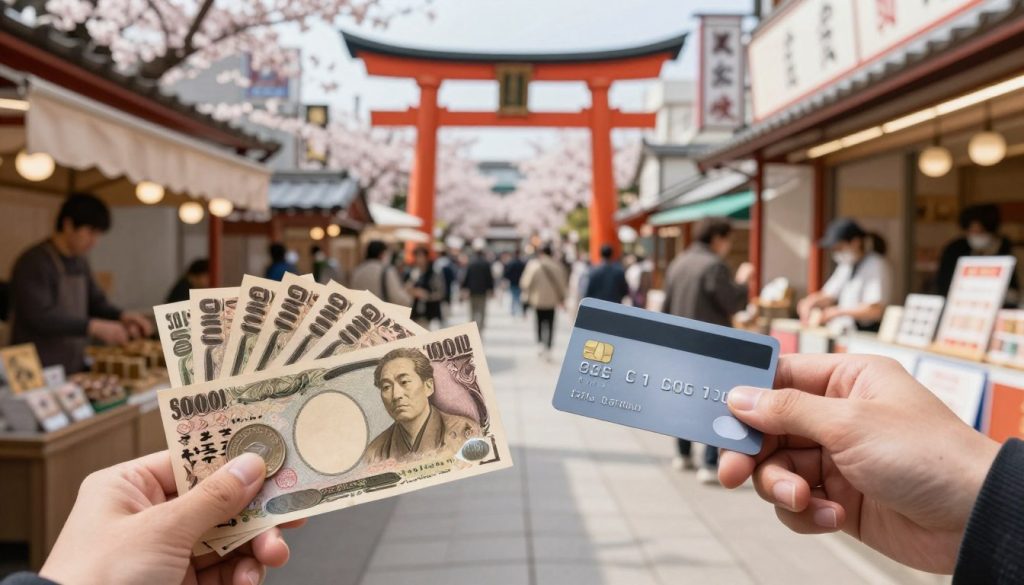
ToggleJapan is mostly a cash society, even with more credit card use. Many small businesses and local shops prefer cash. This is true for traditional restaurants too.
Travelers wonder, “How much cash should I bring?” It depends on your plans, where you stay, and how much you spend. Knowing Japan’s cash culture helps you enjoy your trip more.
Japan’s mix of old and new means some places take digital payments, but cash is key. Being ready with cash makes your trip better.
Key Takeaways
- Japan is mostly a cash-based economy.
- Credit card use is growing, but cash is preferred.
- Plan your budget based on your travel plans.
- Bring a mix of cash and credit cards.
- Some places, like traditional shops, may not take credit cards.
Understanding Japan's Cash-Based Culture
Japan is unique because it loves cash over cards, even in modern times. This is a big part of its culture that visitors should know about.
Why Japan Stills Relies Heavily on Cash
Japan’s love for cash comes from its history and culture. Many small businesses only take cash because of the costs of card fees. They also don’t trust digital payments as much.
Small, family-owned shops are common in Japan. They can’t handle card payments, so cash is the main way to pay.
Cultural Attitudes Toward Money in Japan
In Japan, money is seen as real wealth. People like cash because it’s something you can hold in your hand.
Also, avoiding debt is very important in Japan. Paying with cash upfront is seen as a way to stay financially responsible.
Recent Changes in Payment Acceptance
Japan is slowly starting to accept digital payments more. This change is thanks to the government and younger people who prefer cashless options.
Big cities like Tokyo are getting more places that take cards. But, cash is always the top choice, even in big cities. It’s even more true in rural areas and small businesses.
How Much Cash to Bring to Japan: General Guidelines
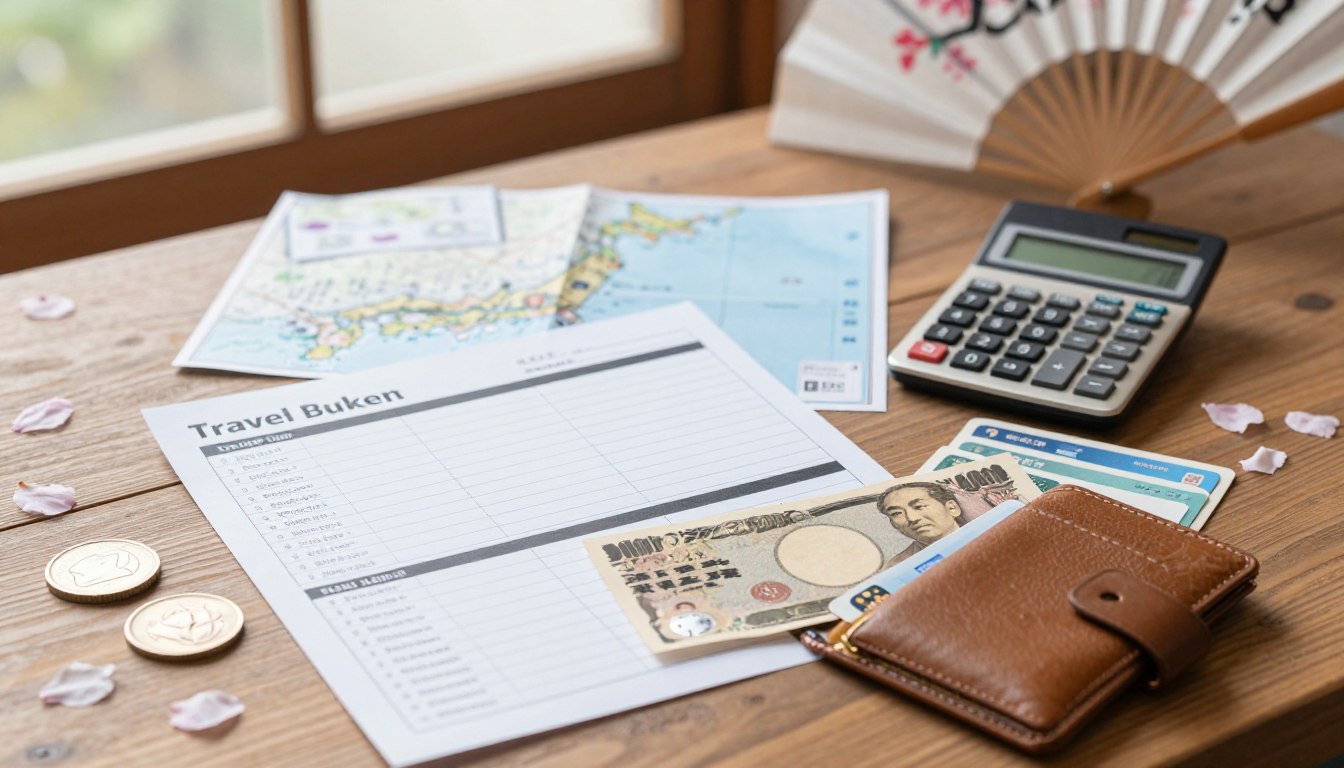
Deciding how much cash to bring to Japan depends on your plans and how long you’ll stay. Japan is mostly a cash society, but digital payments are growing. Knowing your cash needs can make your trip better.
Daily Budget Considerations
First, think about your daily budget for Japan. Your spending can change based on your travel style and what you do. Budget travelers might spend ¥5,000-¥10,000 ($45-$90 USD) daily. Mid-range travelers could spend ¥15,000-¥30,000 ($135-$270 USD) or more.
Luxury travelers might spend even more, on things like fancy hotels and dining.
It’s smart to split your budget into parts like where you stay, eat, travel, and what you do. For example, you could spend more on a hotel but eat cheaper at stores or street stalls.
Trip Length and Cash Requirements
The length of your trip affects how much cash you need. For short trips, bring a lot of cash for the start. For longer trips, mix cash and cards or use ATMs.
Longer trips mean more chances to see Japan, which can change your spending. You might visit pricier spots or join special events.
Emergency Cash Reserves
Always have some emergency cash, no matter the trip length. Unexpected costs can happen for many reasons. Having some extra cash can help you handle these situations.
Keep your emergency money separate from your regular cash. Use a different wallet or a safe spot. This way, you can use it when needed without affecting your daily spending.
Balancing Cash and Card Usage
Even though Japan is mostly cash-based, cards are getting more accepted, mainly among the young and in big cities. But, small shops, traditional places, and rural areas often prefer cash.
Use cash for small buys, local food, and transport. Use cards for big purchases, hotel bills, or online bookings. This mix helps you manage your money better and carry less cash.
Breaking Down Expenses in Japan
Planning a trip to Japan means knowing what expenses to expect. Japan can be pricey, but understanding costs helps you budget better. Whether you love food, shopping, or adventure, knowing typical costs in Japan is key to a great trip.
Accommodation Costs
Accommodation in Japan varies from cheap hostels to luxury ryokans. Budget hostels cost about $30-50 per night. Mid-range hotels are $80-150, and luxury stays can be over $300. Booking early and trying Airbnb can save money.
Transportation Expenses
Traveling in Japan is affordable with its great public transport. A Japan Rail Pass is good for long trips. Local travel, like subway rides, costs $2-3. IC cards like Suica or Pasmo make travel easy.
Food and Dining Costs
Food in Japan is a big part of the culture, with prices varying. Local meals cost $5-15, while mid-range restaurants are $15-30 per person. High-end sushi can be $50 to hundreds per person.
Shopping and Souvenirs
Japan is famous for shopping, from fashion to traditional items. Budgeting for shopping depends on your interests. Expect to spend $50-100 per person on average. Local markets and streets like Harajuku offer unique shopping experiences.
Japanese Yen: Understanding the Currency
Traveling to Japan means learning about the Japanese yen. It’s not just about exchanging money. It’s about knowing the different bills and coins and how to use them well.
Denominations of Japanese Yen
The Japanese yen has bills and coins. Bills are ¥1,000, ¥2,000, ¥5,000, and ¥10,000. Coins range from ¥1 to ¥500. Knowing these helps you during shopping.
Current Exchange Rates
It’s important to watch the exchange rate between your money and the yen. Rates change often. Check them online or with apps before and during your trip.
Recognizing and Using Japanese Money
Knowing the yen’s different bills is key. For example, ¥1,000 and ¥10,000 bills look similar. Being able to tell them apart helps you avoid mistakes.
Handling Coins Efficiently
Handling Japanese coins well saves time. Coins are common in Japan. Having ¥100 coins ready is helpful for vending machines and small buys.
Best Ways to Exchange Currency for Japan
Traveling to Japan means you need to know how to exchange money well. It’s important to do this without stress. There are many ways to exchange currency, but some are better than others.
Exchange Before Your Trip vs. In Japan
First, decide if you’ll exchange money before leaving or in Japan. Having some cash for when you arrive is smart. It helps with getting to your hotel or finding food.
But, it’s best to get most of your money in Japan. This way, you get better rates and avoid high fees. Use ATMs or go to a trusted exchange office.
Best Exchange Rates: Banks, Airports, and Exchange Offices
Finding the best exchange rates is important. Banks might offer good rates but have fees. Airports have high fees because they know you need money.
Look for exchange offices in tourist spots for better rates. Compare rates at different places. Some might give you a better deal on certain currencies.
Online Currency Exchange Services
Online services are popular for their ease and good rates. You can order yen online and get it delivered or pick it up. Some services let you load money onto a card for travel.
But, watch out for fees. They can add up. Make sure you understand what you’re paying for.
Avoiding Exchange Fee Traps
Stay away from hidden fees when exchanging money. Some places promise no fees but give bad rates. Be careful.
Dynamic Currency Conversion (DCC) is another trap. It lets you pay in your currency, but it’s expensive. Avoid it.
By knowing your options and comparing, you can save money. This way, your trip to Japan will be more enjoyable.
ATM Access and Cash Withdrawal in Japan
Getting cash in Japan is easy if you know the right spots. The country has many ATMs in stores, banks, and vending machines. Knowing how to use them makes your trip smoother.
International-Friendly ATMs
Not every ATM in Japan takes international cards. Look for ones with Visa, Mastercard, or PLUS logos. Stores like 7-Eleven, FamilyMart, and Lawson have these ATMs. They’re open 24/7, perfect for travelers.
Withdrawal Limits and Fees
ATMs in Japan might have limits and charge fees. The daily limit is usually ¥100,000 (about $900 USD). Some, like post office ATMs, have higher limits. Always check the screen for limits and fees before you withdraw.
7-Eleven, and Bank ATMs
7-Eleven ATMs are great for travelers, showing instructions in English. Bank ATMs, like Mitsubishi UFJ and Mizuho, also accept international cards. But, have a backup plan, as some bank ATMs might not take foreign cards.
Troubleshooting ATM Issues
If your card is declined, try another ATM or call your bank. Some ATMs don’t take chip cards or certain types. If problems persist, try a different card or use a cash advance at a bank.
Credit and Debit Cards in Japan
Traveling to Japan means understanding credit and debit cards better. Japan is moving from a cash-based culture to accepting cards more, mainly in big cities and tourist spots.
Where Cards Are Accepted
Big cities like Tokyo and Osaka now accept major cards like Visa, Mastercard, and American Express. You can use them in hotels, restaurants, and big stores. But, small shops, traditional eateries, and rural places often prefer cash.
Common Card Issues in Japan
Travelers often find that some cards aren’t accepted in smaller places or traditional spots. Also, not all ATMs take foreign cards, and there can be problems with chip or magnetic stripe compatibility.
Best Cards for Japan Travel
For Japan, choose cards with no foreign transaction fees. Cards with no ATM fees abroad are also good. Some credit cards offer travel insurance and rewards, which can help your trip.
Notifying Your Bank Before Travel
Always tell your bank or credit card company about your travel plans. This stops your card from being blocked for suspicious activity abroad.
Digital Payment Options in Japan
Japan’s digital payment scene is growing fast, giving visitors many choices. While cash is common, digital payments are getting more popular, helping tourists move around without lots of cash.
Suica and Pasmo IC Cards
IC cards like Suica and Pasmo are super handy in Japan. They’re not just for trains but also for buying things at stores, vending machines, and some eateries.
To use them, just tap the card on the reader. You can buy them at train stations and some spots. They’re easy to top up at many places in the city.
Mobile Payment Apps
Mobile payment apps are becoming more popular in Japan. You can use Apple Pay, Google Pay, or Samsung Pay with your card.
Japanese companies also have their own apps like PayPay and LINE Pay. They offer cashback and other perks, appealing to both locals and visitors.
QR Code Payment Systems
QR code payments are becoming more common in Japan. With PayPay, you can pay by scanning a code at shops and restaurants.
This is great for small buys and is accepted at many places, including street vendors.
Setting Up Digital Payments as a Tourist
Visitors should get a Suica or Pasmo card when they arrive. You can buy them at big train stations.
For mobile apps, check if your phone works and link it to a card. Some apps might need a Japanese phone number, but many are open to tourists.
Using these digital payments can make your trip to Japan easier and more fun.
Budgeting for Different Types of Japan Trips
Japan offers something for everyone, from backpackers to luxury travelers. The key is to budget right for your travel style.
Budget Travel in Japan (Under $100/day)
Traveling Japan on a budget needs planning. Stay in hostels for $15-30 a night. Eat at local spots or convenience stores for $3-5 meals.
Use a Suica or Pasmo card for cheap transport. Many temples and gardens are free or low-cost. A Japan Rail Pass is good for train travel.
Mid-Range Travel Expenses ($100-300/day)
For a mid-range budget, stay in mid-range hotels or Airbnb for $80-150 a night. Try local restaurants and izakayas for $15-30 meals.
Enjoy premium experiences like a traditional tea ceremony or onsen visit. Use the same Suica or Pasmo card for transport.
Luxury Japan Experience ($300+/day)
Luxury travelers get high-end hotels, fine dining, and exclusive experiences. Luxury hotels and ryokans start at $300 a night.
High-end dining, including Michelin-starred restaurants, is unforgettable. Private tours and exclusive attractions are available for splurging.
Family Travel Budget Considerations
Family travel budgets are more complex due to age and interests. Book larger accommodations for your family. Many attractions offer discounts for kids.
Plan for family-friendly activities like Tokyo Disney or Universal Studios Japan. Also, consider family-friendly onsen. Look for package deals to save money.
Safety Tips for Carrying Cash in Japan
When you visit Japan, knowing how to keep your cash safe is key. Japan’s love for cash is part of its beauty. But, it means travelers need to watch their money closely.
Secure Storage Options
Start by using safe places to keep your cash. A hotel safe or a money belt are good choices. They add extra protection against thieves.
Splitting Up Your Cash
Don’t carry all your cash in one spot. Spread it out in different bags or pockets. This helps if you get pickpocketed or lose money. You’ll have a backup for emergencies.
What to Do If You Lose Your Money
If you lose your money, stay calm. Try to find it by retracing your steps. If it’s gone, tell your hotel or the police. Having copies of important documents, like your passport, can also help.
Insurance and Emergency Assistance
Travel insurance that covers theft or loss is very useful. It can help with money problems and offer emergency help. Always check what your policy includes before you go.
By following these tips, you can reduce risks when carrying cash in Japan. This makes your trip more fun and less stressful.
Regional Differences in Cash Requirements
Traveling from Tokyo to rural Japan requires knowing about cash needs. Japan’s cash culture changes a lot by region. Being ready can greatly improve your trip.
Tokyo vs. Rural Areas
Tokyo is very tech-savvy, but some places prefer cash. This includes small eateries and traditional stores.
Rural Japan relies more on cash because of less digital payment options. It’s wise to carry more cash in rural areas. ATMs and card acceptance are often scarce.
Tourist Destinations vs. Off-the-Beaten-Path
Places like Kyoto, Osaka, and Hiroshima welcome international visitors. Many accept credit cards and digital payments.
But, off-the-beaten-path spots often only take cash.
Special Considerations for Festivals and Events
Japan’s festivals and events draw big crowds. Some vendors might only take cash, even in places that usually accept digital payments.
It’s smart to check local payment habits before big events.
Seasonal Travel Differences
Seasonal travel affects your cash needs. For example, cherry blossom season or New Year (Oshogatsu) might have different payment rules.
Knowing these seasonal changes helps you budget better.
Money-Saving Tips for Japan Travel
Japan offers a mix of old traditions and new tech, perfect for travelers. But, it can be pricey if you’re not smart about it. Knowing a few tricks can help you have a great time without spending too much.
Tax-Free Shopping
Shopping in Japan can be cheaper with tax-free deals. Stores give discounts to tourists, saving you on taxes. Just spend a bit and show your passport. Look for these deals in places like:
- Major department stores like Isetan and Mitsukoshi
- Electronic shops in Akihabara
- Fashion districts like Ginza and Omotesando
Discount Passes and Cards
Discount passes and cards can cut your travel costs in Japan. The Japan Rail Pass is great for train travel across the country. Other cards like Suica and Pasmo make local travel easy. Also, consider passes for attractions and public transport in big cities.
- Suica and Pasmo cards for convenient travel on local trains and subways
- Discount passes for attractions and public transportation in major cities like Tokyo and Osaka
These cards save money and make travel easier.
Economical Dining Options
Dining in Japan can vary from cheap to expensive. To save, try:
- Eating at local izakayas or food halls
- Opting for set menus or combo meals at restaurants
- Visiting convenience stores or supermarkets for quick and affordable meals
Street food at festivals or markets is also tasty and cheap.
Timing Your Visit for Better Rates
When you visit Japan affects prices. Off-season or shoulder season trips can be cheaper. Also, visiting during festivals can offer special experiences without extra cost.
With these tips, you can have a budget-friendly trip to Japan. You won’t miss out on the unique experiences this country offers.
Conclusion: Managing Your Money Wisely in Japan
Traveling to Japan means you need to think about how you’ll handle your money. You’ll find a mix of old and new ways to pay. Knowing how to manage your money will make your trip smoother.
It’s smart to carry both cash and cards. Even though cash is key in Japan, cards are getting more popular, mainly in tourist spots. Having both will help you out, whether you’re buying gifts or eating at local places.
Using digital payment options like Suica or Pasmo IC cards can make traveling easier. Also, knowing the exchange rates and having a plan for emergencies will make your trip better.
By following these tips, you’ll be ready to handle your money in Japan. Enjoy your time and dive into Japan’s rich culture.