
Table of Contents
ToggleMany people assume Japan is one of the most expensive countries in Asia to visit — but that’s only part of the story. While some experiences (fine dining, peak-season hotels, long-distance flights) can add up, careful planning shows travel to Japan can fit a wide range of budgets.
Practical example: a budget traveler can have a full day in Tokyo for roughly $50–$80 (hostel or capsule, konbini meals, local metro and free sights), whereas a splurge day with a ryokan stay, kaiseki dinner, and Shinkansen tickets can easily exceed $300. Knowing which parts of your trip matter most — accommodation, food, transport, or activities — makes it much easier to plan your trip and control cost.
Key Takeaways
- Whether Japan feels expensive depends on your travel style; there are plenty of affordable and luxury options.
- Accommodation ranges from budget capsule hotels and hostels to high-end ryokans and international hotels.
- Food offers huge variety — cheap, excellent meals are available alongside Michelin-starred dining.
- Transportation costs can be managed with the right passes and planning.
- Set a realistic budget before you go and you can enjoy Japan without breaking the bank — read on for sample budgets, booking tips, and money-saving strategies.
Understanding the Cost of Traveling to Japan
Japan blends centuries-old tradition with cutting-edge technology, and that mix shows up in prices. Knowing the main cost drivers — currency, regional differences, and typical daily expenses — is the fastest way to plan a stress-free trip and set a realistic budget.
Currency Exchange: Yen to USD Conversion
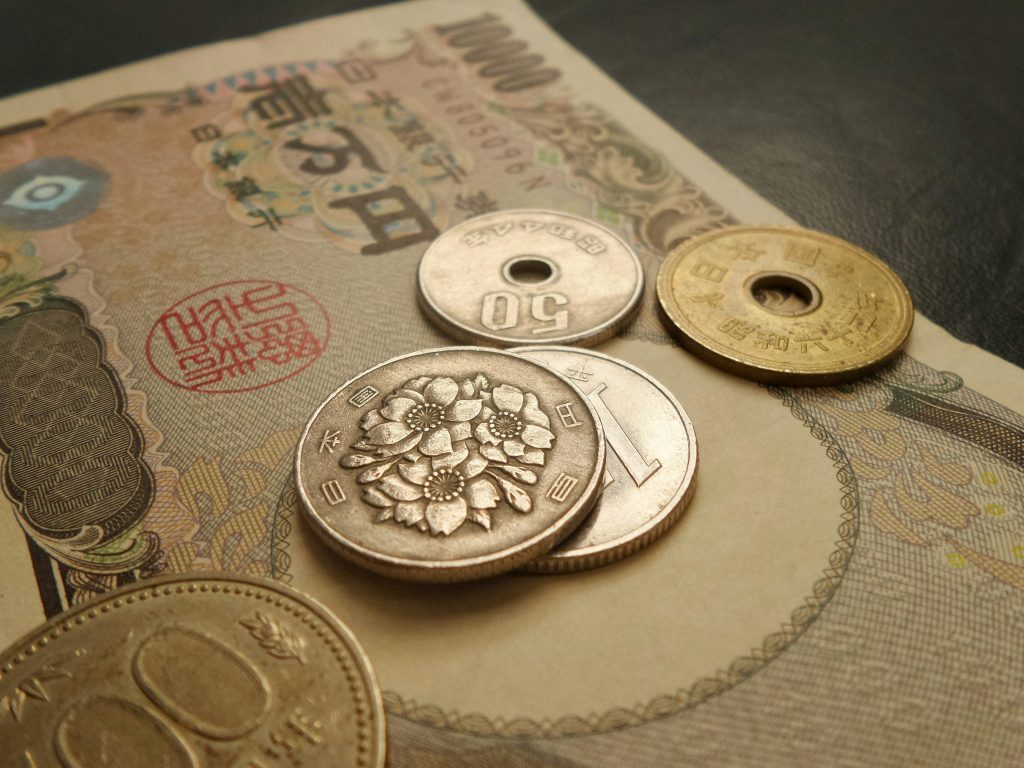
The Japanese currency is the yen (JPY). Exchange rates fluctuate, so check a live converter before you book — for example, as of recent months ¥10,000 has typically been roughly $65–$95 depending on market swings. A simple budgeting trick: think in groups of ¥1,000 (about $6–$9) to make quick mental conversions while shopping.
Practical tips: order some yen before you leave to avoid airport markups, carry a mix of cash and a fee-free travel card, and install a currency app (XE, Revolut, or your bank’s app) to track exchange-rate swings during your trip. Remember that cash is still preferred in many rural areas and smaller shops.
Cost Comparison: Japan vs. Other Asian Destinations
Japan is not the cheapest destination in Asia, but it isn’t always the priciest either. Broadly speaking:
- Japan vs. Singapore/Australia: Japan is generally more affordable than Singapore and many parts of Australia for accommodation and dining, though flights and certain services can be comparable.
- Japan vs. China/Thailand/Vietnam: Japan tends to be more expensive than budget-focused destinations like Thailand and Vietnam, and in many cases pricier than much of China, especially for meals and hotels in major cities.
Use cost-of-living and travel-price indexes (Numbeo, Expatistan) to compare current prices for meals, hotels, and transport. Those indexes will help you see whether Japan fits your target budget for a trip.
Regional Price Differences: Tokyo vs. Rural Japan
Prices vary significantly by region and city. Tokyo and other major cities (Osaka, Kyoto) command higher prices for hotels, dining, and nightlife, while smaller cities and rural areas offer much lower rates and different experiences.
- Tokyo and major cities: Expect higher accommodation prices (business hotels and international chains), more fine-dining options, and higher entry fees for some attractions. Typical mid-range hotel nights in big cities are often in the $80–$180 range, depending on season.
- Rural Japan and smaller cities: You’ll find cheaper accommodation and meals, and many free or low-cost cultural experiences (shrines, local festivals, nature). Rural stays can also include traditional ryokan or shukubo that sometimes offer better value when meals are included.
Quick reference (typical price ranges by region):
- Major cities (Tokyo, Osaka, Kyoto): breakfast/coffee $3–6; casual meal $8–20; mid-range hotel $80–180 per night.
- Smaller cities / rural areas: breakfast/coffee $2–4; casual meal $5–12; local business hotels or guesthouses $40–100 per night.
These ranges vary by season (cherry blossom and autumn are peak times), so plan and book accommodations early if you travel during those periods.
Breaking Down Major Travel Expenses in Japan
To budget effectively for travel in Japan, break costs into the big four: accommodation, transportation, food, and attractions. Prices vary widely by season and city, so understanding typical ranges and realistic examples will help you choose the best options for your trip.
Accommodation Costs
Accommodation options in Japan cover the full spectrum from no-frills capsule pods to luxurious ryokans. Expect big differences in comfort and price depending on city and timing.
- Capsule hotels and hostels: The cheapest option in major cities; many capsules start around $20–$40 per night (roughly ¥3,000–¥6,000). These are great for solo travelers who want a clean, safe place to sleep.
- Business hotels and guesthouses: A common mid-range choice in cities like Tokyo and Osaka. Typical rooms run $50–$120 per night (¥7,000–¥16,000) and include basic amenities and private bathrooms.
- Mid-range hotels and Airbnbs: Expect $80–$180 per night (¥11,000–¥25,000) in major cities, with bigger rooms and more comforts — good for couples and small families.
- Ryokans and luxury hotels: Traditional ryokan stays (often including dinner and breakfast) typically start around $100–$200+ per night (¥14,000+), while high-end hotels can run several hundred dollars per night.
Practical booking tips: reserve early for peak seasons (cherry blossom/autumn), consider staying a night outside the city center to save, and check cancellation policies. Recommended booking platforms include major OTAs (Booking.com, Agoda) and niche sites for ryokans and capsule hotels.
Transportation Expenses
Japan’s transportation network is efficient but can be the largest variable in your travel budget. Trains are the backbone — from local subways to the Shinkansen (bullet train).
- Japan Rail Pass: A strong value for long, multi-city trips. Prices have changed over time, so compare the current cost of a 7-day pass versus buying individual tickets for your planned itinerary. The pass covers most JR trains, including many Shinkansen services (note exceptions — some fastest Nozomi and Mizuho services are excluded).
- IC cards (Suica, Pasmo): Rechargeable smart cards for city transport and many shops. They require a small deposit and are convenient for short trips and local trains.
- Point-to-point fares and regional passes: For shorter trips or travel within one region, regional rail passes or single tickets may be cheaper than a nationwide rail pass.
- Budget airlines and buses: Low-cost carriers can be cheaper for long island hops; overnight highway buses are an economical way to cover long distances while saving a night’s accommodation cost.
Booking guidance: map your long-haul legs first (e.g., Tokyo ↔ Kyoto ↔ Hiroshima) and calculate pass vs. single-ticket costs using a fare lookup or rail-pass calculator. Travel during off-peak hours to reduce seat-reservation fees and crowds.
Food and Dining Expenses
Food is one of the best ways to control your daily spending: Japan offers meals at every price point, and inexpensive, high-quality options are plentiful.
- Convenience stores (konbini): Onigiri, bento boxes, sandwiches and hot items for $3–$6 (¥400–¥900) — a reliable budget meal option.
- Casual restaurants and ramen shops: Expect $8–$20 (¥1,100–¥2,800) for a hearty meal at a local spot.
- Mid-range dining and izakayas: $15–$40 (¥2,000–¥5,500) per person depending on courses and drinks.
- Fine dining and kaiseki: Specialty meals and Michelin-starred restaurants can be $100–$300+ (¥14,000–¥40,000+), especially in major cities.
Money-saving tips: eat where locals go (backstreets, markets), use set-lunch menus (teishoku) for value, and mix konbini meals with one or two splurge dinners if you want to control overall food costs.
Attraction and Activity Fees
Costs for activities range from free shrine visits and parks to pricey theme parks and cultural experiences.
- Temples and shrines: Many are free or request small donations; some charge modest entry fees ($3–$10 / ¥300–¥1,200) for special halls or gardens.
- Museums and paid cultural sites: $5–$20 (¥700–¥2,800) depending on the attraction.
- Theme parks and large attractions: Tokyo Disneyland and Universal Studios Japan typically charge around $50–$75 (¥7,000–¥10,000) for day tickets.
- Experiences (tea ceremonies, guided tours): Prices vary widely — budget $20–$100+ depending on the length and inclusions.
Tip: look for combination passes and city tourist cards that bundle transport and attraction entry to save money in major cities.
Putting it together: a budget traveler in major cities can expect to pay roughly $50–$100 per night for accommodation + $10–$30 for food + $5–$20 for local transport, while mid-range travelers often budget $100–$250 per day including mid-range hotels, regional train travel, and several paid activities. Use the breakdown above to tailor the daily cost to your preferred balance of comfort and experiences.
Is Japan Expensive to Visit? The Real Answer
Short answer: it depends. Japan can feel expensive compared with some Southeast Asian countries, but whether it’s “expensive” for you comes down to how you plan your trip, how many days you stay, and which experiences you prioritize. With smart choices you can keep costs comparable to many Western destinations — or you can splurge and make it a luxury trip.
Sample Budgets for Different Travel Styles
Below are realistic sample daily budgets and short itineraries that show how money is typically spent. All amounts are approximate and will vary by season and city.
Budget traveler — $50–$100 per day
- Typical spend: capsule/hostel ($20–$40 per night), konbini breakfasts and street-food lunches ($6–$12), occasional ramen or set lunches ($8–$15), local subway and buses ($5–$10), free or low-cost sights.
- Sample 3‑day micro-itinerary: Tokyo — stay in a capsule/hostel; explore Asakusa and Ueno Park; day 2 use local trains to visit Yokohama; day 3 visit free museums and markets.
Mid-range traveler — $100–$250 per day
- Typical spend: business hotel or private Airbnb ($80–$140 per night), sit-down meals and izakayas ($15–$40 per meal), a couple of long-distance trains or a regional rail pass, paid museums and a guided tour.
- Sample 5‑day itinerary: Tokyo → Kyoto via Shinkansen (consider JR Pass or single tickets depending on legs); stay in mid-range hotels; mix konbini meals and mid-range dinners; book one cultural experience (tea ceremony, museum).
Luxury traveler — $250+ per day
- Typical spend: ryokan or upscale hotel ($200+ per night), fine dining / kaiseki meals ($100+ per person), private transfers or domestic flights, premium guided experiences and multiple paid attractions.
- Sample 4‑day luxury break: Tokyo shopping and Michelin restaurants, private Shinkansen transfers to Hakone for an onsen ryokan with multi-course meals, concierge tours.
Example longer trip costs (illustrative):
- Solo backpacker, 10 days (budget): roughly $700–$1,000 total.
- Couple, 4 weeks (mid-range): the article’s earlier example of ~¥850,000 (~$8,700) is in the right ballpark depending on exchange rates — verify current yen-to-USD conversion before final budgeting.
- Family of four, 10–14 days (mid-range): often $4,000–$8,000 depending on hotels and internal transport choices.
Hidden and Unexpected Costs Many Travelers Miss
Plan for these so they don’t derail your budget:
- Travel insurance: Good travel medical coverage (including emergency evacuation) is recommended — policies vary but budget $50–$150 per person for typical trip coverage depending on age and length of trip.
- Accommodation add-ons: Some ryokans and hotels charge extra for onsens, futon setups, resort fees, or local taxes that aren’t included in the initial rate.
- Transport extras: Seat reservations, luggage forwarding (takkyubin), and last-minute train reservations can add up — factor these into long-distance travel days.
- Specialty experiences and food: Trying specialty foods (wagyu, high-end sushi, kaiseki) or certain cultural experiences can be expensive — build a separate “splurge” line in your budget.
- Connectivity and small fees: Pocket Wi-Fi or SIM cards, coin lockers, and ATM fees (especially if using non-Japan-friendly cards) are often overlooked.
Practical tips to turn the “expensive” into “affordable”
- Decide what matters most (comfort, food, experiences) and allocate money there — you can save on other days.
- Compare Japan Rail Pass vs. single-ticket costs for your exact itinerary; the pass is usually worth it if you have multiple long Shinkansen legs within 7–21 days.
- Mix accommodation types: a few splurge nights in a ryokan plus budget nights in capsules or business hotels lowers average per night costs.
- Travel off-peak (winter excluding New Year, late autumn after foliage) for lower prices and fewer crowds.
Bottom line: Japan can be as budget-friendly or as luxurious as you make it. Use the sample budgets above, add the hidden costs into your planning, and check current yen pricing and ticket rates (especially for flights and long-distance trains) to build a tailored, realistic trip budget.
Money-Saving Strategies for an Affordable Japan Vacation
Traveling to Japan on a budget is absolutely possible with a little planning and the right trade-offs. Whether you care most about food, culture, or comfortable hotels, the trick is to pick a few priorities and economize on the rest. Below are practical strategies, examples, and tools to make your trip japan budget-friendly without missing the experiences that matter.
Timing Your Visit: Seasonal Price Fluctuations
When you travel has a big effect on prices. Peak windows — cherry blossom season (late March–early April in many places) and autumn foliage (typically November in many parts) — drive up flights, hotel prices, and attraction crowds.
- Do: Visit in shoulder or low season (late autumn after foliage, winter outside New Year, or early summer before peak travel) to score lower hotel rates and fewer crowds.
- Don’t: Book last-minute during sakura or peak Golden Week holidays if you want bargains — prices and availability tighten fast.
Practical example: a mid-range hotel in Tokyo that costs $180 per night during peak cherry blossom may drop to $100–$120 in low season — that difference adds up fast on a multi-night trip.
Accommodation Hacks: Capsule Hotels, Temple Stays, and Mix-and-Match Plans
Accommodation is one of the biggest levers for your budget. Japan offers diverse options from capsule hotels to traditional ryokans; mixing types during a trip gives comfort without constant high cost.
- Capsule hotels: Modern, clean, and compact — a typical starting price in major cities is about $25–$40 per night. Great for solo travelers and short stays.
- Business hotels and guesthouses: Good mid-range value with private rooms and reliable amenities — often $50–$120 per night in cities.
- Temple stays (shukubo): Affordable cultural stays that sometimes include meals; prices vary but can be good value, especially when dinner and breakfast are included.
- Mix-and-match approach: Combine 1–2 splurge nights in a ryokan with cheaper city nights in capsules or business hotels to lower average per night costs.
Booking tips: use dedicated search filters for capsule hotels and ryokans on Booking.com, Agoda, and specialized sites (JapaneseGuesthouses, Jalan). Book early for peak dates and check cancellation policies.
Transportation Tips: When a Rail Pass Pays Off (and When It Doesn’t)
Transport is another major budget variable — and the Japan Rail Pass (and regional passes) can be the single biggest money-saver if used correctly.
- Japan Rail Pass basics: The nationwide rail pass is best when your trip includes multiple long Shinkansen rides across regions within a short window (e.g., Tokyo → Kyoto → Hiroshima). It covers most JR trains, including many Shinkansen trains (but excludes some fastest services like Nozomi/Mizuho).
- When the JR Pass is worth it: If you plan several long-distance legs in 7–21 days, the pass often saves money and simplifies ticketing.
- When to skip it: If you’re staying in one city or region (e.g., only Tokyo and nearby day trips) or traveling slowly by local trains and buses, point-to-point fares, regional passes, or an IC card (Suica/Pasmo) are usually cheaper.
Worked example (7-day route): Tokyo → Kyoto → Osaka → Nara → Kyoto. Rough calculation — buying individual Shinkansen and local tickets for these legs can approach or exceed the price of a 7-day JR Pass; use a rail-pass calculator to compare exact fares for your dates.
Other transport tips:
- IC cards (Suica/Pasmo): Rechargeable cards for local subways, buses, and many convenience-store purchases — convenient and low-fee.
- Budget flights: For long island hops (e.g., Tokyo ↔ Sapporo or Okinawa), low-cost carriers can be cheaper than trains if you watch baggage fees and book early.
- Night buses and highway buses: A budget way to travel long distances while saving on one night of accommodation.
- Luggage forwarding (takkyubin): A smart way to travel light on trains — costs a modest fee but often worth it for comfort and convenience.
Dining Strategies: Eat Like a Local to Save
Food in Japan ranges from ultra-budget to world-class splurges. Choosing where and how you eat can dramatically change daily costs without sacrificing quality.
- Konbini (convenience stores): Reliable, inexpensive meals (onigiri, bento, prepared hot items) for about $3–$6 each — perfect for breakfasts or quick lunches.
- Casual shops and ramen: Authentic, filling meals for $8–$15; look for local lunchtime set menus (teishoku) for value.
- Izakayas and mid-range restaurants: Great for groups and sharing; expect $15–$40 per person depending on drinks and courses.
- Splurge smart: Reserve one or two special meals (high-end sushi, kaiseki) and balance the rest of your meals with budget options to control the overall food budget.
Neighborhood tip: explore less-touristy neighborhoods (Shimokitazawa, Kichijoji) for affordable local favorites and hidden gems.
Do/Don’t Quick Checklist
- Do compare JR Pass vs single tickets before buying — use a fare calculator with your exact itinerary.
- Do book hotels early for peak seasons and consider one-night stays outside city centers to save.
- Do carry some cash — many rural shops prefer yen — and use IC cards for daily convenience.
- Don’t assume the nationwide rail pass is always cheaper; run the numbers for your trip japan route.
- Don’t forget small recurring costs: pocket Wi‑Fi, SIM cards, coin lockers, and ATM fees.
Apps, Tools, and Resources
- Railpass calculators and timetables: Hyperdia (or modern equivalents), JR East‘s site, and official JR Pass fare calculators.
- Booking & price comparison: Booking.com, Agoda, Rakuten Travel, Jalan, and Airbnb for lodging options.
- Budget flights: Check Skyscanner, Google Flights, and local LCCs (Peach, Jetstar Japan, Vanilla Air) for domestic routes.
- Food and local discovery: Google Maps, Tabelog (reviews for restaurants), and local blogs for neighborhood picks.
- Currency and payments: XE or your bank’s app for live rates; Revolut or fee-free travel cards to reduce conversion fees.
Micro-Checklist: Should You Buy a Rail Pass?
- List your long-distance legs and estimate single-ticket costs for each (use a fare lookup tool).
- If the sum of those fares ≈ or > the rail pass price for your travel window, buy the pass.
- If staying mostly within one city or region, skip the nationwide pass and get an IC card + consider regional passes.
- Buy the pass only after your dates are fixed — and check whether purchasing pre-arrival or in-country is required for your pass type.
With these strategies — choosing off-peak dates, mixing accommodation types, calculating rail-pass value, and eating like a local — you can make a budget-friendly trip japan without missing the experiences that make the country special. Small changes in transport and lodging choices will often save the most money while leaving the cultural highlights intact.
Conclusion: Planning Your Japan Budget Realistically
In short: is japan expensive to visit? It can be — or it can be surprisingly affordable — depending on the choices you make. With realistic expectations and a few smart decisions about accommodation, transportation, and dining, you can build a trip that matches your budget and priorities.
Balance is key: plan how many days you’ll spend in major cities versus smaller towns, decide which experiences you’ll splurge on, and cut costs elsewhere. A well-constructed japan trip budget accounts for accommodation, local transportation, meals, and activities — and leaves room for unexpected expenses.
Quick 4‑step planning checklist
- Decide your priorities: comfort, food experiences, or seeing more places — allocate money where it matters most.
- Estimate major costs: nights × average per night price, likely long-distance trains or flights, and daily meal/transport allowances.
- Calculate rail pass value: list long-distance legs and compare the total single-ticket cost to a suitable pass (if your trips include multiple Shinkansen journeys, a pass often pays off).
- Protect your wallet: buy travel insurance, bring some yen for rural areas, and carry a fee-free card for larger purchases.
Examples to keep in mind: budget travelers can often manage on $50–$100 per day by using capsule hotels, konbini meals, and local trains; mid-range travelers usually plan $100–$250 per day for business hotels, regional travel, and paid attractions; luxury trips can exceed $250 per day when staying in ryokans and dining at high-end restaurants. These are starting points — check current prices in yen and convert to your home currency before finalizing your budget.
FAQ
Is Japan really expensive to visit?
It depends on travel style and season. Japan can be more expensive than parts of Southeast Asia, but with capsule hotels, konbini meals, and smart transport choices you can travel cheaply; alternatively you can spend more than in many Western countries if you choose luxury hotels and fine dining.
How much should I budget for a trip to Japan?
Typical ranges: budget travelers –0/day; mid-range 0–0/day; luxury 0+/day. For per night accommodation, budget options can be –, while mid-range rooms often run –0 per night — confirm current prices in yen and convert to your home currency.
What are the biggest expenses when traveling to Japan?
The largest costs are accommodation, intercity transportation, and special dining or paid experiences. To save money, mix accommodation types, plan travel legs to maximize any rail pass value, and choose a few splurge experiences rather than many.
Are there affordable accommodation options in Japan?
Yes. Capsule hotels, hostels, business hotels, guesthouses, temple stays, and many Airbnbs provide affordable options across cities and regions.
How can I save money on transportation in Japan?
Calculate whether a rail pass pays for your itinerary — it’s often worth it for multiple long-distance Shinkansen trips. For city travel, use IC cards (Suica/Pasmo) and consider night buses or budget flights for long hops.
What are affordable dining options in Japan?
Eat like locals at konbini, ramen shops, izakayas, and markets for excellent value. Reserve a couple of special meals if you want high-end experiences without a high daily average cost.
Can I use credit cards in Japan?
Credit cards are widely accepted in cities, but cash is still preferred in many rural shops and some small places. Bring some yen on arrival and use a fee-free card when possible to reduce conversion costs.
Final CTA: Want a personalized estimate? Use a rail-pass calculator, pick your preferred number of nights in each city, and plug in the sample per-night and per-day ranges above to create a realistic trip japan budget. If you’d like, I can build a sample 7‑ or 14‑day budget for your exact route and travel dates.