
Table of Contents
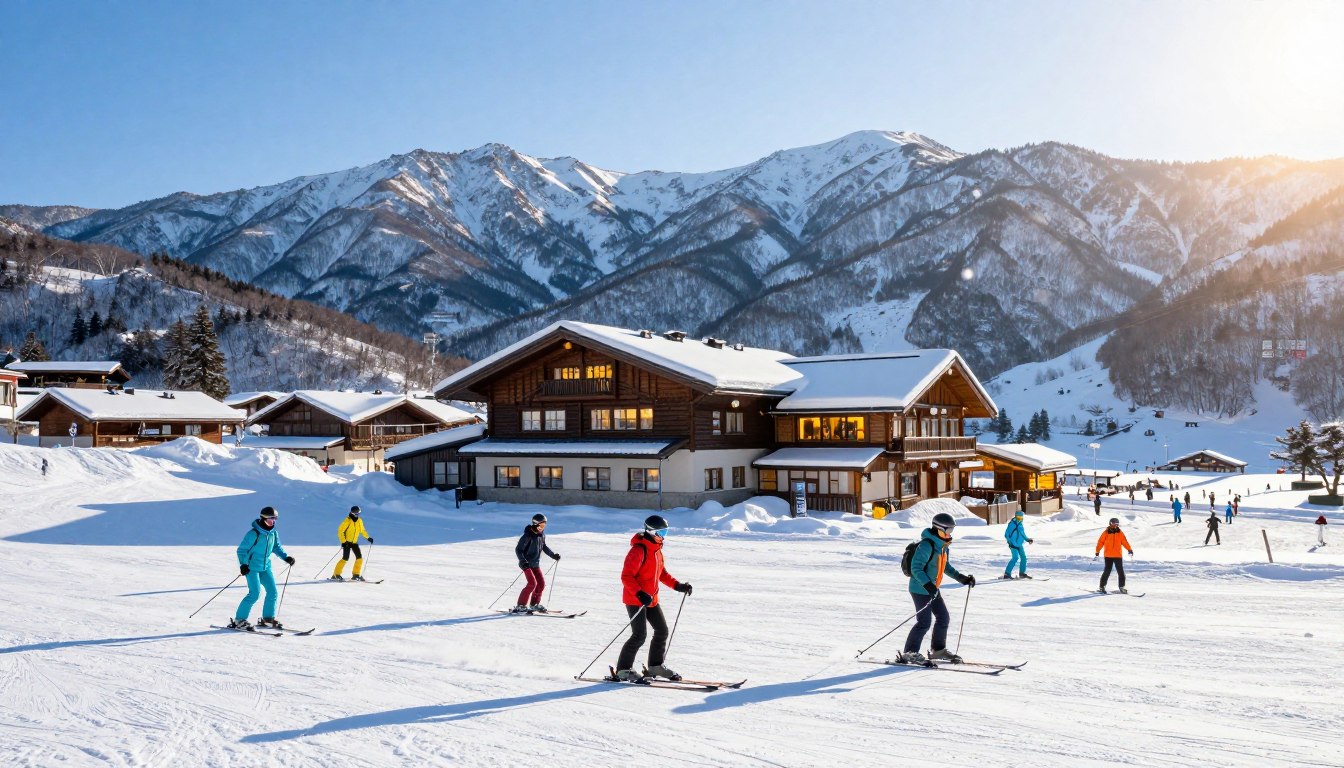
ToggleImagine skiing in Japan, surrounded by stunning mountains and deep powder snow. It’s an experience that draws skiers from everywhere. It’s truly unique.
The best time to ski in Japan is from December to April. January and February are the best months for the best snow. Knowing when to go can make your ski trip unforgettable.
Key Takeaways
- Peak ski conditions in Japan are usually found in January and February.
- The ski season in Japan typically runs from December to April.
- January and February are the best months for experiencing the best powder snow.
- Planning your trip according to the ski season dates can enhance your experience.
- Japan offers some of the world’s most renowned ski resorts.
The Magic of Japan's Winter Wonderland
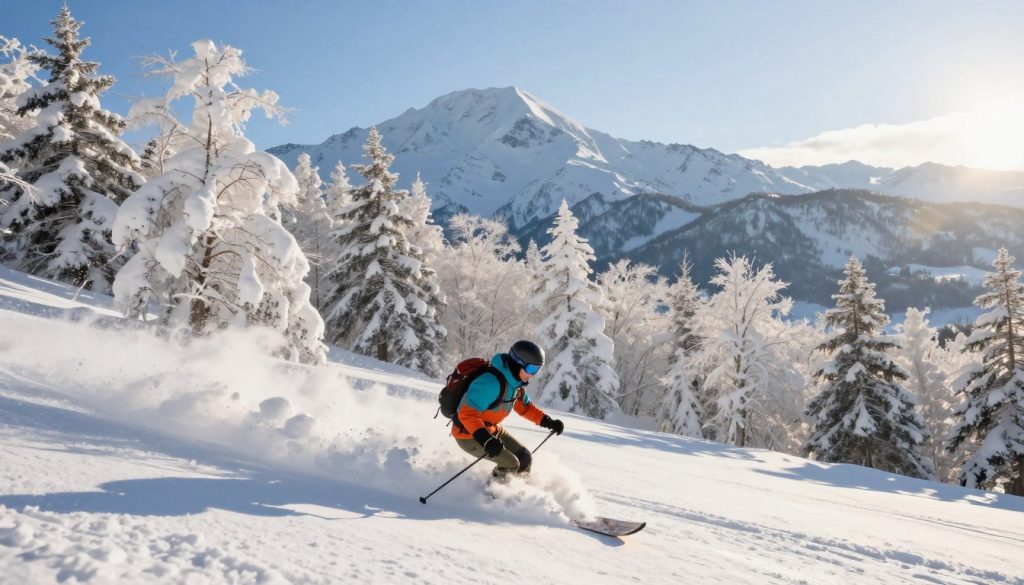
Imagine gliding through a serene, snow-covered forest, the crisp air invigorating your senses – welcome to Japan’s ski paradise. Japan’s ski scene is a treasure trove of unforgettable experiences. Its unique snow conditions are the crown jewel.
What Makes Japan's Ski Scene Unique
Japan’s ski resorts offer an unparalleled skiing experience. They have world-class infrastructure and abundant snowfall. The country’s location in the Asian monsoon belt ensures heavy snowfall, mainly on the western coast of Honshu and Hokkaido.
This results in deep, untouched powder snow that skiers and snowboarders dream of. To make the most of Japan’s ski scene, consider the following japan skiing tips: First, ensure you’re equipped with the right gear, including powder skis and appropriate clothing for cold conditions. Understanding how to navigate through deep snow is also key for a safe and enjoyable experience.
The Famous Japanese Powder Snow
The famous Japanese powder snow is renowned for being light and fluffy, creating ideal skiing conditions. This snow is a result of the cold, dry air from Siberia mixing with the moisture from the Sea of Japan. It creates a unique snow crystal structure that’s both soft and deep.
For enthusiasts of powder skiing in Japan, the key to enjoying this snow is to be prepared. This includes having the right equipment, such as wide, light skis that can float on top of the powder. Being comfortable with varying snow depths is also important. Many resorts offer guided tours and lessons tailored to help skiers make the most of the powder snow conditions.
Understanding Japan Ski Season Timing
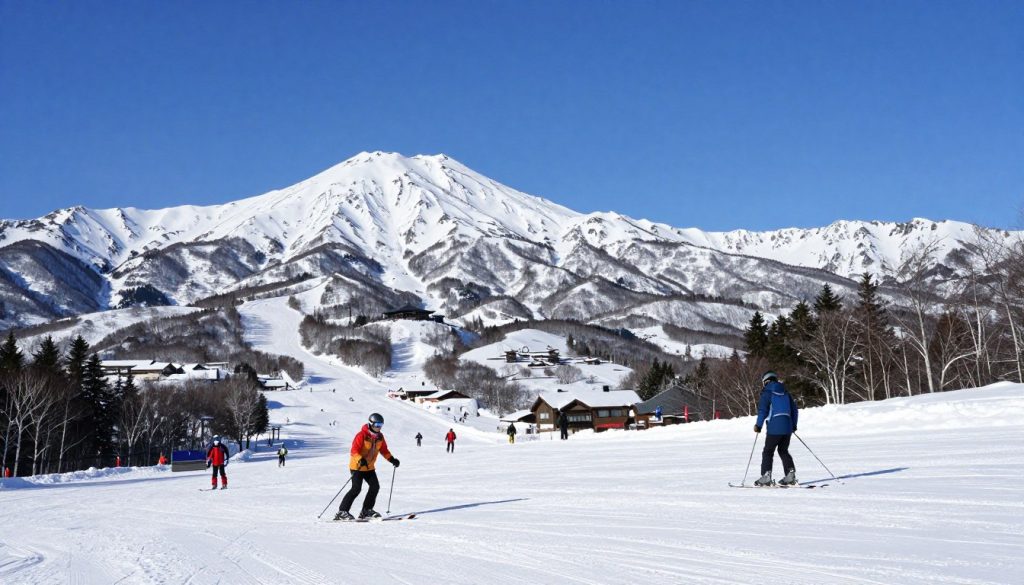
The timing of Japan’s ski season greatly affects your skiing experience. It influences crowd levels and snow conditions. Japan’s ski resorts are open for several months. Knowing the different periods helps you plan your trip better.
Early Season (November-December)
The early season is great for those who want fewer crowds and lower prices. Snow conditions might not be as reliable as later in the season. But, many resorts have improved snowmaking technology for better coverage.
Peak Season (January-February)
January and February are the peak months for Japan’s ski season. The snow is usually at its best, with cold temperatures making it light and powdery. It’s the perfect time for a true Japanese powder snow experience.
Late Season (March-April)
The late season offers warmer weather and often lower prices. It’s a good time for families and those on a budget. While the snow might not be as perfect as in January and February, many resorts have great conditions, even on higher slopes.
Knowing these periods helps you plan your Japan ski holiday. You can choose the best snow, affordable prices, or a mix of both.
Regional Variations in Japan's Ski Season
The ski season in Japan varies by region, each with its own charm. From Hokkaido’s northern tip to Honshu’s mountains, Japan’s geography shapes its ski seasons. This diversity means different ski conditions and seasons across the country.
Hokkaido Ski Season
Hokkaido is famous for its heavy snow and top-notch ski resorts. The season here starts late November and ends early May. The best time to ski is mid-January to mid-February.
Resorts like Niseko and Rusutsu are known for their amazing powder snow. They draw skiers from all over the world.
Nagano and Niigata Ski Season
Nagano and Niigata, on Honshu, offer great skiing. Nagano, home of the Winter Olympics, has resorts like Hakuba Valley. Skiing here starts mid-December and goes until early April.
Niigata is known for its snow and skiing. Resorts like Myoko Kogen and Kagura have slopes for all skill levels.
Other Regions' Ski Seasons
Tohoku and Hokuriku also have great skiing. Tohoku, with Aomori and Iwate, has improved ski areas. They offer a mix of powder and groomed slopes.
Hokuriku, known for heavy snow, has Shiga Kogen. It’s one of Japan’s biggest ski areas.
Knowing these regional differences helps skiers pick the best spot. Whether you want Hokkaido’s powder or Nagano’s resorts, Japan has something for everyone.
Best Time to Visit for Powder Enthuasiasts
If you’re after the perfect powder, Japan’s your place in January and February. These months are the peak of the ski season, with some of the best powder skiing. The cold and lots of snow make it perfect for powder lovers.
January: The Powder Paradise
January is the heart of Japan’s ski season, known as “Japanuary” to ski fans. It usually has lots of snow at Japan’s top ski resorts. This makes it the best time for powder skiing in Japan.
February: Consistent Snow Conditions
February keeps the snow conditions great, with many resorts getting lots of snow. The cold weather keeps the snow light and fluffy, great for skiing. February is less crowded than January, but the snow is just as good. For the best skiing, visit early in the morning to avoid crowds.
January and February are the best times for powder skiing in Japan. They promise deep, untouched snow. Plan your trip then for an unforgettable skiing adventure.
Ideal Timing for Families and Beginners
When planning a ski holiday in Japan, timing is key for families and beginners. Japan’s ski season has different periods for various needs. Knowing these can greatly improve your trip.
The Christmas and New Year period is a top choice for families. Resorts are festive, with fun events and activities for kids. It’s a great time for families.
Christmas and New Year Period
The Christmas and New Year period is busy and pricey at Japan’s ski resorts. But, it’s lively with decorations, special menus, and events.
March is a better choice for a calm trip. The weather is milder, with warmer temperatures and softer snow. It’s ideal for beginners.
March: Milder Conditions
March offers lower prices for accommodations and lift passes. It’s a budget-friendly option for families. The snow is great, and there are fewer crowds than in January and February.
Japan is perfect for skiing with families and beginners. The right time can make your trip even better. Whether you like the festive vibe of Christmas and New Year or the milder March, Japan has something for everyone.
Avoiding the Crowds: Strategic Timing
Japan’s ski slopes can get crowded, but with the right timing, you can enjoy a more serene experience. Planning your ski holiday during the less busy periods can make all the difference. This way, you can enjoy Japan’s world-class ski resorts without the chaos.
Weekday Advantages
One of the simplest ways to avoid the crowds is by skiing during the weekdays instead of on weekends. Many Japanese ski resorts are within a day’s trip from major cities like Tokyo and Osaka. This makes them popular weekend getaways.
By visiting during the week, you’re likely to find fewer people on the slopes. You’ll also have shorter lift queues and a more relaxed atmosphere overall. Plus, some resorts offer special deals for weekday visitors. These deals can include discounted lift tickets or package deals that include equipment rental and lessons.
Lesser-Known Holiday Periods
Understanding Japan’s holiday calendar is key to avoiding the crowds. While major holidays like New Year’s (Oshogatsu) and Golden Week are peak times, there are other, lesser-known periods that can be just as busy. For instance, the “Seijin no Hi” or Coming of Age Day, celebrated on the second Monday of January, can attract large crowds to certain resorts.
By steering clear of these periods and opting for the shoulder season, you can enjoy a more relaxed ski experience. The shoulder season, which includes the periods just before and after the peak season, often offers excellent snow conditions without the crowds.
To make the most of your Japan ski holiday, consider combining weekday visits with an understanding of the local holiday calendar. This strategic planning can help you avoid the crowds and enjoy a more authentic, serene skiing experience in Japan.
Top Ski Resorts in Hokkaido
Hokkaido is famous for its top-notch ski resorts. It offers some of Japan’s best skiing experiences. The island’s unique geography and climate make it perfect for skiing. Resorts here suit all skill levels, from beginners to experts.
Niseko United
Niseko United is one of Hokkaido’s most famous ski resorts. It’s known for its incredible powder snow and wide terrain. With over 55 kilometers of pistes, it caters to all, from easy groomers to tough off-piste runs.
The resort has four connected ski areas. These are Annupuri, Hanazono, Higashiyama, and Niseko Village. They offer a wide range of skiing experiences.
Rusutsu Resort
Rusutsu Resort is another top spot in Hokkaido. It’s great for families and has diverse slopes. With 32 runs and 37 lifts, there’s something for everyone.
The resort is famous for its well-maintained trails and top-notch facilities. It’s perfect for families and beginners.
Furano Ski Resort
Furano Ski Resort is known for its beautiful landscapes and varied skiing. It has a range of runs, from easy slopes to challenging black diamond trails. Furano also has a lively ski culture.
It offers many rental options and ski schools. This makes it a great place for visitors.
Each Hokkaido resort offers a unique skiing experience. Whether you’re after world-class powder, diverse terrain, or a family-friendly vibe, Hokkaido’s top ski resorts have it all.
Best Ski Destinations in Honshu
Skiers love Honshu, Japan’s heart for skiing. Famous spots like Shiga Kogen and Hakuba Valley are waiting. Honshu, Japan’s biggest island, has many top ski resorts. Each offers a special experience for all skill levels.
Hakuba Valley
Hakuba Valley is known for its beautiful mountains and wide ski options. It has over 200 kilometers of slopes. It was a key place for the 1998 Winter Olympics, making it a top ski spot.
Nozawa Onsen
Nozawa Onsen mixes great skiing with Japanese culture and hot springs. It has slopes for all, from easy to hard. After skiing, visitors can enjoy the hot springs, a true Japanese treat.
Shiga Kogen
Shiga Kogen is Japan’s biggest ski resort. It has 290 kilometers of slopes across 18 areas. It’s perfect for families and groups with different skills, with slopes for everyone.
Honshu’s ski spots offer a great skiing experience. They mix top slopes with cultural experiences and stunning views. Whether you’re an expert or a beginner, Honshu has something for you.
Snow Conditions Throughout the Japan Ski Season
Japan is known for its amazing snow conditions, drawing skiers from all over. Its location near the sea leads to heavy snowfall. This makes it perfect for skiing and snowboarding.
Understanding Japan's Snow Patterns
Cold winds from Siberia bring a lot of snow to Japan’s western coast. The Japanese Alps, running through Honshu, create a great climate for snow sports. Snow conditions vary, with Hokkaido known for its light, powdery snow and Honshu for a mix of powder and groomed trails.
Japan gets a lot of snow, with many resorts getting over 10 meters each year. This means ski resorts have plenty of snow all season, from early December to late April, depending on where you are.
Climate Change Impact on Japanese Ski Seasons
Climate change is making snowfall in Japan less predictable. Warmer temperatures and changing rain patterns are changing how snow falls. It’s important for skiers to check current conditions before they go.
Even with these changes, many ski resorts in Japan are finding ways to keep the snow good. Skiers can look forward to great conditions, even in the higher areas, during the peak winter months.
Planning Your Japan Ski Holiday
Japan’s ski season is magical. With the right planning, your trip will be unforgettable. Whether you’re experienced or new to skiing, Japan’s resorts and culture are perfect for a ski holiday.
Booking Windows for Different Seasons
Booking your ski holiday in Japan at the right time is key. For peak season, like January and February, book early for the best deals. Shoulder season, March or April, might offer better value and more availability.
Accommodation Considerations
Japan has many accommodations for all budgets. You can choose from luxury resorts to cozy guesthouses. Staying in a ryokan for a cultural experience is also a great idea. Pick places close to ski resorts to save time.
Transportation Planning from the US
Traveling from the US to Japan requires good planning. Look for flights with easy connections to your destination. Book early for the best prices. Domestic flights, buses, or trains can get you to your resort. Many offer shuttle services from train stations.
Plan your booking, choose the right place to stay, and arrange your travel. This way, your Japan ski holiday will be smooth and fun. Follow these tips for the best Japan ski season experience.
Budget Considerations Across the Japan Ski Season
The cost of a Japan ski holiday changes a lot based on when you go. It’s key to plan smart to save money. Knowing how your trip timing affects costs can help you spend less.
Peak Season Pricing
January and February are the best for snow but cost more. Lift tickets, places to stay, and other services are pricier because more people want to go. Resorts like Niseko and Hakuba Valley raise their prices then.
To save money in peak season, book early for discounts. Look for deals that include everything you need, like gear and lessons. These packages can be cheaper.
Finding Value in Shoulder Seasons
The shoulder seasons, early (November-December) and late (March-April), are cheaper. Snow might not be perfect, but skiing is great. Many resorts offer great skiing even in these times.
In the shoulder seasons, prices for lift tickets and places to stay drop. Shiga Kogen in March is a good deal, with fewer people and milder weather. Resorts also offer special deals to get more visitors.
Planning your Japan ski trip for the shoulder seasons can save you money. You won’t miss out on the fun skiing.
Essential Ski Gear for Japanese Conditions
Japan’s snow is special, and you need the right gear for a great ski trip. The famous powder snow is a big reason skiers love Japan. But, you must have the right equipment to enjoy it fully.
Powder Skiing Equipment
For skiing in Japan’s powder, you need gear that can handle the deep, light snow. Wider skis help you stay on top of the snow. Look for skis that are at least 130mm wide, but 140mm to 150mm is best.
Bindings must fit the wider skis and support you well. Make sure they fit your boots snugly for a secure ride.
Layering for Japanese Winter
Layering is important in Japan’s changing winter weather. Start with a moisture-wicking base layer to stay dry. Then, add a warm insulating mid-layer. Finish with a waterproof, breathable outer layer to keep out snow and wind.
Remember to pack gloves, hats, and goggles. Goggles with good ventilation are key to avoid fog. Bring extra gloves and socks in case they get wet.
Cultural Experiences During Your Ski Trip
When you ski in Japan, you’re not just skiing. You’re also exploring a unique culture. Japan’s ski resorts are set in a rich cultural scene. They offer both traditional and modern experiences that add to your skiing fun.
Onsen Etiquette
Visiting an onsen (hot spring) is a highlight of a ski trip to Japan. To enjoy these natural hot springs fully, knowing the onsen etiquette is key. Make sure you’re clean and tattoos are covered before entering. Inside, be quiet and respectful, as onsens are for relaxation.
Local Cuisine to Try
Japanese food is famous around the world, and skiing in Japan is a great time to try it. Ramen, a warm bowl of noodles, is perfect after skiing. Don’t miss tempura, fresh sushi, and local specialties. Many ski resorts have restaurants where you can enjoy these dishes.
Japanese Ski Culture Differences
Japanese ski culture is unique, different from what many visitors are used to. Skiing in Japan means respecting others on the slopes. There’s a strong culture of queueing and yielding. Also, many resorts offer group lessons and ski clinics to improve your skills and experience local culture.
Embracing these cultural experiences makes your ski trip better. It gives you a deeper understanding and appreciation of Japan’s culture. Whether it’s relaxing in an onsen, trying local food, or learning about Japanese ski culture, your trip will be filled with unforgettable memories.
Skiing in Japan for Beginners
Starting your skiing journey in Japan can be exciting and a bit scary. But, with the right tips, you’ll soon be gliding through the snow. Japan is known for its top-notch ski resorts, great snow, and friendly vibe for newbies.
English-Friendly Resorts
Many Japanese ski resorts welcome international visitors with open arms. They have staff who speak English and signs that are easy to understand. Places like Niseko in Hokkaido and Hakuba Valley in Nagano are favorites among foreign skiers. They offer services made just for English-speaking guests.
Lesson Options and Ski Schools
Japan is famous for its ski schools, which cater to all ages and skill levels. Many resorts have special programs for beginners, including group and private lessons. These lessons are designed to teach you quickly and safely, with English-speaking instructors.
Top ski schools in Japan are found at big resorts like Shiga Kogen and Nozawa Onsen. They provide different types of lessons, from group classes to private coaching. This way, you can find a learning style that fits you best.
Progression-Friendly Terrain
Japan’s ski resorts are perfect for all levels, from beginners to pros. Many have special areas for newbies with easy slopes and well-groomed trails. This lets you practice and get better in a safe spot.
As you get better, you’ll find a wide range of terrain. There are gentle groomers, tough off-piste runs, and more. This variety lets you keep challenging yourself and enjoying the slopes as you improve.
Advanced and Off-Piste Skiing Opportunities
Advanced skiers will find Japan a paradise with its many off-piste and backcountry skiing options. The varied terrain and abundant powder snow make it perfect for thrilling skiing experiences. These are beyond the groomed trails.
Exploring Backcountry Access Points
Japan’s ski resorts have many backcountry access points. This lets advanced skiers explore untouched terrain. Famous spots like Niseko United in Hokkaido and Hakuba Valley in Nagano offer access to vast, untracked areas.
These backcountry zones need a good skiing level and avalanche safety knowledge. Skiers should be ready with the right skills and gear. Or, they can join guided tours.
Guided Tours and Safety Considerations
Guided tours are a great choice for Japan’s backcountry. Experienced guides lead skiers through the best terrain while keeping safety first.
Safety is key in backcountry skiing. Guides know how to read conditions, navigate tough terrain, and handle emergencies. They also share local knowledge and skiing tips.
Tree Skiing in Japan
Japan’s ski resorts also have amazing tree skiing spots. Places like Nozawa Onsen and Shiga Kogen have lots of gladed skiing. This offers a unique and thrilling experience.
Tree skiing in Japan needs skill and caution. Skiers must be good at navigating through dense woods. They also need to watch out for uneven terrain and changing snow conditions.
Conclusion: Making the Most of Japan's Ski Season
Japan’s ski season is a unique and exciting experience. It offers world-class skiing and cultural experiences for all skill levels. Knowing when the season is can help you make the most of your trip.
From Hokkaido’s powder snow to Honshu’s ski resorts, Japan has many ski destinations. Choosing the right resort and being prepared can make your ski holiday stress-free and enjoyable.
Japan is a must-visit for ski enthusiasts with its rich culture and great skiing. Start planning your trip today and get ready to experience Japan’s winter wonderland.
FAQ
What are the best months to visit Japan for skiing?
How long does Japan's ski season last?
What is the early season like in Japan's ski resorts?
Are there any tips for avoiding crowds in Japan's ski resorts?
What are some of the top ski resorts in Hokkaido?
What kind of gear is recommended for powder skiing in Japan?
Is Japan suitable for beginner skiers?
What cultural experiences can be enjoyed during a ski trip to Japan?
How does climate change affect Japan's ski season?
What are the budget considerations for a ski trip to Japan?
Are there opportunities for advanced and off-piste skiing in Japan?