
Table of Contents
ToggleDid you know that Japan welcomed approximately 42.7 million international visitors in 2025, a 15.8% increase from 36.9 million in 2024? Those figures come from the Japan National Tourism Organization (JNTO) and reflect the country’s strong rebound as a top global travel destination (source: JNTO monthly report).
We are excited to share these japan travel updates to help you plan travel to Japan in 2026. These concise, source-backed insights will be invaluable whether you’re researching festivals, food, transport, or seasonal highlights.
Exploring Japan’s culture is significantly easier with good planning. This guide offers practical advice and reliable expertise for modern explorers—covering transport, food and drink, seasonal timing, and cultural etiquette—to help you navigate Japan’s varied islands and regions.
Discover authentic ways to experience the sights while immersing yourself in tradition. Staying current with japan travel news and official guidance helps you avoid surprises and uncover lesser-known places for a richer trip.
Read on to learn what makes 2026 a great time to visit—from regional events and transport improvements to dining updates and sustainability initiatives—so you can plan an efficient, memorable itinerary.
Key Takeaways
- JNTO reports ~42.7 million international visitors in 2025, signaling strong recovery and demand.
- Authentic experiences and regional travel are growing priorities for tourists in 2026.
- Practical, sourced advice helps newcomers navigate cultural nuances and etiquette with confidence.
- Coverage includes updated transport, accommodation, and seasonal event information beyond major cities.
- Strategic planning—checking official sites like JNTO and MOFA—ensures a smoother trip across Japan’s islands and prefectures.
- Follow trusted japan travel news sources and official tourism organization pages before booking to avoid misinformation.
Visa Policy Updates and Entry Requirements for 2026
Travelers should stay informed about visa and entry rule developments before booking flights to Japan. Official information from the Japan National Tourism Organization and the Ministry of Foreign Affairs (MOFA) is the best source for any nationality-specific requirements.
Changes to Visa-Free Entry Programs
There have been no widely announced overhauls of the visa‑free country lists for 2026. If you believe your country’s status may have changed, verify the current visa‑exempt list on MOFA’s website before you travel. Official sources provide the definitive list and any country‑specific notes that affect entry.
Quick check: visit the MOFA visa pages to confirm whether your passport requires a visa, and allow extra time for processing if you do.
New Electronic Travel Authorization System
Japan has announced a new electronic travel authorization system (often referenced as JESTA). Important timeline note: while the system was announced and related legislation moved through government in 2026, full implementation is planned for fiscal year 2028. That means most travelers do not need to register for JESTA for 2026 travel; however, monitor MOFA and JNTO updates for rollout details and exact requirements.
Action item: subscribe to official MOFA or JNTO updates or check their websites before departure so you know whether electronic authorization will be required for your trip.
Extended Stay Regulations for Tourists
Some policy discussions have included provisions for extended stays under specific conditions. If you plan a longer visit, check MOFA and JNTO guidance for any temporary programs, documentation needs, or activity restrictions that could affect visa status. Confirm whether extended-stay allowances apply to your nationality and travel purpose well before booking.
Staying current with official information will help you avoid surprises at the border and ensure your 2026 travel plans are compliant and smooth.
Transportation Infrastructure Developments
Japan continues to invest in transportation to improve the traveler experience—faster connections, better accessibility, and smoother transfers make it easier to see more of the country on a single trip. Below are the key projects and practical notes for planning your 2026 itinerary.
Shinkansen Network Expansions
The Shinkansen (bullet train) network is seeing phased expansions and station upgrades that reduce travel times between major cities and open access to more remote prefectures. Some projects are completed, others remain planned—check JR operator pages for exact opening dates and service changes that could affect your route.
Traveler tip: if you plan intercity rail travel, confirm current timetables and reserved-seat availability in advance; construction or timetable changes can alter connections.
Regional Railway Improvements
Regional rail lines are being upgraded to improve connectivity between smaller towns and hub stations, encouraging tourists to explore beyond the main cities. These efforts help spread visitors to lesser-known places while supporting local economies.
Practical note: regional services may still have limited frequencies—consult local rail websites for schedules and consider alternate transport (buses or rental cars) for late-evening or remote links.
Airport Modernization Projects
Major airports are undergoing modernization—upgraded terminals, streamlined security lanes, and expanded passenger amenities aim to shorten processing times and improve arrival experiences. Specific projects vary by airport (Narita, Haneda, Kansai, Chubu, etc.), so confirm which works might affect your flights.
Accessibility and luggage: expect better elevator and escalator access and improved luggage handling facilities at many renovated terminals, but always allow extra time for transfers and check your airline’s connection guidelines.
Plan ahead: before booking, check JR and airport websites for the latest service notices, and use official travel information pages to confirm train times and construction advisories so your 2026 trip goes smoothly.
Japan Tourism News: Visitor Capacity and Overtourism Measures
Japan has seen a strong rebound in international visitors, and authorities are rolling out measures to balance tourism with local needs to protect cultural sites and improve visitor experiences.
National and local tourism bodies—including the Japan National Tourism Organization and prefectural tourism offices—are coordinating policies to manage crowds, protect fragile sites, and disperse visitors more widely across regions.
Reservation Systems for Popular Attractions
Many high‑demand sites are introducing reservation systems to control daily visitor numbers. For example, Mt. Fuji implemented a climb fee of 4,000 yen in 2025 and enforces a daily climber cap (4,000 people) along with reservation requirements for peak periods. Check official attraction websites for booking windows and entry rules.
Traveler tip: book well in advance for top attractions (temples, special exhibitions, and mountain climbs) and retain confirmation emails for entry.
Regional Dispersion Initiatives
To ease pressure on major hubs, tourism programs are promoting lesser-known prefectures and rural experiences. These initiatives include highlighting local events, improving transport links, and offering incentives to visit off-the-beaten-path places—helping spread tourism benefits to more communities.
Peak Season Management Strategies
During peak seasons (cherry blossom and autumn foliage weeks), authorities use timed entry, reservation systems, and crowd-management plans to reduce congestion. Note that some attractions adopted dual pricing in mid‑2025; always check official lists and ticket pages for current fees and visitor rules.
CTA: Book high‑demand attractions early and check the official tourism organization or site-specific pages for the most up‑to‑date visitor lists and reservation procedures.
Seasonal Travel Updates for 2026
Japan’s culture is deeply tied to its seasons, and 2026 offers a full calendar of seasonal highlights for visitors—spring blossoms, lively summer matsuri, vivid autumn leaves, and reliable winter snow at top resorts. Planning around these windows makes a big difference in your experience.
Cherry Blossom Forecast and Viewing Guidelines
The cherry blossom season remains one of the most popular travel times. Exact bloom dates vary by year and region; check forecasts from the Japan Meteorological Agency and JNTO as you plan. Blossoms typically peak for about two weeks in each location.
Traveler tips: book accommodations and transport early (reserve months in advance for Tokyo and Kyoto), aim for weekday mornings to avoid crowds, and consider lesser-known parks and riverside spots if popular gardens are full.
Summer Festival Schedule Changes
Summer “matsuri” return each year with local flavor—parades, traditional dances, and street food. Many festivals resumed full programs after adjustments in prior years; for 2026, confirm exact dates and formats on official festival websites before you book.
Practical advice: popular festival nights can sell out nearby hotels—plan your nights around event schedules and buy tickets or reserve seats early.
Autumn Foliage Season Preparations
Autumn foliage (koyo) creates spectacular scenery across Japan. Peak colors move south to north over the season; local tourism sites and JNTO publish regional timing guides. Hiking, temple visits, and scenic drives are great ways to enjoy foliage—book transport ahead for weekend peaks.
To catch peak color: monitor regional forecasts, travel midweek where possible, and pick early or late-season spots to avoid the biggest crowds.
Winter Sports Resort Developments
Japan’s winter resorts—from the Japanese Alps to Hokkaido—continue improving facilities and lift access. Snow conditions vary by location and year, so check resort websites for current snowfall reports and slope openings before booking.
If you plan ski or snowboard trips, book lessons, rentals, and lift tickets in advance for peak holiday weeks; many resorts also offer hot-spring (onsen) experiences and regional cuisine to round out your trip.
Accommodation Sector Developments
The accommodation sector in Japan is evolving rapidly as traveler preferences, technology, and regulation converge. Expect a wider range of stays—from upgraded traditional ryokan to high-tech capsule hotels and more tightly regulated short‑term rentals.
Ryokan and Traditional Lodging Trends
Ryokans (traditional inns) continue to be a signature lodging choice. Many properties are modernizing amenities—improved bathrooms, multilingual information, and online booking—while preserving cultural elements like tatami rooms and kaiseki dining. If you want an authentic stay, book early for popular ryokan in major places such as Kyoto and Hakone.
New Regulations for Short-Term Rentals
Short‑term rental rules have tightened: host registration requirements and guest-safety measures are more strictly enforced to reduce neighborhood impacts. When booking a private rental, confirm the host is registered and review cancellation and tax policies—local prefecture rules (for example, Kyoto and other municipalities) may affect fees and permitted operations.
Traveler note: Kyoto has updated accommodation taxation policies that took effect in 2026—check local tourism organization pages for current rates and how they may show up in booking prices.
Capsule Hotel and Budget Accommodation Innovations
Capsule hotels and budget options are getting upgrades in design, privacy, and comfort, with more tech-forward features and eco-friendly operations. These affordable choices are increasingly suitable for longer stays or for visitors who prioritize convenience and location.
Overall, Japan’s accommodation landscape offers something for every visitor—whether you prefer traditional ryokan, registered short‑term rentals, or modern capsule hotels—so plan and book according to your comfort, budget, and the latest local regulations.
Digital Innovation and Smart Tourism Initiatives
Digital innovation is reshaping travel in Japan, making trips smoother and more accessible for international visitors. From expanded mobile payment acceptance to AI translation tools and centralized tourist platforms, these services help visitors navigate transport, dining, and attractions with less friction.
Mobile Payment Expansion
Mobile payments are now widely accepted in urban areas and major tourist spots. Systems such as PayPay, Apple Pay, Google Pay, and regional IC cards (Suica, Pasmo) cover many shops, restaurants, and transit gates—though small rural vendors may still prefer cash.
Practical tip: enable mobile payments before you travel, carry at least one backup card, and check merchant acceptance when planning purchases.
AI-Powered Translation Services
AI translation tools and apps are increasingly used to bridge language gaps—menu translators, real-time speech apps, and on-site translation kiosks appear at major stations and attractions. These services make it easier to enjoy local food and communicate basic needs.
Pro tip: download a reliable offline-capable translation app and save common food/allergen phrases to your phone for easy access.
Digital Tourist Information Platforms
Official tourist websites and apps (JNTO and many prefectural tourism sites) provide centralized travel information, including real-time transport updates, event listings, and visitor guidance. These platforms are increasingly useful for planning daily routes and reacting to service changes.
Action item: bookmark official tourism organization and airport/rail websites, and consider downloading recommended local apps or an e‑SIM ahead of departure to ensure consistent access to these information services.
Sustainability and Eco-Tourism Developments
Japan is increasingly prioritizing greener tourism practices to reduce environmental impact while supporting local communities. These efforts—driven by national and prefectural initiatives—seek to align tourism growth with conservation goals and responsible travel.
Carbon Reduction Programs
Tourism stakeholders are rolling out carbon reduction measures such as increased use of renewable energy at major sites, energy-efficiency upgrades in hotels, and promotion of low-carbon transport options. When planning travel, look for providers that publish carbon-reduction commitments or sustainability reports.
Eco-Certified Accommodation Growth
Eco-certified hotels and lodgings are becoming more common. Certification standards vary, so check what a label means for waste reduction, energy use, and local sourcing before booking. Choosing certified stays helps support operators investing in long-term sustainability.
Sustainable Travel Incentives
Some local programs offer incentives for eco-friendly choices—discounted public-transport passes, guided low-impact tours, or rewards for using sustainable services. Availability and eligibility differ by region, so consult official prefecture tourism websites for current offers.
Traveler checklist: favor public transit or low-emission travel between places, pick eco-certified hotels where possible, and support local food and craft producers. These small choices help preserve Japan’s natural and cultural assets for future visitors.
Cultural Events and Exhibitions in 2026
Japan’s cultural calendar for 2026 is rich and varied, from major contemporary art showcases to time-honored local festivals. Whether you follow museum exhibitions or traditional matsuri, planning ahead will help you secure tickets and make the most of each event.
Major Art and Cultural Festivals
Several high-profile art festivals and exhibitions are expected to draw international attention in 2026. The Tokyo Art Festival and other large-scale shows typically feature installations, performances, and cross-cultural programs—check official festival sites and major outlets (including international coverage like the New York Times) for program announcements and ticket releases.
Traditional Celebrations and Matsuri
Traditional matsuri remain central to Japan’s cultural life. From spring cherry-blossom events to midsummer Star Festivals and regional autumn rituals, these celebrations showcase local tradition, food, and performance. Confirm dates and any reservation or ticketing requirements on local tourism websites before you travel.
UNESCO Heritage Site Updates
Several UNESCO World Heritage sites in Japan plan visitor-experience upgrades in 2026—expect improved exhibitions, signage, and facilities at select sites. For museum-goers and heritage travelers, booking ahead and checking official site pages will ensure access to special programs and limited-capacity tours.
Regional Tourism Development Highlights
Regional tourism in Japan is gaining momentum in 2026, with targeted initiatives to diversify visitor flows and showcase local culture, nature, and cuisine. These programs aim to spread benefits beyond major cities and invite travelers to explore islands, mountains, and quiet towns.
Hokkaido Tourism Expansion
Hokkaido continues to expand offerings for nature and winter-sport visitors, improving access to ski resorts, onsen towns, and national parks. Seasonal flights and rail connections support increased visitor capacity while local programs emphasize eco-friendly experiences.
Kyushu and Okinawa Initiatives
Kyushu and Okinawa are promoting distinctive island culture and outdoor activities through upgraded transport links, new festival programming, and improved visitor facilities. These initiatives make it easier to combine cultural sightseeing with beach, hiking, and culinary experiences.
Rural Revitalization Projects
Rural revitalization projects are encouraging travelers to stay longer in small towns by improving accommodation options, supporting local craft and food producers, and offering curated experiences—farm stays, cooking classes, and craft workshops—that preserve tradition while boosting local economies.
Lesser-Known Prefectures Gaining Attention
Several lesser-known prefectures are emerging as compelling alternatives to crowded destinations. Travelers can reach many of these places by regional rail or short flights; renting a car is often the best way to explore more remote areas and feel at home in rural Japan.
Why go now: regional festivals, improved rail links, and new local programs mean 2026 is a great year to visit less-traveled places—check the Japan National Tourism Organization site and prefecture tourism pages for event dates and transport options when you plan your trip.
Japan Travel Information on Dining and Culinary Tourism
Japan’s food culture remains a major draw in 2026, and recent updates aim to make dining easier and safer for international visitors. From clearer allergen labeling to expanded halal and vegetarian options, these changes support a wider range of dietary needs while encouraging travelers to explore regional food and drink specialties.
Food Safety and Allergen Labeling Updates
New regulations have increased transparency around common allergens and food handling in restaurants and packaged foods. Travelers with allergies should still carry clear translations of their allergens and verify menus with staff, but the improved labeling and stricter hygiene practices make dining out more predictable.
Practical tip: save a translated allergen card on your phone, and use apps or local tourist information centers to confirm ingredients when in doubt.
Halal and Vegetarian Options Expansion
Demand-driven growth in halal-certified and vegetarian offerings continues, especially in major cities and tourist hubs. Many restaurants now list halal or vegetarian menu items, and larger establishments often display certification—helpful for Muslim and plant-based travelers seeking authentic local flavors without compromise.
Where to look: Tokyo, Osaka, Kyoto and other big visitor centers have the most options; consult local tourism information pages and halal/vegetarian restaurant directories before you travel.
Regional Cuisine Promotion Programs
Local governments and culinary organizations are promoting regional specialties through festivals, markets, and cooking classes. These programs spotlight local producers and traditional techniques, giving visitors authentic food-drink experiences tied to place and season.
Traveler suggestion: attend a regional food festival or book a market tour or cooking class to get hands-on experience with local cuisine—these activities often require advance booking during peak seasons.
Currency, Payment Methods, and Cost Updates
Preparing your budget for Japan in 2026 means understanding the yen, payment options, and upcoming policy changes that affect purchases and refunds. Managing money smartly will reduce stress and help you focus on the trip.
The Japanese yen (JPY) is the local currency. Credit and debit cards are widely accepted in major cities and tourist areas, but small shops, rural vendors, and some temple stalls may still prefer cash—carry a modest amount of yen for those moments.
Exchange Rate Considerations for US Travelers
US travelers should monitor the USD–JPY exchange rate ahead of travel, since fluctuations can affect your overall budget. To get cash, use ATMs at convenience stores (7-Eleven, Lawson), post offices, or airport kiosks that accept international cards; these often offer reliable access and clearer fee information.
Tip: compare your bank’s ATM fees and foreign-transaction policies, and consider a card with no foreign-transaction fee for everyday spending.
Cashless Payment Infrastructure
Japan is accelerating cashless payments in urban and tourist hubs. Expect acceptance of major mobile wallets (Apple Pay, Google Pay), QR/pay apps like PayPay, and transit IC cards (Suica, Pasmo) in many shops and restaurants. Still, keep a backup physical card and cash for places without digital payments.
Tourist Tax, Duty-Free Changes, and Additional Fees
Note important duty-free changes: immediate duty-free purchases at shops will change on November 1, 2026—refunds and tax-free procedures will increasingly be handled at departure points such as airports. Check customs and retailer instructions before you shop.
Also be aware that some municipalities and accommodations may apply local accommodation fees or taxes; these can appear at booking or check-in. Review hotel listings and the official list of local levies when you book.
Before you travel, check official websites for up-to-date information on refunds, airport procedures, and fees related to flights and arrivals. That preparation ensures smoother access to cashless services and fewer surprises at checkout.
Health and Safety Protocols for Travelers
Preparing for travel to Japan in 2026 means understanding local health and safety arrangements so you can travel with confidence. Japan has a high standard of healthcare and public safety, and many hospitals and clinics provide services for international visitors—though availability of English-speaking staff varies by facility and region.
For authoritative health guidance and facility lists, consult the Japan National government and prefectural health pages as you plan. Keep emergency contact numbers and your insurer’s 24‑hour assistance line handy when you travel by train or between regions.
Medical Tourism Facilities
Japan offers high-quality medical care and specialist clinics that cater to international patients, often with international or concierge departments. If you anticipate using medical services, identify hospitals with international patient services in advance and confirm interpreter availability and billing procedures.
Emergency Services for Foreign Visitors
Emergency services in Japan are well organized—call 119 for ambulance and fire, and 110 for police. In urban areas, many responders can handle basic English communication, but interpreter services are not guaranteed everywhere. Pharmacies are common in cities and well-signposted, but rural access can be limited.
Travel Insurance Recommendations
Purchasing comprehensive travel insurance is strongly recommended. Look for policies that include adequate medical coverage (consider at least $100,000 USD medical coverage as a baseline), emergency evacuation, 24‑hour assistance, and coverage for activities you plan to do (e.g., winter sports). Check policy terms for COVID-19-related coverage if relevant to your plans.
Practical checklist: register your insurer’s emergency contact in your phone, save a list of hospitals with international services for the cities you’ll visit, and carry a simple medical‑information card (allergies, meds, emergency contact). These steps improve safety and peace of mind while you travel.
Language Support and Communication Services
Japan is improving language services to make travel easier for international visitors. These efforts focus on clearer multilingual signage and better access to translation tools so more users can navigate transport, attractions, and services with confidence.
Multilingual Signage Improvements
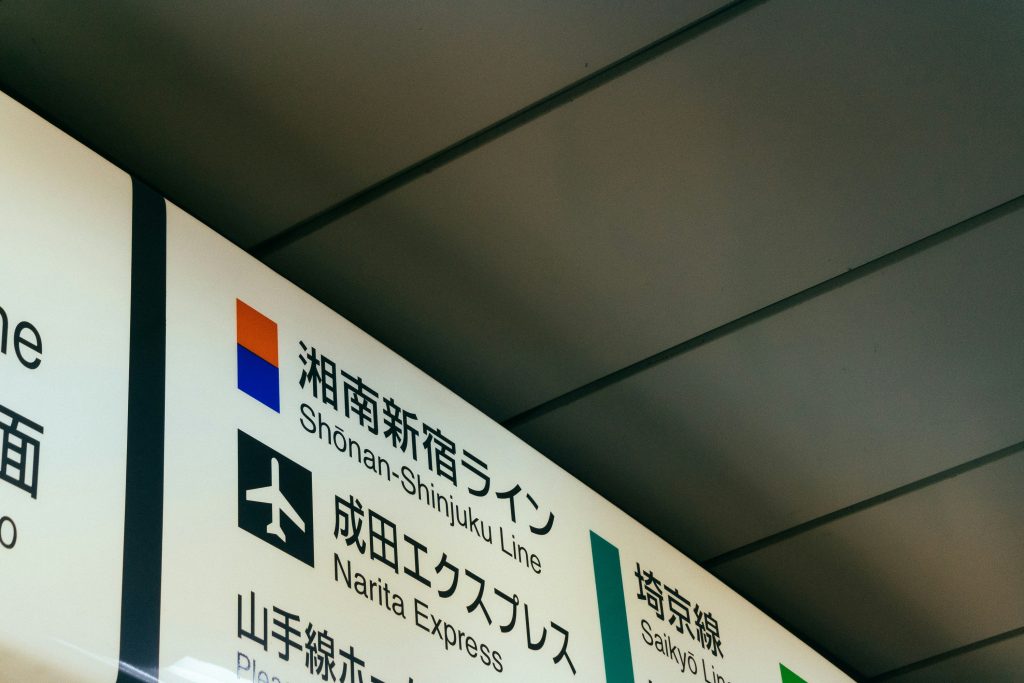
Many transportation hubs, major attractions, and municipal offices are expanding signs in English, Chinese, and Korean, with additional languages added at key tourist sites. Check official prefecture or attraction websites for the latest updates on which locations have upgraded signage.
Translation App Integration at Tourist Sites
Translation apps and kiosks are being introduced at busy tourist spots to provide real-time assistance for menus, signs, and basic conversation. While rollout varies by site, downloading an offline-capable translation app before you travel is a practical step for any itinerary.
Traveler tip: save common phrases and a simple digital allergy/medical card in your phone, and download a recommended translation app ahead of arrival to ensure you have language support even where connectivity is limited.
Practical Travel Tips and Advisory Updates
Preparing carefully will make your 2026 trip to Japan smoother and more enjoyable. Use official japan travel news sources (JNTO, MOFA, and prefectural tourism sites) for the latest advisories, and build a simple plan that balances peak sights with quieter experiences.
Peak vs Off-Peak Travel Recommendations
Peak seasons—cherry blossom in spring and autumn foliage—draw the largest crowds. If you want fewer tourists and better deals, travel off-peak (late winter, early summer shoulder periods). If you must travel during peak windows, book accommodations and key activities several months in advance (often 3–6 months for Tokyo/Kyoto). Weekdays and early mornings are best for popular sites.
Local Etiquette and Cultural Sensitivity Guidelines
Respecting local customs improves interactions and your overall experience. Simple rules: remove shoes where requested, speak quietly on public transport, follow queuing norms, and ask before photographing private ceremonies or people. Learning a few polite phrases and carrying a short etiquette checklist will go a long way.
Mobile Connectivity and SIM Card Options
Reliable connectivity helps with maps, rail timetables, and translations. Options include e‑SIMs (activated before arrival), prepaid physical SIMs at airports, or renting a pocket Wi‑Fi if traveling in a group. Compare data plans and compatibility with your device ahead of time, and download essential apps (transport, translation, and the JNTO site) before you leave.
Quick checklist: set up a payment method (card or mobile wallet), download offline maps and a translation app, and subscribe to official advisories so you can adapt your plan if transport or weather changes affect your trip.
Conclusion
Japan’s tourism landscape in 2026 reflects recovery, adaptation, and a strong focus on visitor experience—official figures show roughly 42.7 million international visitors in 2025, reinforcing why careful planning matters. Corrected, sourced facts (visitor numbers, JNTO guidance, and policy timelines) should be used throughout when making travel decisions.
Travelers can expect continued improvements in transport, digital services, and regional offerings, alongside targeted measures to manage visitor flows and support sustainability. For accurate, up‑to‑date information, rely on official pages such as the Japan National Tourism Organization (JNTO) and the Ministry of Foreign Affairs (MOFA).
Before you book, check official resources for visa/entry rules, reservation requirements for popular places, and any local fees that may apply. With a bit of planning and the right sources, your 2026 trip to Japan can be smooth, memorable, and respectful of the places you visit.
FAQ
Do I need a visa to visit Japan in 2026?
Is the JR Pass worth it with recent price changes?
Can I use my credit card everywhere in Japan now?
What is the best way to stay connected to the internet?
How can I avoid the crowds at major tourist spots?
Is Japan a safe destination for solo travelers?