
Table of Contents
ToggleJapan welcomed a record 42.7 million international visitors in 2025, and for good reason — this country offers something for everyone. From neon-lit city neighborhoods to tranquil mountain shrines and coastal views, a well-planned one-week trip makes it possible to experience a powerful cross-section of what the country has to offer.
With only seven days, your itinerary needs focus: this guide helps you spend your days wisely so you see Tokyo’s highlights, soak in Kyoto’s temples, and take a rewarding day trip — all without feeling rushed. Note: entry rules changed in 2025 — many nationalities now require an electronic travel authorization (eVisa) before arrival, so check requirements early.
Read on for a practical, time-tested japan trip itinerary 7 days plan that balances iconic landmarks, local food, smooth train travel, and cultural experiences — plus quick tips to save time and money. Start planning now and make the most of every day.
Key Takeaways
- Discover must-see attractions in Tokyo, Kyoto, and nearby towns
- Experience cultural highlights — temples, tea ceremony, and local dining
- Get practical tips for a 7-day schedule, transport, and budgeting
- Understand 2025 travel changes (eVisa, JR Pass updates) and how they affect your trip
- Find the best places to try ramen, sushi, and street food across city neighborhoods
Planning Your Perfect Japan Trip Itinerary 7 Days
Planning a 7-day Japan itinerary can feel overwhelming, but with a clear sequence and realistic expectations you can see the highlights without rushing. This plan focuses on efficient routing and a balance of culture, food, and iconic sights so you get the most from each day.
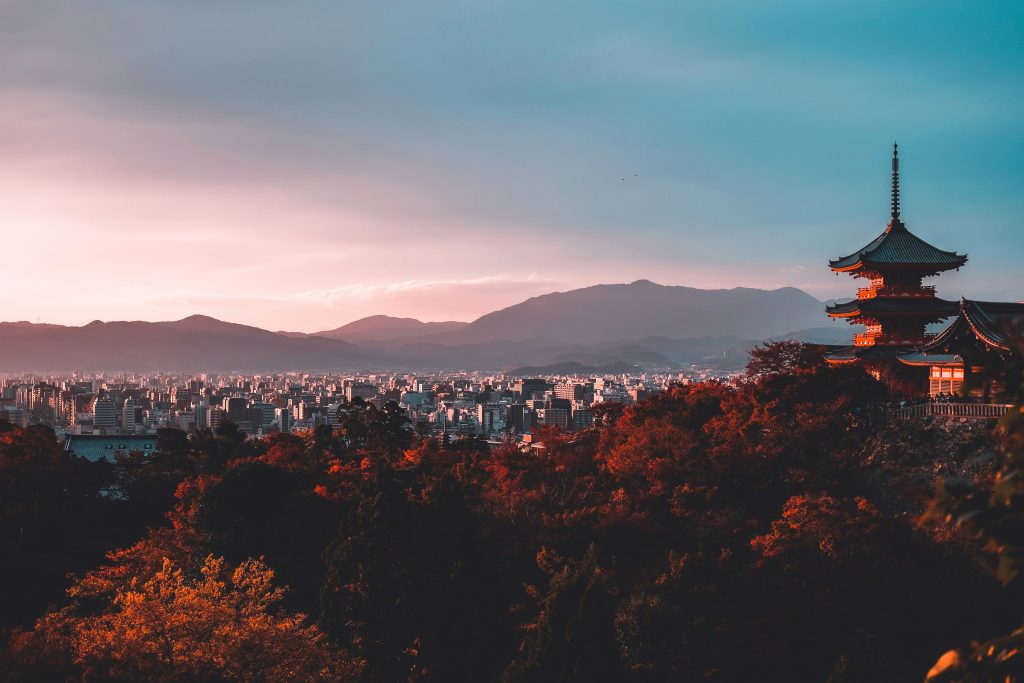
What Makes This Itinerary Special
This 7-day itinerary blends history, modern city life, and local experiences so you taste different sides of Japan each day. You’ll walk busy city streets, visit world-class temples, sample regional food, and use Japan’s fast trains to move efficiently between areas.
It’s designed for first-time visitors and repeat travelers who want a compact, well-paced trip that highlights Tokyo and Kyoto while leaving room for a memorable day trip.
Overview of Your Week: Tokyo, Kyoto, and Beyond
Suggested sequence: Days 1–3 in Tokyo (neighborhoods like Asakusa, Harajuku, Shibuya), Days 4–6 in Kyoto (Fushimi Inari, Arashiyama, eastern temples), and Day 7 as a day trip to Nara before returning. This routing minimizes back-and-forth travel and makes good use of Japan’s rail network.
Practical note: the rail timing and pass rules changed recently — plan trains around the services your Japan Rail Pass covers and check seat-reservation rules in advance.
Budget Expectations for Seven Days
Costs vary by travel style. As of 2025, a realistic mid-range daily budget is about $110 per person (meals, local transport, modest sightseeing), while Tokyo accommodations typically range from $100–$300+ per night depending on location and season.
Japan Rail Pass pricing increased in recent years; it can still save money if you take multiple long-distance trains, but it doesn’t cover the fastest Nozomi Shinkansen services. Compare current JR Pass prices and single-ticket costs for your exact travel dates to decide the best way to buy train travel.
- Quick savings checklist: travel light or use luggage forwarding, compare JR Pass vs single tickets for Tokyo→Kyoto, buy Suica/Pasmo for local trains, carry some cash for small vendors.
- Budget example: Budget traveler ≈ $70/day (hostel/capsule, cheap meals, local travel). Mid-range ≈ $110/day (3-star hotel, mix of restaurants, some paid attractions). Splurge ≈ $250+/day (higher-end hotels, fine dining, private tours).
Before you go, check live JR Pass pricing and the 2025 electronic travel authorization (eVisa) requirements to avoid surprises — these two items can affect both your budget and travel time planning.
Best Time to Visit Japan for Your Week-Long Adventure
Japan’s four distinct seasons each offer different highlights, so the best time to visit depends on what you want to see and do. Weather, crowds, and seasonal events affect travel time, costs, and the views you’ll enjoy — below are typical windows and practical timing tips (including 2025 forecast examples) to help you pick the right days for your trip.
Spring Cherry Blossom Season (March–May)
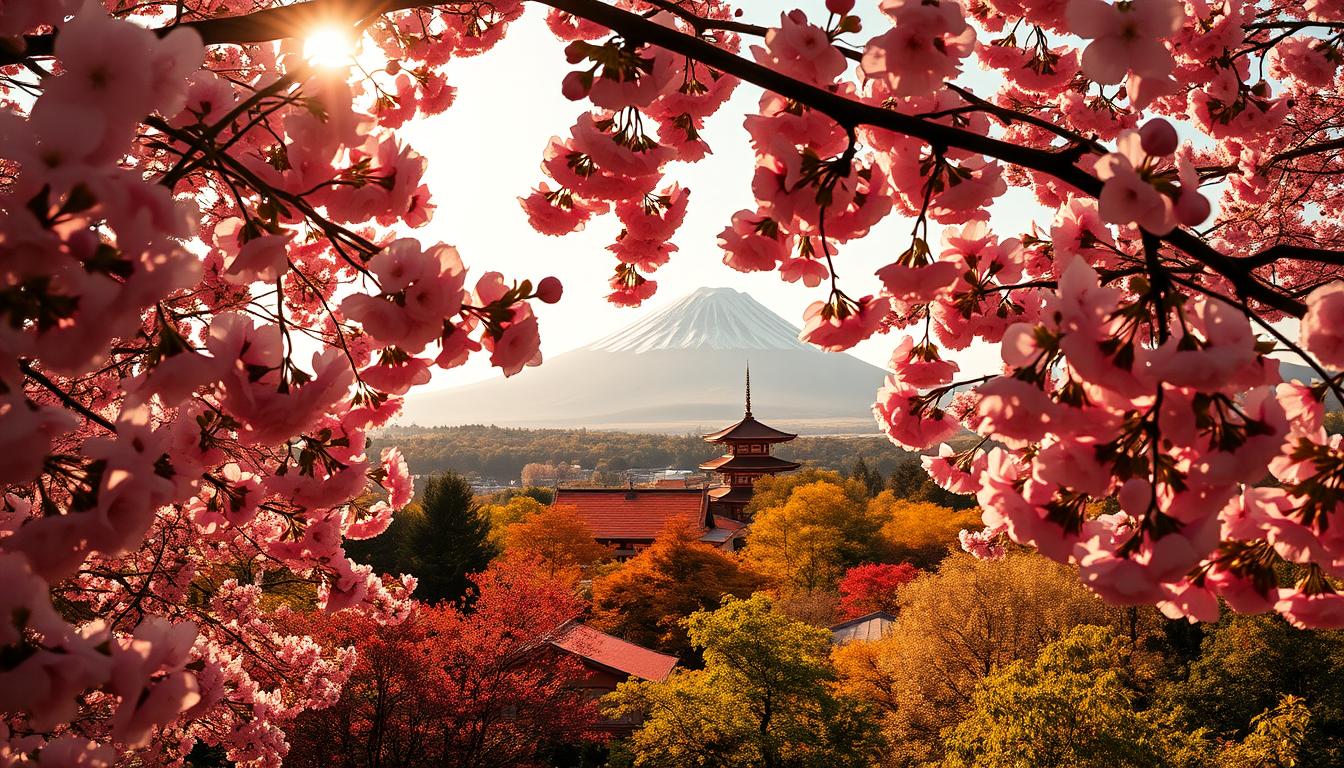
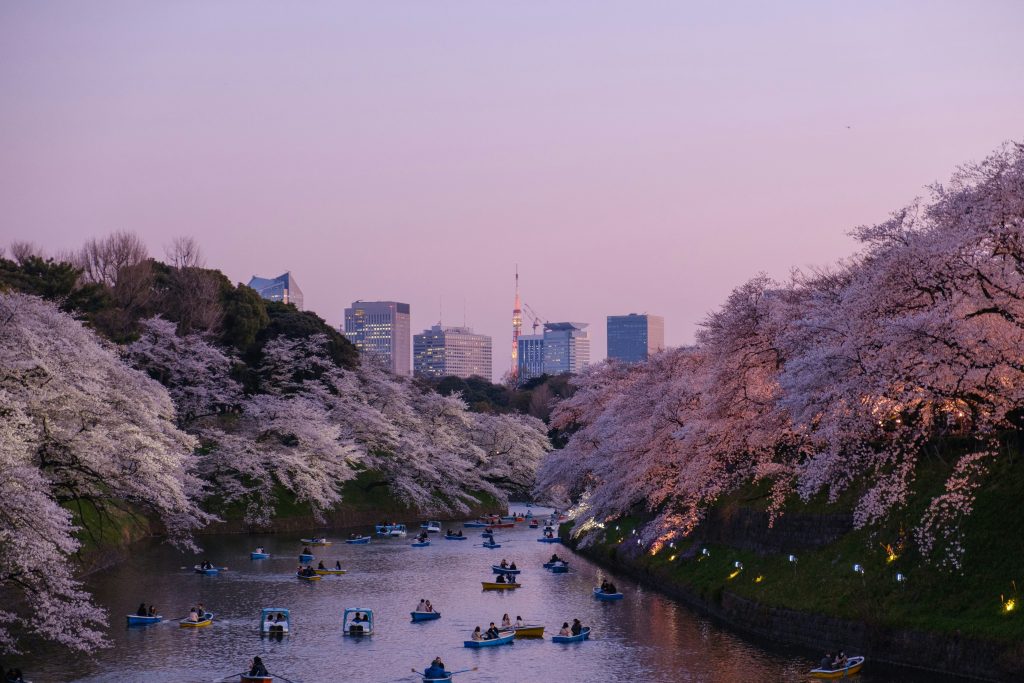
Spring is one of the most popular times to travel to Japan because of the cherry blossoms (sakura). Typical bloom windows run from late March through early April in much of central Japan, but exact peak dates change year to year. Forecasts for 2025 put Tokyo’s peak around March 31 and Kyoto’s around April 4 — use those as planning anchors, not guarantees.
Must-visit viewing spots for a spring day: Ueno Park in Tokyo and Maruyama Park in Kyoto. If your 7-day itinerary targets sakura, schedule your Kyoto days to overlap with the local forecasted peak for the best chance of full blooms.
Summer Festival Season (June–August)
Summer brings lively festivals, fireworks, and beach weather in southern areas like Okinawa. Expect hot, humid days (often over 30°C / 86°F) and a rainy season (typically early summer) in many regions. Popular festival dates — such as Gion Matsuri in Kyoto — fall in summer and are fantastic if you like crowded, festive streets and traditional performances.
If you travel in summer, plan cooler-morning activities (temples, mountain hikes) and save indoor museums or seaside relaxation for the hottest afternoons.
Autumn Foliage Season (September–November)
Autumn’s koyo (fall colors) draw big crowds for good reason — the views can be spectacular. Leaf color progresses from north to south: mountains and Hokkaido turn first (September–October), while Kyoto and central Honshu typically peak from late October into early December depending on elevation and the year. Contrary to the original vague claim, peak color in Kyoto often occurs in late November to early December rather than “mid-to-late November” every year.
If autumn foliage is your reason to visit, aim to put your Kyoto days in the local predicted peak window; consider mountain areas earlier in the season for dramatic color and cooler hiking days.
Winter Wonderland Experience (December–February)
Winter offers snowy scenery and top-tier skiing in Hokkaido and the Japanese Alps (Niseko, Hakuba). Many travelers also enjoy onsen (hot springs) in colder months. Cities like Tokyo and Kyoto are quieter, and some temple views are especially serene against a dusting of snow. Pack for cold mornings and shorter daylight hours.
For a 7-day trip focused on winter sports, allocate travel days to minimize transfer time to mountain resorts, and add recovery days for onsen and relaxed exploration.
Quick “When to Go” Cheat Sheet
- Best for cherry blossoms: late March–early April (2025 examples: Tokyo ≈ Mar 31; Kyoto ≈ Apr 4) — schedule Kyoto days for that window.
- Best for summer festivals: July–August — expect heat, humidity, and crowded streets.
- Best for autumn foliage: late October–early December depending on area — Kyoto often peaks in late Nov–early Dec.
- Best for snow and skiing: December–February — Hokkaido and the Alps are prime.
Practical tip: always check live bloom and foliage forecasts for your travel year and build flexibility into your schedule. If you need help slotting seasonal highlights into specific days of a 7-day itinerary, adjust Kyoto (temples, gardens) to the forecasted peak period and keep Tokyo and one-day trips flexible around that core.
Essential Travel Preparations Before Your Japan Trip
A smooth 7-day trip japan starts with a few key preparations: check entry rules, sort your money and cards, decide on long-distance train tickets, and pack with Japan’s luggage and reservation rules in mind. Below are concise, up-to-date steps to get you ready.
Visa Requirements for US Citizens
Important (2025): U.S. citizens are allowed stays of up to 90 days for tourism, but since April 2025 most travelers must obtain an electronic travel authorization (eVisa/electronic travel authorization) before arrival. Apply early — processing windows can vary — and confirm details on the Japanese Ministry of Foreign Affairs website. Make sure your passport is valid for the duration of your stay and have proof of onward travel if requested at immigration.
Currency Exchange and Payment Methods
The Japanese yen is the local currency. Major cards are accepted in big city hotels, restaurants, and many shops, but many smaller restaurants, markets, shrineside stalls and some ryokans remain cash-preferred or cash-only — carry an appropriate amount of yen. Reliable ATMs for foreign cards include 7-Eleven and Lawson convenience-store machines and Japan Post ATMs; you can also withdraw yen at airport exchange booths on arrival.
Booking Your Japan Rail Pass
The Japan Rail Pass can still save money for multi-city travel, but prices rose in recent years and the pass does not cover the fastest Nozomi Shinkansen services. It does cover Hikari and Kodama trains. Check current 2025 JR Pass pricing before buying and compare single-ticket costs for Tokyo→Kyoto if your itinerary only uses one long-distance trip.
Quick worked example: for Tokyo→Kyoto→Nara (standard one-way fares and covered trains), a 7-day JR Pass often remains worth it if you plan additional long legs (e.g., a day trip beyond Nara). If your travel is strictly Tokyo→Kyoto→Nara with few extra long rides, compare the total single-ticket costs — especially if you prefer the Nozomi (you’d need to buy separate Nozomi tickets because the JR Pass doesn’t cover Nozomi trains).
Must-do Before You Fly
- Apply for the eVisa/electronic travel authorization if required for your nationality.
- Compare JR Pass vs single tickets for your planned train legs and reserve seats if needed.
- Download transit apps, buy or top up a Suica/Pasmo IC card on arrival, and save major station names in your map app.
- Notify your bank of travel dates and carry a backup card; withdraw some yen at the airport ATM.
- Consider luggage forwarding (takuhaibin) or reserve oversized-luggage spaces on long-distance trains — large suitcases may require advance reservations on some Shinkansen services.
Practical timing tip: purchase major train reservations as soon as your schedule is fixed, particularly during peak seasons; seat reservations can save time and guarantee you’ll make the most of your travel days.
Day 1: Arriving in Tokyo and Exploring Shinjuku
Your first day in Tokyo is about settling in and getting a taste of the city’s energy without overpacking the schedule. Use this day to handle logistics, pick up essentials, and enjoy an easy evening exploring a lively neighborhood.
Landing at Narita or Haneda Airport
Narita and Haneda both serve Tokyo but offer different transfer options and travel times. From Narita, the Narita Express (N’EX) takes about 60–90 minutes to central Tokyo depending on destination; the Keisei Skyliner to Ueno is faster to northeastern areas (about 40–50 minutes). From Haneda, the monorail or Keikyu line reaches central Tokyo in roughly 15–30 minutes. Compare train, airport bus, and limousine options for your station and luggage needs.
Checking Into Your Tokyo Hotel
After you arrive at your station, head to your hotel to drop bags and freshen up. Tokyo has accommodations across price ranges; if you arrive late at night, consider staying near your arrival-side station to save time. If you plan to ride the Shinkansen with large suitcases later in the trip, consider using luggage forwarding (takuhaibin) to send bags ahead or reserve oversized-luggage spaces when you book seats.
Evening Exploration of Shinjuku District
Shinjuku is a great first-night area — it offers bright streets, skyscraper views, and many dining choices. Spend the evening wandering the entertainment areas around Shinjuku Station, or head up to an observation deck at a tall hotel or the Tokyo Metropolitan Government Building for night views.
Dinner at Omoide Yokocho Alley
For a lively dinner, try Omoide Yokocho — a narrow cluster of tiny eateries and yakitori stalls that feels like stepping back in time. Many places are cash-friendly or prefer cash, so have some yen on hand. Expect close quarters and a convivial atmosphere; if you prefer table service, pick a small izakaya nearby.
Arrival checklist: buy or top up a Suica/Pasmo IC card at the airport or station, withdraw some yen at a 7-Eleven or airport ATM, get a local eSIM or pocket Wi-Fi, and make any urgent train seat reservations for upcoming long legs. With your first night in Shinjuku complete, you’ll be ready to dive into Tokyo’s streets and sights the next day.
Day 2: Tokyo's Historic and Modern Highlights
Plan Day 2 as a contrast between Tokyo’s oldest temples and its high-energy modern neighborhoods. Timing each stop will help you avoid the worst crowds and make the most of your day in the city.
Morning Visit to Senso-ji Temple in Asakusa
Morning (8:00–10:30): Start at Senso-ji in Asakusa to beat the midday crowds. This temple is famous for its giant red lantern and the Nakamise-dori shopping street leading up to it — great for souvenirs and traditional snacks. Follow basic temple etiquette (bow, be respectful of worshippers, and avoid taking photos where signs prohibit them).
Exploring Akihabara Electric Town
Late morning to lunchtime (11:00–13:30): Head to Akihabara, Tokyo’s “Electric Town,” for electronics, anime shops, and quirky cafés. If you’re a fan of retro games or collectible figures, spend an hour or two exploring multi-floor shops. For lunch, try a nearby ramen restaurant — many popular ramen shops are cash-friendly, so have some yen on hand.
Afternoon in the Imperial Palace East Gardens
Afternoon (14:30–16:00): Slow the pace with a stroll through the Imperial Palace East Gardens. The gardens are a peaceful green space near the center of the city (check opening times in advance, as some areas close on certain days). This is a good time to relax, take photos, and enjoy traditional landscaping and views of the palace moat.
Evening in Shibuya Crossing and Harajuku
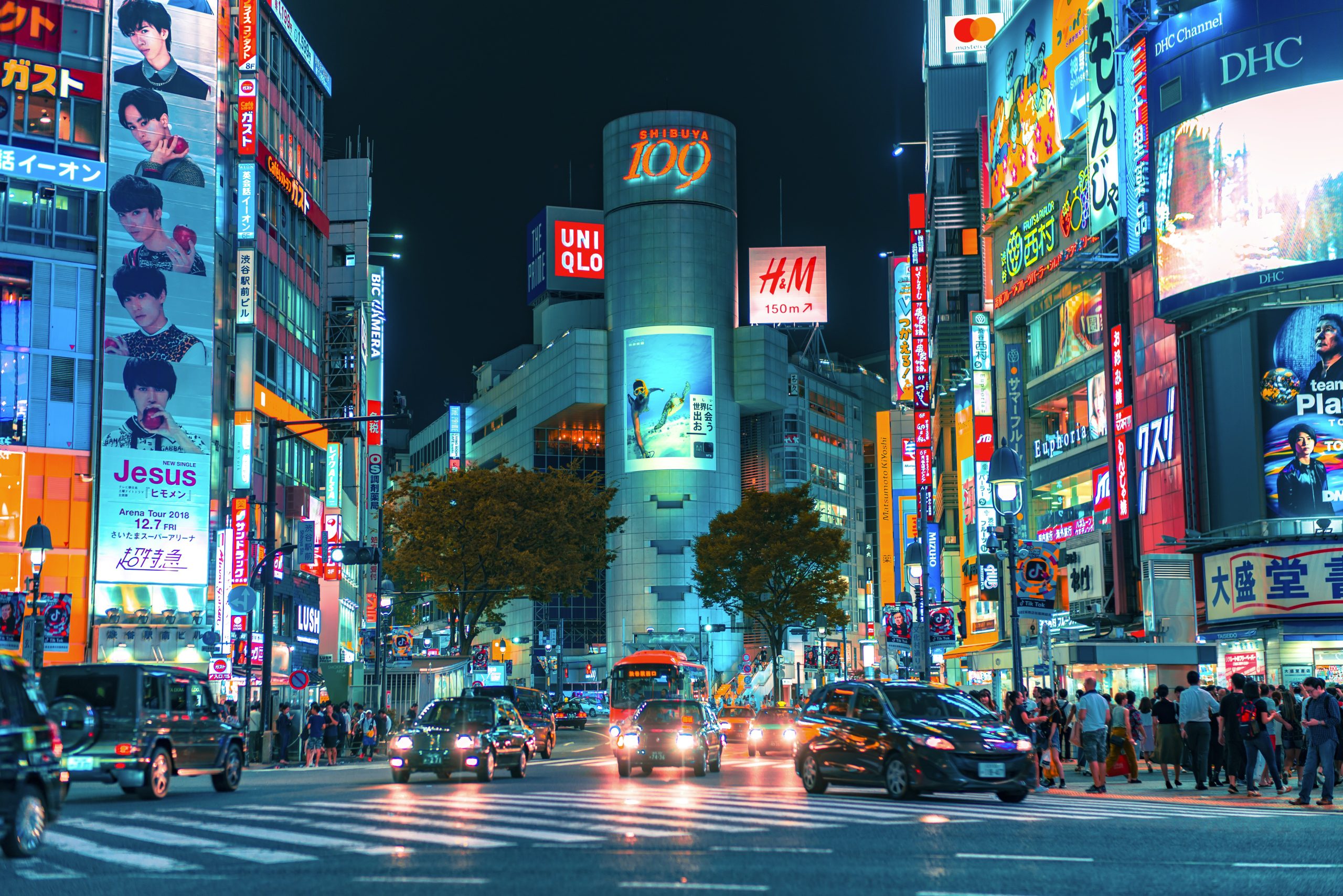
Evening (17:30–21:00): Finish the day in the Shibuya/Harajuku area. Experience the famous Shibuya Crossing — often called the busiest pedestrian intersection in the world — then explore the lively streets of Harajuku and Takeshita Street for fashion, snacks, and people-watching. If you want a view of the crossing from above, head to an observation café or one of the surrounding buildings’ vantage points.
Practical tips: wear comfortable shoes for lots of walking, keep a Suica/Pasmo card loaded for quick station transfers, and plan lunch and dinner windows to avoid peak mealtimes when lines form. By following this schedule, you’ll see both the city’s quiet, historic side and its colorful, modern streets in one productive day.
Day 3: Tokyo's Cultural Treasures and Scenic Views
Day 3 mixes quiet shrine visits, leafy parks, and a modern digital art experience — a day designed to show Tokyo’s range of places and views while keeping travel time efficient.
Early Morning at Meiji Shrine
Morning (7:30–9:30): Start at Meiji Shrine for a peaceful early visit before the crowds arrive. The shrine sits in a forested enclave near Harajuku and offers a calm contrast to the city bustle; take time to walk through the torii, observe ritual etiquette, and enjoy the surrounding greenery.
Yoyogi Park and Omotesando Avenue
Late morning (9:30–12:00): From Meiji Shrine, stroll through Yoyogi Park — a popular spot for morning runners and, in spring, cherry blossom viewing. Then head down Omotesando Avenue, Tokyo’s tree-lined “Champs-Élysées,” known for designer boutiques and stylish cafés where you can stop for brunch or souvenir shopping.
TeamLab (New Location) — Digital Art Immersion
Afternoon (13:30–15:30): Book a timed-slot visit to TeamLab’s current venue (the original Odaiba site closed in 2022; the flagship reopened at Azabudai Hills in early 2024). Tickets typically start around ¥3,800 (approx. $24.50) — buy in advance online to guarantee your slot. Expect immersive, interactive installations and plan about 60–90 minutes for the main exhibits.
Odaiba Waterfront District
Late afternoon to evening (16:30–20:00): If you still have energy, head to Odaiba for waterfront views of Tokyo Bay, evening lights, and shopping or dining options. Alternatively, remain in central Tokyo for dinner near Shinjuku or Shibuya. Travel time: allow 30–45 minutes by train from central Harajuku/Shibuya areas to Odaiba depending on connections.
Practical tips: reserve TeamLab tickets early, carry a Suica/Pasmo for smooth train transfers, and allow time for short breaks — this schedule balances temples and modern attractions so you can enjoy both without feeling rushed.
Day 4: Travel Day from Tokyo to Kyoto
Day 4 is your transfer day: trade Tokyo’s skyline for Kyoto’s temples and traditional streets. The fastest and most comfortable way to cover the roughly 450 km between the two cities is the Shinkansen bullet train — plan your train choice to match your JR Pass status, luggage needs, and time budget.
Morning Shinkansen Bullet Train Journey
Shinkansen travel times (typical examples): the Nozomi (fastest) runs Tokyo→Kyoto in about 2 hours 15 minutes; the Hikari takes roughly 2 hours 40 minutes; the slower Kodama makes more stops and can take longer. If you’re buying individual tickets and want the fastest trip, the Nozomi is the quickest option. If you hold a Japan Rail Pass, remember the pass does not cover Nozomi trains — use Hikari or Kodama services instead.
Board at Tokyo Station or Shinagawa Station depending on your hotel; trains are frequent, but reserve seats during peak travel time to guarantee the best seats and space for luggage.
Arriving at Kyoto Station
Kyoto Station is a major hub with easy access to taxis, buses, and local trains. After arriving, consider using a luggage-forwarding (takuhaibin) service if you didn’t send bags ahead — it’s affordable and saves time navigating streets with suitcases. If you plan to travel with oversized luggage on the Shinkansen later, check reservation rules: some large suitcases require advance reservation or use of designated luggage areas.
Afternoon Exploration of Fushimi Inari Shrine
Afternoon (after hotel drop-off): head to Fushimi Inari, famous for thousands of vermilion torii gates that form mountain trails. It’s reachable by a short train ride from Kyoto Station (about 5–10 minutes to Inari Station on the JR Nara Line). Allow 60–90 minutes to walk part of the trail and enjoy views over Kyoto.
Evening Stroll Through Historic Gion District
Evening: stroll through Gion’s narrow lanes and traditional wooden machiya houses as dusk falls. This area is ideal for a traditional Kyoto-style dinner — choose an izakaya, yakitori spot, or a kaiseki restaurant depending on your budget. Keep an eye out for geisha and maiko moving between appointments, and be respectful when taking photos.
Practical tip: if you have a JR Pass and want to travel faster, plan around Hikari schedules (covered by the pass). If you prefer Nozomi times for a shorter travel time, buy Nozomi tickets separately. Reserving seats and checking train times in advance saves time and ensures your day continues smoothly after arrival in Kyoto.
Day 5: Discovering Kyoto's Ancient Temples and Gardens
Day 5 is a full Kyoto immersion in temples, traditional gardens, and peaceful natural places. Aim to start early to enjoy the best light and avoid crowds, then move to Arashiyama for an atmospheric afternoon beside the river and bamboo groves.
Early Morning at Kinkaku-ji Golden Pavilion
Morning (8:00–9:30): Arrive early at Kinkaku-ji (the Golden Pavilion) to see its famous gold-leaf façade reflected in the pond with fewer people around. The site opens early; check the current opening time and admission fee before you go. From Kyoto Station, take a bus or taxi; buses are frequent but can be slower during peak times.
Ryoan-ji Zen Rock Garden
Late morning (10:00–11:30): A short ride from Kinkaku-ji brings you to Ryoan-ji, renowned for its minimalist zen rock garden. Spend 30–45 minutes contemplatively walking the grounds and viewing the iconic raked gravel and stone arrangement. Facilities are accessible by short walks from nearby bus stops.
Arashiyama Bamboo Grove Experience
Afternoon (12:30–15:30): Head to Arashiyama for lunch and a stroll through the bamboo grove. The grove is most pleasant in the afternoon light, but it stays crowded — plan to walk the main path and explore side streets. Recommended lunch: try a river-side restaurant for local soba or tempura; many places accept cards in town centers, but bring cash for smaller stalls.
Tenryu-ji Temple and Iwatayama Monkey Park
Late afternoon (15:30–17:30): Visit Tenryu-ji, a UNESCO World Heritage temple with a renowned garden that offers great views of the surrounding mountains. Then, if you’re up for a short climb, head to Iwatayama Monkey Park for panoramic views of Kyoto and close encounters with wild macaques — note there’s an admission fee and a short uphill walk from the station.
Practical travel tips: use the local bus network or short taxi rides to save time between sites; consider a one-day bus pass if you’ll use buses heavily. Wear comfortable shoes for walking and moderate climbs, carry a small amount of cash for market stalls and smaller temples, and leave room in your day to linger — Kyoto’s temples reward slow exploration.
Day 6: Kyoto's Eastern Highlights and Cultural Experiences
Day 6 focuses on eastern Kyoto’s serene temples, a scenic riverside walk, and a chance to participate in a traditional tea ceremony. Start early to catch sunrise views and plan a relaxed pace so you can soak in each site.
Sunrise Visit to Kiyomizu-dera Temple
Morning (sunrise–8:30): Arrive at Kiyomizu-dera early for peaceful views over Kyoto and to avoid mid-morning crowds. The temple perches on a hillside — get there from Kiyomizu-Gojo Station (Keihan Line) or by bus from Kyoto Station. Check current opening hours before you go; the main veranda offers excellent morning views and photo opportunities. Don’t miss the small Jishu Shrine within the complex, famous for its “love stones.”
Walking the Philosopher's Path
Late morning (9:30–11:30): From the Kiyomizu area, take a short bus or taxi to the Philosopher’s Path. This calm, tree-lined canal walk connects several small temples and galleries and is especially pretty in spring when cherry blossoms bloom. Plan to stop at a neighborhood café or a small shop along the route for refreshments — many are cozy spots for a mid-morning break.
Ginkaku-ji Silver Pavilion and Gardens
Midday (11:30–13:00): At the northern end of the Philosopher’s Path sits Ginkaku-ji (the Silver Pavilion). Explore the temple’s moss gardens, raked sand features, and tranquil ponds. Note current opening times and an admission fee; the site is best enjoyed slowly, with time to wander its subtle landscaped spaces.
Authentic Japanese Tea Ceremony Experience
Afternoon (14:00–15:30): Book an authentic tea ceremony in advance — many tea houses near the Philosopher’s Path or in Gion offer sessions lasting 45–60 minutes and include instruction on etiquette and matcha preparation. Prices and availability vary, so reserve early, especially in high season. The ceremony is not just a drink; it’s a cultural ritual that provides a calm, reflective part of your itinerary.
How to get between sites: use local buses for short hops (buy a one-day bus pass if you plan multiple rides) or take short taxi rides to save time. Practical tip: wear comfortable shoes for walking, carry a little cash for small shops and tea houses, and allow flexible time so you can linger at a favorite temple or shop. This day gives you a measured, cultural view of Kyoto that rewards slow exploration.
Day 7: Day Trip to Nara and Return to Tokyo
Day 7 is a relaxed day trip from Kyoto to Nara, a compact city of temples, shrines, and free-roaming deer that makes a perfect final outing before heading home or returning to Tokyo.
Morning Train Journey to Nara
Train options and times vary by operator: the Kintetsu Limited Express from Kyoto (Kintetsu Kyoto Station) can take roughly 35 minutes to Kintetsu‑Nara Station (the most convenient for Nara Park — about an 8-minute walk). The JR Nara Line from Kyoto Station to JR Nara Station typically takes about 40–45 minutes and is covered by the Japan Rail Pass. Choose Kintetsu for the quickest access to the park, or JR if you’re using a JR Pass.
Nara Park and the Sacred Deer
Nara Park is famous for its friendly deer that roam the grounds. Buy officially sold deer crackers (shika senbei) at park stalls rather than feeding from your hands; the deer can be bold and a little pushy. Treat wildlife respectfully and follow posted guidance for safety.
Todai-ji Temple and the Great Buddha
From the park, walk to Todai-ji, home to the giant Daibutsu (Great Buddha) in one of the world’s largest wooden halls. Allow at least 45–60 minutes to explore the temple complex and museum exhibits. Check current opening hours and any entry fees before you go.
Kasuga-taisha Shrine
Also within walking distance is Kasuga‑taisha, known for hundreds of stone and hanging bronze lanterns along peaceful forested paths. The shrine offers serene views and photo opportunities — a fitting contrast to the lively deer-filled park.
Practical tips: if you used Kintetsu for arrival, return via Kintetsu for the fastest trip back to Kyoto; if you hold a JR Pass, the JR Nara Line is covered but note the extra walk or short bus from JR Nara Station to the park. Plan your timing so you have a relaxed lunch in Nara (try local eateries near Nara-machi) and still make your onward train — whether returning to Kyoto for an evening in town or taking the bullet train back to Tokyo. This final day offers historic sights, natural scenes, and memorable encounters with the people and wildlife that make Nara special.
Where to Stay During Your Week in Japan
Choosing the right neighborhood makes a big difference to your trip experience. Tokyo and Kyoto offer a wide range of hotels and room types, from tiny capsule rooms for budget travelers to large luxury suites — plan where to stay based on your priorities (convenience, nightlife, or quiet) and your nightly budget.
Best Tokyo Neighborhoods for First-Time Visitors
Three neighborhoods are particularly friendly for first-timers:
- Shinjuku — a major transport hub with easy access to JR lines and subway stations; great for nightlife, skyscraper views, and a wide mix of restaurants and bars. Expect more noise but excellent connections to other city areas and the Shinkansen at nearby stations.
- Shibuya — youthful, vibrant, and centered on the famous crossing; ideal for shopping, people-watching, and trendy dining. Travel times to central stations are short, making day trips and evening plans easy.
- Asakusa — quieter and more traditional, with Senso-ji and old-street charm; good for cultural sights and a calmer base, though slightly farther from some JR lines.
These areas are well connected to major stations and make good bases for a 7-day itinerary that includes Tokyo and side trips.
Hotel Types from Budget to Luxury
Tokyo’s accommodation market serves every taste and price range. Typical 2025 nightly ranges (approximate):
- Budget (capsules, hostels, basic business hotels): ~$40–$120 per night — compact rooms, limited luggage space; good for solo travelers who plan to spend most of the day out.
- Mid-range (3-star hotels, boutique properties): ~$110 per night (mid-range daily budget context) up to ~$200 — comfortable rooms, more amenities, better locations near stations.
- Luxury (4–5 star hotels, international chains): $250–$500+ per night — larger rooms, top-tier service, and on-site dining and spa facilities.
Notes and tips:
- If you choose a capsule hotel, confirm the allowed luggage size — larger suitcases may not fit.
- For families or longer stays, consider rooms with extra space or an apartment-style hotel to store luggage and relax in the evening.
- Book rooms near a major station if you want quick access to intercity trains (e.g., Tokyo Station, Shinagawa) — this can save time on travel days.
Where to Stay by Traveler Type
- First-timers: Shinjuku or Shibuya for convenience and nightlife.
- Nightlife seekers: Shinjuku or Roppongi (best bars and late-night restaurants).
- Budget travelers: Capsule hotels or business hotels near major stations; expect smaller rooms but easy transit.
- Families: Mid-range hotels offering larger rooms or family rooms in quieter neighborhoods near parks.
Practical booking tip: pick a hotel close to a major station to minimize time moving between areas. If your schedule includes early Shinkansen departures, consider a hotel near Tokyo Station or Shinagawa to make the most of each morning. A small shift in location can save you a bit of travel time and let you enjoy more of each day.
Japanese Food Experiences You Cannot Miss
Japan is a food lover’s paradise — every city neighborhood brings different flavors, from humble street food to refined multi-course dinners. During your seven-day itinerary, aim to mix quick local eats with at least one upscale experience so you taste the variety this country offers.
Sushi and Sashimi: From Conveyor Belt to High-End
Sushi and sashimi showcase Japan’s seafood quality. Casual kaiten-zushi (conveyor-belt sushi) offers affordable, delicious plates — expect $3–$6 per plate depending on the restaurant — while mid-range sushi restaurants run $30–$100 per person. For a special dinner, book a high-end sushi counter in advance. Neighborhood picks: try standing sushi bars near Shinjuku or a mid-range sushi restaurant in Tsukiji/Toyosu markets for very fresh seafood.
Ramen Shops and Regional Varieties
Ramen is comfort food across Japan, with regional variations: tonkotsu (pork-bone) from Kyushu, miso-rich bowls from Hokkaido, and shoyu (soy sauce) styles in central areas. A typical ramen bowl costs about $6–$15. In Tokyo, sample a popular local ramen shop for lunch (many are cash-friendly and have vending-machine ordering), and save room for different bowls in different cities — ramen is one of the easiest, most satisfying things to try on your trip.
Kaiseki — Traditional Multi-Course Dining
Kaiseki is Japan’s haute cuisine: a carefully composed multi-course meal based on seasonal ingredients. Expect to spend $80+ per person for an introductory kaiseki, with higher-end experiences costing several hundred dollars. Kaiseki is commonly served at ryokan and specialized restaurants in Kyoto; if your itinerary includes Kyoto, reserve a kaiseki dinner to experience this refined tradition as a memorable evening.
Street Food and Convenience Store Treasures
Don’t underestimate street food and konbini (convenience store) discoveries — they’re part of the local food culture. Try yakitori skewers, takoyaki, onigiri, and sweet treats from street stalls or market lanes. Many casual vendors prefer cash, so carry small bills and coins. Convenience stores also sell surprisingly high-quality ready meals and snacks that make quick, affordable meals between sightseeing.
Quick Food Itinerary for Your Week
- Tokyo days: breakfast at a local café, lunch at a ramen shop, sushi dinner or conveyor-belt sushi for variety.
- Kyoto days: try a kaiseki dinner one evening and sample local Kyoto-style sweets and street snacks during daytime temple visits.
- Day trips (Nara/Arashiyama): enjoy market stalls and riverside restaurants for casual lunches and local specialties.
Practical tips: check opening hours (many popular restaurants close mid-afternoon), carry cash for small stalls and late-night izakayas, and book high-end restaurants and kaiseki well in advance — especially during peak travel times. With these suggestions, your food-focused days will be delicious highlights of the trip.
Getting Around Japan: Transportation Mastery
Japan’s transport network is famously efficient, but a few key rules and tools make the difference between a stressful travel day and a smooth one. Use the right passes, apps, and packing strategies to save time and money on trains, metros, and buses.
Maximizing Your Japan Rail Pass Value
The Japan Rail Pass remains valuable for multi-city itineraries, but pricing changed in recent years and the pass has operational limits you must know. The JR Pass covers JR lines including Hikari and Kodama Shinkansen services, but it does not cover the fastest Nozomi services on the Tokaido line — if you want to ride a Nozomi you’ll need to buy separate tickets. Check current 2025 JR Pass prices before purchasing and compare the total single-ticket cost for your planned train legs to decide if the pass is worth it for your trip.
Seat reservations: reserve Shinkansen seats in advance for peace of mind during peak seasons. Luggage: some Shinkansen require oversized-luggage reservations or have designated large-luggage areas; consider luggage forwarding (takuhaibin) if you want to travel light and save time at stations.
Navigating Tokyo's Metro and Subway System
Tokyo’s metro is dense but logical — a prepaid IC card (Suica or Pasmo) is the easiest way to pay across subways, buses, and many shops. Top up at station machines or convenience stores. Use Google Maps for step-by-step subway routing and platform directions; the app handles transfers and walking times well in city environments.
Using Kyoto's Bus Network Effectively
Kyoto’s buses reach most tourist sites; a one-day bus pass can be economical if you’ll take multiple rides. Buses can be slow in traffic, so plan extra time. For faster point-to-point travel, short taxi rides or using local trains may be better. Carry small change for older buses that require exact fare.
Google Maps, Hyperdia and Other Route Planning Tools
Use Google Maps for local transit and walking directions, and a dedicated rail planner (Hyperdia or an updated alternative) for long-distance trains and timetables. For bullet train (Shinkansen) planning, check departure times, platform info, and seat reservation windows via JR sites or booking apps.
Sample Booking Flow for Tokyo → Kyoto
1) Decide whether you’ll use a JR Pass — if yes, choose Hikari/Kodama trains (Nozomi excluded). 2) Reserve seats on your chosen Shinkansen as soon as dates are fixed, especially in peak seasons. 3) If traveling with large suitcases, either reserve a seat with oversized-luggage space (if available) or use luggage forwarding to send bags to your Kyoto hotel. 4) On travel day, arrive at the station 20–30 minutes early to find platforms and luggage areas.
Practical summary: carry a charged phone with Google Maps, keep a Suica/Pasmo for quick station transfers, compare JR Pass vs single-ticket costs for your itinerary, reserve Shinkansen seats where possible, and plan luggage strategy ahead of time. These steps will help you master Japan’s stations and trains and get the most out of your travel time.
Cultural Etiquette and Essential Travel Tips
Knowing a few local customs makes travel in Japan smoother and more enjoyable. Below are concise dos and don’ts, practical reminders about temple behavior, and a handful of useful phrases to help you connect with people and show respect.
Japanese Customs and Social Manners
- Do bow lightly when greeting or thanking someone; a deeper bow is used for formal situations.
- Queue politely. People line up in an orderly way for trains, buses, and stores — follow the line markers at stations.
- Keep phone volume low on trains. Conversations are usually quiet; take calls in station concourses or outside.
- Gift and omiyage etiquette: give and receive with both hands. If offered a gift, it’s polite to accept graciously even if you’ll open it later.
Temple and Shrine Visiting Guidelines
- Dress and behavior: dress modestly and speak quietly; many temples and shrines are active places of worship.
- Temizuya purification: at a shrine, use the water basin to rinse your hands and (optionally) rinse your mouth — follow posted instructions.
- Prayer etiquette: common shrine practice is bow twice, clap twice, then bow once. At temples, follow local signs and avoid entering areas marked “no photography.”
- Photos: many outdoor temple grounds allow photography, but respect signs and do not photograph ceremonies, priests, or people praying when asked not to.
Why You Should Not Tip in Japan
Tipping is not customary and can cause confusion. Excellent service is the norm and is already built into prices; a sincere “thank you” (arigatou gozaimasu) is the preferred way to show appreciation.
Essential Japanese Phrases for Travelers
Learning simple phrases goes a long way. Say them slowly and politely — locals appreciate the effort.
- Hello: konnichiwa (kohn-nee-chee-wah)
- Thank you: arigatou gozaimasu (ah-ree-gah-toh goh-zah-ee-mahss)
- Excuse me / Sorry: sumimasen (soo-mee-mah-sen)
- Yes / No: hai / iie (high / ee-eh)
Quick Dos and Don’ts
- Do carry small bills and coins — many small restaurants, market stalls, and some ryokans are cash-preferred.
- Do remove shoes where requested (entering certain temples, ryokan rooms, and some restaurants).
- Don’t eat while walking in crowded streets; it’s polite to stop to eat or take food to a nearby bench.
- Don’t point with your finger — gesture with an open hand if needed.
Even though customs can seem strict at first, people generally appreciate respectful behavior and small efforts to follow local norms. These simple practices will help you enjoy temples, trains, restaurants, and other parts of Japan with ease.
Conclusion
A well-planned one-week itinerary can deliver unforgettable highlights: Tokyo’s neon energy and neighborhoods, Kyoto’s temples and gardens, a peaceful day trip to Nara, great food, and efficient train travel that ties it all together. This guide has given you a practical day-by-day plan plus the up-to-date travel facts to avoid surprises in 2025.
Before you pack, double-check three high-impact items that affect timing, cost, and entry:
- eVisa / entry requirements: confirm whether you need an electronic travel authorization for your nationality (many travelers now require an eVisa in 2025) and apply early.
- JR Pass vs single tickets: check current JR Pass pricing and note that the pass does not cover Nozomi services — compare costs for your specific train legs and reserve Shinkansen seats where possible.
- Book key tickets and logistics: reserve timed-entry attractions (TeamLab, major temple events), consider luggage forwarding or oversized-luggage reservations for Shinkansen segments, and have some yen for cash-only spots.
Whether you’re on your first trip to Japan or returning for another visit, this itinerary is a flexible framework — tweak the days to match seasonal forecasts, train times, and your personal pace. A little planning up front saves time and frees you to enjoy each part of the journey.
Ready to finalize your trip? Confirm the eVisa and train reservations, book any must-see tickets, and start counting down the days. Enjoy the country — and every bit of your week in Japan.
FAQ
What is the best time to visit Japan?
Is an electronic travel authorization required in 2025?
Do I need a visa to travel to Japan?
What is the Japan Rail Pass, and is it worth it?
How long is the bullet train between Tokyo and Kyoto?
What are the must-try foods in Japan?
How do I get around Tokyo and Kyoto?
Which station is best for visiting Nara?
Can I use credit cards and ATMs in Japan?
What are some cultural etiquette tips for visiting temples and shrines?
How do I plan my Japan itinerary effectively?
Any quick transport tips for busy travel days?