
Table of Contents
ToggleJapan is home to over 500 named waterfalls (official counts often cite 517), scattered from Hokkaido in the north to Kyushu and Okinawa in the south. These waterfalls are celebrated not only for their scenic beauty but also for deep cultural and spiritual meanings tied to local Shinto and Buddhist traditions.
From the twin cascades of Hokkaido to subtropical falls in Kyushu, Japanese waterfalls showcase the country’s varied natural beauty and are often considered sacred spots that connect people to the power of water and nature.
Key Takeaways
- Discover Japan’s most beautiful and culturally significant waterfalls.
- Explore diverse landscapes across Japan’s islands and top waterfall spots.
- Learn about the spiritual importance of water and waterfalls in Japanese tradition.
- Get inspiration and practical tips for planning your waterfall trip in Japan.
- Understand how waterfalls fit into Japan’s natural heritage and seasonal beauty.
The Enchanting World of Japanese Waterfalls
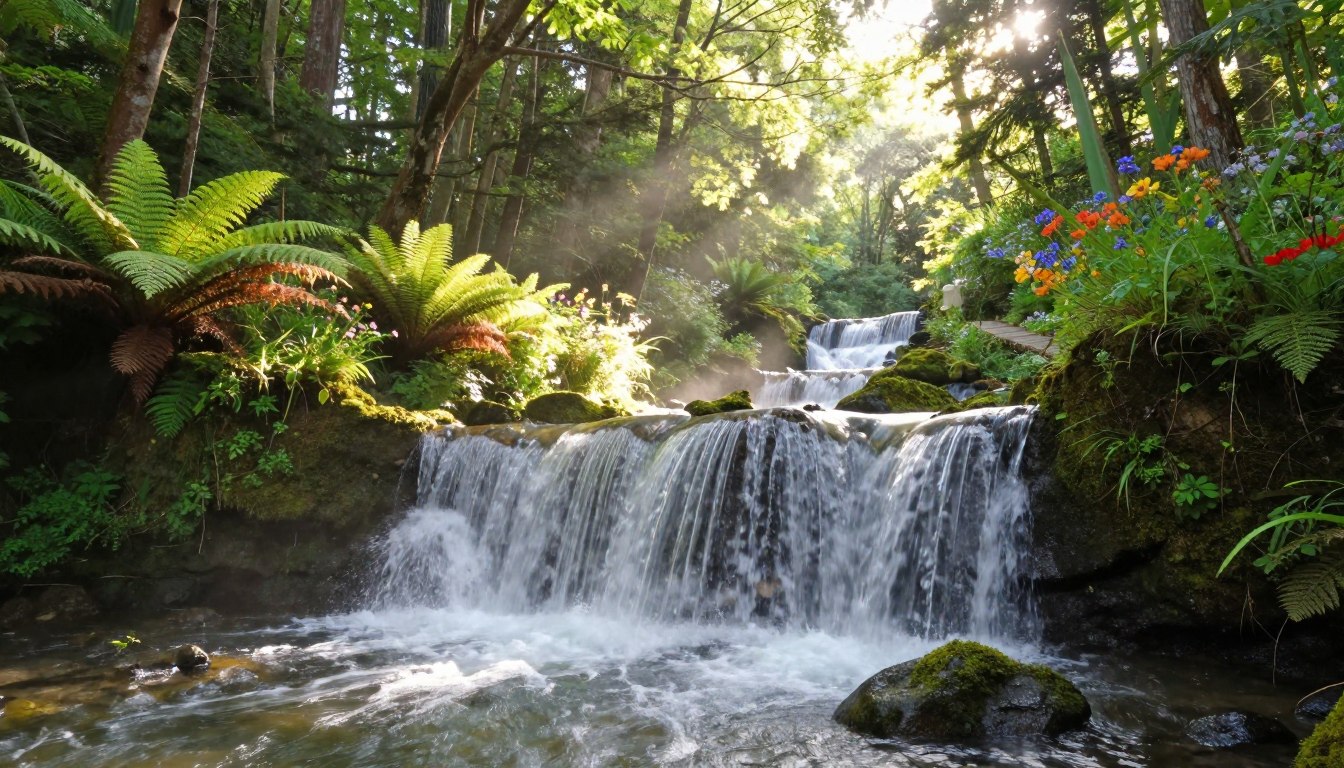
Japan’s landscapes are a nature lover’s dream, dotted with waterfalls that range from powerful single drops to delicate, thread-like cascades. These falls offer scenic escapes and a deep connection to local culture across the country.
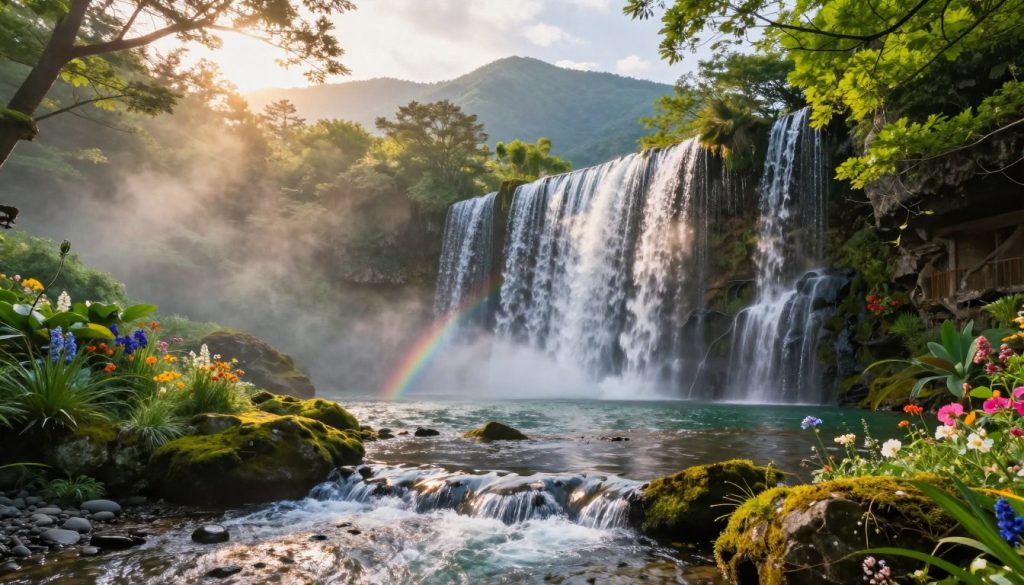
A glimpse of Japan’s varied waterfall scenery — from northern forests to southern jungles.
Cultural Significance of Water in Japanese Tradition
Water is central to Japanese spirituality and ritual. Many waterfalls sit near Shinto shrines or Buddhist sites and are used for purification rites (misogi), pilgrimage practices, and seasonal ceremonies.
Beyond religion, waterfalls have inspired Japanese art, poetry, and folklore for centuries — their sound and motion are often celebrated as symbols of renewal and calm.
Geographical Distribution of Waterfalls Across Japan
Official lists cite roughly 517 named waterfalls across Japan, with many more unnamed cascades tucked into remote valleys. They span the country from Hokkaido in the north to subtropical Okinawa in the south, reflecting Japan’s wide variety of climates and terrain.
Regions such as the Japanese Alps, Yakushima’s old-growth forests, and Nikko National Park each offer distinct waterfall experiences — from mountain torrents to jungle falls — making Japan a true global destination for waterfall spotting and nature photography.
Understanding Japanese Waterfalls: Types and Terminology
To fully appreciate Japanese waterfalls, it helps to know the common types and the terms used to describe them. Japan’s falls show a wide variety of forms—each with distinct height, width, and landscape context that shape the viewing experience.
The “One Hundred Waterfalls of Japan” list, compiled by the Japanese Ministry of the Environment in 1990, highlights important and scenic falls across the country and underscores their natural and cultural value.
Classification of Waterfall Types in Japan
Waterfalls are commonly classified by drop style and setting. Examples include single-drop falls (e.g., Nachi Falls), multi-step or tiered falls (many local cascades), and thin, veil-like falls often called “shiraito” (white-thread) for their delicate appearance.
Key classification factors are height, width, number of tiers, and surrounding landscape—mountain torrents look and behave very differently from jungle or coastal falls, which adds to Japan’s variety of waterfall experiences.
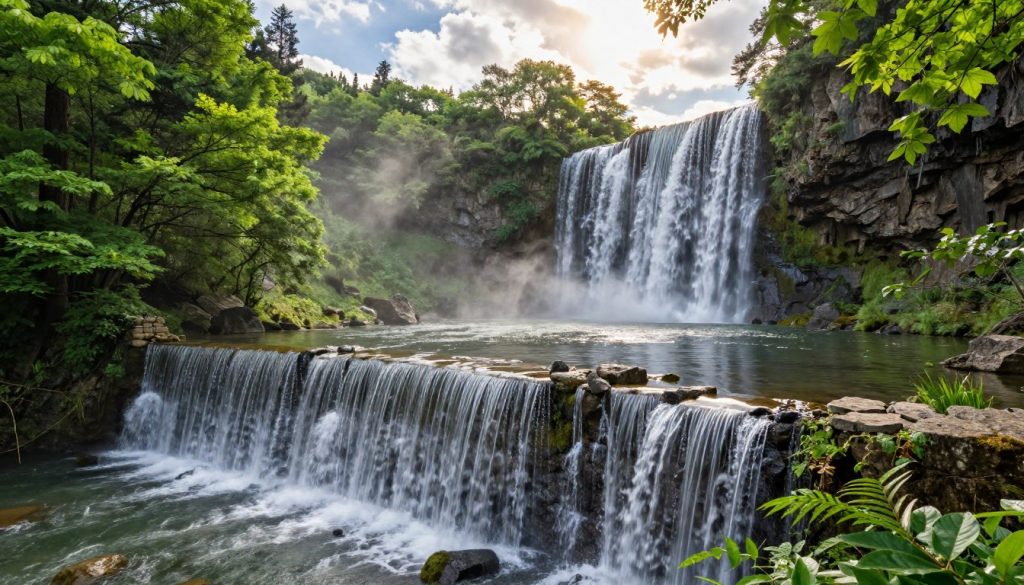
Examples of waterfall types—from powerful single drops to thin, thread-like streams.
Common Japanese Terms for Waterfall Features
Learning a few Japanese terms adds to the experience: “taki” (滝) means waterfall, “shiraito” (白糸) refers to white-thread falls, and terms like “daki” may appear in local names to indicate cascading or flowing features. Using these words can help when reading local signs and articles or asking for directions.
For quick reference, see the Top 10 section for concrete examples tied to each type and to plan visits based on the waterfall variety you prefer.
Top 10 Most Famous Japanese Waterfalls
Japan’s waterfalls combine dramatic scenery with deep cultural roots. Below are four of the most celebrated falls—each entry follows a consistent pattern: location → quick stat/type → cultural or UNESCO note → best season → short “how to visit” tip to help plan your trip.
Japan has many famous waterfalls that draw visitors for photography, spiritual visits, and nature outings. These selections are a good starting point for planning waterfall-focused travel across the country.
Nachi Falls - Japan's Tallest Single-Drop Waterfall
Location: Wakayama Prefecture. Quick stat: single drop of about 133 meters. Type: powerful single-drop waterfall that forms a misty veil.
Cultural/UNESCO note: Nachi Falls is closely linked to Kumano Nachi Taisha Shrine—part of the Sacred Sites and Pilgrimage Routes in the Kii Mountain Range (UNESCO World Heritage).
Best time to visit: spring and autumn for comfortable weather and clear views.
How to visit: reachable by train to Kii-Tanabe or Kii-Katsuura then local bus; short walks from the shrine area.
Kegon Falls - The Iconic Nikko Treasure
Location: Tochigi Prefecture, inside Nikko National Park. Quick stat/type: a dramatic plunge fed by Lake Chuzenji, with viewpoints that frame the falls from multiple angles.
Cultural note & season: Kegon Falls is especially popular for Kegon Falls Nikko autumn leaves photography—autumn foliage around the falls creates striking contrast with the water.
Best time to visit: autumn for leaves; year-round for different lighting and moods.
How to visit: take the train to Nikko or Tobu-Nikko Station, then bus to Lake Chuzenji; short walks from designated viewing platforms.
Fukuroda Falls - Four-Season Spectacle
Location: Ibaraki Prefecture. Quick stat/type: tiered, multi-step waterfall known for its distinctive rock terraces and strong seasonal character.
Cultural/seasonal note: Fukuroda Falls is celebrated in every season—fresh green surrounds in spring, cool respite in summer, vibrant autumn foliage, and dramatic ice formations in winter.
Best time to visit: depends on desired experience—autumn for colors, winter for ice formations.
How to visit: accessible by train to Fukuroda Station (a short bus or taxi ride) or by car; viewing platforms and paths provide multiple perspectives.
Shiraito Falls - Mt. Fuji's Silky Streams
Location: near Mount Fuji (Shizuoka Prefecture area). Quick stat/type: a curtain-like, thready cascade famous for many delicate streams of water that resemble white silk.
UNESCO & cultural note: the Shiraito Falls by Mt. Fuji is included in the Fujisan Cultural Site (UNESCO); note there are other falls with similar names—this entry refers to the Mt. Fuji Shiraito.
Best time to visit: spring and autumn for clear views and vivid surroundings, though the falls are scenic year-round.
How to visit: accessible from Fujinomiya area; combine with a Mount Fuji day trip—local buses and short walks from nearby parking or stations.
Hokkaido Region: Northern Cascades
Hokkaido’s wild landscapes offer peaceful waterfall spots framed by untouched forests and rugged terrain — ideal for nature lovers seeking solitude and dramatic scenery.
Notable spots in Hokkaido showcase different styles of falls and are excellent for photography, hiking, and quiet reflection.
Oshinkoshin Waterfall - The "Twin Beauties"
What you’ll see: Two parallel cascades that drop in close proximity, creating a graceful twin effect against a backdrop of seasonal greenery.
Best time to visit: late spring through autumn for lush foliage; winter offers stark, snowy contrasts.
How to get there: accessible by car from southern Hokkaido coastal roads; parking and short viewing paths available.
Ginga and Ryusei Falls - "Husband and Wife" Waterfalls
What you’ll see: A dramatic pair of falls on the same cliff face — Ginga (“silver”) pours in many thin streams while Ryusei (“meteor”) drops in a powerful single flow; together they form a celebrated natural duo.
Best time to visit: spring to autumn; early morning often delivers excellent light for photos.
How to get there: typically reached from Sounkyo area by car or regional bus with short hikes to viewpoints.
Oshinkoshin, Ginga, and Ryusei showcase Hokkaido’s diverse water features and relatively uncrowded spots compared with major tourist centers.
Tohoku Region: Hidden Gems of Northern Honshu
Tohoku’s waterfalls range from grand vertical drops to smaller cascades along river valleys, set within some of Japan’s most tranquil mountain scenery.
Akiu Great Falls - Miyagi's Natural Monument
What you’ll see: A powerful single-drop fall of around 55 meters set within a forested valley — officially designated a natural monument for its scenic value.
Best time to visit: spring and autumn for foliage; winter can produce frozen formations.
How to get there: reachable by bus or car from Sendai (short local bus + walk).
Oirase Stream Waterfalls - A Forest Symphony
What you’ll see: A chain of small waterfalls and rapids along a crystal-clear river that winds through a primeval forest — excellent for easy to moderate hikes and river-side trail photography.
Best time to visit: autumn for fiery leaves along the stream; spring for fresh greens and higher water flow.
How to get there: nearest stations at Towada area; combine train + bus or drive to trailheads. Trails run alongside the river for several kilometers.
Kanto Region: Waterfalls Near Tokyo
The Kanto region offers quick escapes from Tokyo with waterfalls that are accessible by public transport, making them perfect day-trip options.
Yutaki and Ryuzu Falls - Nikko National Park Treasures
What you’ll see: Twin falls set in lush parkland and accessible trails; Ryuzu is noted for its dragon-head-shaped rock formations at the top.
Best time to visit: autumn for vivid colors along the surrounding river and trails.
How to get there: train to Nikko or Tobu-Nikko Station then bus to the park; short walks from bus stops to viewing platforms.
Minoh Falls - Autumn Leaf Destination
What you’ll see: A popular, photogenic cascade framed by a maple-lined valley — often crowded during peak autumn foliage season.
Best time to visit: mid-to-late November for autumn leaves.
How to get there: easy access from Osaka (train + short walk from Minoh Station); well-maintained trails and local food stalls near the entrance.
Chubu Region: Central Japan's Cascading Wonders
Chubu’s central location and mountainous terrain create varied waterfall experiences, from Mt. Fuji’s silky streams to deep-mountain cascades.
Shiraito Falls - Mt. Fuji's Silky Streams
What you’ll see: A curtain of many thin streams flowing off a wide rock face — the “white-thread” appearance makes this spot iconic.
Best time to visit: spring and autumn for crisp views of Mount Fuji and colorful surroundings.
How to get there: accessible from Fujinomiya area by bus or car; short walks and viewing platforms available.
Yoro Falls - The "Filial Piety" Waterfall
What you’ll see: A scenic fall steeped in local legend, often visited by those interested in regional culture as well as nature.
Best time to visit: spring for new greenery and pleasant hiking conditions.
How to get there: regional train/station access followed by a local bus or short drive; trails and picnic areas nearby.
Both Shiraito and Yoro offer good trail access and varied photographic opportunities across seasons.
Kansai Region: Western Japan's Water Features
Kansai blends easy-access falls near urban centers with more remote mountain cascades, making it ideal for combining city trips with nature stops.
Nunobiki Falls - Kobe's Urban Oasis
What you’ll see: A multi-tiered waterfall system within walking distance of central Kobe — known historically and featured in art and literature.
Best time to visit: spring for cherry blossoms, autumn for colorful leaves.
How to get there: walkable from Kobe city center or via short cable car or trail approaches; convenient for day trips.
Harafudo Falls - Kyoto's Forest Retreat
What you’ll see: A quieter mountain fall nestled among green forest trails — rewarding for hikers seeking a contemplative stop.
Best time to visit: late spring to autumn for hiking and temple visits.
How to get there: access via regional buses or by car to trailheads; expect moderate hiking to reach the site.
Nunobiki and Harafudo demonstrate Kansai’s mix of accessible urban spots and deeper forest trails for hiking.
Chugoku and Shikoku Regions: Lesser-Known Treasures
These regions hide many smaller waterfalls and gorges that reward visitors with solitude and unique scenery — perfect for off-the-beaten-path exploration.
Mikaeri Falls - The "Looking Back" Waterfall
What you’ll see: A picturesque fall linked to a local legend about travelers pausing to admire the view — the name reflects that story and the scenic charm.
Best time to visit: spring and autumn for foliage and comfortable hiking conditions.
How to get there: regional access typically by car or limited local bus routes; check local timetables for remote stops.
Nametoko Gorge Waterfalls - Ehime's Hidden Paradise
What you’ll see: Multiple falls and crystal-clear pools within a densely vegetated gorge — ideal for trail hikes and photography of river scenes.
Best time to visit: summer and autumn for water clarity and foliage; bring sturdy trail shoes for river-side paths.
How to get there: drive or take local transport to trailheads; allow time for hiking along the gorge trails.
Kyushu and Okinawa: Southern Island Cascades
In the south, Kyushu and Okinawa offer waterfalls set in myth-rich gorges and subtropical jungles — a contrast to Japan’s northern torrents.
Manai Falls - Takachiho Gorge's Centerpiece
What you’ll see: A scenic fall dropping into a narrow, steep gorge celebrated in mythology and local performance traditions.
Best time to visit: spring through autumn for pleasant weather and gorge boat rides where offered.
How to get there: accessible by car or local bus from nearby towns; combine with Takachiho shrine visits and local food sampling.
Pinaisara Falls - Okinawa's Jungle Wonder
What you’ll see: The tallest waterfall in Okinawa Prefecture, flowing into a lush subtropical valley — reachable by boat plus hiking or guided tours in many cases.
Best time to visit: winter to autumn in Okinawa’s mild climate; expect humid jungle conditions.
How to get there: often reached via kayak/boat + short hike from local boat landings; guided tours recommended for logistics and safety.
Manai and Pinaisara highlight the southern islands’ lush vegetation and river-fed waterfall spots, perfect for combining river trails, local food stops, and cultural sightseeing.
Seasonal Guide to Visiting Japanese Waterfalls
Japan’s waterfalls are compelling year-round—each season offers different light, foliage, and water conditions that change both the look and the experience. Whether you’re into nature photography, hiking, or a peaceful day trip, time your visit to match the seasonal character you want to see.
Spring: Cherry Blossoms and Increased Water Flow
Spring brings fresh greens and cherry blossoms that often frame waterfall viewpoints. Melting snow and spring rains can increase flow, making cascades more dramatic—great for powerful shots and contrasty images.
Example visit: Many falls near mountain valleys have higher flow in April–May. Best practices: go early to avoid crowds and watch for muddy trails after rain.
Summer: Lush Greenery and Cooling Mists
Summer turns waterfall valleys into lush, green oases. The cooling mist from falls makes them refreshing retreats on hot days, and shaded trails provide pleasant hiking.
Note: some locations (particularly in Nikko and other national parks) may offer designated swimming areas or footbaths in summer—check local rules and seasonal restrictions before planning to swim.
Autumn: Fiery Foliage Framing Cascades
Autumn is a highlight for many visitors. Fiery autumn leaves create striking backdrops for waterfalls—popular spots fill up quickly, especially in mid-to-late October and November depending on region.
Tip: famous autumn sites (Kegon Falls, Minoh Falls, Nunobiki) are best visited at weekday mornings for clearer photos. Search terms to try: “Kegon Falls Nikko autumn leaves” for seasonal photo guides.
Winter: Frozen Waterfalls and Snowy Landscapes
Winter offers serene, snowy landscapes and partially frozen falls that form dramatic ice sculptures. Trails can be icy—bring crampons or traction devices and warm layers.
Safety note: some viewpoints or trails may close in winter—always check local information before visiting.
Each season shows a different face of Japan’s waterfalls, so consider multiple visits if you can.
Practical Travel Information for Waterfall Enthusiasts
Planning and accurate information make waterfall visits safer and more enjoyable. Below are transport, gear, and etiquette details to help you prepare.
Transportation Options to Remote Waterfalls
Many waterfall spots sit off main lines; getting there often involves a combination of train, bus, and short hikes. Typical approach formats:
- Train → bus → short walk (common for national-park falls).
- Train → taxi or local shuttle (useful when buses are infrequent).
- Car → parking near trailhead (gives flexibility for remote spots).
Quick examples: Nachi Falls — train to Kii-Tanabe or Kii-Katsuura then a short bus (roughly 15–30 minutes depending on connection); Kegon Falls — train to Nikko/Tobu-Nikko then bus to Lake Chuzenji (10–20 minutes). Always confirm current schedules—bus frequencies can be limited and seasonal.
Recommended Gear and Clothing
Packing right improves comfort and safety:
- Sturdy hiking shoes with good grip—many trails are wet and uneven.
- Layered clothing and a lightweight waterproof jacket for changing weather (especially spring and autumn).
- Daypack with water, snacks, sunscreen, and a basic first-aid kit.
- Optional: trekking poles for slippery sections, camera rain cover, and microspikes in winter.
Quick checklist CTA suggestion: offer a downloadable “Waterfall Day-Trip Checklist” with items above and space for personal notes.
Safety Considerations and Etiquette
Safety should come first—stay on marked paths, obey closure signs, and avoid getting too close to steep edges or fast currents. If a trail looks unsafe, turn back.
Respect local communities and the environment: pack out your trash, avoid loud disturbances, and follow any shrine or temple etiquette near sacred falls. These practices help preserve the falls and their cultural value for others.
For travel planning and precise route details, include station names and approximate minutes for the main falls you plan to visit, and check up-to-date bus/train timetables before departure.
Conclusion: The Timeless Appeal of Japanese Waterfalls
Japan’s waterfalls are more than scenic photo ops — they are tranquil nature spots that reflect the country’s cultural history and spiritual traditions. From the powerful drop of Nachi to the silky curtains of Shiraito, these falls invite visitors to slow down, appreciate the power of water, and connect with Japan’s landscapes.
Ready to plan your visit? Download our suggested “Waterfall Day-Trip Checklist” or view the Top 10 itinerary to pick the spots that match your interests and season.
FAQ
Q: What is the cultural significance of waterfalls in Japan?
Q: What are the different types of waterfalls found in Japan?
Q: How do I get to some of the more remote waterfalls in Japan?
Q: What is the best time to visit Japanese waterfalls?
Q: What should I wear and bring when visiting Japanese waterfalls?
Q: Are there safety considerations when visiting Japanese waterfalls?
Q: Can I visit Japanese waterfalls year-round?
Q: Are any famous Japanese waterfalls UNESCO-listed?
Q: How can I enhance my experience when visiting Japanese waterfalls?