Table of Contents
ToggleCancun is the easiest slice of the Caribbean to reach from the US — a short flight to 14 miles of turquoise water, powder-white sand and a whole strip of resorts. But limit yourself to the pool and you’ll miss the best of it: Cancun is also the gateway to the Yucatan’s Maya ruins, jungle cenotes and island escapes.
This guide covers the best things to do in Cancun — the beaches and Hotel Zone, the must-do day trips to Chichen Itza and Isla Mujeres, cenote swims, the famous eco-parks, and the Tulum ruins — plus practical tips on getting around, eating well and when to go.
✈️ TripToGo Travel Deals
Get notified about great travel deals
Hand-picked flight, hotel and destination deals, straight to your inbox. No spam, unsubscribe anytime.
🎉 Thank you for subscribing!
You’re all set — the best travel deals are on their way.
Key Takeaways
- Beaches: Playa Delfines (public, the CANCUN sign) & the Hotel Zone strip.
- Top day trip: Chichen Itza, a New 7 Wonder (full day, go early).
- Island escape: Isla Mujeres & Playa Norte by ferry + golf cart.
- Only in Yucatan: swim in a cenote; see the Tulum ruins on the sea.
- When: Dec–April is driest; watch for summer sargassum seaweed.
Best Things to Do in Cancun at a Glance
The headline experiences and time needed for each.
| Experience | For | Time |
|---|---|---|
| Hotel Zone beaches | Turquoise Caribbean sand | Half–full day |
| Chichen Itza | Iconic Maya pyramid | Full day (tour) |
| Isla Mujeres | Island + Playa Norte | Full day |
| Cenote swim | Jungle sinkhole | Half day |
| Xcaret / Xel-Ha | Eco-park + shows | Full day |
| Tulum ruins | Maya ruins by the sea | Full day |
Cancun Is Two Trips in One: Beach Resort & Yucatan Base
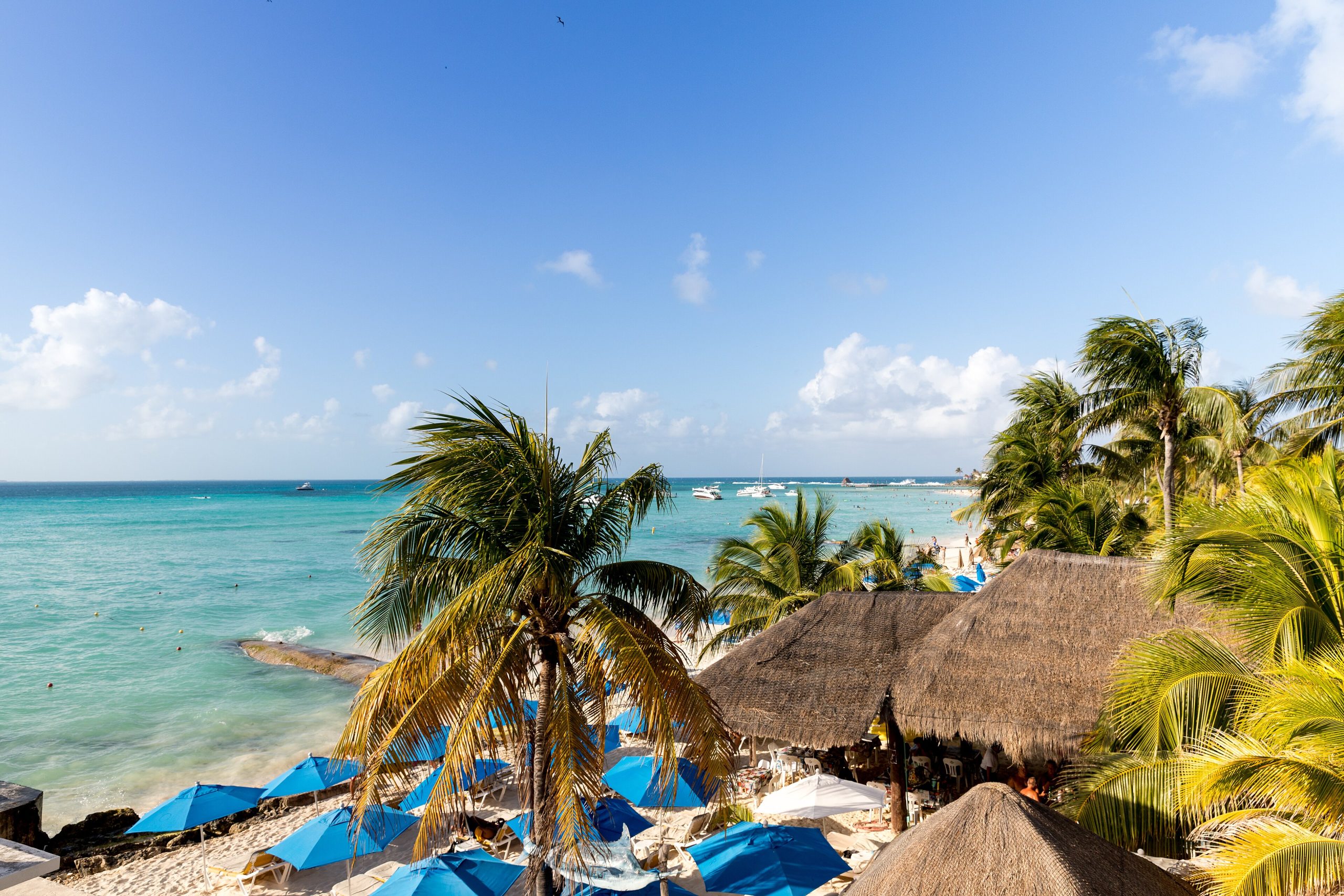
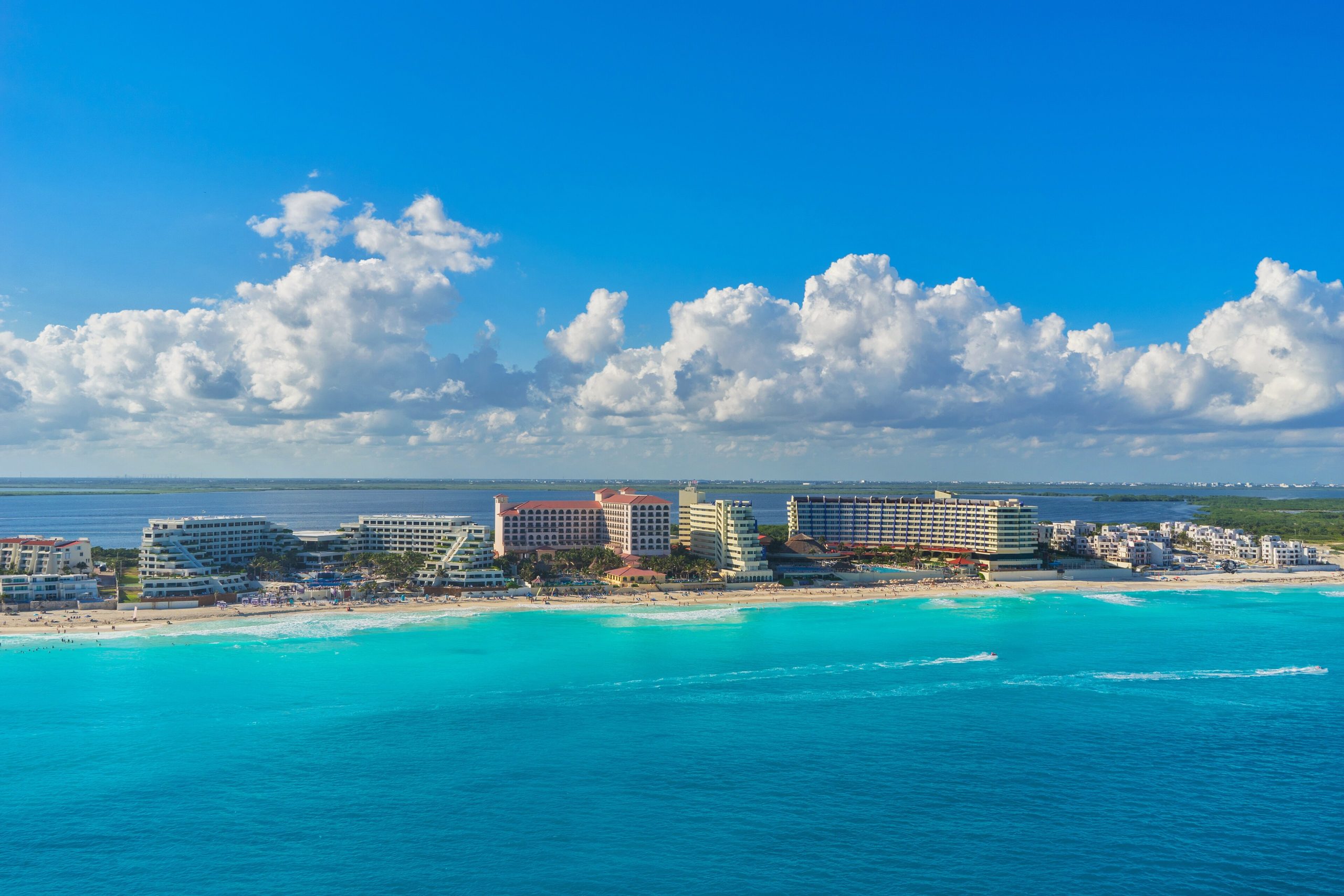
Most people picture Cancun as a strip of high-rise resorts on a turquoise sea — and the Hotel Zone (Zona Hotelera) delivers exactly that: 14 miles of white sand, warm Caribbean water and a wall of all-inclusives. But Cancun is also the gateway to the whole Yucatan Peninsula, which means Maya ruins, jungle cenotes and island day trips are all within easy reach.
The best Cancun trips mix both: lazy beach days in the Hotel Zone, plus two or three excursions out to Chichen Itza, a cenote and Isla Mujeres. Here’s everything worth doing, roughly in order of what most first-timers love.
The Best Things to Do in Cancun at a Glance
The headline experiences and roughly what each involves:
| Experience | Why go | Time needed |
|---|---|---|
| Playa Delfines & Hotel Zone beaches | The classic turquoise Caribbean beach | Half–full day |
| Chichen Itza | One of the New 7 Wonders (Maya pyramid) | Full day (tour) |
| Isla Mujeres | Laid-back island, snorkeling, golf carts | Full day |
| A cenote (Ik Kil, Dos Ojos) | Swim in a jungle sinkhole | Half day |
| Xcaret / Xel-Ha | Eco-parks: snorkel, shows, lagoons | Full day |
| Tulum ruins | Maya ruins on a cliff above the sea | Full day |
You can’t do it all in a few days — pick two or three excursions and leave the rest for beach and pool time.
Hit the Beaches & the Hotel Zone
Cancun’s beaches are the main event, and the water really is that unreal shade of turquoise. A few pointers:
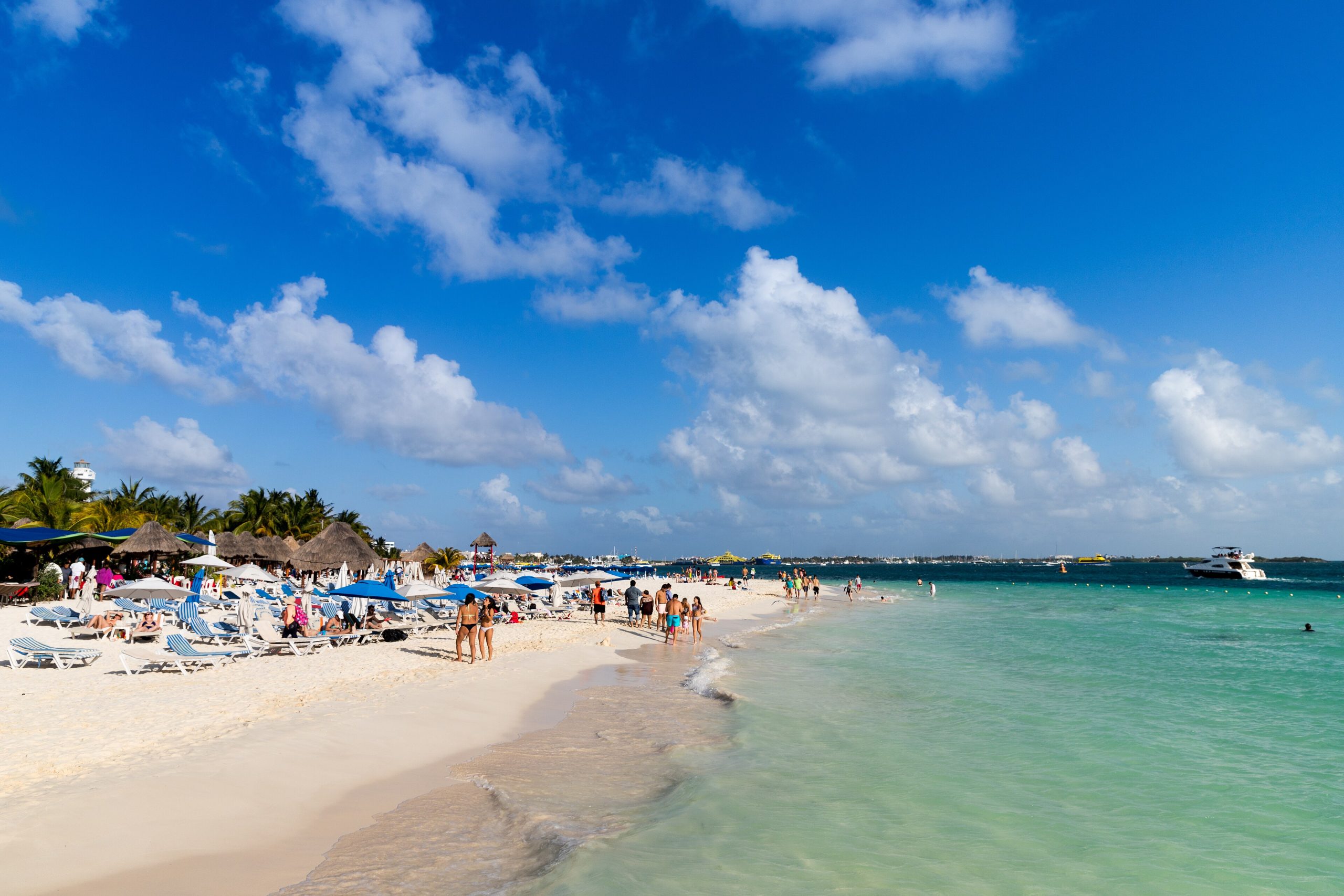
- Playa Delfines is the best public beach — wide, free, with the big “CANCUN” sign and no hotel blocking access. Come for sunrise or a photo stop.
- Playa Norte (on Isla Mujeres) and the calmer bay-side beaches are best for swimming; the open-ocean side can have surf and undertow — watch the flag warnings.
- The Hotel Zone is a long barrier island shaped like a “7”; a single road (Kukulcan Blvd) runs its length, so getting between beaches, malls and restaurants is easy by bus or taxi.
- For a livelier scene, base yourself mid-Zone near the malls; for quiet, the far southern end near Playa Delfines is calmer.
Day Trip to Chichen Itza
The single most iconic day trip from Cancun is Chichen Itza, the vast Maya city crowned by the El Castillo pyramid (Temple of Kukulcan) — one of the New 7 Wonders of the World. It’s about 2.5 hours each way, so this is a full-day commitment, almost always done as an organized tour.
Go early to beat the heat and the tour-bus crowds, bring water and sun protection, and most tours combine the ruins with a cenote swim and a stop in the colonial town of Valladolid. You can no longer climb the pyramid, but the scale and the Maya astronomy are extraordinary up close.
Planning your Cancun trip?
Our partner Voyada’s trip planning AI builds a day-by-day plan with flights, hotels and a real total cost for your dates — in about a minute, free.
Plan trip with AISwim in a Cenote
The Yucatan sits on a limestone shelf riddled with cenotes — freshwater sinkholes the Maya considered sacred. Swimming in one, with sunlight streaming through a jungle roof into clear turquoise water, is a uniquely Yucatan experience.
- Ik Kil — a dramatic open, round cenote near Chichen Itza; often bundled with that tour.
- Dos Ojos & Gran Cenote — near Tulum, superb for snorkeling and cave-lit water.
- Cenote Suytun — near Valladolid, famous for the light-beam-on-a-stone-platform photo.
- Bring biodegradable sunscreen only (regular is banned to protect the water), and expect cool, refreshing temperatures.
Take the Ferry to Isla Mujeres
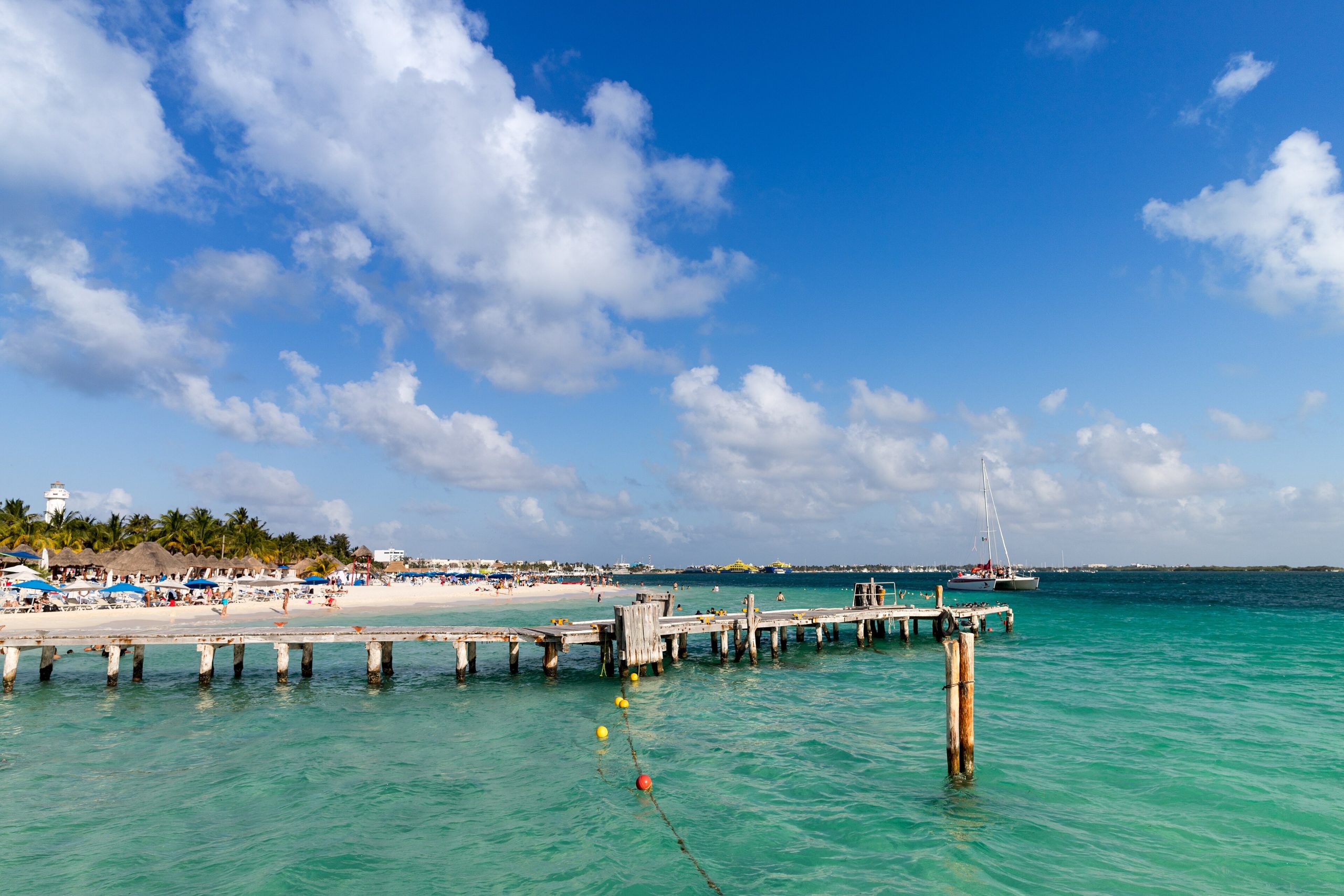
A short ferry ride from the Hotel Zone or Puerto Juarez, Isla Mujeres is the easy island escape — small, flat and best explored by rented golf cart. The star is Playa Norte, regularly rated among the Caribbean’s best beaches, with shallow, calm, waist-deep turquoise water perfect for swimming.
Spend the day circling the island by cart, snorkeling, lunching on fresh seafood in the town, and visiting Punta Sur at the southern tip. It’s a relaxed antidote to the big-resort energy of the Hotel Zone.
Eco-Parks: Xcaret, Xel-Ha & Xplor
South of Cancun along the Riviera Maya, the Xcaret family of eco-parks are polished, all-day attractions built around the region’s nature and Maya heritage:
- Xcaret — underground rivers, wildlife, and a spectacular evening show of Mexican music and dance.
- Xel-Ha — a natural lagoon and inlet built for snorkeling, floating and swimming.
- Xplor — adventure park with ziplines, amphibious vehicles and river rafting through caves.
- They’re pricey and busy, but genuinely well run and a hit with families — book ahead and go early.
Maya Ruins by the Sea: Tulum & Coba
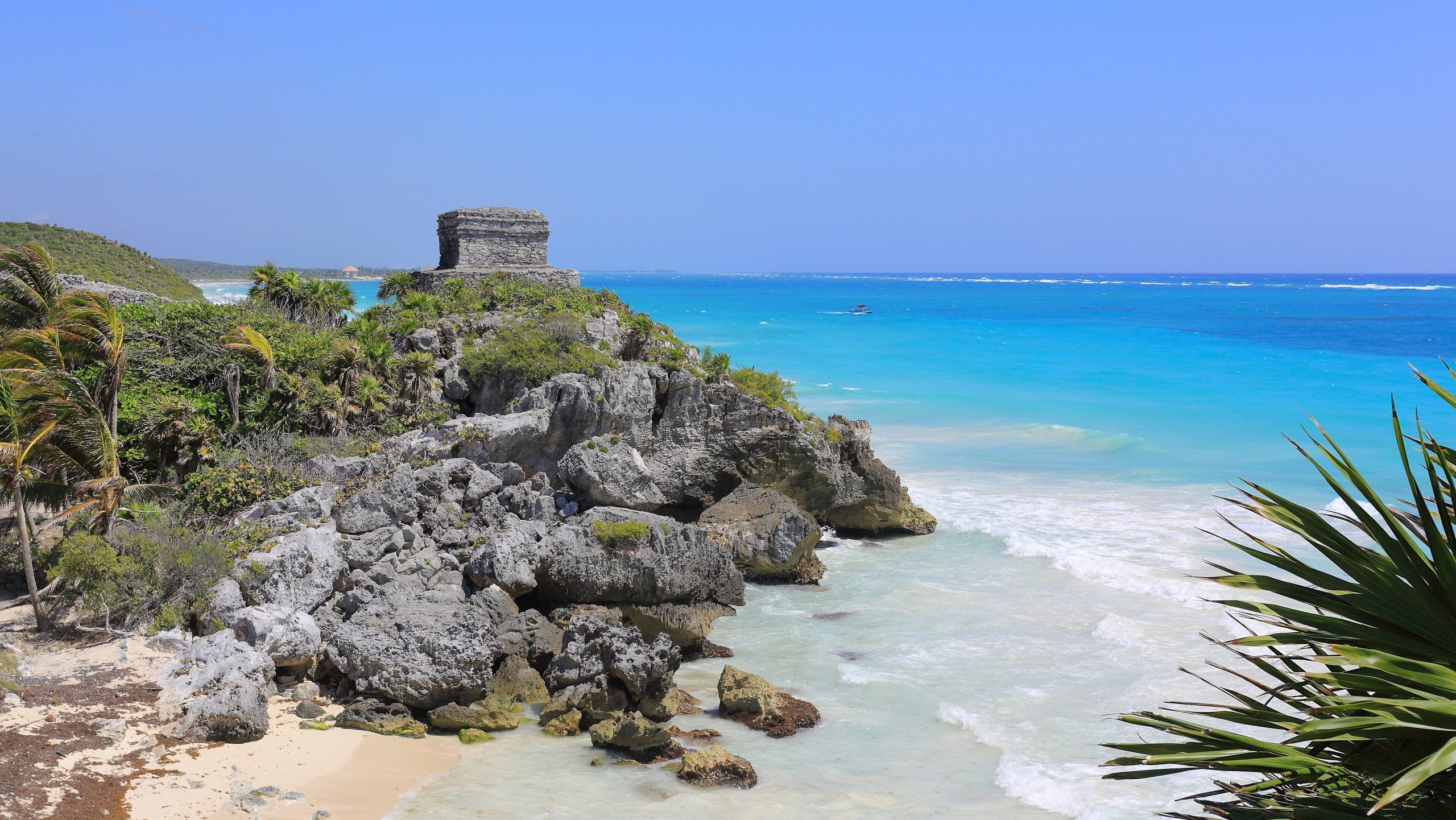
If Chichen Itza is the grand ruin, Tulum is the photogenic one — a compact Maya walled city perched on a cliff above a Caribbean beach, about two hours south. Pair it with a stop at nearby cenotes. The small beach directly below the ruins has been closed since 2020, though Playa Paraiso just south is open.
For a different feel, Coba is a jungle-shrouded site where you can still climb the tall Nohoch Mul pyramid (check current rules) and rent a bike to reach it — less polished, more atmospheric.
Nightlife, Dining & Getting Around
A few practicalities to round out the trip:
- Nightlife centers on the Hotel Zone’s Party Center (Coco Bongo is the famous spectacle-club); downtown (El Centro) has more local bars and taquerias.
- Eat downtown at least once — the Hotel Zone is convenient but pricey and touristy; El Centro’s markets and taquerias are cheaper and better.
- Getting around: the R1/R2 public buses run the length of Kukulcan Blvd for a few pesos — cheap and easy. Agree taxi fares before getting in.
- Best time to go: December–April is dry and sunny (peak); watch for sargassum seaweed in summer months, and hurricane season runs roughly June–November.
On the Water, Wildlife & Downtown Cancun
Some of Cancun’s best experiences are away from the resort sand:
- MUSA Underwater Museum: snorkel or dive over 500 eerie submerged sculptures in a one-of-a-kind underwater art gallery.
- Nichupté Lagoon: kayak or paddleboard through the mangroves behind the Hotel Zone, spotting birds and wildlife.
- Swim with whale sharks: from roughly June to September, boat tours head out to snorkel alongside the world’s largest fish.
- Downtown Cancun: get a taste of local life at Mercado 28 and the Museo Maya de Cancún, away from the tourist strip.
Frequently Asked Questions
What are the top things to do in Cancun?
The essentials are spending time on the turquoise Hotel Zone beaches (Playa Delfines is the best public one), taking a day trip to the Maya pyramid of Chichen Itza, swimming in a cenote, ferrying to Isla Mujeres for Playa Norte, visiting an Xcaret eco-park, and seeing the clifftop Tulum ruins. Most first-timers combine relaxed beach and pool days with two or three of these excursions.
Is Cancun worth visiting beyond the resort?
Absolutely. The resorts are comfortable, but Cancun’s real advantage is its location: within a couple of hours you can reach one of the New 7 Wonders (Chichen Itza), swim in sacred jungle cenotes, and explore islands and other Maya ruins. Doing at least two excursions turns a beach holiday into a genuine Yucatan trip.
How many days do you need in Cancun?
Four to five days is a good amount — enough for two or three beach and pool days plus two or three day trips (say Chichen Itza, Isla Mujeres and a cenote). A week lets you add the Xcaret parks and a Tulum day without feeling rushed.
What is the best beach in Cancun?
Playa Delfines is the best free public beach in the Hotel Zone, with wide sand, the giant CANCUN letters and open views. For calm, swimmable water, the bay-side Hotel Zone beaches and especially Playa Norte on Isla Mujeres are hard to beat. Always check the colored flag warnings before swimming on the open-ocean side.
Is Cancun safe for tourists?
The main tourist areas — the Hotel Zone, Isla Mujeres and the popular ruins and parks — are heavily visited and generally safe, and most trips are trouble-free. Use normal precautions: use official or app-based taxis, agree fares in advance, watch belongings, don’t buy drugs, and stick to reputable tour operators. Check your government’s current travel advice before you go.
When is the best time to visit Cancun?
December to April is the peak dry season — sunny, warm and least humid, though busiest and priciest. May and November are good-value shoulder months. Summer is hot and humid with a risk of sargassum seaweed washing ashore, and hurricane season runs roughly June to November, so watch the forecast if traveling then.
Can you swim with whale sharks in Cancun?
Yes — from about June to September, Cancun and nearby Isla Mujeres are among the best places in the world to snorkel with whale sharks, the gentle giants that gather to feed in these waters. Tours are strictly regulated for the animals’ protection, so book with a reputable, responsible operator and follow the guides’ rules.
Is Cancun good for families?
Very — Cancun is a great family destination. The calm, shallow bay is ideal for younger swimmers, the big all-inclusive resorts cater brilliantly to kids, and the eco-parks like Xcaret and Xel-Ha, cenote swims and the Isla Mujeres ferry make for fun-filled, all-ages days out beyond the beach.
What do the coloured flags on Cancun's beaches mean?
Mexican beaches use a colour-coded flag system set by lifeguards and civil protection staff, and it is worth learning before your first swim. Green means calm conditions, yellow means moderate waves or currents and extra care, and red means rough water and strong currents. Black, or double red at some beaches, means the sea is closed. A white flag on this coast warns of dangerous marine life rather than good conditions. Flags can change within hours, the open Caribbean side of the Hotel Zone is livelier than the sheltered bay, and lifeguard cover is not continuous, so check the flag every time you arrive.
How do you get from Cancun airport to the Hotel Zone?
The airport sits south of the city, and the drive to the Hotel Zone usually takes around half an hour when traffic is light. Ordinary city taxis are not allowed to collect passengers inside the airport, so your options are an authorised airport taxi arranged at the official desk in the terminal, a shared shuttle or private transfer booked in advance, or the intercity coach to the downtown bus station, with a local bus or taxi onward. Agree the fare before you get in, walk past anyone who approaches you before the exit, and expect the inbound trip to cost more than the return.
Should you stay in the Hotel Zone or downtown Cancun?
The Hotel Zone is the beach: a single road along a barrier island lined with resorts, malls and restaurants, with the sea on one side and the lagoon on the other. Downtown, El Centro, is where most people actually live, with cheaper rooms, better value food and no beach of its own. First-timers who want to step straight onto the sand are usually happier in the Hotel Zone, choosing between the livelier middle stretch and the quieter southern end. If budget matters more than a sea view, stay downtown and ride the cheap buses out to the beaches each day.
How bad is the sargassum, and can you check conditions before you travel?
Sargassum is a brown seaweed that drifts in from the Atlantic and can pile up on Caribbean-facing sand, smelling strongly as it rots. Arrivals are seasonal and very variable, generally heaviest through the late spring and summer and lightest in winter, and recent years have brought unusually large volumes. Beaches facing the open sea catch far more of it than sheltered, north-facing and bay-side stretches, which often stay clean while exposed sand does not. State authorities and local monitoring networks publish daily beach-by-beach colour maps and photographs, so check those close to your dates rather than trusting older pictures.
Should you avoid Cancun during hurricane season?
Not automatically, but go with your eyes open. The Atlantic hurricane season officially runs from the start of June to the end of November, according to the US National Hurricane Center, with activity usually peaking in late summer and early autumn. Most trips in those months see nothing worse than heavy afternoon showers, and the large resorts have well-drilled storm procedures. The real risks are cancelled flights, closed beaches and, occasionally, evacuation. Insurance that covers weather disruption makes sense, and Mexico’s national meteorological service and civil protection agency publish storm tracks and official warnings worth following rather than poolside rumour.
Should you pay in pesos or US dollars in Cancun?
Pesos, almost always. Dollars are accepted in many tourist businesses, but the in-house rate is usually poor and your change tends to come back in pesos anyway. Withdraw cash from a machine attached to a proper bank branch rather than a free-standing one in a lobby or shop, and decline the offer to be charged in your home currency, at both cash machines and card terminals, since that conversion is set by the machine and rarely in your favour. Keep small notes for buses, market stalls and tips, and expect a card surcharge in some smaller places.
Can you drink the tap water in Cancun?
No. The US Centers for Disease Control and Prevention advises travellers not to drink tap water anywhere in Mexico, and that includes Cancun, where water can leave the treatment plant clean and then pick up contamination in ageing pipes. Stick to bottled or purified water, which hotels and resorts almost always supply, and use it for brushing your teeth if you have a delicate stomach. Ice and washed salads in established restaurants and resorts are normally made with purified water. Many properties now have refill stations to cut plastic waste, so a reusable bottle earns its place in your bag.
Making the Most of Cancun
Cancun rewards travelers who treat it as more than a beach: keep a couple of days for the turquoise Hotel Zone sand and pool, but spend the others out in the Yucatan — standing beneath the Chichen Itza pyramid, floating in a jungle cenote, and puttering around Isla Mujeres by golf cart. Pick two or three excursions, ride the cheap buses, eat downtown at least once, and aim for the December–April dry season for Cancun at its brilliant best.
Before you go: turn this guide into a day-by-day plan. Our partner Voyada is a free itinerary creator that builds the trip with flights, hotels and a real total cost for your dates — in about a minute.
Build a travel itinerary →