Table of Contents
ToggleTulum packs an unusual amount into one small stretch of Mexican coast: a spectacular Maya ruin perched on a cliff above the Caribbean, some of the clearest cenotes in the Yucatan, a jungle-chic beach strip of design hotels and beach clubs, and a laid-back town that’s far better value than the sand.
This guide covers the best things to do in Tulum — the ruins at opening time, the must-swim cenotes, beach days done right, and the nearby ruins and reserves — plus honest tips on where to stay, getting around by bike, and dodging summer sargassum.
✈️ TripToGo Travel Deals
Get notified about great travel deals
Hand-picked flight, hotel and destination deals, straight to your inbox. No spam, unsubscribe anytime.
🎉 Thank you for subscribing!
You’re all set — the best travel deals are on their way.
Key Takeaways
- Ruins: the only Maya city on the coast — go at 8am opening.
- Cenotes: Gran Cenote & Dos Ojos for snorkeling in clear water.
- Beach: gorgeous but pricey; stay in the Pueblo for value.
- Add-ons: Coba’s jungle pyramid & Sian Ka’an’s lagoons.
- Tips: rent a bike, carry cash, watch for summer sargassum.
Best Things to Do in Tulum at a Glance
The essentials and time needed.
| Experience | For | Time |
|---|---|---|
| Tulum Ruins | Maya city on the sea | 2–3 hrs (early) |
| Cenotes | Clear jungle swims | Half day |
| Beach & clubs | Turquoise boho beach | Full day |
| Coba | Climbable jungle pyramid | Half–full day |
| Sian Ka’an | Biosphere lagoons | Full day |
Tulum: Ruins, Cenotes & a Bohemian Beach
Tulum has become the Riviera Maya’s style capital — a stretch of jungle-backed beach lined with barefoot-luxe hotels, beach clubs and yoga studios, anchored by a genuinely spectacular Maya ruin on a cliff above the sea. It splits into three parts: the ruins, the Hotel Zone (the beach road), and Tulum Pueblo (the town, where the value is).
The best of Tulum is a mix of the iconic and the natural: the clifftop ruins at opening time, a cenote swim, a bike ride along the beach, and long lunches at design-forward beach clubs. Here’s what to do.
Tulum Highlights at a Glance
The essentials and how long each takes:
| Experience | Why go | Time |
|---|---|---|
| Tulum Ruins | Maya city on a Caribbean cliff | 2–3 hours (go early) |
| Cenotes (Dos Ojos, Gran Cenote) | Swim/snorkel in jungle sinkholes | Half day |
| The beach & beach clubs | Turquoise sea, boho scene | Full day |
| Coba ruins | Climbable jungle pyramid nearby | Half–full day |
| Sian Ka’an Reserve | Biosphere lagoons & wildlife | Full day |
Two full days lets you cover the ruins, a couple of cenotes and beach time; add a third for Coba or Sian Ka’an.
See the Tulum Ruins at Opening Time
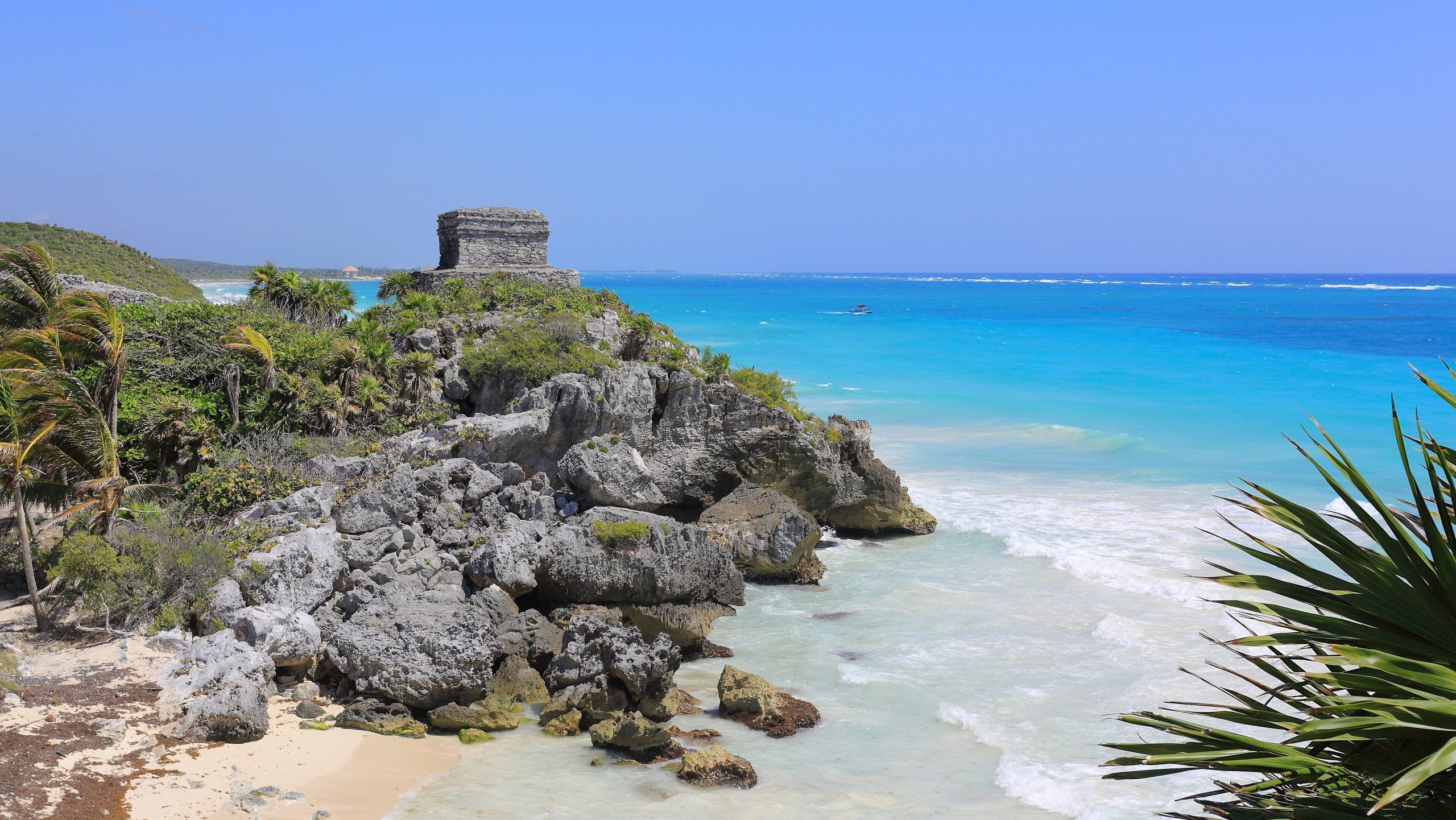
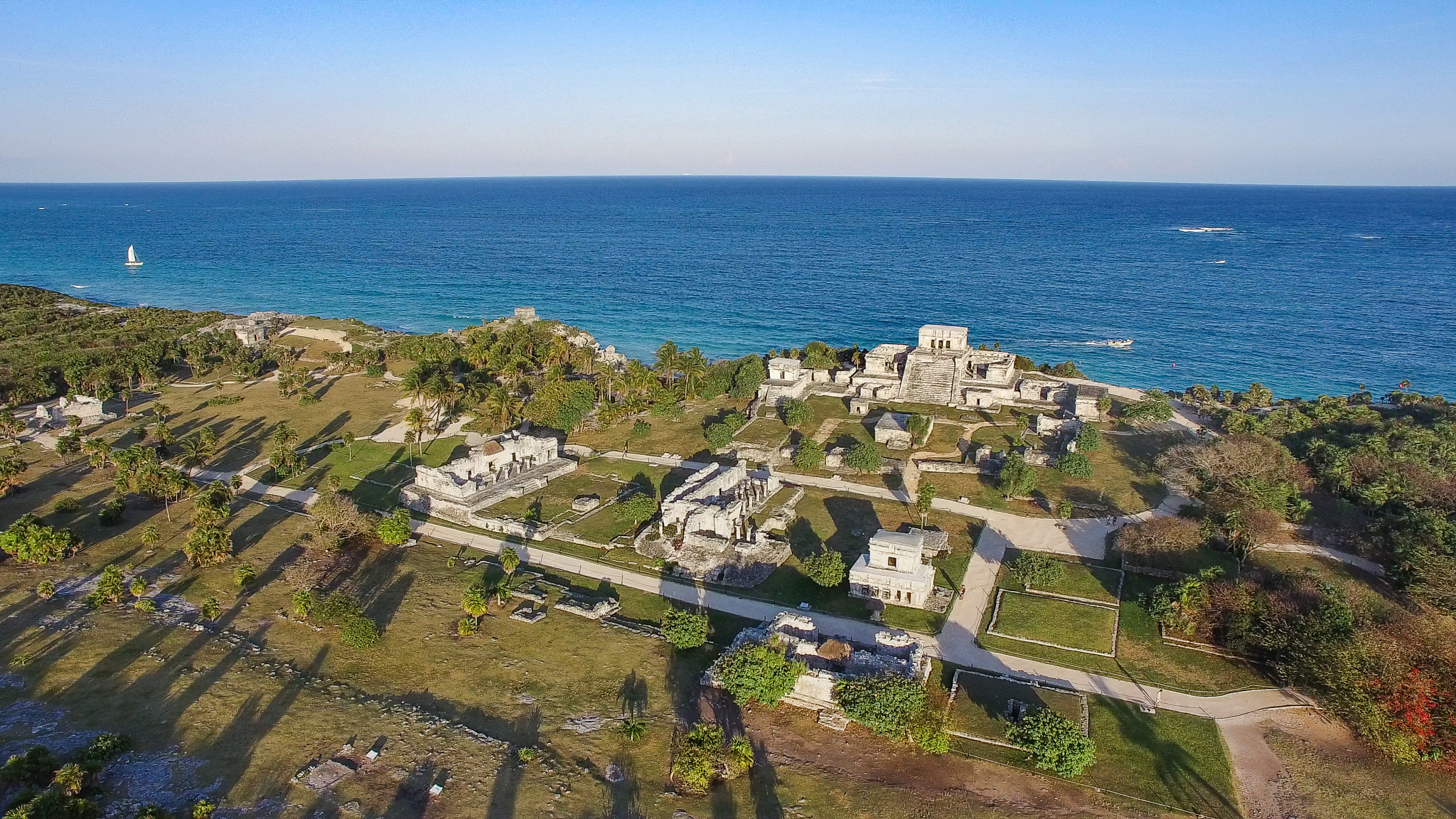
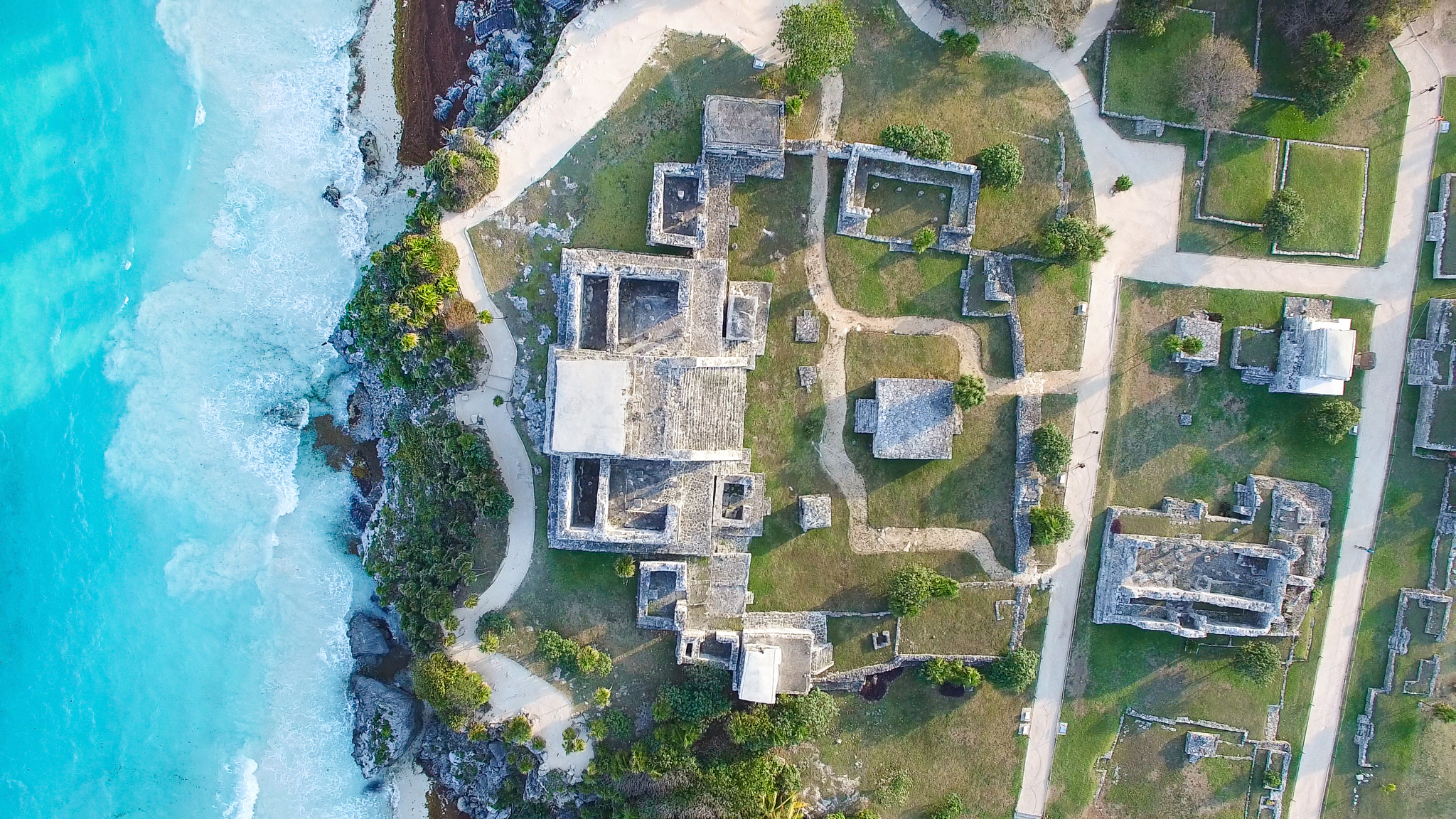
The Tulum ruins are the only major Maya site built right on the coast — a walled city whose El Castillo temple stands on a cliff above a postcard turquoise cove. It’s compact, so it doesn’t take long, but the setting is unforgettable.
Go at 8am opening to beat the heat and tour buses, bring water and sun protection (there’s little shade), note the small beach inside the ruins has been closed since 2020, so pack swimwear for a dip beneath the ruins. Iguanas are everywhere — part of the charm.
Swim in the Cenotes
Tulum sits at the heart of cenote country, and swimming or snorkeling in these crystal-clear jungle sinkholes is a highlight for many:
- Gran Cenote — a short ride from town, superb for snorkeling with turtles and cavern swims.
- Dos Ojos — two connected cavern cenotes, a bucket-list snorkel and cave-dive site.
- Cenote Calavera & Car Wash — quirky, close-in options popular with divers.
- Use only biodegradable sunscreen (or none), rinse off first, and arrive early for the clearest water and fewest people.
Planning your Tulum trip?
Our partner Voyada’s trip planning AI builds a day-by-day plan with flights, hotels and a real total cost for your dates — in about a minute, free.
Plan trip with AIBeach Days & Beach Clubs
Tulum’s beach is its calling card — soft white sand, warm turquoise water and a jungle-chic hotel strip. The beach road (Hotel Zone) is where the famous beach clubs cluster; buy a day pass or spend on food and drink to use the loungers.
Be aware of two things: sargassum seaweed can appear in summer (check recent reports), and beachfront prices are high. Many travelers now stay in Tulum Pueblo for better value and bike or taxi to the beach.
Nearby Ruins & Nature: Coba and Sian Ka’an
Two excellent add-ons if you have extra time:
- Coba — a jungle-shrouded Maya site about 45 minutes away, best explored by rental bike, with the tall Nohoch Mul pyramid (check current climbing rules).
- Sian Ka’an Biosphere Reserve — a vast UNESCO wetland of lagoons, mangroves and wildlife just south; go on a boat tour to float the crystalline channels.
- Chichen Itza is also doable from Tulum (about 2 hours) if you want the grand pyramid too.
Getting Around & Practical Tips
A few things that make a Tulum trip smoother:
- Rent a bike or scooter — the flat beach road is bike-friendly and taxis are pricey and can be hard to flag.
- Stay in the Pueblo for value and local restaurants; splurge on the beach only if the barefoot-luxe scene is the point of your trip.
- Carry cash (pesos) — many beach spots add card surcharges, and ATMs on the beach road are limited.
- Getting there: Tulum is about 1.5–2 hours from Cancun airport; the new Tulum airport and Maya Train have added options.
Wellness & Bohemian Tulum
Tulum built its reputation on barefoot, boho wellness — and it’s still a big part of the appeal:
- Yoga: beachfront and jungle studios offer classes and retreats for every level, often at sunrise.
- A temazcal: a traditional Maya sweat-lodge ceremony for a deep, ritual reset.
- Sound baths & cacao ceremonies: immersive wellness experiences the town is known for.
- Boho-chic style: driftwood décor, candle-lit dinners and an Instagram-famous aesthetic throughout the beach zone.
Diving, Snorkelling & Sea Turtles
The water around Tulum is every bit as special as the ruins:
- Cave diving & snorkelling: the vast Dos Ojos cenote system is one of the world’s great cavern dives, with easy snorkelling too.
- The Mesoamerican Reef: the second-largest barrier reef on Earth lies just offshore, teeming with fish and coral.
- Swim with sea turtles: nearby Akumal Bay is famous for its resident green turtles — go with a guide and keep a respectful distance.
Where to Stay in Tulum
Tulum splits into distinct zones, each with a different feel and price:
- The beach zone (Zona Hotelera): stylish jungle-and-beach eco-hotels — gorgeous but pricey, with few big chains.
- Tulum town (Pueblo): far cheaper and more local, with taco stands, cafes and a quick ride to the beach.
- Aldea Zama: a newer, leafy area between the two, popular with longer-stay visitors and digital nomads.
Related Guides
Frequently Asked Questions
What are the best things to do in Tulum?
The must-dos are visiting the clifftop Tulum ruins early in the morning, swimming or snorkeling in cenotes such as Gran Cenote and Dos Ojos, spending a day on the turquoise beach and its beach clubs, and adding a nearby trip to the climbable Coba pyramid or the Sian Ka’an biosphere reserve. It’s a great mix of Maya history, nature and beach time.
How many days do you need in Tulum?
Two to three days is ideal. Two days covers the ruins, a couple of cenotes and beach time; a third day lets you add Coba, Sian Ka’an or a Chichen Itza trip. Many people combine Tulum with Cancun or Playa del Carmen for a longer Riviera Maya trip.
Is it better to stay in Tulum town or on the beach?
The beach (Hotel Zone) is beautiful but expensive, and some hotels have limited power and Wi-Fi. Tulum Pueblo (the town) offers far better value, more restaurants and easier logistics, with the beach a short bike or taxi ride away. Stay on the beach only if the barefoot-luxe scene is the main point of your trip.
Are the Tulum ruins worth it?
Yes — while smaller than Chichen Itza, the Tulum ruins are unique for their dramatic setting on a cliff above a turquoise cove, the only major Maya city built on the coast. Go right at the 8am opening to beat the heat and crowds, and bring swimwear in case the little beach below the ruins is open.
What is sargassum and does it affect Tulum?
Sargassum is a brown seaweed that can wash onto Caribbean beaches, mainly in the summer months (roughly April to August), sometimes in large amounts. It comes and goes, so check recent local reports before you travel. Winter and spring generally see clearer water, and hotels often rake the beach when it appears.
How do you get around Tulum?
The easiest way is by rental bike or scooter — the beach road is flat and bike-friendly, and taxis are expensive and can be hard to flag. A car is useful for reaching cenotes and Coba. Carry cash in pesos, as some beach businesses add surcharges for cards and beach-road ATMs are limited.
Is Tulum expensive?
It can be. Tulum’s beach-zone hotels, beach clubs and restaurants have become notably pricey — often more than Cancun. But you can keep costs down by staying in Tulum town, eating at local taquerias and cenotes rather than beach clubs, and renting a bike to get around.
When is the best time to visit Tulum?
The dry season from December to April brings the sunniest, driest weather — also the busiest and priciest. Watch for sargassum seaweed, which can wash up on the beaches and is typically heaviest from around April to August. Late spring and early winter offer a good balance of weather, crowds and price.
Are the cenotes safe to swim in, and what rules apply?
They are, for ordinary swimming, provided you respect them. Most managed cenotes ask you to shower first and to wear no sunscreen, repellent or make-up at all, because the water feeds a living underground river system. Many hand out life jackets and expect everyone to wear one, whatever your swimming ability. Depths change abruptly, and water this clear makes a ledge that drops tens of metres look shallow, so keep children within reach and never jump in blind. Diving is a separate matter: cavern dives need a guide and the right certification, and the cave systems beyond daylight are for fully cave-trained divers only.
Is it safe to swim at Tulum beach?
Usually, but this is an open Caribbean coast and it deserves respect. Currents along the hotel strip can be strong, the sea bed shelves unevenly, and lifeguard cover is patchy rather than continuous, since much of the sand sits in front of private hotels and beach clubs rather than a staffed municipal beach. Mexico’s civil protection flag system applies here: green for calm, yellow for caution, red for dangerous conditions, black for a closed sea. There have been fatal incidents when swimmers entered against a red flag. Ask your hotel about the day’s conditions and stay out when the water looks churned up.
Which airport should you fly into for a Tulum trip?
Two now serve the area. Tulum has its own international airport a short drive from town, with a growing list of direct flights, and it is much the quickest arrival if the schedules suit you. The Cancun airport is bigger and often cheaper to fly into, but it is roughly a two-hour drive north. From either one you can take a private transfer or shared shuttle booked in advance, or an intercity coach. The government’s new Maya Train railway also links the airports with Tulum, though stations sit outside the centre and need a connecting shuttle, so check current timetables before relying on it.
Is Tulum safe for visitors?
Broadly yes, with sensible care. Most visits pass without trouble, and the ruins, beach road, town and cenotes are busy with visitors and have a visible police presence. Government travel advice for the state currently sits at a middle caution level rather than a warning against travel, flagging occasional gang-related violence that is not aimed at tourists but has caught bystanders. The everyday risks are more mundane: theft from beaches and rooms, inflated taxi fares, card skimming, and drug offers best refused outright. Check your own government’s current advice, keep off unlit stretches of the beach road late at night, and use licensed transport after dark.
Do you need to book Tulum ruins tickets in advance, and how does entry work now?
Entry has changed. The archaeological zone now sits inside a surrounding national park, so visitors pay the site ticket plus park charges, and you can no longer drive up to the gate. You park at the edge of the park and either walk the access road, which is a slog in the heat, or ride the internal shuttle. Tickets are generally sold at official booths on arrival rather than needing to be reserved weeks ahead, but queues build quickly after the morning opening. Fees and arrangements keep changing, so check the archaeological institute’s and the park’s own official channels shortly before you go.
Is Tulum good for families with children?
It can be, with a little planning. Cenotes are the winner: shallow entries, life jackets and clear water make them a hit with children who find long ruins walks dull. The ruins themselves are compact and crawling with iguanas, though there is very little shade, so go at opening. Against that, the beach can have strong currents and limited lifeguard cover, the beach road is dark and narrow for cycling with small children, and beach clubs lean adult and expensive. Many families find the town, or the newer residential area between town and beach, easier and far better value.
When can you see sea turtles near Tulum, and what rules apply?
Green turtles graze the seagrass in bays along this coast all year, so snorkelling with them is not strictly seasonal, though calmer months bring better visibility. Nesting is seasonal: females come ashore on beaches nearby from roughly late spring through autumn, with hatchlings following later in that window. Turtles are protected under Mexican law. At the best-known bay north of Tulum, snorkelling is only permitted with a licensed local guide, in a life jacket, keeping a set distance for a limited time. Never touch, chase or shine lights at a turtle, and keep off nesting beaches after dark.
Making the Most of Tulum
Tulum works best when you catch it early and mix it up: the ruins at opening light, a cenote swim before the crowds, then an unhurried afternoon on that turquoise beach. Base yourself in the Pueblo for value, rent a bike, carry pesos, and leave time for Coba or Sian Ka’an. Do that and Tulum lives up to the hype — Maya history, jungle water and Caribbean beach in one easy stretch of coast.
Before you go: turn this guide into a day-by-day plan. Our partner Voyada is a free itinerary creator that builds the trip with flights, hotels and a real total cost for your dates — in about a minute.
Build a travel itinerary →