
Table of Contents
ToggleLima, the vibrant capital of Peru, is a city that will captivate your senses and leave you wanting more. It has a unique blend of indigenous, Spanish, and African influences. This makes Lima a cultural melting pot that will surprise and delight you. For official, up-to-date visitor information, see Peru’s official tourism site.
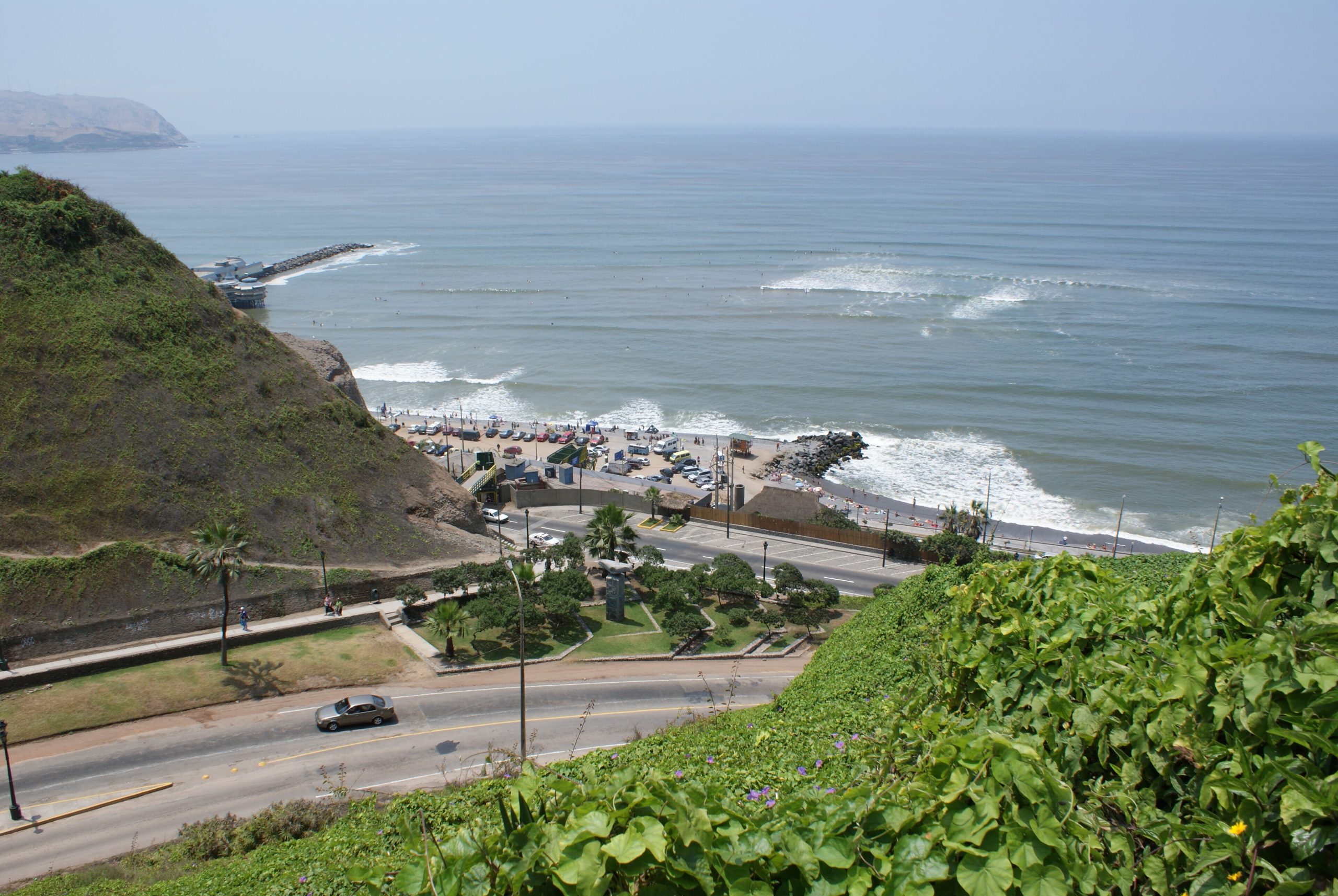
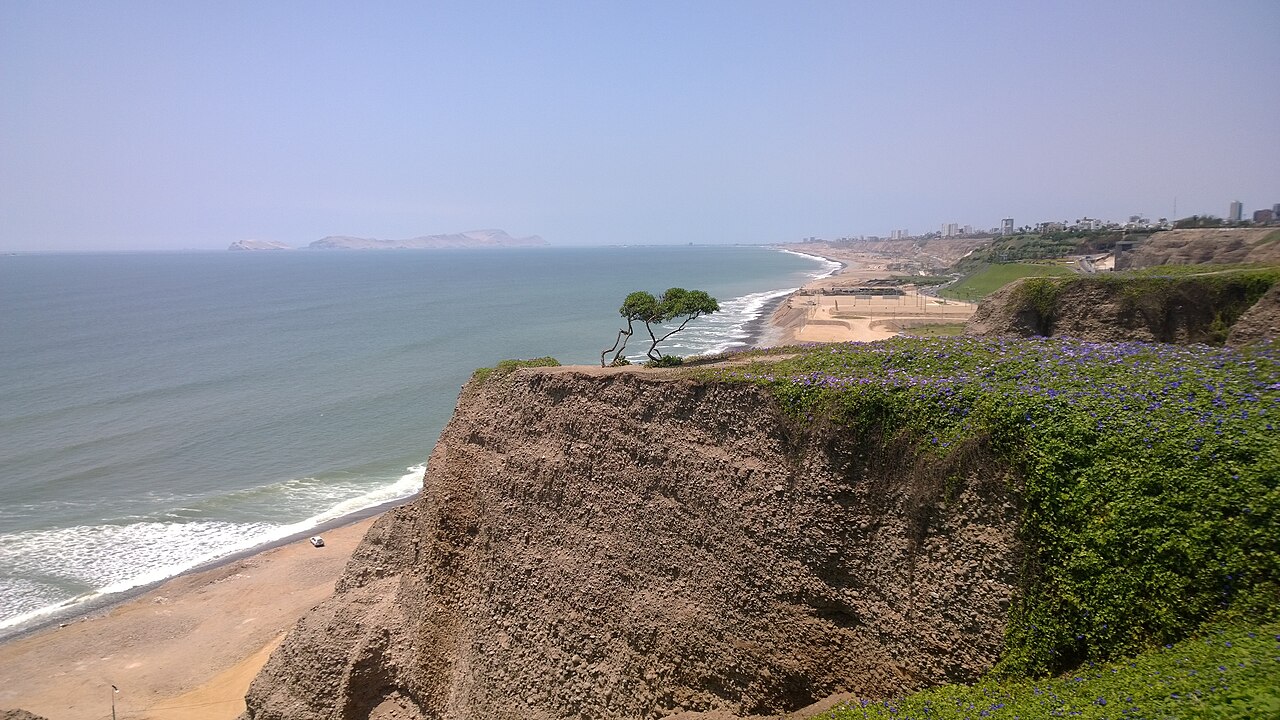
From the stunning Costa Verde cliffs to the vibrant street art scene, Lima is a city that will make you smile. Its exquisite gastronomy is a reflection of its rich cultural heritage. It offers a fusion of flavors and techniques that will tantalize your taste buds.
Key Takeaways
- Discover Lima’s unique cultural heritage
- Explore the city’s vibrant street art scene
- Indulge in Lima’s exquisite gastronomy
- Visit the stunning Costa Verde cliffs
- Experience the city’s energetic atmosphere
Lima at a Glance: The Essential Eight
The experiences that define Lima, each with the detail that makes it work — the full guide follows below.
| The experience | Where | The insider note |
|---|---|---|
| Miraflores & the Malécon | Coast | Clifftop parks above the Pacific — paragliding, Parque del Amor, Larcomar mall |
| Barranco | South of Miraflores | Bohemian district — street art, the Bridge of Sighs, bars and galleries |
| Plaza Mayor & the historic centre | Downtown | UNESCO colonial core — the cathedral and the bone-lined catacombs of San Francisco |
| Larco Museum | Pueblo Libre | Pre-Columbian gold and ceramics in a garden mansion — the city’s best museum |
| Huaca Pucllana | Miraflores | A pre-Inca adobe pyramid mid-city — visit at night, dine at its restaurant |
| Eat ceviche (and fine dining) | Everywhere | Lima is South America’s food capital — world-ranked Central and Maido; book weeks ahead |
| Circuito Mágico del Agua | Downtown | The record-holding illuminated fountain park — go after dark |
| A food or market tour | Various | Surquillo market, pisco sours and the roots of Peruvian cuisine |
✈️ TripToGo Travel Deals
Get notified about great travel deals
Hand-picked flight, hotel and destination deals, straight to your inbox. No spam, unsubscribe anytime.
🎉 Thank you for subscribing!
You’re all set — the best travel deals are on their way.
A Food Capital, Where to Base and the Garúa: Key Facts
Lima is a food destination first. It’s widely regarded as the culinary capital of South America, home to some of the world’s top-ranked restaurants (Central, Maido) — reserve those weeks ahead — while a $3 cebichería lunch can be just as memorable. Build the trip around eating.
Base in Miraflores or Barranco. These coastal districts are safe, walkable and where the good food and nightlife are; see the historic centre by day. Take normal big-city precautions and use registered taxis or apps.
Know the weather quirk: from roughly May to November a grey coastal mist (the garúa) blankets Lima with little actual rain; December–April is the sunny season. Most travellers pass through en route to Cusco — timing in our best time to visit Peru guide. Official resource: Visit Peru.
Discovering Lima: Peru's Vibrant Capital
Lima, the capital of Peru, is a city that mixes old history with new life. As you wander through this lively city, you’ll see a place full of tradition and culture. It’s alive with food, entertainment, and more.
Brief History of Lima's Colonial Past
Lima started in the 16th century, founded by Francisco Pizarro in 1535. Its old buildings show its colonial roots. The historic center of Lima is a UNESCO World Heritage Site. It has amazing spots like the Plaza Mayor and the Cathedral of Lima.
Best Time to Visit Lima's Coastal Climate
Lima has a mild climate and is known as the “City of Eternal Spring.” The best time to visit is from December to April. The weather is clear and mild, between 65°F and 75°F (18°C to 24°C). From roughly May to November expect grey skies and the garua coastal mist, though almost no real rain.
Getting Around the City Efficiently
Lima is easy to get around, with many ways to travel. Taxis and Uber are the best options. You can also use buses and the Metropolitano system. For a fun way to see the city, try a guided tour or rent a bike.
Planning this trip?
Our partner Voyada’s travel planner AI builds a day-by-day plan with flights, hotels and a real total cost for your dates — in about a minute, free.
Plan a trip for me →Popular Lima Itineraries

Essential Things to Do in Lima for First-Time Visitors
When you arrive in Lima, Peru’s capital, you’re in for a treat. This city is full of history, culture, and fun. To enjoy your trip, plan your visit, stay safe, and use the city’s tourist services.
Planning Your Itinerary
Lima has lots to see and do, from old landmarks to new fun spots. Plan your lima tours and lima activities early. Visit in the morning or late afternoon to beat the heat and crowds.
Don’t miss the Historic Center, a UNESCO site, and the Larco Museum for its pre-Columbian art. Take a walk on the Miraflores Boardwalk, try Lima’s food on a tour, or see the ancient Huaca Pucllana pyramid.
Safety Tips for Tourists
Stay safe in Lima by being careful and aware. Don’t carry too much cash, use safe taxis, and watch your stuff in busy places.
Also, sign up with your government’s travel advisory to get safety updates for Lima.
Lima Passes and Transport Cards
There is no official citywide attraction card in Lima, so buy museum and site tickets individually at each venue.
The one official card is the ATU Lima Pass for the Metropolitano and corridor buses, which is worth it only if you use those buses often.
Explore the Historic Center of Lima (UNESCO Site)
The Historic Center of Lima is a UNESCO World Heritage Site. It’s a mix of colonial architecture and lively culture. Walking through its streets, you’ll find history around every corner, from big plazas to detailed churches.
Plaza Mayor and Presidential Palace Tour
Plaza Mayor is the heart of Lima’s Historic Center. It’s surrounded by important buildings like the Government Palace, the Cathedral, and the City Hall. You can take a guided tour to see the Presidential Palace. There, you can watch the Changing of the Guard ceremony, a tradition that shows Peru’s military pride.
Cathedral of Lima and Its Treasures
The Cathedral of Lima is a key spot on Plaza Mayor. Its beautiful architecture shows the city’s deep history. Inside, you’ll find many treasures, like religious art and artifacts. It’s a place history lovers and those interested in religious heritage shouldn’t miss.
San Francisco Monastery and Catacombs
The San Francisco Monastery is another important site in the Historic Center. It’s known for its amazing architecture and history. The monastery’s catacombs, from the 17th century, are special. They hold the remains of thousands, giving a peek into Lima’s past.
Visiting the Historic Center of Lima is like traveling back in time. It offers a look into the city’s colonial past and its culture. With its rich history, beautiful buildings, and lively culture, this UNESCO World Heritage Site is a top spot for Lima’s visitors.
Visit the Stunning Larco Museum
The Larco Museum is a cultural highlight in Lima. It showcases a vast collection of Pre-Columbian art. This museum is a treasure trove of ancient artifacts, giving a unique look into Peru’s rich cultural heritage.
Pre-Columbian Art Collections and Exhibits
The Larco Museum is famous for its Pre-Columbian artifacts. It features pottery, textiles, and metalwork from ancient cultures like the Moche and Nazca. The museum’s galleries are designed to showcase these artifacts in a way that tells the story of Peru’s ancient past, making it an educational and fascinating experience for visitors.
The Beautiful Gardens and Architecture
Around the museum is a beautifully kept garden. It offers a serene atmosphere that complements the cultural experience. The museum’s architecture is also noteworthy, blending colonial style with modern elements, creating a unique and picturesque setting.
Café del Museo Dining Experience
No visit to the Larco Museum is complete without dining at Café del Museo. It offers a range of Peruvian cuisine in an elegant setting. The café’s beautiful views of the surrounding gardens add to the dining experience, making it a perfect spot to relax and reflect on the cultural treasures discovered during the visit.
Experience Peruvian Cuisine on a Food Tour
Start a food adventure in Lima, where Peruvian cuisine shines. The city’s food scene is a mix of many cultures. You’ll taste flavors from indigenous, Spanish, African, and Asian traditions.
Join a food tour in Lima to explore local flavors. You’ll try dishes like ceviche and anticuchos. You’ll also learn about their history and cultural importance.
Must-Try Traditional Dishes and Ceviche
Don’t miss out on Lima’s famous dishes. Ceviche is a must-try, with its fresh fish and citrus. Other dishes include lomo saltado and ají de gallina.
On a food tour, you’ll taste these dishes and learn how they’re made. Tours often include visits to markets and cooking classes. This gives you a full culinary experience.
Stroll Through the Miraflores District
Looking for a mix of old and new Lima? Miraflores District is your spot. It’s trendy, with amazing ocean views, cool attractions, and modern shops. It’s a top pick for travelers.
Larcomar Shopping Center with Ocean Views
Larcomar is a fancy mall built into cliffs, overlooking the Pacific. It has stunning views and lots of places to eat. Shoppers can find international and local brands, try tasty Peruvian food, and enjoy lively nightlife. It’s great for relaxing and seeing Lima’s coast.
Kennedy Park and Cat Sanctuary
Kennedy Park, or “Cat Park,” is a lively spot in Miraflores. It’s known for its cat sanctuary. It’s perfect for people-watching and enjoying the local vibe. The park is surrounded by cafes and shops, making it a great place to unwind.
Miraflores Boardwalk (El Malecón) and Parks
The Miraflores Boardwalk, or El Malecón, is a scenic path along cliffs. It offers amazing ocean and city views. Along the way, there are parks like María Reiche Park, with beautiful gardens and art. It’s ideal for a calm walk, enjoying the sea breeze, and the views.
Discover the Magic Water Circuit (Circuito Mágico del Agua)
If you’re looking for a unique experience in Lima, the Magic Water Circuit is a must-visit. It’s located in the Parque de la Reserva. This park has fountains, water shows, and interactive displays that delight all ages.
Spectacular Water and Light Shows
The Magic Water Circuit is famous for its spectacular water and light shows. These shows happen in the evening. With 13 fountains, each with its own design and water effects, it’s a mesmerizing sight.
The shows are choreographed to music, adding magic to the experience. As lights and water dance, you’ll see an unforgettable display.
Best Time to Visit the Park
The best time to visit is in the evening for the water and light shows. The park opens Tuesday to Sunday from about 3 pm to 10:30 pm and is closed on Mondays. The main fountain shows run at roughly 7:15 pm, 8:15 pm and 9:30 pm.
The park can get crowded on weekends and holidays. So, plan your visit for a weekday for a more relaxed experience.
Practical Tips for Visitors with Children
Visiting with children? Arrive early to avoid crowds. Bring a stroller or comfortable shoes for walking.
Remember sunscreen and a hat for the sun. And, enjoy the experience with your family. The Magic Water Circuit is perfect for making memories!
Explore the Bohemian Barranco District
Barranco is Lima’s bohemian heart, full of creativity, history, and nightlife. It’s a must-see for anyone wanting to truly experience Lima.
Bridge of Sighs (Puente de los Suspiros) Legend
The Bridge of Sighs is Barranco’s iconic landmark, filled with local legend. It’s said that lovers would meet here, and the name comes from their sighs as they parted.
Colonial Architecture and Vibrant Street Art
Barranco is famous for its colonial architecture, showing the district’s rich history. The area is also a vibrant canvas for street artists, both local and international.
Nightlife, Bars, and Entertainment
At sunset, Barranco becomes a lively spot for nightlife. It has many bars, clubs, and live music venues. You can find everything from traditional Peruvian music to modern bars with craft cocktails.
Barranco is a place of history, art, and culture. It’s a key part of any lima travel guide.
Visit the Huaca Pucllana Ancient Pyramid
Step into the past at Huaca Pucllana, a 1,500-year-old Pre-Inca site. It’s one of Lima’s most fascinating landmarks. This ancient pyramid is a must-see attraction in Lima, giving a unique look into the city’s rich cultural heritage.
History of the 1,500-Year-Old Pre-Inca Site
Huaca Pucllana dates back to the 5th century AD. It’s one of the oldest and most significant Pre-Inca sites in the region. The Lima culture built the pyramid before the Incas.
The site has adobe structures and ceremonial courtyards. It shows the advanced engineering skills of its builders.
Guided Tours and Evening Visits
Visitors can explore Huaca Pucllana with a guided tour. This tour gives valuable insights into the pyramid’s history and significance. The site is also open for evening visits.
These tours are popular, as the pyramid is beautifully lit at night. It creates a magical ambiance.
On-Site Restaurant with Pyramid Views
After exploring, visitors can enjoy a meal at the on-site restaurant. It offers stunning views of Huaca Pucllana. The restaurant serves a range of Peruvian dishes.
Huaca Pucllana is a true gem among Lima’s attractions. Its history, culture, and natural beauty make it a top destination for travelers to the city.
Exciting Outdoor Activities and Lima Attractions
Lima is a paradise for those who love the outdoors. You can paraglide over stunning coastlines or surf on the Pacific waves. The city’s unique mix of Andes mountains and sea offers a wide range of activities.
Paragliding Over the Costa Verde
Paragliding over Lima’s coastline, known as Costa Verde, is an unforgettable experience. It gives you a bird’s-eye view of beaches, cliffs, and the Pacific Ocean. Paragliding in Lima is not just an adventure; it’s a way to see the city from a completely new perspective. Reputable schools offer tandem flights with certified instructors for a safe and thrilling ride.
Surfing Lessons at Miraflores Beaches
Miraflores is famous for its waves, perfect for surfers of all levels. Beginners and pros alike can find surfing lessons tailored to their needs. Local surf schools provide equipment and lessons from experienced instructors, helping you catch your first wave or enhance your skills.
Biking Tours Along the Coastline
For a relaxing outdoor activity, try a biking tour along Lima’s coastline. This ride offers breathtaking ocean views and the chance to visit beaches and attractions. Biking tours are a great way to explore the city’s coastal scenery at your own pace, with many rental shops and guided tours available.
Lima’s outdoor activities show the city’s diverse appeal, appealing to all types of travelers. Whether you’re looking for adventure or just want to enjoy nature, Lima will surely amaze you.
Day Trips from Lima Worth Taking
Lima is more than just a city. It’s a gateway to many day trips filled with history, culture, and adventure. You can explore ancient ruins, see Peru’s natural beauty, or enjoy outdoor fun. There’s a day trip from Lima that will surely impress you.
Paracas National Reserve and Ballestas Islands
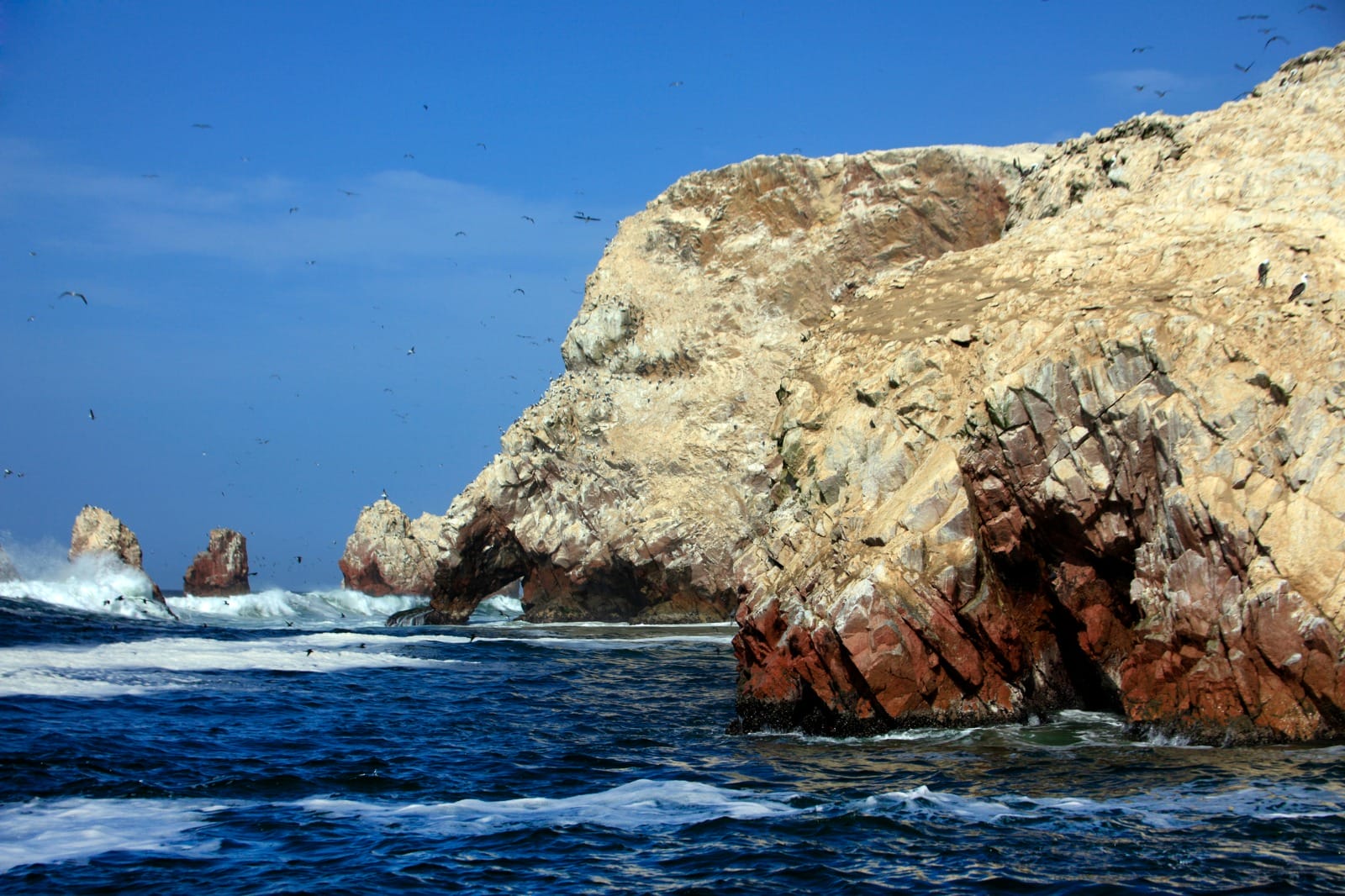
Nature lovers and adventure seekers must visit the Paracas National Reserve and Ballestas Islands. The Paracas National Reserve boasts a stunning coastline, diverse wildlife, and ancient sites. A boat tour to the Ballestas Islands lets you see sea lions, penguins, and seabirds up close.
The islands are called the “Poor Man’s Galapagos” for their similarity to the famous Galapagos Islands. This trip includes a guided tour. You’ll learn about the local ecosystem and conservation efforts.
Caral: The Oldest Civilization in the Americas
History and archaeology buffs will love a day trip to Caral. It’s the oldest known civilization in the Americas. Caral shows what life was like over 5,000 years ago, with pyramids, amphitheaters, and more.
A guided tour of Caral teaches you about this ancient civilization’s importance. You’ll learn about their history and daily life. It’s a chance to explore and understand Peru’s cultural heritage.
Huacachina Oasis and Sandboarding
Adventure lovers will enjoy Huacachina Oasis. It’s a beautiful lagoon with huge sand dunes. Sandboarding down these dunes is an exhilarating experience with stunning views.
You can also take a dune buggy ride or relax in the oasis. Huacachina offers a mix of natural beauty and adventure. It’s a top choice for outdoor activities in Peru.
Shopping for Peruvian Crafts and Souvenirs
Explore Peru’s rich culture through its vibrant crafts and souvenirs in Lima’s markets. Lima is a shopper’s dream, with a wide range of traditional and modern items. These goods showcase the country’s history and creativity.
Inca Market Treasures
The Inca Market, or Mercado Inca, is a top spot for Peruvian crafts. You’ll find handmade products like textiles, ceramics, jewelry, and leather goods. Look for intricately woven alpaca scarves and hats, which make for both practical and stylish souvenirs.
Artisan Markets in Miraflores and Barranco
Miraflores and Barranco are known for their lively artisan markets. In Miraflores, Larcomar shopping center offers local handicrafts and modern souvenirs with ocean views. Barranco is famous for its bohemian vibe and street art, with many small shops and stalls selling unique items.
What to Buy: Alpaca Textiles, Silver, and Pisco
Several items are popular for Peruvian souvenirs. Alpaca textiles are a favorite, known for their softness, warmth, and durability. Peruvian silver jewelry is also popular, with its detailed designs and quality. Pisco, Peru’s national liquor, is a great souvenir for those interested in local spirits.
Shopping for Peruvian crafts and souvenirs in Lima is more than just buying gifts. It’s a chance to connect with local culture and take a piece of Lima home. Whether you’re in bustling markets or specialty stores, you’ll find something that captures the essence of your Lima experiences.
Before you go: turn this guide into a day-by-day plan. Our partner Voyada is a free itinerary builder that builds the trip with flights, hotels and a real total cost for your dates — in about a minute.
Create a travel itinerary →Lima Insider Tips
Most travellers only transit Lima — but Peru’s capital rewards food lovers with a couple of days.
- Base in Miraflores or Barranco — safe, walkable and coastal — and see the historic centre by day.
- It’s a world food capital: book top restaurants (Central, Maido) well ahead, and hit cheap ceviche spots too.
- Mind the weather: coastal fog (garúa) lingers May–November; December–April is sunniest.
- Use official taxis or ride apps, and keep an eye on your belongings.
- It’s the gateway to Cusco and Machu Picchu — but two or three days here reward food lovers.
Frequently Asked Questions
What are the best things to do in Lima, Peru?
Explore the historic centre (Plaza Mayor), stroll clifftop Miraflores and bohemian Barranco, visit the Larco Museum, and eat your way through Lima’s world-class food scene — it’s a global ceviche capital.
How many days do you need in Lima?
Two to three days is enough for the highlights and food before heading to Cusco, Machu Picchu or the coast.
Is Lima worth visiting?
Yes — especially for food lovers. Lima has several of the world’s top-ranked restaurants plus colonial history, coastal views and great museums.
Is Lima safe for tourists?
Lima is safe enough for tourists who stay in the main visitor districts and take normal big-city precautions. The US State Department rates Peru level 2, exercise increased caution, and the realistic risk is opportunistic theft rather than violent crime against visitors. Base yourself in Miraflores, Barranco or San Isidro, keep your phone out of sight near traffic and bus stops, and use ATMs inside banks or malls.
Is Lima safe at night?
Miraflores, Barranco and San Isidro are fine at night on the main lit streets, where there is a visible municipal security presence and plenty of people about. The historic centre is best seen by day and left after dark. Take a ride-hailing app or a registered taxi rather than walking between districts, and avoid quiet side streets and the clifftop parks late.
Is Lima safe for solo female travellers?
Yes, with the usual city sense. Solo women travel through Lima constantly, and the tourist districts are walkable and well policed by day. Catcalling happens but rarely escalates. Book your airport transfer in advance rather than hailing anything outside the terminal, use apps for taxis at night, and keep bags zipped and worn across the body in Surquillo market and other crowds.
Is it safe to walk around Lima?
Walking is fine within Miraflores, Barranco and San Isidro, and the clifftop Malecón is one of the city’s best walks. Between districts it is less pleasant than a map suggests: Lima is huge, traffic is aggressive and pedestrian crossings are treated as suggestions. Barranco to Miraflores along the coast is the one longer walk locals actually recommend, at roughly 40 minutes.
Is Lima expensive for tourists?
Lima is one of South America’s better-value capitals. A set lunch in a neighbourhood restaurant runs around 15 to 30 soles, a ceviche in a good cebichería near 40 to 60, and a mid-range hotel room in Miraflores often sits around 60 to 100 US dollars a night. The exception is the world-ranked tasting menus, which cost several hundred dollars a head.
Is Lima more expensive than Cusco?
They are broadly similar for food and transport, but Lima costs more for hotels and Cusco costs more for tourism itself. Miraflores rooms run above equivalent Cusco ones, while Cusco loads on Sacred Valley tours, the tourist ticket and Machu Picchu costs that Lima simply does not have. Overall a Cusco week usually ends up dearer once excursions are counted.
Is Lima worth staying in, or should you fly straight to Cusco?
Stay at least two nights. Flying straight to Cusco means arriving at 3,400 metres jet-lagged, which is the classic route to altitude sickness, and it means skipping the best eating in South America. Two or three days in Lima covers Miraflores, Barranco, the historic centre and the Larco Museum, then you fly up rested and better prepared for the mountains.
How many days do you need for Lima, Cusco and Machu Picchu?
Plan on eight to ten days for a comfortable version: two or three in Lima, three in Cusco and the Sacred Valley to acclimatise, and two for Machu Picchu including a night in Aguas Calientes. Seven days is doable but tight. Anything under a week means cutting Lima to a single night, which is a shame given the food.
How far is Lima from Cusco?
About 1,100km by road and roughly 570km as the crow flies. Flying is the sensible choice at around 1 hour 20 minutes nonstop, with several carriers running the route daily. The bus takes 20 to 22 hours and climbs hard, though some travellers use it deliberately to acclimatise gradually rather than landing at 3,400 metres in one go.
How far is Lima from Machu Picchu?
About 515km in a straight line, but there is no direct route. The realistic journey is a 1 hour 20 minute flight to Cusco, a road transfer to Ollantaytambo, a train of roughly 90 minutes to Aguas Calientes and a 30-minute shuttle bus up to the site. Allow a full day each way, or better, spread it over two.
When is the best time to visit Lima?
December to April is Lima’s sunny season, with warm days around 25°C to 28°C and blue skies. From roughly May to November the garúa settles in: a low grey mist that greys out the city for months with very little actual rain. The catch is that Lima’s sunny season overlaps Cusco’s rainy season, so most Peru itineraries compromise on May or September.
Why is Lima always grey?
The garúa. Lima sits in a coastal desert where the cold Humboldt Current meets warmer air, producing dense low cloud and drizzle that hangs over the city from around May to November. It almost never rains properly, which is why the city has so little drainage. Locals treat it as normal; visitors expecting South American sunshine in July are often surprised.
Do you need a visa to visit Peru?
No, not for tourism if you hold a British, Irish, American, Canadian, Australian or EU passport. You get a stay set at the immigration officer’s discretion, commonly 90 days and capped at 183 days in any 365-day period. Your passport should have at least six months of validity, and you may be asked for onward travel. The old paper immigration card is now fully digital.
Where is the best area to stay in Lima?
Miraflores for first-time visitors: safe, walkable, up on the clifftops and full of restaurants and transport links. Barranco next door is smaller, more bohemian and better for bars, galleries and street art, with a younger feel. San Isidro is the quiet, upmarket business district. Staying in the historic centre saves money but leaves you a long way from the evening scene.
How do you get from Lima airport into the city?
Use the official taxi desks inside the terminal or a pre-booked transfer rather than anyone approaching you in arrivals. Jorge Chávez airport sits in Callao, about 45 to 75 minutes from Miraflores depending on traffic, and a fare of roughly 60 to 90 soles is normal. There is also an express airport bus to Miraflores. Have your hotel address written down.
Can you drink the tap water in Lima?
No, stick to bottled or filtered water. Lima’s tap water is chlorinated but not reliably kind to visitors’ stomachs, and locals generally boil or filter it. Ice in established restaurants and bars is usually made from purified water and is fine, but be more cautious with street carts. Refill bottles from filtered dispensers at your hotel to cut down on plastic.
Do you get altitude sickness in Lima?
No. Lima sits at sea level, so there is no altitude to adjust to, which is exactly why it makes a good first stop. The altitude problem starts in Cusco at around 3,400 metres, higher than Machu Picchu itself. Use your Lima days to recover from the long-haul flight, then give yourself a full day in Cusco before any serious walking.
Conclusion: Making the Most of Your Lima Visit
Lima is a city that mixes history, culture, and fun. It offers a special experience for all who visit. With its deep history, lively culture, and outdoor fun, Lima has something for everyone.
Explore the historic center, a UNESCO World Heritage Site, or visit the stunning Larco Museum. The city’s attractions, like the Magic Water Circuit and the ancient Huaca Pucllana pyramid, show its rich history and culture.
Try a food tour to taste Lima’s famous Peruvian dishes. Or check out the trendy areas of Miraflores and Barranco for shopping, dining, and nightlife. Lima’s wide range of attractions and activities makes your visit unforgettable and enriching.
Lima’s friendly vibe and many attractions make it unforgettable. So, start planning your trip to Lima today. Discover all the amazing things to do in this incredible city.