
Table of Contents
ToggleBusan’s coastal, maritime climate moderates temperature extremes compared with inland Seoul, but that doesn’t mean it’s uniformly warmer year-round — summers can be hot and humid and winter nights often dip below freezing. This guide helps you pick the best time to visit Busan based on weather, crowds, festivals, and budget. For official, up-to-date visitor information, see South Korea’s UNESCO World Heritage listings.
Planning a trip means matching your travel goals with Busan’s seasons: spring for cherry blossoms and mild weather, summer for beaches and festivals (but expect humidity and monsoon rains), autumn for clear skies and foliage, and winter for lower prices and fewer crowds. Read the section for the season you’re considering to get tailored tips on weather, activities, and what to pack.
Key Takeaways
- Busan’s maritime location moderates extremes compared to inland South Korea — expect milder daytime winter highs but routine sub-zero nights in winter.
- The city is a premier destination for seafood and coastal experiences year-round.
- Seasonal shifts (spring blossoms, summer monsoon, autumn foliage) strongly affect activities and crowd levels.
- Choose dates based on priorities: beaches and festivals (summer), best weather and scenery (autumn), or lower costs and quieter attractions (winter).
- Use this guide to decide the best time to visit Busan for your trip and scroll to the season you plan to travel for practical advice.
Busan by Season at a Glance
The short answer in one table — then the full month-by-month detail below.
| When | Weather | What you get |
|---|---|---|
| Late Mar–Jun | 15–24°C, mild | Spring sweet spot — cherry blossoms then warming beaches; Haeundae Sand Festival |
| Jul–Aug | 26–30°C, hot & humid | Peak beach season — but the jangma rains hit July and typhoons are possible into September |
| Early Sep–mid-Nov | 13–26°C, clear & dry | The overall best — comfortable, low humidity, and festival season (film, fireworks, Jagalchi) |
| Dec–Feb | 0–10°C, mild for Korea | Milder and cheaper than Seoul; snow is rare, but too cold for the beach |
✈️ TripToGo Travel Deals
Get notified about great travel deals
Hand-picked flight, hotel and destination deals, straight to your inbox. No spam, unsubscribe anytime.
🎉 Thank you for subscribing!
You’re all set — the best travel deals are on their way.
Film Festivals, the Jangma Rains and Entry: Key Facts
Busan’s best window is early September to mid-November — the humidity breaks, skies clear, and the city’s marquee events land back to back: the Busan International Film Festival (October), the fireworks festival over Gwangalli Beach, and the Jagalchi seafood festival. Spring (late April–June) is the strong runner-up, with cherry blossoms giving way to beach weather.
Mind the summer double-hit: as a beach city Busan is busiest and priciest in July–August, exactly when the Korean rainy season (jangma) arrives and typhoon remnants can brush the coast into September. Great energy, least reliable weather.
Entry mirrors the rest of Korea: the K-ETA is waived for many nationalities through 2026, but everyone files the digital e-Arrival Card — details in our best time to visit South Korea guide. Official resource: Korea Tourism Organization.
Understanding the Busan Climate and Seasonal Patterns
Busan has a maritime climate influenced by the nearby sea, so it typically shows smaller temperature extremes than inland parts of South Korea. That moderation means cooler nights in summer and milder daytime highs in winter, but it does not eliminate heat, humidity, or cold nights — each season has trade-offs you should plan for.
Key seasonal notes in brief: spring is mild and pleasant for outdoor activities; summer brings high humidity and the rainy season (jangma) with the wettest month usually in July; autumn offers clear skies and comfortable temperatures; winter has milder daytime highs but routine sub‑freezing nights (January average minimum around −0.7°C).
Typical monthly temperature examples to guide packing: August averages about 26.8°C (with daytime highs commonly 29–32°C) — humid and often rainy; January nighttime lows average near −0.7°C while daytime highs commonly reach 6–10°C. Use these ranges to decide layers and shoes for the season you plan to visit.
Practical packing tip by season: spring — light jacket and a daypack for blossoms; summer — breathable clothing, sun protection, and a compact umbrella for sudden showers; autumn — layers for cool mornings and warm afternoons; winter — thermal base layers, a warm coat, and windproof outerwear for cold seaside nights.
Planning this trip?
Our partner Voyada’s AI vacation planner builds a day-by-day plan with flights, hotels and a real total cost for your dates — in about a minute, free.
Plan my trip for me →Springtime Splendor: Visiting Busan in March, April, and May
Spring is one of the best times to visit Busan if you want mild weather, outdoor activities, and seasonal scenery without peak summer crowds. Temperatures gradually warm from March into May, making it easy to plan beach-side walks in the afternoon and temple visits in the cooler mornings.
Practical timing: cherry blossoms typically arrive in late March in Busan (for example, first blooms typically arrive in the last week of March), a week or more earlier than Seoul in many years. Bloom dates vary by year, so check forecasts the month before you travel.
Cherry Blossom Season and Peak Viewing Spots
Cherry blossoms are a major spring draw. Top local viewing spots include Oncheoncheon Stream (easy to reach by subway), Dalmaji-gil Road (great sunset and ocean views), and the Samik/Igidae coastal paths. For fewer crowds, visit early morning on weekdays or choose smaller spots away from main stations.
Best weeks to time your visit: aim for the last week of March to the first week of April for reliable bloom viewing in most years; if you want quieter experience, target the first few days of the bloom period and plan alternate indoor activities in case of wind or rain.
Spring Festivals and Cultural Events
Spring brings multiple small festivals, flower markets, and street fairs — check local event calendars for exact dates the year you travel. Popular events often cluster around waterfront areas and public parks; many are family-friendly and free.
Travel tips for festival days: arrive early to avoid transit congestion, use the subway where possible (a T-money card speeds up travel), and reserve dinner or market visits for off-peak hours. If driving, expect limited parking near major blossom spots — public transport or taxis are usually faster.
Summer Sun and Coastal Vibes: June through August
Summer is peak beach season in Busan — long days, lively waterfronts, and lots of events — but it’s also the hottest, most humid time of year and includes the rainy season. If your main goal is sun and sand, plan carefully around rainfall and crowds.
Beach Culture at Haeundae and Gwangalli
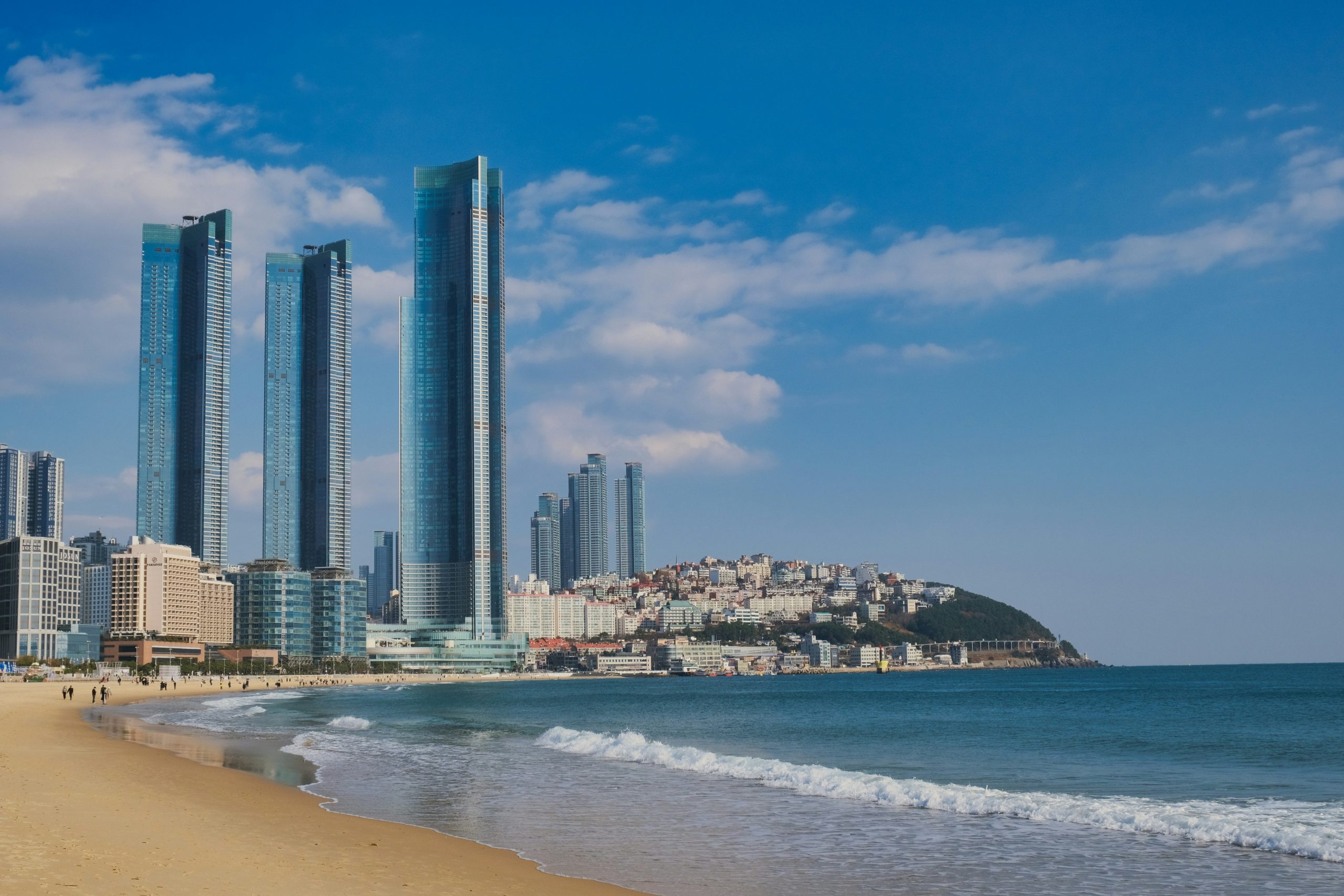
Haeundae Beach draws the largest summer crowds (especially July and August) and hosts many festivals and night events. Gwangalli Beach is popular for its sunset views and the illuminated Gwangan Bridge. For a quieter beach day, consider Songjeong Beach or early-morning visits to Haeundae on weekdays.
Managing Humidity, Monsoon and Rainfall
Expect high humidity through June–August. The Korean rainy season (jangma) typically runs from late June into mid‑to‑late July, with July usually the wettest month; heavy downpours are common then. August remains warm (August averages about 26.8°C with daytime highs often 29–32°C) and can be humid, with occasional typhoon impacts later in the season—so check forecasts before travel.
Practical tips: plan outdoor activities for early morning or late afternoon to avoid peak heat; carry a compact umbrella and quick-dry clothing; hydrate frequently and use sun protection. On rainy or typhoon-prone days, switch to indoor plans like the Busan Museum of Art, COEX-style shopping areas, aquariums, or seafood markets.
What to Pack and When to Visit
Pack breathable, sun-protective clothing, a light rain jacket, sandals that dry quickly, and a reusable water bottle. If you want beach weather but want to avoid the bulk of the monsoon, aim for late August or early June — outside the main late‑June to mid‑July rainy window — keeping in mind summer crowds will still be present on weekends and holidays.
Autumnal Beauty: The Best Time to Visit Busan for Mild Weather
Autumn (especially October) is commonly recommended as the best time to visit Busan for consistently pleasant weather, lower humidity, and clearer skies. If your priority is comfortable sightseeing, outdoor activities, and fall colors, plan for mid‑October to early November when conditions are most reliable.
Typical conditions: rainfall drops significantly after the monsoon season, daytime temperatures are generally comfortable (often in the high teens to low 20s °C), and humidity is much lower than in summer — ideal for full days of walking and photography.
Fall Foliage in Beomeosa Temple and Geumjeongsan Mountain
Beomeosa Temple offers colorful leaves against historic architecture and is accessible by subway plus a short uphill walk — expect a 1–2 hour visit if you include the temple grounds and nearby trails. Peak foliage in the Busan area usually arrives in mid to late October, though exact timing varies by year and elevation.
For panoramic views and longer hikes, Geumjeongsan Mountain has several trail options (1–4 hours depending on route) with vantage points overlooking the city and coast. Wear good walking shoes and bring water; public buses and cable car options shorten travel time to trailheads.
Outdoor Activities and Comfortable Sightseeing
Autumn is perfect for coastal walks (Dalmaji-gil, Igidae), market visits, and day hikes. Sample itinerary idea: morning hike at Geumjeongsan, lunch at Jagalchi Market, and an afternoon stroll along Gwangalli for sunset — all doable in a full day with public transit.
Practical tips: book festival or hotel reservations in advance for popular October weekends, pack light layers for cool mornings and warmer afternoons, and carry a compact windbreaker for breezy seaside conditions.
Winter Charms: Exploring Busan in the Off-Season
Note, however, that winter nights routinely dip below freezing: the average January minimum is about −0.7°C and record lows can be much colder, even though daytime highs often reach 6–10°C. While most tourists flock to Busan in summer, winter offers quieter streets, lower prices, and a different seasonal charm. Expect crisp air, clear skies on many days, and chilly seaside winds.
Winter Festivals and Illuminations
Busan stages several winter light displays and holiday events — popular spots include Gwangalli Beach, Nampo-dong, and waterfront promenades where evening illuminations and market stalls create a festive atmosphere. Check local event calendars for exact dates (many displays run from late November through January) and arrive after sunset for the best views.
Tips for enjoying winter events: bundle up for long evening walks, bring a thermos or seek nearby cafés to warm up between viewpoints, and consider weekday evenings to avoid weekend crowds.
Benefits of Traveling During the Low Season
Visiting in the low season brings practical advantages: fewer crowds at major attractions, more availability for hotels (including upgrades at lower prices), and cheaper flights outside holiday peaks. That can free up budget for experiences like seafood dinners, private tours, or museum admissions.
Practical winter travel advice: pack thermal base layers, a warm coat, hat and gloves, and slip-resistant shoes for potentially icy sidewalks; watch holiday periods (Lunar New Year and national holidays can cause local price spikes and transport busy-ness); and search for winter-season deals on accommodation and transport to maximize savings.
The Best Time to Visit Busan for Budget Travelers
If you want to see Busan without spending a lot, travel timing makes a big difference. The winter months (December–February) are commonly the cheapest period for flights and hotels outside of holiday spikes — you can often find lower rates, room upgrades, and weekday discounts on tours.
Quick caveat: Korean holidays (Lunar New Year, Chuseok, and some national holidays) can cause local price spikes and busy transport, so avoid booking during those specific dates if you’re after the deepest savings.
Practical budget tips:
- Book accommodation and KTX/SRT tickets in advance for the best prices and availability.
- Use a T-money card for cheaper, convenient subway and bus travel.
- Eat seasonally — winter street food and local markets (like Jagalchi) offer filling meals at low cost.
- Look for bundled attraction passes or weekday-only deals for museums and tours.
With some planning, a winter trip can let you enjoy top Busan experiences — seafood dinners, scenic views, or a private walking tour — for less. Remember to pack appropriately for cold nights so savings don’t get spent on emergency purchases.
Navigating Busan Tourism Peaks and Crowd Management
Busan is busy at certain times of year, so planning when to go and how to move around will improve your trip. Avoiding holiday peaks, booking transport early, and mixing popular sights with quieter neighborhoods will make sightseeing more relaxed.
Holiday notes: major Korean holidays such as Chuseok and Lunar New Year see heavy domestic travel — trains, buses, and airports get crowded and prices can spike. If you must travel during these holiday windows, book tickets and accommodation well in advance.
The fastest rail links from Seoul are the KTX and SRT high‑speed trains; travel time to Busan is typically around 2 hours 15–25 minutes depending on the service and stops, not the full 2.5 hours quoted in older guides. Check Korail and SRT timetables before booking and reserve seats early for peak dates.
How to get to and around Busan (quick reference):
- KTX / SRT from Seoul — ~2h15–2h25; book on Korail or SRT websites or apps.
- Flights from Gimpo/ICN to Gimhae Airport — flight time ~1 hour; factor in airport transit time.
- Intercity buses — cheaper but slower than high‑speed rail; good for budget travel.
- Local transit — use the subway and buses inside Busan. Get a T‑money card for easy fare payment and transfers.
Practical tips: book rail and flight tickets as soon as your dates are fixed, travel on weekdays when possible to avoid weekend crowds, and use the subway to skip road congestion near major attractions. If you’re aiming for a quieter experience, visit during shoulder seasons (spring or autumn) and plan morning visits to top sites.
Major Festivals and Events That Define the Busan Calendar
Busan’s festival calendar adds energy to the city year-round — from film screenings to fireworks and cultural fairs. Timing your visit for a specific event can be rewarding, but expect larger crowds and higher demand for hotels during peak festival dates.
Below are the signature events to consider when planning the best time to visit Busan.
Busan International Film Festival Highlights
The Busan International Film Festival (BIFF) is one of Asia’s most prominent film festivals and typically takes place in October. It attracts international filmmakers, industry professionals, and film fans, and fills Haeundae and Nampo-dong with screenings, outdoor programs, and pop-up events. If you plan to attend, buy tickets early, watch for public screening schedules, and expect busy local transit around evening showtimes.
Where to experience BIFF: public outdoor screenings and fringe events in Haeundae, the BIFF theater cluster in Nampo-dong, and marketplace-style film showcases near PIFF Square.
Fireworks Festivals and Cultural Celebrations
Summer and autumn feature major outdoor spectacles such as waterfront fireworks displays over Gwangalli Beach — these draw large crowds who come for the illuminated Gwangan Bridge backdrop. Fireworks events are usually scheduled on specific summer weekends; check local event calendars for exact dates and arrive early for good vantage points.
Beyond fireworks, Busan hosts seasonal cultural festivals (autumn food and harvest fairs, spring flower events, winter light displays). These local celebrations are great for sampling regional food, crafts, and performances and for seeing how South Korea’s festival culture changes with the seasons.
Practical tips: consult the official Busan events calendar before booking, reserve accommodation well in advance for festival weekends, use the subway to avoid festival traffic, and plan alternate indoor activities in case of rain or last-minute schedule changes.
Essential Busan Travel Tips for Every Season
A little planning goes a long way in Busan because each season brings different conditions. This quick guide covers packing, transport, safety, and money tips so you can enjoy the city whatever time you visit.
Packing Strategies for Variable Weather
Pack based on the season and daily temperature ranges rather than a single number:
- Spring (Mar–May): light layers, a waterproof windbreaker for cool mornings and occasional showers, comfortable walking shoes for parks and temple paths.
- Summer (Jun–Aug): breathable, quick-dry clothing, sun protection (hat, SPF), a compact umbrella for jangma downpours, and a reusable water bottle for frequent hydration in hot, humid conditions.
- Autumn (Sep–Nov): layered clothing — mornings can be cool while afternoons are mild; bring a light jacket for seaside breezes and a small daypack for hikes.
- Winter (Dec–Feb): thermal base layers, a warm coat, hat and gloves, and slip-resistant shoes — daytime highs often reach 6–10°C but nighttime lows commonly dip below 0°C (January average minimum ≈ −0.7°C).
Sample quick-packs:
- 1‑day trip: light layers, water bottle, sunscreen, umbrella.
- 3‑day weekend (spring/autumn): 2 tops, 1 sweater, light jacket, comfortable shoes, small first-aid kit.
Transportation Advice for Seasonal Travelers
Ready to book South Korea?
TripToGo runs 12 guided and independent trips in South Korea, with dates, inclusions and prices on each one.
See South Korea tours →- Getting around: Busan’s subway and bus network is efficient — get a T‑money card for convenient payment and transfers across buses, subways, and some taxis.
- Intercity travel: use the Korail or SRT apps to book KTX/SRT tickets early (check schedules for exact times). For flights, factor in airport transit times to/from Gimhae.
- Festival or holiday travel: expect crowded public transport — travel early in the day, and reserve tickets where possible.
Safety, Health and Money Tips
- Health: hot, humid summers increase dehydration risk — carry water and avoid strenuous midday activity; during monsoon months, avoid flooded areas and follow local advisories.
- Safety: Busan is generally safe, but busy beaches and festivals warrant typical precautions — keep valuables secure and carry a hotel-address card in Korean.
- Money: credit cards are widely accepted, but bring some cash for markets and small vendors. Look for weekday discounts and bundled attraction passes to save money.
Use this compact guide as a checklist for your trip planning. Match your packing and transit choices to the season you’re visiting and you’ll spend more time enjoying Busan and less time dealing with avoidable hassles.
Top Busan Attractions and Their Seasonal Appeal
Busan’s highlights shift with the seasons — beaches and festivals dominate summer, temples and trails shine in spring and autumn, and quieter coastal walks suit off‑peak months. Picking the right time affects crowds, comfort, and what activities you’ll enjoy most.
Quick seasonal matrix (at-a-glance):
- Haeundae Beach — Best months: June–August; Crowd level: high on weekends; Ideal visit length: half day to full day.
- Gwangalli Beach — Best months: late spring–autumn (May–October); Crowd level: medium (spikes for fireworks); Ideal visit length: 2–4 hours (evening recommended for bridge lights).
- Songjeong Beach — Best months: year-round for surf culture; Crowd level: low–medium; Ideal visit length: 2–4 hours (good for early mornings/weekday visits).
- Beomeosa Temple / Geumjeongsan — Best months: spring and autumn; Crowd level: low–medium (peak foliage weeks higher); Ideal visit length: 1–3 hours for temple + short trail, up to a half-day for longer hikes.
Coastal Walks and Marine Attractions
Haeundae is the most famous beach and busiest in peak summer — expect large crowds, events, and beach vendors. Gwangalli offers scenic sunset views and the Gwangan Bridge lights; arrive early for a good waterfront spot during fireworks. Songjeong attracts surfers and those seeking a quieter beach day; it’s a solid choice if you want fewer crowds but still beach access.
Timing tips: for beaches, visit early morning on weekdays to avoid peak crowds and heat; for sunsets and nighttime views, plan to arrive 60–90 minutes before showtime for the best vantage points.
Historical Sites and Cultural Landmarks
Beomeosa Temple is accessible by subway plus a short uphill walk — allow 1–2 hours to explore the temple grounds and adjacent paths. Geumjeongsan Mountain has multiple trail options (1–4 hours) and offers panoramic views of the city and coast, especially attractive in autumn foliage.
Accessibility notes: many cultural sites have steps and uneven paths; wear comfortable shoes. Families with strollers should plan for limited accessibility on some trails, while solo travelers will find well-marked routes and frequent bus/subway links to main landmarks.
Practical transit times (approximate): downtown to Haeundae by subway ~30–40 minutes, Nampo-dong (Jagalchi/BIFF area) ~20–30 minutes from Seomyeon; Beomeosa Temple ~30–45 minutes including bus/subway transfer. Use these estimates when planning 1‑day or multi‑day itineraries.
Gastronomy Through the Seasons: What to Eat in Busan
Busan’s food scene shifts with the seasons—fresh seafood and light dishes in warmer months, hearty comfort food in winter, and market specialties year-round. Planning meals around seasonality is one of the best ways to experience local culture and value.
Seasonal Seafood Specialties
Jagalchi Market is Busan’s flagship seafood market and a great place to sample seasonal catches. In spring and summer you’ll find abundant mackerel, squid, and a wide range of shellfish; popular summer dishes include cold raw fish soup (hwedupbap variations) and spicy sashimi plates enjoyed near the water.
Price note: availability and prices vary by species and season—some seafood is cheaper when it’s in season locally, while imported items can cost more. Ask vendors for “what’s fresh today” (가장 싱싱한 것) to get the best value.
Comfort Foods for Colder Months
Winter brings a focus on warming, filling dishes. Dwaeji gukbap (pork-and-rice soup) is a Busan specialty—popular, affordable, and perfect after a cold evening walk. Other winter favorites include hot stews, grilled fish, and steaming bowls of jjigae served at markets and neighborhood restaurants.
Where to try it: small local restaurants around Nampo-dong and Seomyeon are famous for authentic bowls of dwaeji gukbap at modest prices; market stalls at Jagalchi and Gukje Market offer inexpensive cooked seafood and side dishes.
Quick seasonal what-to-eat list
- Spring: raw and grilled fish, seasonal shellfish—great at Jagalchi and nearby waterfront stalls.
- Summer: light, cold seafood dishes and street snacks—eat earlier or later in the day to avoid peak heat.
- Autumn: rich seafood stews and grilled fish as catches diversify after summer.
- Winter: dwaeji gukbap, hot stews, and hearty soups to warm up after chilly seaside walks.
Practical food tips
- Market etiquette: many stalls let you choose fresh fish and have it prepared on-site—ask prices before ordering and be ready to share plates.
- Costs: expect inexpensive market meals (under typical local prices) and moderate restaurant prices in tourist areas; use cash for some market stalls.
- Late-night dining: Busan has a lively late-night food culture—seafood pubs and markets stay active after dark, especially in summer.
Try matching food choices to the season of your trip—fresh, light seafood in summer; warm, comforting bowls in winter—so your culinary experience complements the weather and activities of your Busan visit.
Day Trips and Nearby Excursions Based on Timing
Busan is a great base for short excursions that add variety to your trip. Nearby destinations suit different seasons — historic Gyeongju in spring or autumn, coastal walks and islands in summer, and quieter mountain trails in winter — so pick side trips that match your main travel goals and the weather.
Gyeongju (history day trip): approximately 1–1.5 hours by train from Busan (KTX or regional trains depending on route). Best time to visit: spring for blossoms or autumn for foliage. Expect museum- and tomb-focused itineraries to take a full day; typical plan: morning train to Gyeongju → Bulguksa Temple and Seokguram (half day) → lunch at downtown Gyeongju → Tumuli Park and Anapji Pond in the afternoon → return in the evening.
Coastal walks and nearby nature: the Igidae coastal path and Oryukdo Skywalk are excellent in spring and autumn for clear skies and comfortable hiking. These can be half‑day trips from central Busan (allow 2–4 hours including transit). For calmer beach days and local surf culture, Songjeong is a short subway or bus ride away and works year‑round.
Jeju Island note: Jeju is an outstanding destination but requires a separate multi‑day trip (fly from Busan’s Gimhae Airport; flight ~1 hour). Don’t plan Jeju as a same‑day excursion — allocate at least 2–3 days to explore the island properly.
Sample itineraries
- Half‑day (morning): Haeundae sunrise walk → Jagalchi seafood lunch (stay local for afternoon activities).
- Full day (history): Train to Gyeongju → Bulguksa + Tumuli Park → evening return to Busan.
- Full day (nature): Morning hike/skywalk at Igidae → afternoon beach time at Songjeong or Gwangalli → sunset at Gwangan Bridge.
Practical tips: check train and bus schedules in advance (especially on weekends), start early for full-day trips, and factor in transit time so you can return to Busan by evening. For seasonal trips like cherry blossom viewing, verify bloom forecasts the month of travel to maximize timing.
Family-Friendly Travel Planning for Busan
Busan is a family-friendly city with beaches, interactive museums, parks, and easy public transit — all useful when planning a stress-free family trip. With a little preparation you can balance kid-friendly activities with downtime for adults.
Summer is the busiest season and beaches like Haeundae and Gwangalli can get very crowded on weekends and holidays. For a calmer beach day, arrive early, pick weekdays, or try Songjeong Beach which tends to be quieter and is popular with families and beginner surfers. Busan’s beaches are officially open for swimming only in season, usually 9am to 6pm: most run 1 July to 31 August, with Haeundae and Songjeong opening earlier and closing later.
Sample family itineraries by age
- Toddlers (half-day): morning at Haeundae or Songjeong (play on shallow sand), lunch at a family restaurant, and an afternoon nap back at the hotel.
- School-age kids (full day): Busan Aquarium in the morning, Jagalchi Market for lunch and a market stroll, and the Gamcheon Culture Village for colorful streets and photo spots.
- Teens (full day/adventure): surf lesson at Songjeong, late-afternoon coastal walk at Igidae or Dalmaji-gil, and evening Gwangan Bridge lights at Gwangalli.
Practical family tips
- Transit and accessibility: use the subway where possible — it’s stroller-friendly on most lines; bring a lightweight stroller for crowded markets and long walks.
- Safety: carry a card with your hotel address written in Korean and a local contact number; teach older kids a meeting point in case you get separated in crowds.
- Indoor alternatives: on rainy monsoon days visit indoor attractions like the Busan Aquarium, Busan Museum of Art, or science museums to keep kids entertained.
- Packing checklist for families: basic first-aid items, electrolyte drinks for hot days, spare clothes for kids, a compact umbrella, and small snacks for transit waits.
With scheduled rest times, early starts, and a mix of indoor/outdoor options, families can enjoy Busan across seasons while avoiding common stress points like crowds and long commutes.
Solo Traveler Considerations for Busan Sightseeing
Busan is widely regarded as a friendly and safe city for solo travelers, with efficient public transit and neighborhoods that suit different travel styles. With the right base and a few local tips, solo trips are easy to plan and enjoy.
Where to stay and why
Recommended neighborhoods for solo travelers: Seomyeon (central, great nightlife and transit connections), Nampo‑dong (close to Jagalchi Market, BIFF Square, and ferries), and Haeundae (beach access and restaurants). These areas are major transit hubs, so you’ll spend less time commuting and more time exploring.
Solo traveler checklist
- Book accommodation near a subway station for fast, safe travel across the city.
- Carry a T‑money card for easy subway/bus fares and avoid cash hassles.
- Keep a copy of your hotel address in Korean and a local SIM or eSIM for maps and emergency contact.
- Choose hostels, guesthouses, or small boutique hotels if you want to meet other travelers; join a day tour for socializing while sightseeing.
Daily planning tips
Transit times are short from central hubs — e.g., Seomyeon to Haeundae ~30–40 minutes by subway — so you can fit several activities into one day. Sample solo day: morning coastal walk (Igidae or Dalmaji‑gil), lunch at Jagalchi or a small seafood restaurant, afternoon temple visit (Beomeosa), and evening stroll around Gwangalli for the bridge lights.
Safety and practical advice
- General safety: Busan has a low crime rate, but take normal solo‑traveler precautions — watch belongings in busy areas and avoid poorly lit streets late at night.
- Meals: many restaurants welcome solo diners; counters and communal tables are common and convenient.
- Meeting others: look for language exchange meetups, walking tours, or cooking classes to connect with locals and fellow travelers.
With a good neighborhood base, reliable transit, and a flexible itinerary, solo travel in Busan is both convenient and rewarding — perfect for short time visits or longer stays exploring this coastal city.
Before you go: turn this guide into a day-by-day plan. Our partner Voyada is a free custom travel itinerary that builds the trip with flights, hotels and a real total cost for your dates — in about a minute.
Build a travel itinerary →Busan's Coastal Seasons
Busan is Korea’s laid-back beach city, milder than Seoul — here’s when it’s at its best.
- Spring (cherry blossoms) and autumn are ideal; summer beaches are hot, humid and crowded, with a July monsoon.
- Time it for the Busan International Film Festival (October), or the summer buzz on Haeundae and Gwangalli beaches.
- It’s milder than Seoul year-round — a good early- or late-season coastal escape.
- Getting there is easy: the KTX from Seoul takes about 2 hours 20 minutes.
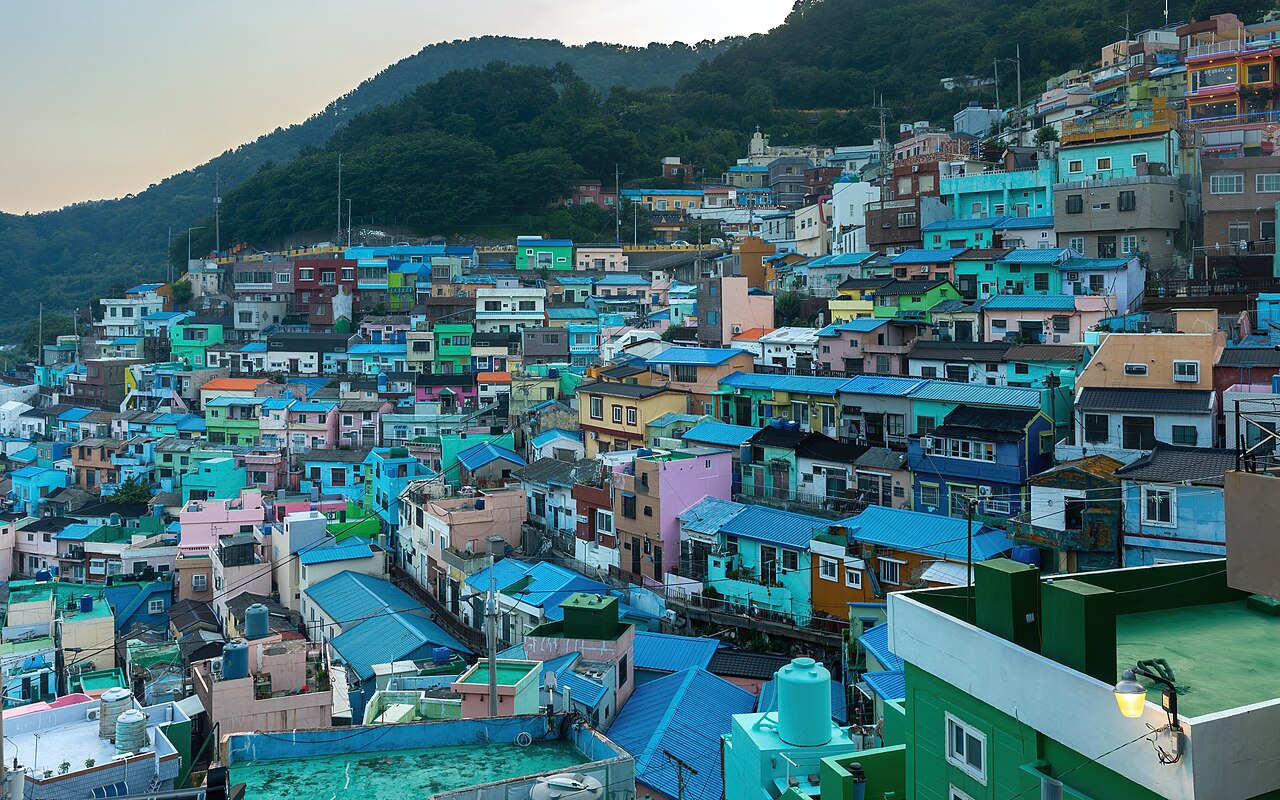
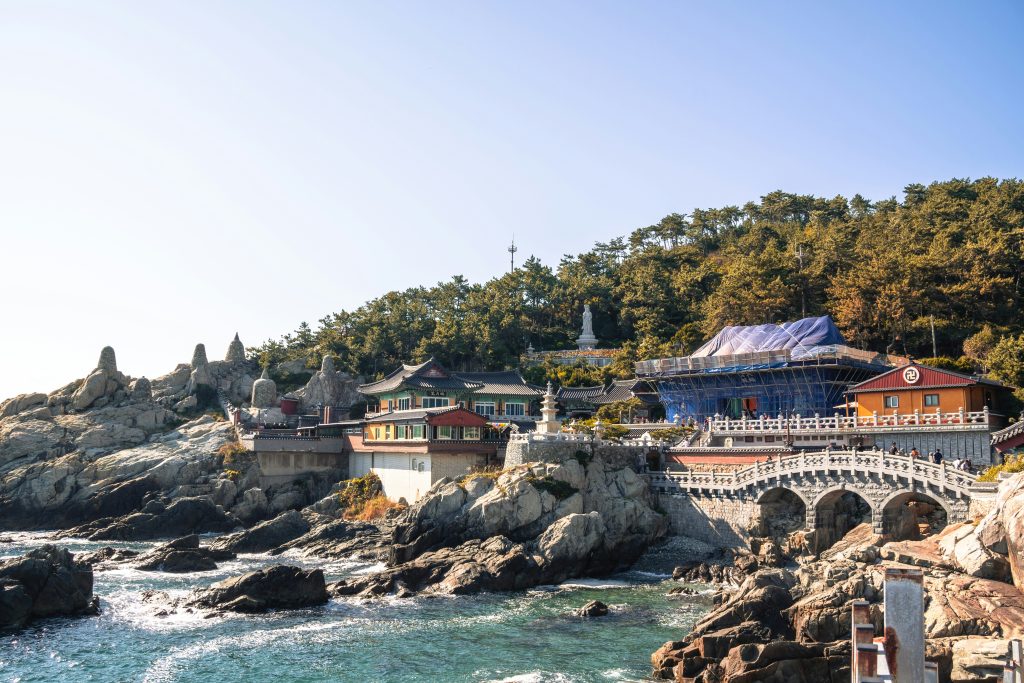
- Don’t miss Gamcheon Culture Village, Jagalchi fish market and the seaside Haedong Yonggungsa temple.
Busan: Month-by-Month Guide
A quick month-by-month reference for planning — at a glance, when to go and what each month brings.
| Month | Verdict | What to expect |
|---|---|---|
| January | Quiet | Cold and dry; mild for Korea; quiet. |
| February | Quiet | Cold, easing. |
| March | Shoulder | Cool; spring; blossoms late-month. |
| April | Great | Mild; cherry blossoms; lovely. |
| May | Great | Warm and ideal. |
| June | Warm | Warm; the monsoon begins late. |
| July | Wet | Hot and wet; monsoon; the Sea Festival. |
| August | Peak | Hottest and humid; beach peak; typhoon risk. |
| September | Great | Warm; pleasant (Film Festival in Oct). |
| October | Peak | Crisp and ideal; foliage. |
| November | Good | Cool and dry; lovely. |
| December | Quiet | Cold and dry; quiet. |
Conclusion
Choosing the right dates is the single most important decision for a successful Busan trip: each season highlights different experiences, from spring cherry blossoms to summer beaches, autumn foliage and clear skies, or quieter (and often cheaper) winter visits.
Quick decision checklist:
- If you want blossoms and mild weather — prioritize late March in Busan (check bloom forecasts the month before).
- If you want beaches and festivals — aim for June–August but plan around the late‑June to mid‑July monsoon and expect high humidity and weekend crowds.
- If you want the most comfortable weather and clear skies — target October for foliage and outdoor activities.
- If you want lower prices and fewer crowds — consider a winter trip (Dec–Feb) but pack for sub‑freezing nights and watch holiday dates.
Next steps: pick the season that matches your travel style, check festival calendars and rail/flight availability, and book accommodations and any festival tickets early. Keep an eye on monsoon and typhoon forecasts if you travel in summer.
Ready to plan? Share which season you’re thinking of and we’ll suggest a tailored 3‑day or 7‑day Busan itinerary for your trip.
FAQ
What is the overall best time to visit Busan for perfect weather?
When is the cheapest time for a Busan vacation?
Is the Busan climate very different from Seoul?
What are the must-see Busan attractions during cherry blossom season?
Are there any specific Busan travel tips for the monsoon season?
Which Busan seasons are best for hiking Geumjeongsan Mountain?
What should I pack for a trip to Busan in the winter?
How long does it take to get to Busan from Seoul?
Can I do a day trip to Jeju Island from Busan?
When can you actually swim at Busan's beaches?
The city runs an official beach season rather than leaving the water open all year. Most stretches operate through July and August, with the two best known beaches opening earlier and closing later, and supervised hours running from mid morning to early evening. Lifeguards, flags and safety buoys are only in place inside those hours, so swimming outside the season, or after the flags come down, is unsupervised. The water is also closed temporarily for high waves, jellyfish or storm warnings issued by the city and the national weather service. Outside the season the sand stays open for walking and sunset views, but treat casual swimming as off limits.
How much does typhoon season affect a late summer trip?
Busan is coastal and exposed, so storms are a genuine planning factor from around August into September, once the jangma rains have eased. A close pass brings high waves, strong wind and heavy rain, and the practical effects are beach closures, suspended coastal and island boat services, delayed or cancelled flights, and occasional disruption to long distance trains. The Korea Meteorological Administration issues typhoon and heavy rain warnings in English, and the city closes seafront paths and promenades when waves become dangerous. Most trips are unaffected, but if you travel in this window, build in a spare day, keep indoor options ready and stay away from the shoreline during a warning.
How many days do you need in Busan, and does the season change that?
Three days suits most first visits: one for the beaches and coastal paths, one for the markets, the culture village and the old downtown, and one for a temple, a mountain trail or a trip inland. Two works if you stay central and accept a brisk pace. In autumn the clear, dry weather lets you run long walking days back to back, so three days go further. In the summer rainy stretch, add a day or expect to lose a half day to weather, because the downpours are heavy rather than drizzly. Winter days are short and cold after dark, which shortens the useful sightseeing window.
When do Korean holidaymakers descend on the city?
The heaviest domestic crush is the summer holiday peak, roughly the last week of July into the first week of August, when much of the country takes leave at once and the coast is the favourite escape. Beach hotels fill months ahead, rates rise sharply, restaurants queue out of the door and the best known sands are shoulder to shoulder at weekends. Weekdays either side of that fortnight are noticeably calmer. The big family holidays work differently: the city itself can feel quiet, but trains and flights sell out and many small businesses shut for several days, so moving in or out around those dates is the hard part.
How far ahead should I plan if I want the film festival or the fireworks?
Both are worth timing a trip around, and both reward early planning. The film festival takes over parts of the city in October, and rooms near the festival districts go first, while screening tickets are released in batches closer to the event, so fix your dates and accommodation before you worry about tickets. The fireworks over Gwangalli are a single announced evening that draws an enormous crowd from across the country, and the date moves each year, so check the city’s official events calendar before committing. Arrive hours early for a waterfront spot, expect packed trains afterwards, and keep the next evening free in case weather pushes the show back.
Is Busan worth visiting in winter when the beaches are shut?
Yes, if you come for the city rather than the sand. Winter days are often clear and dry and milder than inland Korea, though the seafront wind bites once the sun drops, and the crowds thin right out. The fish markets are at their best in the cold months, the city’s hot soups suit the weather, temples and mountain lookouts stay open, and the waterfront runs light displays and new year sunrise gatherings. What you give up is swimming, watersports and long lazy beach days. Build indoor stops between viewpoints and save the coastal walks for the middle of the day, when the light and the temperature are kindest.