
Table of Contents
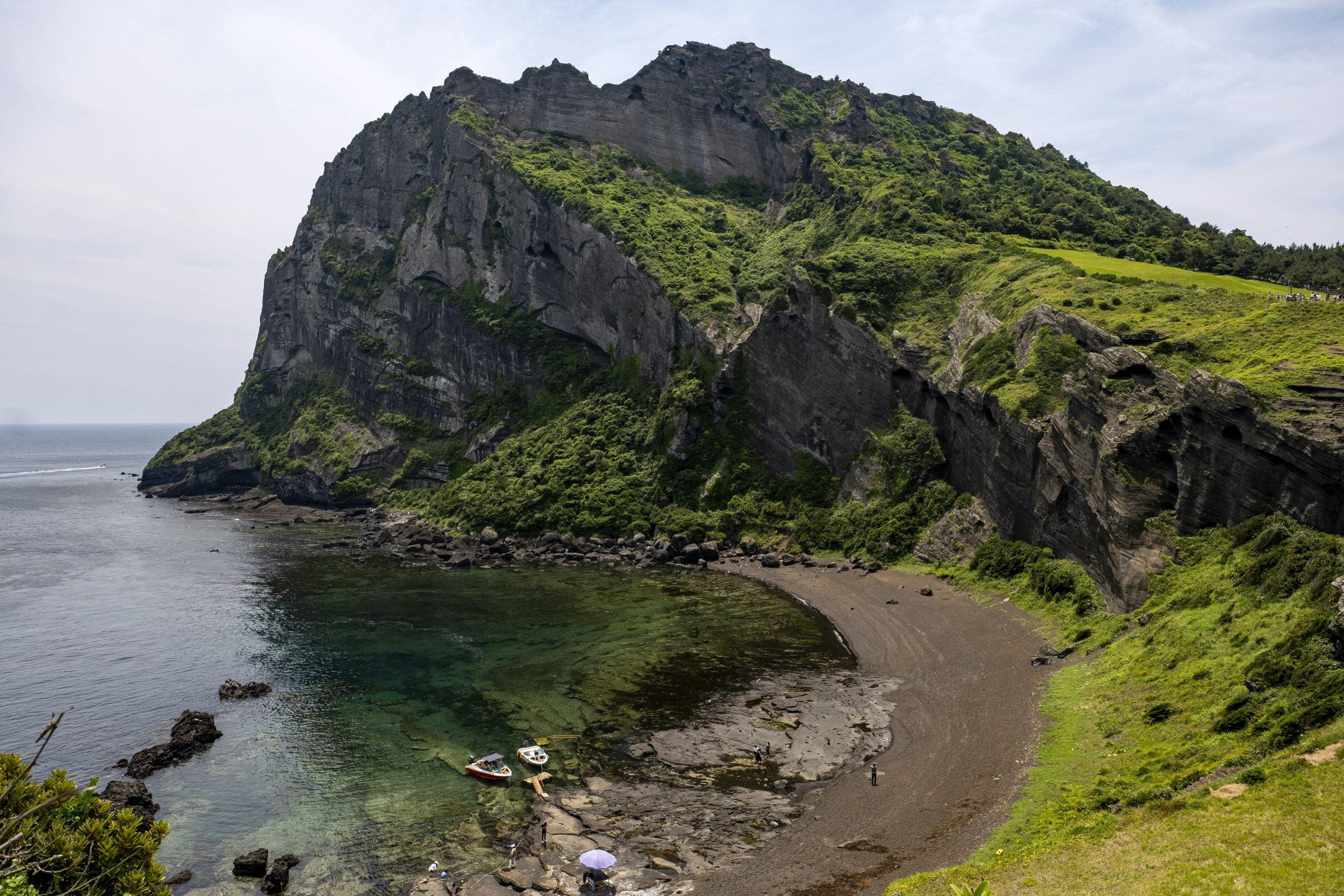
ToggleDid you know nearly 14 million people visit this volcanic paradise every year? It’s a South Korean gem known for its dramatic cliffs and turquoise waters. It’s a favorite spot for many. For official, up-to-date visitor information, see South Korea’s UNESCO World Heritage listings.
As a UNESCO World Heritage site, it offers natural wonders and cultural charm. Planning your trip is key to enjoying the perfect weather for hiking or beach lounging.
Knowing the seasonal changes helps you plan better. Whether you want to see cherry blossoms or golden leaves, timing is everything for a great adventure.
Key Takeaways
- Jeju attracts millions of global travelers annually due to its stunning volcanic geography.
- The region is recognized as a UNESCO World Heritage site for its ecological significance.
- Seasonal weather patterns significantly impact the quality of outdoor activities and sightseeing.
- Strategic planning allows you to experience the local culture without the peak season crowds.
- Spring and autumn are widely considered the most comfortable periods for exploring the outdoors.
Jeju by Season at a Glance
The short answer in one table — then the full month-by-month detail below.
| When | Weather | What you get |
|---|---|---|
| Apr–May | 15–22°C, mild, dry | Prime — canola fields and cherry blossoms overlap; April is the single best month |
| Jun–Aug | 24–30°C, hot, wet | Peak Korean-holiday crowds and the island’s rainy season — beaches busy, weather least reliable |
| Sep–Oct | 15–25°C, clear, dry | The other sweet spot — October is the driest, clearest month; September can still catch a typhoon tail |
| Nov–Feb | 5–12°C, cool, quiet | Camellias and crowd-free trails; snow can dust Hallasan’s summit — cool but manageable |
✈️ TripToGo Travel Deals
Get notified about great travel deals
Hand-picked flight, hotel and destination deals, straight to your inbox. No spam, unsubscribe anytime.
🎉 Thank you for subscribing!
You’re all set — the best travel deals are on their way.
April vs October, and the Summer Rains: Key Facts
April and October are the two best months on Jeju. April brings cherry blossoms and the island’s famous yellow canola fields; October brings cool, dry, clear skies ideal for hiking Hallasan and the coastal olle trails. Both dodge the summer crowds and rain.
Skip midsummer if weather matters: June–August is peak season because it aligns with Korean school holidays, but it is also Jeju’s hot, humid rainy season — autumn and winter are actually the island’s driest seasons.
Getting there is a domestic hop: Seoul–Jeju is one of the world’s busiest air routes, quick and cheap. Entry follows the rest of Korea (K-ETA waived for many through 2026, e-Arrival Card required) — see our best time to visit South Korea guide. Official resource: Korea Tourism Organization.
Understanding the Climate Patterns of Jeju Island
Jeju Island has a unique mix of microclimates that can surprise anyone. Its volcanic topography means the weather can change a lot depending on your location. Knowing these patterns is key to a great trip.
Temperature Ranges and Seasonal Shifts
The island has four seasons, each with its own charm and weather. Coastal areas stay pretty mild all year. But, the highlands in the center are much colder.
Places like the 1100 road can get as cold as -6°C in winter. Elevation is a big factor in how cold it gets.
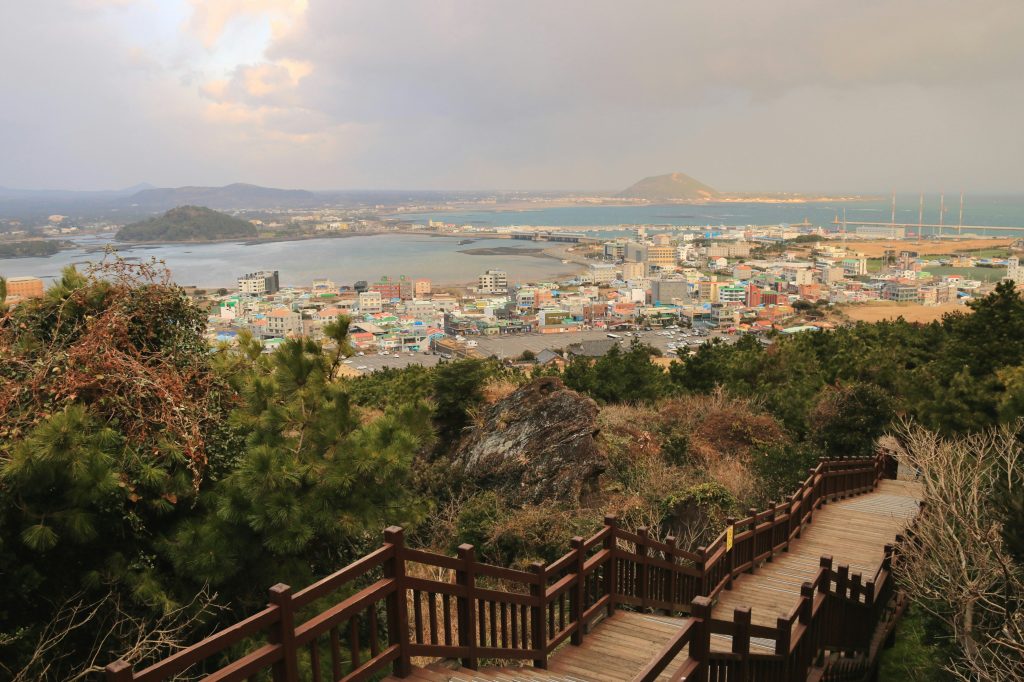
Regional Weather Variations Between Jeju City and Seogwipo
Jeju City in the north gets cooler winds and more clouds. On the other hand, Seogwipo in the south has a warmer, subtropical climate. It feels milder.
This difference means you might see sunshine in the south while the north is cloudy. Always check the local weather forecast for your area. This way, you can pack right and enjoy your outdoor activities.
Planning this trip?
Our partner Voyada’s travel AI planner builds a day-by-day plan with flights, hotels and a real total cost for your dates — in about a minute, free.
Help me plan a trip →Springtime Flora and Temperature Averages
As winter fades, Jeju Island comes alive with flowers and mild temperatures. The temperature usually hits 12-20°C. This makes it perfect for outdoor fun.
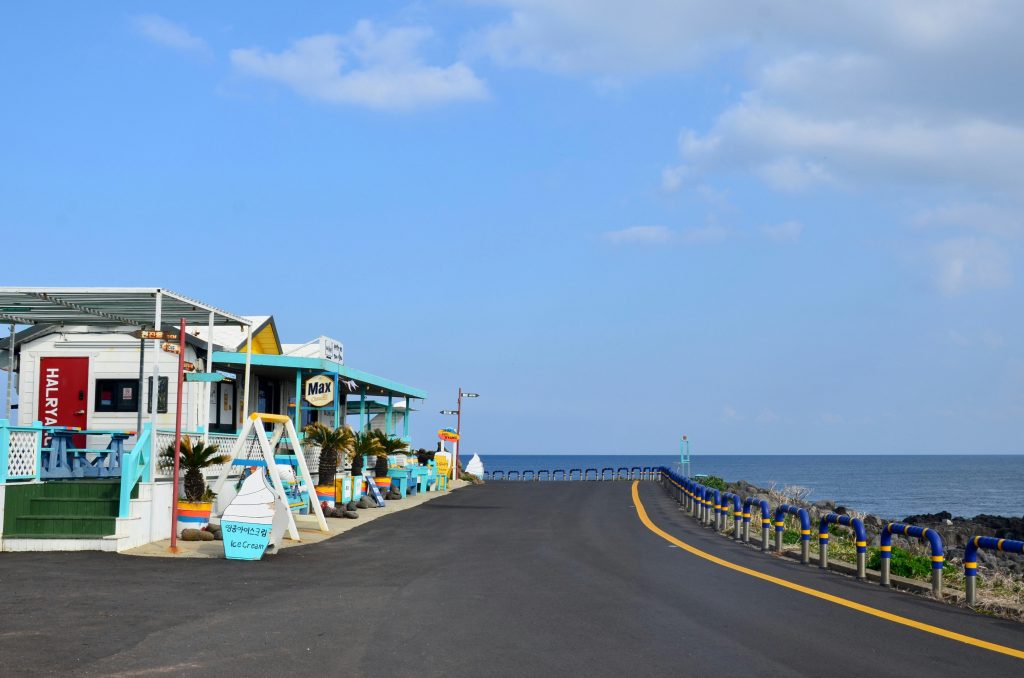
Cherry Blossom Bloom Cycles and Historical Data
The spring season is celebrated with Jeju’s pink cherry blossoms. They start blooming in late March and peak in early April. It’s best to check forecasts to plan your trip.
The blossoms first appear in the south and move north as it warms up. This creates a beautiful wave of color. People from all over come to see the blossoms at their best.
Outdoor Activity Suitability in March and April
March and April have great weather for outdoor activities. The temperatures are just right for exploring trails and coastal paths. It’s perfect for both casual walks and serious hikes.
These months are great for outdoor activities because it’s not too humid. You can hike in Hallasan National Park without the summer heat. It’s the best time to enjoy the island’s beauty comfortably.
Summer Humidity and Monsoon Season Logistics
Summer in Jeju is full of life, but it also brings weather challenges. The island’s beauty is matched by high humidity levels in summer. Knowing about Jeju island weather helps you enjoy your trip more.
Precipitation Patterns and Typhoon Risks
Summer in Jeju means the monsoon season, or Jangma, from late June to mid-July. This time brings a lot of rain, sometimes heavy. It’s smart to plan your trip flexibly during these weeks.
Travelers should also watch out for typhoons, which can vary by year. While big storms are rare, staying updated with local news and weather apps is wise. This way, you can quickly change your plans if a storm is coming.
Coastal Water Temperatures and Beach Accessibility
After the rain, Jeju is perfect for water sports and relaxation. The ocean’s temperature is great for swimming and snorkeling, from 22°C to 30°C. Beaches like Hyeopjae and Hamdeok are must-visits in summer.
Visit beaches early morning or late afternoon to avoid the sun’s strong rays. Always check local flags and lifeguard warnings, as ocean currents can change fast. By being careful and watching the weather, you can have a safe and fun beach day.
Autumn Foliage and Stable Weather Conditions
Fall brings crisp air and golden leaves, making it the best time to see Jeju’s natural beauty. The humidity drops a lot from summer, making it ideal for outdoor activities. It’s the perfect season for anyone wanting to explore Jeju.
Temperature Trends from September to November
The weather in autumn is very pleasant. Temperatures range from 15°C to 25°C, making it great for all-day adventures. This stable weather makes planning your day easier, without worrying about sudden changes.
September starts warm, and November brings a cool breeze, hinting at winter. With less rain, the ground is drier and easier to walk on. This consistent weather is a big reason why people visit in autumn.
Hiking Hallasan During the Fall Season
Hiking Hallasan is magical in autumn, with the slopes painted in vibrant colors. The cooler weather means you won’t get as tired as in summer. It’s the best time to take amazing photos of the volcanic landscape.
The trails are well-kept, but the summit needs a free advance reservation at visithalla.jeju.go.kr: daily numbers are capped and a QR code is scanned at the gate, so book as soon as the month opens for autumn weekends. Exploring Jeju in autumn lets you see the national park’s unique plants. Whether you’re a casual walker or an experienced climber, the autumn scenery is unforgettable.
Winter Temperatures and Off-Peak Travel Considerations
Visiting Jeju Island in the off-peak season is a great idea for a peaceful getaway. The summer months are busy, but winter is quiet. This allows you to explore at your own pace. Plus, travel costs are often lower, which is good for those watching their budget.
Average Lows and Highs in January and February
Winter temperatures on the coast are usually between 7°C and 11°C. This makes walking by the sea pleasant if you wear layers. But, remember, the weather changes a lot as you go higher up.
Going to the mountains means it gets much colder. Temperatures at high altitudes can drop below freezing, mainly in January and February. Always check the weather before heading inland to stay warm.
Winter Sports and Indoor Attraction Availability
Winter is a great time to visit indoor attractions without the crowds. You can explore museums, cozy cafes, and cultural centers. These places are warm and perfect for learning about the area’s history.
The higher slopes of Hallasan are beautiful in winter, with snow-covered views perfect for photos. While there aren’t many extreme winter sports, the trails are open for those ready for adventure. An off-peak trip to Jeju Island means you can enjoy these sights in peace.
Determining the Best Time to Visit Jeju Island for Your Interests
Choosing the right time to visit Jeju Island depends on your travel style. The island’s varied landscapes mean your experience is tied to the season you choose. Each season offers something special, so pick the one that fits your goals.
Aligning Travel Dates with Personal Activity Preferences
For beach lovers, the warmest months are the best. Mid-summer has the warmest water for swimming and water sports. It’s also the rainy season and the busiest time on the beach.
On the other hand, if you enjoy hiking or exploring Hallasan, cooler seasons are better. Summer hiking can be tough due to humidity. Plan your trip for spring or autumn for a more comfortable hike.
Balancing Crowd Density with Weather Stability
Travelers seek a balance between good weather and fewer crowds. The peak vacation times have stable weather but more visitors. This can be a challenge.
Visiting during the transition months might be quieter. The weather is mild, and there are fewer tourists. This is the ideal time for those who want to explore without the crowds.
Peak Season Versus Off-Peak Season Dynamics
Knowing when to travel is key to a stress-free trip. Whether you want sun or quiet trails, timing matters. The right time can greatly improve your trip and save money.
Economic Impacts on Accommodation Pricing
Peak season on Jeju Island means higher hotel and rental prices. Resorts fill up fast, raising costs for last-minute travelers. Booking early can help you save.
Off-peak seasons, on the other hand, are kinder to your wallet. You can find luxury stays at lower prices. This lets you spend more on dining and tours.
Availability of Transportation and Tourist Services
Want this planned for you?
TripToGo has 12 South Korea itineraries, each with its own departure dates and a full list of what's included.
Browse South Korea trips →Summer months bring crowds, making car and public transit hard to find. Rental agencies often sell out early. Plan your travel early to avoid this.
Off-peak seasons offer a smoother travel experience. You’ll face shorter waits at attractions and easier transport. This lets you enjoy Jeju’s beauty without the crowds.
Navigating Jeju Island Transportation Logistics
Learning the local transit system is key to enjoying Jeju Island’s beauty. The island is connected to the Korean mainland, making travel easy. Follow these tips to make your trip smooth from start to finish.
Flight Durations and Ferry Schedules from the Mainland
Most people fly into Jeju International Airport. Flights from Seoul’s Gimpo Airport are very frequent, taking just over an hour. This is the best choice for those short on time.
For a scenic trip, take a ferry. You can leave from Wando, Mokpo, or Yeosu. These journeys take longer but let you bring your car, perfect for road trips.
Public Transit Efficiency and Rental Car Requirements
After arriving, you must choose how to see the island. Jeju has a good public bus network. It’s cheap but needs planning for coastal areas.
Renting a car gives you freedom. You can see hidden spots and views at your pace. Remember, you need an International Driving Permit to rent a car. Get it before you leave.
Essential Gear and Packing Requirements by Season
Smart packing is key to enjoying your Jeju Island trip. The island has different climates in different areas. You might see sunshine by the coast and cold winds on the mountains in the same day. Being ready for these changes helps you stay comfy, no matter the weather.
Layering Strategies for Variable Coastal Winds
Jeju’s coastal areas are known for their cool breezes. These winds can get strong, mainly in the shoulder seasons. It’s smart to wear lightweight, moisture-wicking base layers. They keep you dry while you’re at the beach or on coastal trails.
Carry a good windbreaker or a soft-shell jacket. They’re easy to pack and protect you from sudden gusts. With a layering system, you can adjust your clothes as the wind changes.
Specialized Equipment for Hallasan National Park
For Hallasan treks, you’ll need different gear. You’ll need sturdy, waterproof hiking boots with good ankle support. Trekking poles are also helpful, as they ease knee strain on long walks down.
In winter, the summit can be icy and snowy, even when it’s mild by the coast. If you hike then, bring traction cleats or crampons. Always check the park’s gear needs before you go to ensure a safe and fun climb.
Cultural Festivals and Local Event Calendars
Jeju Island is full of life with its cultural festivals and markets. These traditions show the island’s rich history. They are top attractions for anyone curious about Jeju.
Major Annual Events and Their Impact on Tourism
The Jeju Fire Festival is a big draw, with people from all over coming to see it. The spring Cherry Blossom Festival turns the island into a pink wonderland. These events make hotels busier and transport hubs more crowded.
It’s smart to check the local event calendar before you go. If you want a quiet trip, skip the busy festival times. But, joining in the fun lets you see Jeju at its best.
Local Market Schedules and Operating Hours
Visiting a traditional market is a great way to try local foods and find unique gifts. Dongmun Market in Jeju City is open late and loved by foodies. It’s a top spot for anyone looking to taste Jeju’s flavors.
Seogwipo Olle Market in the south has a different vibe with its covered walkways and fresh seafood. Most markets are open every day, but they’re busiest in the late afternoon and early evening. Visiting then lets you see the vendors in full swing.
Make sure to leave some extra space in your luggage for market finds. Exploring these markets is a great way to see Jeju’s highlights and support the local economy.
Accommodation Selection Based on Seasonal Demand
Choosing where to stay is as important as the places you visit. The right place lets you enjoy Jeju island’s top spots without hurry. Whether you prefer the beach or the mountains, your stay shapes your trip.
Comparing Resort Areas and Boutique Stays
Resorts in Jungmun offer lots of amenities like pools, spas, and restaurants. They’re perfect for those who want everything in one place. This comfort is a big plus for many travelers.
Boutique stays, on the other hand, offer a closer look at local life. You might find cozy guesthouses or traditional stone houses. These places are great for a unique, personalized experience away from the crowds.
Booking Lead Times for High-Demand Periods
Jeju Island sees a lot of visitors, with big changes in numbers throughout the year. In busy times like spring or summer, spots fill up fast. Booking three to four months ahead is a good idea to get your first choice.
If you’re visiting in the off-season, you might have more time to book. But, boutique places get booked quickly, no matter the season. Always check the local events before booking to make sure you get your favorite spot.
Safety Protocols and Travel Regulations
Your trip to Jeju Island should be unforgettable for good reasons. Safety is key, and being prepared is essential. A bit of research can make your journey smooth and worry-free.
Current Entry Requirements and Health Guidelines
Travelers should check the latest entry rules on official government sites before flying. The Korea Electronic Travel Authorization (K-ETA) portal is a good place to start. This ensures you won’t face surprises when you arrive.
Also, watch for local health advisories from the Korea Disease Control and Prevention Agency. These guidelines help you stay safe and enjoy the scenery without stress.
Emergency Contact Information and Local Support Services
Having emergency numbers handy is reassuring. In South Korea, call 119 for fires and medical help or 112 for police. Many of these services have English speakers ready to assist.
For non-urgent issues, the Korea Tourism Organization’s helpline at 1330 is available 24/7. They offer help in several languages. Save these numbers or keep a physical copy handy during your visit.
Before you go: turn this guide into a day-by-day plan. Our partner Voyada is a free tour planner online that builds the trip with flights, hotels and a real total cost for your dates — in about a minute.
Create itinerary for trip →Jeju Island's Seasons
Korea’s volcanic holiday island has a season for everything — and needs a car to enjoy it.
- Spring (canola blooms, cherry) and autumn are ideal; summer is peak Korean-holiday busy and humid, and winter is mild but windy.
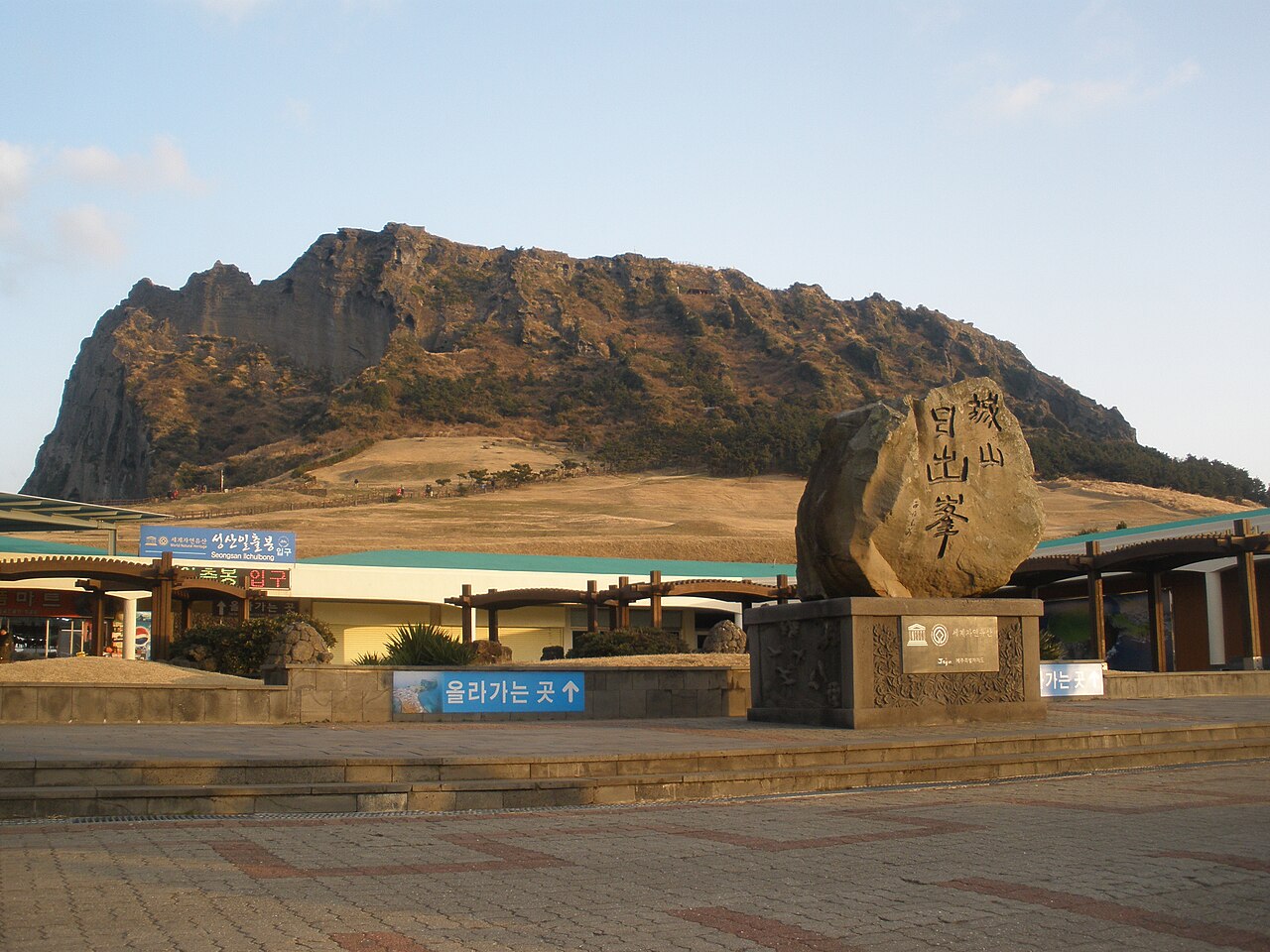
- The big sights: hiking Hallasan, the Seongsan Ilchulbong sunrise peak, lava tubes and beaches.
- Rent a car — public transport around the island is limited.
- Book flights early: Seoul–Jeju is one of the world’s busiest air routes.
- Experience the local culture of the haenyeo (women free-divers) and the fresh seafood.
Jeju Island: Month-by-Month Guide
A quick month-by-month reference for planning — at a glance, when to go and what each month brings.
| Month | Verdict | What to expect |
|---|---|---|
| January | Quiet | Cold and windy; quiet; camellias in bloom. |
| February | Quiet | Cold, easing. |
| March | Shoulder | Cool; the first rape flowers. |
| April | Great | Mild; canola and cherry blossoms; lovely. |
| May | Great | Warm and ideal; lush. |
| June | Warm | Warm; the monsoon starts late; humid. |
| July | Wet | Hot and wet; monsoon; busy. |
| August | Peak | Hottest; peak Korean holidays; typhoon risk. |
| September | Good | Warm; a typhoon tail; pleasant. |
| October | Peak | Crisp and ideal; superb hiking. |
| November | Quiet | Cool, quiet and windy. |
| December | Quiet | Cold and windy; quiet. |
Conclusion
Jeju Island is a treasure trove of experiences. From its dramatic coastlines to peaceful hiking trails, each season adds its own charm. This makes every visit special and unforgettable.
Planning your trip is all about choosing the right time for your favorite activities. Spring’s blooms or winter’s quiet are just the start. Your journey begins with careful planning.
Make sure to check your travel plans and local rules before booking. The weather and services change with the seasons. Staying updated keeps your trip smooth.
For the latest on entry rules, visit the Korea Tourism Organization. Having the right info helps you explore Jeju with confidence.
Where will you start your Jeju adventure? Share your plans or ask questions. Your input helps others discover Jeju’s wonders.
FAQ
When is the best time to visit Jeju Island for outdoor activities?
What should I expect from the peak season Jeju Island experience?
Is it worth visiting during the off-peak Jeju Island season?
How unpredictable is the Jeju island weather?
What are the must-see Jeju island attractions for first-timers?
What are the best Jeju island outdoor activities beside hiking?
What are the best Jeju island accommodations for families?
John Dawson
Does Jeju Island have a rainy or typhoon season?
Yes — June to August is Jeju’s rainy season, bringing the island’s hottest, most humid weather alongside the heaviest rain, and September can still catch the tail end of a typhoon moving up from the Pacific. Autumn and winter are actually Jeju’s driest, clearest seasons, which is why April and October are usually recommended over midsummer for anyone who wants reliable weather.
Does it snow on Jeju Island in winter?
Rarely at sea level, but yes on higher ground — Jeju’s coastal towns stay cool rather than cold, typically 5–12°C from November to February, while snow regularly dusts the summit of Hallasan, the volcanic peak at the island’s centre. Snow at the summit can occasionally close the upper hiking trails, so check trail status before planning a winter ascent.
How many days do you need on Jeju Island?
Three to four days is enough to cover Jeju’s highlights — a coastal drive, one or two waterfalls, a hike partway up Hallasan and a beach or lava-tube stop — while five to seven days allows a fuller loop of the island at a relaxed pace. Renting a car is the most efficient way to see Jeju, since its sights are spread around the coast and interior rather than clustered in one town.
How do I get to Jeju Island from Seoul?
By domestic flight — Seoul to Jeju takes around one hour and is one of the world’s busiest air routes, with frequent departures throughout the day from Gimpo and Incheon airports. There is no train or bridge connection, since Jeju is an island off Korea’s south coast, so flying is by far the fastest option; a ferry from the mainland also exists but takes considerably longer.
Do US citizens need a visa to visit Jeju Island?
US citizens do not need a visa for short stays on Jeju, which has its own visa-free entry programme allowing up to 30 days for travellers arriving on a direct international flight to Jeju without stopping elsewhere in Korea first. K-ETA, the online travel authorisation otherwise required for many visa-waived nationalities entering Korea, is currently waived for US, UK, EU, Canadian and Australian passport holders through the end of 2026.
When do Jeju's canola flower fields bloom?
Canola (rapeseed) fields typically start flowering in late February in Jeju’s warmer southern areas and are at their most photogenic from mid-March through early April, often overlapping with the island’s cherry blossoms in the final week of March. Fields around Sanbangsan and the Noksan road are among the most popular for the bright yellow blooms.
When is cherry blossom season on Jeju?
Jeju is Korea’s earliest cherry blossom spot, with trees typically starting to bloom around late March and peaking in the last few days of March into the first days of April — a week or two ahead of Seoul. This makes Jeju a good option for travellers who want to catch cherry blossoms before the mainland season arrives.
Is Jeju Island good for a honeymoon or couples trip?
Yes — Jeju is a popular domestic honeymoon destination for Koreans, known for scenic coastal drives, boutique cafes, hot spring resorts and photogenic spots like Seopjikoji and Udo Island. It suits couples who want a relaxed island pace combined with hiking, beaches and volcanic scenery, rather than nightlife or big-city energy.
Is Jeju Island expensive to visit compared to mainland Korea?
Jeju runs slightly more expensive than mainland Korean cities for accommodation and car rental, since it is a resort island with limited land and strong domestic demand, especially in peak summer and around Korean holidays. Food, transport and activities are broadly similar in price to Seoul, and travelling in the spring or autumn shoulder seasons noticeably reduces hotel costs.
What is Jeju Island famous for?
Jeju is a volcanic island and UNESCO World Heritage site known for Hallasan, South Korea’s tallest mountain and a dormant volcano at its centre, along with dramatic coastal cliffs, lava tube caves, black-sand and white-sand beaches, and a distinct local culture shaped by the female free-diving haenyeo. It is also famous for citrus farming and seasonal flower fields.
When is the best time to hike Hallasan?
April to June and September to November offer the most reliable hiking conditions on Hallasan, with mild temperatures and lower rain risk than midsummer. Winter hikes to the summit require crampons and are only recommended for experienced hikers due to ice and snow, while some upper trail sections can close entirely after heavy snowfall, so always check current trail status before setting out.
When can you swim at Jeju's beaches?
Jeju’s official beach season runs roughly from June to September, when the sea is warm enough for comfortable swimming and lifeguards are typically on duty. July and August are the busiest and warmest months, while the sea stays swimmable into September even as the weather cools slightly, making early autumn a quieter alternative for beach time.
When do Jeju's camellias bloom?
Camellias flower through the winter months, roughly November to February, making them one of the few blooms to enjoy during Jeju’s quiet, crowd-free low season. Camellia Hill, a dedicated garden in the island’s south, is the most popular spot to see them, with peak blooming typically in December and January.
Is Jeju Island worth visiting if I have already been to Seoul?
Yes — Jeju offers a completely different experience from Seoul, trading a dense modern capital for volcanic landscapes, coastal drives, hiking and a slower island pace. It is best treated as a separate trip or an add-on of at least three days rather than a day trip, since flights and travel time make it impractical to combine casually with a short Seoul stay.
Is English widely spoken on Jeju Island?
Less so than in central Seoul, though major hotels, tourist attractions and car rental counters generally have some English support and signage. Restaurants and smaller local businesses, especially outside the main towns, may have limited English, so a translation app and downloaded offline maps are genuinely useful for getting around independently.
When do Jeju's waterfalls have the most water flowing?
Jeju’s waterfalls, including Cheonjiyeon and Jeongbang, flow most powerfully during and just after the June–August rainy season, when rainfall is heaviest. In the drier spring and autumn months they can look noticeably thinner, so visitors specifically chasing dramatic waterfall photos generally have the best luck in the weeks following summer rain.