
Table of Contents
ToggleSun-drenched plazas, world-class art, endless tapas bars and nightlife that runs until dawn — Madrid is one of Europe’s most exuberant capitals. If you’re wondering about the best things to do in Madrid, Spain’s elegant, energetic capital rewards you with masterpiece-filled museums, grand royal palaces, leafy parks and a food-and-nightlife scene that’s hard to beat.
From standing before Velázquez’s Las Meninas and Picasso’s Guernica to rowing on the lake in Retiro Park, grazing through La Latina’s tapas bars and catching the sunset at an Egyptian temple, there’s far more here than a weekend can hold. This guide rounds up the best of it, for art lovers, foodies, families and night owls alike.
You’ll also find everything you need to plan the trip: the best time to visit, how to get there and get around, and where to stay. Let’s dive into Madrid.
✈️ TripToGo Travel Deals
Get notified about great travel deals
Hand-picked flight, hotel and destination deals, straight to your inbox. No spam, unsubscribe anytime.
🎉 Thank you for subscribing!
You’re all set — the best travel deals are on their way.
Key Takeaways
- Madrid pairs world-class art (the Prado, Reina Sofía, Thyssen) with grand plazas, parks and legendary nightlife.
- Top things to do: the Prado, Guernica at the Reina Sofía, Retiro Park, the Royal Palace and the tapas scene.
- Spring and autumn are the best times; summer is intensely hot and many locals leave.
- You don’t need a car — the metro is excellent and the centre is very walkable.
- Meals run late (dinner from 9pm) — embrace the rhythm, and book Prado/Reina Sofía tickets ahead.
Best Things to Do in Madrid at a Glance
The best things to do in Madrid at a glance.
| Thing to do | Type | Best for |
|---|---|---|
| Prado Museum | Art | Everyone / art lovers |
| Reina Sofía (Guernica) | Art | Modern-art fans |
| Retiro Park | Outdoors | Families & relaxing |
| Royal Palace | History | Architecture buffs |
| Plaza Mayor & Sol | Sightseeing | First-timers |
| La Latina tapas | Food | Foodies |
| Temple of Debod | Sunset | Couples & photos |
| Toledo / Segovia | Day trip | Explorers |
Why Visit Madrid?
Spain’s sun-soaked capital is a city that lives outdoors and late into the night. Madrid pairs world-class art museums and grand royal architecture with leafy plazas, buzzing tapas bars and some of the best nightlife in Europe. It’s elegant yet unpretentious, walkable and welcoming, with a contagious energy that peaks in the evening when the whole city spills onto the streets.
From the masterpiece-filled ‘Golden Triangle’ of museums to the sprawling Retiro park, the Royal Palace and a food scene made for grazing, there’s an enormous amount to enjoy. This guide covers the best things to do in Madrid, plus when to go and how to get around. Official resource: esMADRID.
Planning a Madrid trip?
Our partner Voyada’s trip planning AI builds a day-by-day plan with flights, hotels and a real total cost for your dates — in about a minute, free.
Plan trip with AIThe Best Things to Do in Madrid
Marvel at the Prado Museum
One of the greatest art museums on earth, the Museo del Prado holds a staggering collection of European masters — Velázquez’s Las Meninas, Goya’s haunting Black Paintings, and works by El Greco, Titian and Bosch. Even a couple of hours here is unforgettable; it’s the essential Madrid experience.
See Guernica at the Reina Sofía
Madrid’s modern-art museum, the Reina Sofía, is home to Picasso’s monumental, gut-wrenching Guernica, along with major works by Dalí and Miró. Together with the Thyssen-Bornemisza, these three museums form the celebrated ‘Golden Triangle of Art’ — a paradise for culture lovers.
Relax in Retiro Park
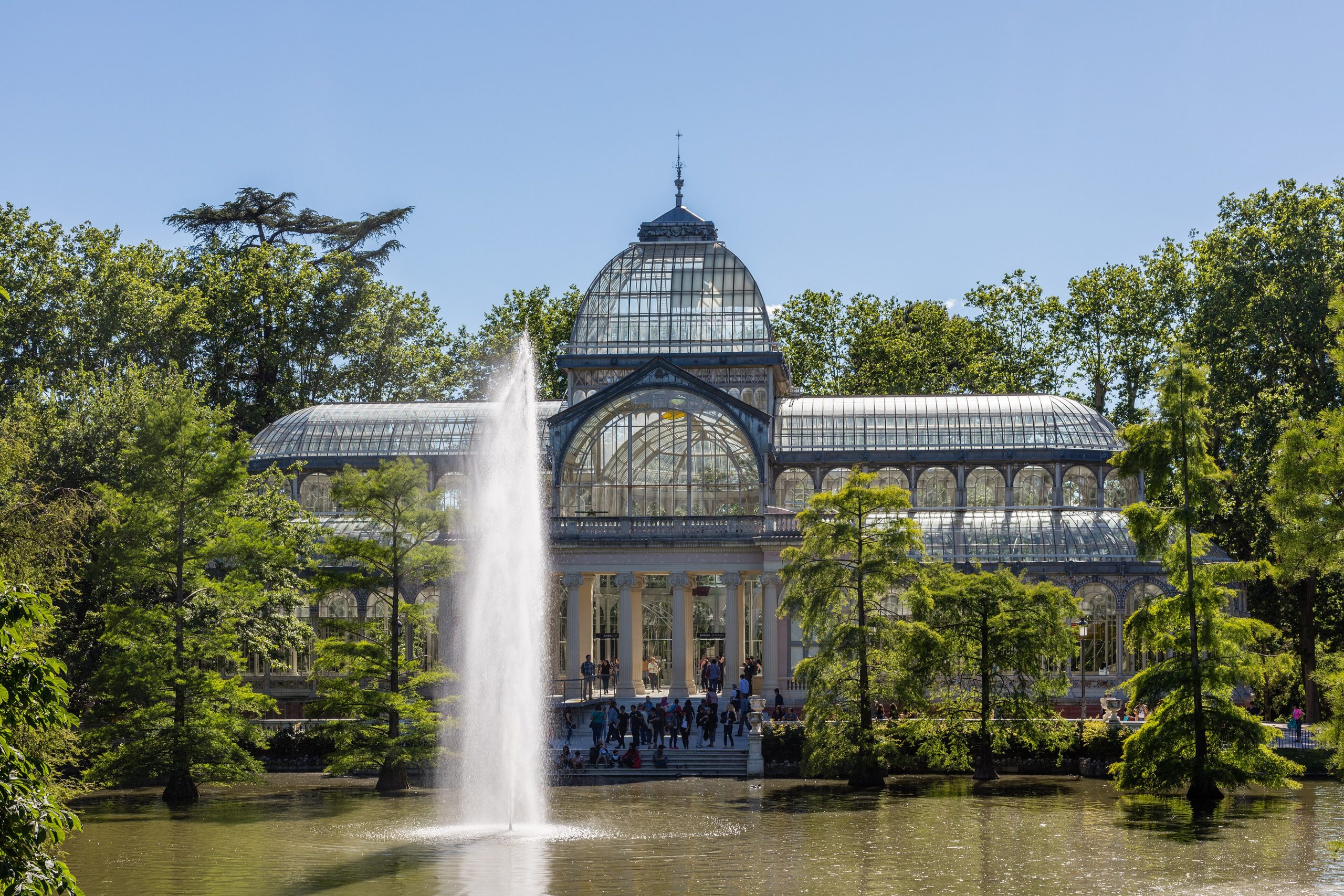
Madrid’s green heart, the Parque del Retiro, is a glorious former royal garden of tree-lined avenues, statues and a boating lake. Rent a rowboat, admire the glittering Crystal Palace, and join Madrileños relaxing on a Sunday. It’s a UNESCO World Heritage site and the perfect antidote to museum fatigue.
Tour the Royal Palace
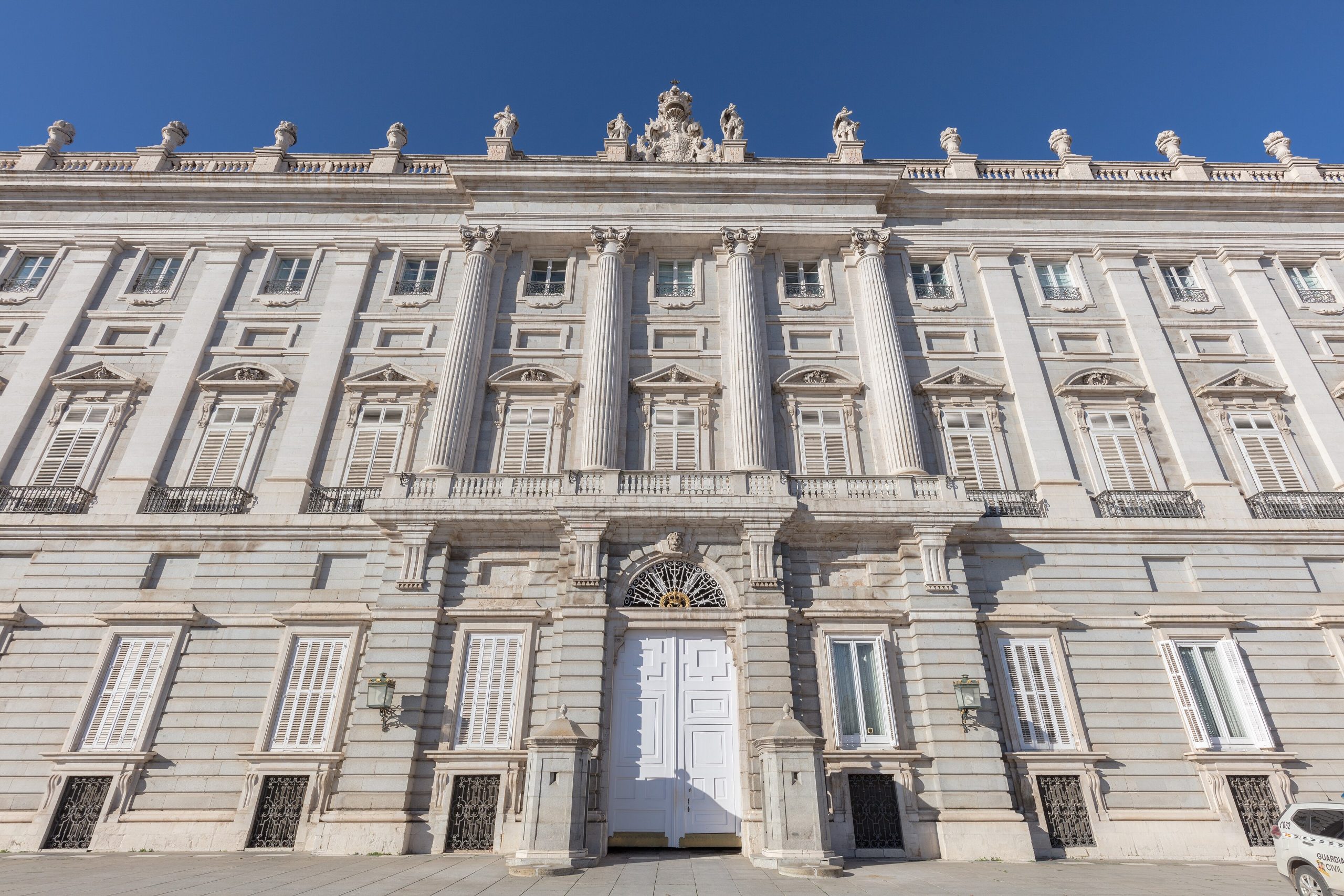
Europe’s largest royal palace by floor area, the opulent Palacio Real dazzles with lavish state rooms, frescoes and armouries. Stroll the adjacent Sabatini Gardens and the neighbouring Almudena Cathedral for one of the grandest set-pieces in the city.
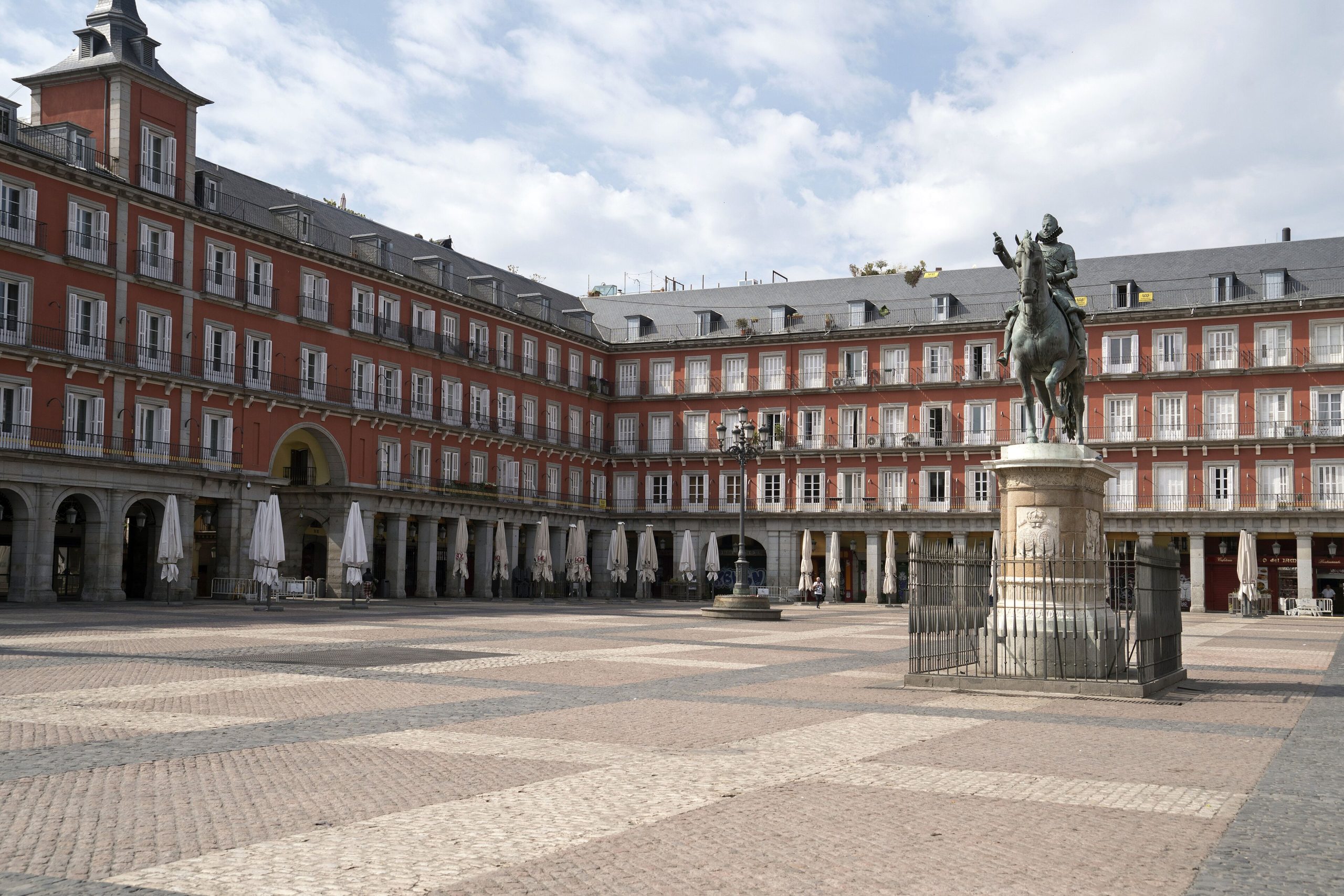
Soak Up the Plazas: Mayor & Sol
The arcaded Plaza Mayor is Madrid’s stately central square, ringed by cafes and history, while nearby Puerta del Sol is the lively, symbolic centre of the city (and of Spain — the ‘kilometre zero’ marker sits here). Wander the streets between them, grabbing a classic bocadillo de calamares along the way.
Eat Your Way Through the City
Madrid is a food-lover’s delight. Graze on tapas in the historic bars of La Latina, sample gourmet bites at the beautiful Mercado de San Miguel, try the city’s signature cocido madrileño stew, and don’t miss churros with thick hot chocolate. Eating here is social, late and endlessly fun.
Watch the Sunset at the Temple of Debod
For a magical end to the day, head to the Templo de Debod — a genuine ancient Egyptian temple gifted to Spain, set in a park west of the centre. Its reflecting pools and open western views make it Madrid’s most beloved sunset spot. Follow it with a rooftop drink for the full experience.
Experience Flamenco & Nightlife
Though flamenco is Andalusian, Madrid has superb tablaos where you can catch a passionate live show. And the city’s legendary nightlife needs no introduction — from the buzzing bars of Malasaña and Chueca to clubs that don’t get going until well after midnight, Madrid stays up later than almost anywhere.
Madrid for Every Kind of Traveller
- Art lovers: the Prado, Reina Sofía and Thyssen — the Golden Triangle.
- Foodies: La Latina tapas, Mercado de San Miguel, churros con chocolate.
- Families: Retiro Park boating, the Royal Palace, the zoo (the Teleférico cable car has been closed since 2022 for a rebuild).
- History & architecture: Plaza Mayor, the Royal Palace, Gran Vía.
- Night owls: Malasaña and Chueca bars, flamenco shows, late-night clubs.
- Day-trippers: Toledo, Segovia and El Escorial within an hour by train.
Best Time to Visit Madrid
Spring (April to June) and autumn (September to October) are the best times to visit Madrid — warm, sunny days, comfortable evenings and a full calendar of terraces and events, without the extremes. These shoulder seasons are ideal for walking the city and sitting outside.
Summer (July–August) is intensely hot, often topping 35°C/95°F, and many locals leave town — though you’ll find lower hotel prices and rooftop-pool weather if you can handle the heat. Winter is cold but sunny and festive, with Christmas lights and fewer tourists. For the perfect balance, aim for May, June, September or October.
| Season | Months | Weather | Notes |
|---|---|---|---|
| Spring | Apr–Jun | Warm, sunny | Best; terraces & events, comfortable |
| Summer | Jul–Aug | Very hot | Cheaper hotels; locals leave, some closures |
| Autumn | Sep–Oct | Warm, pleasant | Excellent; fewer crowds than spring |
| Winter | Nov–Mar | Cold, sunny | Festive lights, quieter, cheaper |
How to Get There & Get Around
Fly into Adolfo Suárez Madrid–Barajas (MAD), a major European hub connected to the centre by metro, train and bus in about 30 minutes; Madrid is also the heart of Spain’s high-speed AVE rail network, making it easy to reach from Barcelona, Seville and beyond. Once there, you won’t need a car — the excellent metro and your own two feet cover everything, and the historic centre is compact and walkable. An AI planner can line up the flights or trains, timing and where to stay for your dates in about a minute.
Where to Stay
For a first visit, base yourself in the city centre around Sol, Plaza Mayor or the arty Barrio de las Letras — walkable to the museums, plazas and nightlife. Malasaña and Chueca suit those after a hip, buzzy scene, while the elegant Salamanca district offers upscale calm and shopping. Central Madrid is well-priced compared with other European capitals, but book ahead for spring and autumn.
Practical Tips
A few tips to eat and live like a Madrileño: meals run late (lunch around 2–3pm, dinner from 9pm), so pace yourself with an afternoon break; many shops and some sights close midday or on Mondays, so check ahead. Book timed tickets for the Prado and Reina Sofía (both have free-entry windows), stay alert to pickpockets in crowded tourist areas, and give yourself at least 3 days — more if you want day trips to Toledo or Segovia.
Related Guides
Day Trips from Madrid
Madrid’s central location and fast trains make it a superb base for exploring historic Castile:
- Toledo: the spectacular former imperial capital of three cultures, just 30 minutes away by high-speed train.
- Segovia: home to a soaring Roman aqueduct and a fairy-tale Alcázar castle.
- El Escorial: the vast royal monastery-palace in the hills northwest of the city.
- Ávila or Aranjuez: medieval walls at one, and grand royal gardens at the other.
The Golden Triangle of Art (and Beyond)
Madrid’s Paseo del Arte links three of the world’s great galleries within a short stroll — the ‘Golden Triangle’ that makes the city an art-lover’s dream:
- The Prado: Spain’s crown jewel — Velázquez’s Las Meninas, Goya’s haunting black paintings, El Greco and Bosch’s Garden of Earthly Delights.
- The Reina Sofía: modern masters headlined by Picasso’s monumental Guernica, alongside Dalí and Miró.
- The Thyssen-Bornemisza: a dazzling private collection spanning 700 years, neatly filling the gaps between the other two.
- Free entry hours: all three open their doors free during set evening or Sunday slots — arrive early, as queues build fast.
- Beyond the triangle: the Sorolla Museum in the painter’s former home (closed since October 2024 for renovation, due to reopen in 2026), CaixaForum with its lush vertical garden, and the new Royal Collections Gallery.
Madrid's Neighbourhoods (Barrios)
Madrid’s soul lives in its barrios, each with its own distinct character — wandering them is half the fun:
- La Latina: the tapas heartland, at its best on a Sunday around the El Rastro market and the bars of Cava Baja.
- Malasaña: bohemian and hip, birthplace of Madrid’s 1980s counterculture, full of vintage shops, street art and cool cafes.
- Chueca: the vibrant heart of LGBTQ+ Madrid, packed with boutiques, bars and nightlife.
- Lavapiés: the city’s most multicultural quarter, brimming with international food and street art.
- Salamanca: elegant and upscale, home to the luxury shopping of the Calle Serrano ‘Golden Mile’.
- Barrio de las Letras: the literary quarter of Cervantes, centred on the lively Plaza de Santa Ana.
Tapas, Markets & Madrid's Food Scene
Eating and drinking is one of the great joys of Madrid, and much of it happens standing at a bar with a caña in hand:
- Cocido madrileño: the city’s hearty chickpea-and-meat stew, a winter institution served in courses.
- Bocadillo de calamares: the classic fried-squid sandwich, best grabbed near Plaza Mayor.
- Churros con chocolate: dunk them at the historic Chocolatería San Ginés, open since 1894.
- Mercado de San Miguel: a beautiful iron-and-glass market for gourmet tapas and a glass of wine.
- A tapas crawl: hop between the bars of La Latina and Cava Baja, one small plate at a time.
- El Rastro ritual: browse the huge Sunday flea market, then join locals for a midday aperitivo.
Football & the Bernabéu
Football is close to a religion in Madrid, and even non-fans come away wowed:
- The Santiago Bernabéu: Real Madrid’s spectacular, recently rebuilt stadium, with an immersive tour and trophy-packed museum.
- The Cívitas Metropolitano: Atlético Madrid’s sleek modern home on the city’s eastern edge.
- Catch a match: the atmosphere at a LaLiga or Champions League night is electric — book well ahead.
- El Clásico & derbies: games against Barcelona or Atlético are the hottest tickets in Spanish sport.
Free Things to Do in Madrid
Madrid is superb value, and some of its best experiences cost nothing at all:
- Free museum hours: the Prado, Reina Sofía and Thyssen all offer free admission during set evening and Sunday slots.
- The Changing of the Guard: the ceremony outside the Royal Palace on Wednesdays and Saturdays (11am-2pm), plus a grander Solemn Changing on the first Wednesday of the month. It pauses in July and August and is called off in bad weather.ys.
- Parks & plazas: wander Retiro, the Sabatini Gardens and the grand squares for free.
- Sunset at the Temple of Debod: watch the sky blaze behind a genuine ancient Egyptian temple.
- Atocha Station’s tropical garden: a palm-filled indoor greenhouse in the old station concourse. The resident turtles were rehomed to a wildlife park, and access has been restricted during works.
- Street art & markets: explore the murals of Lavapiés and Malasaña, and the Sunday sprawl of El Rastro.
Grand Madrid: Gran Vía, Cibeles & the Boulevards
Madrid’s monumental boulevards, gates and rooftops are an attraction in themselves:
- Gran Vía: the ‘Spanish Broadway’, lined with early-20th-century landmarks like the Metropolis building and grand theatres.
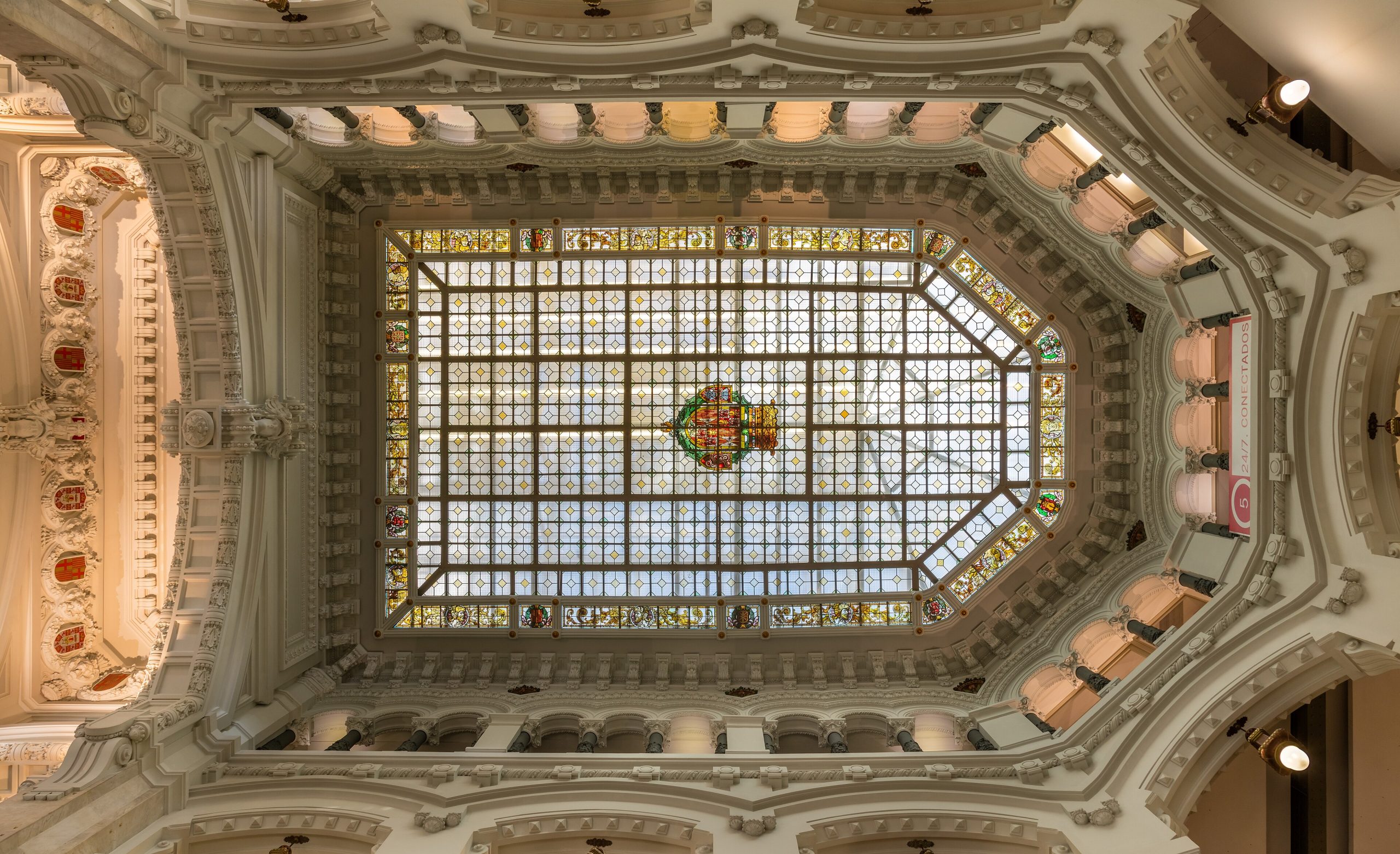
- Plaza de Cibeles: the magnificent Cibeles Palace, with a rooftop viewpoint, and its iconic fountain.
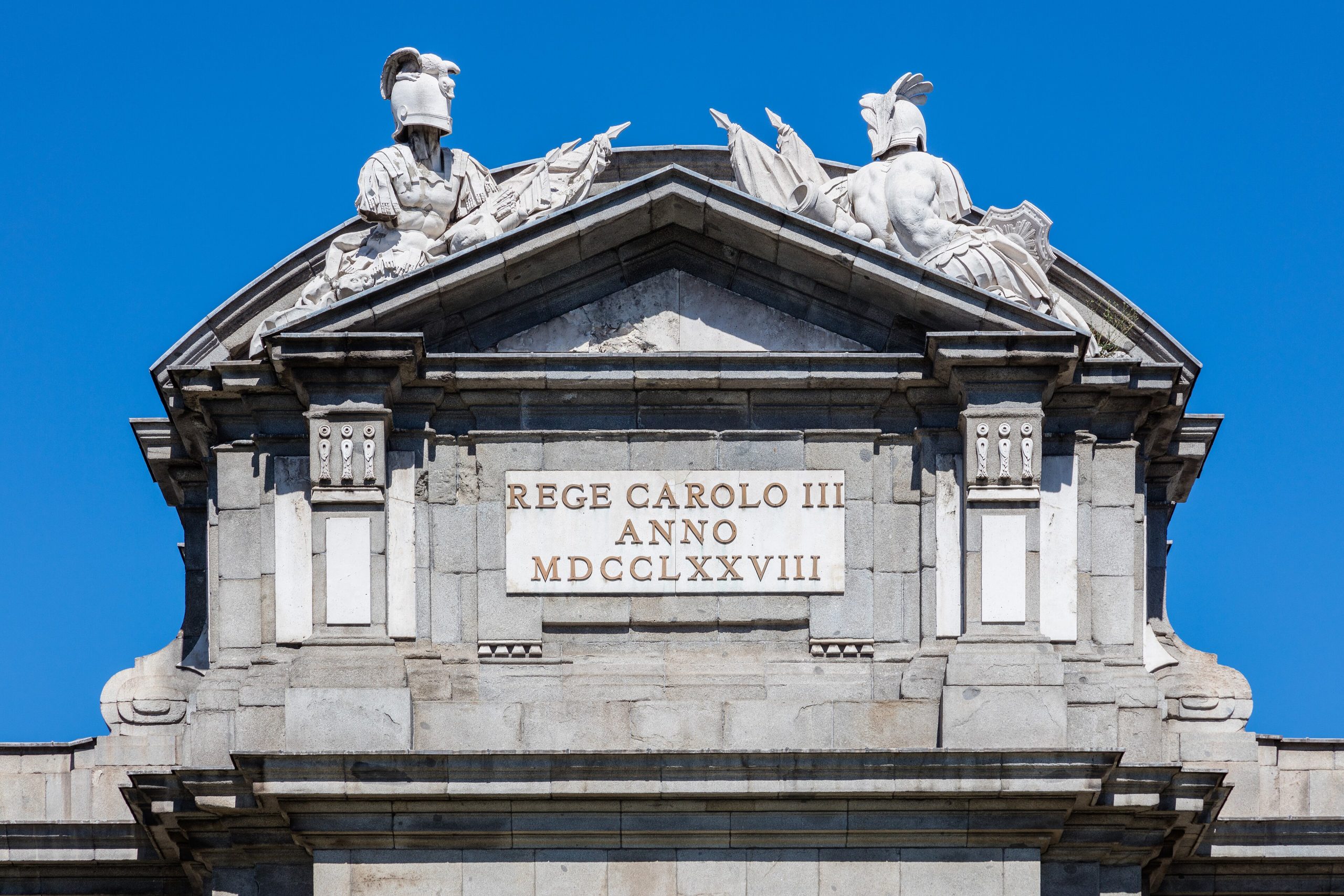
- Puerta de Alcalá: the neoclassical triumphal gate standing proud on the edge of Retiro.
- Rooftop views: take in the skyline from the Círculo de Bellas Artes or the terraces around Plaza de España (a small fee for the best ones).
- Almudéna Cathedral: beside the Royal Palace, with a crypt below and views from its dome.
Festivals & Events in Madrid
Madrid’s calendar is packed, and timing your trip around a festival adds real magic:
- San Isidro (May): the city’s biggest festival, honouring its patron saint with concerts, chotis dancing and locals in traditional dress.
- Pride / Orgullo (late June–July): one of the world’s largest LGBTQ+ celebrations, centred on the Chueca district.
- Summer verbenas (August): lively neighbourhood street parties like La Paloma in La Latina and Lavapiés.
- Christmas & Three Kings (December–January): lights along Gran Vía, a market in Plaza Mayor and the grand Three Kings parade on 5 January.
- New Year’s Eve: join the crowds at Puerta del Sol to eat twelve grapes as the clock strikes midnight.
A Brief History of Madrid
A little context makes the city’s sights come alive — Madrid’s story is written into its streets:
- Moorish origins: Madrid began as the 9th-century Muslim fortress of Mayrit, and traces of the old Arab wall still survive near the cathedral.
- The Habsburg capital: Felipe II made Madrid Spain’s capital in 1561, creating the atmospheric ‘Madrid de los Austrias’ of tiled taverns and arcaded squares around Plaza Mayor.
- Bourbon grandeur: the 18th-century Bourbon kings built the Royal Palace, founded the Prado and laid out the grand boulevards, giving the city its regal sweep.
- Siege & dictatorship: Madrid endured a long, bitter siege during the 1930s Civil War, followed by decades under Franco — a history its museums and memorials still reckon with.
- La Movida: after Franco’s death, the 1980s erupted into the Movida Madrileña, a wild counter-cultural burst of music, film and art born in Malasaña that still shapes the city’s creative soul.
Where to Eat: Historic Tables to Modern Madrid
Beyond the tapas bars, Madrid’s dining runs from centuries-old institutions to a booming fine-dining scene:
- The world’s oldest restaurant: Sobrino de Botín has roasted suckling pig in its wood-fired ovens since 1725, and holds the Guinness record to prove it.
- Casas de comidas: old-school taverns serving hearty Madrid classics — cocido, callos (tripe) and slow-roast lamb.
- Vermouth hour: join locals for la hora del vermut, a pre-lunch glass of vermouth on tap with olives and a few tapas.
- Café & coffee culture: grand historic cafes alongside a new wave of specialty coffee roasters, especially around Malasaña.
- Fine dining: a fast-growing Michelin-starred scene, plus stylish rooftop and market-hall restaurants.
- Eat on Madrid time: locals lunch around 2–3pm and rarely dine before 9pm, so adjust your clock and book late.
Madrid After Dark: The Nightlife
Madrid parties later than almost anywhere on earth — the night barely gets going before midnight:
- The bar crawl: hop between the terraces of Huertas around Plaza de Santa Ana, the buzz of Malasaña and the tavern-lined lanes of La Latina.
- Legendary clubs: spread out across the seven themed floors of Teatro Kapital, or work through the bars and clubs of Malasana and Huertas. (The historic Joy Eslava on Calle Arenal closed as a nightclub in 2020 and is being reworked into a restaurant-performance venue.)
- Cocktails & speakeasies: Madrid has a superb cocktail scene, from classic hotel bars to hidden speakeasies.
- Flamenco tablaos: catch a raw, intimate flamenco performance in an atmospheric cellar — book the late show.
- End at dawn: finish the night as locals do, with churros con chocolate at the 24-hour San Ginés as the sun comes up.
Rooftop Bars & City Views
Madrid looks magical from above, and the city has a terrace for every taste:
- Círculo de Bellas Artes: the most famous rooftop, with sweeping 360-degree views over the skyline (a small entry fee).
- Cibeles Palace (CentroCentro): a viewpoint terrace atop the fairy-tale city hall on Plaza de Cibeles.
- Riu Plaza España: a dizzying glass-floored rooftop high above Plaza de España.
- Hotel terraces: stylish bars crown the Emperador, Dear and Óscar hotels, among others.
- Best at golden hour: arrive for sunset and watch the city lights flicker on across the rooftops.
Shopping in Madrid
From luxury boulevards to bohemian boutiques and a legendary flea market, Madrid is a shopper’s city:
- Gran Vía: flagship stores and Spanish high-street brands line the grand avenue.
- Salamanca’s Golden Mile: luxury boutiques cluster on Calle Serrano and Calle Ortega y Gasset.
- Malasaña & Fuencarral: vintage shops, streetwear and independent design.
- El Rastro: the vast open-air Sunday flea market winding through La Latina.
- Artisan Madrid: century-old shops selling handmade hats, fans, guitars and espadrilles.
- El Corte Inglés: Spain’s landmark department store, with a superb gourmet food hall on top.
Green Madrid: Parks Beyond Retiro
Retiro steals the limelight, but Madrid is dotted with green escapes:
- Casa de Campo: the city’s huge green lung — several times the size of New York’s Central Park — with a lake, a cable car and the zoo.
- Madrid Río: a revitalised riverside park of walking and cycling paths along the Manzanares.
- Parque del Oeste: rolling lawns, a fragrant rose garden and the sunset spot of the Temple of Debod.
- El Capricho: a romantic, little-visited 18th-century garden in the north-east.
- Palace gardens: the manicured Sabatini Gardens and the leafy Campo del Moro below the Royal Palace.
Madrid with Kids
Madrid is a surprisingly easy and fun city for families:
- Retiro Park: row a boat on the lake and catch the free weekend puppet shows.
- The Teléferico: a cable car gliding over the treetops from Parque del Oeste to Casa de Campo.
- Casa de Campo: home to the Zoo Aquarium and the Parque de Atracciones amusement park.
- Faunia & Warner Park: a nature-and-animals park in the city, and a big film-themed amusement park just outside it.
- Rainy-day museums: the hands-on Railway Museum and the Naval Museum keep all ages happy.
- A sweet reward: hot chocolate and churros to round off any day.
Three Days in Madrid: A Detailed Itinerary
Here’s a fuller day-by-day plan that weaves the highlights into an easy, walkable route:
- Day 1 — Habsburg Madrid & the Royal Quarter: start at the Royal Palace and the Almudéna Cathedral, then wander through Plaza de Oriente to Plaza Mayor and buzzing Puerta del Sol. Grab a bocadillo de calamares, graze the Mercado de San Miguel, and spend the afternoon in the medieval lanes of La Latina. As night falls, crawl the tapas bars of Cava Baja and finish with a flamenco show.
- Day 2 — Art & Gardens: dedicate the morning to the Prado, then stroll the Paseo del Prado to the Thyssen-Bornemisza or the Reina Sofía to stand before Picasso’s Guernica. After a long lunch, unwind in Retiro Park — row on the lake and admire the Crystal Palace — before sunset drinks on a rooftop and a late dinner.
- Day 3 — Modern & Local Madrid: explore the barrios — vintage Malasaña, lively Chueca and multicultural Lavapiés — pausing for coffee and street art. Stroll Gran Vía, ride up to the Círculo de Bellas Artes rooftop, and (on a Wednesday or Saturday) catch the Changing of the Guard, then end with sunset at the Temple of Debod.
- With more time: add a Bernabéu stadium tour, the Thyssen or Sorolla museums, or a day trip to Toledo or Segovia.
More of Madrid's Museums
The Golden Triangle grabs the headlines, but Madrid has dozens more museums for every interest — many of them free or wonderfully uncrowded:
- The National Archaeological Museum: Iberian, Roman, Islamic and Visigothic treasures, crowned by the enigmatic stone bust of the Lady of Elche.
- The Sorolla Museum: the light-filled former home and studio of Spain’s great impressionist, Joaquín Sorolla, kept just as he left it.
- CaixaForum: a bold arts centre famous for the lush four-storey vertical garden climbing its wall.
- The Royal Collections Gallery: a spectacular modern museum beside the Royal Palace, showing the Spanish crown’s art, carriages and tapestries.
- The Royal Academy of Fine Arts: an under-visited gem with Goya self-portraits and old masters, a short walk from Puerta del Sol.
- Quirky picks: the Cerralbo mansion frozen in the 19th century, plus the hands-on Naval and Railway museums.
Beyond the Classics: More Day Trips
Once you’ve done Toledo and Segovia, more of central Spain lies within easy reach of Madrid:
- Alcalá de Henares: Cervantes’ UNESCO-listed birthplace, with a historic university and storks nesting on the rooftops, half an hour by train.
- Chinchón: a picture-perfect medieval town built around a galleried circular plaza, famous for its anís liqueur.
- Cuenca: the dramatic ‘hanging houses’ clinging to a gorge, a UNESCO city a couple of hours east.
- The Sierra de Guadarrama: mountains for hiking in summer and skiing in winter, barely an hour from the city.
- Manzanares el Real: a storybook 15th-century castle set against the sierra.
Bullfighting & Las Ventas
Whatever your view of it, bullfighting is woven into Madrid’s history, and Las Ventas is its most famous stage:
- Las Ventas: the grandest bullring in the world, a beautiful Neo-Mudéjar building of red brick and colourful ceramic tiles.
- Tours & museum: you can tour the ring and its bullfighting museum year-round to appreciate the architecture and history.
- A divisive tradition: bullfighting is controversial and banned in parts of Spain, so many visitors admire the building without attending a corrida.
- The San Isidro season: each May, Las Ventas hosts Spain’s most prestigious run of bullfights.
Madrid Tapas: What to Order
Faced with a bar counter and a menu in Spanish, here are the classics to point at — you’ll find most of them across the city:
- Patatas bravas: fried potatoes in a spicy tomato-and-paprika sauce — the quintessential tapa.
- Croquetas: creamy béchamel croquettes, usually of jamón or chicken, fried golden.
- Tortilla española: the thick Spanish potato omelette, served in wedges.
- Jamón ibérico: melt-in-the-mouth cured ham from acorn-fed pigs.
- Gambas al ajillo: prawns sizzling in garlic and olive oil.
- Huevos rotos: ‘broken eggs’ over fried potatoes and ham — hearty Madrid comfort food.
- Pulpo a la gallega: tender octopus with paprika and olive oil.
- Boquerones & pimientos de Padrón: marinated anchovies and blistered green peppers — the odd one’s spicy.
- Torrijas: Madrid’s answer to French toast, a sweet finish especially popular at Easter.
Frequently Asked Questions
What is Madrid best known for?
Madrid is famous for its world-class art museums (the Prado, Reina Sofía with Picasso’s Guernica, and the Thyssen), grand plazas like Plaza Mayor, the Royal Palace, Retiro Park, and an exuberant food and nightlife scene that runs late into the night.
How many days do you need in Madrid?
Three days is ideal for the highlights — the major museums, the plazas, the Royal Palace, Retiro Park and the tapas scene. Add a day or two for popular day trips to Toledo, Segovia or El Escorial, all within an hour by train.
What is the best time to visit Madrid?
Spring (April–June) and autumn (September–October) are best, with warm, comfortable weather ideal for walking and terraces. Summer is intensely hot and many locals leave; winter is cold but sunny and festive with fewer tourists.
Do you need a car in Madrid?
No — Madrid has an excellent, extensive metro system and a compact, walkable historic centre. A car is unnecessary and parking is difficult; the metro, walking and the high-speed AVE trains for day trips cover everything.
What should you eat in Madrid?
Graze on tapas in La Latina, sample the Mercado de San Miguel, try the hearty cocido madrileño stew and a bocadillo de calamares (fried-squid sandwich), and finish with churros dipped in thick hot chocolate. Remember that Madrileños eat late.
What are the best day trips from Madrid?
Toledo (a stunning medieval walled city), Segovia (with its Roman aqueduct and fairy-tale castle) and the royal monastery of El Escorial are the top day trips — all reachable in under an hour by high-speed train or bus.
Is Madrid or Barcelona better to visit?
Both are wonderful and quite different. Madrid is the elegant, energetic capital, packed with world-class art museums, grand plazas, superb food and a legendary nightlife, and it makes a great base for day trips to Toledo and Segovia. Barcelona wins for beaches and Gaudí’s architecture. If you can, visit both; if not, choose Madrid for art, food and atmosphere.
Is Madrid worth visiting?
Absolutely — Madrid is one of Europe’s most underrated capitals. It pairs world-class art (the Prado, Reina Sofía and Thyssen), grand plazas and a royal palace with buzzing tapas bars, characterful neighbourhoods, beautiful parks and a legendary nightlife. Add superb value and easy day trips to Toledo and Segovia, and it more than rewards a visit.
When can you visit Madrid's museums for free?
The big three all have free hours: the Prado is free in the last two hours before closing (Monday to Saturday) and on Sunday afternoons, the Reina Sofía is free on weekday evenings and Sunday afternoon (and closed Tuesdays), and the Thyssen-Bornemisza is free on Mondays. Arrive early, as queues form quickly for these slots.
Is Madrid a walkable city?
Very — the historic centre, from the Royal Palace to Retiro Park, is compact and best explored on foot, taking in the plazas, boulevards and barrios along the way. For longer hops, the metro is cheap, fast and extensive, so most visitors never need a taxi, let alone a car.
Is Madrid safe for tourists?
Yes — Madrid is one of Europe’s safer capitals, with low levels of violent crime and a lively street life late into the night. The main thing to watch is pickpocketing in crowded tourist spots like Puerta del Sol, the metro, Gran Vía and El Rastro, so keep your bag zipped and valuables secure. Beyond that, normal city common sense is all you need.
How do you get from the airport to central Madrid?
Adolfo Suárez Madrid–Barajas Airport is well connected: Metro Line 8 runs to the city in around 30 minutes, the Cercanías commuter train links Terminal 4 to Atocha and Chamartín, and the express airport bus runs 24 hours to Atocha and Cibeles. Taxis charge a fixed flat fare to the centre, and ride-hailing apps also operate.
What is the Movida Madrileña?
The Movida Madrileña was the explosive counter-cultural movement that swept Madrid in the late 1970s and 80s after the end of the Franco dictatorship. Centred on the Malasaña district, it fused new music, film (launching director Pedro Almodóvar), fashion and art, and its free-spirited, creative energy still defines much of the city’s nightlife and character today.
What is the best rooftop bar in Madrid?
The Círculo de Bellas Artes rooftop is the classic choice, offering 360-degree views over the skyline for a small entry fee. Other favourites include the terrace atop the Cibeles Palace, the glass-floored Riu at Plaza de España, and a string of stylish hotel rooftops — all best enjoyed at sunset with a drink in hand.
Do you need to book Madrid's museums in advance?
For the big three it’s wise. The Prado, Reina Sofía and Thyssen all let you book timed tickets online, which saves queuing, especially at weekends and during the free-entry slots when lines are longest. Booking ahead is well worth it in peak season; on quieter days you can usually walk up, but arriving early always helps.
What can you do in Madrid on a Sunday?
Sunday is one of Madrid’s best days. Start at the huge El Rastro flea market in La Latina, then join locals for a midday vermouth and tapas. Many museums, including the Prado and Reina Sofía, have free afternoon hours, and Retiro Park comes alive with families, buskers and rowers on the lake — a perfect, relaxed city day.
What is the traditional dish of Madrid?
The signature Madrid dish is cocido madrileño, a hearty chickpea stew slow-cooked with meats, chorizo and vegetables and served in courses — broth first, then the chickpeas and meat. Other local classics include callos a la madrileña (tripe stew), the fried-squid sandwich (bocadillo de calamares) and huevos rotos.
Final Thoughts: Planning Your Madrid Trip
Madrid is a city that gets under your skin — grand and cultured by day, warm and irrepressibly fun by night. Lose yourself in the Prado, picnic in Retiro, tour the Royal Palace, graze your way through La Latina and toast the sunset at the Temple of Debod. Base yourself in the walkable centre, visit in spring or autumn for the best weather, embrace the late Spanish rhythm, and save a day for Toledo or Segovia. Do that, and Spain’s capital will win you over completely.
Before you go: turn this guide into a day-by-day plan. Our partner Voyada is a free itinerary creator that builds the trip with flights, hotels and a real total cost for your dates — in about a minute.
Build a travel itinerary →