
Table of Contents
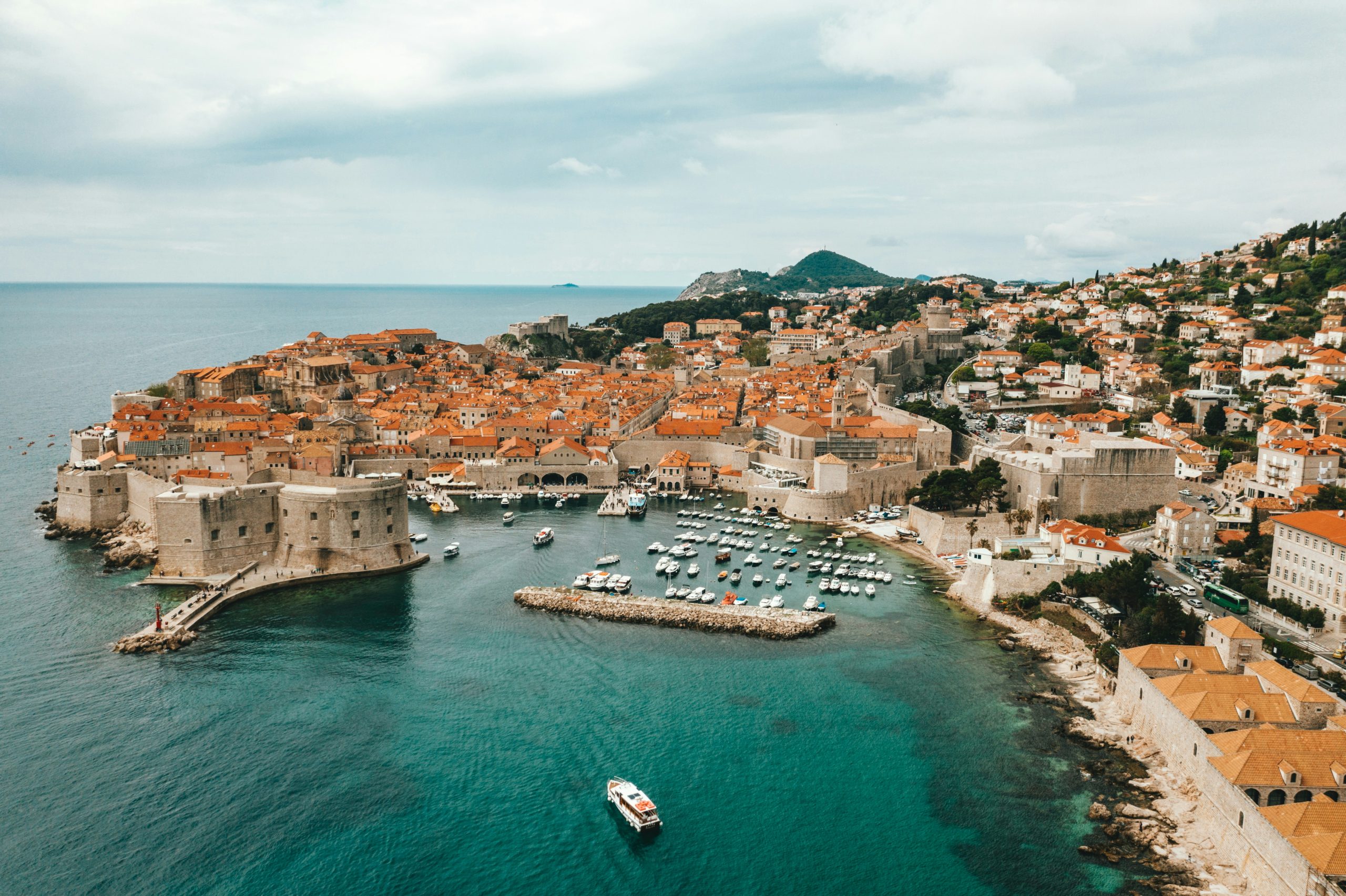
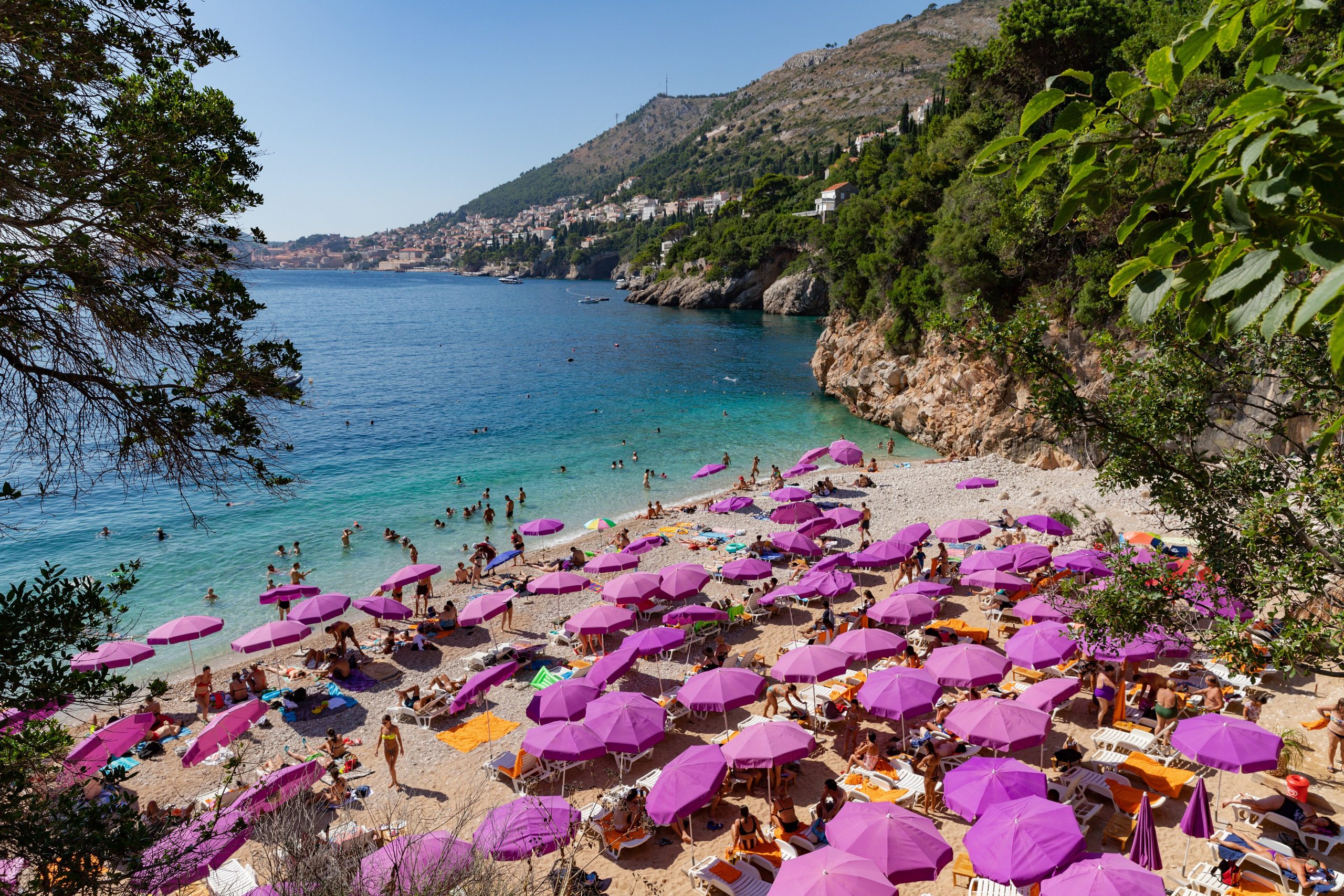
ToggleImpossibly clear turquoise water, white-pebble coves backed by pines, and hidden bays reached only by boat — Croatia has some of the best beaches in Europe. Strung along the Dalmatian coast, its islands, the Makarska Riviera and Istria, they trade soft sand for something arguably better: dazzlingly clean, jewel-blue Adriatic swimming.
From the shifting golden spit of Zlatni Rat to the cliff-enclosed cove of Stiniva and the island-hopping paradise of the Pakleni Islands, this guide rounds up the best beaches in Croatia, with our honest take on what each does best — and a heads-up on the one thing every first-timer should pack.
You’ll also find everything you need to plan the trip: the best time to visit, how to reach the islands and coves, where to stay and how to enjoy Croatia’s beaches at their best. Let’s dive in.
✈️ TripToGo Travel Deals
Get notified about great travel deals
Hand-picked flight, hotel and destination deals, straight to your inbox. No spam, unsubscribe anytime.
🎉 Thank you for subscribing!
You’re all set — the best travel deals are on their way.
Key Takeaways
- Croatian beaches are famous for clear turquoise water — and are mostly pebble/rock, so bring water shoes.
- Zlatni Rat (Brac) is the iconic beach; Stiniva (Vis) and Punta Rata (Brela) are the most beautiful.
- The Dalmatian islands and Makarska Riviera have the best beaches; Istria is quieter and rockier.
- Beach season is June–September; June and September offer warm sea with fewer crowds.
- Get around by ferry and water taxi for the islands, and a rental car for the Riviera and Istria.
Best Beaches in Croatia at a Glance
The best beaches in Croatia, sorted by area and what each does best.
| Beach | Area | Best for |
|---|---|---|
| Zlatni Rat | Brac (Dalmatia) | Iconic shifting spit & windsurfing |
| Stiniva | Vis (Dalmatia) | Dramatic hidden cove |
| Punta Rata, Brela | Makarska Riviera | Most beautiful mainland beach |
| Sakarun | Dugi Otok | Sandy, shallow & family-friendly |
| Pakleni Islands | off Hvar | Island-hopping & snorkelling |
| Banje | Dubrovnik | Views of the old town |
| Zrce | Pag | Beach clubs & nightlife |
| Cape Kamenjak | Istria | Wild cliff-jumping coves |
What Croatia's Beaches Are Really Like
Croatia’s beaches are famous for one thing above all: the water. The Adriatic here is astonishingly clear and a deep, jewel-like turquoise, thanks to the pebble and rock shorelines that keep the sea from clouding up. So the first thing to know is that most Croatian beaches are pebbly or rocky rather than sandy — which is exactly why the water is so clean and clear. Pack water shoes and you’ll be rewarded with some of the most beautiful swimming in Europe.
The best beaches are spread along the Dalmatian coast and its islands, the Makarska Riviera and the Istrian peninsula. This guide rounds up the finest, from the iconic shifting spit of Zlatni Rat to hidden coves reached only by boat, plus the best time to go and how to get around. Official resource: the Croatia National Tourist Board.
Planning a Croatia beach trip?
Our partner Voyada’s trip planning AI builds a day-by-day plan with flights, hotels and a real total cost for your dates — in about a minute, free.
Plan trip with AISand or Pebble? What Croatia’s Beaches Are Really Made Of
The single biggest surprise for first-timers: the vast majority of Croatia’s beaches are pebble, shingle or smooth rock — not sand. Before you feel disappointed, understand the trade-off. No sand means nothing to cloud the water, which is exactly why Croatia’s sea glows that impossible glass-clear turquoise in every photo. Sandy beaches do exist, and because they’re rare, they’re treasured.
| Beach | Island / area | Type |
|---|---|---|
| Sakarun | Dugi Otok | Sand & shallow turquoise |
| Šunj | Lopud (near Dubrovnik) | Genuine soft sand |
| Lopar / Paradise Beach | Rab | Long sandy shallows |
| Zaton | Near Zadar | Sand, very shallow (family) |
| Bačvice | Split | Rare sandy city beach |
| Zlatni Rat, Stiniva, Banje & most others | Dalmatia | Pebble / shingle |
The takeaway: come for the water, not the sand. Pebble beaches are cleaner, clearer and cooler underfoot — and they’re the reason your Croatia photos will look unreal. Just pack water shoes (more on that below), because bare feet and hot pebbles don’t mix.
The Best Beaches on the Dalmatian Islands
Zlatni Rat (Brac)
The most famous beach in Croatia, Zlatni Rat (the ‘Golden Horn’) near Bol on the island of Brac is a dramatic white-pebble spit that juts into the sea and actually shifts shape with the wind and currents. Backed by pines and lapped by brilliant turquoise water, it’s a superb swimming and windsurfing beach and an unmissable icon.
Stiniva (Vis)
Often voted one of Europe’s most beautiful beaches, Stiniva on the island of Vis is a hidden cove almost enclosed by towering cliffs, with a narrow opening to the sea. The white pebbles and glowing blue water are breathtaking — reach it by boat or a steep hike, and go early, as it’s small.
Hvar & the Pakleni Islands
Chic Hvar has lovely pebble beaches like Dubovica, but the real magic lies just offshore in the Pakleni Islands — a scatter of islets ringed by crystal-clear coves and hidden beaches, reached by water taxi from Hvar Town. It’s the classic Dalmatian island-hopping dream.
Sakarun (Dugi Otok)
A rare sandy-bottomed exception, Sakarun on Dugi Otok is a long, shallow bay of pale pebbles and sand with milky-turquoise, Caribbean-like water. Calm and gently shelving, it’s one of the best family beaches in Croatia — and gloriously uncrowded compared with the headliners.
The Makarska Riviera
Between Split and Dubrovnik, the Makarska Riviera strings a series of stunning pebble beaches beneath the dramatic Biokovo mountains. Punta Rata in Brela is the star — white pebbles, pines leaning over turquoise water and a famous offshore rock, regularly rated one of Europe’s best beaches. Nearby Nugal is a wilder, secluded cove reached on foot, and the whole coast here is a swimmer’s paradise.
Istria's Beaches in the North
The Istrian peninsula in the north has a different feel — rocky coves, pine forests and Italian-influenced towns. Around Rovinj, the Lone Bay and Zlatni Rt (Golden Cape) forest park hide pretty rocky swimming spots, while Pula and the Cape Kamenjak nature park offer wild, cliff-jumping coves. The water is just as clear, and the crowds are often thinner than in Dalmatia.
Beaches Near Dubrovnik & the Party Island
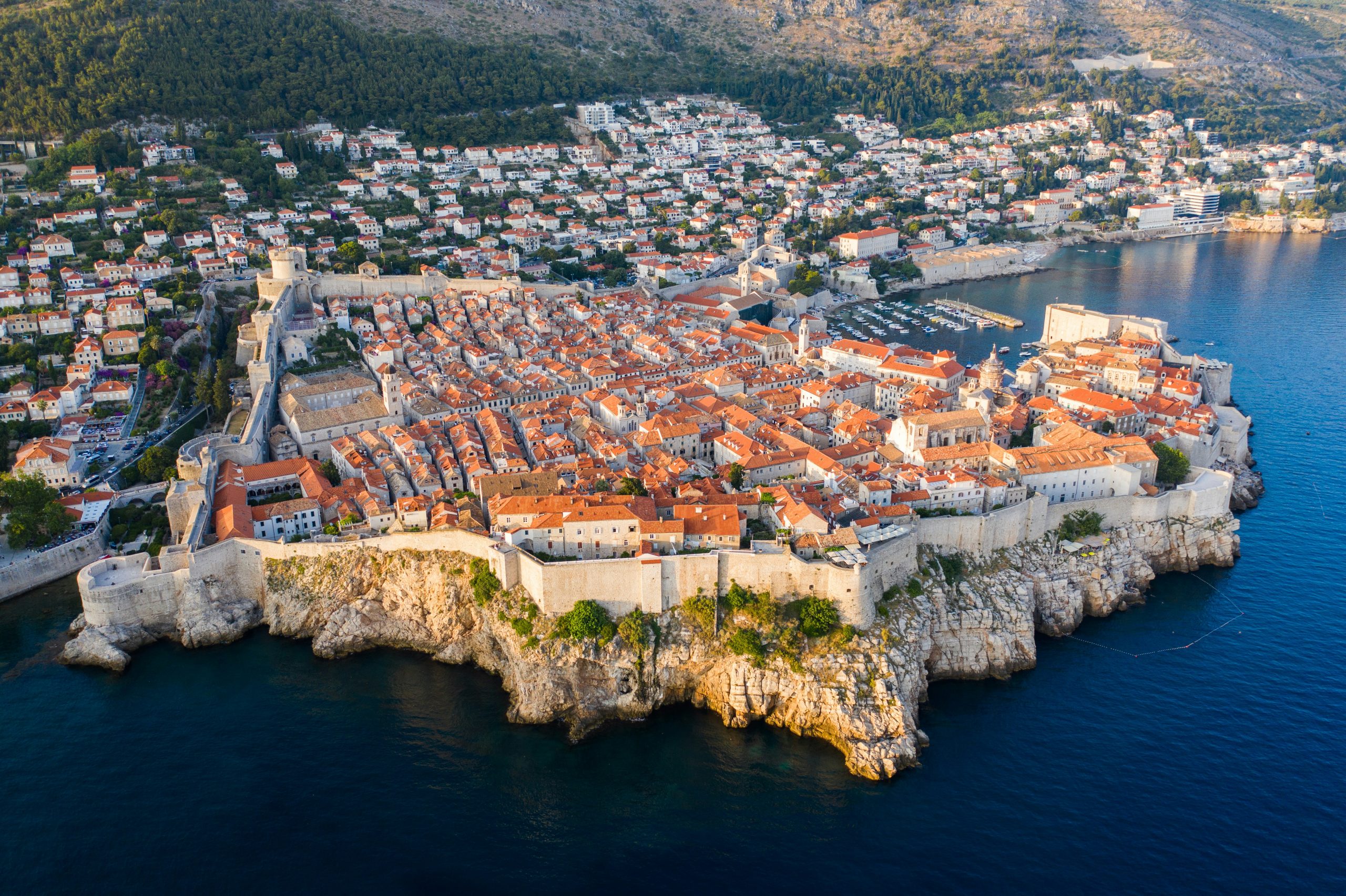
Near the walled city of Dubrovnik, Banje Beach offers pebbles and postcard views of the old town, while the Lapad peninsula has calmer family coves. For a completely different scene, Zrce Beach on the island of Pag is Croatia’s summer party capital — a long pebble beach lined with clubs and famous for its day-to-night festival atmosphere.
Naturist (FKK) Beaches: A Croatian Tradition
Croatia is one of the birthplaces of naturist tourism — it opened some of Europe’s first official nudist beaches back in the 1930s, and the sport has been mainstream here ever since. You’ll see ‘FKK’ signs (from the German Freikörperkultur) marking naturist zones up and down the coast. It’s well-signposted, socially normal and family-ordinary — you won’t wander onto one by accident.
| Beach / resort | Where | Note |
|---|---|---|
| Koversada | Vrsar, Istria | One of Europe’s oldest, largest naturist parks |
| Valalta | Rovinj, Istria | Big dedicated naturist resort |
| Kandarola (‘Paradise’) | Rab | Historic FKK beach (once favoured by royalty) |
| Stolac / Sahara / Ciganka | Lopud, near Dubrovnik | Nude and mixed coves |
| Punta Rata (naturist section) | Brela | Naturist end of a famous beach |
Etiquette is simple: respect the signage, and never photograph people on a naturist beach. Many clothed beaches also have a relaxed attitude to going topless — it’s common and uncontroversial across Croatia.
Getting to the Islands: Ferries, Catamarans and Car Rules
Croatia’s best beaches are on its islands, and getting there is half the trip. A dense network of boats — run mainly by Jadrolinija, plus fast operators like Krilo/Kapetan Luka — links the mainland to the islands. The key choice: slower car ferries (cheaper, take vehicles) versus faster passenger catamarans (quicker, foot-passenger only, and they sell out in summer).
| Island (beach) | Main port from | Journey | Notes |
|---|---|---|---|
| Brač (Zlatni Rat) | Split → Supetar | 50 min car ferry | Then bus/taxi to Bol |
| Hvar | Split → Hvar Town | 1 hr catamaran | Car ferry to Stari Grad (~2 hr) |
| Vis (Stiniva) | Split → Vis | 1 hr catamaran / 2¼ hr ferry | Croatia’s furthest inhabited island |
| Dugi Otok (Sakarun) | Zadar → Brbinj/Sali | 1–1½ hr | Quietest of the big beaches |
| Korčula | Split / Dubrovnik | 2–3 hr catamaran | Wine and old-town stops |
Two rules save the day in July and August: book vehicle ferries well ahead (car spaces sell out), and consider going car-free — foot passenger plus local buses or a rented scooter is often faster and cheaper for island-hopping than queuing with a car.
Blue Flag and Family-Friendly Bays
Travelling with kids? Look for two things: the Blue Flag (an international award for clean water, safety and facilities) and a shallow, gently shelving bay. Croatia has dozens of Blue Flag beaches, and a handful of standout shallow sandy bays that are made for small children.
- Zaton (near Zadar) — a long, shallow sandy bay with full resort amenities and a reliable Blue Flag.
- Lopar / Paradise Beach (Rab) — warm, waist-deep shallows that stretch for ages; pure kid heaven.
- Baška (Krk) — a 2 km pebble beach with easy access and a promenade of cafes.
- Punta Rata (Brela) — the Blue Flag poster child of the Makarska Riviera.
- Bijeca (Medulin, Istria) — a rare sandy, shallow beach in the north.
Watching the budget for a family trip? See how far your money goes in our honest guide to whether Croatia is expensive.
Best Croatia Beaches for Every Traveller
- Iconic & scenic: Zlatni Rat (Brac), Stiniva (Vis), Punta Rata (Brela).
- Families & calm water: Sakarun (Dugi Otok), Lapad (Dubrovnik).
- Island-hopping & snorkelling: the Pakleni Islands, Vis, Hvar.
- Wild & secluded: Nugal, Cape Kamenjak (Istria), Stiniva.
- Nightlife: Zrce Beach on Pag.
- Near a city: Banje (Dubrovnik), Bacvice (Split).
Which Croatian Beach Is Right for You?
From party islands to silent coves, Croatia’s coast covers every mood. Start from the trip you want.
| If you want… | Go to | Why |
|---|---|---|
| The iconic photo | Zlatni Rat (Brač), Stiniva (Vis) | Croatia’s two most photographed beaches |
| Real sand for the kids | Zaton, Lopar (Rab), Šunj (Lopud) | Shallow, sandy, family-easy |
| Party & nightlife | Zrće (Pag), Hvar Town | Beach clubs till dawn |
| Wild & remote | Sakarun (Dugi Otok), Vis coves | Fewer crowds, huge nature |
| Naturist freedom | Koversada, Valalta (Istria) | Europe’s naturist heartland |
| A quick escape from Dubrovnik | Šunj (Lopud), Banje | Short ferry, big payoff |
Best Time to Visit Croatia's Beaches
Croatia’s beach season runs from about June to September, when the Adriatic is warm and inviting. July and August are the hottest, sunniest and busiest — the sea is at its warmest, but the coast and islands are packed and prices peak. The shoulder months of June and September are the sweet spot: warm, swimmable water (September’s sea is beautifully warm after a summer of sunshine), lovely weather and noticeably fewer crowds.
May and October are pleasant for sightseeing and mild swims, while winters are quiet and cool. For the ideal balance of warm sea, good weather and manageable crowds, aim for the second half of June or the first half of September.
| Season | Months | Weather | Notes |
|---|---|---|---|
| Peak summer | Jul–Aug | Hot, warm sea | Busiest & priciest |
| Shoulder | Jun, Sep | Warm, sunny | Best balance; warm sea in Sep |
| Off-season | Oct–May | Mild to cool | Great for sightseeing, cooler sea |
How to Get There & Get Around
Croatia’s coast is served by several airports: Split and Dubrovnik for Dalmatia, Zadar for the northern islands, and Pula for Istria. Ferries and catamarans (run mainly by Jadrolinija) connect the mainland to the islands — book ahead in summer. A rental car is great for the Makarska Riviera and Istria, while the islands are often best explored by local boat or water taxi. Because ferries, flights and island logistics interlock, an AI planner can map the route and stays for your dates in about a minute.
Beach Costs, Sunbeds and the Water-Shoe Rule
Every public beach in Croatia is free to walk onto — it’s the extras that add up. Here’s what a beach day actually costs, and the one item you must not forget.
| Item | Typical cost |
|---|---|
| Beach access | Free (all beaches are public) |
| Sunbed + umbrella (for two) | €15–30/day |
| Water shoes | €5–15 — essential |
| Beach-bar cocktail | €8–12 |
| Fancy beach-club daybed (Hvar/Zrće) | €50+ |
If you buy one thing before you go, make it water shoes. Croatia’s pebble beaches, rocky entries and the occasional sea urchin turn bare feet into a liability — a €10 pair transforms every swim. Pack them, and the pebble ‘problem’ disappears entirely.
Where to Stay
Split is the best hub for Dalmatia and island-hopping; Hvar or Brac for island beaches; the Makarska Riviera (Brela, Makarska) for the best mainland pebble beaches; Dubrovnik for history plus nearby coves; and Rovinj or Pula for Istria’s quieter, Italian-flavoured coast. Book island accommodation and ferries well ahead for July and August.
Beach Tips & Safety
A few essentials for Croatia’s beaches: bring water shoes — the pebbles and rocks are hard on bare feet and there are occasional sea urchins. Pack shade, water and cash, as many of the best coves have few facilities. The Adriatic is calm and very safe for swimming, with gentle currents, but heed any flags at busier beaches. Cover up before leaving the sand: Split, Dubrovnik and Hvar fine walking through the old town in swimwear, from 130 euro up to 600 euro on Hvar. Reach the hidden coves (Stiniva, Nugal, the Pakleni Islands) early or by boat, and always take your rubbish with you to keep these beaches pristine.
Related Guides
Frequently Asked Questions
What is the most beautiful beach in Croatia?
Zlatni Rat on the island of Brac is the most famous — a dramatic golden-pebble spit that shifts with the currents. Stiniva on Vis, a cove almost enclosed by cliffs, and Punta Rata in Brela are regularly voted among the most beautiful in Europe.
Are Croatia’s beaches sandy?
Mostly no — the majority are pebble or rock, which is exactly why the Adriatic water is so clear and clean. Pack water shoes for comfort. Sandy or sandy-bottomed exceptions include Sakarun on Dugi Otok and a few beaches on the island of Rab.
When is the best time to visit Croatia’s beaches?
June to September is beach season. July and August are hottest and busiest; June and September are the sweet spot, with warm, swimmable water (September’s sea is beautifully warm) and far fewer crowds.
Which Croatian islands have the best beaches?
Brac (Zlatni Rat), Vis (Stiniva), Hvar and the Pakleni Islands, and Dugi Otok (Sakarun) have some of the best. Island-hopping by ferry and water taxi is one of the great joys of a Croatian beach holiday.
Do you need water shoes for Croatia’s beaches?
Yes — strongly recommended. Most beaches are pebble or rock, which can be hard on bare feet, and there are occasional sea urchins. Water shoes make swimming and entering the water far more comfortable.
What is the best beach near Dubrovnik?
Banje Beach, just outside the old town walls, offers pebbles and postcard views of Dubrovnik, while the Lapad peninsula has calmer family coves. For the finest beaches, though, it’s worth heading to the nearby islands or the Makarska Riviera.
Can you swim in Croatia in October?
Early October, yes — the Adriatic holds summer warmth into autumn, sitting around 21–23°C (70–73°F) at the start of the month, with warm, quiet days and far fewer crowds. By late October the water and air cool noticeably and many beach services close for the season. For a deeper look, see our guide to the best time to visit Croatia.
Are Croatia’s beaches free?
Yes. By law all beaches in Croatia are public and free to access. You only pay for extras — renting a sunbed and umbrella (roughly €15–30 a day), a daybed at a private beach club, or drinks from a beach bar.
Are nude (FKK) beaches common in Croatia?
Very. Croatia was a naturist pioneer and has dozens of official FKK beaches and resorts, clearly signposted so you’ll only visit one on purpose. Going topless on regular beaches is also common and completely uncontroversial.
How do you get between Croatia’s islands?
By ferry or catamaran, mostly run by Jadrolinija. Car ferries are cheaper and carry vehicles; passenger catamarans are faster but foot-passengers only and sell out in summer. Split and Zadar are the main mainland hubs. In peak season, book vehicle crossings in advance.
Do Croatian beaches have lifeguards on duty?
Mostly not. Larger town and resort beaches may have a lifeguard in high season, but the coves and island beaches people travel for usually have nobody on duty and no rescue equipment, so you swim at your own risk. That matters before you swim out to a raft or round a headland, and before letting children go in alone. It matters more for cliff jumping, popular at places like Cape Kamenjak, which injures people every summer on hidden rock and shallow water with no help nearby. Keep within your depth, watch for boat traffic in busy bays, and save 112, the single emergency number in Croatia.
What is the bura, and can it ruin a beach day?
The bura is a cold, dry wind that funnels down off the coastal mountains in sudden violent gusts, strongest in the northern Adriatic and the Velebit channel. It can arrive with little warning, turn a calm bay choppy, make swimming unpleasant, send umbrellas flying and cancel catamaran and ferry sailings, which is the part that wrecks itineraries. It is more common outside high summer but can blow at any time of year. The national meteorological and hydrological service publishes the official coastal forecast and wind warnings, so check it the night before, keep island transfers flexible, and take any harbourmaster’s sailing restriction seriously.
What should I do if I step on a sea urchin?
Urchins sit on exactly the rocky entries and shallow ledges you will be climbing over, and their spines are brittle, so they snap off in the skin rather than pulling out cleanly. If it happens, get out of the water and look at the wound in good light. Shallow, visible fragments can sometimes be eased out with clean tweezers after soaking the foot in water as hot as you can comfortably stand. Anything deep, dirty or near a joint needs a pharmacy or a doctor, and so does spreading redness, swelling or fever. Water shoes prevent nearly all of this, which is why they keep coming up.
Is snorkelling good in Croatia?
Very good, once you adjust your expectations. The Adriatic is cool, exceptionally clear and rocky rather than tropical, so the pleasure lies in visibility and underwater scenery instead of coral colour. Expect rock walls and drop-offs, seagrass meadows, shoals of small fish, wrasse, bream and the occasional octopus, with a chance of a turtle or of dolphins from the boat. The islands are the place to do it: the islets off Hvar, the coves of Vis and the wilder Istrian capes. Bring your own mask, wear water shoes over the rocks, and skip it on windy days when the water clouds up.
Can I take a dog to the beach in Croatia?
Often, yes. Croatia is relatively relaxed about dogs, and a growing number of towns and islands now have proper dog beaches with shade, showers and water bowls, from Istria down through the Dalmatian islands. The rules are set locally rather than nationally, so read the signs: dogs are usually barred from Blue Flag beaches and from busy town beaches in season, and a no-dogs sign is enforced. Carry water, keep your dog off hot midday pebbles, and consider dog boots, since the stones and urchins are as hard on paws as on feet. Ferries generally take dogs, often muzzled or in a carrier.
Final Thoughts: Planning Your Croatia Beach Trip
Croatia’s beaches offer some of the clearest, most beautiful swimming in Europe — if you know what to expect. Embrace the pebbles (and pack water shoes), then chase the icons like Zlatni Rat and Stiniva, unwind on the Makarska Riviera, and island-hop the Pakleni Islands by boat. Visit in June or September for warm sea without the summer crush, base yourself in Split or on an island, and book your ferries ahead. Do that, and Croatia’s jewel-blue Adriatic will spoil you for beaches anywhere else.
Before you go: turn this guide into a day-by-day plan. Our partner Voyada is a free itinerary creator that builds the trip with flights, hotels and a real total cost for your dates — in about a minute.
Build a travel itinerary →