
Table of Contents
ToggleDid you know Seville is home to the world’s largest Gothic cathedral? This Andalusian capital is a treasure trove of ancient Moorish architecture and modern vibrancy. It’s a place where history and contemporary life blend seamlessly. For official, up-to-date visitor information, see Andalucía’s official tourism site.
Walking through Seville’s streets is like entering a living museum. Every corner has a story to tell. Whether you’re drawn to the authentic flamenco rhythms or the tranquility of lush gardens, Seville offers endless inspiration.
Exploring the historic center is straightforward once you get the local beat. We’re here to guide you through an unforgettable adventure in this Spanish gem. Our advice is tailored to make your journey memorable.
Key Takeaways
- Explore the world’s largest Gothic cathedral for a breathtaking architectural experience.
- Immerse yourself in the authentic passion of local flamenco performances.
- Discover the seamless blend of historic Moorish design and contemporary Spanish life.
- Navigate the city center easily by following local walking routes and transit tips.
- Plan your itinerary with expert insights to maximize your time in this Andalusian destination.
✈️ TripToGo Travel Deals
Get notified about great travel deals
Hand-picked flight, hotel and destination deals, straight to your inbox. No spam, unsubscribe anytime.
🎉 Thank you for subscribing!
You’re all set — the best travel deals are on their way.
Essential Planning for Your Seville Trip
Understanding the basics of travel in Seville can enhance your experience. A well-planned itinerary ensures you enjoy the city’s highlights without stress. This way, you can immerse yourself in the local culture without feeling rushed.
Best Months to Visit for Ideal Weather
Choosing the right time to visit Seville is key. Opt for the spring months of April and May, or the autumn months of October and November. These periods offer mild temperatures, ideal for exploring the city on foot.
Steer clear of the summer peak, when temperatures routinely top 104°F. This makes outdoor sightseeing challenging and uncomfortable.
Navigating Seville: Travel Times and Transportation
Seville is a city best discovered on foot. Its historic center is within walking distance of most major attractions. Walking allows you to fully experience the local ambiance.
For longer trips, consider using ride-sharing services like Uber. They are both convenient and cost-effective. This option saves you time and energy, making your exploration of Seville seamless.
Planning this trip?
Our partner Voyada’s smart trip maker builds a day-by-day plan with flights, hotels and a real total cost for your dates — in about a minute, free.
Plan trip with AI →Seville at a Glance: The Essential Eight
The experiences that define Seville, each with the detail that makes it work — the full guide follows below.
| The experience | Where | The insider note |
|---|---|---|
| Real Alcázar | Old town | Mudéjar royal palace and gardens (a Game of Thrones set) — book timed tickets ahead |
| Seville Cathedral & La Giralda | Old town | The world’s largest Gothic cathedral; climb the ramped Giralda tower for the view |
| Plaza de España | María Luisa Park | The grand tiled semicircle — row a boat on its little canal; go early or golden hour |
| Barrio Santa Cruz | Old town | The former Jewish quarter — a maze of whitewashed lanes and orange trees |
| Flamenco in Triana | Across the river | Seville is flamenco’s heartland — catch it where it was born, not just the big tablaos |
| Metropol Parasol (Las Setas) | Centre | The giant timber ‘mushrooms’ — sunset walkway over the rooftops |
| Tapas crawl | Everywhere | Seville’s national sport — stand at the bar, order small, move on |
| Torre del Oro & the river | Guadalquivir | Riverside stroll and boat trips from the golden watchtower |
Book Ahead, Real Flamenco and Beating the Heat: Key Facts
Book the Alcázar and cathedral online in advance — both sell timed tickets and the walk-up queues in Seville’s heat are brutal. Early-morning slots beat the crowds and the sun.
Flamenco is the soul of the city, and it’s from here. For the real thing, seek out an intimate peña or a Triana show over the big tourist tablaos — Triana, across the river, is the historic flamenco and ceramics quarter.
Time it carefully: Seville is one of Europe’s hottest cities — July and August routinely top 40°C. Spring and autumn are ideal, and the twin spectacles are Semana Santa (Holy Week) and the Feria de Abril two weeks later — magical, but the city books out. Timing in our best time to visit Seville guide. Official resource: Andalucia.org.
Exploring the Royal Alcázar of Seville
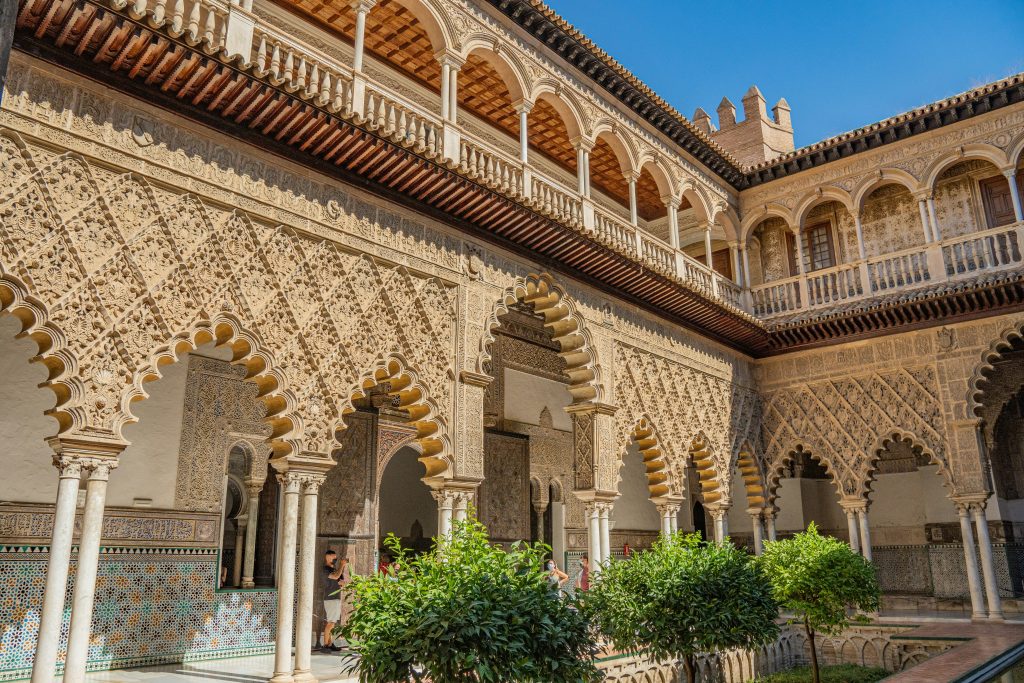
Stepping through the Royal Alcázar’s gates is like entering a fairy tale. This palace complex is a gem for those exploring Seville. Its walls are filled with centuries of royal history and artistic splendor.
Architectural Highlights and Mudejar Style
The palace showcases Mudejar architecture, a blend of Christian and Moorish styles. You’ll see detailed plasterwork, geometric tiles, and ornate wooden ceilings. Each room offers a glimpse into the cultural exchange that shaped the region.
The gardens provide a serene retreat from the city’s noise. With fountains, exotic plants, and hidden paths, they invite exploration. Taking your time here is key to appreciating the craftsmanship in every detail.
Booking Tickets and Managing Entry Costs
Advance planning is essential for a smooth visit. Given its popularity, tickets often sell out early. Booking online helps you avoid long queues at the main gate.
Timed-entry slots can enhance your experience. While there’s a fee, the historical significance of the palace makes it a worthwhile investment. Early preparation lets you fully enjoy the palace’s beauty without waiting.
The Grandeur of Seville Cathedral and Giralda Tower
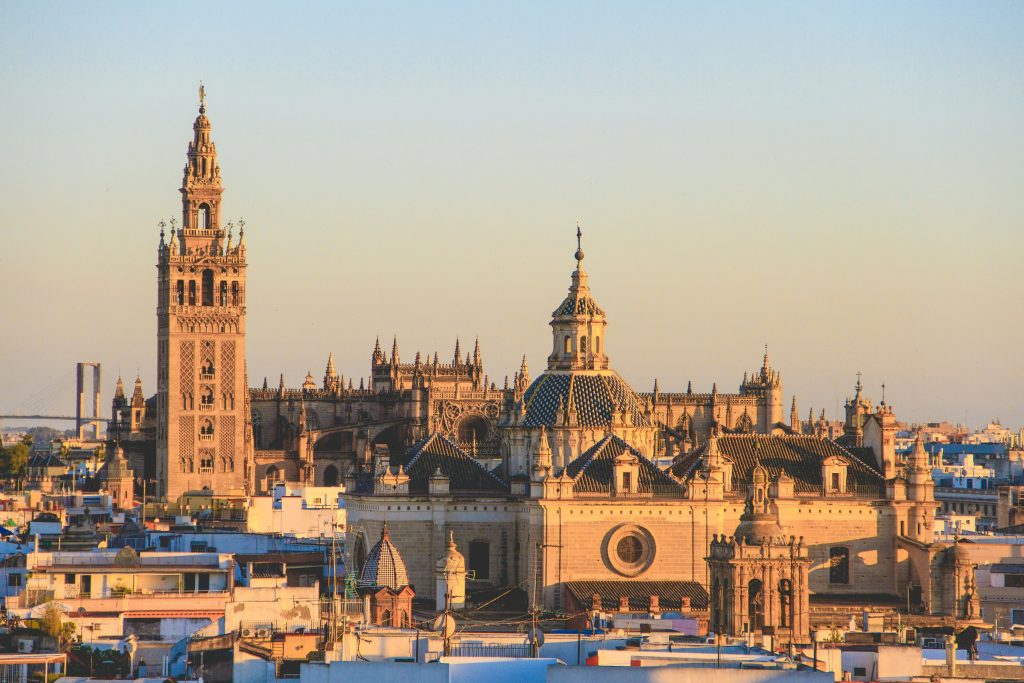
The massive cathedral and its towering bell tower are among the most captivating seville landmarks. They stand as a testament to the city’s rich history, built over a grand mosque. Today, visitors can witness the unique architectural styles that make this site world-famous.
Climbing the Giralda for Panoramic Views
The Giralda Tower is a standout feature of Seville’s skyline. Originally a minaret, it now serves as the cathedral’s bell tower. It offers a unique climbing experience, with gentle ramps designed for the muezzin to ride a horse to the top.
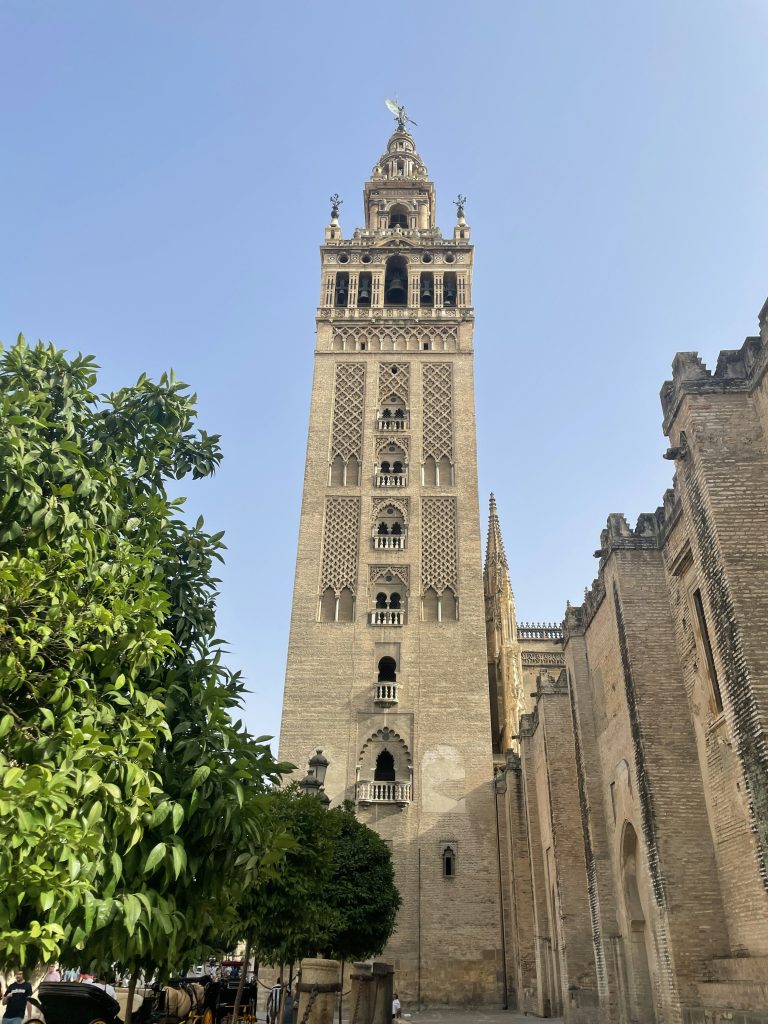
At the summit, the panoramic view of the city is unmatched. You can see the old town’s winding streets and the distant horizon. It’s a rewarding experience among all Seville attractions.
Navigating the Cathedral Interior and Tomb of Columbus
Inside the cathedral, you’ll find a vast, awe-inspiring space with Gothic details. The sheer scale of the nave is breathtaking. As you explore, look for the ornate tomb of Christopher Columbus, supported by statues representing Spain’s ancient kingdoms.
Exploring this massive space can be overwhelming. Marked paths help you navigate, ensuring you see the main altarpiece and side chapels. These landmarks offer a deep connection to Andalusia’s cultural heritage.
Strolling Through Plaza de España
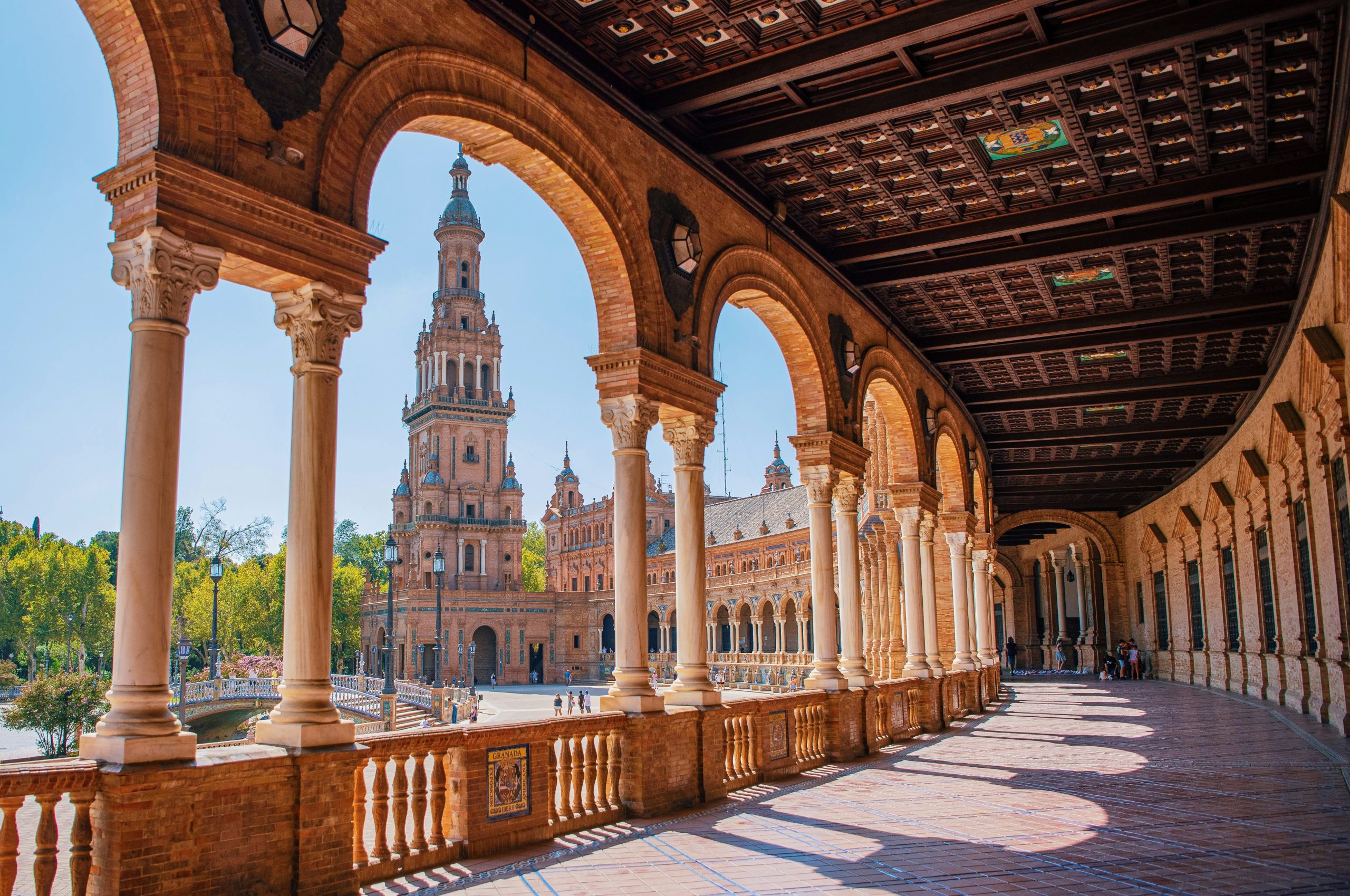
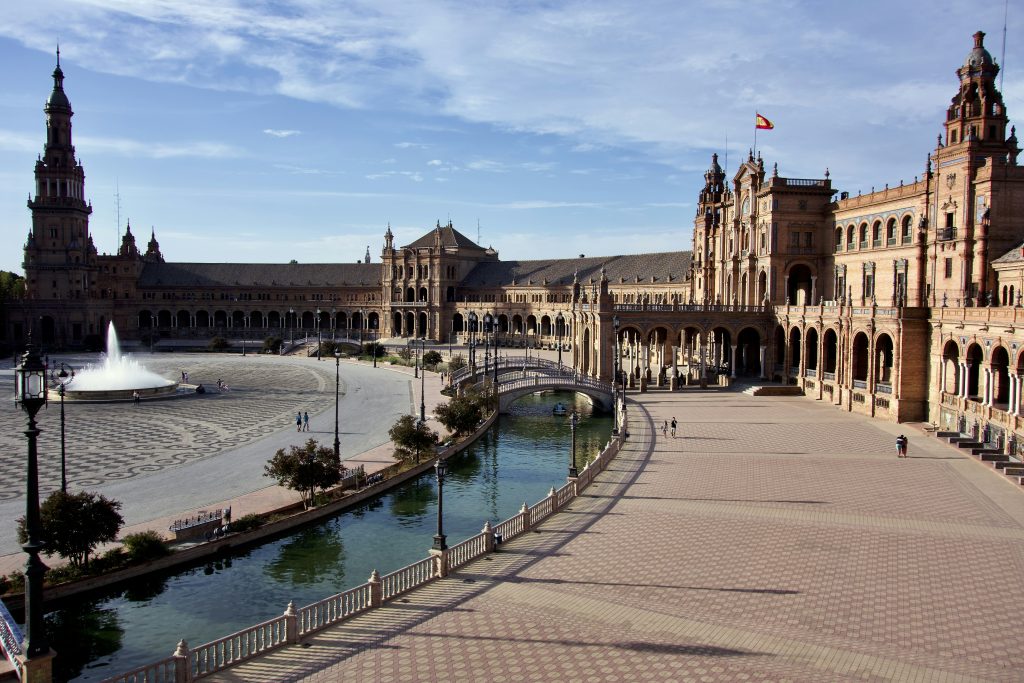
Seeking the essence of seville sightseeing? Look no further than the grand Plaza de España. This massive landmark exemplifies the perfect blend of Renaissance and Moorish Revival styles. It stands as one of the most awe-inspiring spots you’ll encounter.
Historical Significance and Regional Tile Work
The plaza was built for the Ibero-American Exposition of 1929. It was meant to showcase Spain’s industrial and technological advancements to the world. Today, it’s a testament to the country’s rich cultural heritage.
Notice the series of tiled alcoves along the semi-circular building. Each alcove represents a different Spanish province, adorned with detailed ceramic work. These vibrant tiles narrate the nation’s varied geography and history through visuals.
Best Times of Day for Photography
For the perfect shot, plan your visit strategically. We suggest arriving early in the morning, as the sun rises. This allows you to enjoy the space before the crowds arrive.
The soft morning light casts a magical glow on the brick and tile surfaces. It’s the ideal time to capture professional and serene seville sightseeing photos. The quiet atmosphere enhances the experience, making it more rewarding.
The Lush Landscapes of Maria Luisa Park
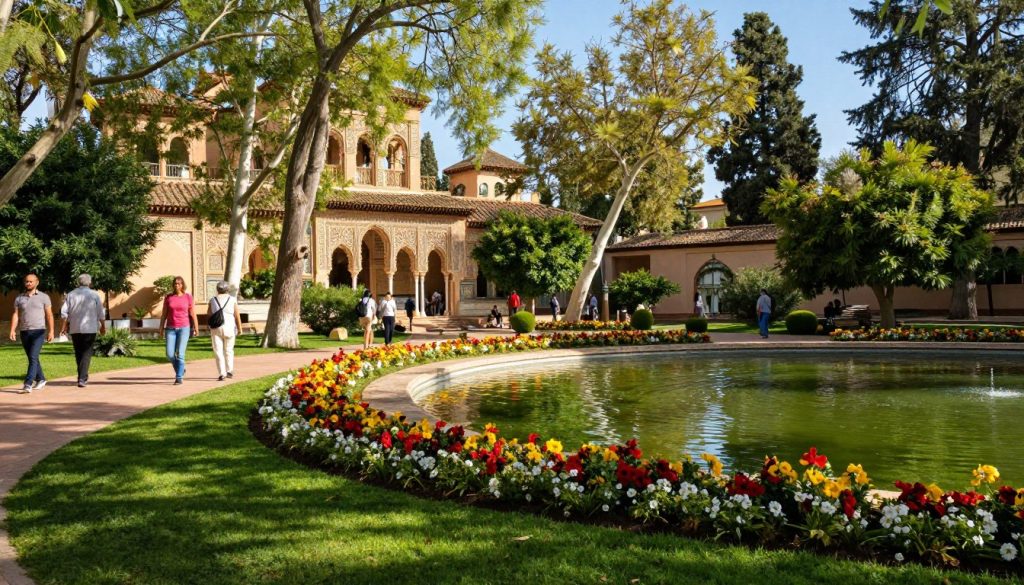
Maria Luisa Park offers a serene retreat from the city’s hustle. It’s a peaceful haven where you can unwind after exploring Seville’s sights. Among Seville’s attractions, this park is celebrated for its tranquil beauty and refreshing ambiance.
Walking Routes and Botanical Highlights
The park’s paths meander through exotic plants and tall trees. Along the way, you’ll find hidden fountains and ornate pavilions, echoing Seville’s storied past. These shaded paths offer a cool respite, perfect for hot summer days.
As you explore, take in the varied botanical displays. Each part of the park presents a unique perspective, appealing to nature photographers. You might find a secluded bench to relax and listen to the local bird songs.
Distance from the City Center
The park’s location is a major advantage. It’s a short walk from Seville’s historic heart, fitting seamlessly into your afternoon itinerary. The entrance is about fifteen minutes from the main cathedral area on foot.
Its proximity to other key landmarks makes it a convenient stop. You can easily pair your visit with a trip to nearby plazas. This makes it an ideal choice for those aiming to make the most of their time in Seville. Whether you seek a brief walk or a prolonged afternoon of relaxation, this park is ideal.
Immersing Yourself in the Triana Neighborhood
As you cross the Guadalquivir River, you enter the vibrant heart of Triana. This district offers a unique, authentic atmosphere, far from the main tourist areas. It’s a key seville point of interest for those seeking a genuine local experience.
Ceramics Traditions and Local Workshops
Triana is renowned for its pottery and tile-making industry. You can explore narrow streets to find family-run workshops where artisans practice ancient techniques. Watching a master potter at work is a highlight for anyone exploring these unique seville points of interest.
Many studios welcome visitors to browse their hand-painted collections. Purchasing a piece of pottery here supports local heritage and offers a beautiful, tangible memory of your trip. It’s a perfect way to connect with the artistic soul of the neighborhood.
Evening Atmosphere and Riverside Walks
As the sun sets, the riverside comes alive with energy. Walking along the Calle Betis offers stunning views back toward the historic center of the city. These scenic paths are among the most relaxing seville points of interest to enjoy after a long day of sightseeing.
The area is filled with lively bars and restaurants that spill out onto the sidewalk. Enjoying a glass of local wine while watching the lights reflect off the water is ideal. It’s the perfect spot to soak in the true spirit of the city under the evening sky.
Experiencing Authentic Flamenco Culture
No visit to Seville is complete without experiencing the raw, rhythmic power of a live flamenco performance. This art form is deeply woven into the cultural fabric of southern Spain. It offers a window into the soul of the region. Finding the right venue is essential, which is why many travelers seek out the best seville tours for authentic experiences.
Understanding the History of Flamenco in Seville
Flamenco emerged from Andalusia’s complex cultural melting pot. It represents a fusion of Romani, Moorish, and Jewish influences that have shaped the region for centuries. This expressive art form serves as a powerful medium for storytelling, conveying deep emotions through song, guitar, and dance.
The history of flamenco is tied to the struggles and joys of the local people. Over time, it evolved from private family gatherings into a professional performance style. Today, it remains a vital part of the city’s identity, preserved by dedicated artists who honor these ancestral traditions.
What to Expect at a Traditional Performance
When you attend a show, prepare for an intimate and intense atmosphere. Most traditional performances take place in small venues known as tablaos, where the audience sits close to the stage. This proximity allows you to feel the vibration of the guitar and the percussive strike of the dancers’ heels.
You will witness a display of incredible musicality and emotional depth. The performers often improvise, responding to the energy of the room and the nuances of the music. To ensure you find a venue that respects these traditions, consider booking through the best seville tours. This will secure a seat at a reputable, high-quality establishment.
Top Activities Seville Offers for Food Lovers
Exploring local flavors is a must for any food enthusiast in Seville. The city is a culinary playground where food transcends mere sustenance, becoming a way of life. Whether you’re a seasoned foodie or just seeking a memorable meal, the local scene is brimming with endless discoveries.
Tapas Culture and Local Specialties
Tapas culture is the pulse of social life in Seville. Locals prefer moving between bars, sampling small plates at each stop. This approach allows you to experience a variety of regional specialties in one evening.
When visiting a bar, don’t hesitate to stand at the counter. It’s where the authentic atmosphere thrives. Be sure to try espinacas con garbanzos, a savory spinach and chickpea dish, or the refreshing salmorejo, a cold tomato soup.
Navigating Traditional Markets
For a glimpse into the city’s culinary origins, visit one of its historic markets. These markets are key to understanding the local diet and are among the top activities for food lovers. Early morning visits reveal the freshest produce and the vibrant banter between vendors and locals.
The Mercado de Triana and the Mercado de Feria are excellent places to explore. Here, you can find local cheeses, cured meats, and fresh olives for a picnic. Engaging with vendors is a great way to learn about seasonal ingredients and experience the city’s daily rhythm.
Discovering the Metropol Parasol
Visiting the Metropol Parasol in Seville is a must-do activity. This massive wooden structure, known as Las Setas, showcases contemporary design in the city’s heart. It’s a fascinating blend of history and innovation, making it a standout landmark.
Modern Architecture in an Ancient City
The Metropol Parasol contrasts sharply with Seville’s ancient buildings. Its mushroom-like canopy engages in a dialogue between past and present. This design revitalizes the Plaza de la Encarnación, making it a highlight for urban planning enthusiasts.
Sunset Views and Walkway Access
For a full appreciation of the structure, explore the elevated walkways. These paths offer 360-degree views of the skyline, giving a unique perspective. It’s a favorite spot for photographers and sightseers.
Visiting at sunset is ideal to witness the city’s golden glow. As the sun sets, the city lights twinkle, creating a magical scene. The walkways are easily accessible, making the experience worthwhile for all visitors.
Must-See in Seville: The Santa Cruz Quarter
The Santa Cruz quarter is a must-see in Seville for anyone looking for authentic charm. This historic neighborhood is the heart of the city, revealing a glimpse of the past with its winding alleys and traditional architecture. Exploring Seville, this area offers the most intimate connection to local culture.
Navigating the Narrow Jewish Quarter Streets
Exploring these ancient streets is an adventure, with a layout designed to confuse. The narrow, whitewashed alleys were built to provide shade in the summer heat. It’s best to let curiosity guide you through the maze-like paths.
Main streets can be crowded, but quiet corners are found by exploring smaller alleys. These paths often lead to hidden treasures, making exploration a delightful experience. Look for subtle signs to guide you, but don’t worry if you get lost.
Hidden Plazas and Courtyards
The neighborhood is renowned for its secret plazas and flower-filled patios. These hidden gems offer a peaceful retreat from the city’s hustle and bustle. Locals often sit on benches, enjoying the serene atmosphere of these sun-drenched squares.
These courtyards are adorned with vibrant tiles and lush greenery, perfect for photos. Taking a moment to rest in one of these spots is a quintessential Seville experience. These quiet havens are what make the quarter so special for every visitor.
Day Trips and Nearby Seville Landmarks
A short drive from the city center reveals a treasure trove of history. The region around Seville is perfect for exploring further. Adding these spots to your itinerary enriches your trip.
Exploring the Andalusia region is best done by venturing out for a few hours. Whether you prefer to travel independently or join an organized tour, these locations are essential. They offer a deeper dive into the area’s history and culture.
Italica Roman Ruins Accessibility
The ancient Roman ruins of Italica are just a few miles from Seville. They offer a captivating look into the past. You can reach this site by bus or taxi, making it a hassle-free morning outing.
Walking through the massive amphitheater transports you back in time. It’s a must-see for history enthusiasts. The site is well-preserved, providing a peaceful escape from the city’s hustle and bustle. Wear comfortable shoes, as the terrain can be uneven.
Carmona and Regional Excursions
Carmona is a charming hilltop town with stunning views. Its old town is filled with narrow, winding alleys. You can get there by bus in under an hour, making it a perfect break from the city.
For a hassle-free experience, consider booking a guided tour. These tours often include transportation and expert commentary. They help uncover the region’s hidden stories. Exploring these landmarks ensures you make the most of your time in southern Spain.
Practical Seville Travel Tips
Mastering a few practical details will help you navigate Seville like a seasoned local. Understanding the city’s rhythm lets you enjoy the sights without worrying about logistics. These essential seville travel tips will ensure your journey remains smooth and enjoyable from start to finish.
Currency, Tipping, and Daily Budgeting
Spain uses the Euro, and while credit cards are widely accepted, carrying some cash is wise. Smaller tapas bars or local markets often prefer coins for quick transactions. Always keep a few small bills handy for your daily expenses.
Tipping in Seville is not mandatory, but it is appreciated for good service. Leaving a few extra coins or rounding up the bill at a cafe is common. For a nice dinner, adding five to ten percent is a generous way to show your appreciation.
Budgeting for your trip is straightforward if you plan ahead. Mid-range travelers can enjoy the city by balancing free walking tours with occasional paid entry fees. Staying mindful of your spending helps you save room for those extra glasses of local wine.
Safety and Local Etiquette
Seville is generally a very safe city for visitors, but it’s always smart to stay aware of your surroundings. Keep your belongings secure in crowded tourist areas to avoid pickpockets. Following these basic seville travel tips will help you maintain peace of mind throughout your stay.
The pace of life here is relaxed and social. Locals often enjoy late dinners and long conversations, so try to embrace the slower schedule. Being polite and learning a few basic Spanish phrases goes a long way in building rapport with residents.
Respecting local customs, such as dressing modestly when visiting religious sites, is highly valued. Always ask for permission before taking photos of people in traditional dress. By being a mindful traveler, you contribute to the welcoming atmosphere that makes this city so special.
Before you go: turn this guide into a day-by-day plan. Our partner Voyada is a free itinerary builder that builds the trip with flights, hotels and a real total cost for your dates — in about a minute.
Create a travel itinerary →Seville Insider Tips
Seville is made for wandering — a little timing around the heat and the late Spanish clock helps.
- Hit the essentials: the Real Alcázar, the Cathedral and Giralda, Plaza de España, Santa Cruz and a Triana flamenco show.
- Sightsee early or in the evening in summer — midday is for a break, like the locals.
- Tapas-hop in Triana and the Alameda, and expect dinner to start late.
- Book the Alcázar online, and consider the rooftop cathedral tour.
- Day-trip by AVE: Córdoba is 45 minutes away, Cádiz a little further.
Official resource: for the latest, authoritative information, see Spain.info (official tourism).
Frequently Asked Questions
What are the top things to do in Seville?
Don’t miss the Real Alcázar palace, the Cathedral and Giralda tower, Plaza de España, the Santa Cruz quarter, and an authentic flamenco show in Triana. Tapas-hopping is essential.
How many days do you need in Seville?
Two to three days covers the main sights at a relaxed pace and leaves time for a day trip to Córdoba or Cádiz.
When is the best time to visit Seville?
Spring (March–May), especially around the Feria de Abril, and autumn (October–November) are ideal. Summer is brutally hot, often above 40°C (104°F).
What can you see in Seville in one day?
One full day covers the Real Alcázar, the Cathedral and Giralda tower, and Plaza de España, with the Santa Cruz quarter’s alleys filling the gaps between them. Start at the Alcázar at opening, break for tapas at midday, then cross the river to Triana for the evening and a flamenco show. It is a long day on foot, so buy timed entry for the Alcázar and cathedral before you arrive rather than queueing twice in the heat.
Can you visit the Real Alcazar and Seville Cathedral on the same day?
Yes, and most visitors do, since the two sit a few minutes apart in the same part of the old town. Allow around two hours for the Alcázar including its gardens, and about 90 minutes for the cathedral and the ramped climb up the Giralda. Book both online with timed slots, taking an early Alcázar entry and the cathedral later in the morning. In summer, finish by lunchtime, before the worst of the heat.
Is Seville walkable, and how do you get around?
Seville’s historic centre is compact and best seen on foot: the Alcázar, cathedral, Santa Cruz and Plaza de España all sit within about 20 minutes of each other. Maria Luisa Park is roughly a 15 minute walk from the cathedral. For longer hops, such as reaching the station or crossing to Triana late at night, taxis and ride-hailing are cheap and quick. Wear proper walking shoes, as much of the centre is uneven cobbles.
Where should I stay in Seville?
Santa Cruz and the streets around the cathedral put every major sight within walking distance, though rooms are small and the lanes fill by mid-morning. El Arenal, between the cathedral and the river, is quieter and just as central. Triana, across the Guadalquivir, suits travellers who want tapas bars, ceramics workshops and a local feel, and it is still only about 15 minutes on foot from the cathedral.
What is Seville known for?
Seville is known for flamenco, which grew out of Andalusia and is still performed nightly in Triana and the old town, and for Mudejar architecture that blends Moorish and Christian design at the Real Alcázar. Its cathedral is the largest Gothic church in the world, and the tapas culture here is built on standing at the bar rather than sitting down. The city is also famous for Semana Santa and the Feria de Abril.
Where can you see authentic flamenco in Seville?
For the real thing, look for an intimate peña or a small Triana venue rather than the large tourist tablaos near the cathedral. These rooms seat only a few dozen people, so you sit close enough to feel the guitar and the percussion of the dancers’ heels, and performers improvise instead of running a fixed show. Shows usually start late, from around 21:00. Reserve a day or two ahead, as small venues fill quickly.
What tapas should I try in Seville?
Order salmorejo, the thick cold tomato soup, and espinacas con garbanzos, the spinach and chickpea dish that is a Seville staple. Add jamón ibérico, fried fish and local cheeses, with a chilled fino or manzanilla sherry alongside. The custom is to move between bars, taking two or three plates at each rather than settling in for a full meal. The Mercado de Triana and Mercado de Feria are good for produce and cured meats.
What are the best day trips from Seville?
Córdoba is the easiest, roughly 45 minutes each way on the high-speed AVE, which leaves a full day for the Mezquita and the old Jewish quarter. Cádiz takes a little longer and pairs a seafront old town with beaches. Carmona, a hilltop town of narrow lanes and Roman walls, is under an hour by bus. Reserve AVE seats ahead in spring, when Seville is busiest and the cheaper fares go first.
Can you visit Granada as a day trip from Seville?
You can, but it makes for a punishing day: Granada is roughly two and a half to three hours each way by train or bus, which leaves about five hours in the city. The Alhambra alone needs half a day and sells timed tickets weeks in advance, so a rushed visit risks missing the one thing you came for. Stay a night in Granada instead, and keep Córdoba as your day trip from Seville.
How do you get to the Italica Roman ruins from Seville?
Italica lies a few miles north of the city at Santiponce, reached by local bus from the Plaza de Armas station in around 30 to 40 minutes, or by taxi in about 20. The amphitheatre and the mosaic floors of the old villas take two to three hours, which makes it a straightforward morning out. Go early in summer, as there is almost no shade, and wear sturdy shoes for the uneven paving.
Is Seville too hot to visit in July and August?
July and August routinely top 40C (104F), which makes midday sightseeing genuinely uncomfortable rather than merely warm. A summer visit still works if you follow the local rhythm: sights from opening until about 13:00, a long break indoors through the afternoon, then back out after 19:00 when the plazas refill. Choose accommodation with air conditioning, carry water, and favour shaded options such as Maria Luisa Park and the Alcázar gardens.
When are Semana Santa and the Feria de Abril?
Semana Santa falls in the week before Easter, so it shifts between late March and mid-April, and the Feria de Abril follows about two weeks later. Both fill the city: rooms sell out months ahead and prices roughly double. Semana Santa brings nightly processions that close streets across the centre, while the Feria is a week of decorated casetas, horses and flamenco dress. Plan around them deliberately, or avoid those weeks if crowds bother you.
Conclusion
Seville’s rich history, vibrant culture, and dynamic daily life capture the heart. This Andalusian capital seamlessly merges ancient charm with modern vibrancy. The experience lingers long after departure.
Now, you’re set to explore Seville’s every nook and cranny. Follow these travel tips to ensure a seamless visit. Secure your tickets for key landmarks in advance to maximize your time.
Immerse yourself in the local vibe by savoring tapas and strolling through historic plazas. Each street corner reveals a new treasure. Your journey through this enchanting city will undoubtedly be a travel highlight.
Begin planning your trip to Spain today. Get your bags ready for an adventure that combines tradition with joy. Seville eagerly awaits your arrival.