Table of Contents
ToggleHong Kong has a reputation for being expensive — but the truth is more nuanced, and more encouraging. Yes, its sky-high accommodation costs are real, but the city also offers some of the best-value food and transport on the planet, plus a wealth of world-famous sights that cost nothing at all. Travel smart, and Hong Kong is surprisingly affordable.
Whether you’re backpacking or splurging, you’ll know precisely what to expect — all prices in Hong Kong dollars (HK$1 ≈ US$0.13). This budget guide breaks down exactly what a trip to Hong Kong costs in 2026, with real prices for accommodation, food, transport and attractions, sample daily budgets for different travel styles, and practical money-saving tips.
✈️ TripToGo Travel Deals
Get notified about great travel deals
Hand-picked flight, hotel and destination deals, straight to your inbox. No spam, unsubscribe anytime.
🎉 Thank you for subscribing!
You’re all set — the best travel deals are on their way.
Key Takeaways
- Budget: ~HK$500–750/day (~$65–95); mid-range: ~HK$1,300–2,200 (~$165–280).
- Accommodation is the big cost — and rooms are small; stay in Kowloon to save.
- Food is a bargain — world-class meals from HK$50 at local diners.
- Transport is cheap & superb — get an Octopus card for everything.
- Many top sights are free — the Peak, Star Ferry, markets and temples.
Hong Kong Costs at a Glance
HK$7.75 to HK$7.85 per US dollar is the band the Hong Kong dollar is held within under the Linked Exchange Rate System, so every price here converts at a rate that barely moves.
Typical prices to frame your budget.
| Item | Typical cost (HK$) |
|---|---|
| Hostel dorm / mid hotel | HK$250 / HK$1,500+ |
| Local meal / dim sum | HK$50–80 / HK$120–250 |
| MTR ride / Star Ferry | HK$5–15 / HK$5 |
| Peak Tram (return) | ~HK$88–148 |
| Budget day total | ~HK$540 (~$70) |
| Mid-range day total | ~HK$1,560 (~$200) |
Is Hong Kong Expensive?
Hong Kong has a reputation as a pricey city, and in one respect it earns it: accommodation is genuinely expensive, thanks to some of the highest real-estate prices on earth. But the surprise for most visitors is how cheap the rest can be — world-class food from HK$50, one of the best and most affordable transport systems anywhere, and a huge number of free things to do.
(All prices in Hong Kong dollars; HK$1 ≈ US$0.13, or roughly HK$7.8 to US$1.) The result is a city that can be done on almost any budget. Splurge and it’ll happily take your money; travel smart and Hong Kong is far more affordable than its reputation suggests. This guide breaks down real costs — accommodation, food, transport, attractions — with sample daily budgets and money-saving tips.
Daily Budget: What to Expect
Here’s roughly what a day in Hong Kong costs at three travel styles, per person (excluding flights):
| Style | Per day (HK$) | Per day (USD) |
|---|---|---|
| Budget (hostel, local food, transit) | HK$500–750 | ~$65–95 |
| Mid-range (3‑star hotel, mix of dining) | HK$1,300–2,200 | ~$165–280 |
| Luxury (4/5‑star, fine dining, taxis) | HK$3,500+ | ~$450+ |
Accommodation is by far the biggest swing factor. Strip that out and Hong Kong’s daily costs for food, transport and sightseeing are remarkably reasonable.
Accommodation Costs
About HK$1,300 a night was Hong Kong’s average hotel room rate in 2025, excluding the 3% hotel accommodation tax charged on hotel and guesthouse accommodation since 1 January 2025, so check quotes include it.
This is where Hong Kong hits your wallet — and where rooms are famously small. Space is at an absolute premium, so expect compact rooms at every price point:
| Type | Price / night (HK$) | Notes |
|---|---|---|
| Hostel dorm bed | HK$200–350 | Mongkok & Tsim Sha Tsui cheapest |
| Budget private room | HK$600–900 | Small but central |
| Mid-range 3‑star hotel | HK$1,200–2,500 | Comfortable, well-located |
| Luxury hotel | HK$3,000+ | Harbour views cost extra |
To save, base yourself in Kowloon (Mongkok, Jordan or Tsim Sha Tsui) rather than on Hong Kong Island, and book well ahead — the superb MTR means you’re never far from the action wherever you stay.
Food Costs
Here’s Hong Kong’s great value story. This is one of the world’s finest food cities, and you can eat superbly for very little:
| Meal | Cost (HK$) | What |
|---|---|---|
| Cha chaan teng meal | HK$50–80 | Classic HK diner — noodles, rice, milk tea |
| Street food / snack | HK$20–50 | Egg waffles, fish balls, siu mai |
| Dim sum (per person) | HK$120–250 | A proper yum cha feast |
| Mid-range restaurant | HK$200–400 | Casual sit-down dinner |
| Fine dining / Michelin | HK$800+ | World-class, if you splurge |
Eat where locals do — cha chaan teng diners, dai pai dong street stalls and busy dim sum halls — and you’ll eat brilliantly for a fraction of Western-restaurant prices. Even Michelin-starred meals here can be a relative bargain.
Planning your Hong Kong trip?
Our partner Voyada’s trip planning AI builds a day-by-day plan with flights, hotels and a real total cost for your dates — in about a minute, free.
Plan trip with AITransport Costs
HK$120 with Octopus is the adult single Airport Express fare between the airport and Hong Kong Station, rising to HK$130 on a Smart Ticket.
Hong Kong’s transport is cheap, fast and a joy to use. Get an Octopus card (the tap-and-go smartcard) on arrival and use it for everything — trains, buses, trams, ferries and even convenience stores.
| Mode | Cost (HK$) | Notes |
|---|---|---|
| MTR (metro) ride | HK$5–15 | Fast, spotless, covers the city |
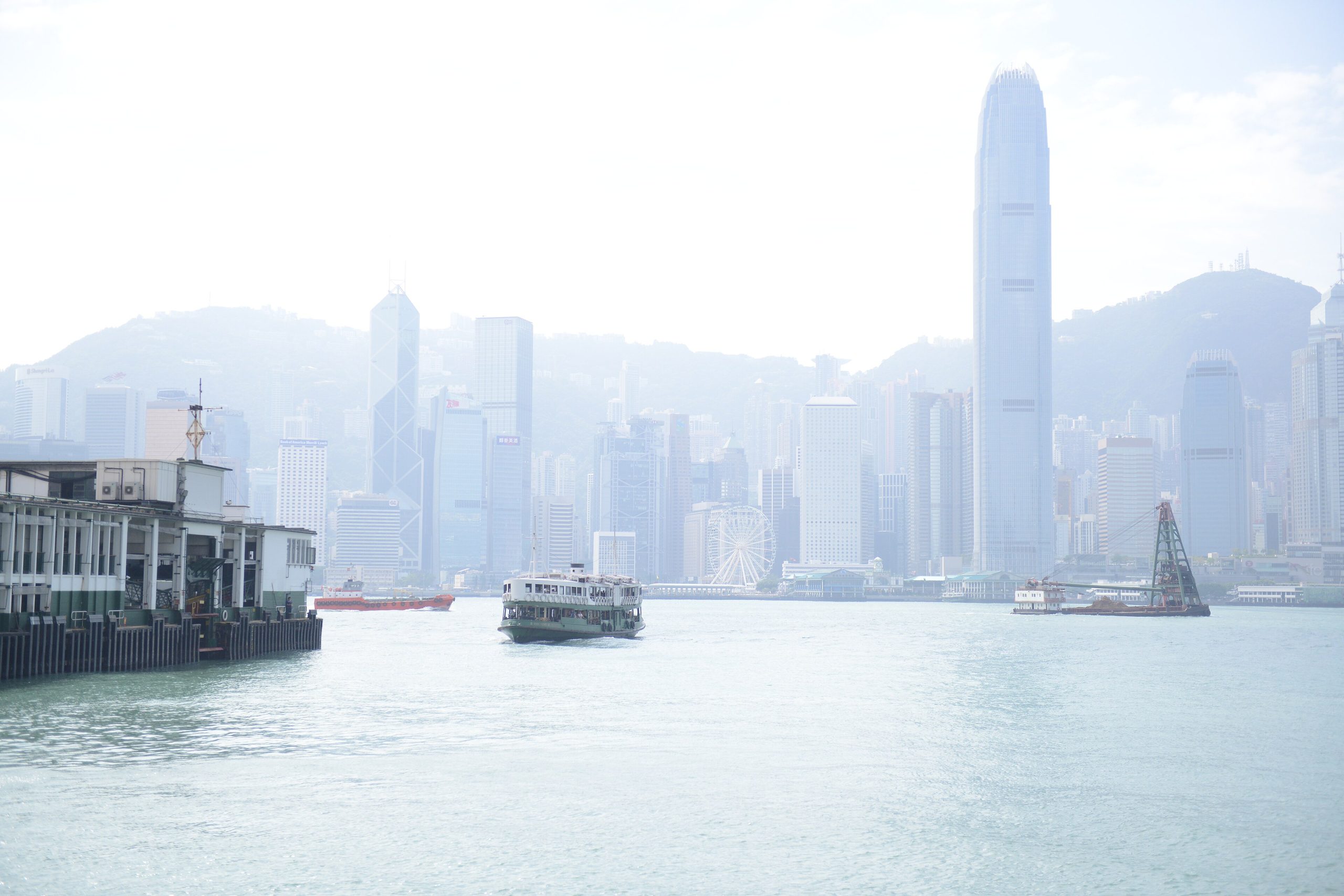
| Star Ferry (harbour crossing) | HK$5 | Iconic — and the best-value view in HK |
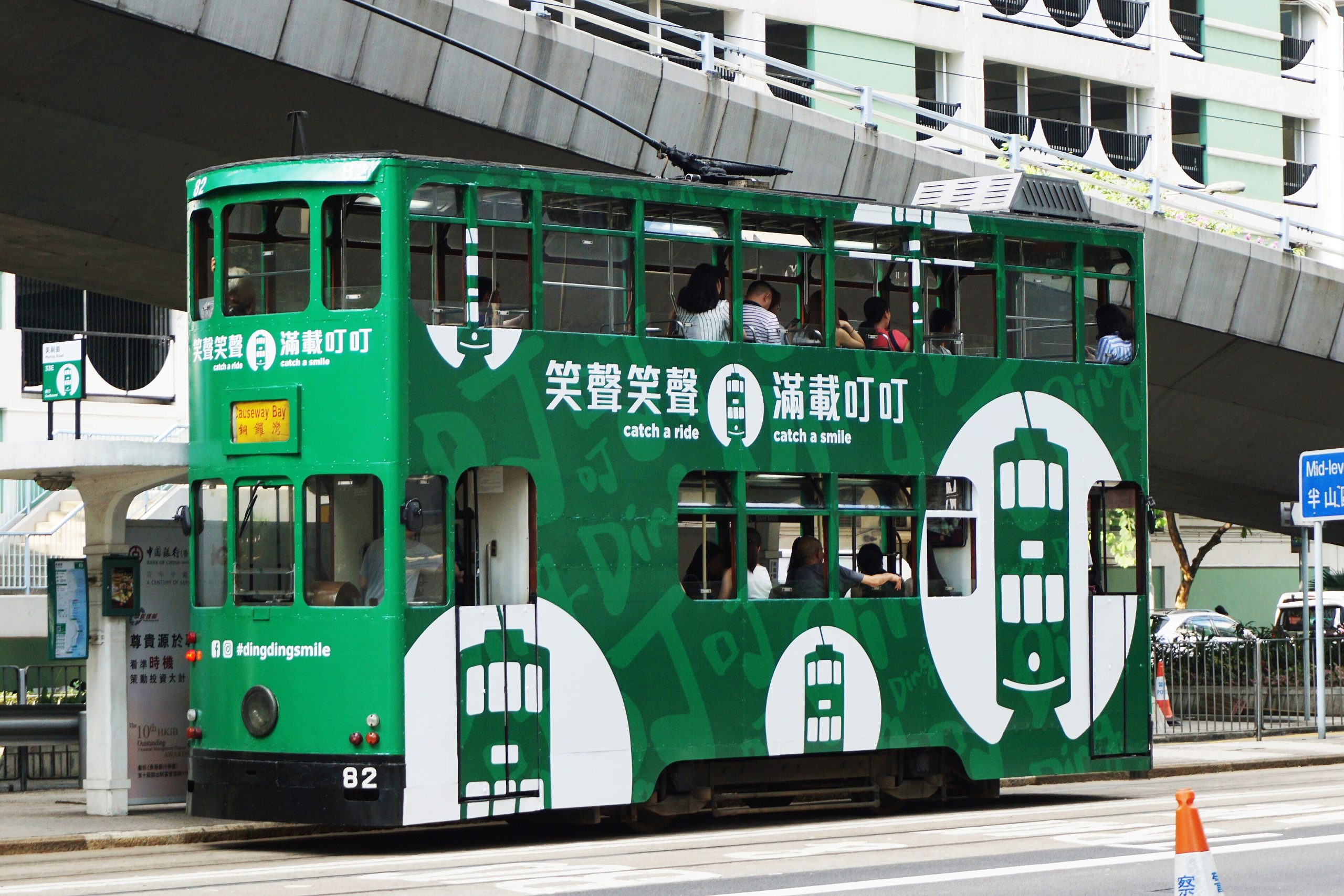
| Tram (‘ding ding’) | HK$3 | Flat fare on Hong Kong Island |
| Bus / minibus | HK$5–15 | Reaches beaches & the south side |
| Airport Express | HK$115 | Or cheaper by bus (~HK$35) |
Taxis are reasonable too (from around HK$27 to start), but with a transport network this good you’ll rarely need them.
Attractions: Free and Paid
A huge amount of Hong Kong’s appeal is free — which keeps costs down enormously:
- Free: hiking up to Victoria Peak (the tram is optional), the Star Ferry views, the Symphony of Lights show, temples (Wong Tai Sin, Man Mo), the markets of Mongkok, and beaches.
- Peak Tram + Sky Terrace: around HK$88–148 return for the famous funicular and viewing deck.
- Ngong Ping 360 cable car (to the Big Buddha): around HK$235–270 return.
- Hong Kong Disneyland: around HK$639+ per adult; Ocean Park similar.
You could fill days with free hikes, markets, temples and skyline views alone — paid attractions are optional extras, not the core of a Hong Kong trip.
Sample Daily Budgets
How the numbers add up across a typical day.
| Budget | Mid-range | |
|---|---|---|
| Accommodation (per person) | HK$300 | HK$900 |
| Food | HK$150 | HK$400 |
| Transport | HK$40 | HK$60 |
| Attractions | HK$50 | HK$200 |
| Daily total | ~HK$540 | ~HK$1,560 |
That’s roughly US$70 a day on a budget and US$200 mid-range — and the budget figure still buys you fantastic food and easy travel across one of the world’s great cities.
Money-Saving Tips for Hong Kong
HK$75 buys an MTR Tourist Day Pass, giving 24 consecutive hours of unlimited MTR, Light Rail and MTR Bus travel, though the Airport Express is excluded.
Get the most out of your money with these:
- Get an Octopus card immediately — it’s cheaper and easier than single tickets for everything.
- Eat local — cha chaan teng, dai pai dong and dim sum halls deliver world-class food for HK$50–150.
- Stay in Kowloon (Mongkok, Jordan) for cheaper rooms with quick MTR access.
- Ride the Star Ferry and trams for iconic experiences that cost almost nothing.
- Hike Victoria Peak instead of (or as well as) paying for the tram — the views are free.
- Take the bus from the airport (~HK$35) if you’re on a budget rather than the Airport Express.
Related Guides
What a 3, 5 or 7-Day Trip Costs
Daily figures are useful, but here’s what a whole trip realistically adds up to, per person and excluding international flights:
- 3 days: roughly HK$1,350–1,800 (about US$170–230) on a budget, or HK$3,000–4,500 (US$385–575) mid-range.
- 5 days: around HK$2,000–3,000 (US$255–385) budget, HK$4,500–7,500 (US$575–960) mid-range, and HK$10,000+ (US$1,280+) for luxury.
- 7 days: roughly HK$3,000–4,500 budget, HK$7,000–11,000 mid-range, and HK$15,000+ for luxury.
- What drives the total: accommodation is by far the biggest expense, followed by paid attractions and restaurant dining — transport and street food barely move the needle.
Flights & Getting Into the City
The two big arrival costs are your flight and the transfer from the airport:
- Flights: a return economy fare to Hong Kong starts from around US$590, but varies hugely by where you fly from and when.
- Save on airfare: travelling in the low season (see below) can cut fares by 30–40%.
- Airport Express: the fastest way into town, at HK$105–115 (about US$14) to Kowloon or Hong Kong station, with free shuttle buses onward to major hotels.
- Cheaper transfers: the ‘A’ city buses cost around HK$33–48 and take longer; taxis from the airport run HK$250–350 depending on your destination.
- Tip: a return Airport Express plus an Octopus travel pass can pay off if you’ll ride the trains a lot.
When to Visit to Save Money
HK$1,100 average hotel room rates in September 2025 and June 2026 were the lowest of the 13 months to August 2026, versus HK$1,500 in December; June is also the wettest month (491.5 mm).
For a cost-conscious trip, timing makes a real difference:
- Cheapest months: January, February and June typically bring the lowest hotel prices — often 30–40% below peak.
- Avoid the peaks: Chinese New Year, the autumn high season (October to early December), and Christmas send hotels and flights soaring.
- The trade-off: the cheapest months can be chilly, humid or wet, but your budget stretches much further.
- Book ahead: for any peak dates, lock in hotels and flights early to avoid the worst premiums.
The Octopus Card: Your Key to Cheap Travel
Public transport is one of Hong Kong’s great bargains, and the tap-and-go Octopus card is the secret to it:
- How it works: a rechargeable card (HK$50 refundable deposit) that works on almost all transport, plus 7-Elevens, shops and eateries — HK$500 of credit easily lasts a week.
- The MTR (metro): clean, fast and cheap, with fares of about HK$4–16 for most trips (up to around HK$60 for the longest).
- The tram (‘ding ding’): a flat HK$3 to ride Hong Kong Island’s historic double-deckers — the best-value sightseeing in town.
- The Star Ferry: just HK$3.30–6.50 to cross Victoria Harbour, one of the world’s great cheap rides.
- Buses & minibuses: roughly HK$5–15; taxis start around HK$29 and are fine for short hops.
- Daily transport budget: most visitors spend just HK$50–80 a day getting around.
What the Big Attractions Actually Cost
A handful of paid sights are worth budgeting for — but many of the best cost little or nothing:
- Peak Tram + Sky Terrace 428: about HK$148 for the combo ticket — or hike up for the same views for free.
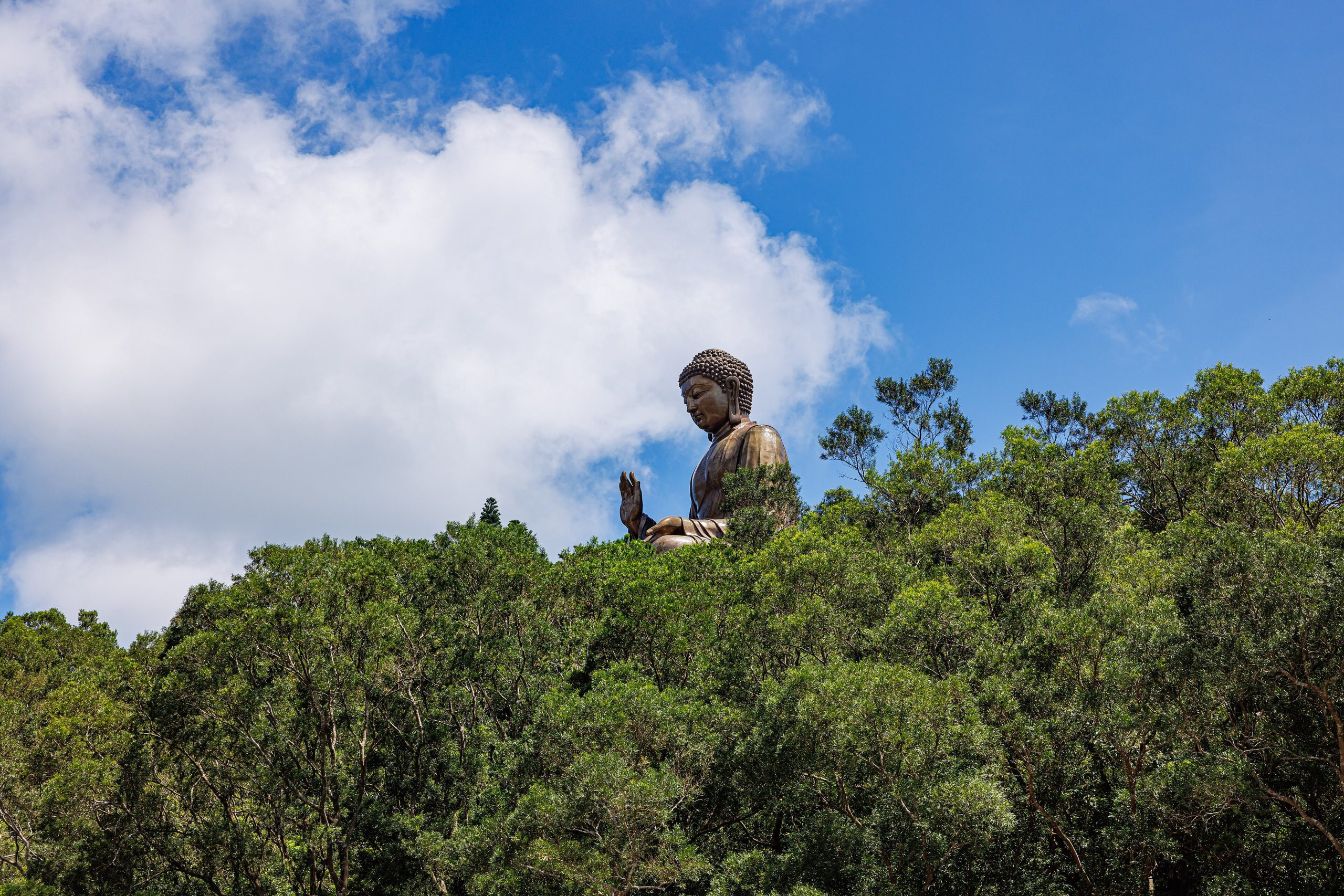
- Big Buddha cable car: the Ngong Ping 360 cable car is around HK$270 return, though the Big Buddha and Po Lin Monastery themselves are free to visit.
- Hong Kong Disneyland: roughly HK$639–879 for a one-day adult ticket, depending on the date.
- Ocean Park: about HK$498 for an adult day ticket.
- Museums & decks: many museums are free (several free on Wednesdays); observation decks like sky100 charge admission.
- Free ‘attractions’: the Star Ferry, the tram, the nightly Symphony of Lights and the markets cost next to nothing.
Free Things to Do in Hong Kong
Hong Kong rewards budget travellers — the official tourism board lists dozens of free experiences, and these are the best:
- The Symphony of Lights: a free laser-and-light show over the harbour every night at 8pm.
- Victoria Peak trails: skip the paid tram and walk the free Peak Circle Walk for the same iconic views.
- Temples: Wong Tai Sin, Man Mo and the Ten Thousand Buddhas Monastery are all free to enter.
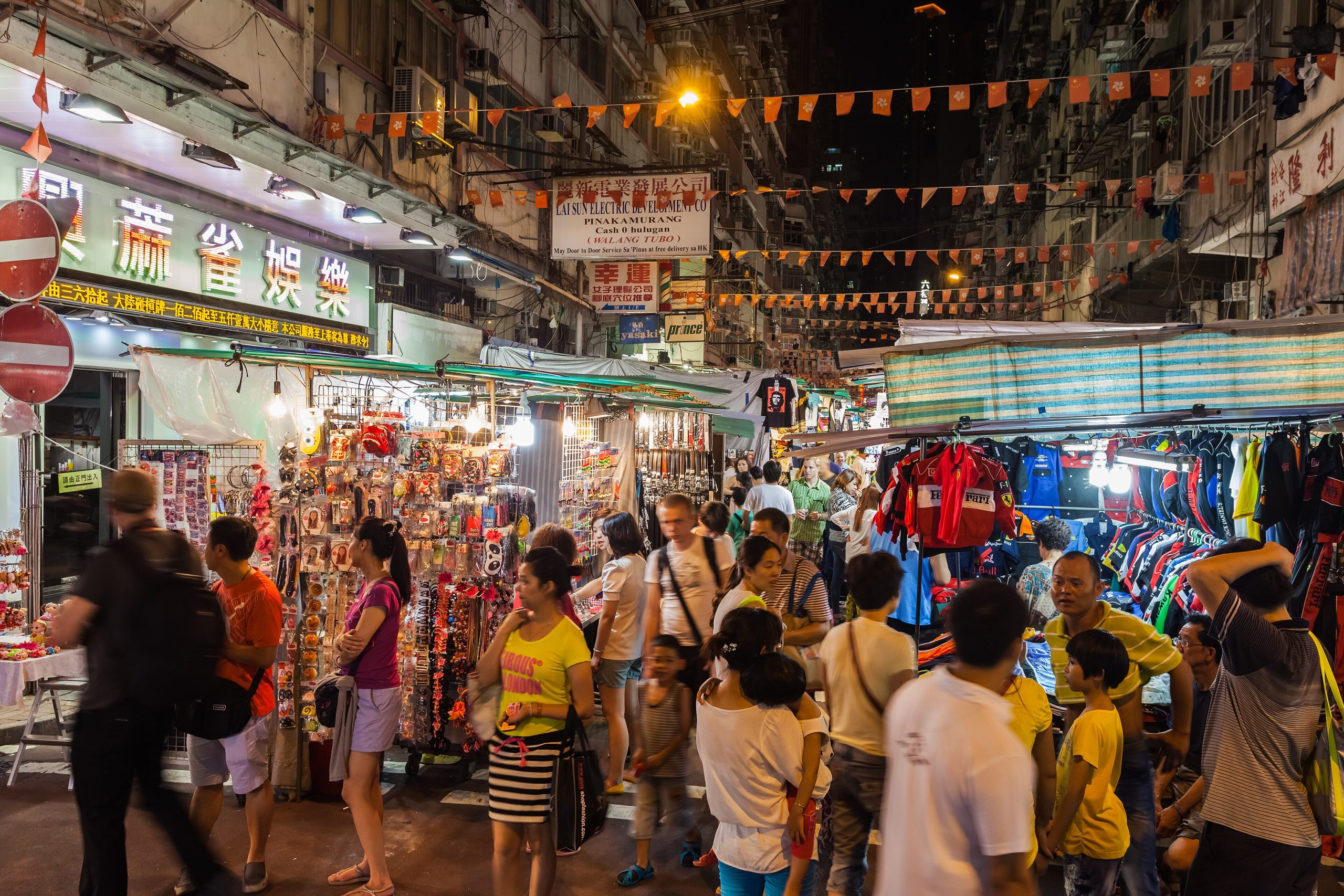
- Markets: wander the Temple Street and Ladies’ markets and Mong Kok’s neon streets for nothing.
- Hiking: world-class trails like Dragon’s Back and Lion Rock are completely free.
- The harbourfront & Avenue of Stars: stroll the promenade for the best skyline views, no ticket required.
Eating Well for Less
Food is where Hong Kong shines for value — you can eat superbly without spending much:
- Cha chaan teng: a filling meal at these classic local diners runs just HK$35–80.
- A bowl of wonton noodles: about HK$70 (US$9) of pure comfort.
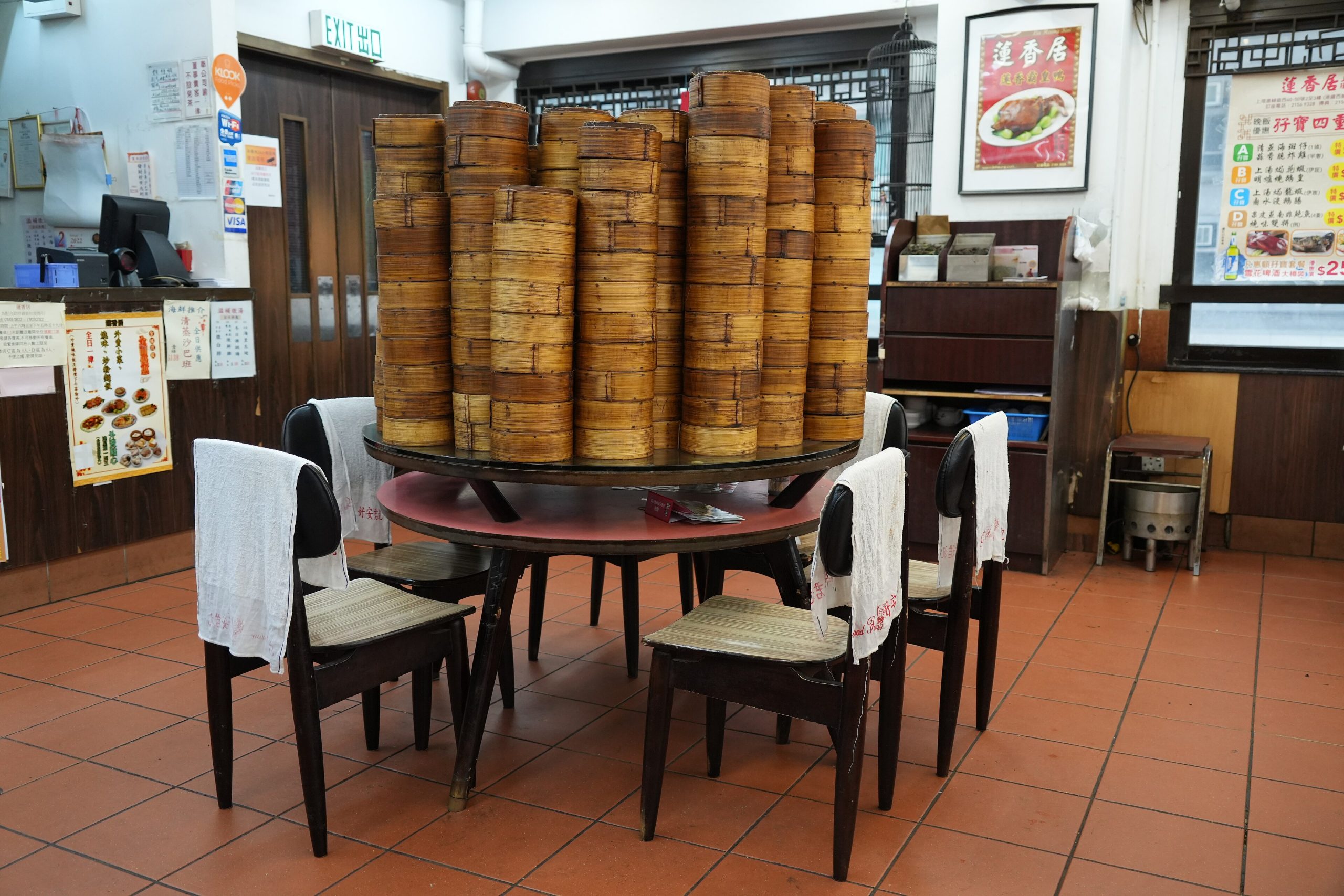
- Dim sum: from a few dollars per basket — a spread for two rarely tops HK$200.
- The world’s cheapest Michelin meals: Hong Kong is famous for dim sum and noodle spots that have held a Michelin star while charging only around HK$50–100 a head.
- Set lunches: even in pricey Central, weekday lunch sets (HK$100–200) offer great value.
- Save more: 7-Elevens, wet markets and cooked-food centres undercut tourist restaurants everywhere.
Money, Cards & Tipping
A few practical money notes to keep your budget on track:
- Currency: the Hong Kong dollar (HK$), pegged at roughly HK$7.8 to US$1.
- Cards vs cash: cards are widely accepted, but carry some cash for markets, dai pai dong and small shops — and let the Octopus card handle small purchases.
- Tipping: not obligatory — restaurants usually add a 10% service charge; people simply round up taxis and leave small change for good service.
- ATMs: everywhere, but check your home bank’s foreign-withdrawal fees.
- Data: a travel eSIM starts around US$6, far cheaper than roaming.
How Hong Kong Compares to Other Cities
Hong Kong’s pricey reputation is only half true — here’s the reality:
- Cheaper than you’d think: everyday food and transport cost far less than in London, New York, Tokyo or Singapore.
- The catch is hotels: accommodation is the expensive part, driven by the city’s sky-high property prices.
- Overall value: eat local and ride the MTR, and Hong Kong is a mid-priced Asian city rather than the luxury splurge many expect.
- Versus the region: pricier than Bangkok or mainland Chinese cities, but with world-class food, transport and skyline views.
A Sample 4-Day Budget Itinerary (with Running Costs)
To make it concrete, here’s how a comfortable mid-range four-day trip adds up, per person and excluding flights:
- Accommodation (4 nights, mid-range hotel): around HK$4,000.
- Food (4 days, mixing local eats with a couple of nicer meals): about HK$1,200.
- Transport (Octopus, 4 days): roughly HK$250.
- Attractions (Peak, the Big Buddha cable car and a museum): about HK$450.
- Extras (a SIM, snacks and a night out): around HK$600.
- Rough total: about HK$6,500 (around US$830) per person for four days — noticeably less on a backpacker budget, and more with luxury hotels.
Hidden Costs & Is Hong Kong Worth the Money?
A few extra costs can catch you out, but the overall value is excellent:
- Watch for: the 10% restaurant service charge, hotel service or ‘destination’ fees, refundable deposits (Octopus, hotels) and tourist-area markups.
- Peak-season premiums: hotel rates can double over major holidays.
- The good news: transport, street food and many top sights cost little, so your budget is easy to control.
- Worth it? Absolutely — with smart choices, Hong Kong delivers world-class food, views and culture at a very reasonable daily cost. It’s the hotels, not the city itself, that earn its pricey reputation.
Where to Stay for Every Budget
Accommodation is your biggest cost in Hong Kong, and where you stay changes the price sharply:
- Shoestring (HK$150–600/night): hostel dorms and no-frills guesthouses, famously in the warren of Chungking Mansions in Tsim Sha Tsui, or around Mong Kok. Rooms are tiny — that’s the Hong Kong trade-off.
- Mid-range (HK$800–1,500/night): comfortable 3–4 star hotels in Causeway Bay, Wan Chai or Tsim Sha Tsui, well-placed for the MTR.
- Luxury (HK$3,000+/night): five-star harbourfront hotels in Central and Tsim Sha Tsui with knockout skyline views.
- Location tip: Kowloon (Tsim Sha Tsui, Mong Kok) generally gives better value than Hong Kong Island, and everywhere is minutes apart by MTR.
- Save more: book early, travel in the low season, and consider aparthotels for longer stays.
Nightlife & Drinks: What a Night Out Costs
Drinking out is one of the pricier things you’ll do — but there are ways around it:
- A beer in a bar: around HK$60–90, and more in the buzzy nightlife zones of Lan Kwai Fong and SoHo.
- Cocktails: typically HK$100–150 at a decent bar.
- Happy hour: widespread in the early evening, often halving drink prices — time your night around it.
- The cheap way: a can of beer from a 7-Eleven costs just HK$15–20, and many people drink alfresco before heading out.
- Local venues: a beer with your meal at a cha chaan teng or dai pai dong is far cheaper than the international bars.
Day Trips & Their Costs
Some of Hong Kong’s best days out are cheap — and a couple are worth the splurge:
- The outlying islands: ferries to laid-back Lamma, Cheung Chau or Peng Chau cost only about HK$15–40 each way — a bargain escape.
- Lantau & the Big Buddha: reachable cheaply by MTR and bus, or by the HK$270 cable car for the scenic ride.
- Macau: a ferry across takes about an hour and costs roughly HK$170–200 each way; check the Macau tourism board for what to do once there.
- Disneyland or Ocean Park: full-day parks at HK$639–879 and about HK$498 respectively — budget a whole day and factor in food inside.
Hong Kong on a Shoestring
Hong Kong can be surprisingly cheap if you keep it simple. A rock-bottom day might look like this:
- Bed: a hostel dorm for HK$150–250.
- Food: cha chaan teng meals, bakery buns and 7-Eleven snacks for around HK$100–150 all day.
- Transport: the MTR, tram and Star Ferry for HK$40–60.
- Sights: the Peak trails, temples, markets, harbourfront and the Symphony of Lights — all free.
- Daily total: comfortably under HK$400 (about US$50) per person, proving Hong Kong doesn’t have to break the bank.
Hong Kong for Families: Costs with Kids
Travelling as a family adds cost, but Hong Kong is very doable:
- Rooms: family rooms are limited and pricey given the city’s small hotel rooms, so book early or consider an aparthotel.
- Attractions: Disneyland and Ocean Park are the big-ticket days out; children’s tickets are cheaper, and multi-day or online deals help.
- Transport: children get discounted Octopus fares, and the tram and Star Ferry are cheap fun.
- Food: kids eat well and cheaply at cha chaan teng, dim sum houses and food courts.
- Free fun: parks, the Science and Space museums (low-cost or free), harbourfront promenades and the light show keep costs down.
Shopping in Hong Kong: Markets vs Malls
Hong Kong is a shopper’s city, and your spend depends entirely on where you go:
- Street markets: the Ladies’ Market, Temple Street and the Sneaker Street of Mong Kok sell cheap clothes, souvenirs and gadgets — and haggling is expected.
- Malls: gleaming malls in Central and Tsim Sha Tsui carry international brands at full price — great for browsing, less so for bargains.
- Electronics: Hong Kong is famous for gadgets, but compare prices and buy from reputable shops to avoid tourist markups.
- Tax-free: Hong Kong has no sales tax, so listed prices are what you pay — a genuine perk for shoppers.
How to Build Your Hong Kong Budget
Put it all together with this simple, realistic planning framework:
- 1. Pick your accommodation tier — it’s the biggest cost, so start here (HK$200–900 budget, HK$1,200–2,500 mid, HK$3,000+ luxury per night).
- 2. Add a daily allowance for food, transport and small sights — roughly HK$300–500 mid-range, less on a backpacker budget.
- 3. Add the paid attractions you actually want (Peak, Big Buddha, Disneyland), rather than all of them.
- 4. Add flights and a buffer of 10–15% for service charges, deposits and the odd splurge.
- 5. Sanity-check against the totals above — roughly HK$2,000–3,000 budget, HK$4,500–7,500 mid-range for five days, excluding flights.
Luxury Hong Kong: If Money's No Object
At the other end of the scale, Hong Kong does luxury as well as anywhere on earth:
- Harbourfront suites: five-star rooms with Victoria Harbour views run from around HK$3,000 to HK$8,000+ a night.
- Fine dining: the city is packed with Michelin-starred restaurants, where a tasting menu can run HK$1,000–3,000+ per person.
- Afternoon tea: the grand hotel afternoon teas are an institution, from around HK$500 a head.
- Signature splurges: charter a traditional junk boat around the harbour, or take a helicopter flight for the ultimate skyline view.
- The point: you can spend almost limitlessly here — but you never have to, which is what makes Hong Kong such a flexible destination.
Getting the Best Exchange Rate
How you get your Hong Kong dollars can quietly cost or save you money:
- Avoid the airport and hotel counters: their exchange rates are the worst you’ll find.
- Money changers: the licensed changers in Tsim Sha Tsui’s Chungking Mansions are famous for some of the best rates in the city.
- ATMs: generally give a fair rate — just check your home bank’s foreign-withdrawal fees first.
- The peg: the Hong Kong dollar is pegged to the US dollar at about 7.8, so the rate barely moves day to day.
- Carry some cash: markets, dai pai dong and small shops are cash-only, even as cards and Octopus dominate elsewhere.
Common Money Mistakes to Avoid
Sidestep these and your budget will stretch a lot further:
- Not getting an Octopus card: it’s cheaper and far easier than buying single tickets everywhere.
- Taking taxis for long trips: the MTR is faster and a fraction of the price across town.
- Eating in tourist traps: the restaurants right on the Tsim Sha Tsui waterfront charge a premium — walk a few streets back for local prices.
- Changing money at the airport: use an ATM or a city money changer instead.
- Paying for what’s free: you can hike to the Peak, and the Symphony of Lights, temples and markets cost nothing.
- Forgetting the service charge: factor the standard 10% into restaurant bills so it’s no surprise.
Before You Go: Visas, Insurance & Connectivity
A few pre-trip costs and practicalities are worth budgeting for before you fly:
- Visas: most Western and many Asian nationalities enter Hong Kong visa-free for anywhere from 7 to 180 days — check your own allowance. Note that Hong Kong has its own immigration, separate from mainland China.
- Travel insurance: well worth it — a week’s cover typically costs around US$30–60 and protects against medical bills, delays and cancellations.
- SIM or eSIM: a travel eSIM starts around US$6, while a local prepaid tourist SIM with data runs about HK$50–100.
- Plugs & power: Hong Kong uses UK-style three-pin (Type G) sockets at 220V, so pack the right adapter.
- Budget a buffer: set aside a little extra for the odd taxi, a splurge meal or a rainy-day museum.
Frequently Asked Questions
How much does a trip to Hong Kong cost?
Per person, excluding flights, budget travelers can manage on roughly HK$500–750 (about US$65–95) a day using a hostel, local food and public transport. Mid-range travelers spend around HK$1,300–2,200 (US$165–280) a day for a 3-star hotel and a mix of dining. Accommodation is the biggest variable — food and transport are cheap.
Is Hong Kong expensive to visit?
It’s a city of contrasts. Accommodation is genuinely expensive and rooms are small, thanks to Hong Kong’s famous real-estate prices. But food is superb value (great meals from HK$50), transport is cheap and excellent, and many of the best sights — Victoria Peak, the Star Ferry, markets and temples — are free. Travel smart and it’s more affordable than its reputation.
What is the cheapest way to get around Hong Kong?
Get an Octopus card on arrival and use it for everything — the MTR metro (HK$5–15 a ride), trams (HK$3), buses and the Star Ferry (HK$5). The transport network is fast, spotless and superb value, so you’ll rarely need a taxi. From the airport, the bus (~HK$35) is much cheaper than the Airport Express.
How much should I budget for food in Hong Kong?
A meal at a cha chaan teng diner runs HK$50–80, street snacks HK$20–50, and a proper dim sum feast HK$120–250 per person. Very little, if you eat like a local. Budget travelers can eat brilliantly on HK$150–200 a day. Fine dining and Michelin meals start around HK$800 if you want to splurge.
How can I save money in Hong Kong?
Stay in Kowloon (Mongkok or Jordan) for cheaper rooms with fast MTR access, eat at local cha chaan teng and dim sum halls, get an Octopus card, and lean on free experiences — hiking Victoria Peak, riding the Star Ferry and trams, exploring markets and temples, and watching the Symphony of Lights. These alone can fill an itinerary.
What currency does Hong Kong use?
Hong Kong uses the Hong Kong dollar (HK$ or HKD), which is pegged at roughly HK$7.8 to US$1 (so HK$1 ≈ US$0.13). Cards are widely accepted, but the Octopus card is the go-to for transport and small purchases. Note that Hong Kong uses its own currency and entry rules, separate from mainland China.
How much money do you need per day in Hong Kong?
Roughly, budget travellers can manage on around HK$500–750 (about US$65–95) a day, mid-range visitors on HK$1,300–2,200 (about US$165–280), and luxury travellers HK$3,500 or more. Accommodation is the biggest single expense, while food and transport can be remarkably affordable if you eat and travel like a local.
How much does a 5-day trip to Hong Kong cost?
Excluding international flights, a five-day trip runs roughly HK$2,000–3,000 (US$255–385) per person on a budget, HK$4,500–7,500 (US$575–960) mid-range, and HK$10,000+ for luxury. Accommodation is the biggest variable, so choosing a hostel or a business hotel over a five-star property is the single biggest lever on your total.
How much are attractions in Hong Kong?
The paid highlights run: the Peak Tram and Sky Terrace combo about HK$148, the Ngong Ping 360 cable car to the Big Buddha around HK$270, Hong Kong Disneyland roughly HK$639–879, and Ocean Park about HK$498. But many of the best experiences — the Star Ferry, the tram, the Symphony of Lights, temples, markets and hiking trails — are free or nearly so.
When is the cheapest time to visit Hong Kong?
January, February and June are usually the cheapest, with hotel prices often 30–40% below peak. Avoid Chinese New Year, the October-to-early-December high season and the Christmas period, when both hotels and flights spike. The cheapest months can be cooler or wetter, but your money goes much further.
Do you tip in Hong Kong?
Tipping isn’t obligatory in Hong Kong. Sit-down restaurants typically add a 10% service charge to the bill, so there’s no need to tip on top, though many people leave the small change. For taxis, rounding up to the nearest dollar or two is normal, and a small tip for hotel porters or housekeeping is appreciated but not expected.
Is Hong Kong cheaper than Singapore or Tokyo?
For everyday costs like food and transport, Hong Kong is broadly comparable to or cheaper than Singapore and Tokyo — local meals and the MTR are excellent value. Where Hong Kong bites is hotels, which are expensive for the space you get. Overall, eat local and use public transport and Hong Kong sits in the same mid-to-upper range as its rival Asian hubs, not far above them.
How much should you budget for a night out in Hong Kong?
A night out in the bars of Lan Kwai Fong or SoHo adds up fast, with beers around HK$60–90 and cocktails HK$100–150. Budget roughly HK$300–600 per person for a proper night, or far less if you make the most of happy hours, drink at local venues, or grab cheap cans from a convenience store first.
Do children pay full price in Hong Kong?
No — children get discounted fares on the MTR, trams, ferries and buses via a Child Octopus card, and reduced tickets at attractions like Disneyland and Ocean Park. Many museums are free or very cheap, and kids eat inexpensively at local diners and food courts, so a family trip is cheaper per head than you might expect once accommodation is sorted.
What is the best way to get Hong Kong dollars?
Use ATMs for a fair rate (checking your bank’s fees), or the licensed money changers in Tsim Sha Tsui’s Chungking Mansions, which are known for excellent rates. Avoid exchanging money at the airport or your hotel, where rates are poor. Since the Hong Kong dollar is pegged to the US dollar, the rate is stable, so you don’t need to time your exchange.
Do you need a visa to visit Hong Kong?
Most visitors don’t. Citizens of the UK, US, Canada, Australia, the EU and many other countries can enter Hong Kong visa-free for stays ranging from 7 to 180 days depending on nationality. Hong Kong maintains its own immigration system separate from mainland China, so a Hong Kong entry does not cover a visit to the mainland. If you add a mainland side trip, our guide to where to see giant pandas in China starts with Chengdu and Sichuan’s reserves. Always check the current rules for your passport before travelling.
How much is a SIM card in Hong Kong?
A local prepaid tourist SIM with data costs around HK$50–100 and is sold at the airport and convenience stores. Alternatively, a travel eSIM you set up before arrival starts from about US$6 and saves you queuing. Either is far cheaper than international roaming, and Hong Kong also has extensive free public Wi-Fi.
Hong Kong on Any Budget
Hong Kong doesn’t have to break the bank. Its one genuinely pricey element is accommodation — everything else, from its extraordinary food to its world-class transport and its wealth of free sights, is superb value. Budget around US$70 a day if you’re careful or US$200 for a comfortable mid-range trip, lean on local diners and the Octopus card, and you’ll discover that one of the world’s most exciting cities is also one of its most rewarding to travel on a budget. Adding Seoul to the trip? Our Hong Kong and Seoul starter trip guide compares daily costs in both cities.
Before you go: turn this guide into a day-by-day plan. Our partner Voyada is a free itinerary creator that builds the trip with flights, hotels and a real total cost for your dates — in about a minute.
Build a travel itinerary →